Hybrid Storage
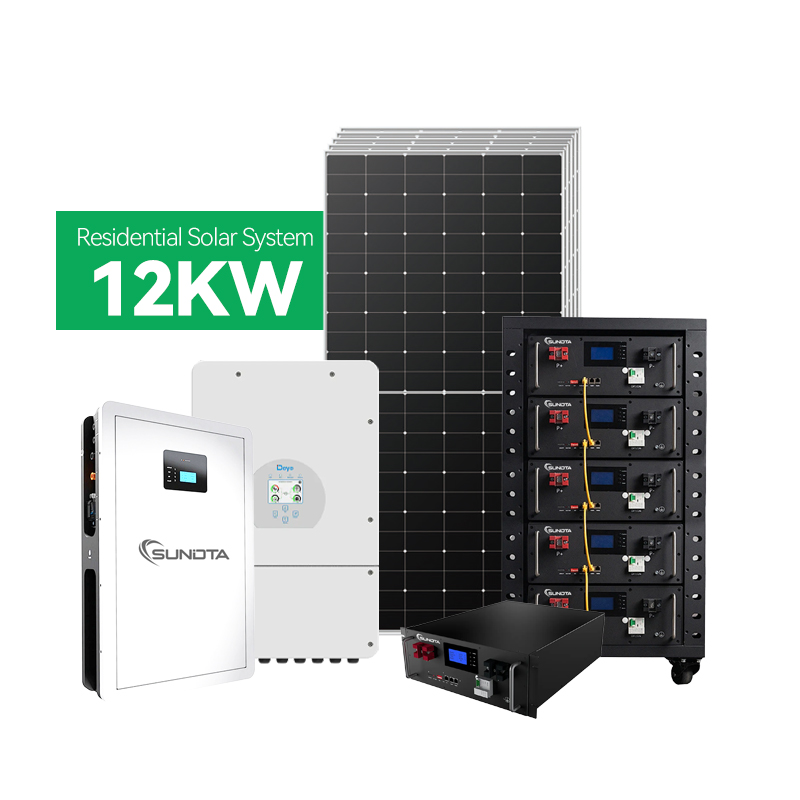
- 12kW Dual MPPT High-Efficiency Controller
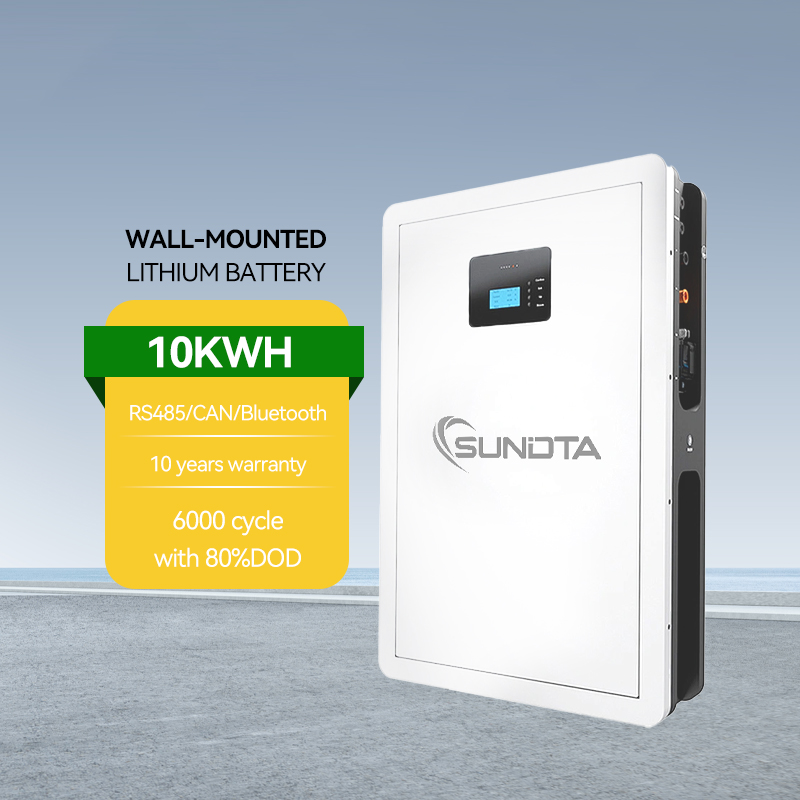
- 25kWh High-Safety LiFePO4 Chemistry
- Pure Sine Wave Multi-Phase Marine Sync
Explore our industrial-grade, salt-mist resistant photovoltaic modules and matching lithium storage systems, tested under severe humidity, vibrational mechanical loads, and maritime atmospheric conditions.
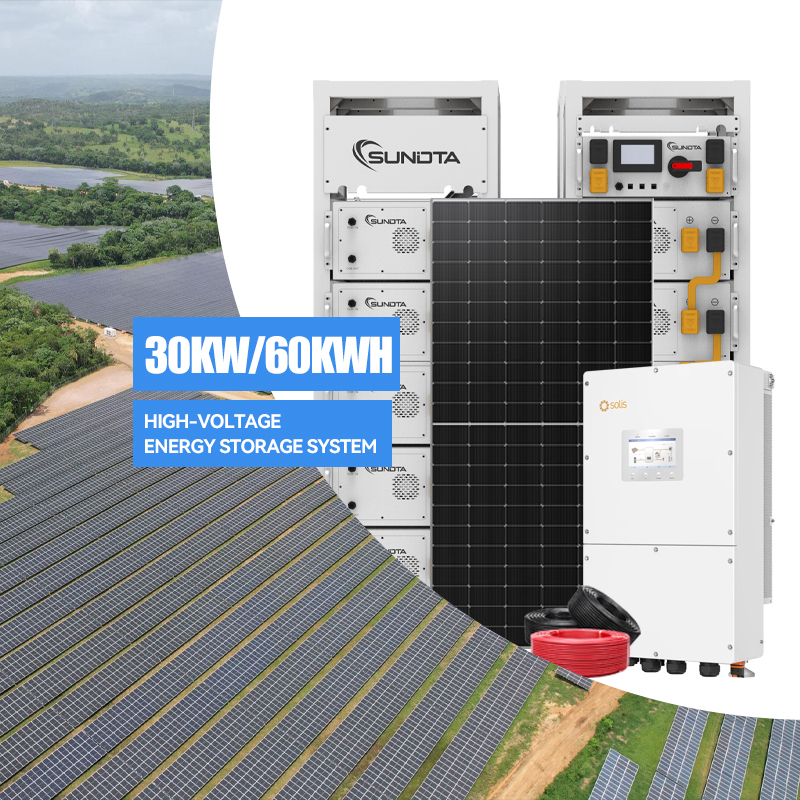
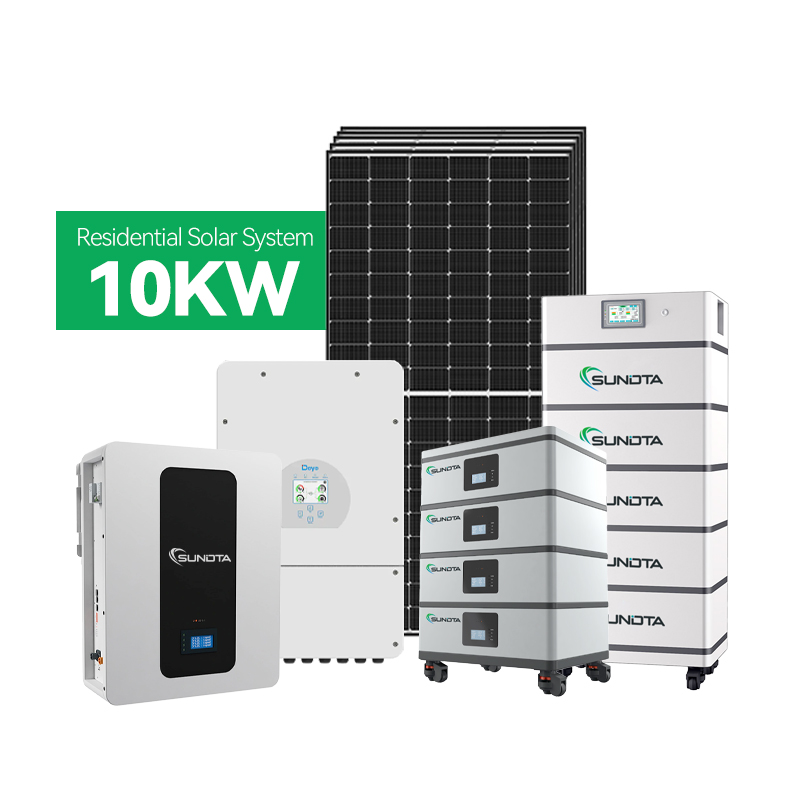
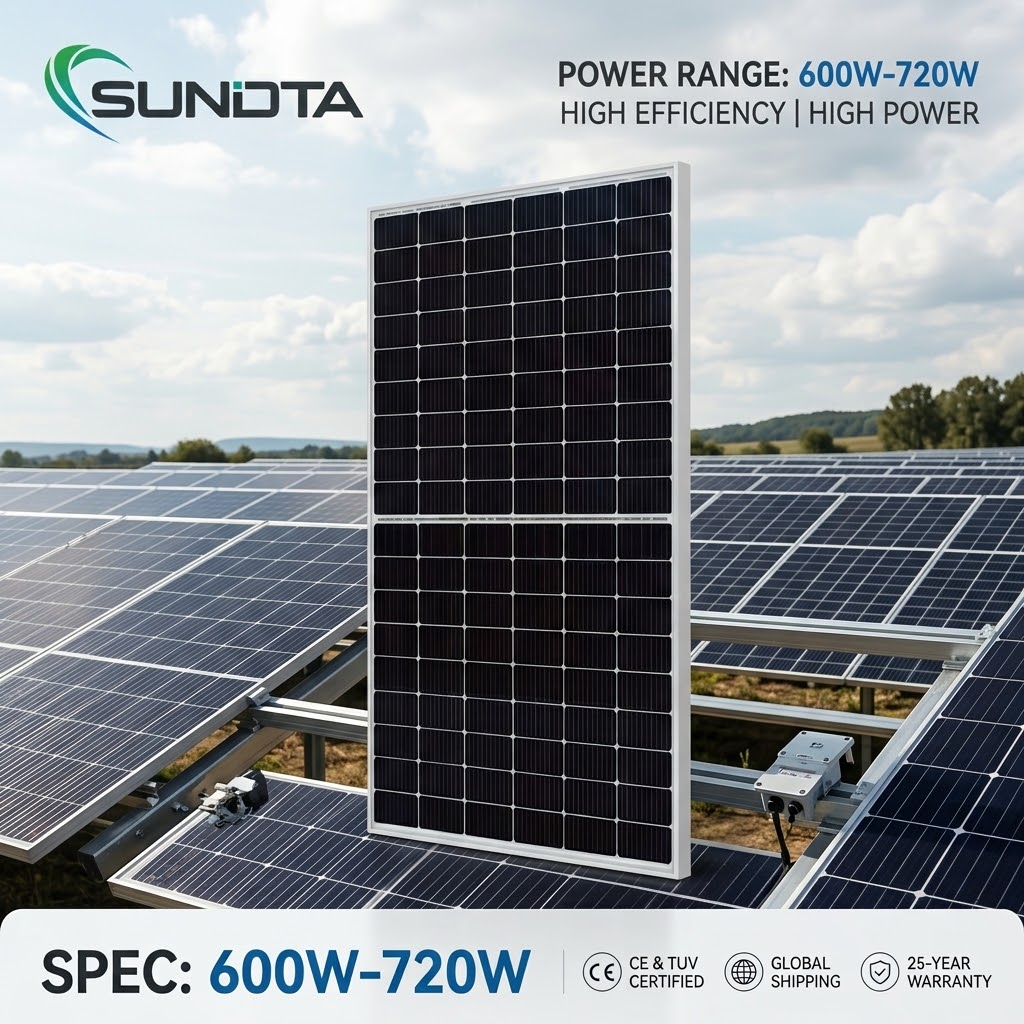
Deploying photovoltaic systems in marine and aquatic environments introduces physical stresses that quickly destroy conventional rooftop modules. Discover the materials science separating terrestrial panels from true marine-grade infrastructure.
Marine solar installations—ranging from autonomous workboats, commercial tugs, and aquaculture feed barges to pontoon-mounted floating solar arrays on inland reservoirs—operate in some of the most aggressive environmental conditions on Earth. Standard terrestrial photovoltaic panels installed in such environments consistently suffer premature degradation, cell cracking, delamination, and fatal junction box water ingress within 12 to 24 months. As an international manufacturing and engineering exporter collaborating directly with system integrators, EPCs, and procurement directors in Ganja, Azerbaijan, Anhui RJV New Energy engineers its marine module series to exceed rigorous international maritime standards, including IEC 61701 (Salt Mist Corrosion Testing Severity 6) and IEC 62716 (Ammonia Corrosion Resistance).
Standard EVA (Ethylene-Vinyl Acetate) film degrades rapidly in saline moisture, forming acetic acid that attacks busbars and anti-reflective coatings. Our marine solar modules utilize cross-linked Polyolefin Elastomer (POE) encapsulation combined with dual 2.0mm semi-tempered glass. POE boasts a water vapor transmission rate (WVTR) orders of magnitude lower than EVA, preventing potential-induced degradation (PID) and internal galvanic corrosion across decades of waterborne service.
Salt-laden mist carries dissolved electrolytes that penetrate typical snap-lock terminal casings, causing electrical arcing and bypass diode short circuits. Our marine modules incorporate solid-silicone-potted junction boxes rated to IP68 continuous immersion. High-temperature Schottky bypass diodes are sealed against moisture, while heavy-duty tinned copper solar conductors terminate in IP68 MC4-Evo2 connectors resistant to high-pressure washdowns.
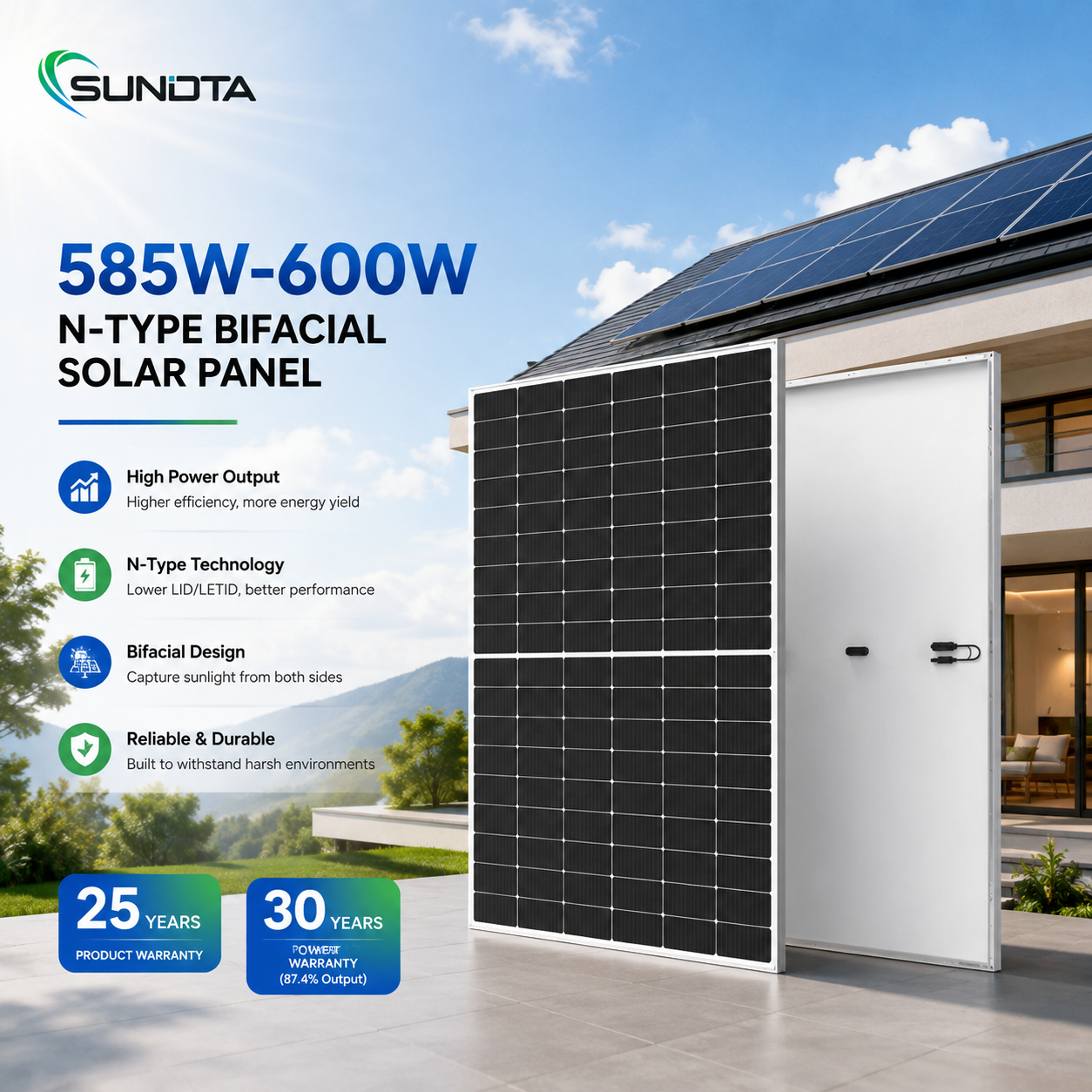
Aluminum frames are extruded using marine-grade 6005-T6 alloy treated with a 25-micron anodic oxidation layer, offering exceptional resistance to pitting in alkaline and saline air. When coupled with our bifacial N-Type TOPCon half-cell architectures, the modules harness high surface water albedo (reflectivity reaching 8% to 18%), generating up to 25% extra kilowatt-hours compared with conventional mono-facial marine panels.
Ganja sits as the economic, transit, and technological anchor of Western Azerbaijan. While renowned for its cultural heritage and manufacturing hubs, its direct proximity to major reservoirs, waterways, and Caspian transport arteries makes it a vital center for specialized marine and aqua-photovoltaic deployments.
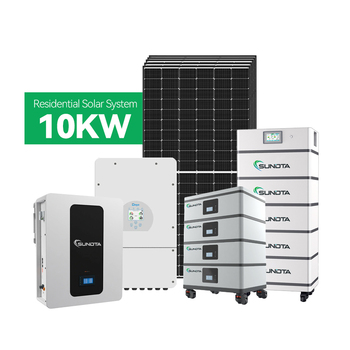
Known as the "Mingachevir Sea" just east of Ganja, this massive inland body of water hosts commercial fisheries, watercraft maintenance facilities, and hydro-infrastructure. Our bifacial marine panels mounted on HDPE floating pontoons convert open surface areas into clean megawatt-scale power stations, reducing water evaporation while boosting PV generation through ambient water-cooling effects.
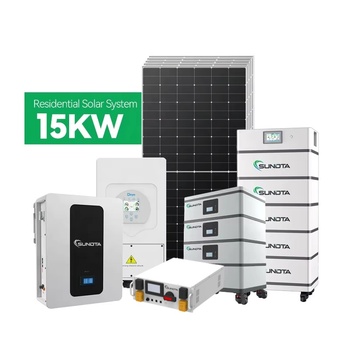
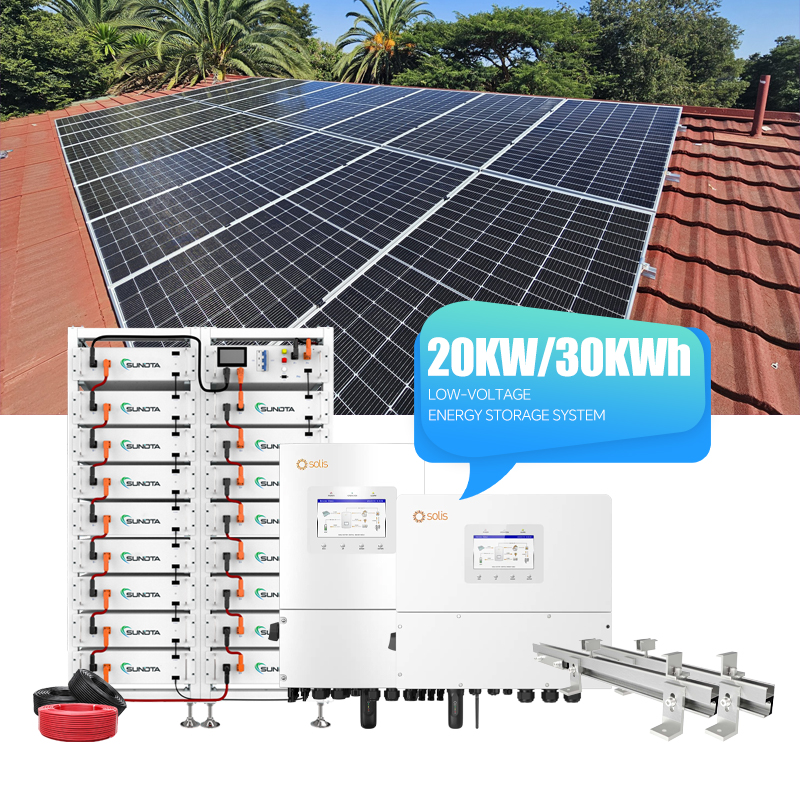
Within the Goygol National Park immediately south of Ganja, strict environmental protection standards ban heavy hydrocarbon emissions. Our 10kW to 20kW hybrid solar power sets and vibration-resistant LiFePO4 batteries provide zero-emission propulsion, auxiliary cabin lighting, and radar power for electric tour catamarans, patrol vessels, and floating biological monitoring stations.
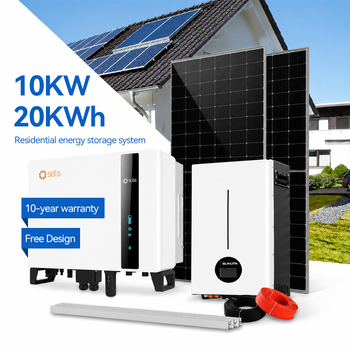
The Shamkir water complex west of Ganja features intensive aquaculture farms and floating agricultural irrigation pumps. RJV's anti-corrosive marine modules power remote aeration buoys, continuous feeding platforms, and automated water-quality telemetry, eliminating diesel transport costs and fuel-spill hazards in sensitive regional water tables.
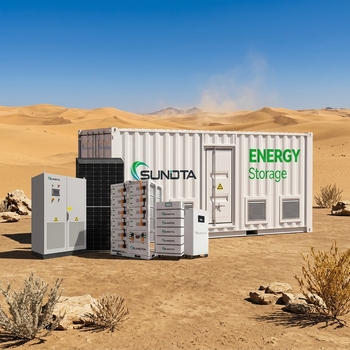
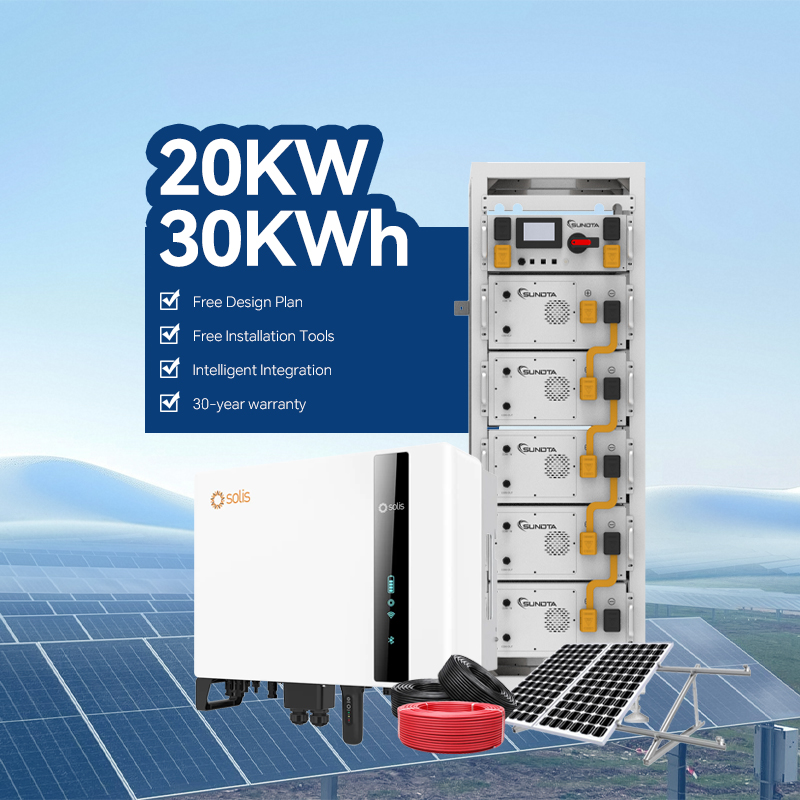
Ganja is the pivotal logistics hub linking the Black Sea and Caspian maritime transit corridors. Marine EPC contractors based in Ganja assemble complete photovoltaic hybrid kits—including high-capacity containerized BESS and 595W N-Type panels—before forwarding them to offshore oilfield platforms, work barges, and coastal cargo carriers docking along the Caspian shoreline.
Azerbaijan’s strategic commitment to renewable energy—accentuated by national net-zero roadmaps and international climate initiatives—is driving a massive overhaul of marine and utility power architecture throughout Western Azerbaijan.
Historically anchored by oil and gas extraction, Azerbaijan has initiated aggressive renewable energy initiatives aimed at turning the Karabakh, East Zangezur, and Western trans-Caucasus corridors into designated "Green Energy Zones." As inland transport shifts toward decarbonization, maritime operators on the Kura River basin and commercial operations on regional reservoirs are phasing out diesel gen-sets in favor of hybrid-electric power trains. The following technical comparison details how standard industrial setups compare with modern marine solar and LiFePO4 battery integration tailored for Ganja's industrial purchasers:
| Operational Vector | Legacy Marine / Inland Setup | RJV Modern Marine Solar Architecture | Procurement Impact for Ganja Integrators |
|---|---|---|---|
| Primary Auxiliary Power | Continuous idle marine diesel generators running 18–24 hrs/day. | 585W–595W N-Type TOPCon bifacial arrays + MPPT charge regulation. | Reduces marine auxiliary fuel expenditures by 65% to 85%; eliminates night generator noise and vibration. |
| Atmospheric Durability | Standard anodized aluminium (12-15μm) with single EVA sheet backsheet. | Heavy-duty 6005-T6 frame (25μm) + dual POE encapsulant layers (IEC 61701 Class 6). | Eliminates glass delamination, moisture tunneling, and PID; extends asset life beyond 25–30 operational years. |
| Storage Chemistry | Flooded lead-acid or standard AGM batteries with 50% max DOD. | Prismatic LiFePO4 cells with CAN-bus automated BMS (6,000+ cycles at 90% DOD). | Cuts battery system weight by 70%, critical for vessel displacement, stability, and deck space optimization. |
| Thermal Coefficients | Standard P-type PERC: -0.35%/°C (steep output collapse in summer heat). | N-Type TOPCon: -0.30%/°C with superior low-light albedo capture. | Generates significantly higher kWh yields during intense Azerbaijan continental summers (>40°C air temperature). |
| Integration Turnaround | Fragmented procurement from multiple module, inverter, and rack vendors. | Turnkey pre-engineered kits: modules, Deye/Solis hybrids, LiFePO4, marine cables. | Consolidates customs clearance at Baku/Ganja terminals into a unified BOM, preventing field-matching errors. |
Combining fully automated high-precision solar manufacturing in Hefei with dedicated export channels serving Europe and the trans-Caucasus, Anhui RJV New Energy provides unmatched manufacturing depth and quality control.
Equipped with high-precision automated stringers, non-destructive laser cutting, and triple EL (electroluminescence) crack detection to guarantee zero micro-fractures under marine shock loads.
Our production facilities have successfully completed thorough on-site assessments by TÜV Rheinland. Every product line carries CE, IEC 61215, and IEC 61730 documentation for swift customs approval.
We do not simply export loose solar panels. We engineer and deliver perfectly matched power systems—harmonizing inverter MPPT windows, battery BMS protocols, and DC disconnect hardware.
Our certified solar engineering team provides around-the-clock technical consultations, string-sizing calculations, single-line wiring diagrams (SLDs), and prompt warranty fulfillment across all time zones.
Direct answers to the most common questions raised by electrical engineers, EPC contractors, and equipment importers in Western Azerbaijan when sourcing marine-grade solar systems.
Whether you require a single pilot kit for an inland vessel, a floating solar pontoon array, or wholesale distribution quantities delivered to your warehouse in Western Azerbaijan, our senior technical team is ready to deliver customized sizing diagrams, comprehensive BOMs, and competitive pricing within 24 hours.