High-Yield Off-Grid Inverters & Integrated LiFePO4 Energy Systems
Pre-configured and field-tested for the harsh climatic conditions of the Chinandega basin. Optimized for heavy inductive loads, zero-export microgrids, and high-frequency utility outages.
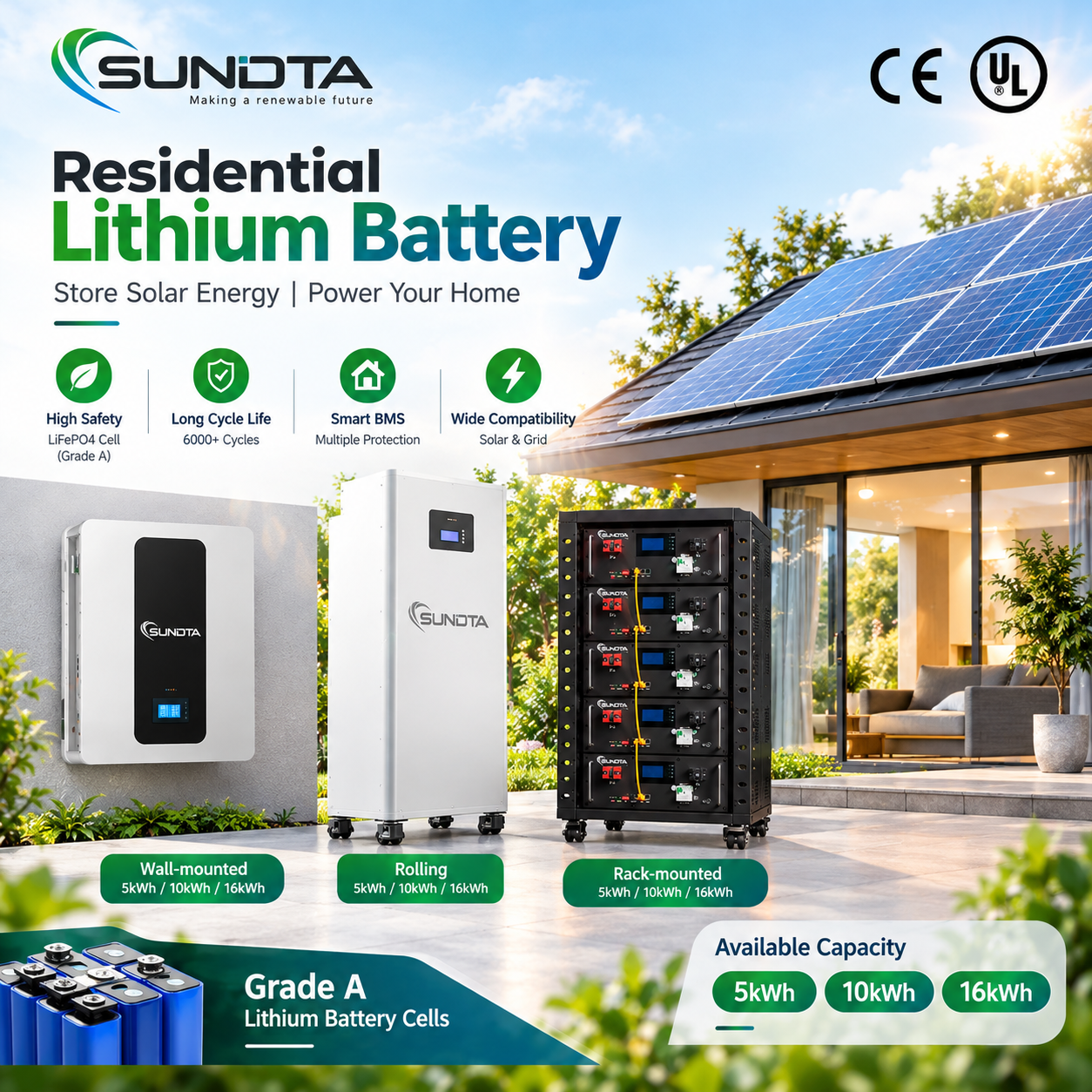
- Scalable design: 10 kWh to 30 kWh building blocks
- Dual CAN & RS485 communication protocols
- 6,000+ deep cycles at 80% DoD rating
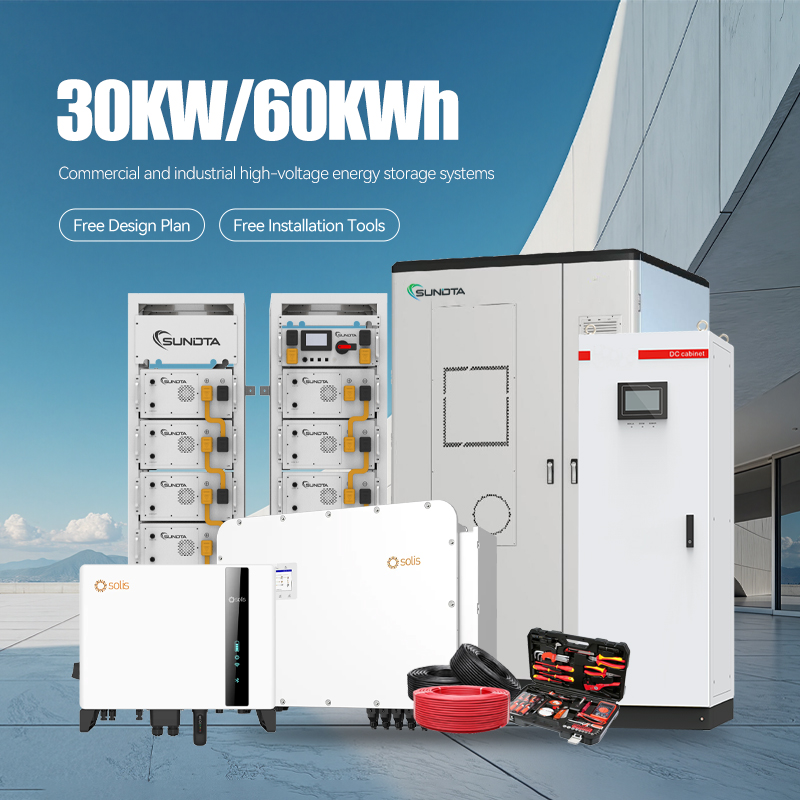
- Grade-A prismatic 314Ah high-energy cells
- Integrated 48V busbar architecture
- Surge suppression for agricultural pump cycles
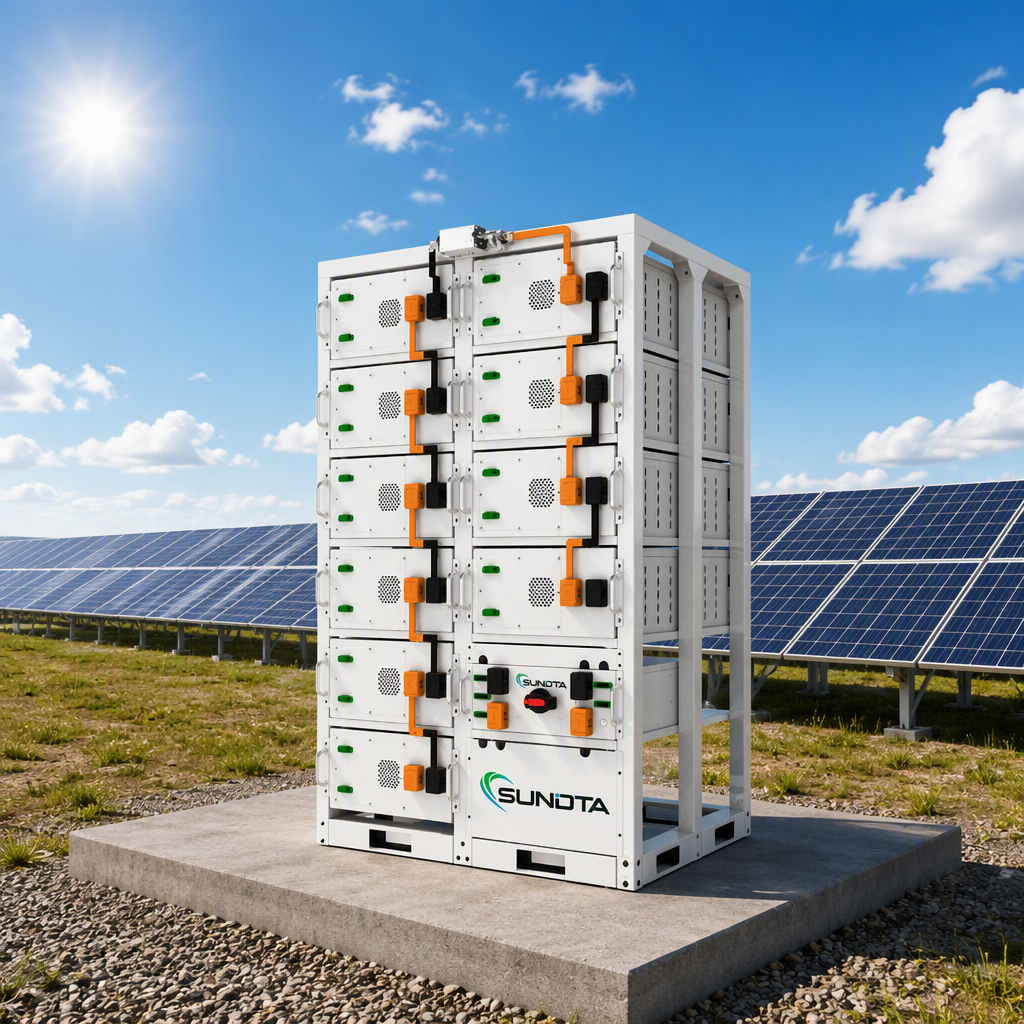
- Air-cooled high voltage cabinet (400V–800V)
- Direct three-phase hybrid/off-grid compatibility
- Aerosol automatic fire suppression pre-installed
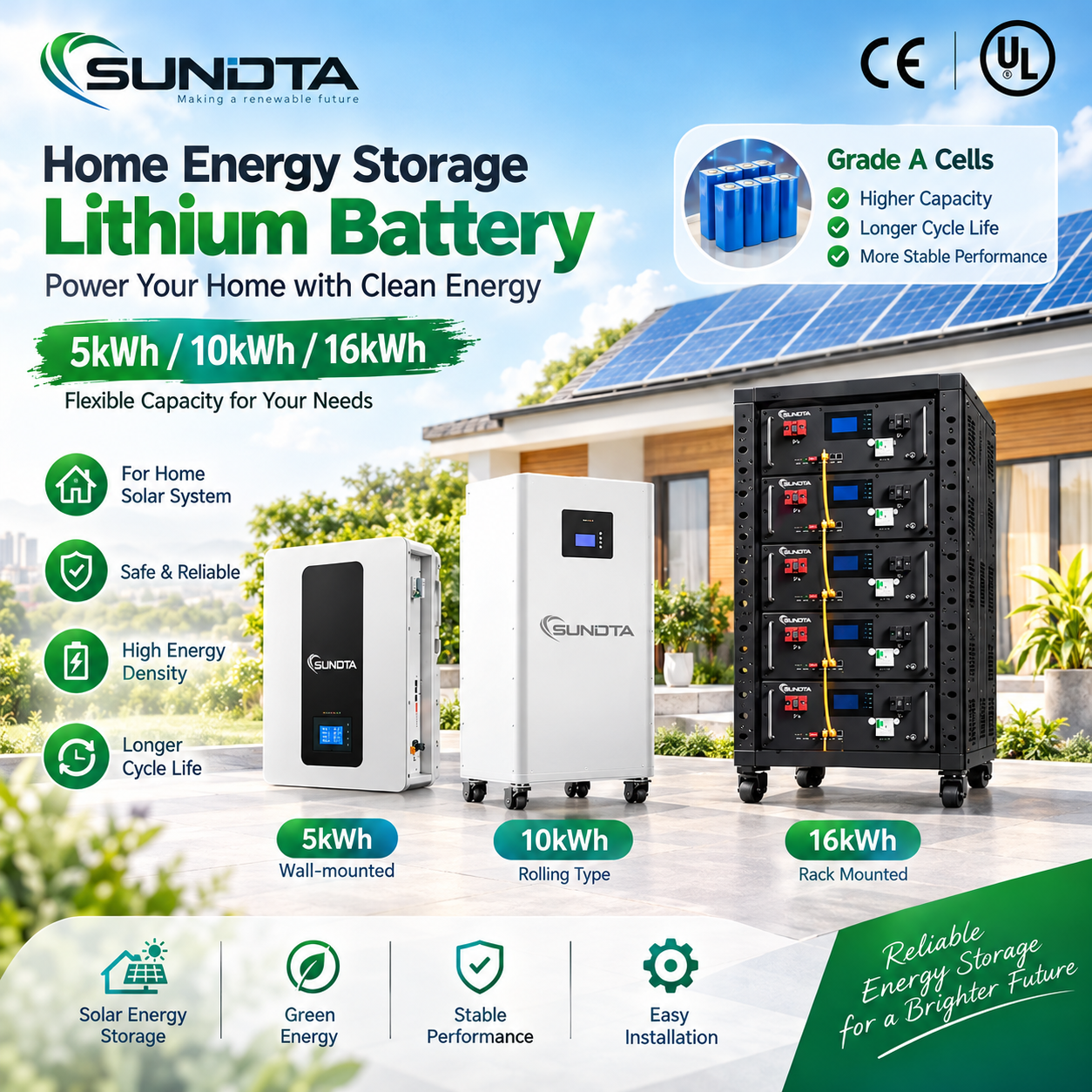
- Low-profile wall bracket mounting system
- Closed-loop baud rate sync with Deye/Solis/Growatt
- Real-time touch-screen parameter status
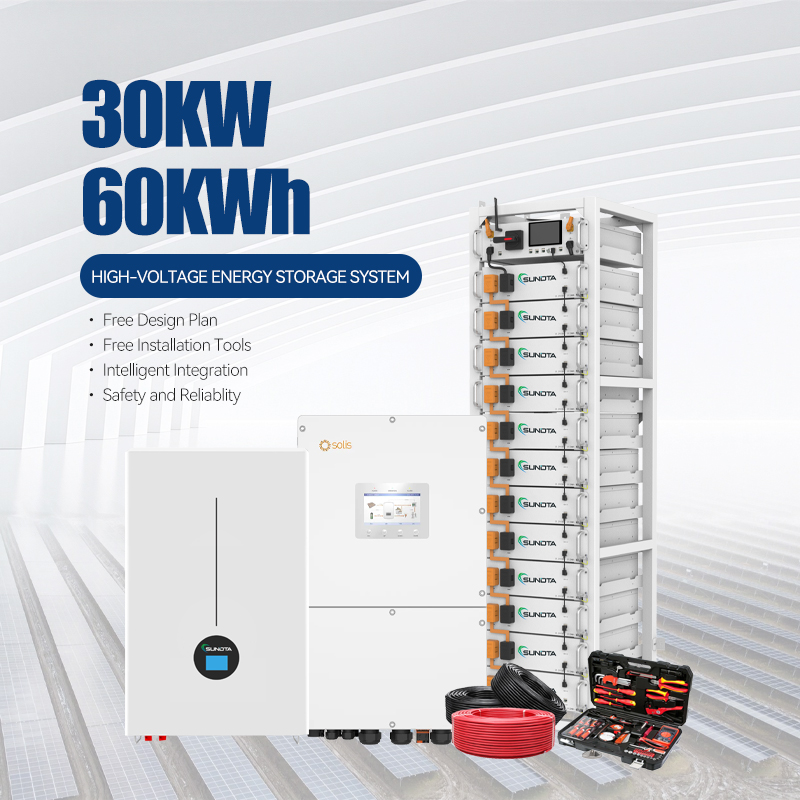
- Engineered for continuous 8kW to 10kW sustained loads
- Compact depth design for technical room closets
- Multi-unit parallel connection up to 15 packs
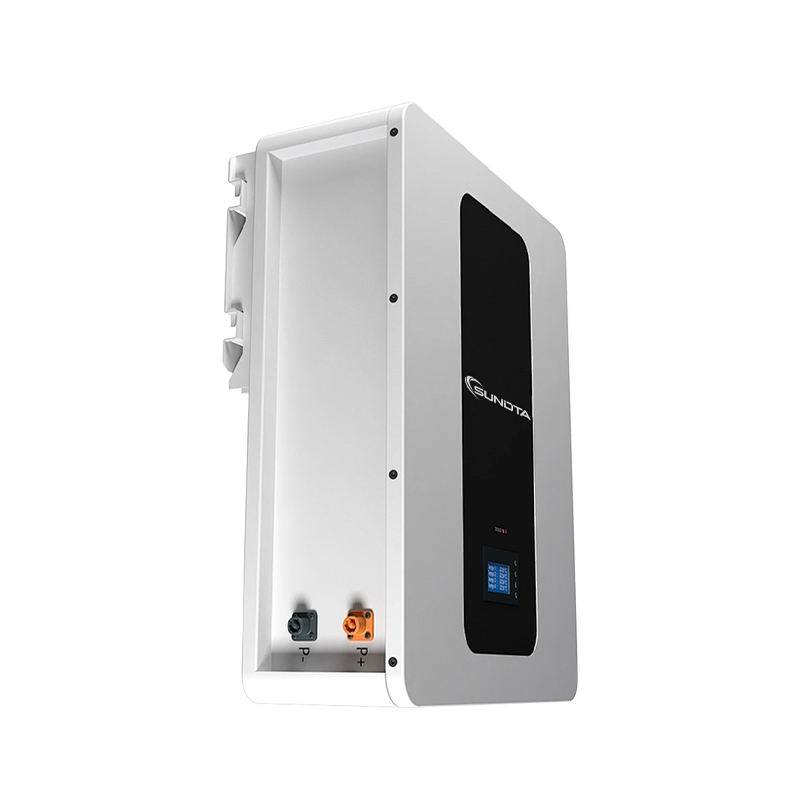
- Corrosion-resistant powder-coated IP65 chassis
- Optimal for semi-outdoor carport & veranda mounts
- Internal temperature sensor & thermal cell barrier
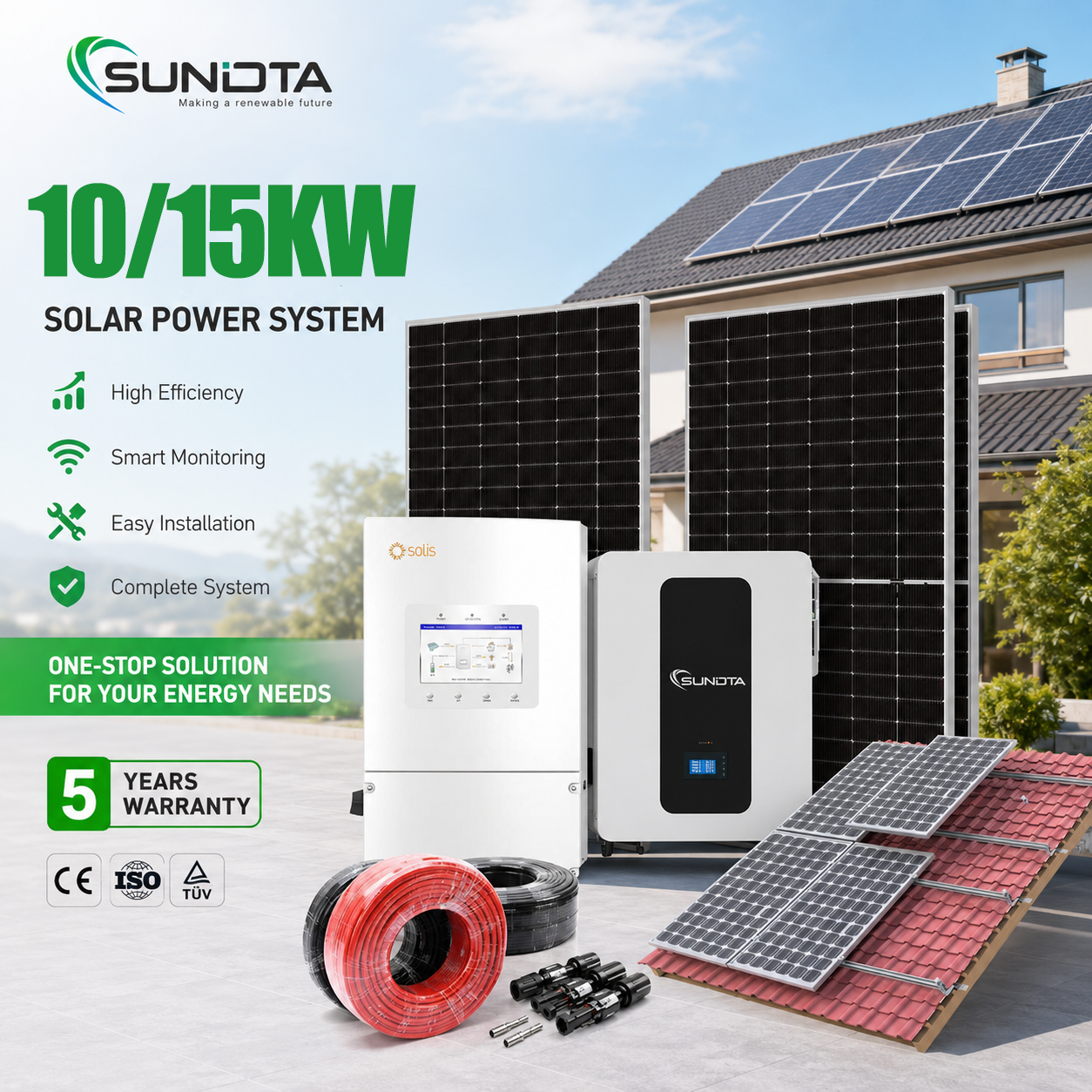
- 120V/240V split-phase output for standard equipment
- Ultra-fast 4ms transfer time during utility dropout
- Triple MPPT tracker for divergent roof orientations
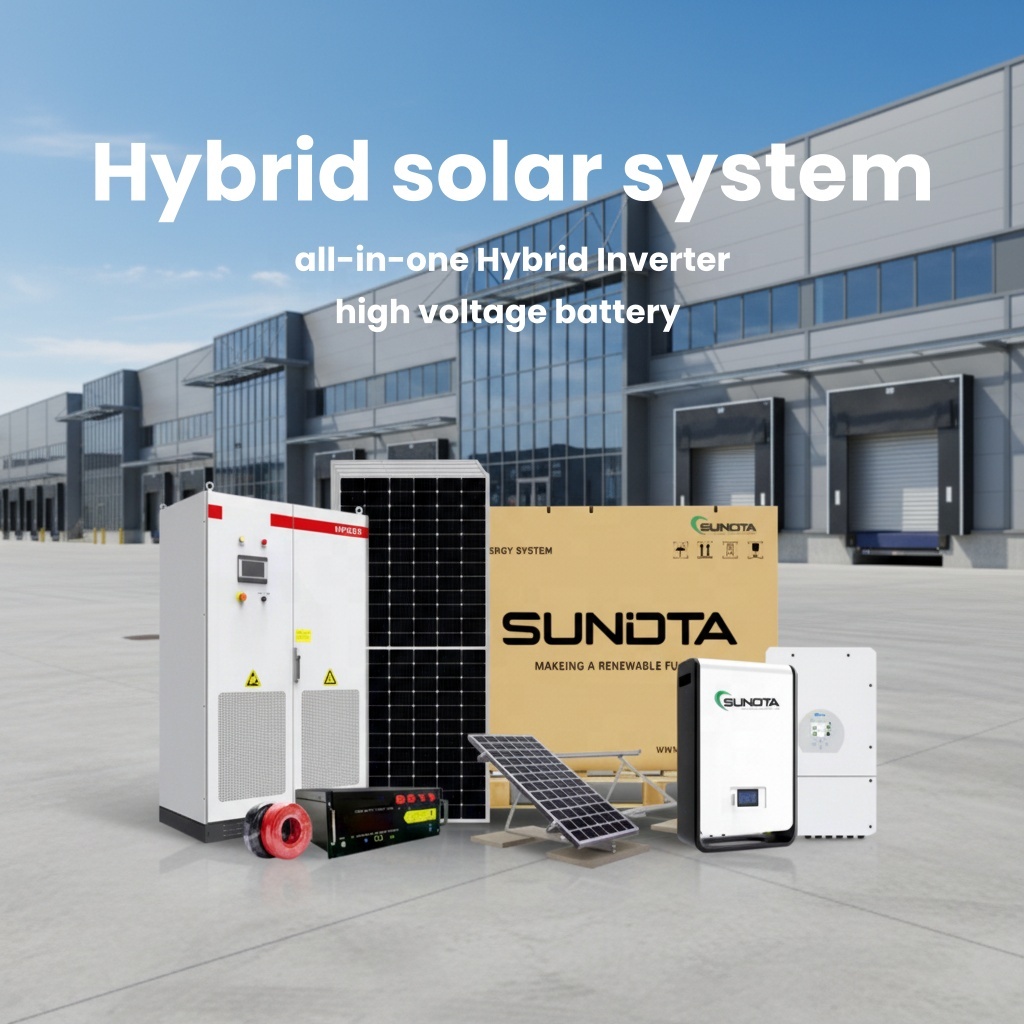
- Centralized HVAC liquid/air climate control
- Integrated PCS, dynamic EMS, and STS modules
- Industrial peak-shaving and backup generator pairing
Navigating the Thermal & Inductive Challenges of Chinandega
The Department of Chinandega, extending from the volcanic fertile plains of Chichigalpa and El Viejo down to the Pacific maritime terminal of Puerto Corinto, forms Nicaragua’s foremost economic breadbasket. However, for power electronics engineers and renewable energy EPC contractors, Chinandega represents one of Central America’s most demanding operating environments.
With ambient dry-bulb temperatures routinely surpassing 38°C (100°F) during the dry season and relative humidity exceeding 85% during the monsoon period, standard consumer-grade inverters suffer catastrophic thermal derating and premature component failure. Furthermore, the local distribution network operated under Disnorte-Dissur frequently experiences severe voltage sags (±22%), transient spikes, and unscheduled brownouts caused by heavy agricultural motor starting across sugar cane mills, peanut processing facilities, and shrimp aquaculture farms.
Critical Engineering Constraint: Ambient Derating Factors
At Chinandega field sites where inverter enclosures reach internal temperatures of 50°C, high-frequency transformerless inverters often experience 20% to 35% thermal curtailment. Anhui RJV New Energy engineers specify oversized copper-wound low-frequency isolation transformers and forced variable-speed hydrodynamic cooling fans to preserve continuous nominal output under sustained 45°C ambient conditions.
By pairing high-surge off-grid power conversion with tier-1 LiFePO4 chemistry and intelligent closed-loop CANbus communication, Anhui RJV New Energy eliminates the reliance on expensive, high-maintenance diesel generator sets, yielding a typical Levelized Cost of Energy (LCOE) reduction exceeding 42% across Western Nicaragua.
Selecting the Right Inverter Architecture for Chinandega Loads
A rigorous engineering comparison between high-frequency transformerless topologies and rugged low-frequency transformer-isolated inverters when operating under erratic Pacific coastal conditions.
| Evaluation Parameter | High-Frequency Transformerless | Low-Frequency Toroidal Transformer | Recommended Context in Chinandega |
|---|---|---|---|
| Surge Capacity & Inrush Handling | 1.2× to 1.5× nominal rating (limited to <100 milliseconds) | 3.0× nominal rating (sustained 5 to 10 seconds) | Heavy Inductive Mandatory for submersible irrigation pumps (sub-boring wells) and commercial cold storage refrigeration compressors. |
| Thermal Derating Threshold | Sharp linear derating initiating at 40°C ambient | Gradual thermal slope; maintains 100% capacity up to 48°C | Extreme Heat Essential for non-air-conditioned outbuildings, rural sheds, and coastal pump stations in Corinto. |
| Harmonic Distortion (THD) under Unbalanced Load | THD > 5% when single-phase loads exceed 60% on split-phase setup | Pure Sinewave THD < 2.5% with 100% phase imbalance capability | Clean Power Critical for telemetry, PLC control cabinets in sugar processing mills, and sensitive laboratory sensors. |
| Galvanic Isolation & Lightning Resistance | Electronic isolation only; high vulnerability to Pacific atmospheric surges | True magnetic galvanic isolation between DC busbar and AC load | Surge Protection Protects expensive LiFePO4 battery banks against back-fed utility voltage transients and ground strikes. |
| BMS Communication Protocol Interoperability | Native CANbus 2.0B / RS485 closed-loop software handshake | Integrated RJ45 port supporting direct Pylontech, Sundta, and Deye BMS protocols | System Health Ensures accurate State of Charge (SoC) management without lead-acid voltage sag estimation errors. |
Mission-Critical Power Architecture Across Key Sectors
From rural agro-wells to coastal export logistics, discover how RJV power conversion hardware stabilizes continuous production throughout the department.
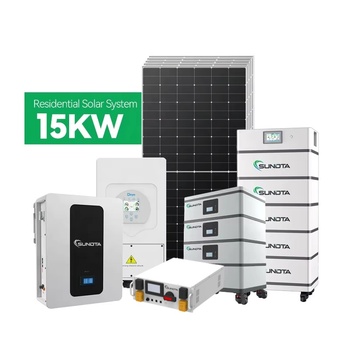
Agro-Well Solar Pumping
Direct coupling of 15kW to 50kW off-grid inverters to three-phase 230V submersible pumps across sugarcane and banana plantations, replacing diesel generators with automated VFD MPPT water extraction.
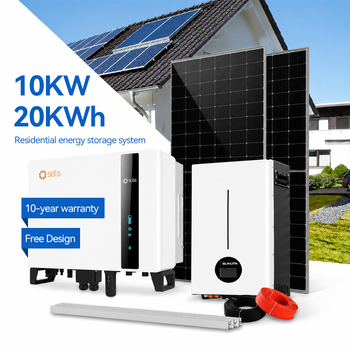
Shrimp Aquaculture Aeration
Estuary-facing shrimp nurseries along the Real Estuary require uninterruptible aeration. Our IP65-treated inverter cabinets ensure continuous dissolved oxygen levels through nocturnal battery discharge.
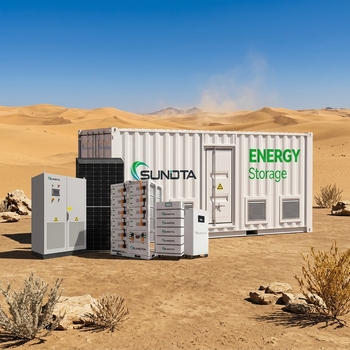
Cold-Chain Port Logistics
Refrigerated cargo handling near Puerto Corinto requires instant failover. High-voltage 100kWh-500kWh ESS containers buffer unstable coastal feeder lines, safeguarding perishable agricultural exports.
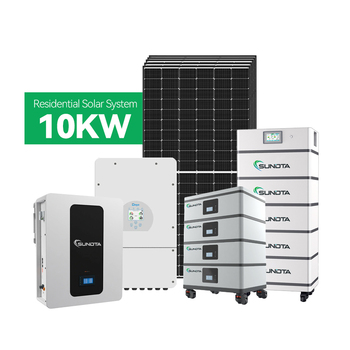
Off-Grid Haciendas & Estates
Single and split-phase 120V/240V residential architectures combining 10kWh to 30kWh modular wall batteries to operate whole-home HVAC cooling, refrigeration, and security systems independent of Disnorte outages.
Why International EPCs & Nicaraguan Importers Trust Anhui RJV
As a vertically integrated solar and energy storage manufacturer based in Hefei, China, Anhui RJV New Energy Co., Ltd. eliminates middleman margins while enforcing Tier-1 quality assurance.
TÜV Rheinland Verified
Comprehensive on-site supplier verification covering cleanroom production, automated stringers, and battery aging laboratories.
2 GW Annual Capacity • 500+ MW
Over 500 MW in global utility, commercial, and microgrid deployments backed by 38 utility patents and an AAA Enterprise Credit rating.
Direct Corinto Maritime Logistics
Full support for FOB China, CFR, and CIF Puerto Corinto shipment options with complete consular packing lists, CE declarations, and UN38.3 battery dossiers.
Pre-Commissioned Closed-Loop Kits
Inverter MPPT tracking windows, BMS CANbus baud rates, and LiFePO4 battery pack voltages are matched and burn-in tested before container stuffing.
B2B OEM / ODM Specialization
Custom exterior branding, specialized low-frequency split-phase transformers, customized DC breaker sizing, and tailored installer documentation.
24/7 Remote Engineering Assistance
Real-time technical assistance for sizing calculations, wiring verification, firmware upgrades, and warranty dispatch across the Central American time zone (UTC-6).
Frequently Asked Questions by Chinandega B2B Buyers & EPCs
Key insights on Nicaraguan grid norms, import tariff exemptions under Ley 532, shipping into Puerto Corinto, and motor load sizing.
What AC voltage and frequency configurations do your off-grid inverters support for Western Nicaragua?
Our off-grid inverters are manufactured to support the specific electrical grid architecture of Nicaragua (standardized at 60Hz). For residential and small commercial installations, we deliver split-phase 120V / 240V units capable of handling unbalanced loads across the two 120V legs. For agricultural pumping stations and commercial agro-industrial sites in Chinandega, we provide both 3-phase 208V/220V/240V (delta) and 3-phase 480V (wye) configurations, ensuring zero mismatch with locally deployed TEFC motors, deep-well pump heads, and distribution step-down transformers.
How do solar inverters and LiFePO4 batteries qualify for tax exemptions under Nicaraguan Ley 532?
Under Nicaragua’s Renewable Energy Law (Ley 532 – Ley para la Promoción de Generación Eléctrica con Fuentes Renovables), qualified solar equipment, including specialized solar inverters, charge controllers, PV modules, and dedicated renewable storage batteries, can benefit from import tariff (DAI) and value-added tax (IVA) exemptions. Anhui RJV New Energy supports local importers and EPCs by providing verified HS Code classification sheets, detailed technical datasheets, factory test certificates, and certified commercial invoices required by the Ministry of Energy and Mines (MEM) and the General Directorate of Customs (DGA) for fast-track tax exoneration processing.
What are the shipping options and transit timelines for container deliveries to Puerto Corinto?
Because Chinandega hosts Puerto Corinto—Nicaragua’s principal Pacific deep-water seaport—our buyers enjoy a major logistical advantage. We offer direct ocean container shipments (20GP, 40HQ) from Shanghai, Ningbo, or Shenzhen directly to Puerto Corinto (EVPCO) via major transpacific carriers (such as Maersk, MSC, and CMA CGM). Ocean transit typically ranges between 26 and 35 days. Shipments destined for Chinandega enjoy rapid inland clearance, avoiding the expensive trans-isthmus trucking routes required when importing via Caribbean ports.
How do you protect equipment against coastal salt-fog corrosion near Puerto Corinto and El Viejo?
Coastal Chinandega installations face high atmospheric salinity combined with humidity. Our export units destined for coastal sectors undergo a multi-layer conformal coating process on all printed circuit boards (PCBs) according to IPC-CC-830 standards. Enclosures are manufactured with cold-rolled electro-galvanized sheet metal treated with outdoor thermosetting polyester powder coatings rated up to ISO 12944 C5-M (Marine High Corrosivity category). In addition, all external hardware, terminal lugs, and heat sinks use 304/316 stainless steel and anodized AL6005-T5 aluminum alloys to prevent galvanic corrosion.
How do I correctly size an off-grid inverter for heavy agricultural motors and refrigeration compressors?
Direct-on-line (DOL) electric motors, commonly found on water pumps and refrigeration units throughout Chichigalpa and Chinandega, exhibit inrush currents reaching 5 to 7 times their full-load amperage (FLA). When utilizing our low-frequency off-grid inverters with built-in heavy toroidal transformers, the inverter can comfortably absorb up to 300% of its rated capacity for 10 seconds, allowing for a 1:1 or 1.5:1 sizing ratio relative to the motor horsepower. If high-frequency inverters are preferred, our engineering team recommends integrating a Variable Frequency Drive (VFD) or soft starter, or sizing the inverter continuous capacity at 2.5× the aggregate motor nameplate capacity.
Can your off-grid inverters synchronize with existing backup diesel generators on rural haciendas?
Yes. Our off-grid hybrid platforms feature a dedicated AC Auxiliary / Generator Input equipped with an intelligent dry-contact relay for automatic generator starting (AGS). The inverter continuously tracks battery State of Charge (SoC). When the LiFePO4 bank reaches a user-defined lower limit (e.g., 20% during extended torrential rains), the inverter triggers the generator, synchronizes with the generator’s frequency (tolerating wide input fluctuations from 45Hz to 65Hz), charges the battery bank at programmable constant-current rates, and automatically shuts down the generator once the absorption threshold is reached.