Engineered Commercial Photovoltaics & Energy Storage Lineup
Comprehensive solar architectures designed for utility-grade uptime, commercial peak-shaving, and distributed generation compliance under EN/IEC 61215 and 61730 harmonization directives.
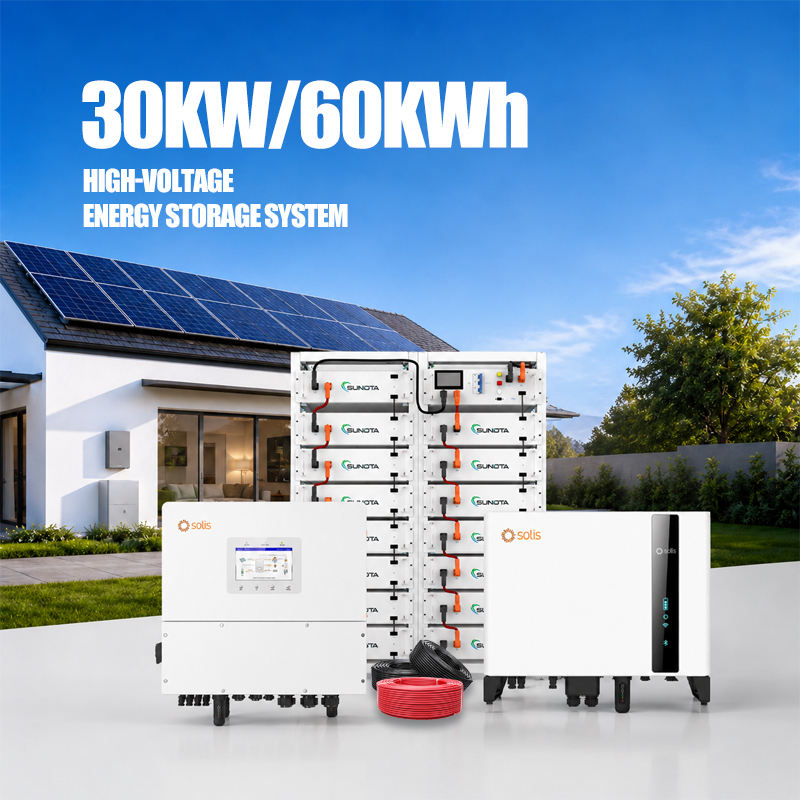
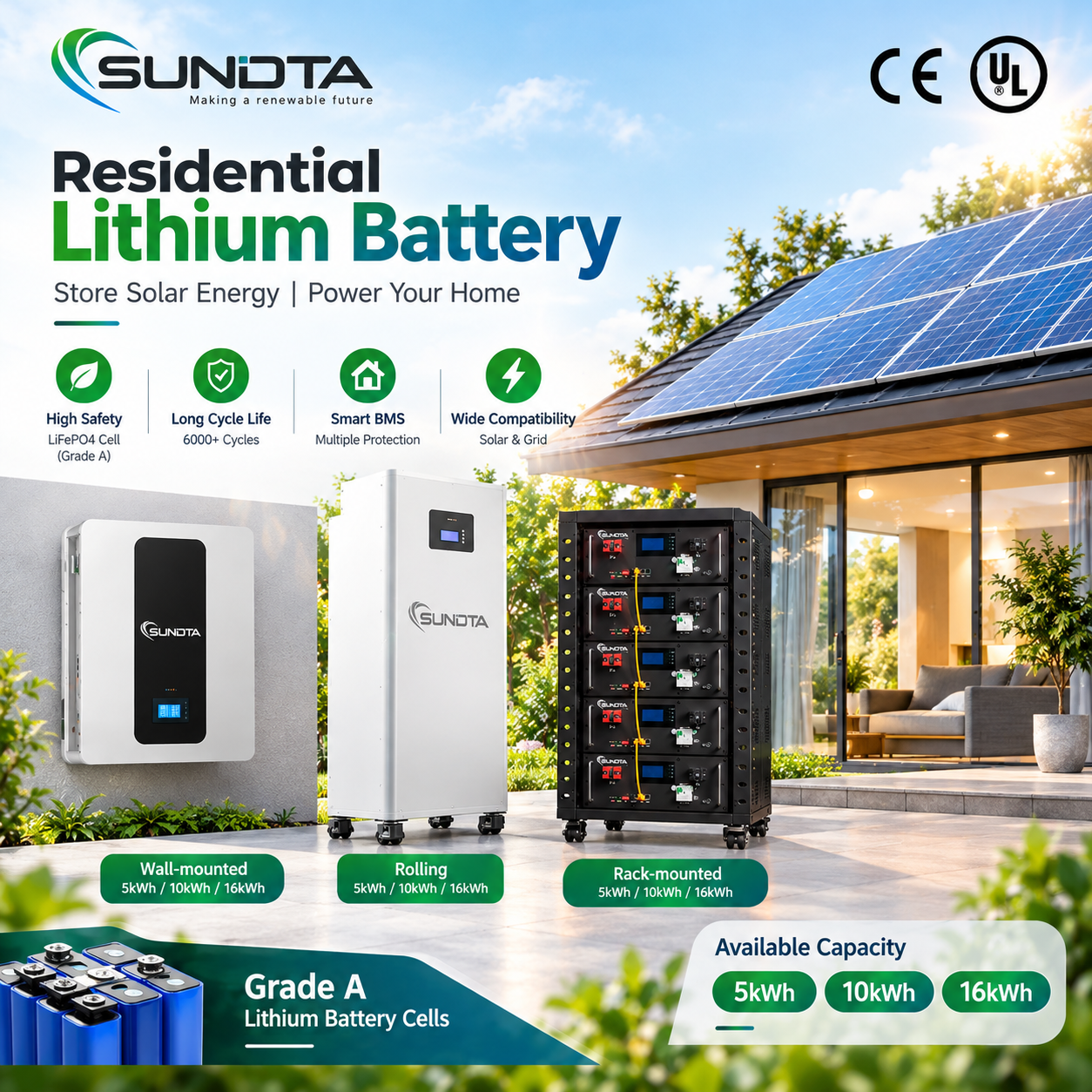
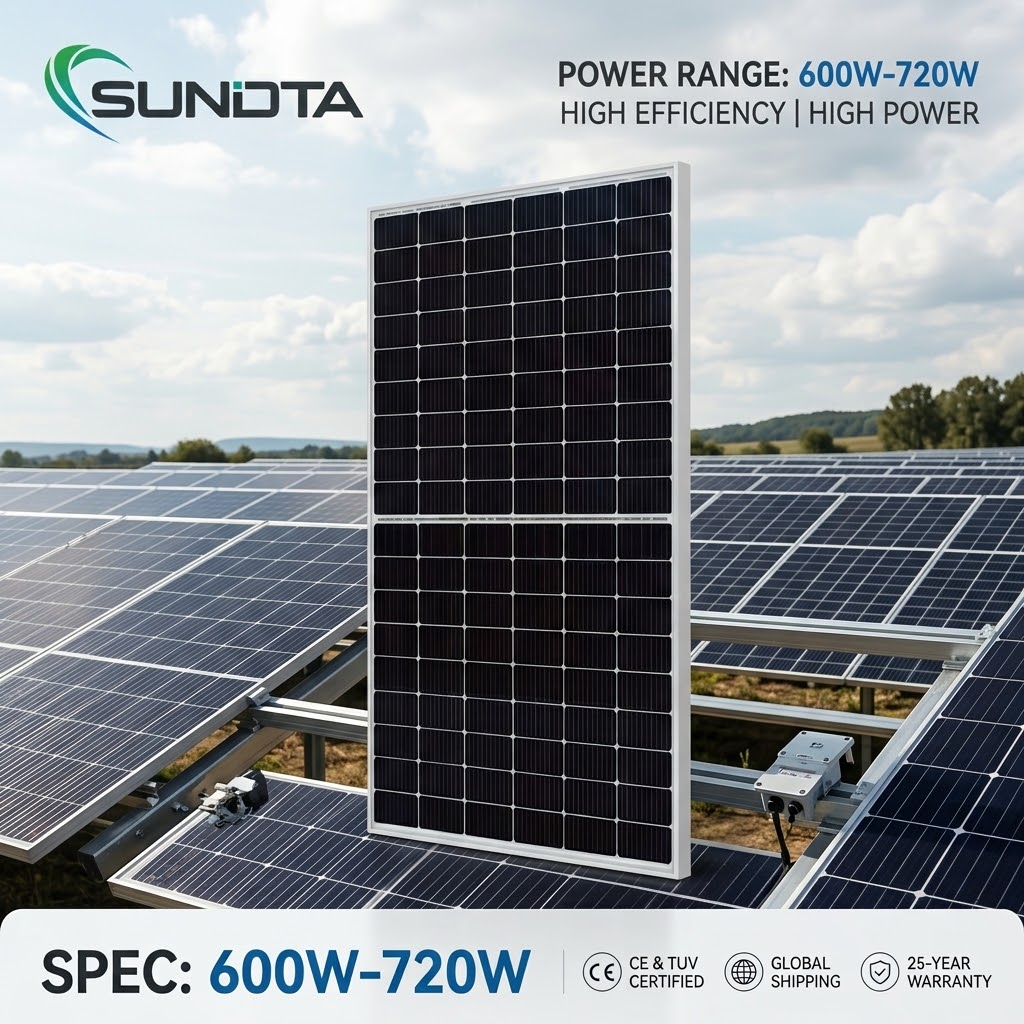
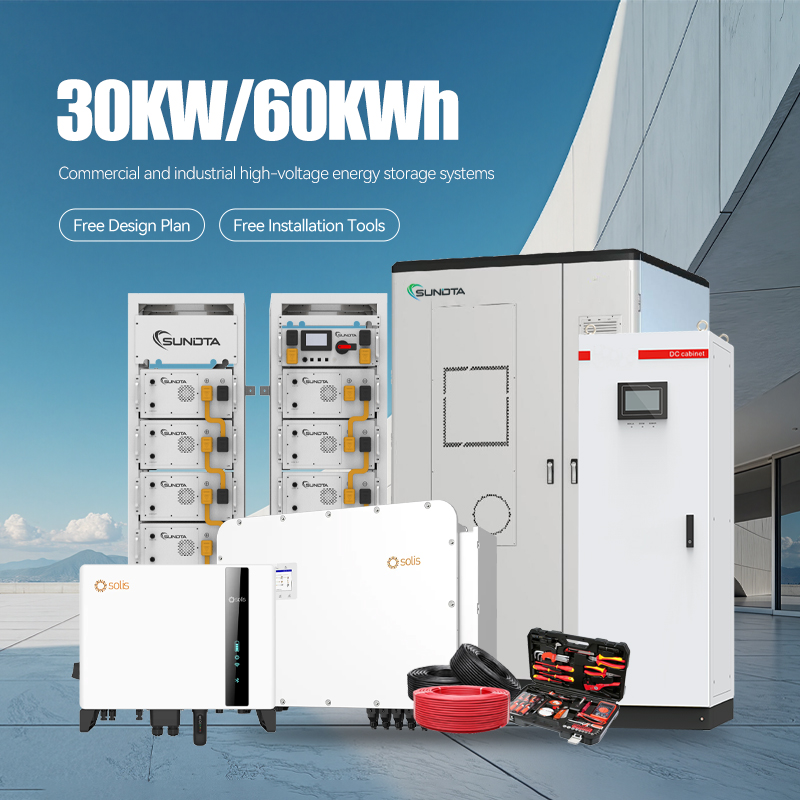
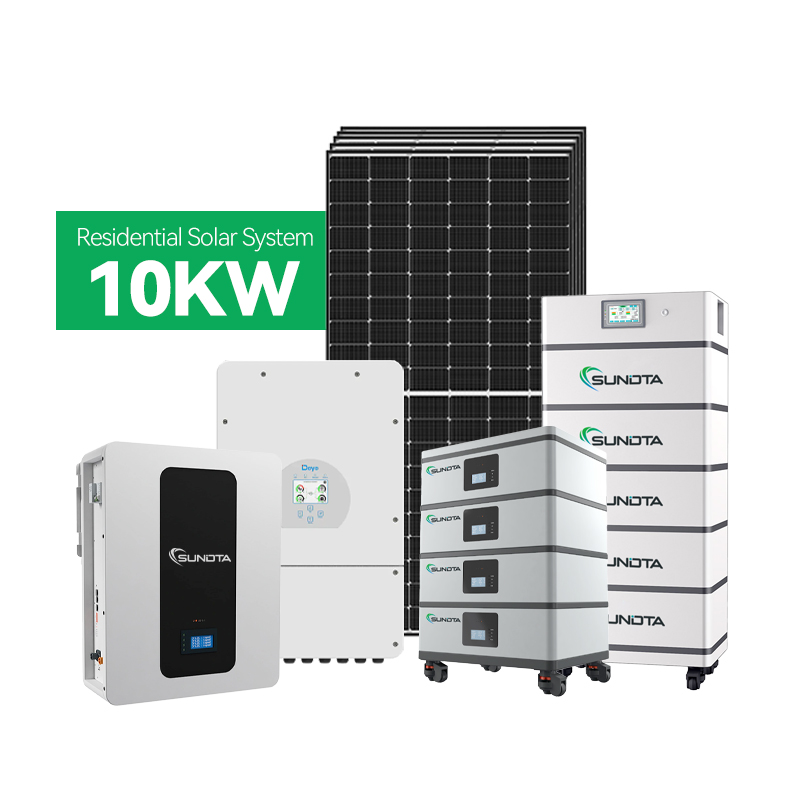
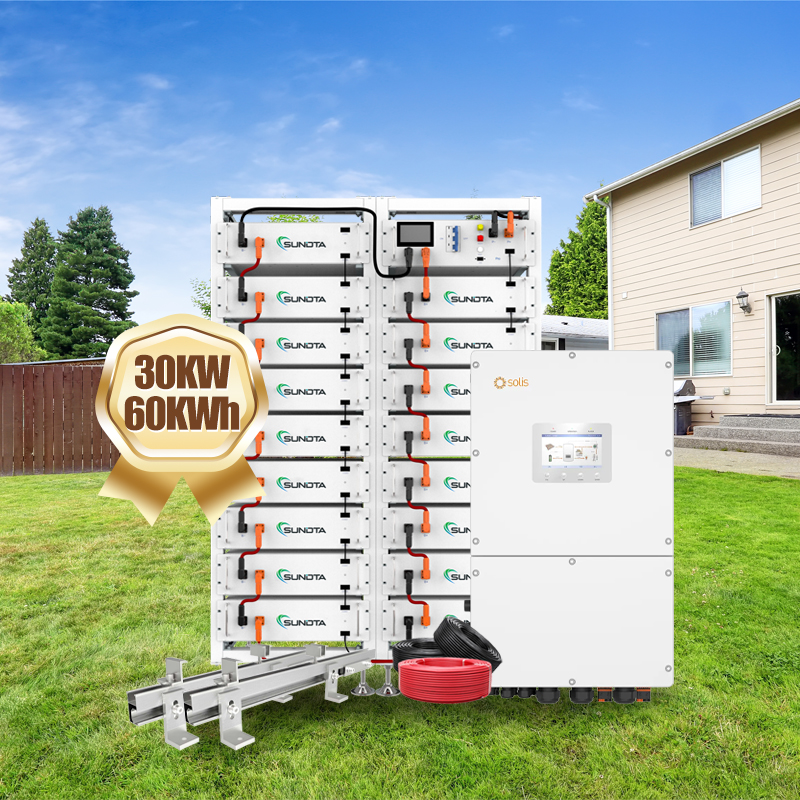
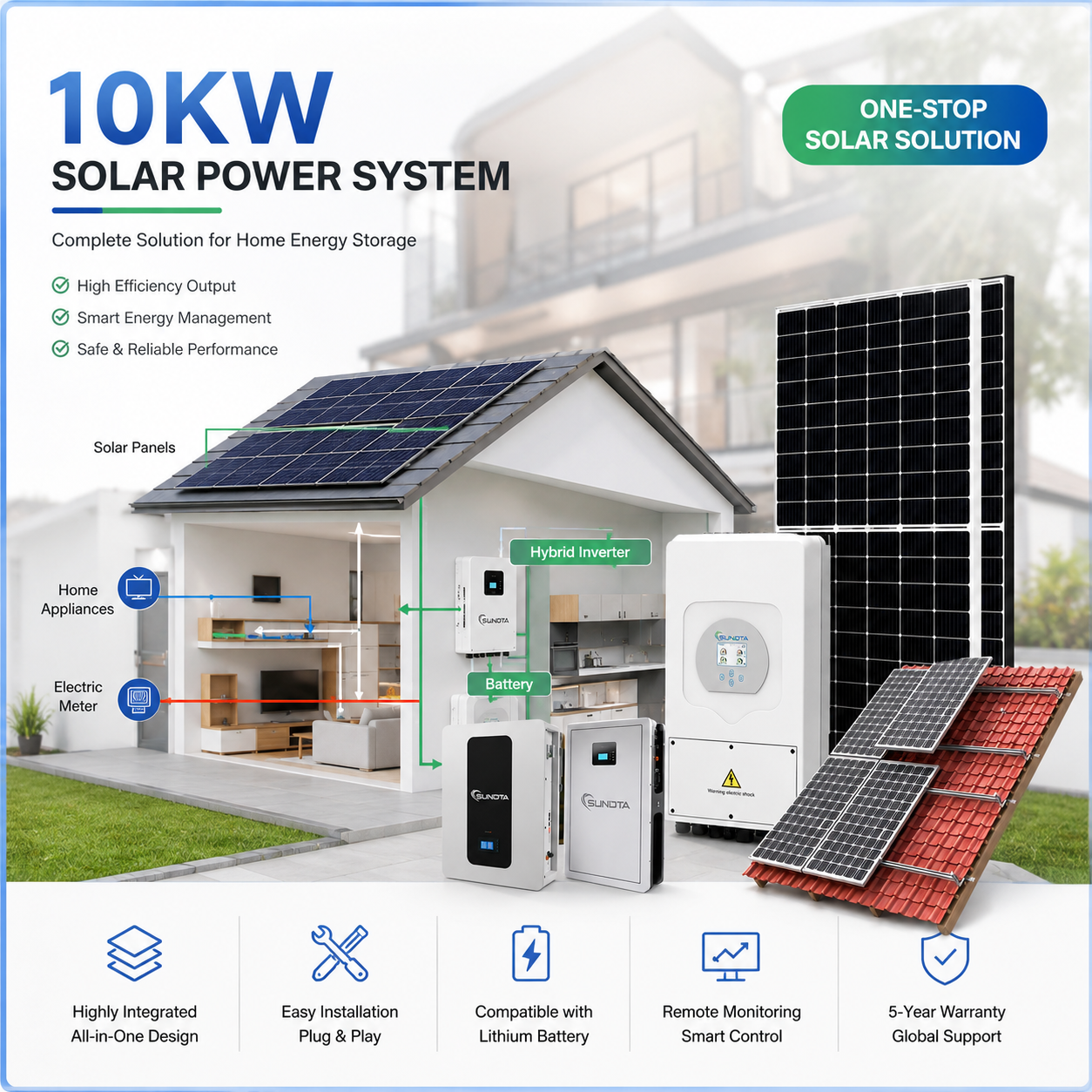
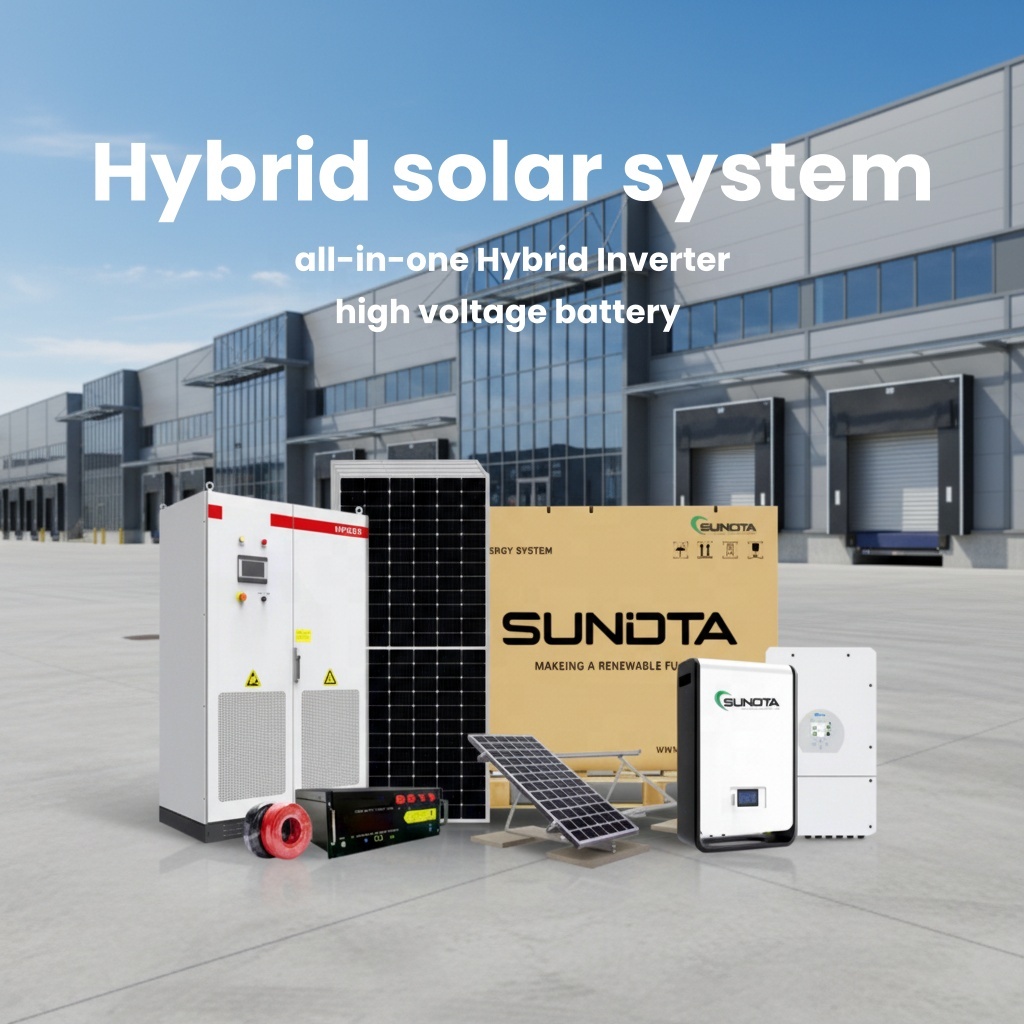
Commercial Photovoltaic Engineering: Physics of Levelized Cost of Electricity (LCOE) Optimization
In modern commercial and industrial (C&I) solar infrastructure, the procurement metric has definitively migrated from simple capital expense per nominal watt-peak ($/Wp) to life-cycle Levelized Cost of Electricity (LCOE) and financial Yield Performance Ratio (PR). When procuring from an authenticated Chinese manufacturer and international exporter based in Hefei, EPCs must scrutinize wafer physics, cell passivation topologies, and long-term encapsulation integrity under dynamic environmental stress.
Our commercial module architecture incorporates high-density 182mm (M10) and 210mm (G12) n-type Tunnel Oxide Passivated Contact (TOPCon) crystal configurations. Unlike legacy p-type PERC structures susceptible to boron-oxygen complex activation, TOPCon employs an ultra-thin silicon oxide tunnel layer paired with a doped polycrystalline silicon contact. This eliminates Light Induced Degradation (LID) and significantly arrests Light and elevated Temperature Induced Degradation (LeTID), safeguarding project yields across high irradiance commercial rooftops.
Thermomechanical Durability & Bifacial Glass-Glass Architectures
Commercial rooftop installations frequently endure severe convective thermal cycles and variable wind mechanical uplift loads. RJV engineering enforces standard dual-glass POE (Polyolefin Elastomer) lamination across all commercial bifacial modules. While standard EVA encapsulants release acetic acid under continuous ultraviolet radiation and humidity ingress—inducing chemical corrosion of silver front fingers—POE establishes a chemically inert, non-permeable moisture vapor barrier with high volume resistivity.
Coupled with half-cut cell slicing that bisects internal cell operating currents ($I_{cell} = I_{total}/2$), resistive thermal dissipation losses ($P_{loss} = I^2R$) are slashed by 75%. This preserves module power output during peak midday operating temperatures, reducing standard operating cell temperature (NOCT) by 1.8°C to 2.5°C compared to conventional utility formats.
| Cell Technology Topology | Avg Commercial Efficiency | Temp. Coefficient (Pmax) | Bifaciality Factor | First-Year Degradation | 30-Yr Linear Degradation |
|---|---|---|---|---|---|
| N-Type TOPCon Dual-Glass | 22.5% – 23.4% | -0.30% / °C | 80% ± 5% | < 1.0% | -0.40% / year |
| Bifacial PERC Half-Cut | 20.8% – 21.6% | -0.35% / °C | 70% ± 5% | < 2.0% | -0.55% / year |
| Heterojunction (HJT) Smart-Wire | 23.0% – 24.2% | -0.26% / °C | 85% ± 5% | < 1.0% | -0.35% / year |
| Lightweight Thin-Film Composite | 16.5% – 18.2% | -0.38% / °C | Monofacial | < 2.5% | -0.65% / year |
*Data compiled from Hefei laboratory flash tests and accredited TÜV Rheinland IEC 61215 accelerated environmental endurance profiles.
Future Sourcing Dynamics: The 2025–2030 Commercial Solar Landscape
How corporate balance sheets, carbon border adjustments (CBAM), and power electronics convergence are redefining high-volume module imports.
Cross-Border ESG & CBAM Compliance
International commercial solar procurement now requires strict upstream silicon tracing and low-carbon metallurgical validation. As the EU Carbon Border Adjustment Mechanism (CBAM) expands, Tier-level manufacturers that document Scope 1, 2, and 3 factory emissions provide tangible tax and customs clearance advantages over unverified brokers.
Direct Solar + Storage (DC Coupling)
Standalone solar farms are rapidly shifting to integrated PV + BESS architectures to circumvent utility curtailment. Procuring matching high-voltage LiFePO4 batteries (up to 1500V DC bus) alongside high-efficiency modules eliminates downstream inverter communication mismatches and ensures unified factory warranty recourse.
1500V High-Voltage BOS Reduction
Transitioning commercial system design from legacy 1000V DC to 1500V DC allows for 50% longer string lengths. This directly diminishes combiner box counts, reduces DC cabling runs, lowers labor overhead by up to 22%, and significantly cuts Balance of System (BOS) capital expense across ground mounts and warehouse roofs.
Engineered in Hefei: Why Institutional Buyers Partner with RJV
Mitigating multi-container procurement risks through vertically coordinated manufacturing, certified quality protocols, and round-the-clock technical accountability.
TÜV Rheinland Verified
Our Hefei production lines and operational assets are physically verified on-site by TÜV Rheinland, assuring absolute manufacturing pedigree and factory financial integrity.
Complete Bill of Materials (BOM)
Eliminate commissioning delays. We synchronize modules, Solis/Deye hybrid inverters, and CAN-bus LiFePO4 batteries into one seamless, tested consignment.
Full CE & Grid Documentation
Every commercial container ships with factory flash reports, model CE declarations (LVD/EMC), and country-specific grid code certifications ready for customs.
Dedicated Application Engineers
From string matching to custom OEM firmware adjustments, our 24/7 technical team delivers end-to-end technical pre-sales and commissioning oversight worldwide.
Frequently Asked Questions: Commercial Solar Import & Engineering
Critical inquiries answered by our Hefei photovoltaic export directors and lead technical engineers.
What specifically does the CE Certification cover for commercial modules?
Our CE marking confirms rigorous compliance with European Union harmonized standards: EN IEC 61215 (design qualification and type approval) and EN IEC 61730-1/-2 (photovoltaic module safety qualification for electrical shock, fire hazard, and mechanical stress under Class A application). It also satisfies the Low Voltage Directive (LVD 2014/35/EU) and Electromagnetic Compatibility Directive (EMC 2014/30/EU) for grid equipment.
How do you prevent microcracking and cell fractures during ocean freight?
Modules are packaged in reinforced, high-tensile vertical crates with reinforced composite corner protectors, desiccant pouches, and automated anti-vibration banding. Every single panel undergoes a dual Electroluminescence (EL) defect scan before packaging and post-packaging. Pallets fit standard 40ft High Cube (HC) shipping containers with custom dunnage airbags, eliminating lateral motion during transoceanic transit.
What is the minimum commercial order quantity (MOQ) and sample policy?
For commercial and industrial PV panels, standard quotations are based on full container loads (approx. 13,650W to 17,280W per pallet batch; approx. 620 to 744 modules per 40ft HQ container depending on cell configuration). For turnkey systems, trial sample sets (including 1 set of hybrid inverter + LiFePO4 battery pack) are supported to facilitate regional grid pre-approval and physical engineering validation.
Can the 51.2V and High-Voltage LiFePO4 batteries communicate with other inverter brands?
Yes. Our proprietary Smart BMS architecture supports native CAN and RS485 communication protocols with standard handshake parameters for tier-one hybrid inverters, including Solis, Deye, Growatt, Victron, and Schneider. Model-specific protocol firmware mapping tables and pinout wiring diagrams are delivered alongside each proforma invoice.
What linear performance and product warranties are legally provided?
We provide a comprehensive 12 to 15-year factory product workmanship warranty alongside an authenticated 25 to 30-year linear power warranty. For n-type TOPCon bifacial modules, our degradation guarantee limits first-year attenuation to ≤ 1.0%, with an annual decline rate capped at ≤ 0.40% across years 2 through 30, assuring 87.4% residual output at year 30.
Which Incoterms and international trade payment frameworks are supported?
We execute commercial contracts under FOB (Shanghai, Ningbo, or Qingdao), CFR, CIF, and EXW terms. For long-term EPC contractors and wholesale distributors, we accommodate secure settlement structures including Irrevocable Letters of Credit (L/C at sight), Telegraphic Transfer (T/T), and structured milestone payments pegged to pre-shipment third-party inspections.
Accelerate Your Commercial Solar Procurement
Connect directly with our Hefei engineering desk for customized string sizing, comprehensive factory flash data, and direct container shipping quotes.
Inquire Now