Featured CE-Certified Hybrid PV & Storage Equipment
Explore our top-tier modular solar generation and battery storage hardware. Sized, verified, and pre-commissioned with integrated CAN/RS485 closed-loop communication for rapid field commissioning and compliance with European EN 50549-1, VDE-AR-N 4105, and CE Low Voltage Directives.
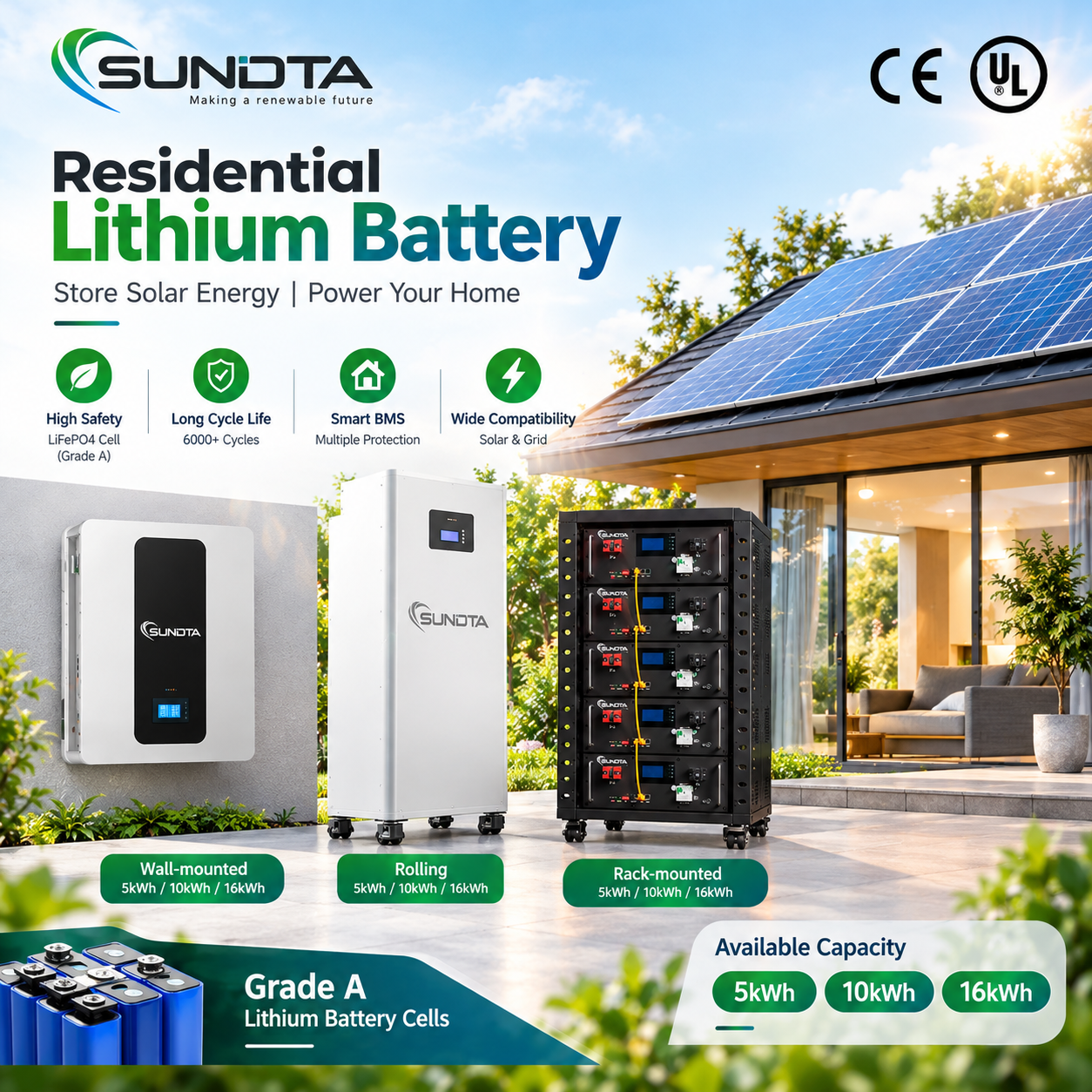
- Flexible Stackable Modules (5kWh increments)
- Grade-A Prismatic Cells ≥6,000 Cycles
- Native CAN/RS485 Multi-Brand BMS
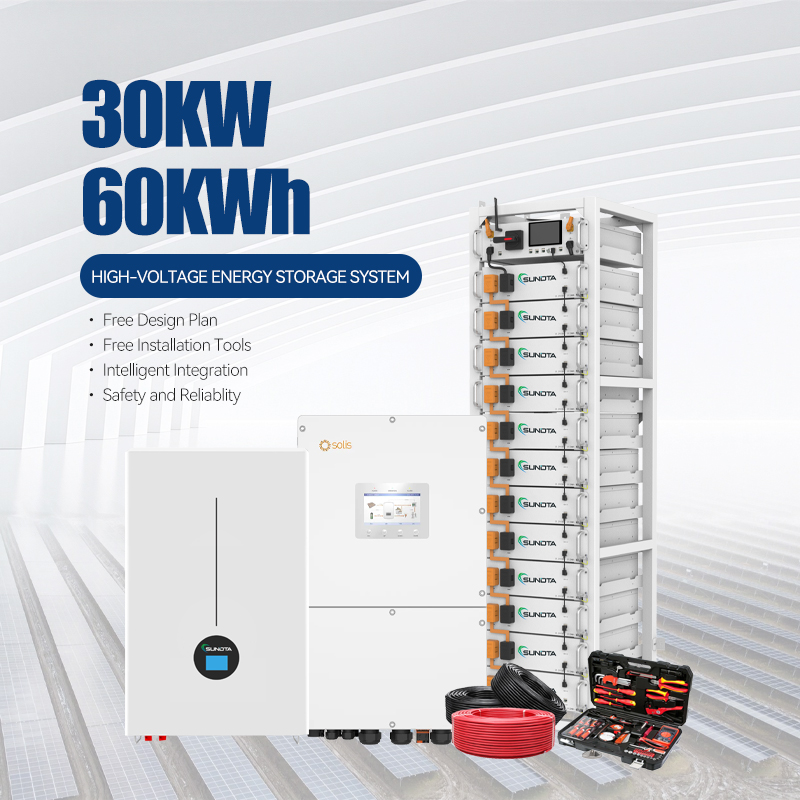
- Ultra-Slim Wall-Mount Aesthetic Architecture
- High-Capacity 314Ah / 200Ah High Yield Pack
- Multi-Unit Parallel Support Up to 15 Units
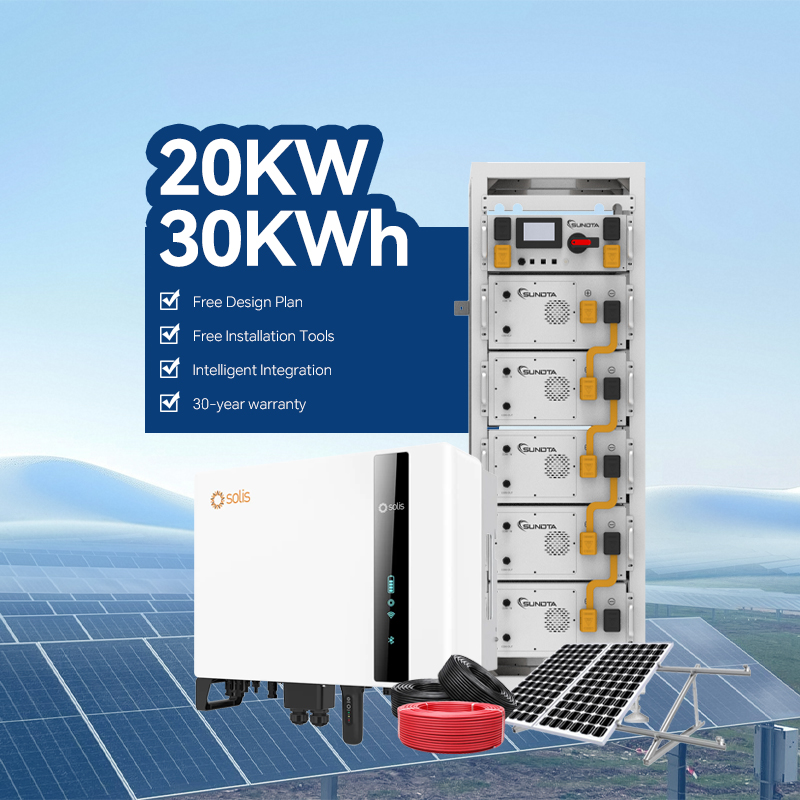
- Pre-engineered 3-Phase Commercial Package
- Includes PV Panels, Inverter, BESS, Cables
- 10ms UPS Grade Seamless Grid Switching
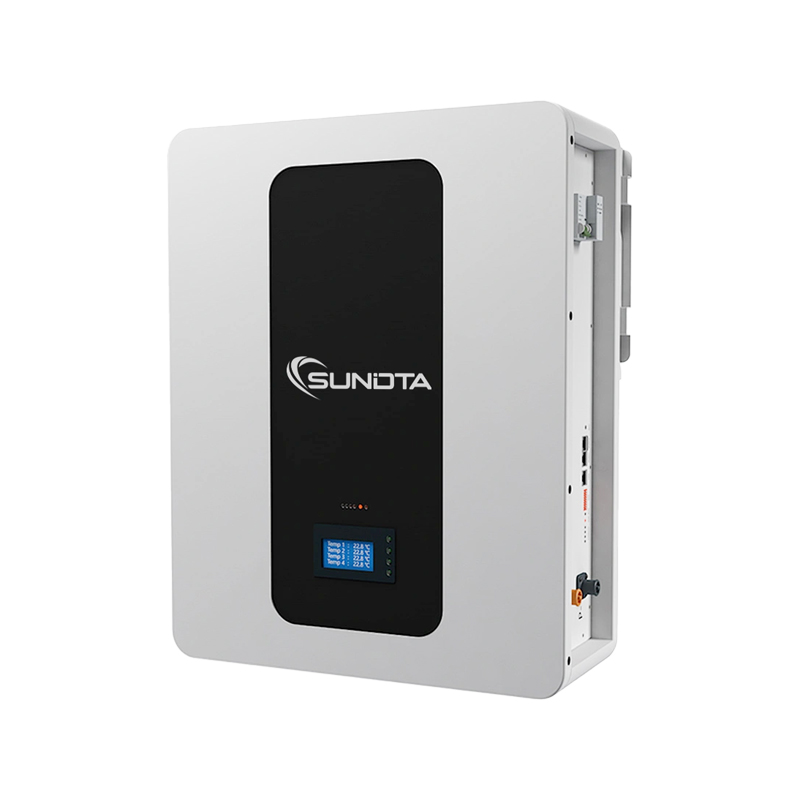
- In Stock in Germany (Duty Paid Fast Delivery)
- 200Ah Nominal Deep Discharge LiFePO4
- Plug-and-Play Matching Deye/Solis Inverters
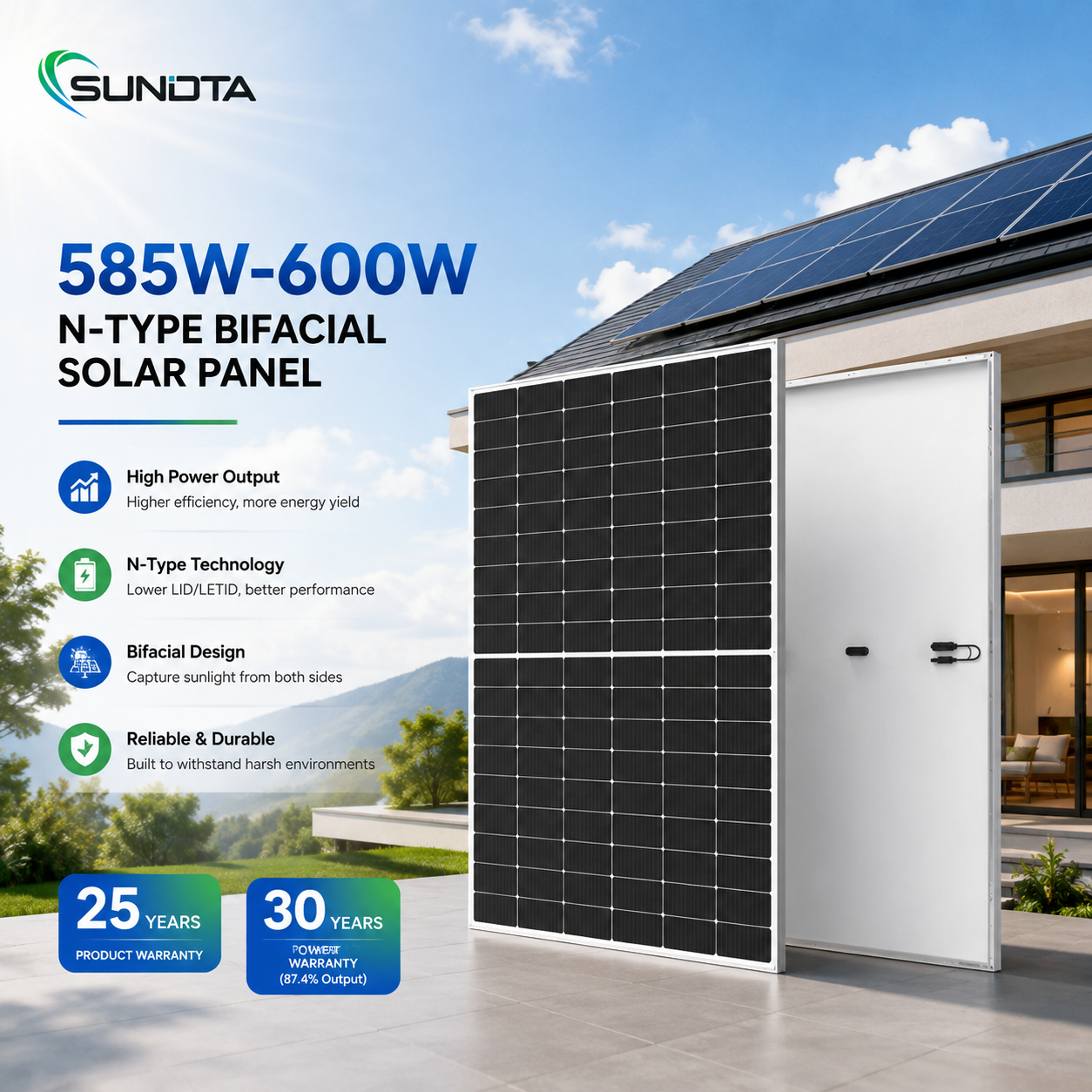
- 23.03% Peak Module Energy Conversion Efficiency
- +10% to +30% Bifacial Dual-Glass Rear Yield
- Ultra-low Temperature Coefficient (-0.30%/°C)
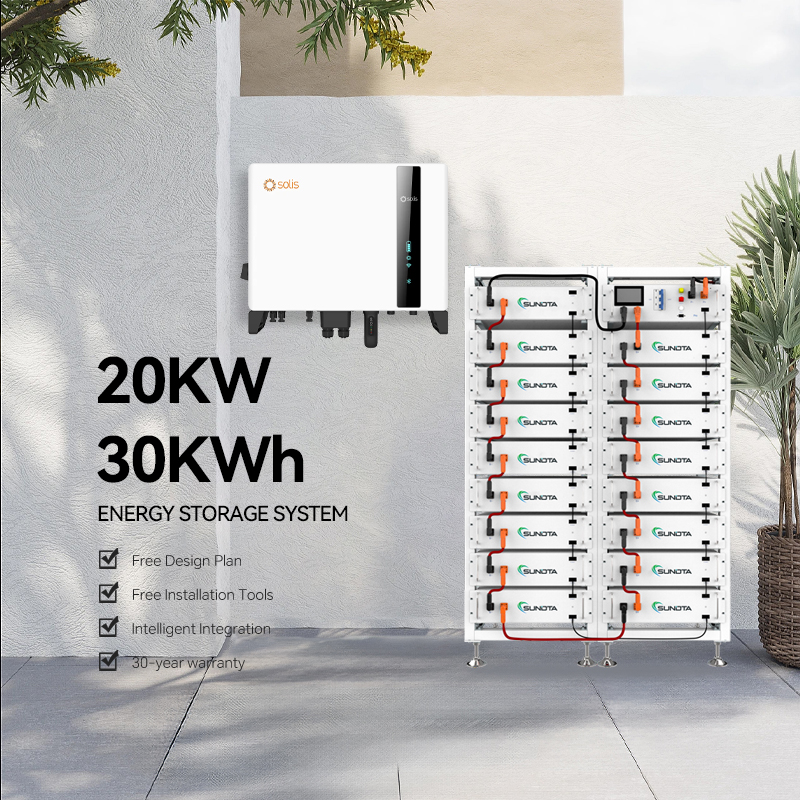
- Heavy Industrial Peak-Shaving Capability
- Supports Diesel Generator Auto-Start Coupling
- Unbalanced 3-Phase 100% Phase Output Flow
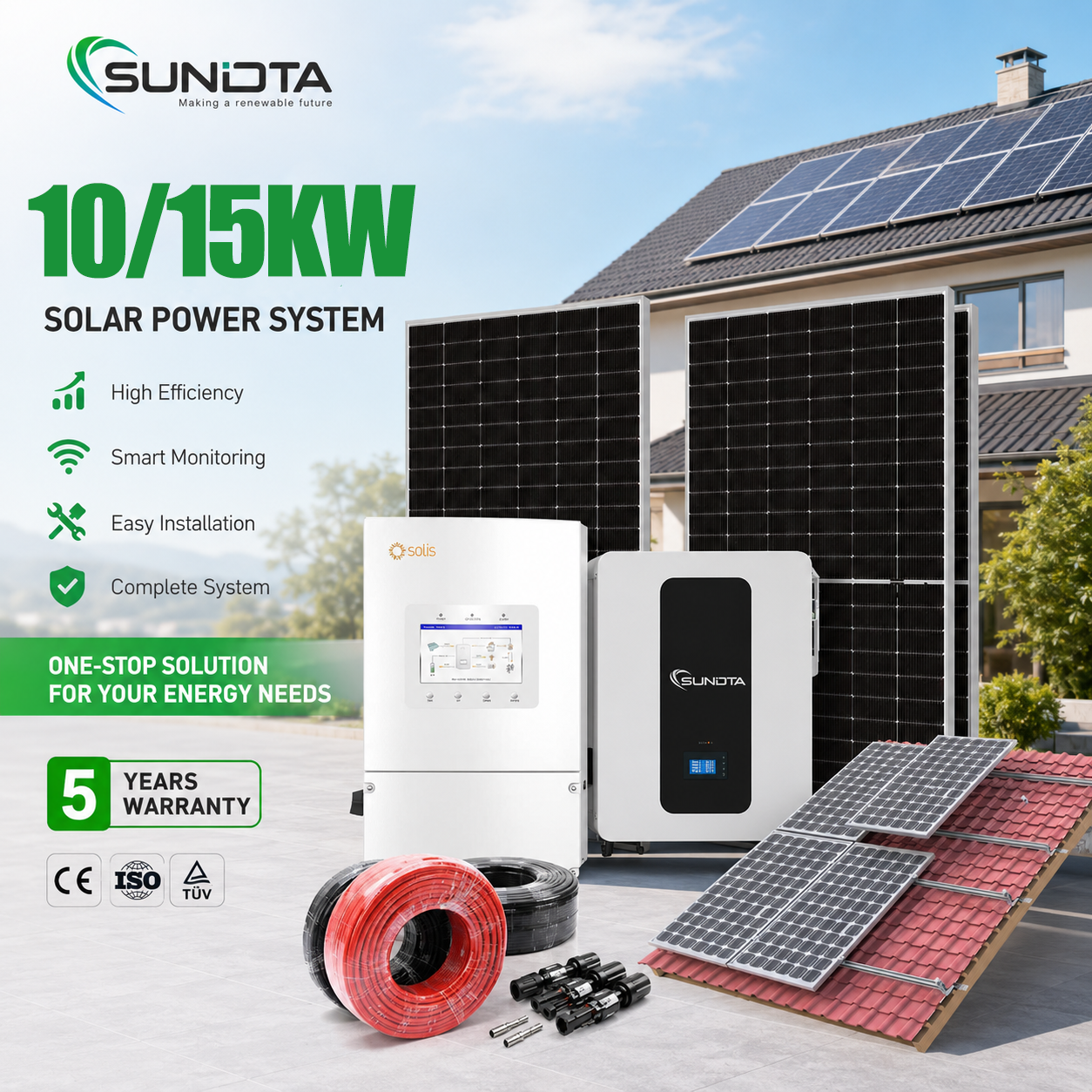
- Full Residential Set: Inverter, Lithium & Rack
- High Efficiency Monocrystalline PV Array
- Integrated Smart Meter for Zero Export Control
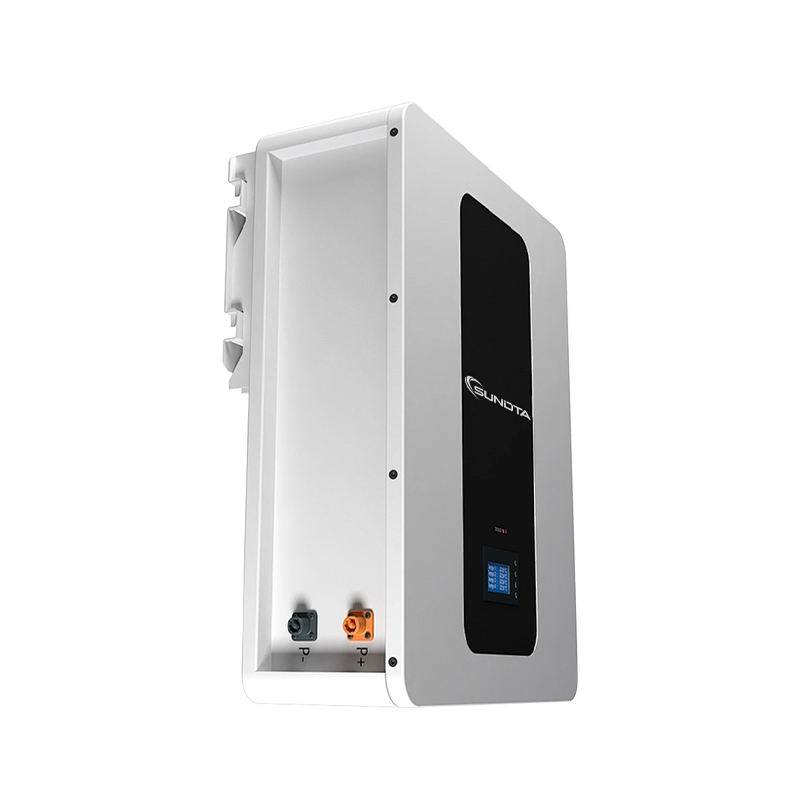
- Compact Footprint Indoor/Outdoor IP65 Rating
- Integrated Dual Hardware & Software Circuit Safety
- 95% Depth of Discharge (DoD) Utility Window
Future Procurement Trends in Hybrid Solar Systems (2025–2030)
International utility deregulation, dynamic real-time electricity pricing, and carbon border adjustment mechanisms (CBAM) are rapidly redefining commercial solar procurement. For international engineering procurement teams, sourcing hybrid PV systems is no longer a simple component commodity buy; it has transformed into a strategic exercise in grid-forming capability, life-cycle levelized cost of storage (LCOS), and closed-loop software compliance.
Migration to High-Voltage (HV) Architectures
While low-voltage 48V/51.2V architectures remain cost-effective for single-phase residential units below 8kW, commercial and large-scale residential procurement is decisively shifting to high-voltage battery stacks (160V to 800V DC). Operating at higher voltages slashes transmission heat dissipation, reduces copper busbar and cable cross-sectional area by over 60%, and improves overall inverter round-trip conversion efficiency (RTE) to upwards of 97.6%.
Grid-Forming & Microgrid Black Start Capabilities
Traditional grid-following inverters shut down when the local distribution utility fails. Modern B2B procurement mandates true grid-forming capabilities with ultra-fast transfer times (<10ms) that prevent sensitive servers, cold-storage compressors, and industrial manufacturing machinery from experiencing voltage drops. Smart frequency-droop control allows multiple hybrid units to parallel safely with diesel generators and wind turbines without busbar contention.
Carbon Traceability & Extended Warranty Guarantees
European and North American buyers are increasingly subject to rigorous ESG reporting and battery passport legislation. Procurement directors prioritize factories that verify complete upstream origin of Lithium Iron Phosphate (LiFePO4) cathode chemistries, conflict-free mineral declarations, and automated end-of-line flasher electroluminescence (EL) records, backed by guaranteed linear performance warranties exceeding 25 to 30 years.
Technological Evolution: From Discrete Hardware to Smart Integrated Ecosystems
Over the past decade, solar equipment installation has evolved from disparate, loosely paired components to factory-integrated, harmonized ecosystems. Sourcing unmatched modules, inverters, and battery management systems (BMS) from uncoordinated vendors creates severe field failure risks, protocol collisions, and catastrophic commissioning delays.
| System Parameter | Legacy PV + Storage Setup (Pre-2020) | Current Standard Hybrid System | Next-Gen RJV Intelligent Microgrid (2025+) |
|---|---|---|---|
| PV Cell Architecture | P-Type PERC Monocrystalline (20.5% - 21.2%) | N-Type TOPCon Dual-Glass (22.5% - 23.0%) | TOPCon & HJT Tandem Bifacial (>23.8% Efficiency) |
| Battery Coupling & Voltage | AC-Coupled Lead-Acid / 48V Li-Ion | DC-Coupled 51.2V Low Voltage / HV Stackable | Ultra-Wide HV Bus (150V - 1000V) Direct DC Coupling |
| Communication Protocols | Open-loop analog voltage sensing / RS232 | Closed-loop CAN 2.0B / Modbus RTU | Native CAN-FD, SunSpec, Cloud IoT & VPP API Interface |
| Switching Time (Grid to UPS) | 50ms - 200ms (Causes server/PC resets) | 10ms - 20ms (Standard seamless backup) | ≤ 4ms Solid-State Micro-Switching (Uninterruptible) |
| Cycle Life Expectancy | 1,500 - 3,000 Cycles @ 70% DoD | 6,000 Cycles @ 80% - 90% DoD | 8,000 - 10,000 Cycles with Active Thermal Balancing |
| Compliance Standard | Basic CE / Self-Declaration | CE LVD/EMC, IEC 62619, UN38.3, VDE 4105 | Full TÜV On-Site Verified, UL 9540A & EN 50549-1/2 |
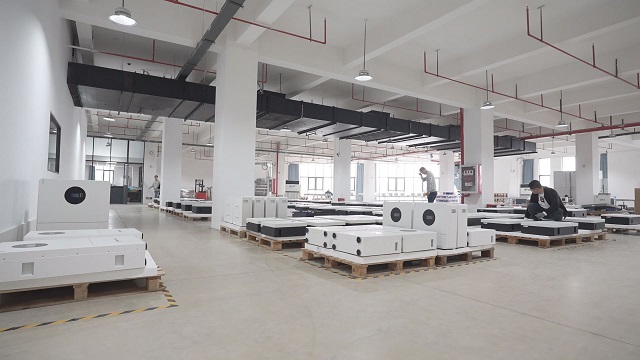
Direct Manufacturing Depth: Anhui RJV New Energy Co., Ltd.
Headquartered in Phase I, Innovation Industrial Park, No. 800 Wangjiang West Road, Hefei, Anhui, China, Anhui RJV New Energy operates at the technological center of China's world-leading renewable energy belt. We combine advanced automated PV manufacturing lines with deep technical integration partnerships alongside market leaders such as Deye and Solis.
TÜV Rheinland Audited
Our industrial workshops, quality management protocols, and export fulfillment lines have completed strict on-site supplier verification audits executed by TÜV Rheinland.
Zero Protocol Mismatch
Every hybrid inverter and LiFePO4 battery pack is flashed with verified CAN bus firmware in our facility before containerization, guaranteeing 100% plug-and-play installation.
European Hub Logistics
Our bonded warehouse hub in Germany maintains localized stock of popular 51.2V 200Ah battery packs and 450W-480W all-black modules for immediate dispatch without customs delays.
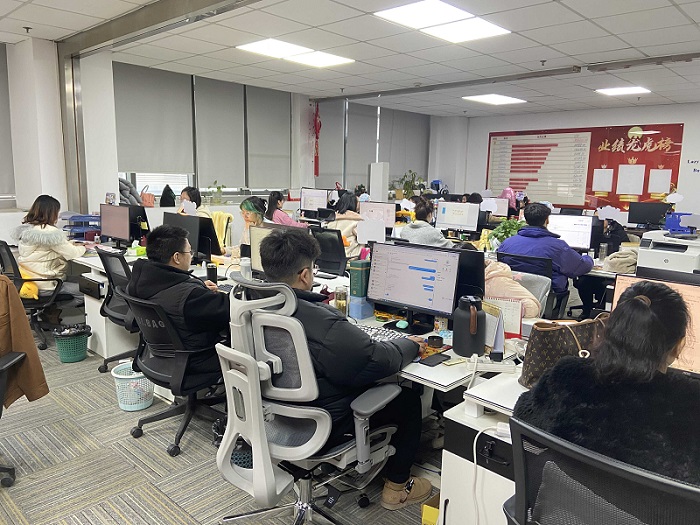
Engineering BOM Support
Our senior photovoltaic electrical engineers provide full structural string-sizing calculations, shading analysis, electrical schematics, and single-line diagrams (SLD) free of charge.
Frequently Asked Questions for Importers, EPCs & Distributors
Get straightforward answers regarding international certifications, container palletizing, battery warranty protocols, and factory customization terms.
Yes. All inverters, energy storage battery systems, and PV modules carry verifiable CE declarations under the Low Voltage Directive (LVD 2014/35/EU) and Electromagnetic Compatibility Directive (EMC 2014/30/EU). Our hybrid inverters comply with key European network codes including EN 50549-1, VDE-AR-N 4105 (Germany), and CEI 0-21 (Italy). Full test certificates and reports from certified test houses (TÜV, SGS, or Intertek) are provided with every formal commercial quotation.
Component miscommunication is the number one cause of warranty disputes in solar installations. Our Sundta LiFePO4 batteries feature smart BMS units equipped with pre-programmed DIP switches and firmware configured for CAN and RS485 communication protocols used by leading inverter platforms including Deye, Solis, Growatt, Victron, and GoodWe. Every unit undergoes automated closed-loop handshake testing before packaging.
For standardized inventory, hybrid inverters and residential wall-mounted batteries start from an MOQ of just 1 piece or set, allowing EPCs to test samples and inspect packaging. Solar modules are shipped in full pallets (typically 31 or 36 panels per pallet, around 13.6kW to 17.2kW). For customized OEM branding (custom silk-screened logos, customized packaging, and localized GUI displays), the typical MOQ is 1 x 20GP container load.
Our N-Type TOPCon solar modules come with a 12 to 15-year product material warranty and a 30-year linear power warranty guaranteeing ≥87.4% output at year 30. LiFePO4 energy storage batteries include a 5 to 10-year prorated replacement warranty (≥6,000 cycles to 80% DoD). If a field failure occurs, our Hefei engineering team diagnoses log files remotely within 24 hours. Verified defective BMS boards or cells are dispatched promptly from our nearest warehouse hub.
We routinely support FOB Shanghai/Ningbo, CFR, CIF, and EXW terms, as well as DDP (Delivered Duty Paid) via our established freight forwarding partners across Europe, Southeast Asia, South Africa, and the Middle East. Accepted payment instruments include T/T (Telegraphic Transfer), Irrevocable Letters of Credit at sight (L/C), PayPal/Western Union for engineering samples, and flexible trade credit arrangements for long-term contract distributors.
Absolutely. We do not just ship cartons; we provide turnkey PV system engineering. When you submit your project location, altitude, local solar insolation (peak sun hours), load profiles, and target autonomy days, our technical department generates a full sizing report including photovoltaic string calculation, battery amp-hour capacity calculations, and complete single-line connection diagrams (SLD) ready for local permitting.