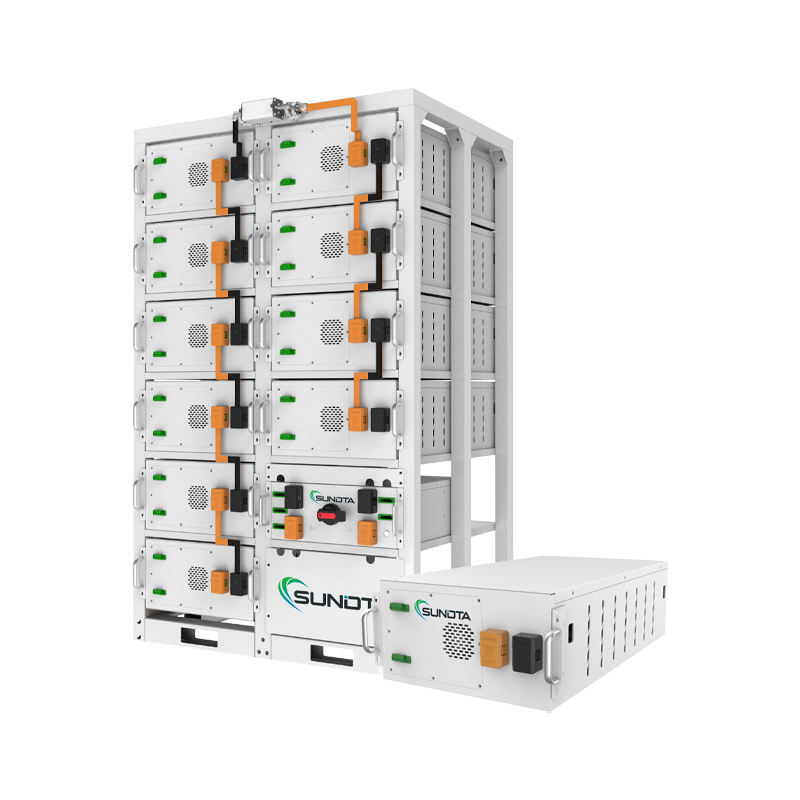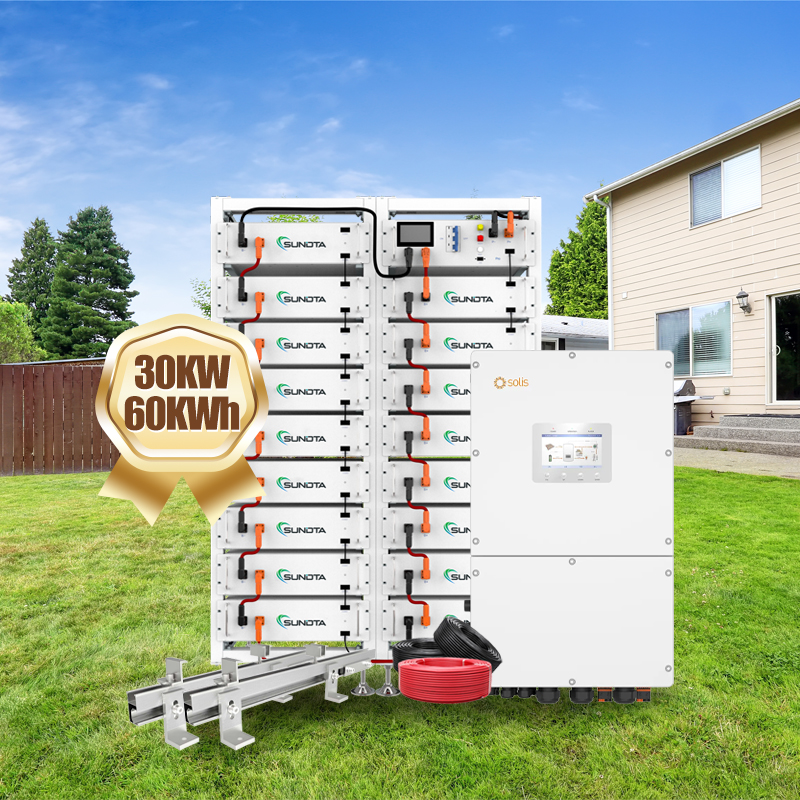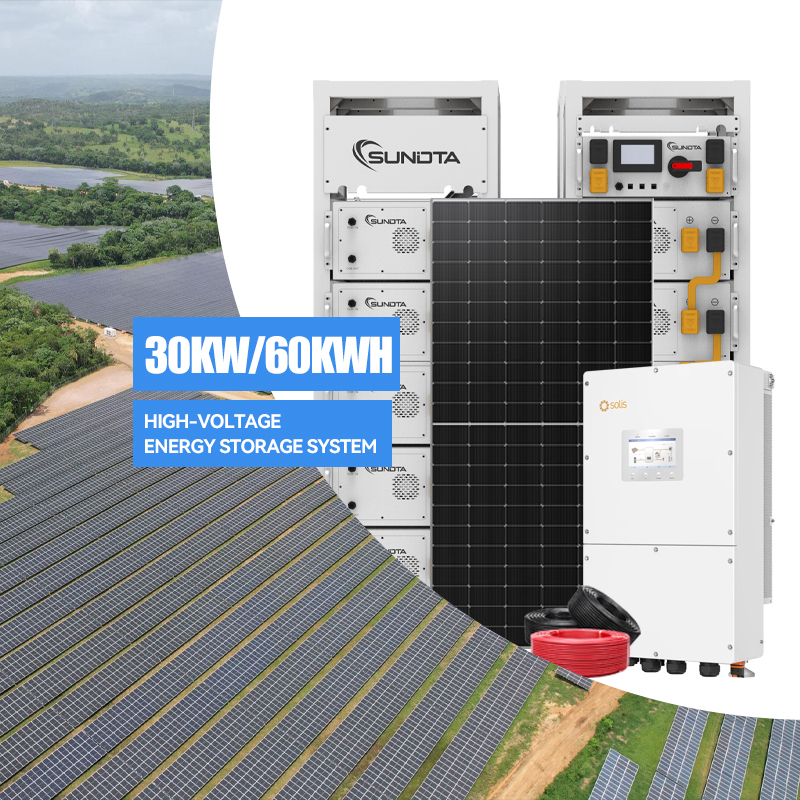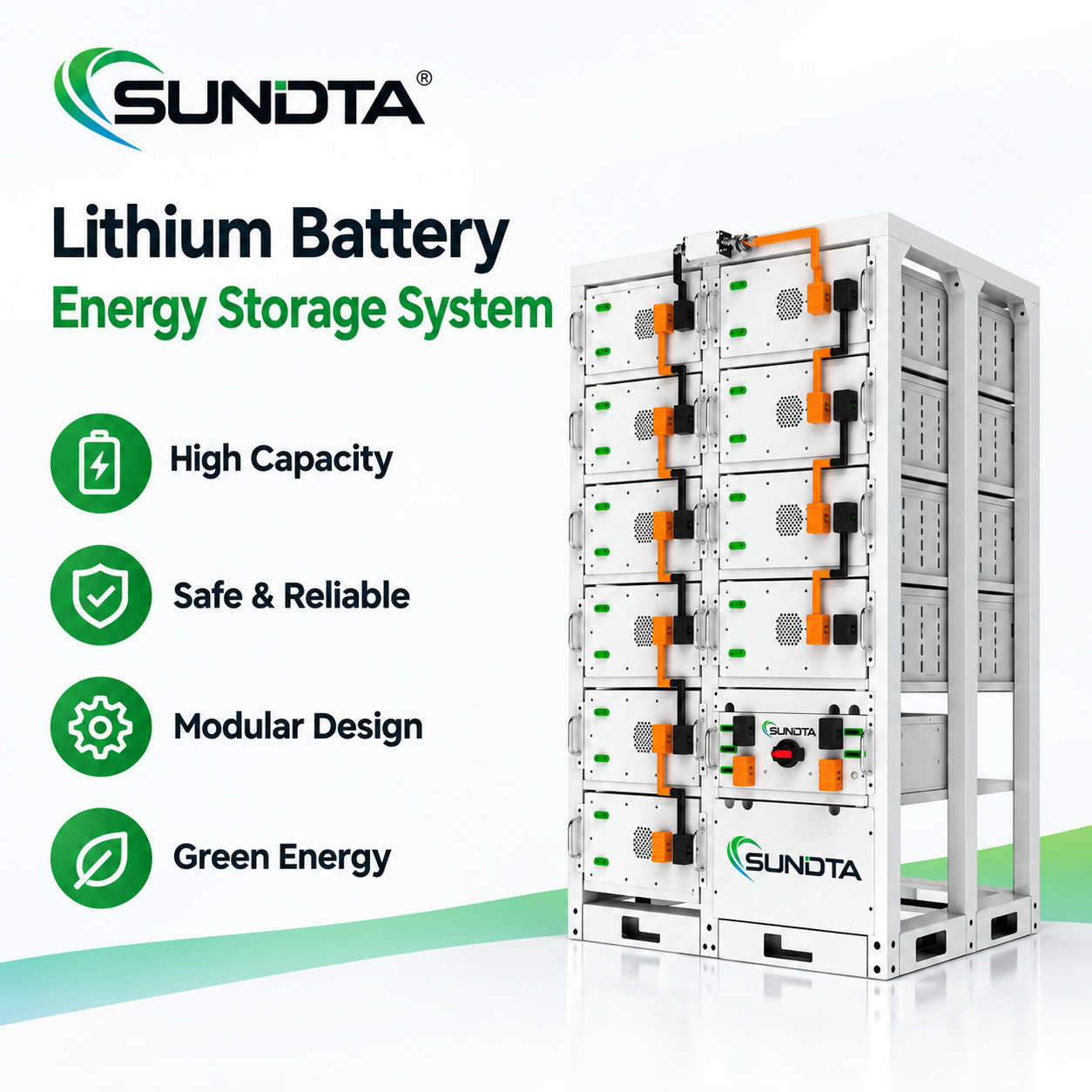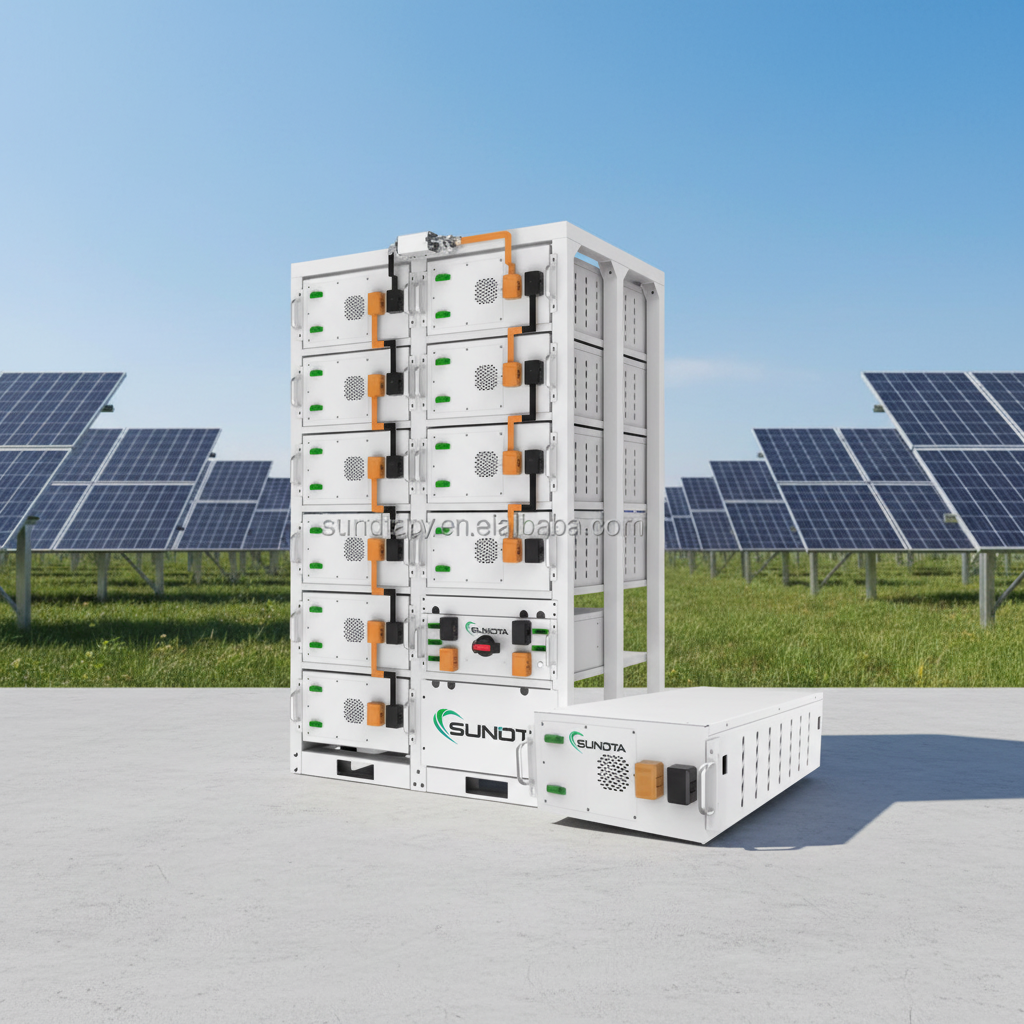
Commercial High Voltage LiFePO4 ESS 40kWh 50kWh 100kWh
- Air Cooling Thermal Control
- On/Off Grid Automatic Islanding
- Intelligent Rack-Level BMS Protection
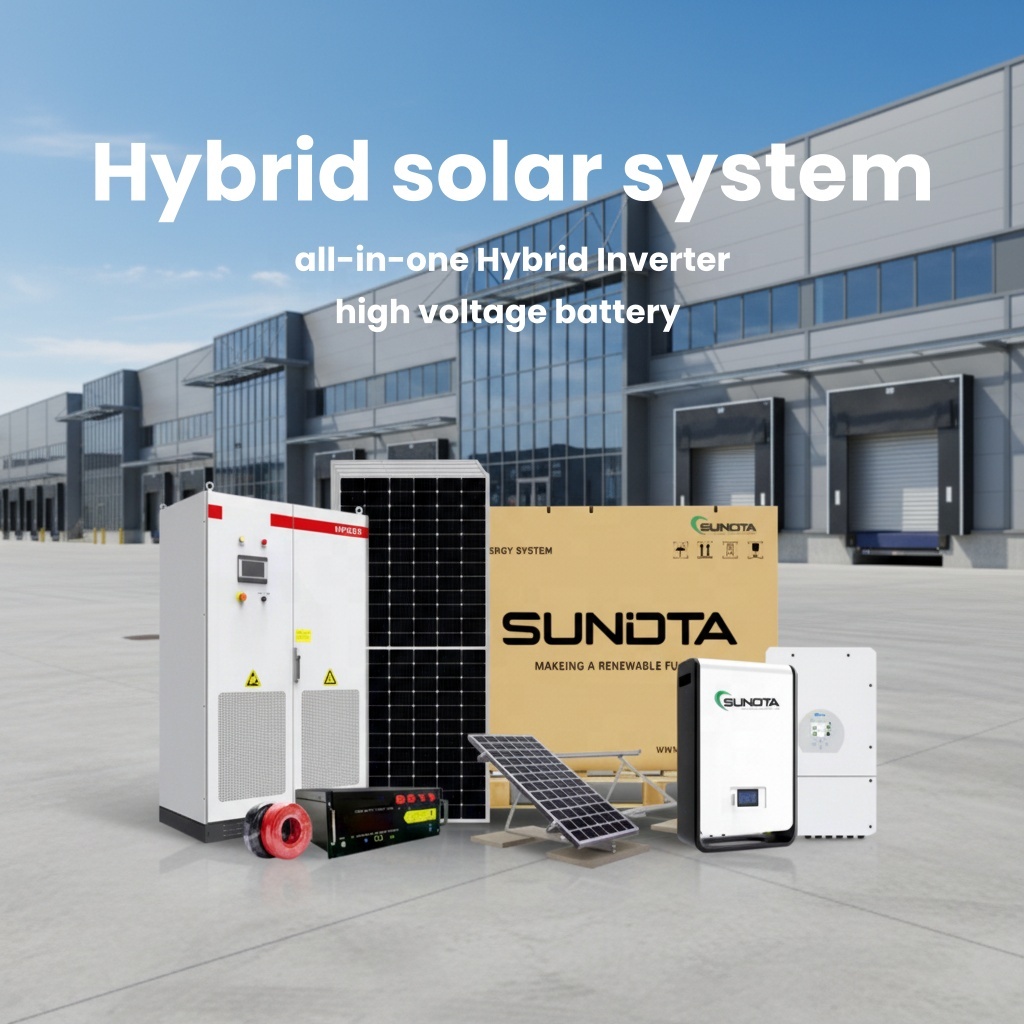
Precision-engineered utility-scale containerized energy storage, liquid-cooled C&I LiFePO4 battery cabinets, and turnkey hybrid microgrids delivered direct from Hefei manufacturing hub to global EPCs and grid operators.
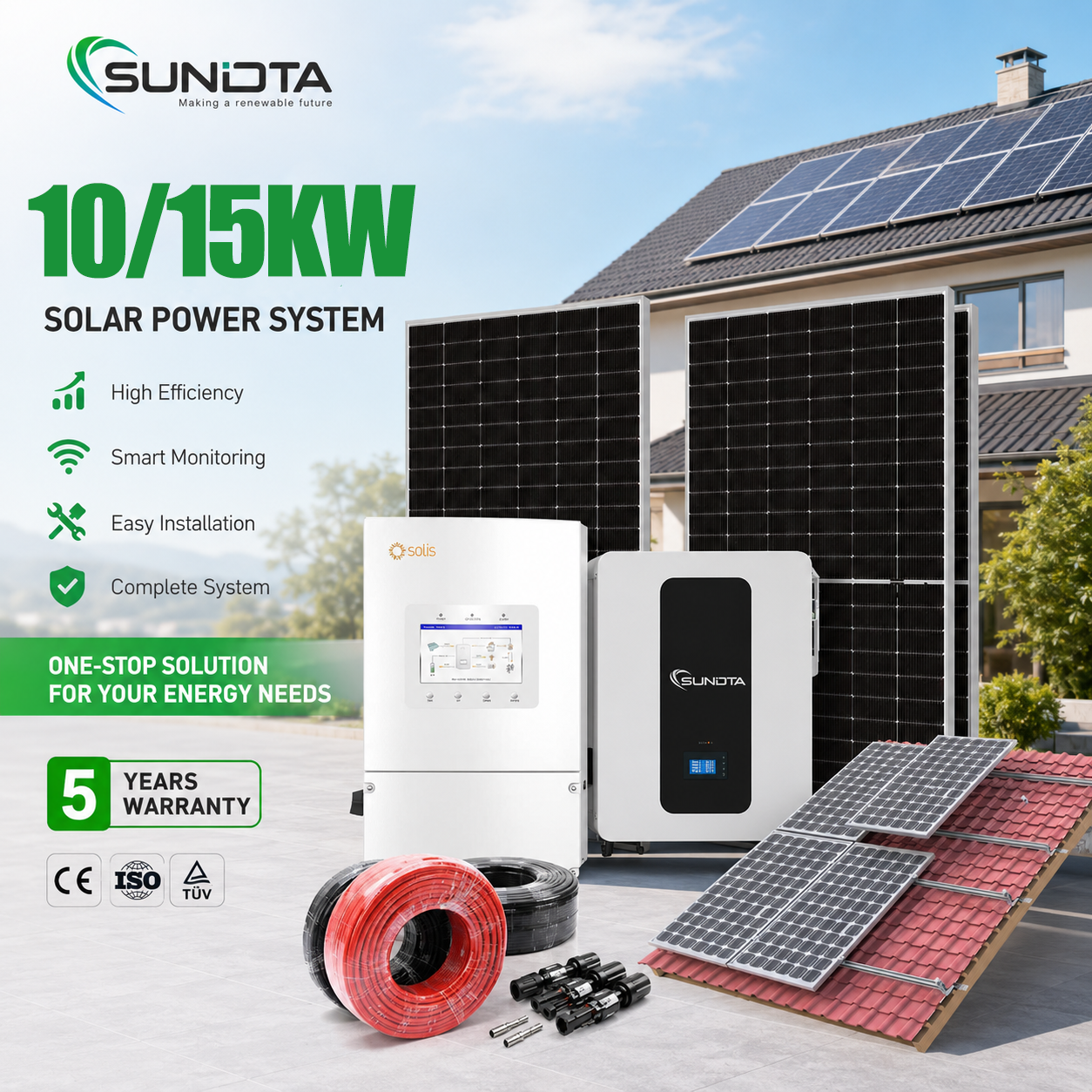
Pre-engineered, factory-tested battery energy storage systems, modular lithium racks, and balanced PV integration units engineered for fast grid commissioning and zero downtime.
As the international utility-scale market shifts toward gigawatt-hour requirements, static air-cooling setups and lower voltage bounds are rapidly yielding to optimized high-density architectures.
The industry baseline has migrated from traditional 280Ah cells toward 314Ah and 320Ah prismatic LiFePO4 chemistries. Paired with micro-channel liquid plate thermal cooling, modern 20ft ISO containers now pack 5.016 MWh—reducing site footprint by over 34% while maintaining intra-rack temperature variance strictly within ≤2.5°C to arrest non-uniform cell degradation.
Standardizing system DC bus tension at 1500VDC rather than historical 1000V levels reduces conductor copper volumes, trims resistive transmission losses, and improves PCS round-trip conversion efficiency (RTE) to over 91.5%. This enables lower Levelized Cost of Storage (LCOS) across multi-megawatt-hour utility peak shaving assets.
Container design no longer relies simply on external fire suppression. State-of-the-art Chinese exporters embed four-stage containment: early combustible gas detection (CO and H₂ venting), module-level aerosol extinguishers, localized per-pack water injection manifolds, and heavy structural explosion-relief panels complying with rigorous UL 9540A burn test parameters.
As renewable penetration approaches grid saturation limits, Tier-1 industrial BESS units are upgrading from passive "grid-following" inverters to active "grid-forming" (GFM) control algorithms. Providing synthetic virtual inertia, sub-cycle black start capacity, and dynamic voltage stabilization allows our containerized systems to command premium ancillary service contracts.
Engineered for EPC technical directors, commercial developers, and regional distributors to eliminate mismatched battery racks, under-designed PCS units, and unexpected grid interconnection penalties.
| Evaluation Parameter | Decentralized C&I Cabinet (100–300 kWh) | Utility Container BESS (1–5 MWh) | Engineering Selection Rule |
|---|---|---|---|
| Thermal Regulation | Forced Air Cooling / Compact Liquid Chiller | Industrial Glycol-Water Loop Chiller Unit | Use liquid cooling whenever continuous high ambient temp exceeds 38°C or charge rate exceeds 0.5C to prevent localized cell heating. |
| DC Operating Voltage | 750VDC – 1000VDC Bus Window | 1200VDC – 1500VDC Bus Window | Smaller factories choose 750–1000V to match rooftop array stringing; utility substations mandate 1500V to minimize cabling trench runs. |
| BMS Communication | Direct CAN 2.0B & Modbus RTU / TCP | IEC 61850 / DNP3 Industrial SCADA Link | Verify closed-loop protocol handshake between inverter MPPT and BMS before container loading to ensure zero on-site software patching. |
| Deployment Footprint | Compact Pad (approx. 1.2 m² footprint) | ISO 20ft / 40ft Shipping Container Footprint | Decentralized cabinets locate directly adjacent to building switchboards, bypassing long high-current AC line installation expenses. |
| Procurement Recommendation | Factory Peak Shaving Ideal for EV charging hubs, cold chain logistics, and small processing plants. | Utility Arbitrage Sized for IPPs, solar farm co-location, and ancillary frequency response tenders. | Analyze client half-hourly load curves: if peak spikes are under 250 kW, select decentralized cabinets for fast localized permitting. |
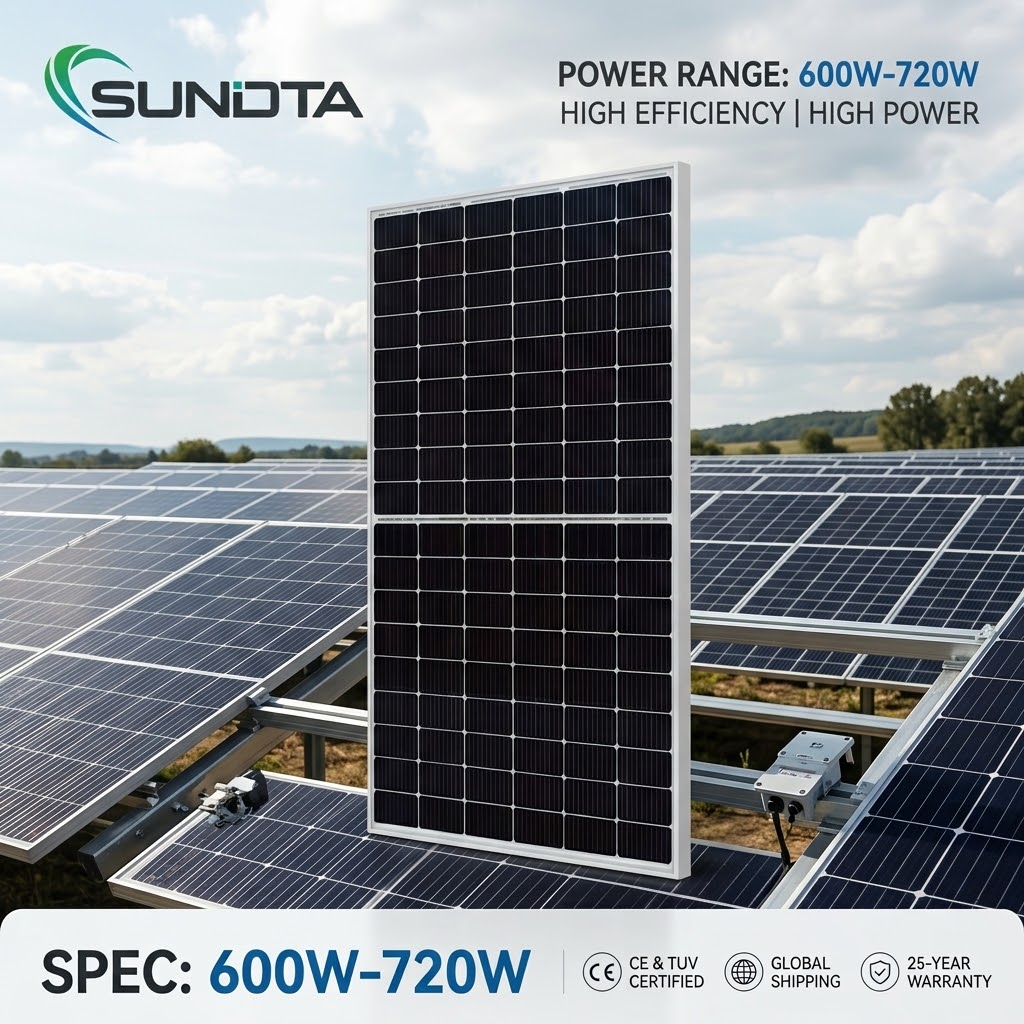
Combining heavy photovoltaic production lines with matched power conversion systems and cell integration directly within Hefei's world-class renewable industrial hub.
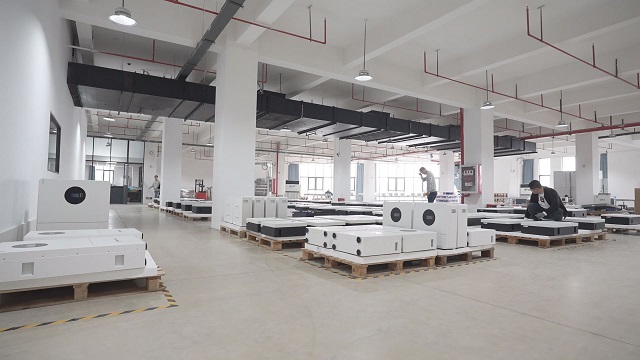
Fully automated manufacturing operations in Anhui Innovation Park with 12+ years of clean energy R&D. We deliver stable supply chains without multi-vendor markup.
Never experience communication lockups between inverters and batteries. We test Deye, Solis, and RJV Smart BMS protocols in our lab before shipping the Bill of Materials.
Full factory test sheets, cell flash reports, UN38.3 test records, MSDS documentation, and CE declarations provided with every shipment for seamless port entry.
Direct communication with qualified electrical sizing engineers. We generate AutoCAD electrical schematics, string calculations, and PCS integration guidance within 24 hours.
Headquartered at Phase I, Innovation Industrial Park, Hefei, Anhui. Our manufacturing premises and quality management pipelines are certified on-site by TÜV Rheinland, backed by an AAA commercial enterprise rating.
Direct technical answers addressing system sizing, safety regulations, warranty structures, and international logistics terms.
Thermal mitigation is achieved through a redundant, multi-layered defensive matrix. First, individual cell packs use automated thermal isolation barriers to stop cascading cell failure. Second, real-time BMS monitors internal resistance, gas buildup, and temperature trends down to each individual cell terminal. Third, localized aerosol fire extinguishing discharges automatically within milliseconds of gas detection, followed by an emergency dry pipe deluge coupling for external fire department hookups in compliance with NFPA 855 and UL 9540A criteria.
For standardized commercial outdoor cabinets (such as our 50kWh–100kWh units), MOQ begins at just 1 unit to support customer pilot runs and engineering trials. Custom containerized configurations (1MWh to 5MWh) are fulfilled on a project basis. Typical production cycles range between 25 and 45 working days depending on PCS integration and regional grid transformer customizations. Complete systems are backed by factory acceptance testing (FAT) before dispatch.
Yes. Our BMS architecture features integrated dual-stack firmware supporting CAN 2.0B and RS485 communication protocols with leading international PCS and hybrid inverter brands—including Deye, Solis, Growatt, GoodWe, and Victron Energy. Full protocol handshaking occurs automatically upon connection, delivering precise State of Charge (SOC), State of Health (SOH), and dynamic charge/discharge current limits straight to the inverter display without manual CAN mapping.
We support standard commercial terms including FOB, CFR, CIF, and EXW, and coordinate dangerous goods (Class 9 UN3480) maritime freight shipping. Our industrial LiFePO4 battery modules carry an industry-leading 10-year design life warranty or a throughput guarantee of 6,000 cycles at 80% Depth of Discharge (DOD). Inverter and PCS components feature standard 5-year warranties extendable to 10 years upon EPC project specification.
Yes. Our in-house engineering group prepares complete Single-Line Diagrams (SLD), structural footing drawings, thermal load assessments, and factory certificate dossiers required by utility inspection boards. We provide full OEM branding, custom exterior powder coat coloring (to meet C5-M extreme marine corrosion resistance classes), and pre-wired auxiliary distribution cabinets sized for local grid interconnect standards.