Engineered Solar Generating & Storage Bill of Materials
Source high-yield N-type TOPCon monocrystalline panels alongside factory-benchmarked hybrid conversion systems, ensuring plug-and-play communication, unified warranties, and maximized levelized cost of energy (LCOE).
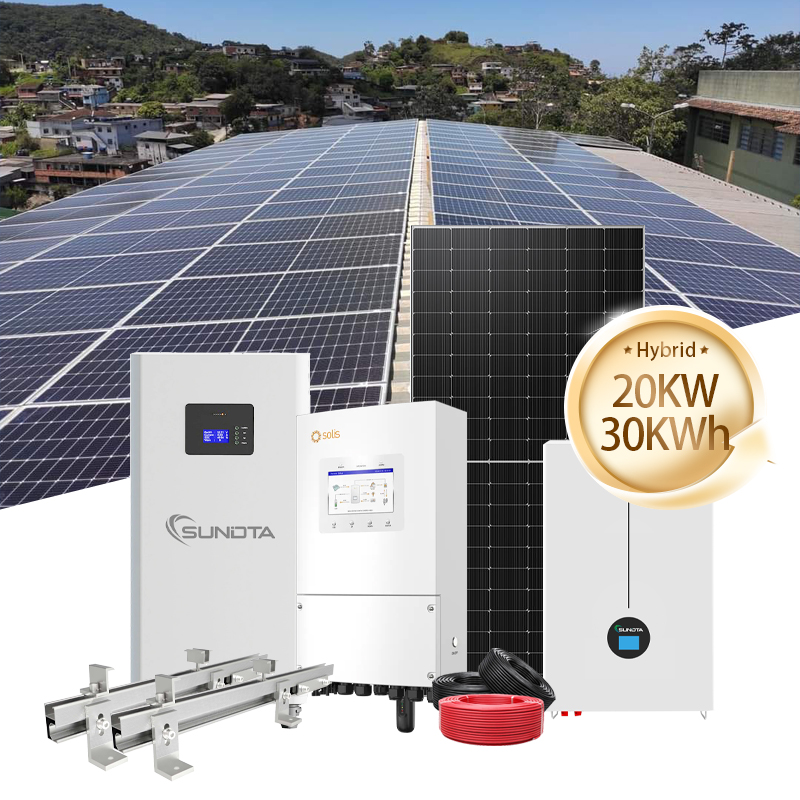
- 20kW–50kW Scalable Architecture
- Deep-Cycle LiFePO4 Modular Bank
- Pre-wired Hybrid MPPT Integration
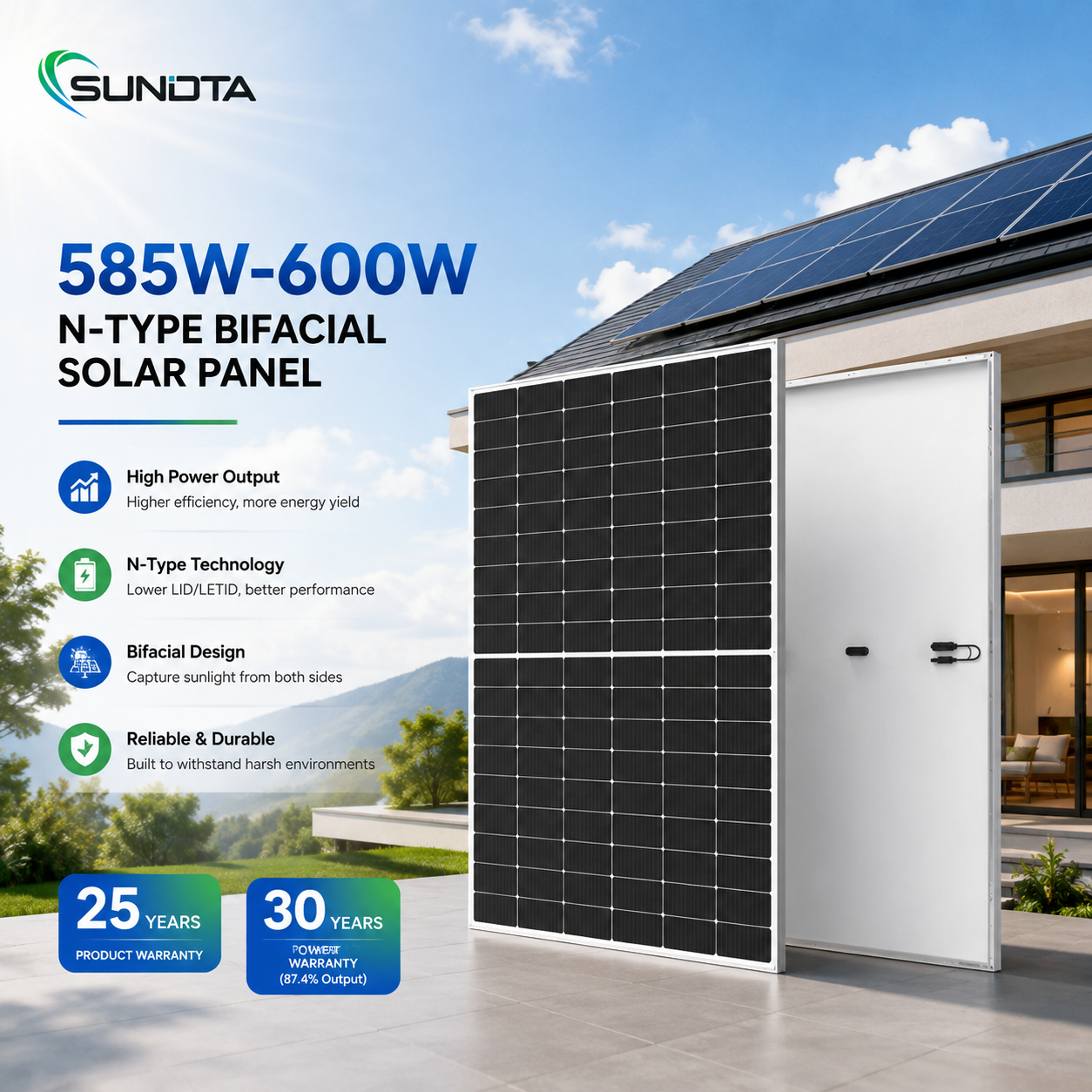
- 22.8%+ Maximum Conversion Efficiency
- 80%±5% Bifacial Factor Power Gain
- Low Temperature Coefficient (-0.30%/°C)
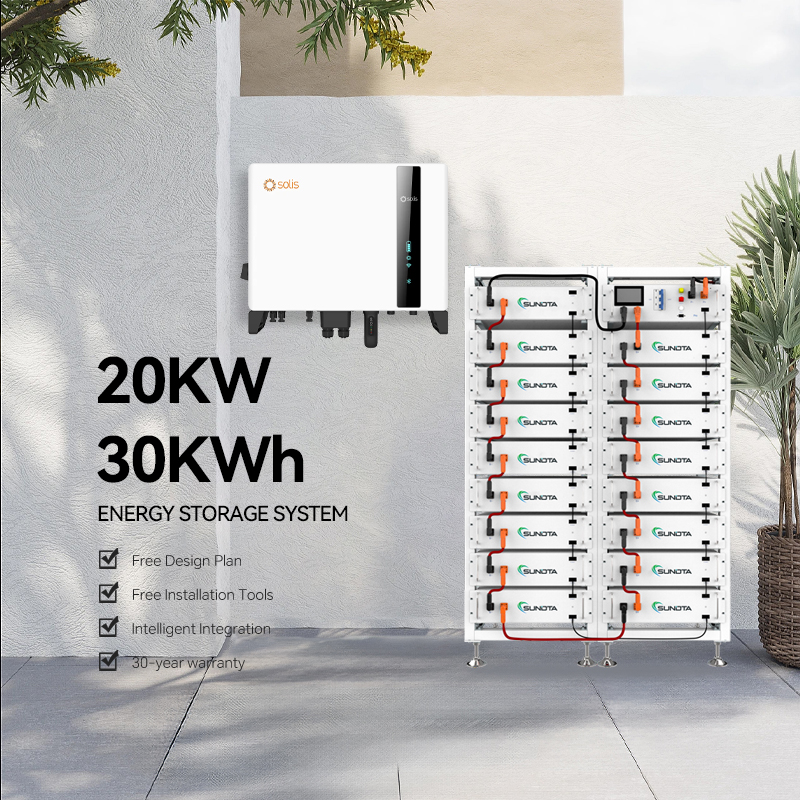
- 380V Industrial-Grade Microgrid Core
- Dual & Quad MPPT Tracking Options
- Rapid 4ms Uninterrupted UPS Transfer
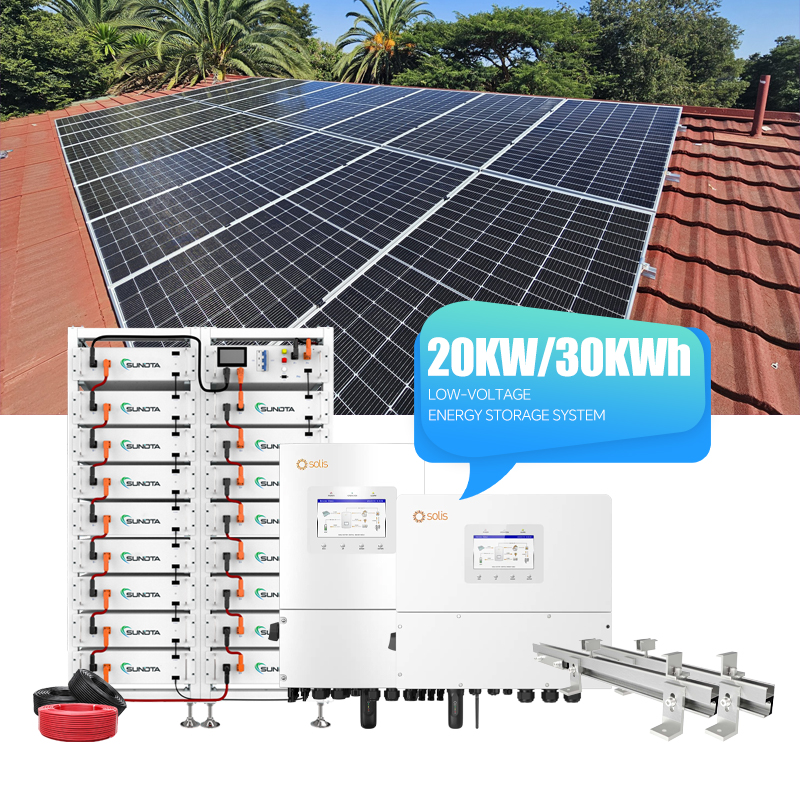
- Complete BOM: Racking, DC Combiner, AC
- Matched Battery Storage Capacity
- Containerized Export Packaging
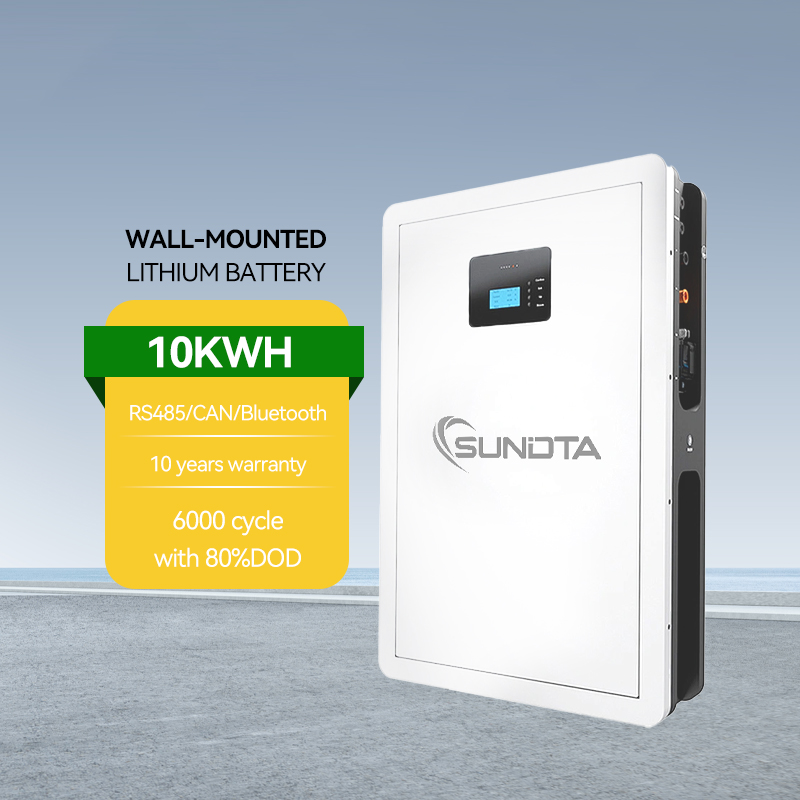
- Premium Grade-A Automotive Cells
- CAN/RS485 Multi-Protocol Smart BMS
- 6,000+ Deep Discharge Cycles (80% DoD)
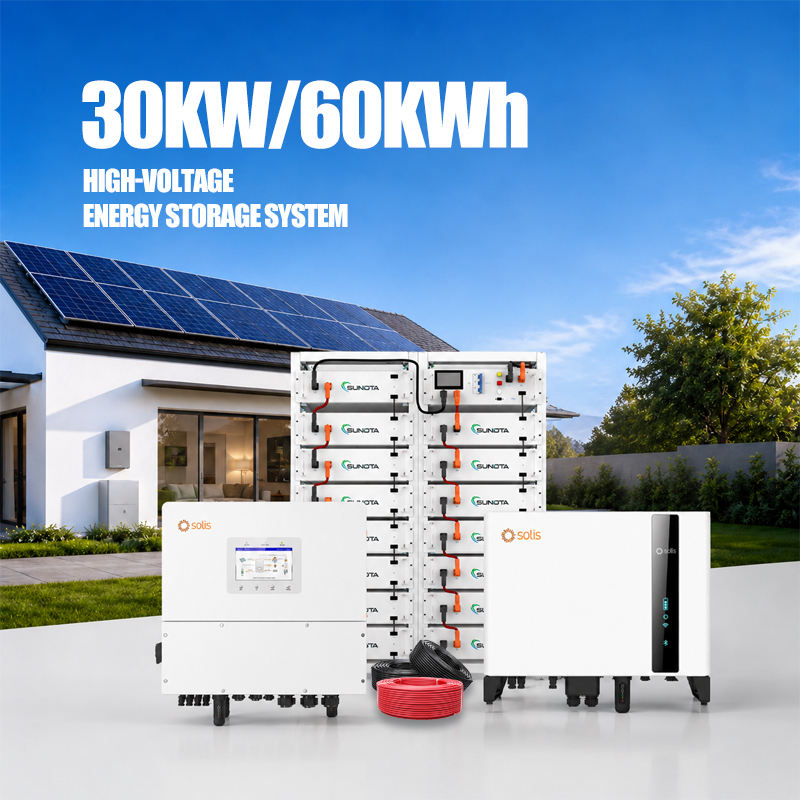
- High-Capacity 30kWh LiFePO4 Unit
- Zero Installation Complexity Footprint
- Certified CE & UN38.3 Safety Standard
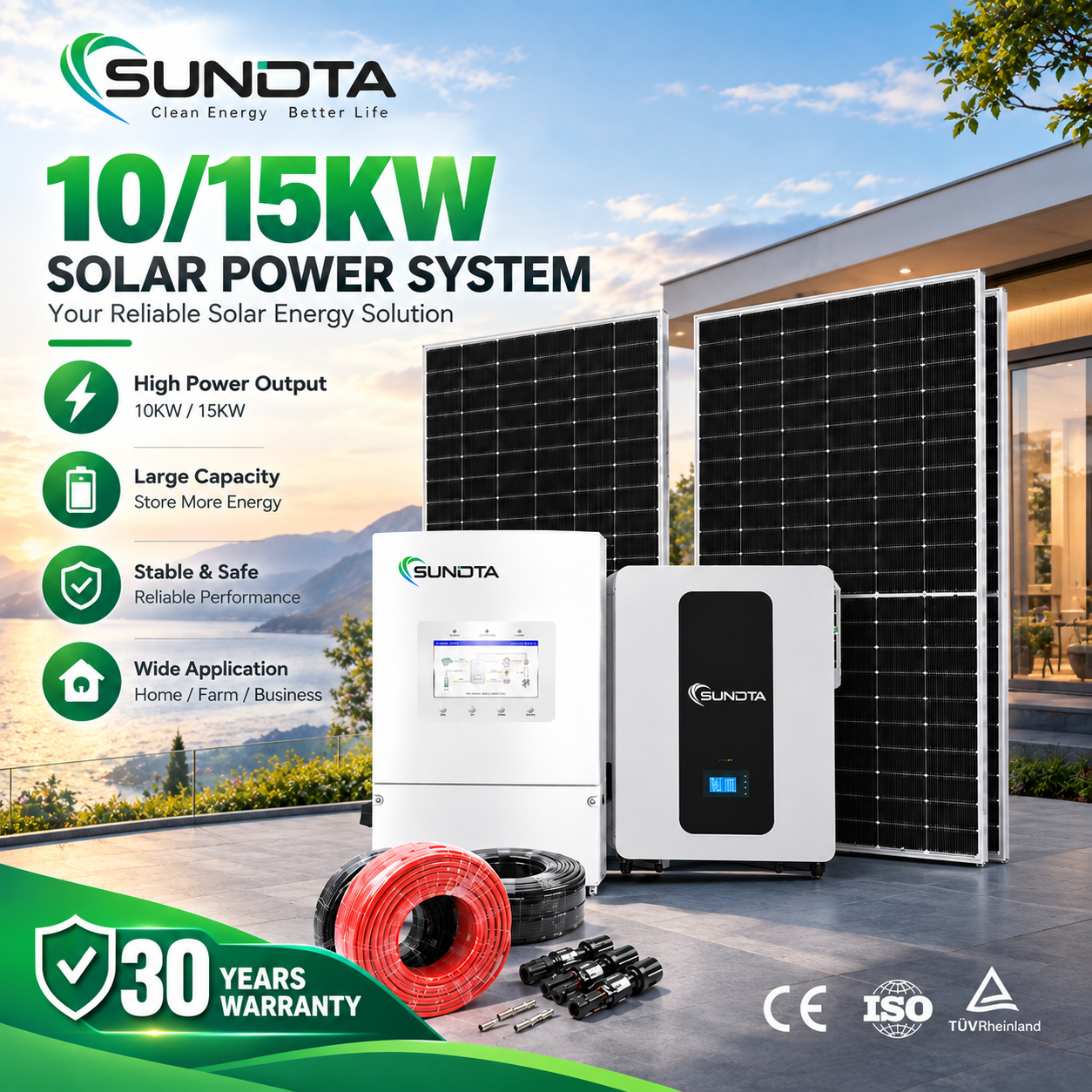
- Dual Glass (2.0mm+2.0mm) Structural Rigidity
- Near-Zero Light Induced Degradation (LID)
- 30-Year Linear Performance Warranty
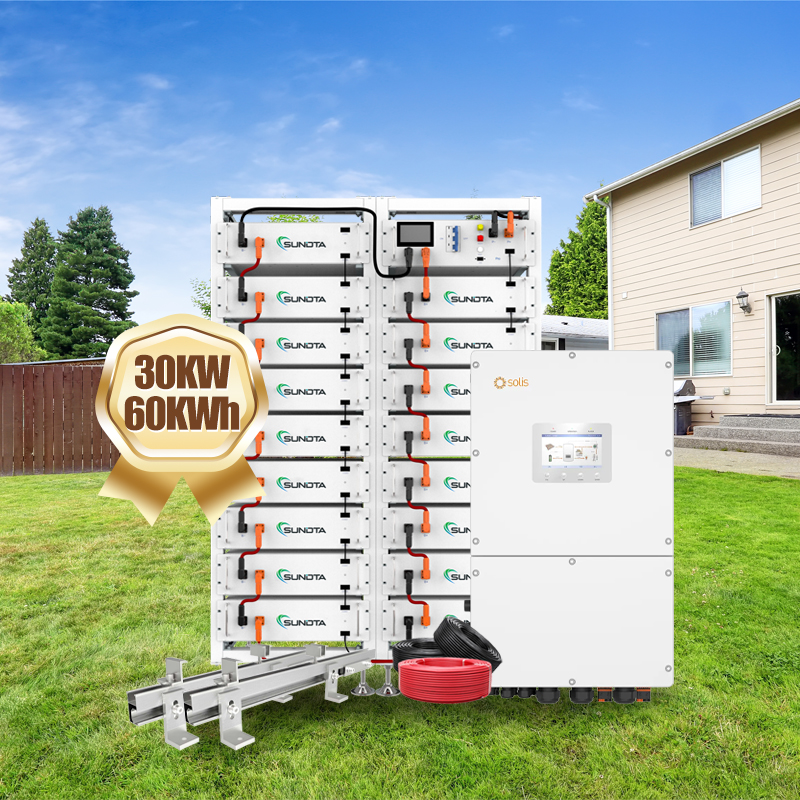
- European Grid Compliance (VDE, CE, G99)
- Smart App Cloud Energy Telemetry
- Rapid Commissioning Diagnostic Suite
The Physics of TOPCon: Why N-Type Has Displaced P-Type PERC in Global Sourcing
In the international solar energy trade, the technological transition from P-type Passivated Emitter and Rear Cell (PERC) to N-type Tunnel Oxide Passivated Contact (TOPCon) represents the most significant efficiency jump since the sunsetting of polycrystalline wafers. For procurement officers, EPC managers, and project financiers, understanding the micro-electronic structure of TOPCon solar cells is critical for quantifying return on investment and mitigating thirty-year project risks.
The standard PERC cell architecture is constrained by an inherent physical ceiling: the metallic contact points directly penetrate the silicon wafer, creating carrier recombination centers that bleed potential energy. In contrast, N-type TOPCon solar cells insert an ultra-thin (approx. 1.5–2.0 nanometer) tunneling silicon oxide layer combined with a heavily doped polycrystalline silicon film on the rear contact surface. This passivated contact mechanism acts as a selective quantum carrier gate—allowing majority carriers (electrons) to tunnel freely while effectively repelling minority carriers (holes). As a consequence, carrier surface recombination velocity drops toward absolute minimums, driving open-circuit voltages (Voc) consistently above 730 mV, compared to PERC's typical boundary of 685–695 mV.
Moreover, N-type base silicon utilizes Phosphorus as the primary dopant rather than Boron. This chemical distinction eliminates the formation of Boron-Oxygen pairs under initial ultraviolet exposure, reducing initial-year degradation from PERC's standard 2.0% down to under 1.0% in TOPCon modules. Over a typical 25 to 30-year plant lifecycle, this physical resilience translates directly into a 3.5% to 6.2% cumulative kilowatt-hour generation dividend, profoundly reducing the Levelized Cost of Electricity (LCOE) across utility, industrial, and microgrid installations.
| Technical Characteristic | Conventional P-Type PERC | Next-Gen N-Type TOPCon | Procurement Impact / Operational Yield |
|---|---|---|---|
| Commercial Cell Efficiency | 22.8% – 23.2% | 25.0% – 25.8%+ | Higher power density per m²; reduces racking, balance-of-system (BOS) wiring, and land footprint. |
| Temperature Coefficient (Pmax) | -0.35% / °C | -0.30% / °C | Maintains higher energy harvest in high-irradiance, high-heat environments (Middle East, SE Asia, Australia). |
| Bifaciality Factor | 70% ± 5% | 80% – 85% | 10%–15% greater rear-side irradiance conversion on high-albedo ground surfaces (concrete, sand, snow). |
| First-Year Power Degradation | ≤ 2.0% | ≤ 1.0% | Absence of Boron-Oxygen complexes guarantees sustained early-stage project financial generation models. |
| Annual Linear Degradation | 0.55% / year | 0.40% / year | Guarantees ≥ 87.4% rated output at Year 30, backing long-term power purchase agreements (PPAs). |
Future Procurement Trends in TOPCon & Energy Storage
Market intelligence for utility buyers, equipment distributors, and project engineering leaders navigating component cycles over the next 24 to 36 months.
1. Unified BOM Sourcing vs Split Procurement
Buying modules from Tier 1 Tier 2 assemblers while independently purchasing inverters and storage batteries frequently generates firmware misalignments, closed-loop CAN communication faults, and cross-party warranty evasion. Future-facing procurement strategies demand single-accountability bills of material (BOMs) where solar panels, power electronics, and battery management systems are pre-tested and validated prior to export packing.
2. Shift to 0BB (Zero Busbar) & Laser Doping
The manufacturing architecture of TOPCon cells is rapidly advancing from 16BB and 18BB micro-grid designs to 0BB (Zero Busbar) metallization. By adopting laser-enhanced contact activation (LECA) and fine-line copper/silver printing, suppliers minimize silver consumption per watt while augmenting cell surface light reception. Buyers must track this transition to capture lower per-watt pricing without sacrificing micro-crack mechanical tolerance.
3. High-Voltage Hybrid Integration (800V+)
While low-voltage 51.2V LiFePO4 batteries continue to dominate residential retrofits, industrial and commercial projects are systematically shifting to high-voltage battery stacks (200V–800V+ DC). Direct pairing with three-phase hybrid inverters (e.g., Deye 50kW or Solis HV series) slashes round-trip transmission heating losses, thins required copper cable diameters, and elevates overall system round-trip efficiency (RTE) past 91%.
Technology Roadmap: The Evolution of TOPCon 2.0 to Perovskite Tandem
The photovoltaic industry continues to move along a steep technical progression curve. While TOPCon 1.0 focused primarily on backside passivated contacts with front-side standard diffusion, TOPCon 2.0 leverages front-and-back dual-sided passivation (Poly-Si on both surfaces) alongside selective emitter (SE) laser technology. This elevates pilot production line efficiencies from 25.5% toward 26.5%.
Looking further along the technological horizon, TOPCon serves as the ultimate bottom-cell substrate for next-generation Perovskite-on-Silicon Tandem Cells. With a theoretical efficiency ceiling of over 43% and lab-demonstrated stacked efficiencies surpassing 33%, TOPCon’s high open-circuit voltage profile makes it significantly superior to legacy PERC as a spectral carrier receiver. Industrial buyers partnering with Anhui RJV secure backward-compatible structural geometries and inverter voltage pairing, allowing smooth field migration as commercial tandem modules ramp towards commercialization late in the decade.
Why Tier-1 Importers Partner with Anhui RJV New Energy
Headquartered in the national photovoltaic hub of Hefei, Anhui, China, RJV New Energy fuses large-scale automated module manufacturing with deep inverter and battery storage integration capabilities.
2GW Automated Manufacturing
High-precision multi-busbar automated stringer lines, automated EL micro-crack inspection before and after lamination, and 12+ years of foundational solar PV production rigor.
Pre-Engineered Cross-Compatibility
We eliminate communication faults in hybrid installations. Our LiFePO4 battery BMS hardware is native CAN/RS485 handshake configured for Deye, Solis, and Growatt inverters.
TÜV Rheinland Assessed
Verified manufacturing operations and quality management systems independently assessed by TÜV Rheinland, accompanied by full CE, IEC 61215, IEC 61730, and UN38.3 test records.
Dedicated B2B Engineering Desk
24/7 technical sizing, string calculation, single-line diagrams (SLD), and after-sales field support to assist your EPC installation crews through challenging grid interconnections.
Frequently Asked Questions on TOPCon & Storage Sourcing
Actionable answers to core commercial, logistical, and technical questions submitted by international project developers and PV wholesale distributors.
What is the actual operational yield difference between N-Type TOPCon and P-Type PERC in desert or tropical climates?
How do you guarantee closed-loop communication between your LiFePO4 batteries and Deye or Solis hybrid inverters?
What minimum order quantities (MOQs) apply for direct container and mixed system orders?
How does RJV handle flash-test data validation, EL inspection, and warranty claims overseas?
Can Anhui RJV customize solar panel dimensions, frame colors, and OEM branding for regional distributors?
Lock in Factory Sourcing for Your Upcoming Project Cycle
Whether you require containerized shipments of 585W–595W N-Type TOPCon panels or complete 20kW–50kW Deye hybrid microgrid configurations, our Hefei engineering team will deliver optimized single-line diagrams, factory flash specs, and transparent FOB/CIF pricing within 24 hours.