2 GW
Annual Module Capacity
500+ MW
Global Systems Delivered
38
Proprietary Patents
TÜV / CE
Verified Facility Quality
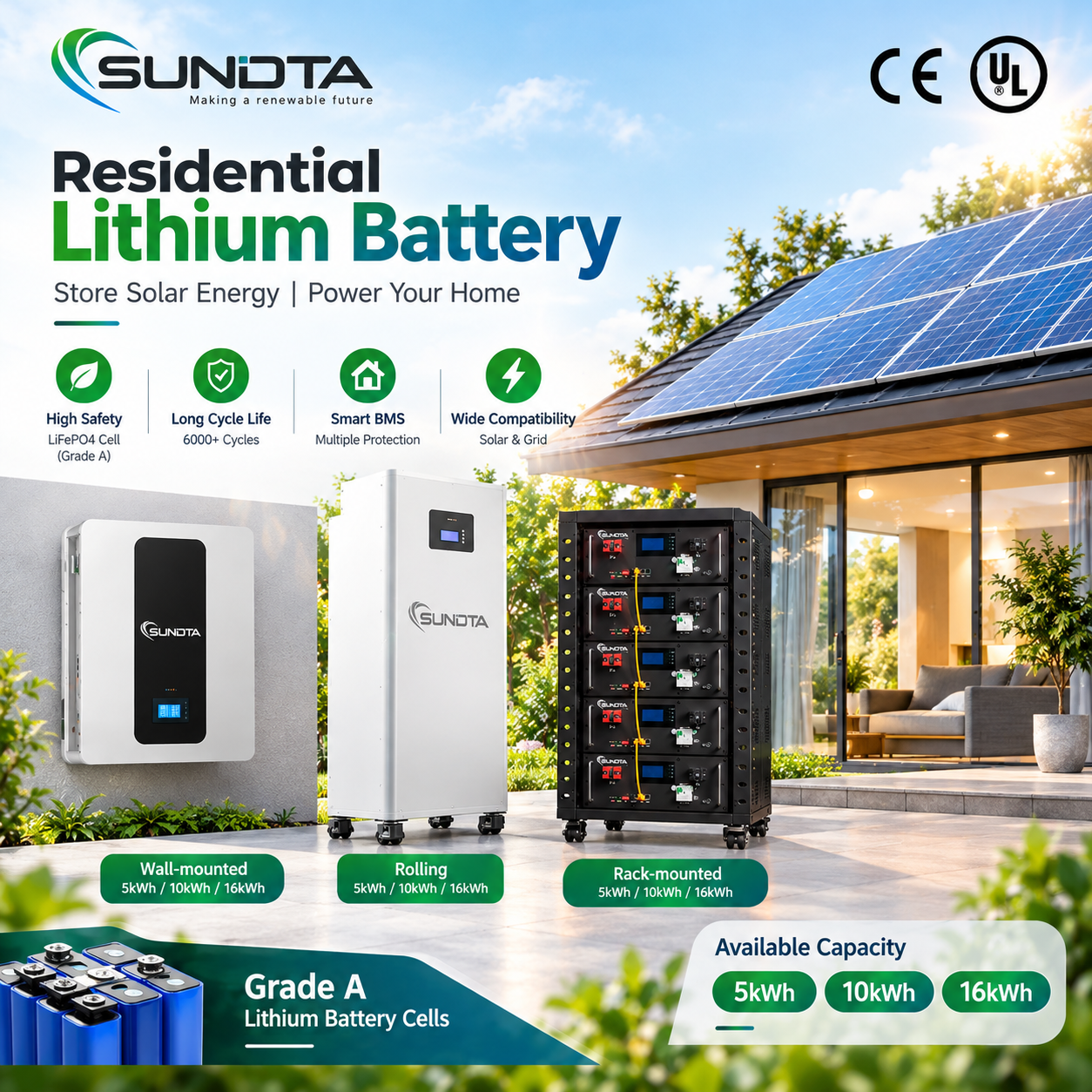
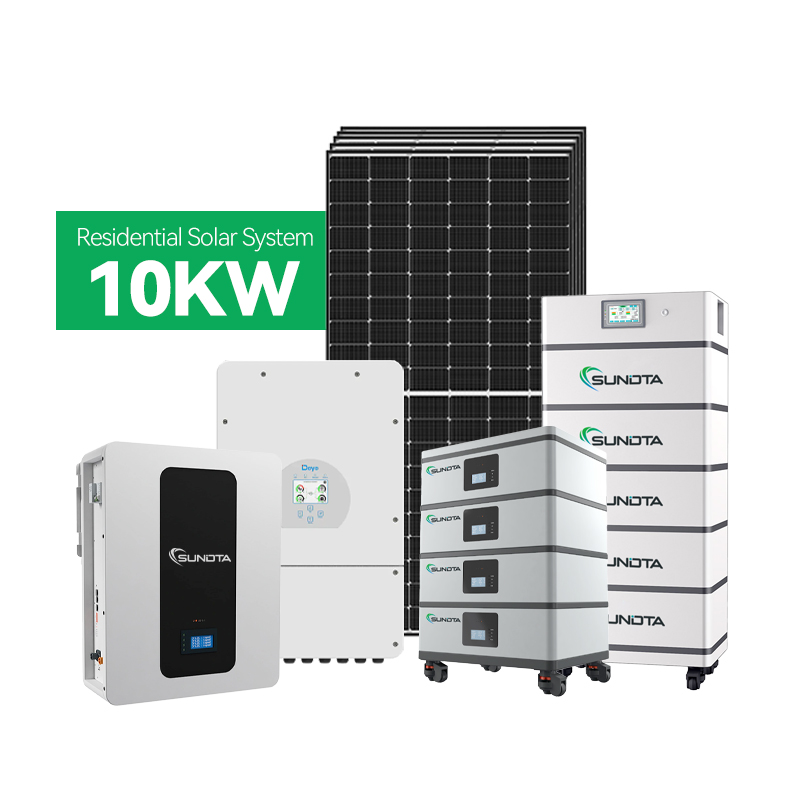
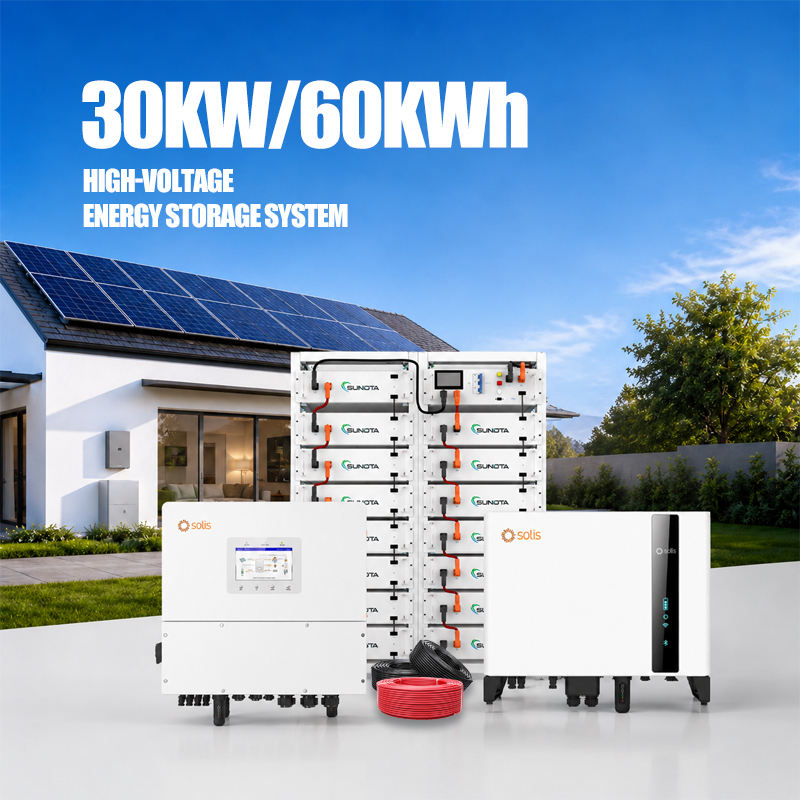
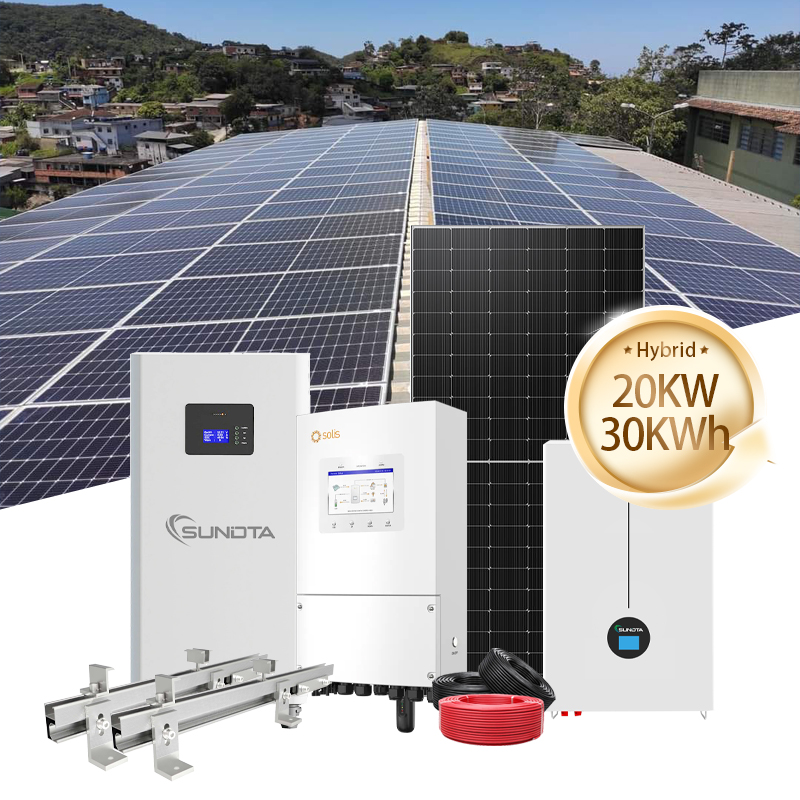
Recommended Commercial & Residential Power Equipment
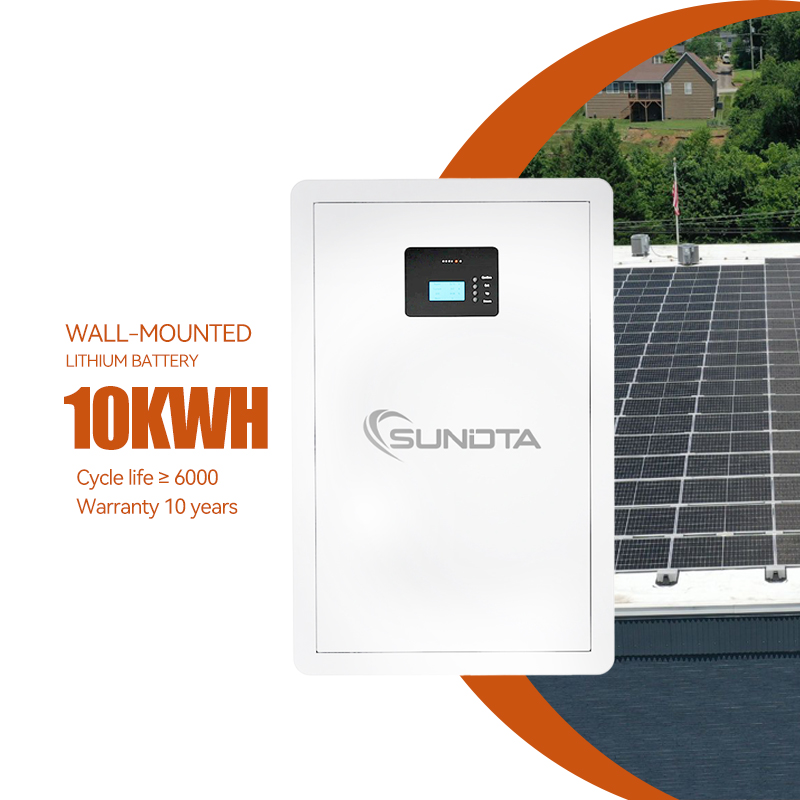
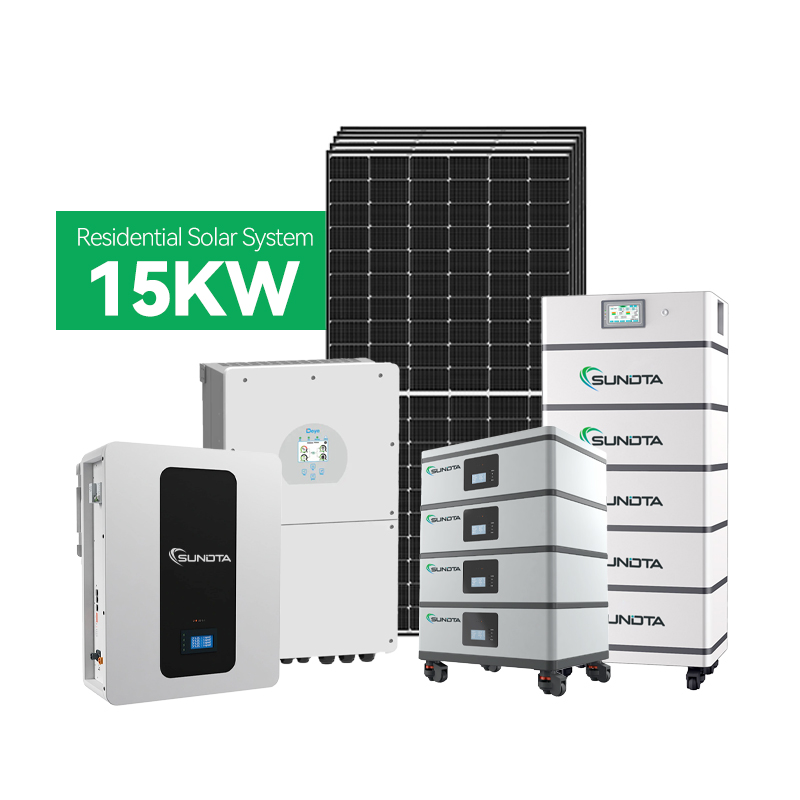
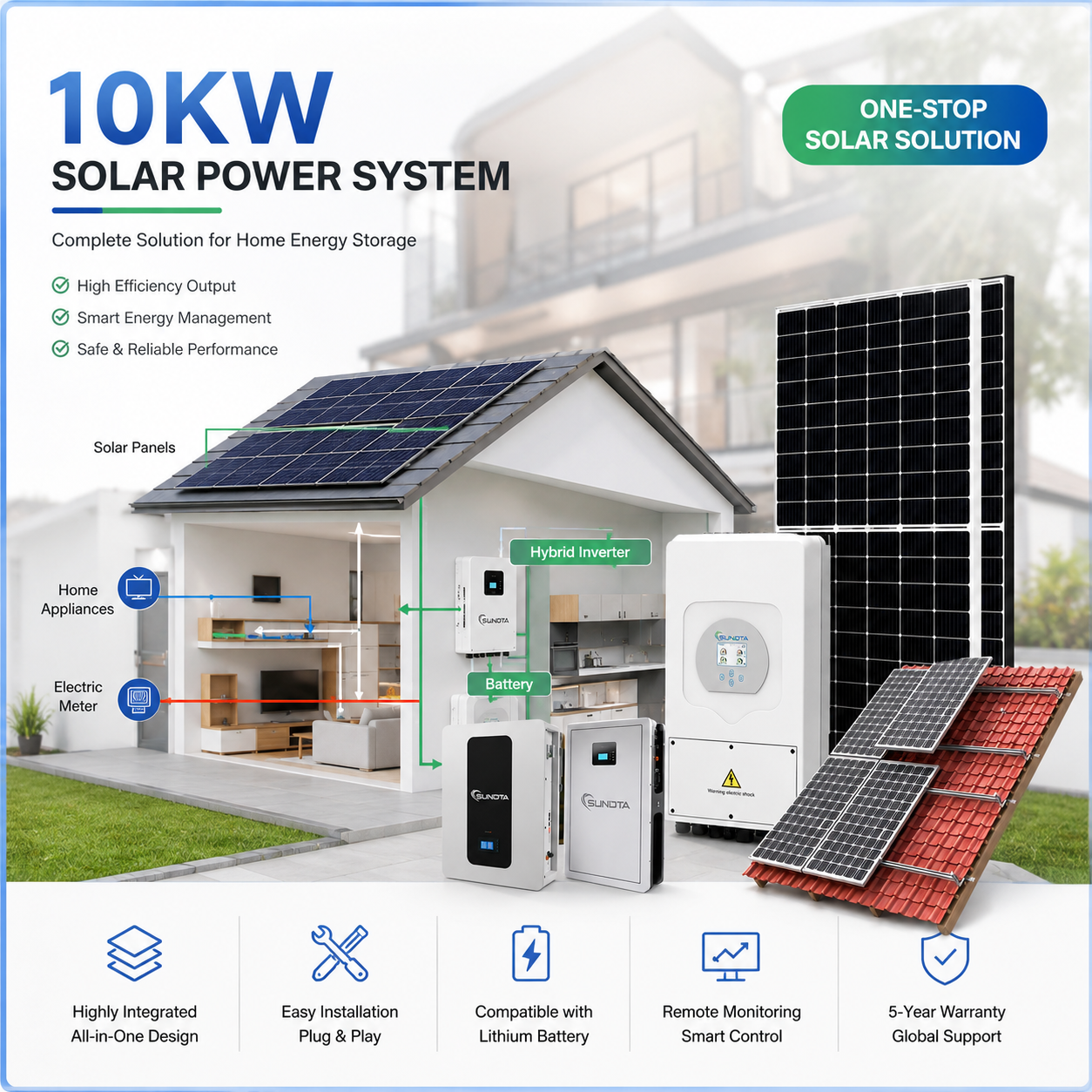
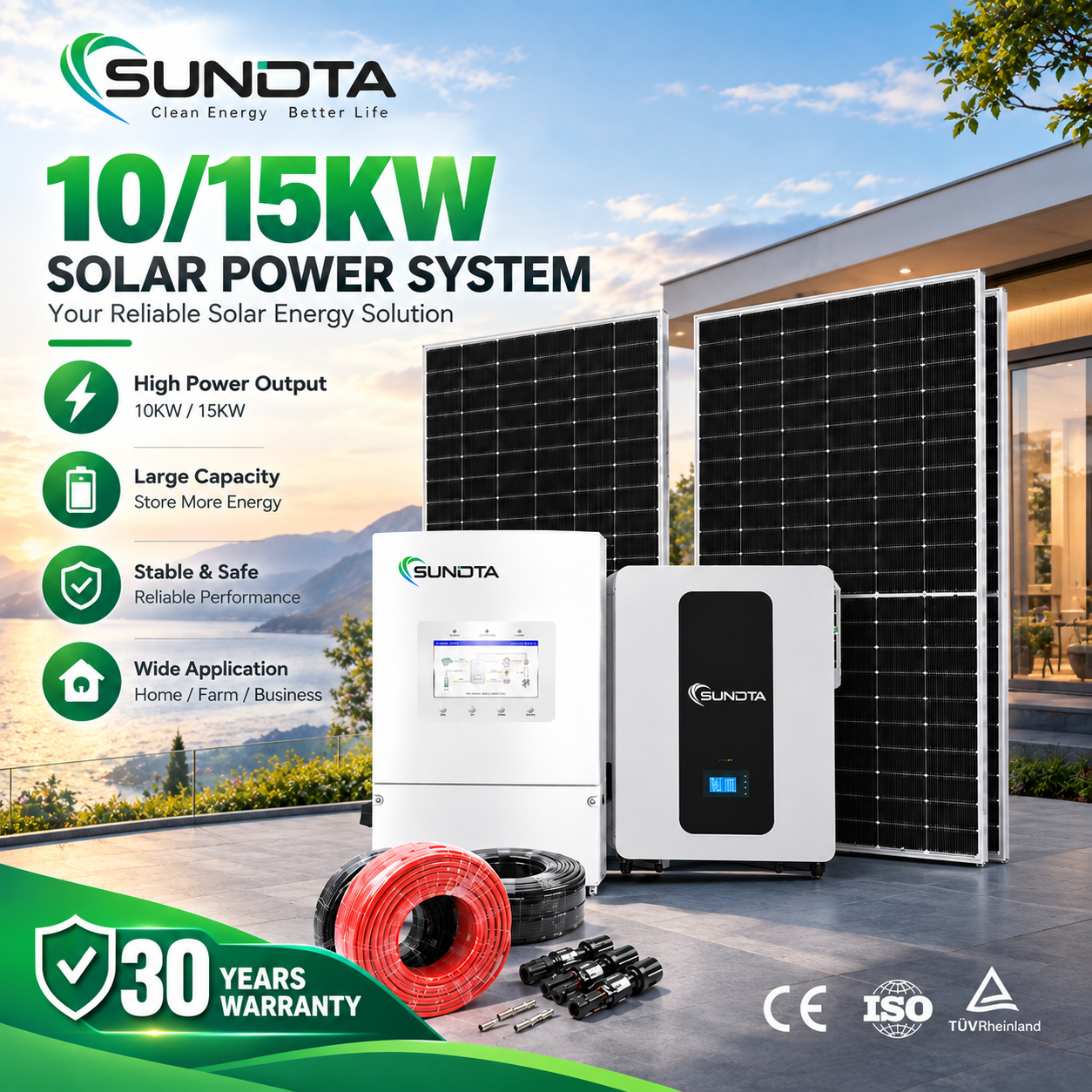
Factory-direct tier-grade solar architectures designed for seamless interoperability across solar modules, inverters, and LiFePO4 battery storage arrays.
Why Global B2B Importers Partner with Anhui RJV New Energy
Direct from our high-tech manufacturing hub in Hefei, China: Eliminating cross-border technical friction through standardized production, verified quality compliance, and integrated multi-line compatibility.
Automated Manufacturing
Annual production capacity reaching 2 GW. Advanced automated lines ensure micro-crack-free PV cells, precise busbar alignment, and consistent encapsulation durability across large-scale container batches.
Verified Audited Quality
Operations evaluated and verified on-site by TÜV Rheinland. Fully compliant with international CE, IEC 61215, IEC 61730, and UN38.3 battery transport standards, with AAA enterprise credit rating.
One-Stop Turnkey BOM
Eliminate system-level failure points. We pre-engineer photovoltaic array voltages, inverter MPPT operating windows, and CAN/RS485 battery communication protocols into matched, plug-and-play kits.
B2B Engineering & OEM
Comprehensive custom design, branding, packaging, and technical schematics support. Backed by dedicated solar application engineers offering 24/7 technical validation and rapid global shipment coordination.
Strategic Sourcing Whitepaper: The Evolution of Foldable Solar Panels & Modular Distributed PV
As commercial, off-grid industrial, mobile tactical, and residential energy storage systems experience rapid global adoption, the procurement demand for high-density, portable, and foldable photovoltaic modules has surged. Once restricted to low-power consumer electronics, recent engineering breakthroughs have repositioned foldable solar arrays into high-output, professional-grade energy capture assets. In this technical whitepaper, our engineering division breaks down the shifts in industrial module physics, life-cycle durability parameters, supply-chain risks, and strategic sourcing criteria for international B2B buyers and commercial project contractors.
Executive Procurement Insight: The core failure mechanism of traditional portable solar modules has historically been mechanical stress fatigue at fold lines and cell micro-cracking caused by cyclic thermal expansion. The latest N-type TOPCon shingled configurations combined with high-grade ETFE polymers have fundamentally mitigated these failure risks, raising cell operational lifespans from 3–5 years to over 15–25 years in demanding field environments.
Technological Evolution: From Fragile Poly to N-Type TOPCon & Shingled Architecture
The earliest generations of foldable solar equipment utilized standard glass-fronted monocrystalline or polycrystalline cells mounted onto segmented fabric substrates. These configurations were not only bulky and heavy (frequently exceeding 8 to 12 kg per 200W panel) but were notoriously prone to solder ribbon fractures and busbar detachment under repeated mechanical flexure.
Today, tier-1 Chinese manufacturers have completely re-engineered the foldable module Bill of Materials (BOM). The technological transition is anchored by three critical engineering innovations:
- N-Type TOPCon (Tunnel Oxide Passivated Contact) Cells: Yielding laboratory efficiencies exceeding 25.5% and commercial batch efficiencies over 23%, TOPCon provides vastly superior power density. This allows exporters to fabricate 400W–500W class foldable arrays within physical dimensions previously restricted to 200W units. Furthermore, TOPCon exhibits a superior temperature coefficient (-0.30%/°C compared to -0.36%/°C for legacy PERC), preserving energy output in blistering desert and tropical operating environments.
- Conductive Polymer Encapsulation & Shingled Matrix Design: By overlapping laser-cut cell strips using conductive adhesives instead of rigid metallic solder ribbons, internal mechanical flexibility is radically enhanced. The structural stress generated by folding and unfolding is absorbed uniformly across polymer matrix joints rather than concentrating at fragile micro-weld contact points.
- Advanced Multi-Layer ETFE (Ethylene Tetrafluoroethylene) Coatings: Replacing brittle glass with high-grade fluoropolymer films offers 95%+ optical transmittance, self-cleaning anti-soiling surface tension, and outstanding chemical resistance against UV aging, salt spray exposure, and atmospheric moisture penetration (IP67/IP68 ingress ratings).
Industrial Benchmark: Comparing PV Technologies for Mobile & Distributed Deployments
| Evaluation Parameter | Legacy Portable Panels (PET + PERC) | Industrial Grade (ETFE + TOPCon Shingled) | Rigid High-Power Modules (Glass Dual-Face) |
|---|---|---|---|
| Typical Conversion Efficiency | 17.5% – 19.5% | 22.8% – 24.2% | 21.5% – 23.0% |
| Thermal Degradation Coeff. (Pmax) | -0.38% / °C | -0.30% / °C | -0.32% / °C |
| Bending & Mechanical Fatigue Limit | Low (<1,500 fold cycles) | High (>10,000 fold cycles) | Zero (Rigid Glass) |
| Weight-to-Power Ratio | ~35–45 g / Watt | ~18–22 g / Watt | ~48–55 g / Watt |
| Surface Degradation / Delamination | Delaminates in 18–36 mos (UV yellowing) | Resistant (>10-Year outdoor lifespan) | Resistant (Glass-glass construction) |
| Optimal Application Space | Short-term recreational camping | Commercial tactical, field ESS, emergency kits | Permanent rooftop & ground-mount utility |
Future Procurement Trends: What Global Distributors Must Anticipate (2025–2030)
Strategic B2B purchasing agents, commercial wholesalers, and energy procurement directors are moving away from treating solar panels as commodity spot purchases. Current supplier evaluation metrics require holistic integration capabilities with high-voltage battery storage, smart microinverters, and unified DC-bus architectures.
1. 80V–150V High-Voltage Mobile Architectures
Traditional 18V/36V systems require thick, heavy copper cabling causing substantial I²R resistive losses over distance. Future enterprise procurement is standardizing around 80V–150V VOC foldable series arrays, integrating seamlessly into high-efficiency MPPT controllers and reducing field transmission losses by up to 60%.
2. Integrated Closed-Loop BMS Synergy
The disconnection between PV generation and storage safety is narrowing. Importers increasingly require factory-calibrated bundles where foldable array output profiles match the safe charge acceptance rates of LiFePO4 chemistry packs, communicating via CAN/RS485 to prevent over-voltage tripping.
3. Circular Economy & Carbon Border Compliance
With regulations like the European CBAM (Carbon Border Adjustment Mechanism) and stringent ESG mandates across North America, future procurement contracts demand documented supply-chain tracing, non-hazardous fluoropolymer manufacturing, and cradle-to-grave recyclable structural backing materials.
Technological Roadmap: The Convergence of Perovskite Tandem Cells & Solid-State Storage
Over the next five years, the distributed solar sector will witness two transformative industrial convergences:
1. Perovskite-Silicon Tandem Layers: By applying a thin perovskite top cell over an N-type crystalline silicon bottom cell, the theoretical shockley-queisser limit is expanded dramatically. Pilot lines in Anhui are already testing lightweight flexible tandem prototypes capable of reaching 28% to 30% solar conversion efficiency. This will allow a single compact 4-fold deployable panel to achieve 600W+ rating without expanding physical pack dimensions.
2. Direct Integration with Solid-State Lithium Buffers: Modern high-rate discharge demands have pushed standard liquid-electrolyte batteries to their thermal limits. The future standard for field operations combines foldable TOPCon solar panels with modular solid-state LiFePO4 batteries (as featured in our 10kWh–30kWh modular lineup), delivering fire-proof safety, -30°C to 60°C operating resilience, and over 6,000 deep discharge cycles.
Frequently Asked Questions (FAQ) for Importers, EPCs & Wholesalers
Here are direct technical insights addressing the most critical operational and supply chain questions encountered by international buyers sourcing PV hardware from China.
What are the minimum order quantities (MOQ) and container loading terms?
Our MOQ is engineered to support both scaling distributors and large utility EPC projects: Hybrid inverters and residential LiFePO4 batteries start from 1 unit; integrated residential solar kits start from 1 full set; solar panels are supplied per standardized pallet (e.g., 13,650W to 17,280W) or full container loads (FCL 20GP/40HQ). We offer mixed-product consolidation within a single 40HQ container to optimize freight costs.
How do you guarantee closed-loop communication between inverters and batteries?
All RJV LiFePO4 home and industrial batteries feature built-in smart BMS architectures equipped with dual CAN and RS485 communication protocols. They are pre-programmed and factory-tested for seamless compatibility with Tier-1 hybrid inverter platforms including Deye, Solis, and Growatt, eliminating protocol mismatch errors on site.
What certificates and flash-test reports are provided for customs clearance?
Every commercial production batch is accompanied by comprehensive quality dossiers: Factory Flash Test reports (providing individual module IV curves, Voc, Isc, and Pmax data), TÜV Rheinland factory audit reports, CE Declarations of Conformity, and UN38.3 plus MSDS certifications for safe sea and air freight of lithium storage batteries.
Can we execute OEM, ODM, and customized white-label branding?
Yes. As a primary manufacturer and system integrator, we provide complete OEM/ODM services. This includes bespoke junction box wiring, customized MC4-compatible terminal connectors, personalized laser-etched branding on backsheets/chassis, customized color packaging, and application-specific MPPT firmware modifications.
Scale Your Solar Distribution Business with RJV New Energy
Contact our senior solar engineering division today for bulk tier pricing, comprehensive system BOM matching, custom OEM packaging options, and full container logistics support.