Split All-in-One
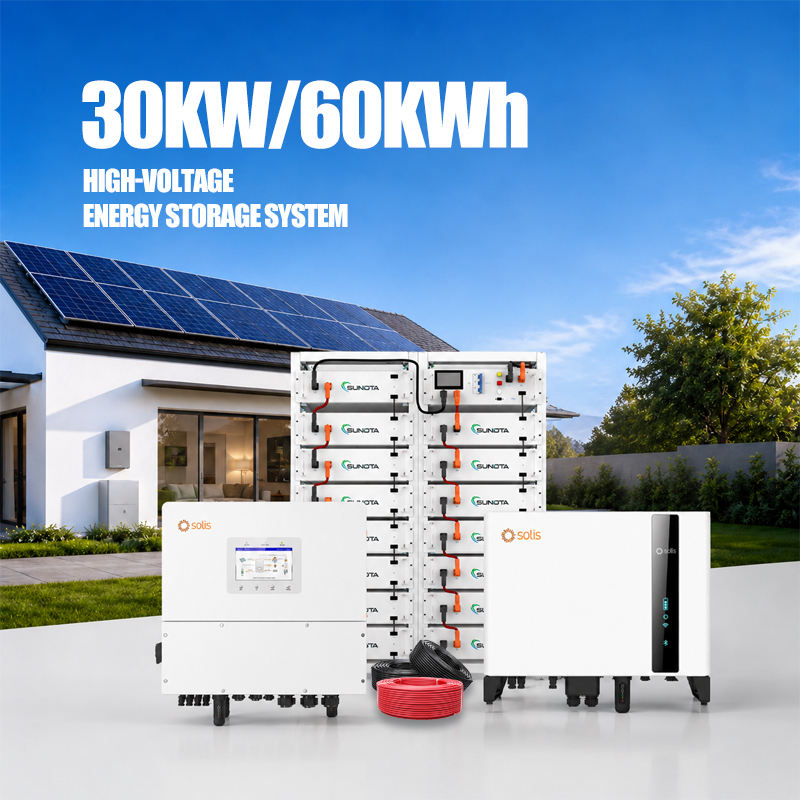
Hybrid Inverter + Battery
Verified factory-direct product configurations integrating high-efficiency N-Type bifacial solar panels, stackable LiFePO4 storage, and hybrid MPPT inverters for scalable residential and commercial deployment.
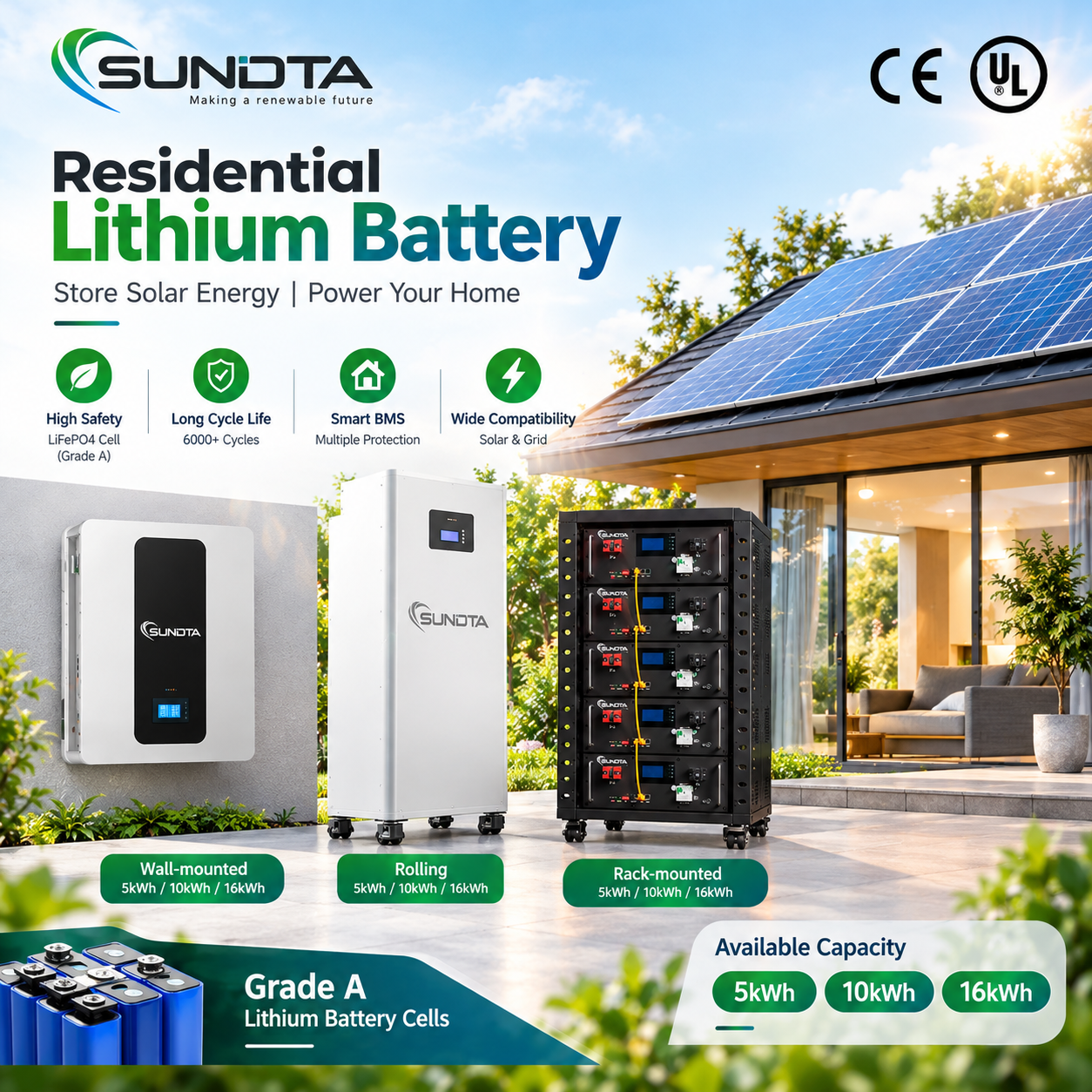
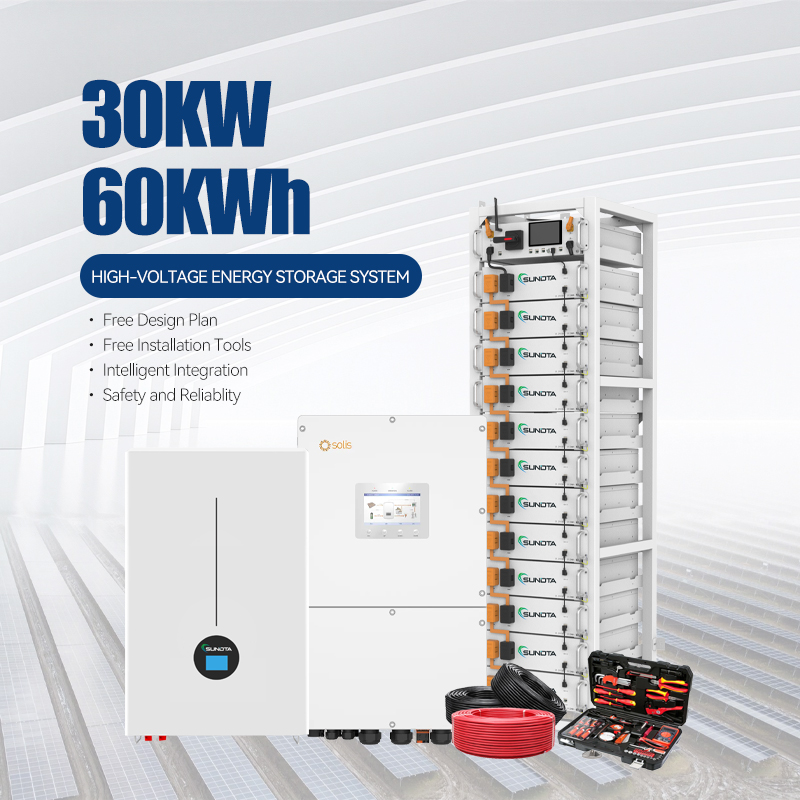
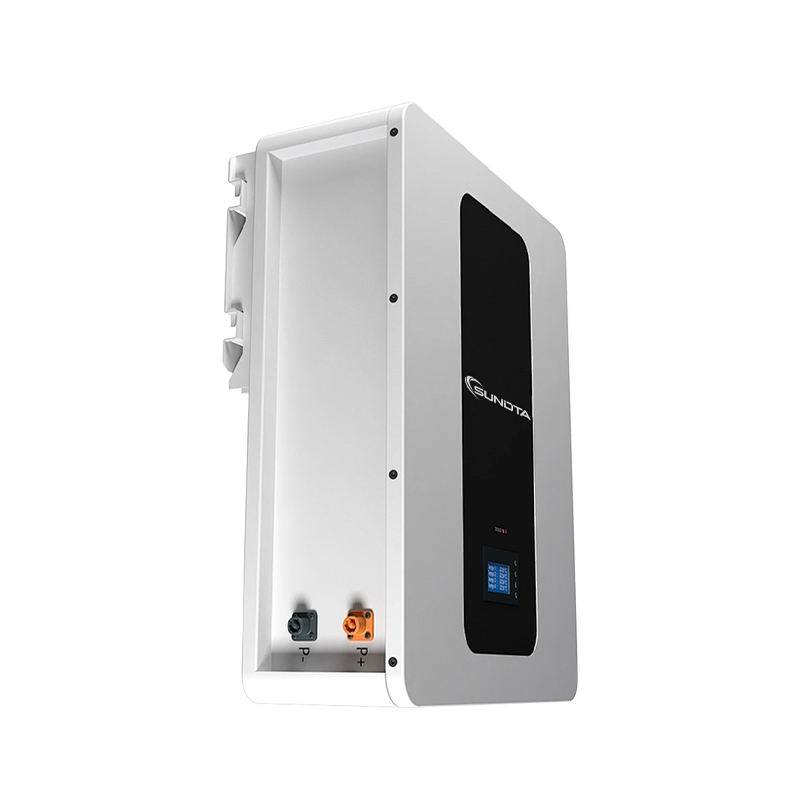
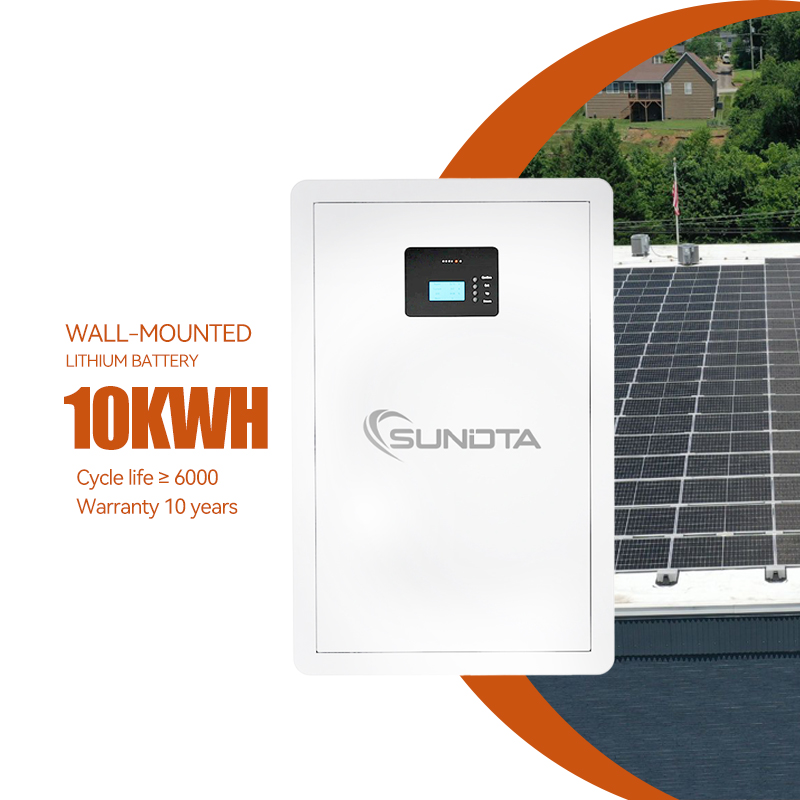
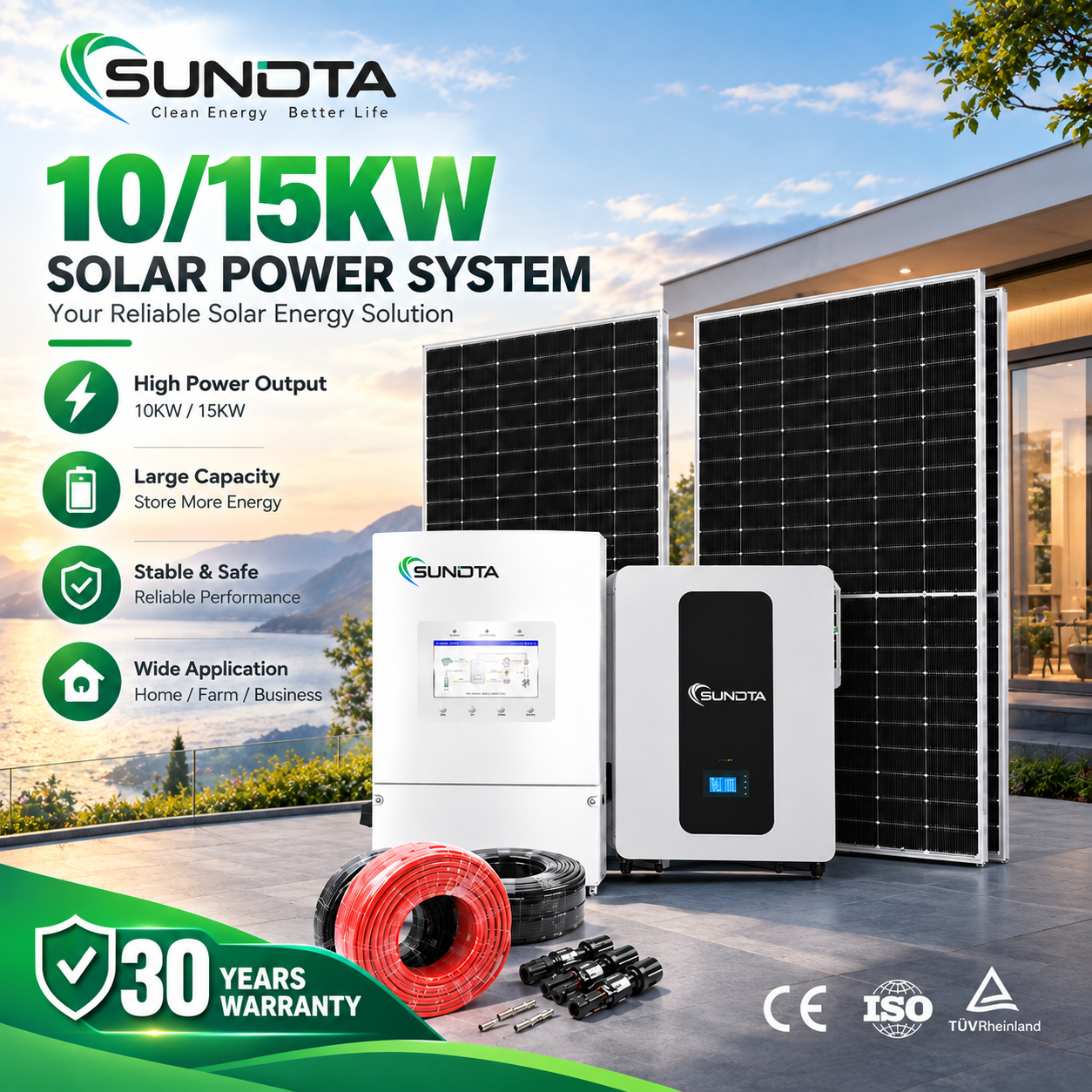
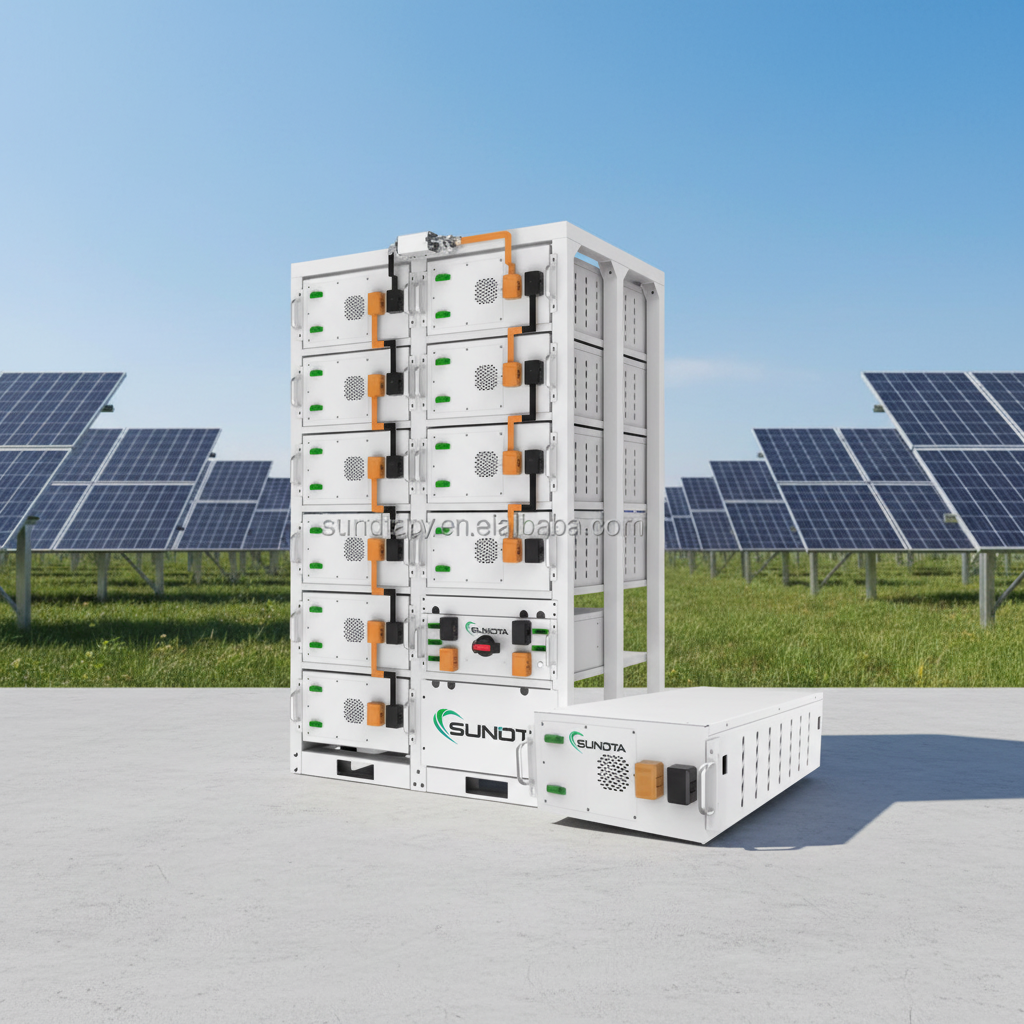
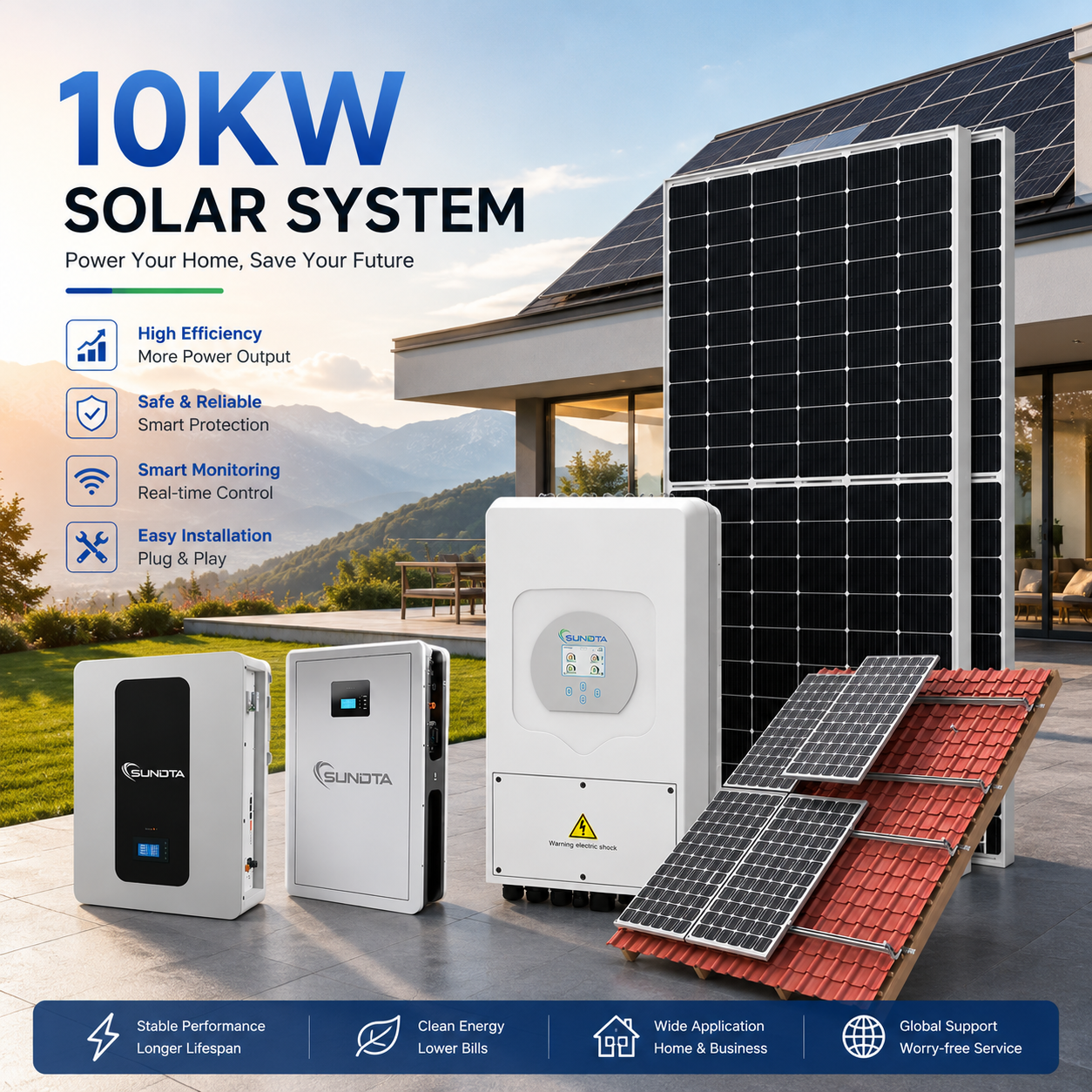
Operating from Hefei, Anhui—the epicentre of China's advanced photovoltaic cluster—we bridge automated PV panel manufacturing, Tier 1 power electronics, and precision lithium assembly to minimize system friction and supply chain vulnerabilities.
High-precision robotic stringing, non-destructive laser cutting, and automated EL (Electroluminescence) testing eliminate microcracks and internal cell defects across our module lines.
Strict on-site verification ensures complete transparency. We deliver audited production compliance, CE marking, IEC 61215/61730 certifications, and UN38.3 battery transport compliance.
Eliminating communication drops between battery and inverter. Every pack features native CAN/RS485 firmware matched with Deye, Solis, and RJV custom hybrid architectures before packaging.
We consolidate panels, inverters, racking, breakers, cabling, and LiFePO4 packs into single-container consignments, slashing customs clearance complexity and field assembly errors for EPCs.
The international solar market has decisively shifted from individual, fragmented component procurement to pre-engineered, factory-matched solar generator kits. Historically, independent installers and wholesale distributors incurred massive labor and warranty friction by assembling photovoltaic modules from Vendor A, string inverters from Vendor B, and low-voltage batteries from Vendor C. Today, the convergence of N-Type TOPCon tunnel oxide passivated contact technology and high-voltage prismatic LiFePO4 storage has elevated solar generator kits into standardized, grid-interactive power plants capable of autonomous microgrid formation.
As utilities enforce stricter grid interconnection policies (including IEEE 1547-2018 and UL 9540A thermal runaway safety benchmarks), procurement directors require guaranteed cross-component interoperability. Sourcing complete solar generator systems from verified Chinese manufacturers eliminates the finger-pointing typical of multi-brand installations when firmware communication drops occur during critical grid switchover events.
| System Parameter | Traditional Multi-Source Procurement | Pre-Engineered Factory Kit (RJV Standard) |
|---|---|---|
| BMS to Inverter Protocol Sync | Manual RS485 field matching; frequent communication packet drops | Pre-flashed CAN bus protocol; verified closed-loop handshake |
| System Efficiency (PV-to-Battery-to-AC) | 82% – 86% due to multiple DC/AC/DC conversion stages | 93.5% – 96.8% via optimized high-voltage DC coupling |
| Warranty Accountability | Split liability between 3 to 4 distinct factory entities | Single unified Tier 1 supplier warranty on complete BOM |
| Customs Clearance & Logistics | Separate HS Codes, dispersed bills of lading, higher freight cost | Single consolidated container shipment; uniform export compliance |
| Installation Time per Site | 3 to 5 business days per 10kW residential deployment | Under 8 hours via pre-wired busbars and plug-in quick connectors |
The technological forces dictating next-generation solar generation kits, moving commercial and residential users toward true grid independence.
P-Type PERC cells are rapidly retiring. Modern kits leverage N-type TOPCon modules offering sub-1% first-year degradation, lower temperature coefficients (-0.30%/°C), and bifacial factors above 80%, yielding up to 15% more real-world energy in hot or low-light climates.
While 51.2V low-voltage systems dominate residential kits under 10kWh due to battery safety, medium-to-large systems are migrating to high-voltage battery stacks (200V–600V DC). High-voltage architecture reduces line currents, reduces copper cable costs, and cuts internal inverter thermal losses.
Hybrid generators now come equipped with native IoT edge computing. Systems dynamically balance dynamic utility spot prices, automatically export power during peak tariff windows, and orchestrate automated diesel generator dry-contacts during prolonged multi-day blackouts.
Professional guidance for overseas EPCs, system integrators, and wholesalers navigating quality verification, freight optimization, and custom manufacturing.
Never accept containerized modules without manufacturer flash test data and pre-shipment electroluminescence records. This confirms each panel delivers its rated nameplate wattage with zero microcracks incurred during final frame crimping.
Demand traceability verifying genuine Grade-A cell batches for LiFePO4 packs. Reject recycled or decommissioned EV cells that lack factory batch barcodes, uniform internal resistance (IR), and precise cell matching capacity tolerances.
Lithium storage requires Class 9 Dangerous Goods (DG) compliance. Verify your Chinese manufacturing partner holds valid UN38.3 test summaries, MSDS, and certified packaging approvals to prevent maritime delays or terminal rejections.
Elevate brand equity by collaborating with factories capable of custom enclosure tooling, silk-screened client branding, localized packaging, translated application manuals, and region-specific grid compliance firmware setup.
Transparent insights into containerized solar generation kits, warranties, international compliance, and lead times.