Engineered PV Modules & Integrated Storage Systems
Tested under rigorous climate profiles, our Tier-1 monocrystalline panels, hybrid conversion inverters, and high-voltage LiFePO4 storage cabinets guarantee system-level balance of system (BOS) optimization.
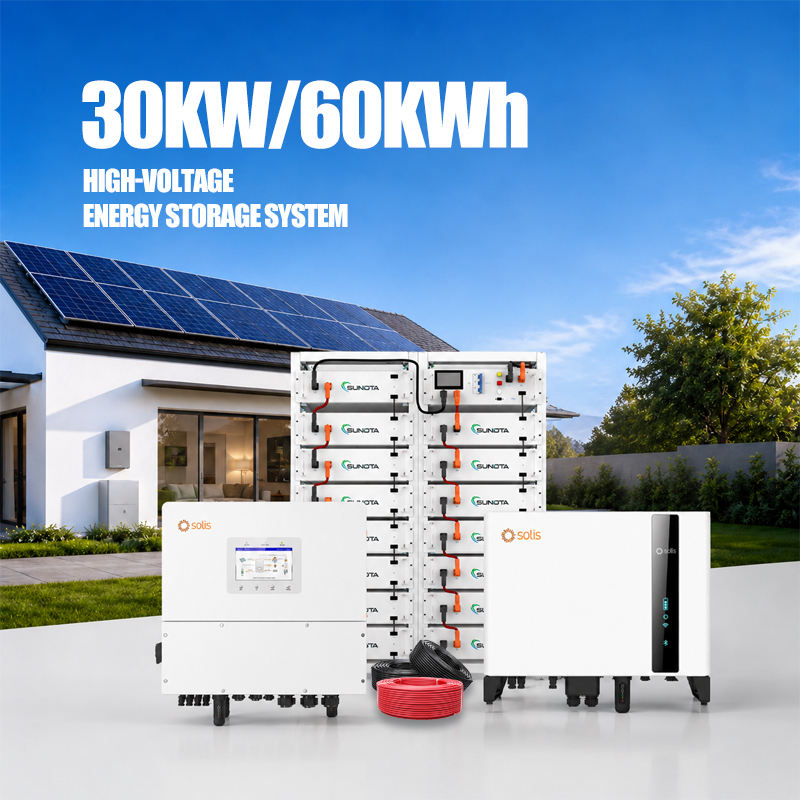
51.2V Split All-in-One Solar Battery Inverter System 30kWh LiFePO4 Energy Storage
- CAN/RS485 Hybrid Protocol
- Backup Power Architecture
- CE & UN38.3 Certified
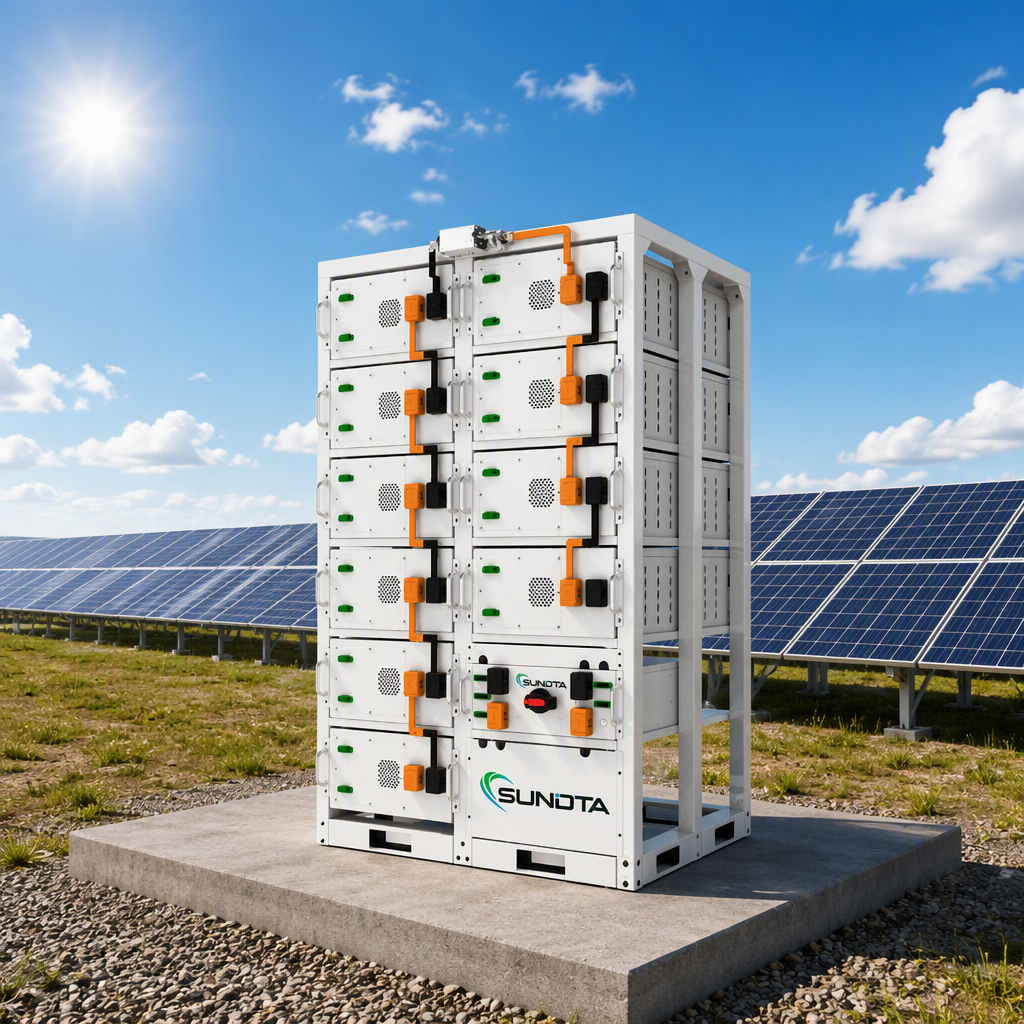
SUNDTA SDT-280 Commercial HV LiFePO4 ESS 40-100kWh Battery Cabinet
- Air-Cooled Prismatic Integration
- Hybrid/Off/On-Grid Dispatch
- BMS Autonomous Thermal Balancing
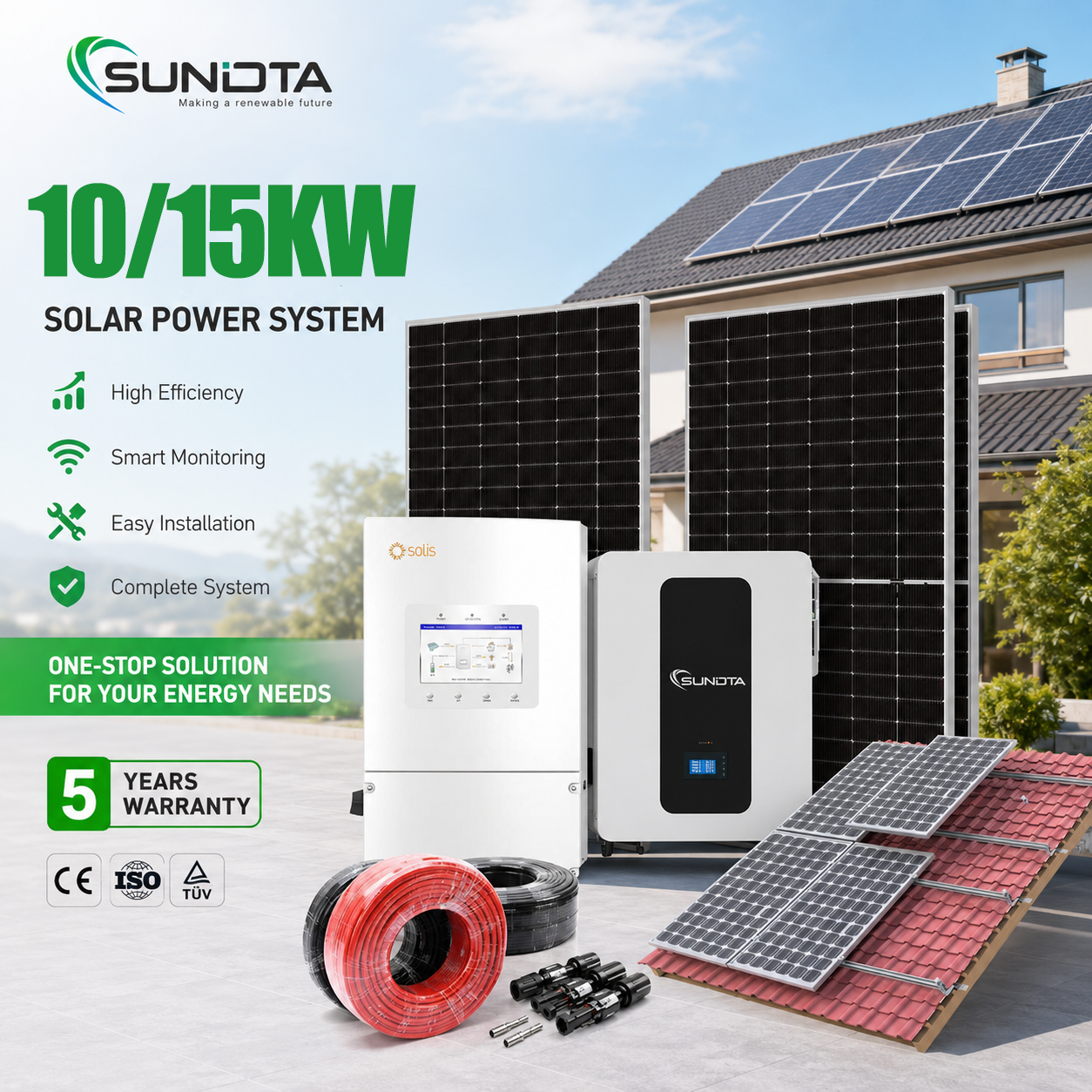
Hybrid 15kWh Inverter System 300Ah Lithium Ion Battery MPPT 15kW
- 15kW High Yield MPPT Inverter
- Quick-Stack Modular Footprint
- Continuous Dynamic Peak Shaving
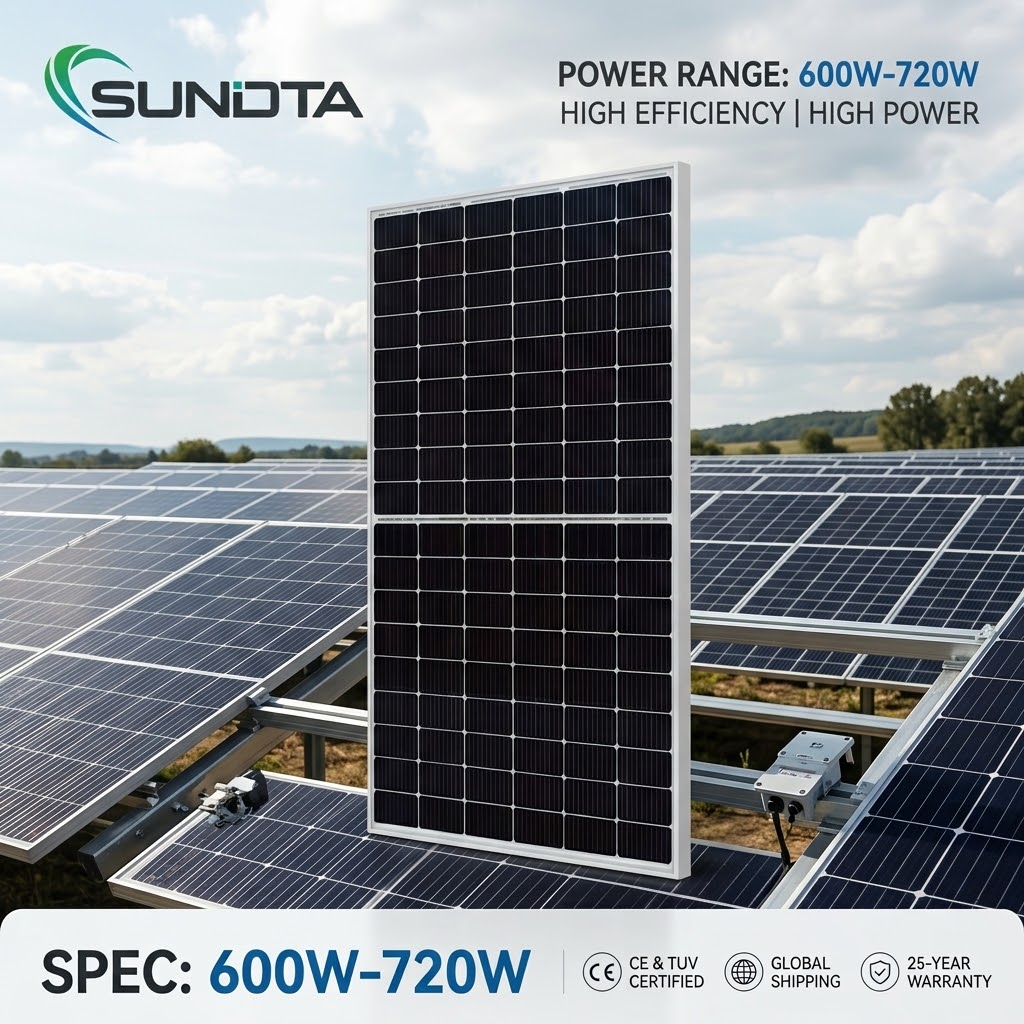
SUNDTA 500W-595W Black Glass Bifacial PV Module Half-Cut PERC Panel
- 23.03% Benchmark Module Efficiency
- Dual-Glass Mechanical Endurance
- Up to 25% Albedo Power Gain
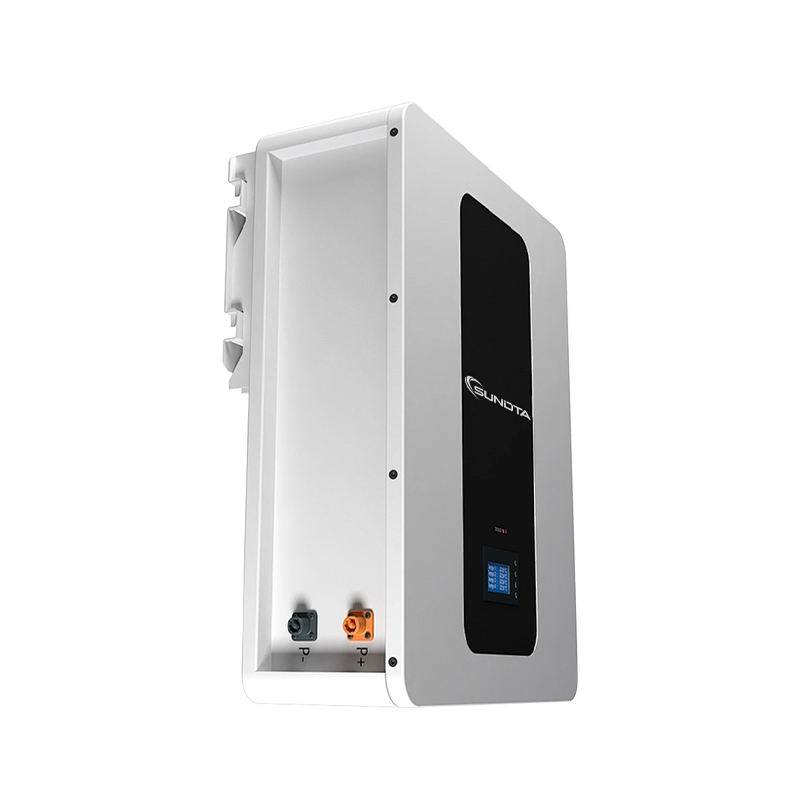
Sundta POLO-W1 LiFePO4 Lithium Battery Wall-Mounted 5kWh 51.2V 100Ah
- IP65 Weatherproof Enclosure
- 6,000+ Deep Cycle Lifecycle
- Multi-Unit Closed-Loop Sizing
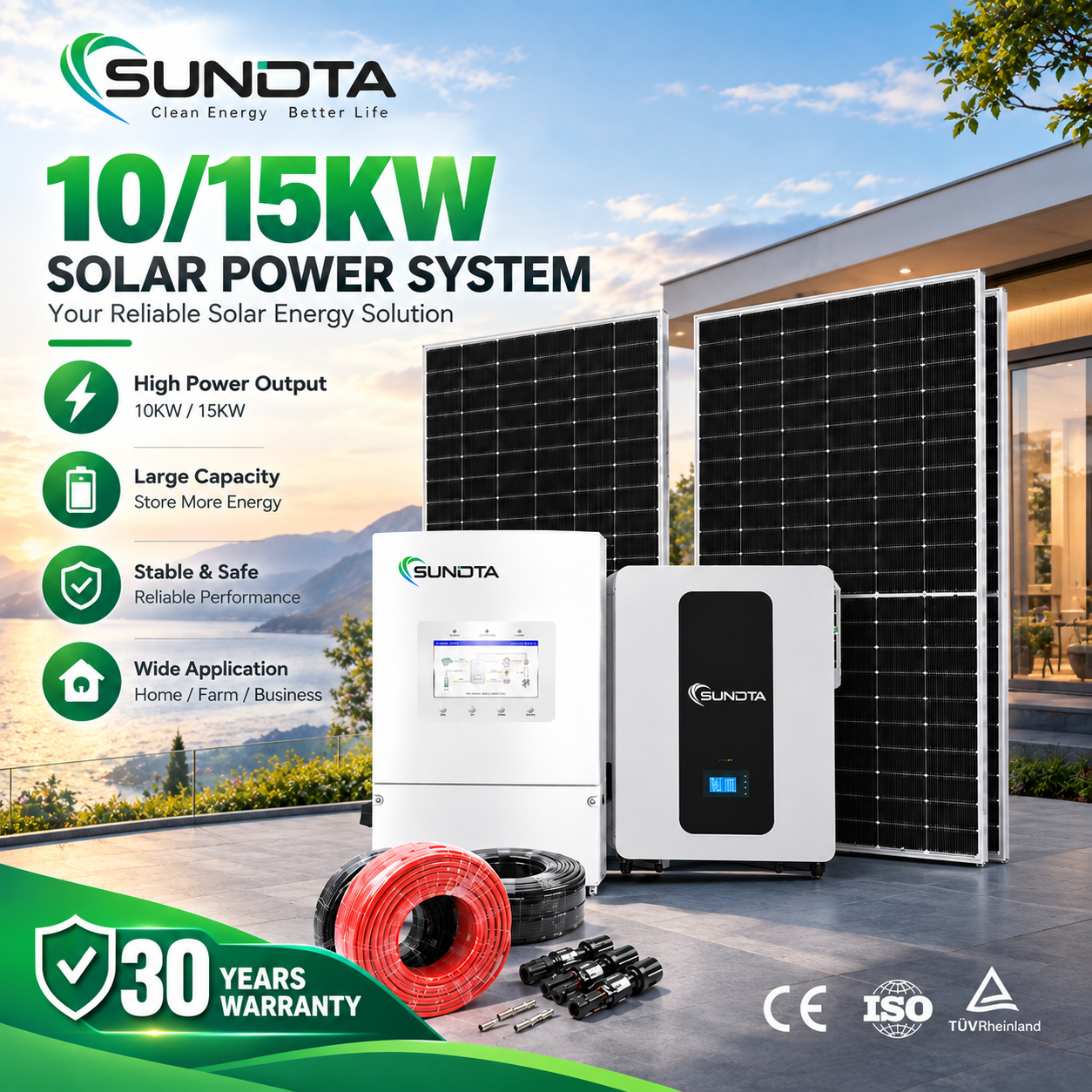
Premium 585W-595W N Type Bifacial PV Module High Yield Mono Panels
- TOPCon Zero LID/LeTID Architecture
- -0.30%/°C Temperature Coefficient
- Utility-Scale Tier 1 BOM Design
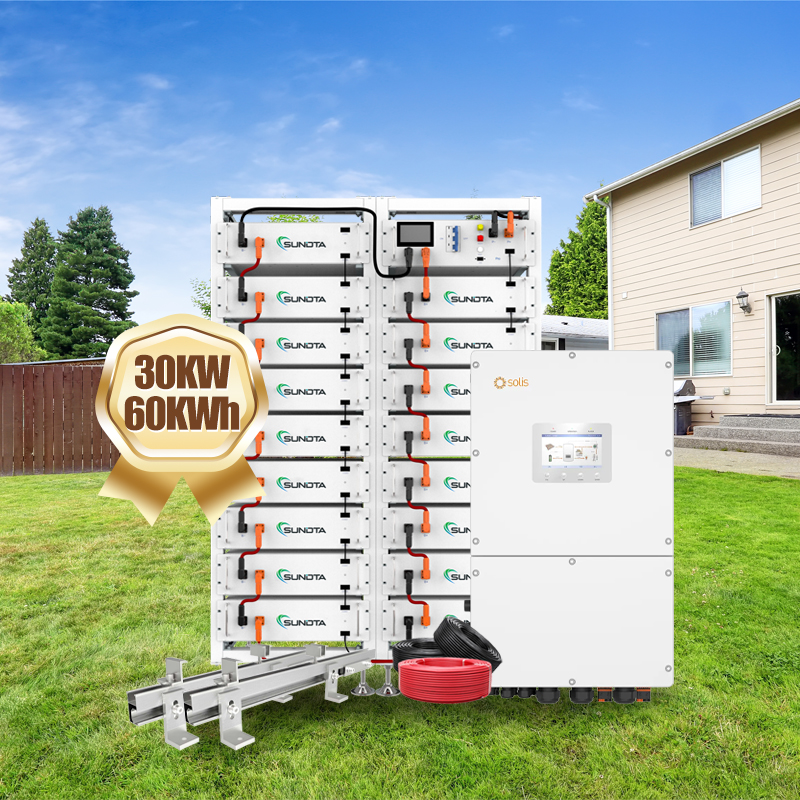
Complete 30kW Hybrid Solar Energy System (10kW, 15kW, 20kW Scalable)
- Full EU Grid Compliance Certificates
- Pre-Wired DC Combiner & Protection
- Matched Inverter-Storage Chemistry
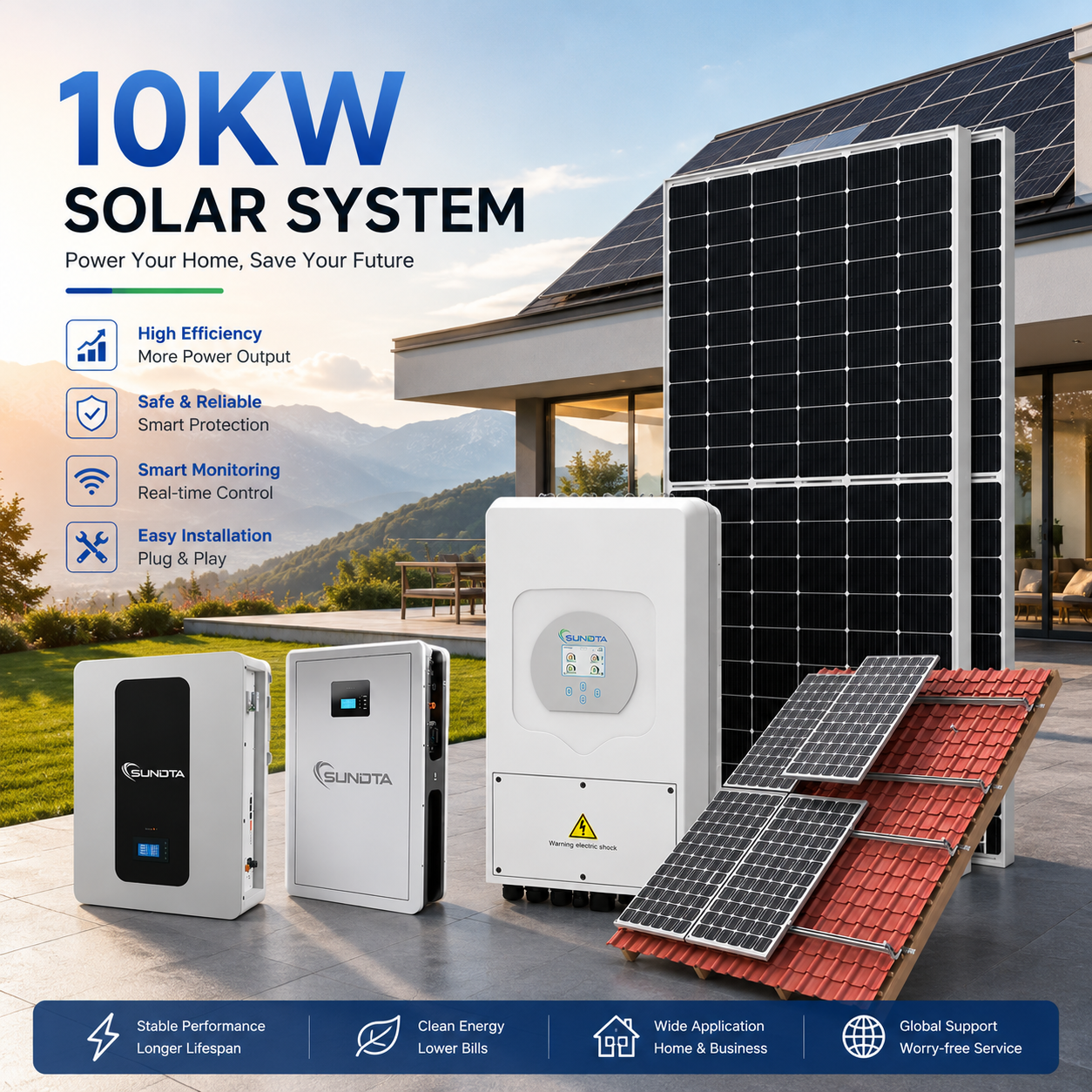
Emergency Whole House Hybrid Solar Power System 15kW-50kW Microgrid
- Sub-10ms Fast Uninterruptible Transfer
- Smart MPPT Battery Aggregation
- Industrial Diesel Gen Interfacing
Technical White Paper: Strategic Sourcing of Tier-1 PV Modules and Energy Storage Systems from China
The global energy landscape is undergoing an accelerated shift towards high-power-density photovoltaic architectures and fully integrated battery energy storage systems (BESS). As photovoltaic system developers, wholesale distributors, and EPC contractors navigate competitive auction environments and complex grid-code compliance frameworks, procurement strategies can no longer rely solely on nameplate wattage. Securing photovoltaic modules and energy storage assets requires a meticulous understanding of semiconductor advancements, degradation mechanics, mechanical endurance, and cross-equipment interoperability.
Anhui RJV New Energy Co., Ltd. operates at the nexus of advanced component engineering and supply-chain transparency. With 12+ years of production optimization, 38 patent certificates, and over 500 MW in executed projects globally, we eliminate the operational risks typical of disjointed multi-vendor sourcing. Below is an engineering overview of market transitions, quality metrics, and operational trends defining modern solar energy generation.
1. Technological Paradigm Shift: N-Type TOPCon and Heterojunction (HJT) vs. Legacy PERC
The photovoltaic industry has permanently bypassed P-Type Passivated Emitter and Rear Cell (PERC) technology as the mainstream benchmark. Tunnel Oxide Passivated Contact (TOPCon) and Heterojunction Technology (HJT) architectures have captured the premium utility and commercial-industrial procurement channels due to fundamental quantum and physical advantages:
Temperature Coefficient Superiority
TOPCon cells deliver a temperature coefficient of -0.30%/°C compared to -0.35%/°C in conventional PERC. In environments exceeding 40°C ambient temperatures, TOPCon modules yield up to 3.5% higher kilowatt-hour output per installed peak watt over lifecycle calculations.
Elimination of Boron-Oxygen LID
N-type substrates rely on phosphorus doping rather than boron, inherently eliminating Light-Induced Degradation (LID) and drastically reducing Light-and-elevated Temperature-Induced Degradation (LeTID). First-year degradation drops from 2.0% down to under 1.0%.
High Bifaciality Multipliers
N-type TOPCon bifacial modules reach bifaciality factors between 80% to 85%, whereas P-type PERC rarely exceeds 70%. On reflective ground albedos (such as white TPO membrane roofs, concrete, or desert sand), rear-side generation adds an extra 10% to 25% energy yield.
For international buyers, this transition directly lowers the Levelized Cost of Electricity (LCOE) by maximizing generation capacity on constrained footprints, thereby reducing structural balance-of-system costs, including racking, cabling, conduit, and civil works.
2. Future Procurement Trends: Holistic DC/AC Pairing & Closed-Loop Battery Architecture
Procuring solar panels in isolation from downstream power conversion assets has historically been the primary root cause of commissioning delays and warranty invalidations. Modern projects increasingly mandate unified DC/AC system architectures:
String Voltage Windows and Dynamic Inverter Clamping: Large-format modules (using 182mm and 210mm wafer designs) generate high operational short-circuit currents (Isc exceeding 14A to 18A). Inverters must feature wide Maximum Power Point Tracking (MPPT) voltage windows and robust DC input handling without suffering thermal throttling during peak irradiation hours. Our hybrid and grid-tie lineups—featuring factory-matched Solis and Deye technologies—are verified for native MPPT compatibility with high-current bifacial strings.
Closed-Loop CAN/RS485 Communication: Energy storage must operate synchronously with inverter logic. Off-the-shelf lithium batteries lacking manufacturer-level protocol synchronization frequently trigger false BMS alarms, irregular state-of-charge (SOC) drift, and truncated cycle lives. RJV lithium iron phosphate (LiFePO4) storage systems feature native CANbus handshakes with industry-leading hybrid inverters, allowing dynamic charge/discharge profiling down to the individual cell voltage tier.
3. Global Compliance, Structural Testing, and Supply Chain Traceability
Beyond theoretical electrical models, international importers must safeguard against regional supply chain constraints, non-tariff trade barriers, and extreme climate liabilities. Standardized quality benchmarks must encompass:
Dynamic Mechanical Load (DML) and Hail Resistance: With the acceleration of volatile meteorological events, dual-glass panels must withstand mechanical pressures beyond IEC standards. RJV dual-glass configurations undergo 5400 Pa front load (snow) and 2400 Pa rear load (wind) dynamic stress tests to avoid micro-cracks that yield localized hot-spots.
Electrochemical Safety Standards: Storage solutions must carry full testing documentation under UN38.3 (transport safety), CE Low Voltage Directive, and IEC 62619 for stationary industrial and residential battery energy storage. Factory-level third-party supplier verifications by entities like TÜV Rheinland ensure buyers receive factory audit continuity and material traceability from ingot to crated module.
Why Global Importers Partner with Anhui RJV
Integrated manufacturing prowess combined with rigorous quality governance ensures operational resilience for large-scale energy deployments.
2 GW Annual Capacity
State-of-the-art automated manufacturing lines running 24/7 in Hefei, ensuring rapid turnaround on high-volume module and container orders.
TÜV Rheinland Audited
Complete on-site supplier verification and facility auditing by TÜV Rheinland, assuring international procurement transparency.
38 Patent Certificates
Continuous R&D investment resulting in proprietary advances in thermal dissipation, PV junction box longevity, and BMS efficiency.
AAA Credit Rating
Financial stability with over 500 MW executed projects, verified buyer reviews, and robust global trade capacity supporting Tier-1 bankability.
Frequently Asked Questions for Importers & EPCs
Request Direct Engineering Specifications & B2B Pricing
Connect with our technical sizing team in Hefei to review your single-line diagrams (SLD) and secure volume allocation.