Featured Photovoltaic Modules & Integrated Energy Storage Solutions
Pre-tested, electrically matched, and firmware-synchronized solar modules, hybrid inverters, and LiFePO4 battery banks available for custom OEM labeling, custom dimensional modifications, and volume container procurement.
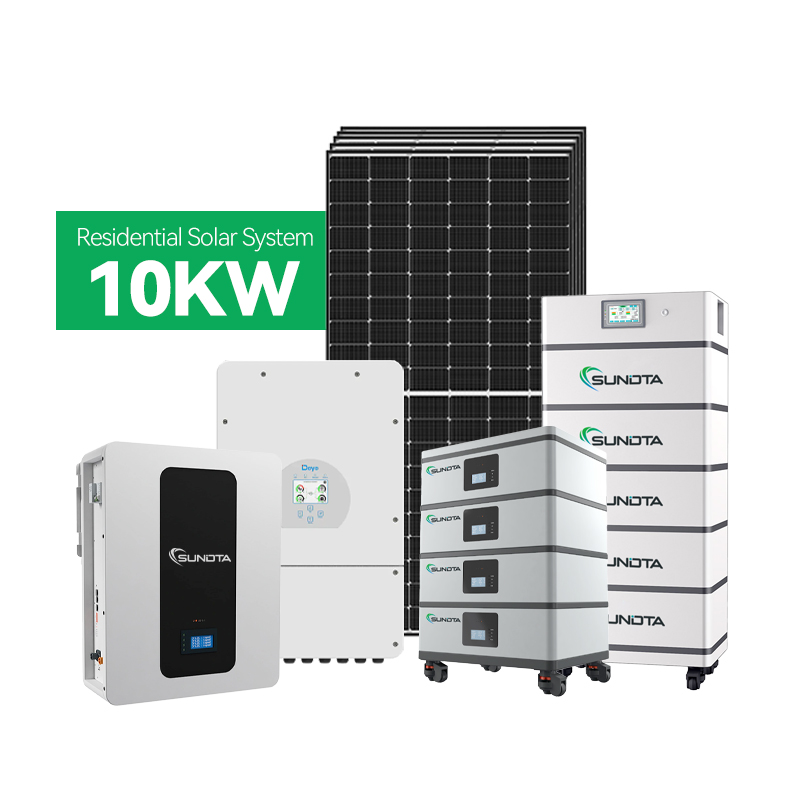
2026 Sundta Low Price 10KW 12KW Hybrid Solar System for Home Use with Lifepo4 Battery and BMS System
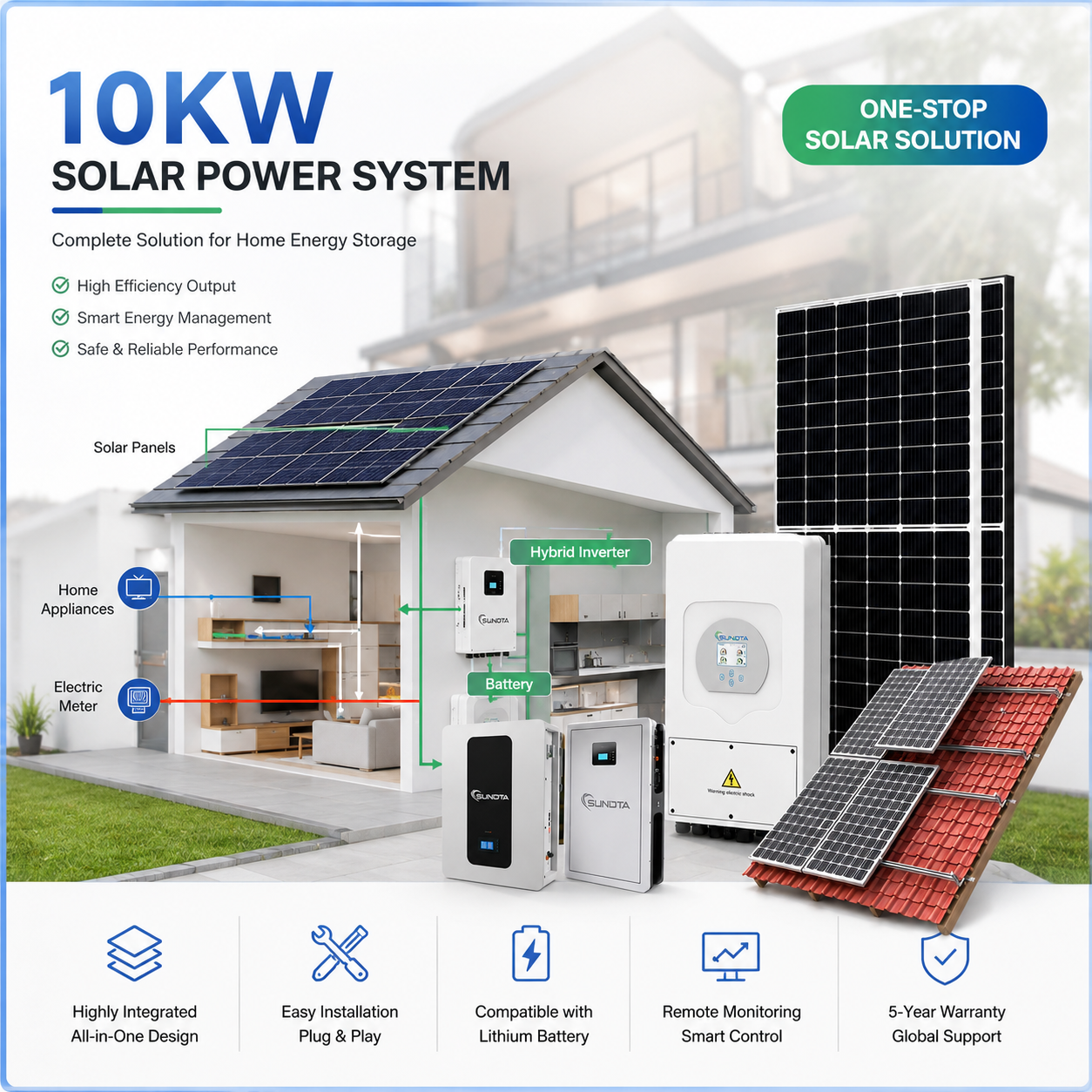
15kW-50kW High-Efficiency Hybrid Solar Power System with Smart MPPT for Whole-House Backup
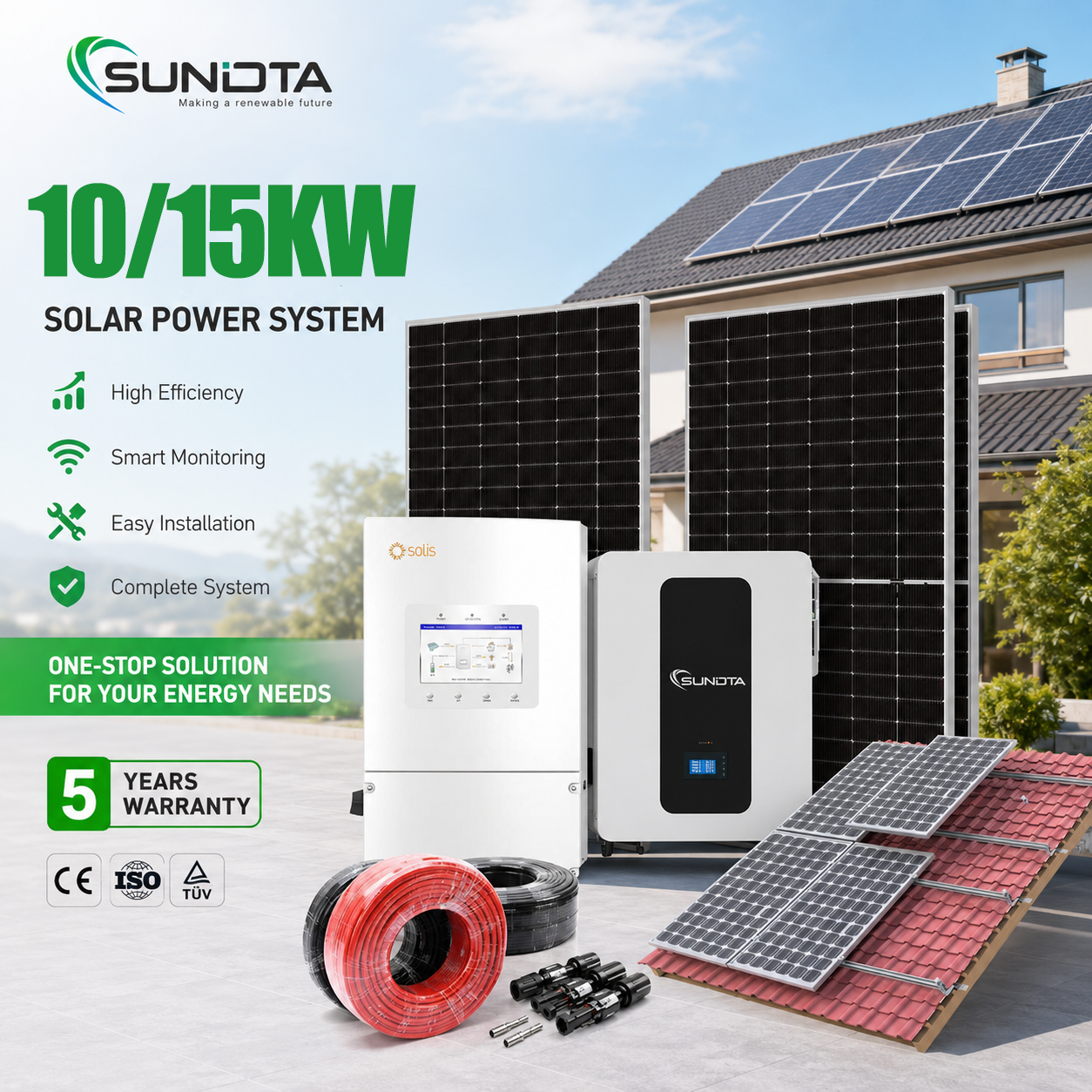
Hybrid 15kWh Inverter System 300Ah Lithium Ion Battery Split Stackable CAN Communication Home Use MPPT 15kW
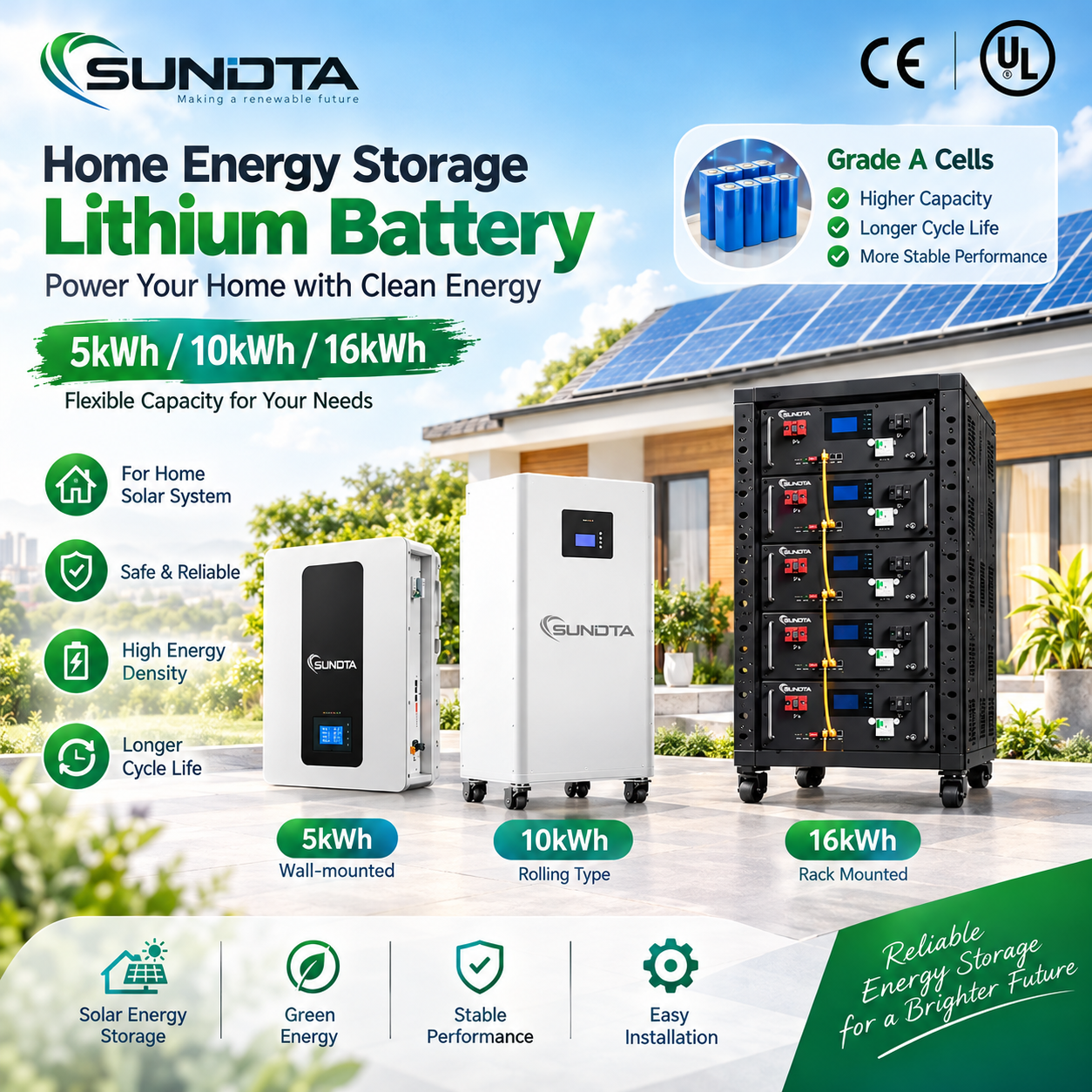
Sundta 51.2V 200Ah 10kWh LiFePO4 Battery Wall Mounted Home Solar Energy Storage Battery with Smart BMS
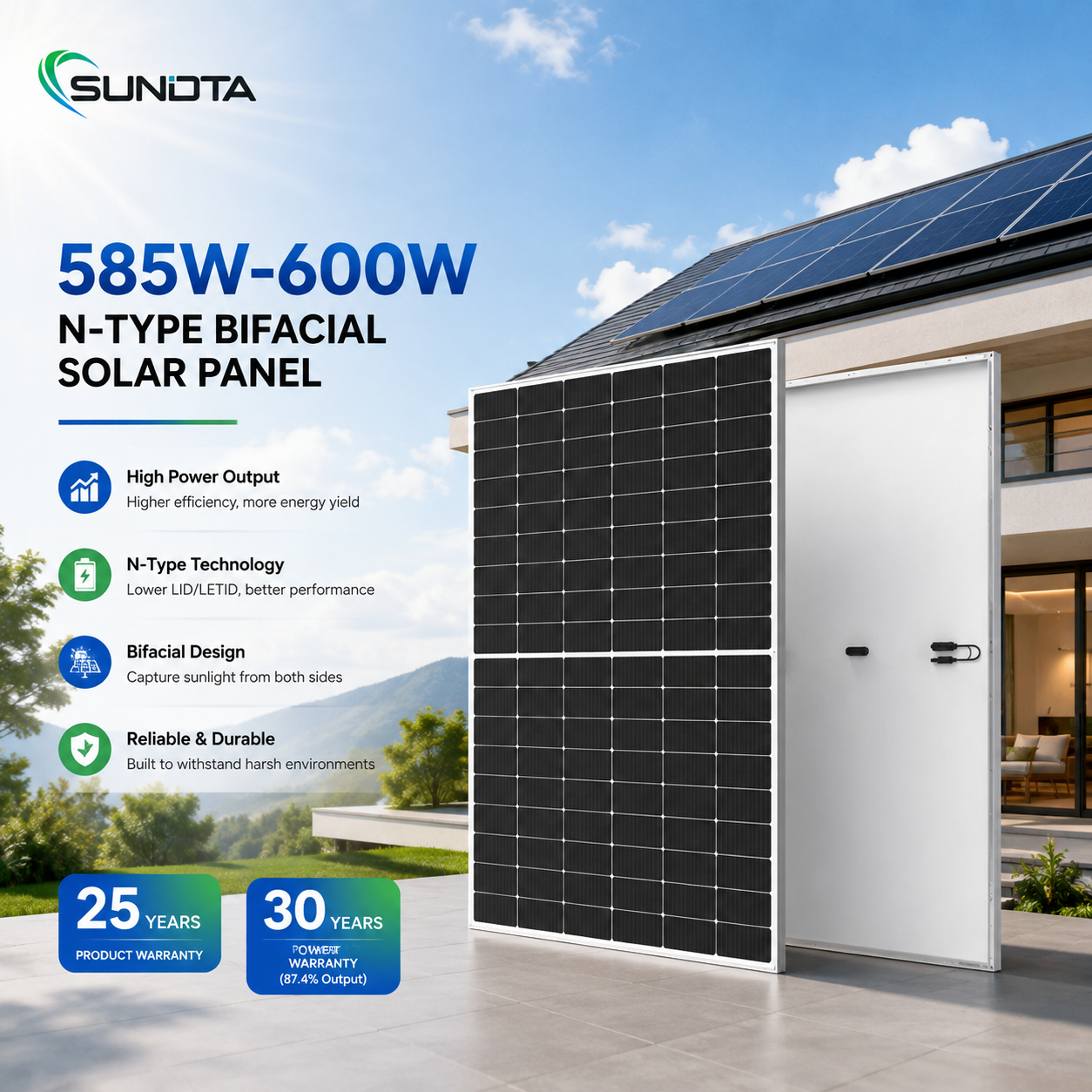
585W-595W Premium N-Type Bifacial PV Module | Monocrystalline Solar Panel for High-Yield Energy Generation
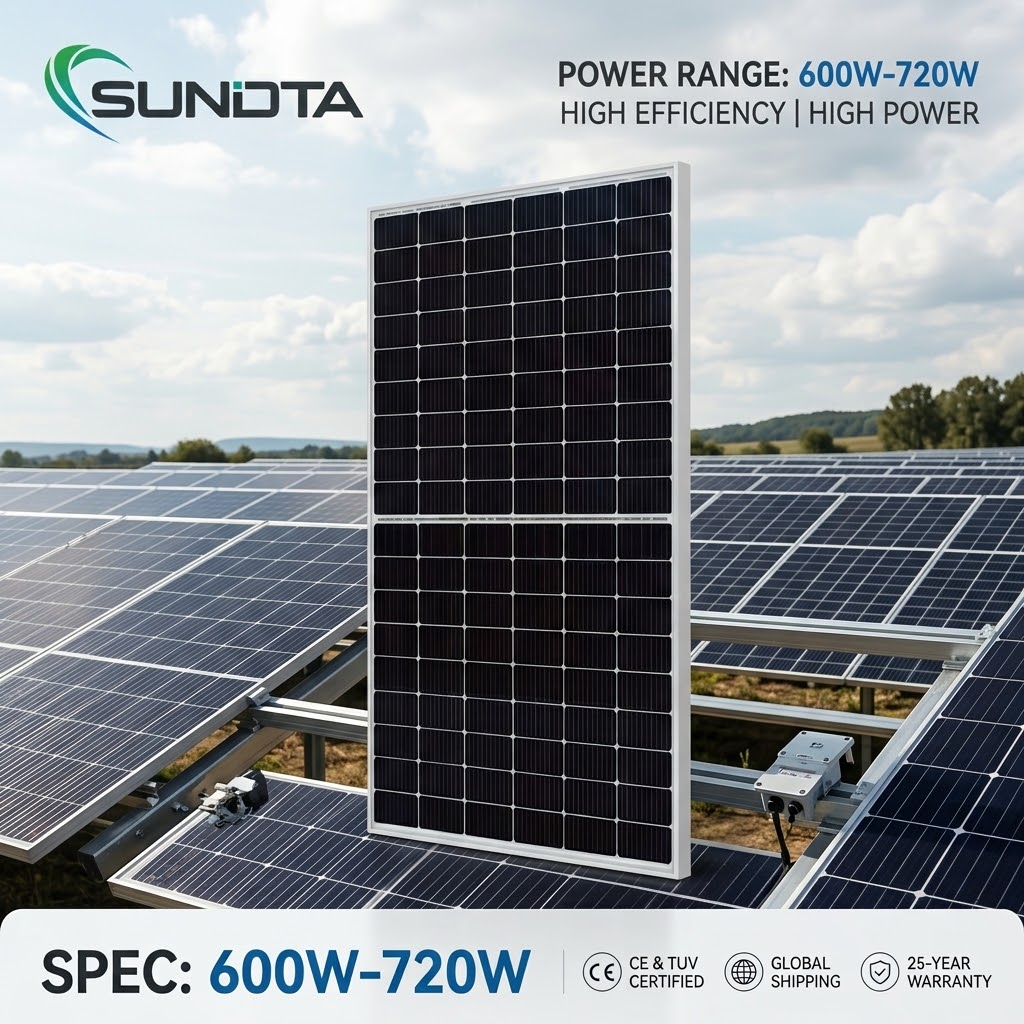
Factory Price SUNDTA 500W-595W Black Glass Bifacial PV Module 23.03% Efficiency Half-Cut PERC Solar Panel for Home Energy System
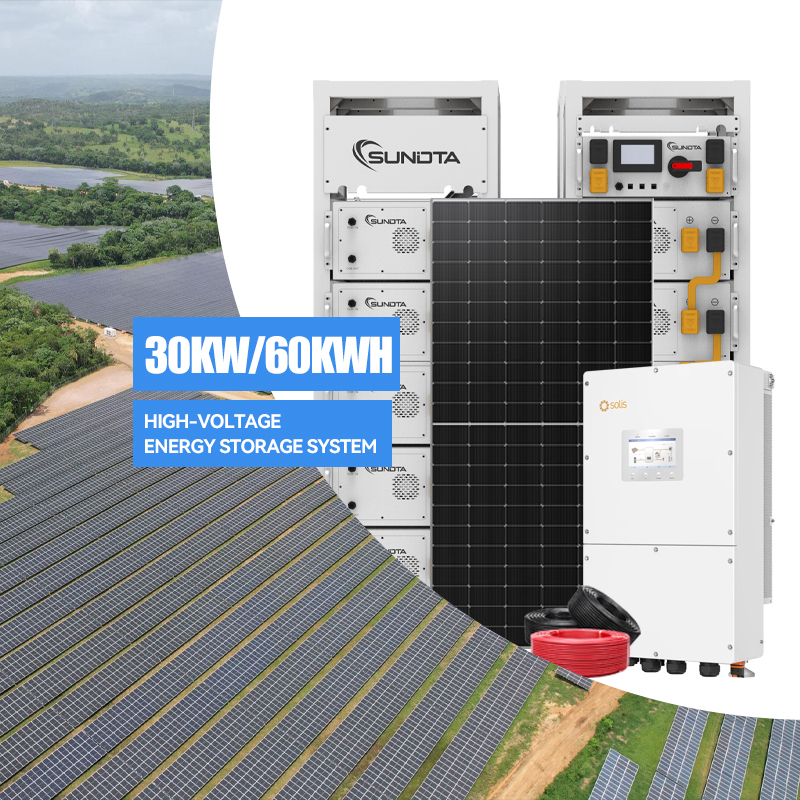
Off Grid Hybrid Solar Energy Storage System 20KW 30KW 40KW Hot-selling 30 kw Hybrid for Home Use With EU Certification
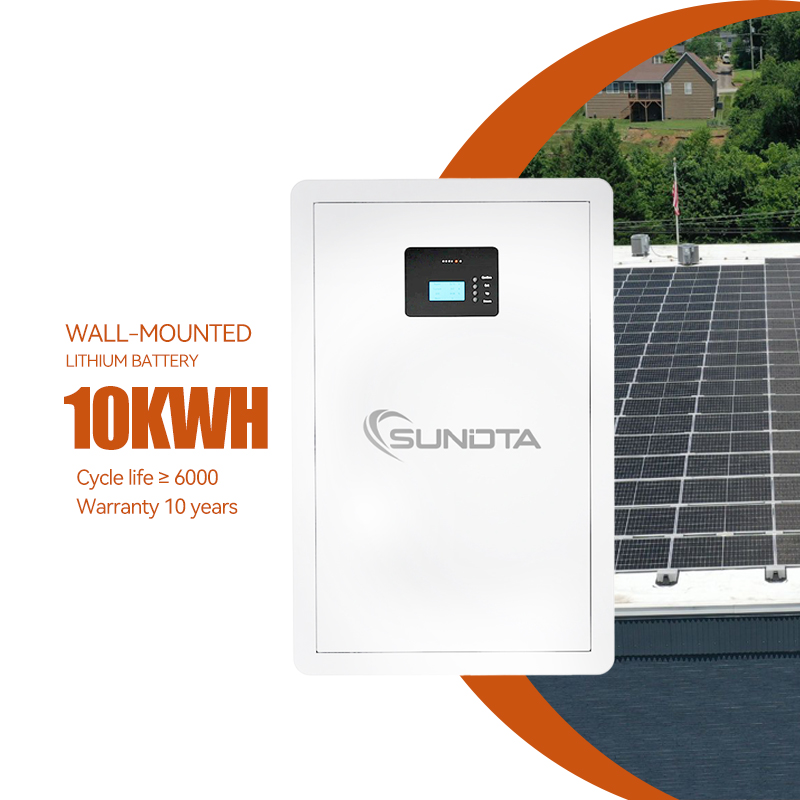
Sundta IP65 10kWh 51.2V 200Ah Wall Mounted LiFePO4 Battery for Home Solar Storage with Smart BMS
Engineering Accountability & OEM Sourcing Advantages
Anhui RJV New Energy Co., Ltd. eliminates international procurement discrepancies by integrating cell-level sorting, automated laminating, and proprietary hardware-firmware matching under one unified quality management standard in Hefei, China.
High-Precision Automated Assembly
12+ years of manufacturing evolution incorporating multi-busbar (SMBB/16BB) high-density stringing, non-destructive laser wafer cutting, and triple electroluminescence (EL) defect detection to ensure zero micro-cracks before lamination.
Full-Stack System Compatibility
Avoid the industry's most prevalent site-commissioning bottlenecks. Our monocrystalline arrays are pre-engineered to seamlessly synchronize with leading high-frequency and low-frequency hybrid inverters including Deye, Solis, and Growatt.
Audited Certification & Compliance
Complete documentation packages supplied per shipping container: TÜV Rheinland on-site factory audit verification, CE compliance declarations, IEC 61215/61730 certifications, UN38.3 battery transport validation, and flash test calibration lists.
Flexible OEM / ODM Customization
Comprehensive private-label manufacturing: customized frame anodization (silver, jet black, bronze), specialized junction box cable leads (custom lengths, MC4-EVO2 connectors), personalized glass backsheets, and tailored palette branding.
Strategic Global Logistics & Incoterms
Headquartered in Hefei’s premier clean-energy industrial corridor with frictionless logistics access to Shanghai and Ningbo maritime hubs. We support FOB, CFR, CIF, DDP, and EXW with dedicated customs clearing documentation support.
24/7 Tier-3 Engineering Support
B2B accounts receive direct access to designated electrical engineers capable of providing string configuration calculations, CAD mounting layout verifications, and real-time remote telemetry troubleshooting during regional commissioning.
1. Technical Architecture & Cell Physics: Why Monocrystalline Silicon Dominates Modern OEM Sourcing
In the contemporary photovoltaic landscape, monocrystalline silicon (mono-Si) has achieved total technological hegemony over legacy polycrystalline and amorphous silicon solutions. At the fundamental atomic level, monocrystalline ingots are pulled utilizing the precision Czochralski (CZ) crystal growth method, yielding a continuous, unbroken diamond-cubic crystal lattice devoid of grain boundaries. The absence of internal grain boundaries eliminates parasitic recombination centers where photogenerated electrons and holes would otherwise annihilate each other. For B2B engineering procurement managers and utility asset owners, this structural integrity translates directly into higher conversion efficiencies, superior weak-light electron drift velocity, and dramatically lower lifetime degradation rates.
As a leading custom OEM monocrystalline solar panels supplier, Anhui RJV New Energy integrates state-of-the-art N-type Tunnel Oxide Passivated Contact (TOPCon) and advanced P-type Passivated Emitter and Rear Cell (PERC) wafers. In traditional P-type boron-doped architectures, the interaction between residual oxygen atoms within the silicon bulk and boron dopants induces Boron-Oxygen (B-O) complexes under initial solar irradiation, precipitating Light Induced Degradation (LID) of up to 2.5% to 3.0% in the first operating year. Conversely, our N-type TOPCon monocrystalline cells employ phosphorus doping, which completely immunizes the crystal substrate against B-O defect formation. Coupled with an ultra-thin (1.2–1.5 nm) tunnel silicon oxide layer capped with heavily doped polycrystalline silicon, our modules maximize electron transport while passivating surface dangling bonds, pushing theoretical efficiency boundaries beyond 25.5% at the cell stage and upwards of 23.0% at the complete module laminating level.
Technical Insight for EPC Buyers: When sourcing high-power PV panels for commercial rooftop and ground-mount arrays, evaluating the temperature coefficient of Pmax (γ) is paramount. Our custom N-type TOPCon monocrystalline panels deliver an industry-leading temperature coefficient of -0.30%/°C, compared to -0.35%/°C for conventional PERC. In desert climates or tropical installations where cell operating temperatures routinely exceed 65°C, this 0.05%/°C thermal advantage generates up to 3.8% higher net kilowatt-hour yields annually, fundamentally compressing the Levelized Cost of Electricity (LCOE).
Advanced Module Packaging: SMBB, Half-Cut Slicing & POE Anti-PID Encapsulation
Modern OEM specification encompasses far more than raw wafer chemistry. Module longevity and resilience against micro-cracking are governed by cell interconnect metallurgy and polymer lamination engineering:
- Super Multi-Busbar (SMBB) Interconnects (16BB / 18BB): Transitioning from flat ribbon 9BB to ultra-fine cylindrical copper wire SMBB technology reduces optical shading on the active cell face while shortening the electrical distance carriers must travel to the external circuit. This reduces internal series resistance (Rs) by over 14%, ensuring cooler operating conditions and mitigated hot-spot risks when partial shading events transpire.
- Non-Destructive Laser Half-Cut Slicing: By severing full M10 (182mm) or G12 (210mm) wafers into half-cells using cold laser cleavage, operating current across each cell is halved ($I_{half} = I_{full} / 2$). Because resistive power dissipation within conductors scales quadratically with current ($P_{loss} = I^2 R$), half-cut monocrystalline modules suffer only one-fourth of the internal resistive power losses of conventional full-cell layouts, directly elevating real-world operating efficiency under peak irradiance.
- Dual-Glass POE (Polyolefin Elastomer) Encapsulation: For high-humidity, marine, and chemical plant environments, conventional EVA (Ethylene Vinyl Acetate) encapsulant is prone to acetic acid hydrolysis when exposed to moisture ingress, catalyzing Potential Induced Degradation (PID). Anhui RJV implements dual-glass designs with cross-linked POE encapsulation, presenting a zero-permeability barrier against vapor transmission and electrical field leakage, guaranteeing 30-year linear performance warranties.
2. Global Procurement Trends: Strategic Sourcing Outlook for Importers & EPCs (2025–2030)
The international procurement environment for solar equipment is experiencing structural recalibration driven by regulatory compliance, trade tariffs, supply chain diversification, and carbon traceability mandates. B2B buyers who successfully navigate these shifts gain profound competitive moats in their regional marketplaces.
Trend A: The Pivot Toward Turnkey PV + ESS Co-Packaging
Procuring solar panels in isolation from energy storage systems (ESS) is rapidly becoming obsolete. EPC installers and regional distributors are burdened with unsustainable overhead when resolving firmware handshakes, BMS-to-inverter communication protocols (CAN/RS485), and voltage matching in the field. Procurement trends show that over 68% of commercial and residential importers now mandate single-source, matched bills of materials (BOM). Anhui RJV New Energy directly addresses this demand by supplying synchronized ecosystems—pairing our high-wattage monocrystalline modules with Deye/Solis hybrid inverters and Sundta 51.2V wall-mounted or high-voltage stackable LiFePO4 batteries, ensuring plug-and-play commissioning and single-point warranty accountability.
Trend B: Rigorous Carbon Footprint & Supply Chain Traceability
With the European Union’s Carbon Border Adjustment Mechanism (CBAM) and strict North American supply-chain provenance enforcement, tier-1 procurement criteria have expanded beyond dollar-per-watt ($/W) figures. International customs authorities require comprehensive traceability dossiers demonstrating zero polysilicon sourcing ambiguities. RJV maintains verified supply chain mapping from metallurgical grade silicon through crystal pulling and final framing in Hefei, providing complete environmental product declarations (EPD) and compliance documentation to expedite customs clearance in Hamburg, Rotterdam, Long Beach, and Sydney.
Trend C: Bifacial Hegemony in Commercial & Utility Ground Mounts
Bifacial monocrystalline modules have displaced monofacial designs across virtually all utility and large-scale commercial tenders. By capturing reflected albedo irradiance from grass (15–20%), concrete (30–35%), or white TPO membrane roofs (up to 70%), dual-glass bifacial modules generate an additional 10% to 25% energy yield without expanding the project’s physical footprint. Our 585W–595W N-type bifacial modules, with bifaciality factors exceeding 80%, allow developers to drastically reduce balance-of-system (BOS) expenditures, including racking, cabling, land procurement, and structural labor.
3. Comprehensive OEM Technical Matrix: Monocrystalline PV Architecture Comparison
Selecting the optimal monocrystalline cell topology requires balancing upfront capital expenditure (CapEx) against multi-decade energy yields. The following technical matrix provides an empirical benchmark for project engineering specifications:
| Performance Parameter | P-Type PERC Monocrystalline | N-Type TOPCon Monocrystalline | N-Type HJT (Heterojunction) | Lightweight Flexible Mono-Si |
|---|---|---|---|---|
| Cell Architecture | P-Type Substrate + Rear Al Passivation | N-Type Substrate + Tunnel Oxide + Poly-Si | N-Type Substrate + a-Si:H Thin Film | Ultra-Thin Wafer + Polymer Composite |
| Production Module Efficiency | 21.0% – 21.8% | 22.5% – 23.2% | 22.8% – 23.6% | 18.5% – 20.0% |
| Temperature Coefficient (Pmax) | -0.35% / °C | -0.30% / °C | -0.26% / °C | -0.34% / °C |
| Bifaciality Factor | 70% ± 5% | 80% ± 5% | 85% ± 5% | Monofacial / 0% |
| First-Year Power Degradation | ≤ 2.0% | ≤ 1.0% | ≤ 1.0% | ≤ 2.5% |
| Annual Linear Degradation | 0.55% / year | 0.40% / year | 0.35% / year | 0.65% / year |
| 30-Year Output Retention | 84.8% | 87.4% | 88.5% | 80.0% (25-yr) |
| Ideal Application Scenarios | Budget-sensitive ground mounts & standard C&I | High-yield utility, commercial rooftops & ESS | Extreme heat climates, premium architectural | Curved surfaces, low-load metal roofing, RV/Marine |
4. Technological Trajectories: Next-Generation R&D Horizons (2026–2030)
As the photovoltaic industry approaches the theoretical thermodynamic Shockley-Queisser efficiency limit of single-junction silicon (~29.4%), R&D efforts are charting revolutionary pathways to sustain energy yield growth:
Perovskite-Silicon Tandem Integration
The definitive frontier of monocrystalline engineering is the tandem cell configuration. By overlaying a wide-bandgap perovskite top cell onto an N-type monocrystalline silicon bottom cell, the device absorbs distinct segments of the solar spectrum: high-energy blue and green photons are converted within the perovskite layer, while longer-wavelength red and infrared photons penetrate to the silicon base. Prototype tandem modules produced in Anhui laboratories have achieved lab efficiencies surpassing 33.5%. Commercial scaling focuses on resolving thermal stability and moisture degradation, with pilot industrial runs slated for commercial deployment before 2028.
Zero-Busbar (0BB) & Metallization Reductions
Silver consumption represents one of the highest variable raw material costs in crystalline PV manufacturing. Next-generation 0BB architectures completely eradicate printed silver busbars, replacing them with copper wire matrices or electrically conductive adhesive (ECA) meshes embedded directly into the encapsulant film during lamination. This innovation eliminates high-temperature soldering stresses, slashes silver consumption by over 30%, and enhances cell mechanical resilience against heavy snow loads (5400 Pa) and dynamic wind pressures (2400 Pa).
Module-Level Power Electronics (MLPE) Factory Pre-Integration
As regulatory codes enforce rapid shutdown compliance (such as NEC 690.12 in North America) and commercial installations encounter complex urban shading vectors, custom OEM production increasingly involves junction-box pre-integration of smart microinverters and power optimizers. Integrating intelligent bypass and monitoring chips at the factory level cuts on-site installation labor by 40% while mitigating the localized mismatch losses common in string inverter deployments.
5. Why Choose Anhui RJV New Energy: Manufacturing Muscle in Hefei's Solar Hub
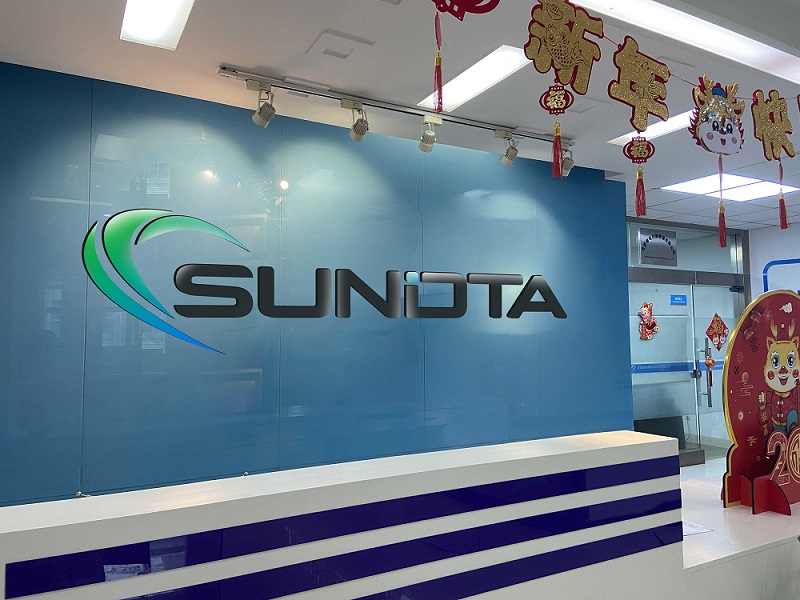
Founded on an engineering lineage dating back to 2016, Anhui RJV New Energy Co., Ltd. has established itself as an authoritative force in solar module manufacturing and clean-energy integration. Situated within Phase I of the Innovation Industrial Park on Wangjiang West Road in Hefei, China, our company is positioned at the epicentre of the world’s most advanced photovoltaic industrial cluster.
Our competitive advantages directly shield international B2B buyers from supply chain volatility:
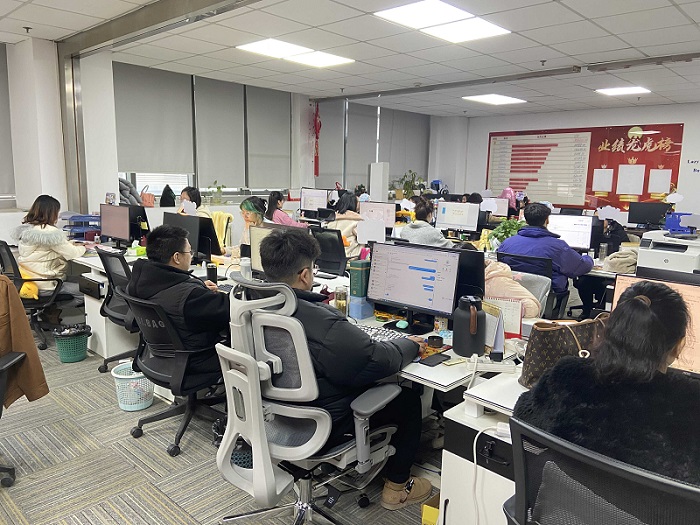
- 2 GW Annual Automated Capacity: State-of-the-art production lines featuring automated robotic cell stringers, optical laser dicing, precision multi-stage laminators, and AI-driven automated visual inspection stations operate 24 hours a day to guarantee volume fulfillment schedules.
- 38 Proprietary Patents & AAA Credit Rating: Sustained R&D investment has yielded 38 invention and utility patent certificates spanning cell passivating contacts, anti-glare glass texturing, and smart battery BMS architectures. Our audited AAA credit standing assures buyers of zero contractual execution risk.
- TÜV Rheinland Assessed & Globally Certified: Our production lines and quality systems undergo recurring on-site physical audits by TÜV Rheinland. We supply complete CE declarations, IEC 61215/61730 test reports, UN38.3 lithium battery certifications, and comprehensive flash test verification sheets with every container.
- 500+ MW Global Execution Track Record: From multi-megawatt commercial microgrids in Western Europe to off-grid agricultural solar pumping systems in Southeast Asia and residential backup arrays in the Americas, RJV hardware is proven under all climate extremes.
6. High-Yield Procurement FAQ: Real Engineering Solutions for Importers & EPCs
What are the exact Minimum Order Quantities (MOQs) for custom OEM monocrystalline solar panels?
Our production scheduling is structured around standard industrial pallet and container capacities to prevent transport micro-fracturing. For standard-spec monocrystalline solar panels, our entry MOQ is 1 full pallet (typically 31 to 36 pieces, representing ~18 kW to 21 kW depending on module wattage). For custom OEM branding—including customized frame silkscreening, customized junction box lengths, and branded backsheets—our MOQ is 1x40'HQ container load (approximately 620 to 720 pieces, representing ~380 kW to 420 kW). For hybrid inverters and wall-mounted LiFePO4 batteries, sample orders are welcomed starting from 1 unit.
How does Anhui RJV prevent micro-cracks and latent cell degradation during maritime shipping?
Micro-cracking typically occurs during improper module strapping or transit vibration. We enforce a zero-defects packaging standard: every module undergoes triple Electroluminescence (EL) testing (before lamination, after lamination, and immediately prior to boxing). Modules are packed vertically in heavy-duty, reinforced wooden crates using molded corner brackets and anti-static interleaf buffers, eliminating frame-on-glass friction. Pallets are shrink-wrapped in hydrophobic polyethylene film and secured with steel strapping to withstand maritime rough seas and terminal crane transshipments.
Can you customize monocrystalline panel dimensions and mounting hole profiles for specific racking systems?
Yes. As a direct OEM manufacturer, our anodized aluminum extrusion lines can be adjusted for frame thickness (30mm, 35mm, or 40mm) and specific mounting hole coordinates matching your tracker or rooftop racking clamps (e.g., Schletter, K2 Systems, or Unirac). Custom cable lead lengths (e.g., extended 1200mm to 1400mm leads for portrait-to-landscape transitions) and premium connectors (Stäubli MC4 / Amphenol H4) can be pre-fitted at the factory to eliminate site crimping labor.
How do your solar storage systems achieve seamless BMS compatibility with third-party inverters?
Our Sundta LiFePO4 batteries feature our proprietary Smart BMS architecture equipped with dual CAN and RS485 communication interfaces. The firmware is pre-programmed with auto-negotiating protocol profiles for major international inverter platforms, including Deye, Solis, Victron, Growatt, GoodWe, and SMA. Installers simply toggle the onboard DIP switches to the appropriate inverter protocol ID, establishing instantaneous closed-loop telemetry for State of Charge (SOC), voltage cut-offs, charge currents, and thermal balancing.
What Incoterms and international trade payment methods do you support?
We provide full commercial flexibility to accommodate diverse treasury requirements. Supported Incoterms include FOB (Shanghai/Ningbo), CFR, CIF (all worldwide commercial sea ports), EXW (factory collection in Hefei), and DDP (Delivered Duty Paid) for select markets. Payment instruments accepted include Telegraphic Transfer (T/T with 30% advance deposit and 70% against Bill of Lading copy), Irrevocable Letters of Credit at Sight (L/C), D/P, D/A, Western Union, and secure credit lines for vetted long-term repeat buyers.
What linear performance warranties and degradation guarantees back your monocrystalline panels?
Our N-type TOPCon monocrystalline solar modules carry a 12-to-15 year comprehensive structural product workmanship warranty and a 30-year linear power performance warranty. Degradation is contractually guaranteed: first-year degradation is certified at ≤ 1.0%, with an annual linear degradation rate of ≤ 0.40% from Year 2 through Year 30. By Year 30, our modules maintain at least 87.4% of their initial rated STC power output, backed by international third-party reinsurance options.