Flagship Solar Storage Systems & Battery Modules
Precision-engineered battery packs and integrated PV systems featuring high cycle durability, native CAN/RS485 multi-inverter BMS protocols, and turnkey export readiness.
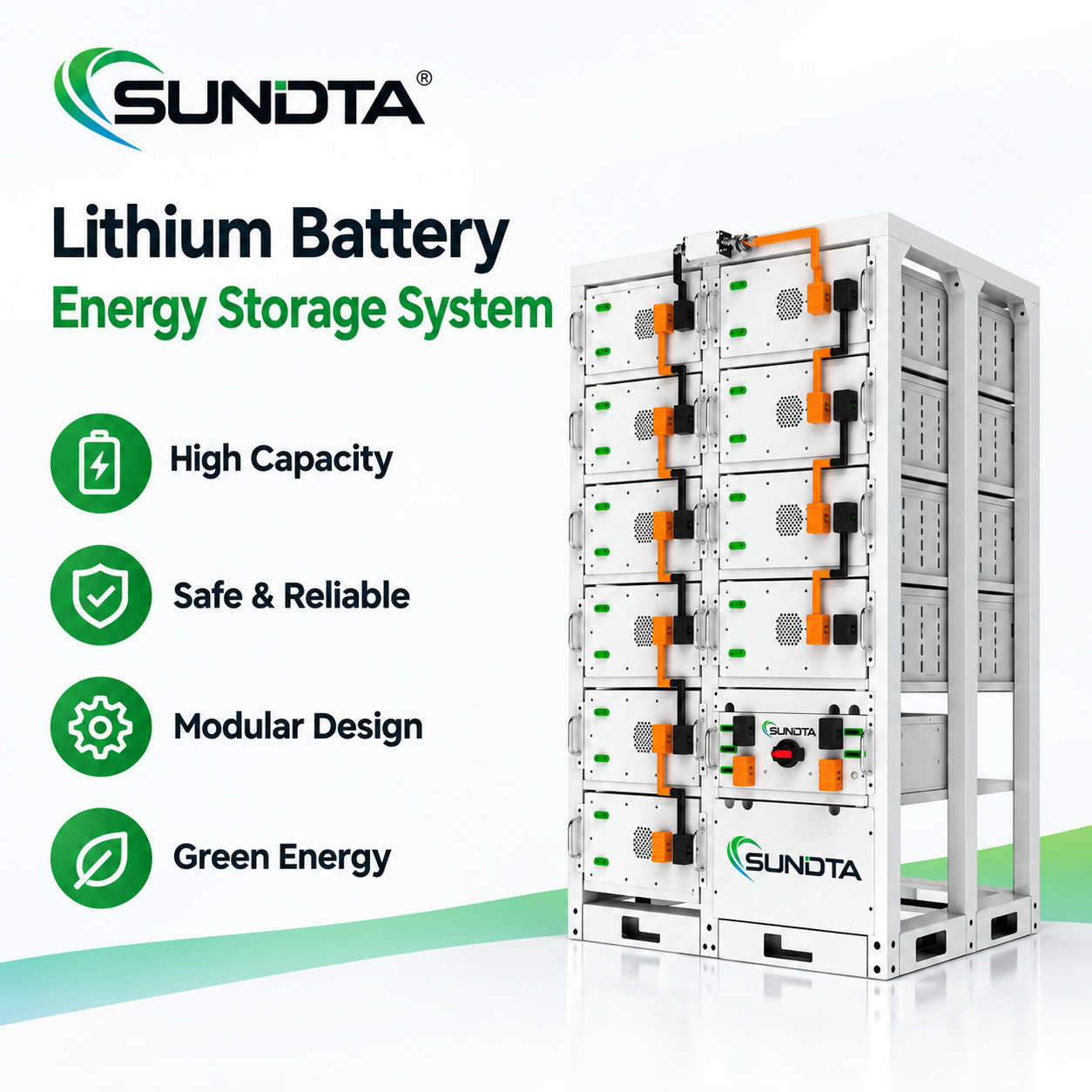
- Nominal Voltage: 51.2 V
- Expansion: Up to 15 in Parallel
- Protocol: CAN / RS485 Dual
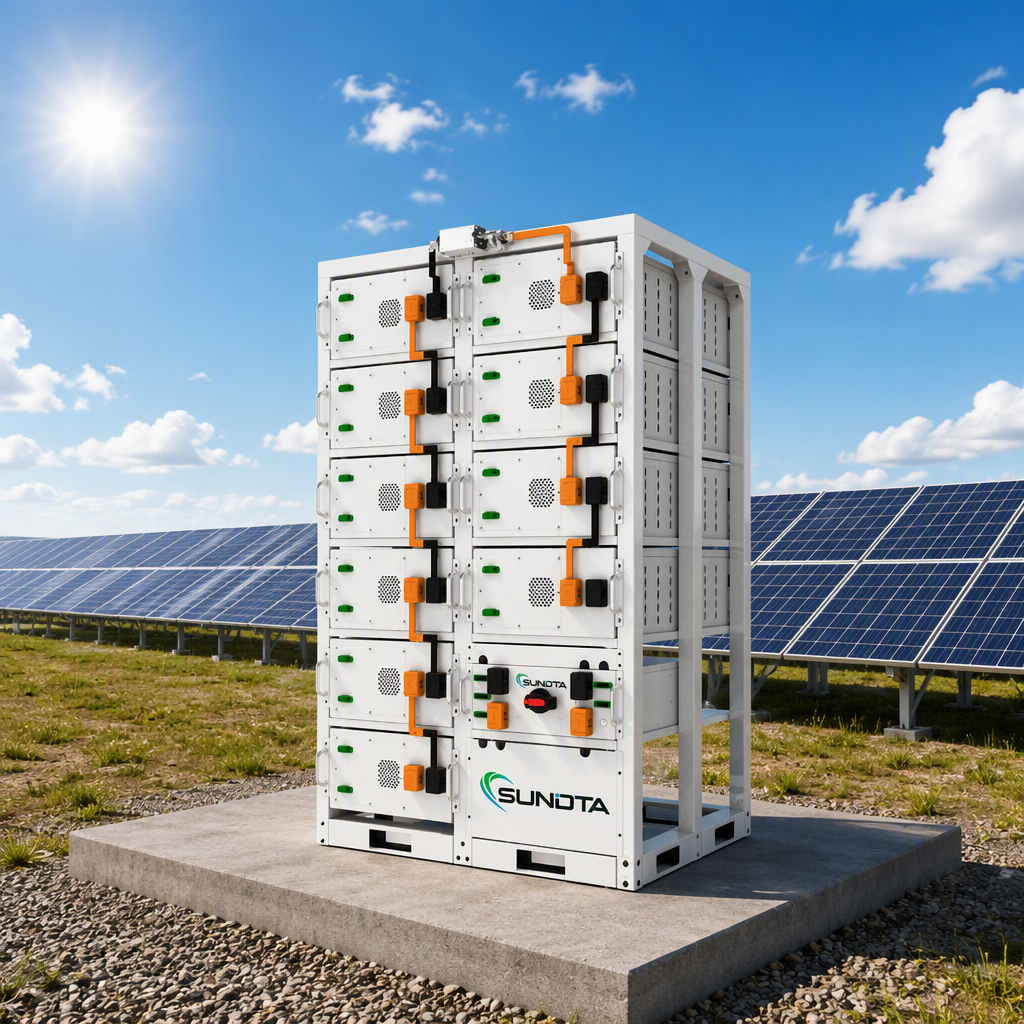
- Capacity: 40–100 kWh
- Cell Type: Prismatic 280Ah
- Cooling: Smart Air-Cooled
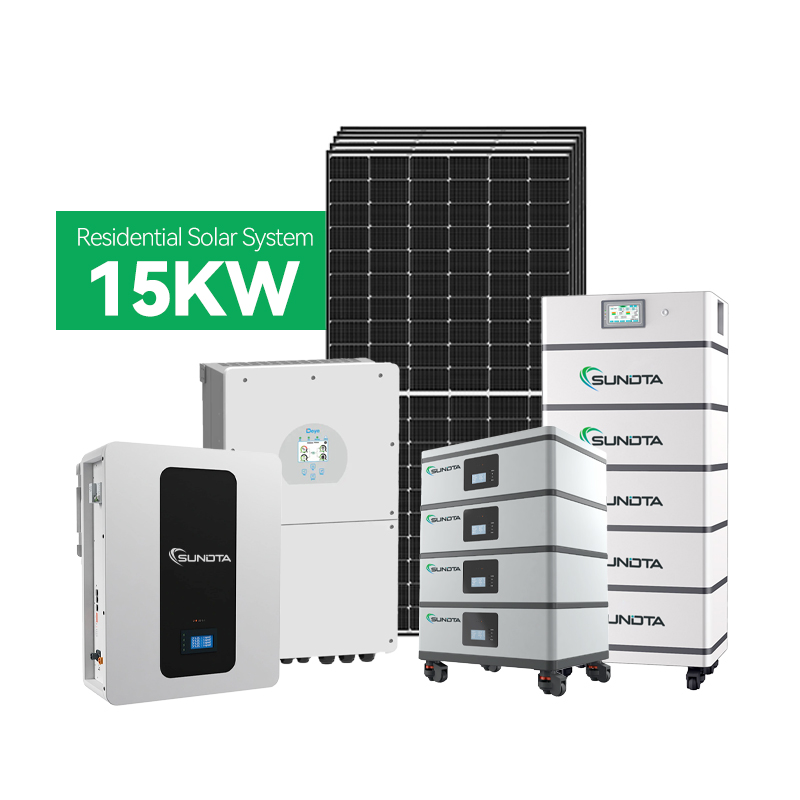
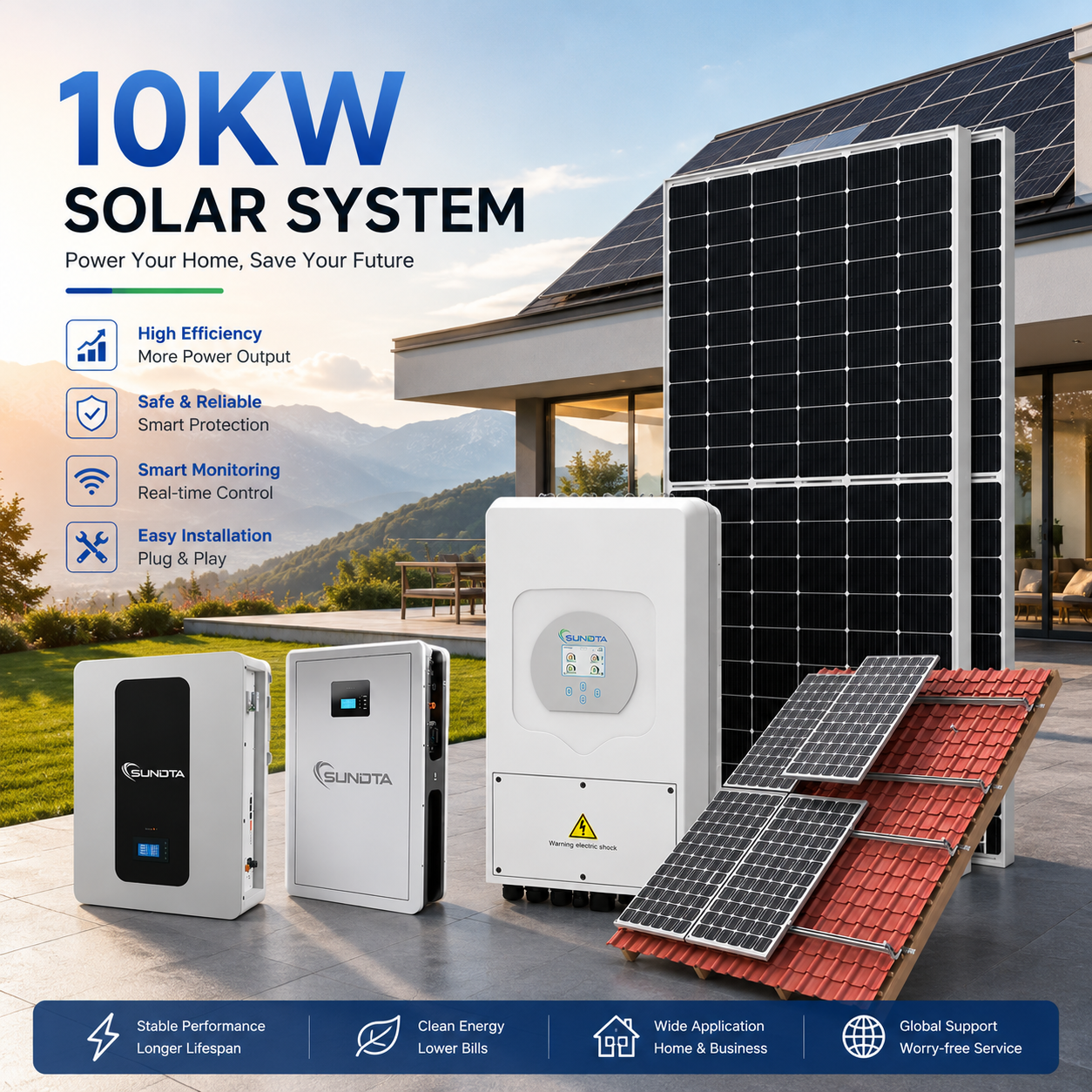
- Power Output: 5kW – 15kW
- Inverter: Hybrid MPPT
- Inclusion: Panels, Cables & BMS
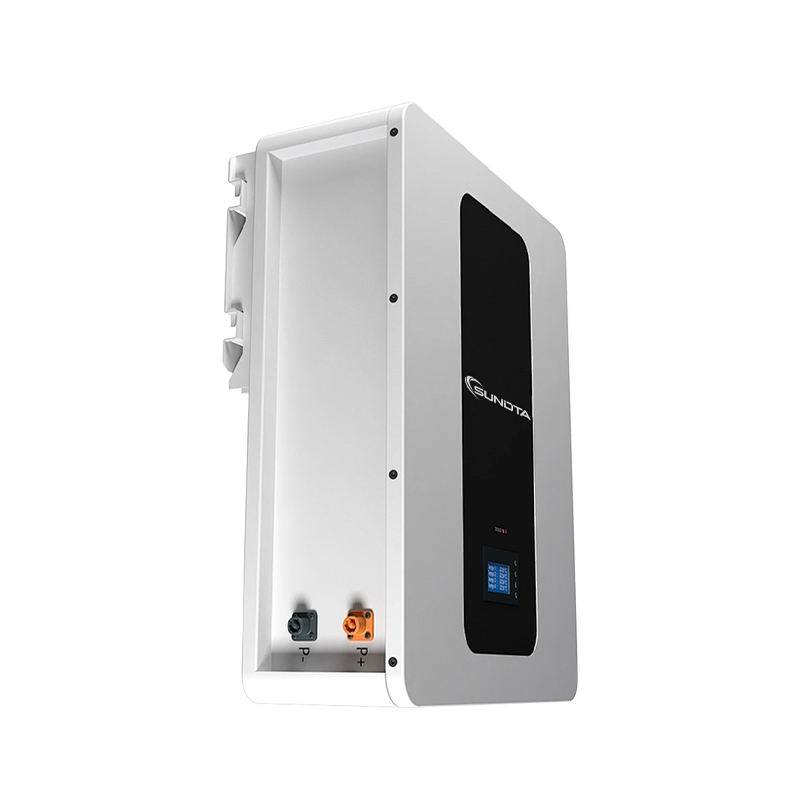
- Capacity: 5.12 kWh / 100Ah
- Enclosure: IP65 Rating
- Cycle Life: ≥6,000 Cycles
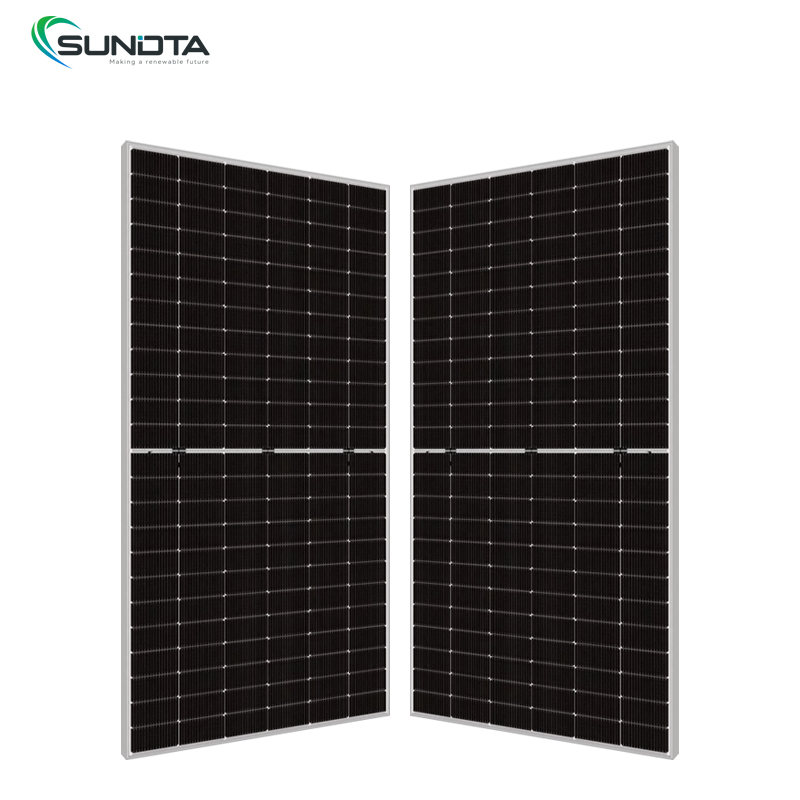
- Power Range: 700W – 730W
- Cell Efficiency: >22.8%
- Bifaciality: 80% ± 5%
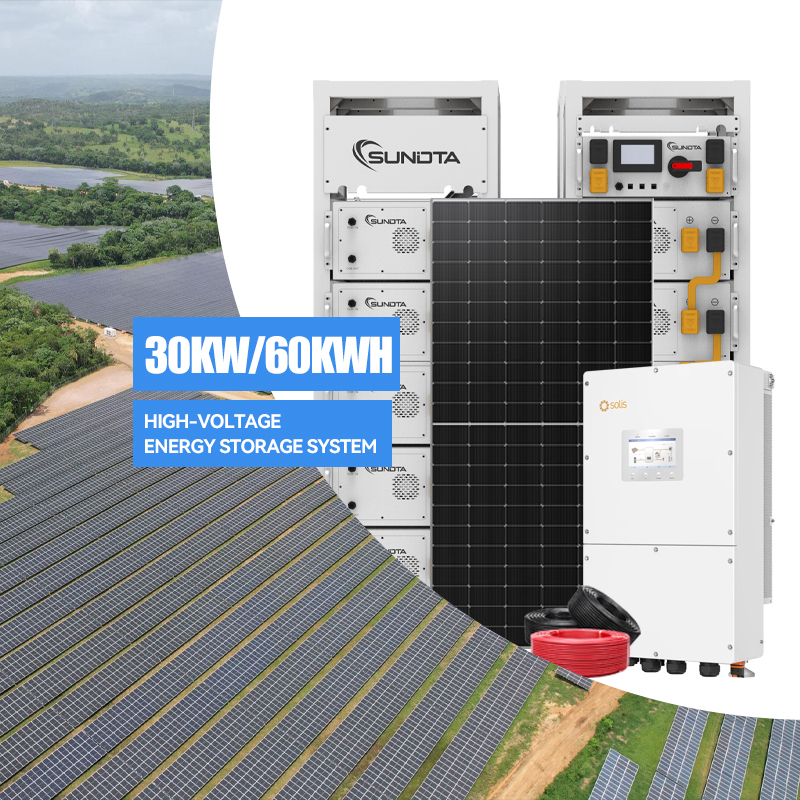
- Grid Mode: Hybrid / Off-Grid
- Output: 20kW / 30kW / 40kW
- Compliance: CE, VDE, EN50549
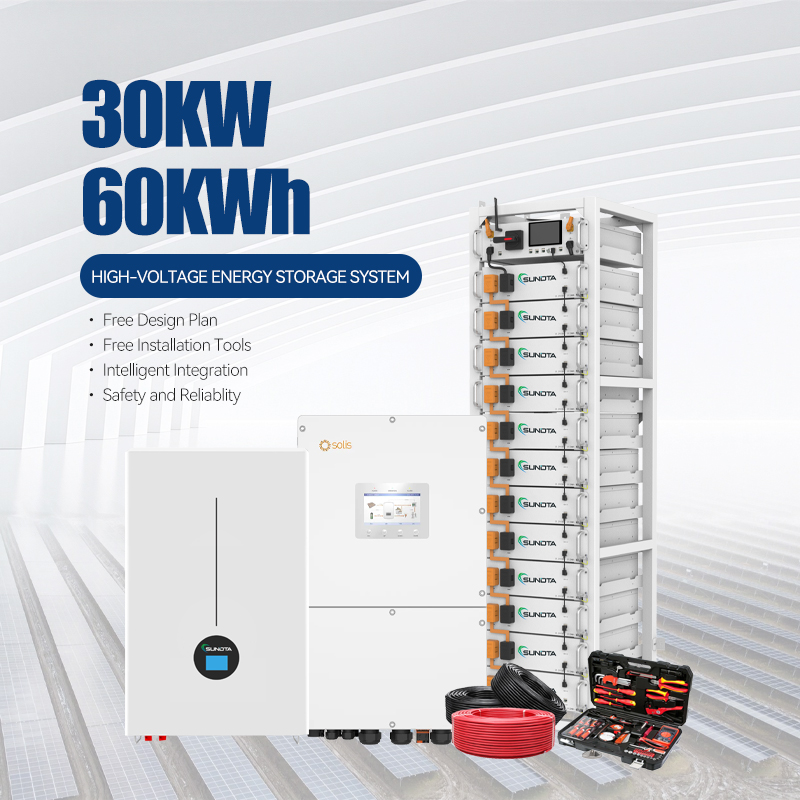
- Switch Time: <10ms Seamless
- Power Classes: 15kW to 50kW
- Smart Management: MPPT Auto-Gen
- Capacity: 15 kWh / 314Ah
- Cell Grade: Tier 1 Prismatic
- Form Factor: Ultra-Slim Powerwall
Engineering Sodium-Ion Battery Technology: Next-Generation Cathodes & Hard Carbon Anodes
As the international renewable energy market encounters periodic lithium carbonate volatility, supply chain choke points, and severe cold-weather performance constraints, sodium-ion battery (SIB) storage technology has emerged as the definitive alternative chemistry for stationary energy storage systems (BESS), telecom power backup, and low-speed e-mobility.
At our Hefei manufacturing facility, RJV New Energy engineers proprietary sodium-ion cells and modular battery systems focusing on two core cathode architectures: Layered Transition Metal Oxides (NaxMO2) for high-volumetric energy density applications and Polyanion-type compounds (notably NFPP – Sodium Iron Fluorophosphate) for industrial cycle stability and inherent thermal safety.
Comparative Cell Chemistry Matrix: Sodium-Ion vs. LiFePO4 vs. NMC
To enable engineering leaders and procurement directors to make data-driven decisions, the following matrix benchmarks the operational differences between industrial-grade Sodium-ion and conventional Lithium chemistries:
| Performance Metrics | Sodium-Ion (Na+ Layered/NFPP) | Lithium Iron Phosphate (LiFePO4) | Nickel Manganese Cobalt (NMC) |
|---|---|---|---|
| Cell Gravimetric Density | 140 – 165 Wh/kg | 160 – 195 Wh/kg | 230 – 280 Wh/kg |
| Low-Temp Capacity Retention (-20°C) | ≥88% to 92% | 55% – 70% | 70% – 80% |
| Extreme Cold Discharge (-40°C) | Functional (≥70% retention) | Fails / Frozen Electrolyte | Severe Power Derating (<40%) |
| Thermal Runaway Inception Temp | >260°C – 310°C | ~210°C – 250°C | ~150°C – 180°C |
| Discharge Depth & Transport Safety | 0V Safe Discharge (Class 9 Exempt) | Damaged below 2.0V (Fire Risk) | Damaged below 2.5V (Explosion Risk) |
| Fast-Charging Dynamic (0–80% SOC) | 15 – 20 Minutes (4C capability) | 45 – 60 Minutes (1C – 1.5C) | 35 – 50 Minutes (1.5C – 2C) |
| Raw Material Geopolitical Risk | Extremely Low (Global Na Carbonate) | High (Lithium/Phosphorus extraction) | Critical (Cobalt/Nickel extraction) |
| Cycle Life @ 80% DOD (25°C) | 4,000 – 6,000 Cycles | 6,000 – 8,000 Cycles | 2,000 – 3,500 Cycles |
Why Zero-Volt (0V) Transport Revolutionizes Global B2B Sourcing Logistics
A crucial technical differentiator of sodium-ion battery packs engineered by our OEM/ODM facility is their capability to be completely discharged to zero volts (0.00V) without inducing copper dissolution or internal structural destruction. Unlike lithium-ion cells—which utilize copper foil current collectors at the anode that decompose and form destructive dendritic shunts when dropped below 1.5V—sodium-ion batteries utilize pure aluminum foil current collectors for both the cathode and anode.
Aluminum does not form alloys with sodium at low potentials. As a consequence, our OEM containerized battery cabinets and modular packs can be transported at an absolute zero-state-of-charge (0% SOC / 0V), effectively neutralizing the hazard of in-transit thermal runaway, dramatically reducing maritime hazardous cargo insurance premiums, and bypassing stringent Class 9 Dangerous Goods freight restrictions across European and American corridors.
RJV New Energy: Advanced Manufacturing & Verification Strengths
Backing your brand with comprehensive vertical integration, multi-patented BMS topologies, and accredited factory production lines situated in Hefei’s Clean-Tech Innovation Valley.
Automated Giga-Scale Production
Operating over 2 GW of combined automated manufacturing lines with robotic laser tab welding, multi-spectral vision inspection, and precision automated electrolyte vacuum filling ensuring tight cell-to-cell delta.
TÜV Rheinland Assessed & Audited
Our complete manufacturing ecosystem, ethical labor adherence, and traceability protocols have passed rigorous on-site verification by TÜV Rheinland, accompanied by comprehensive CE, IEC 62619, and UN38.3 compliance.
Proprietary Closed-Loop BMS Engineering
Dual-core microcontrollers programmed with proprietary Kalman-filter algorithms mapped to sodium's distinct sloping voltage curve, providing plug-and-play CAN/RS485 handshake with Deye, Solis, Victron, and Growatt.
Strategic Sourcing Outlook: Future Trends in Sodium Battery Procurement (2025–2030)
As large-scale battery purchasers transition from exploratory sampling to high-volume containerized procurement, structural shifts are redefining global supply chain economics. Navigating this transition requires awareness of the critical procurement milestones currently driving international contracts:
Decoupling from Critical Mineral Volatility
With industrial sodium carbonate prices trading at a tiny fraction of battery-grade lithium carbonate, large-scale sodium cell manufacturing is approaching a Levelized Cost of Storage (LCOS) reduction of 28% compared to LFP by 2026, shielding utility developers from raw material index swings.
Abolishing Parasitic HVAC Energy Draw
Traditional LFP containers consume up to 30% of their parasitic power on thermal management heating jackets in sub-zero climates. Sodium-ion’s native -40°C operational window is driving widespread adoption for microgrids in Nordic Europe, Canada, and high-altitude alpine solar farms.
Co-Packaged Sodium-Lithium Hybrid Arrays
Leading commercial EPC projects are procuring hybrid battery topologies combining Na+ and LiFePO4 cells within the same pack rack. The sodium chemistry delivers peak C-rate power injection and sub-zero readiness, while LFP provides baseline volumetric capacity.
Technical Development Trajectory: From Hard Carbon Synthesis to Solid-State Na+
The industrialization curve of sodium batteries is accelerating along three fundamental vectors: First, precursor diversification for hard carbon anodes—transitioning from high-cost phenolic resins to sustainably sourced agricultural and bio-waste biomass precursors (such as coconut shells and sucrose), driving cell bill-of-materials costs downward.
Second, prussian white crystal defect engineering has largely resolved historical manganese dissolution issues in aqueous environments, yielding cathode materials capable of sustaining over 5,000 cycles without moisture contamination degradation.
Third, research teams at RJV are actively prototyping NASICON-type solid-state sodium electrolytes. Solid-state sodium promises to unlock an ultra-wide thermal operational window from -50°C to +90°C while completely eliminating volatile organic liquid solvents.
Frequently Asked Questions: SIB & LiFePO4 Sourcing
Clear, unvarnished engineering and logistical answers to streamline your vendor evaluation process.