Hybrid Kit
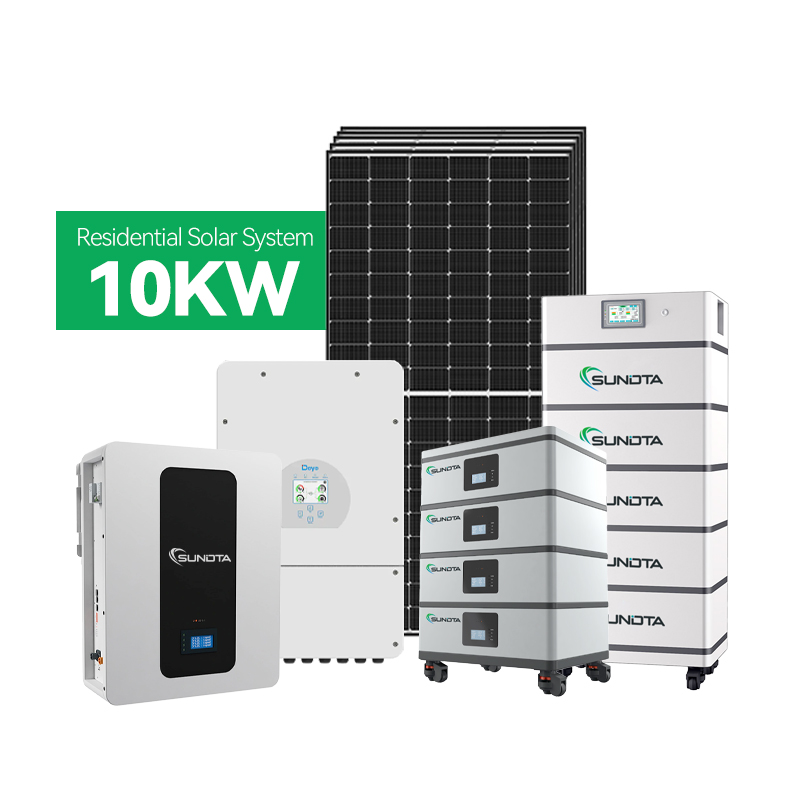
Integrated bills of materials (BOM) featuring high-yield half-cut modules, intelligent hybrid inverters, and modular LiFePO4 battery banks certified for international grid codes.
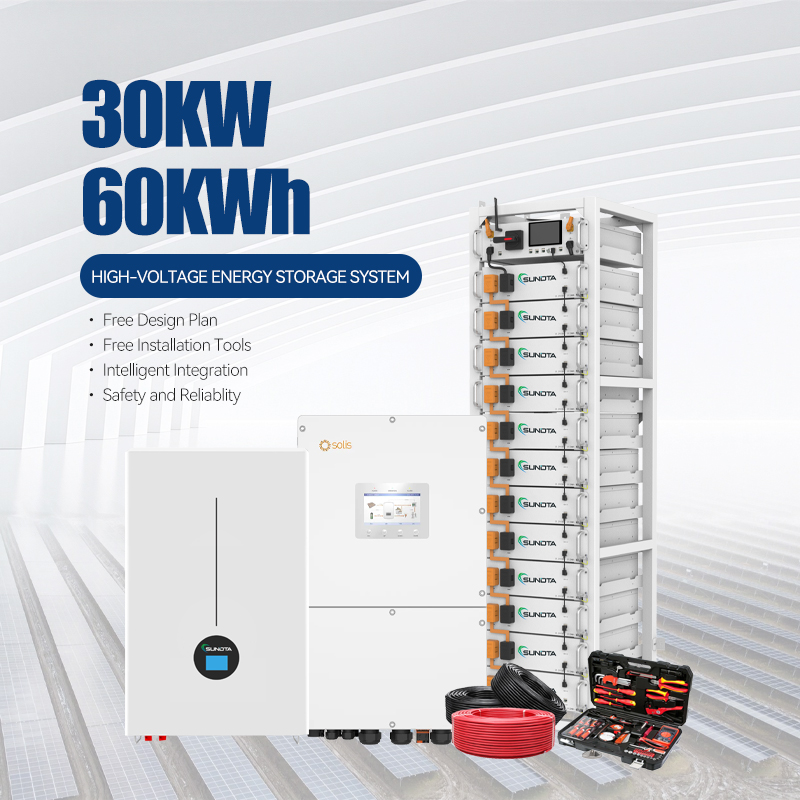
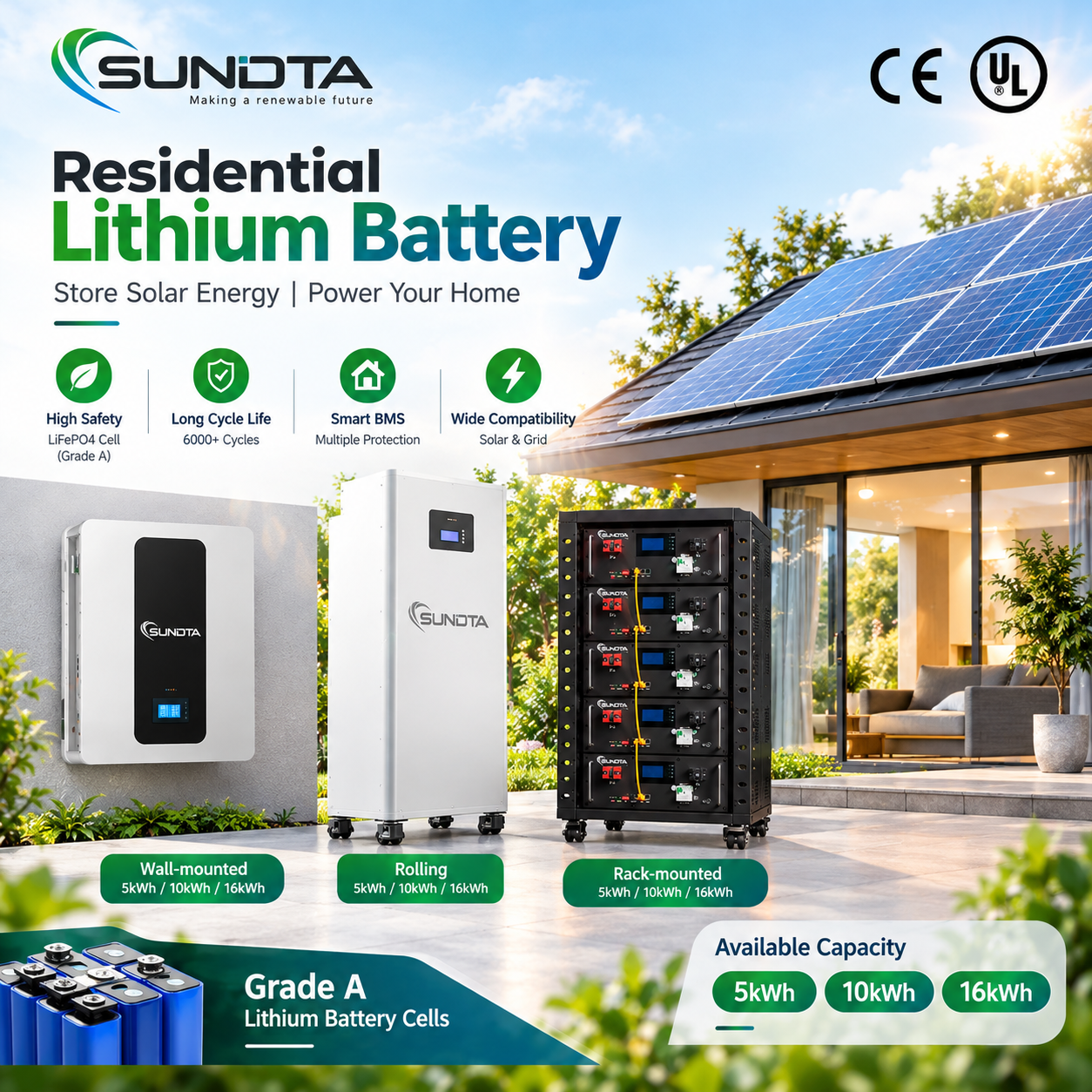
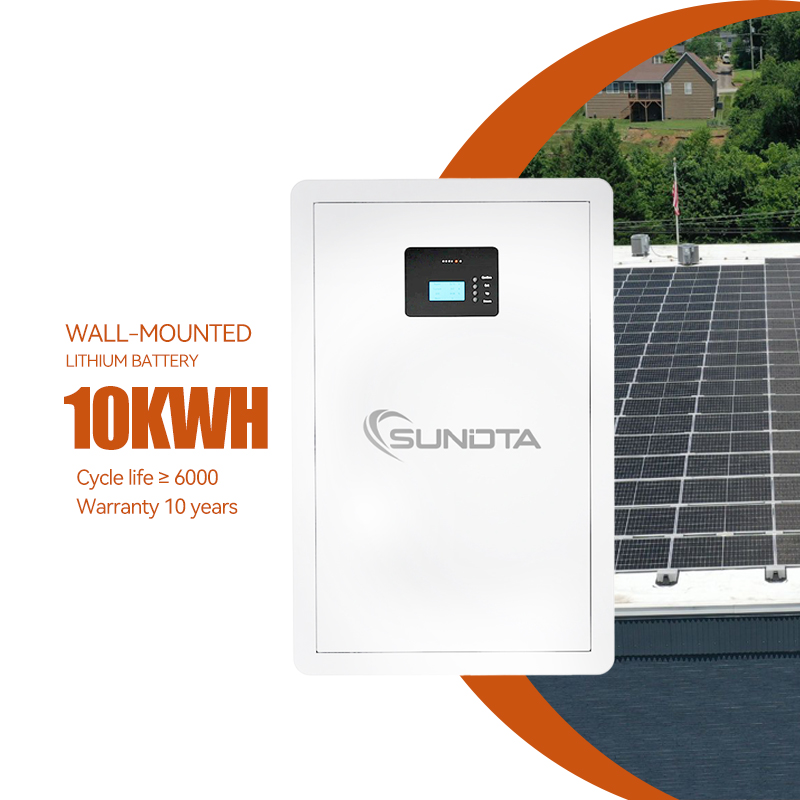
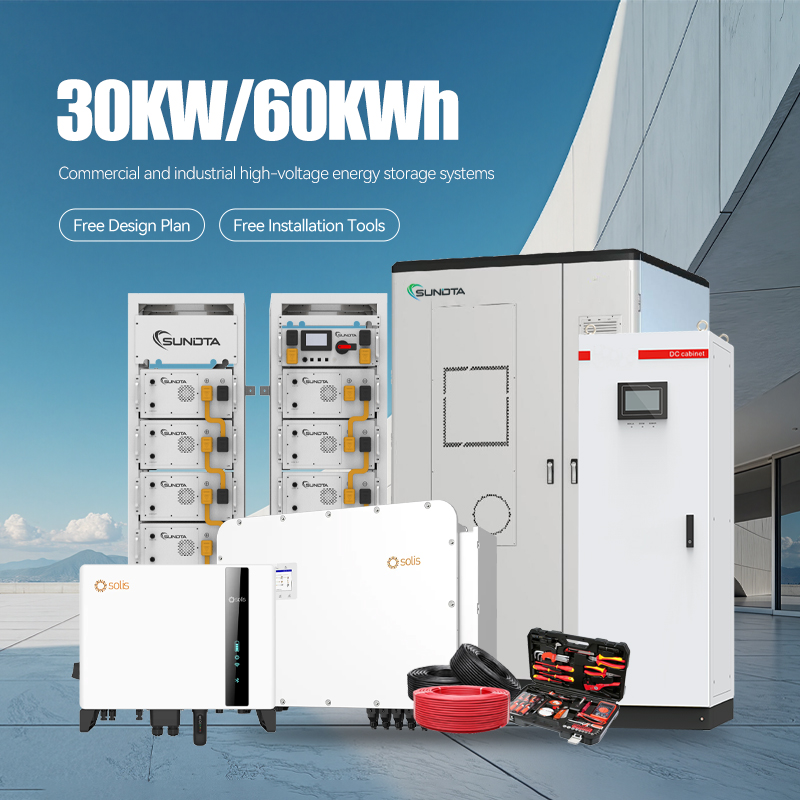
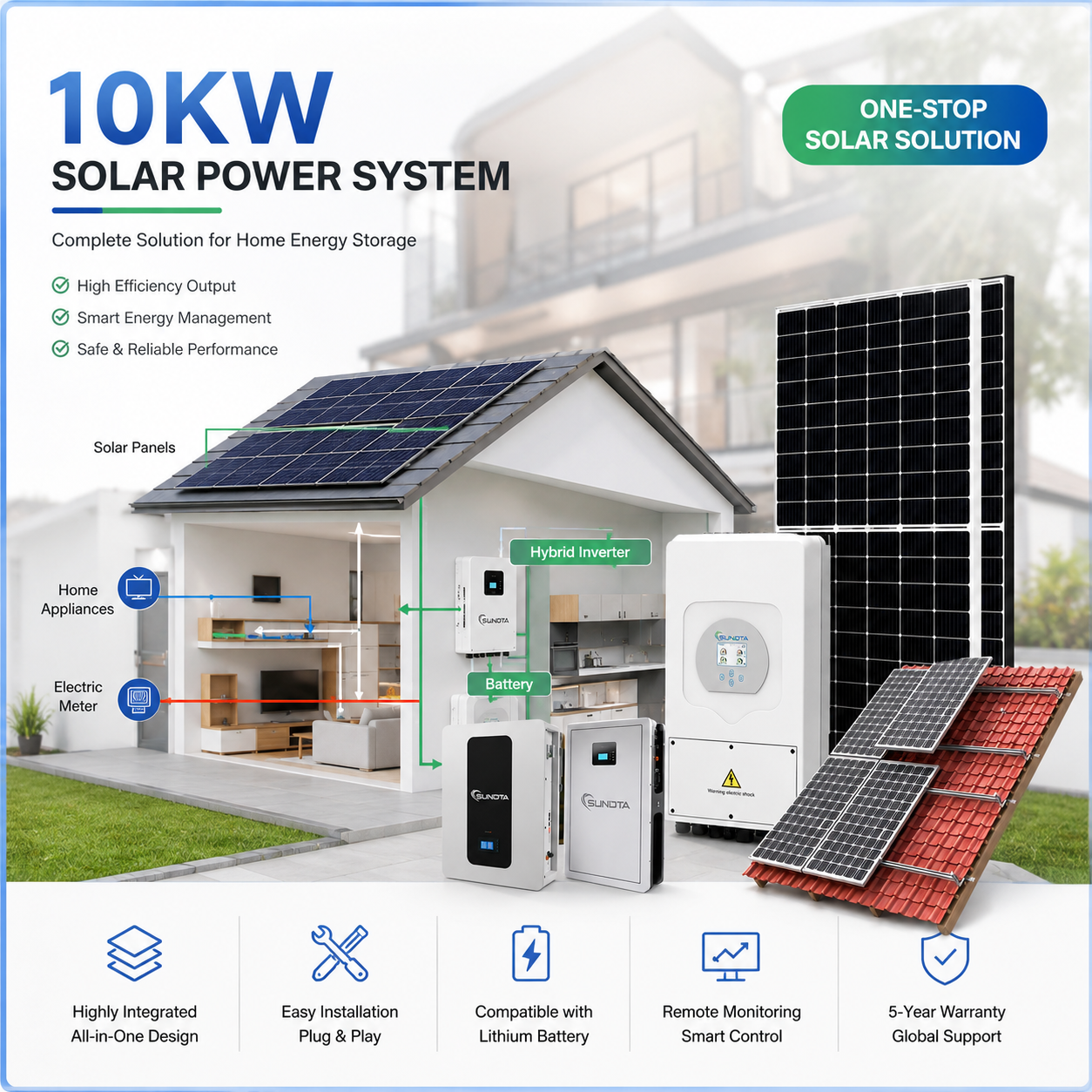
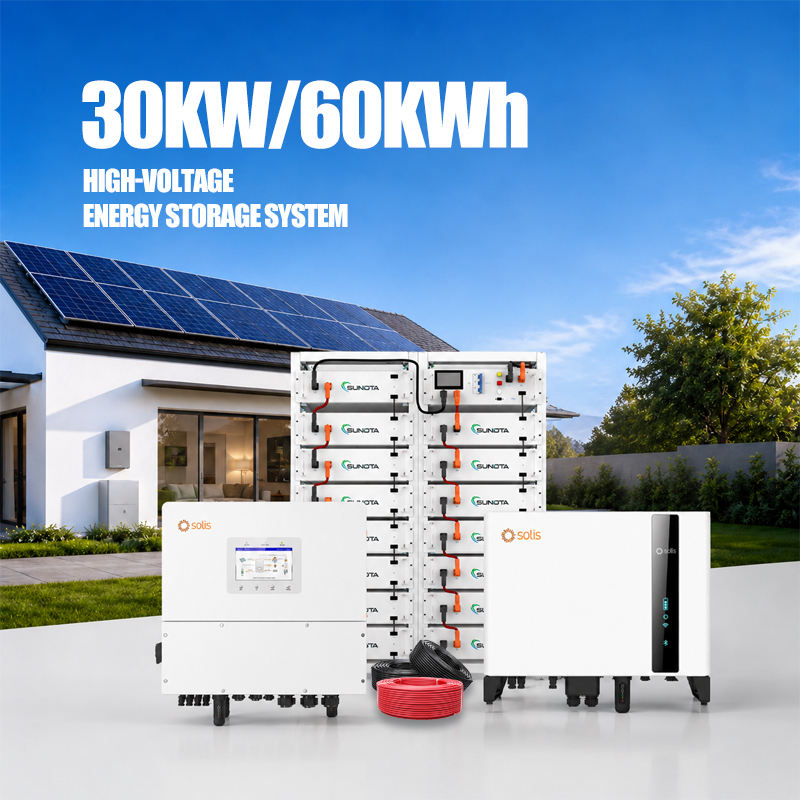
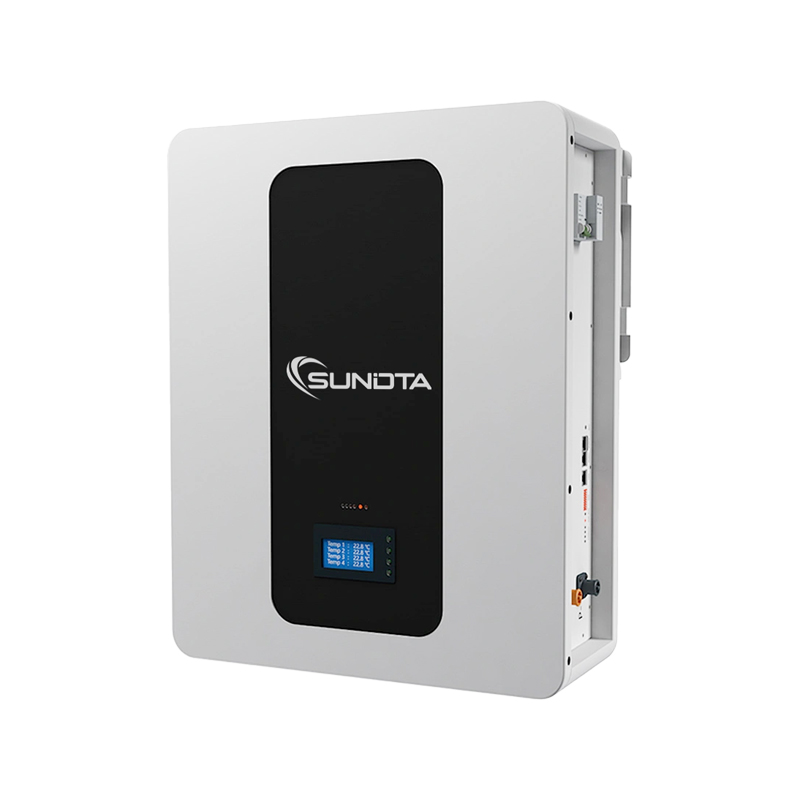
Why Tier-1 solar EPC contractors, regional distributors, and utility system integrators consolidate their supply chain with Anhui RJV New Energy.
Operating state-of-the-art non-destructive laser cutting, multi-busbar (SMBB) soldering, and dual-glass lamination facilities capable of continuous 2GW annual module throughput with negligible thermal stress.
Our Hefei manufacturing facility, quality management protocols, and testing labs have passed strict on-site audits by TÜV Rheinland, backed by complete CE, IEC 61215, IEC 61730, and UN38.3 certifications.
We eliminate commissioning conflicts. Our half-cut PV panels are factory pre-matched to CAN/RS485 protocols for Deye, Solis, and Growatt inverters, paired with our long-life 6,000-cycle LiFePO4 energy storage packs.
Direct supply through international FOB, CIF, and EXW agreements, bolstered by localized warehousing in Germany for rapid dispatch of all-black residential half-cut modules and stackable batteries across Europe.
An in-depth analysis of resistive power loss reduction, low irradiance response, and the transition toward rectangular M10R/G12R wafer standards.
The core scientific superiority of half-cut technology stems directly from fundamental Joule heating principles ($P_{loss} = I^2R$). By dividing a standard solar wafer into two equal halves using high-precision non-destructive laser cleavage, the electrical current ($I$) traversing each internal busbar is halved.
Because resistance loss scales quadratically with current, the internal resistive dissipation inside the cell interconnects is reduced by 75%. This electrical architecture alone delivers a net gain of 5W to 10W per panel compared to conventional full-cell layouts, while maintaining mechanical frame stability.
Conventional full-cell PV strings feature continuous series connections across the entire module height. If bottom-row shading occurs from parapets, snow drifts, or neighboring structures, bypass diodes activate and collapse the entire column string current.
Half-cut modules utilize a distinctive split junction-box architecture dividing the panel into two independent symmetrical halves (upper and lower arrays). When the lower section is partially obstructed, the upper half continues generating full nameplate output without dragging down the entire MPPT channel.
The global PV procurement landscape is pivoting rapidly away from P-Type PERC toward N-Type TOPCon and Heterojunction (HJT) architectures built on rectangular wafer dimensions (182mm*199mm / M10R and 210mm*182mm / G12R).
Procurement teams are prioritizing bifacial double-glass half-cut modules delivering rear-side albedo gains of 10%–25%, while pairing directly with ultra-low voltage degradation ($<1\%$ in year one and $<0.4\%$ annually thereafter), guaranteeing higher lifetime Levelized Cost of Electricity (LCOE) returns.
Data-driven performance evaluation to guide B2B utility planners, engineering firms, and commercial developers.
| Technical Characteristic | Conventional Full-Cell PERC | Half-Cut N-Type TOPCon (RJV Standard) | Procurement Impact |
|---|---|---|---|
| Cell Interconnection Losses | Baseline ($100\%$ resistive loss) | Reduced by ~75% ($I^2R$ reduction) | Direct +2.5% to +3.8% module power output boost. |
| Temperature Coefficient (Pmax) | -0.35% / °C to -0.38% / °C | -0.30% / °C to -0.28% / °C | Higher kWh harvest in high-ambient tropical environments. |
| Partial Shading Tolerance | String cut-off across whole panel | Twin independent parallel circuits | Significantly higher generation on cramped industrial roofs. |
| First Year / Annual Degradation | ~2.0% first year / 0.55% annual | ≤ 1.0% first year / ≤ 0.40% annual | Extends 30-year operational asset value by over 14%. |
| Bifaciality Factor | 65% ± 5% | 80% ± 5% | Extra 8% to 15% rear-surface energy harvest on white membrane roofs. |
| Inverter Compatibility | Standard MPPT matching required | Optimized voltage for Deye/Solis | Prevents MPPT clipping and simplifies system balancing. |
Addressing the technical, logistics, and supply chain questions most frequently raised by international EPC contractors and wholesale buyers.
Because half-cut cells generate half the current of full cells, the thermal energy generated during reverse-bias conditions (such as persistent bird droppings or localized leaves) is proportional to $I^2$. Consequently, localized hotspot temperatures remain substantially lower—often 15°C to 20°C cooler than full-cell counterparts—preventing EVA discoloration and backsheet burning.
For dedicated utility and distributor orders, modules are packed in vertical wooden crates optimized for 40HQ high-cube maritime shipping (typically 31 or 36 panels per pallet, around 620 to 936 panels per container). For mixed turnkey systems (combining inverters, LiFePO4 batteries, and half-cut panels), we provide flexible MOQs starting from 1 complete kit or mixed pallet loads.
Because cutting cells in half doubles the quantity of cells while maintaining equivalent string circuit layout, the open-circuit voltage ($V_{oc}$) of a half-cut panel remains virtually identical to its full-cell ancestor, while operating current ($I_{mp}$) is divided. This makes half-cut panels compatible with modern multi-MPPT solar inverters (such as Solis, Deye, and Sungrow) without risking input current clipping.
Yes. Every batch dispatched is accompanied by factory flash test reports (IV curve data for every individual serial number), EL inspection certificates, CE declarations of conformity, and comprehensive manufacturer warranty agreements covering 12-to-15-year product workmanship and 25-to-30-year linear power performance guarantees.
Obtain verified electrical specifications, TÜV test reports, pallet packaging parameters, and factory-direct pricing for 450W–700W half-cut TOPCon panels and hybrid battery kits.