CAN/RS485 Enabled
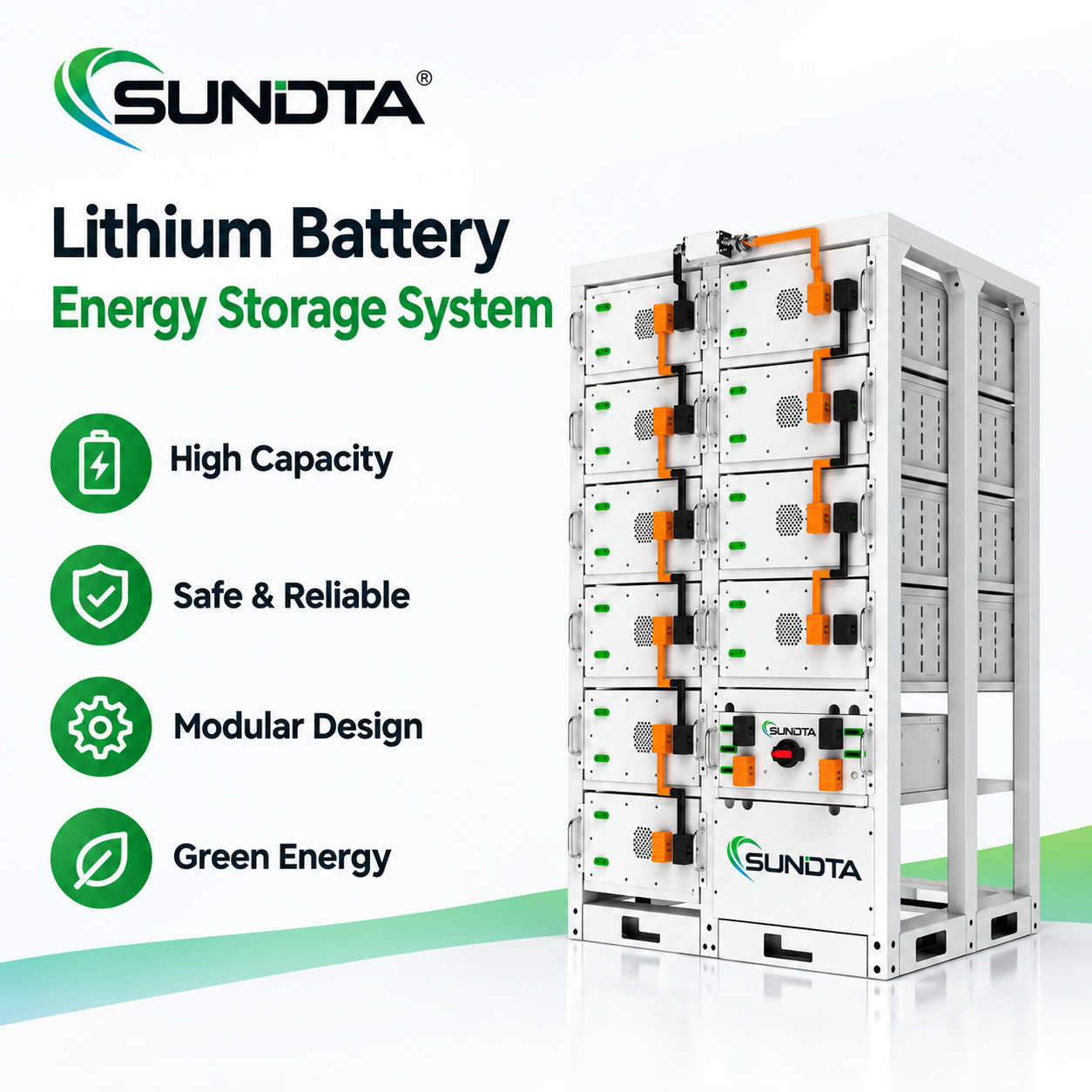
Source vetted, factory-calibrated solar hardware directly from verified Hefei manufacturing lines. Fully compatible with multi-protocol LiFePO4 batteries, low-voltage topologies, and high-efficiency hybrid inverters.
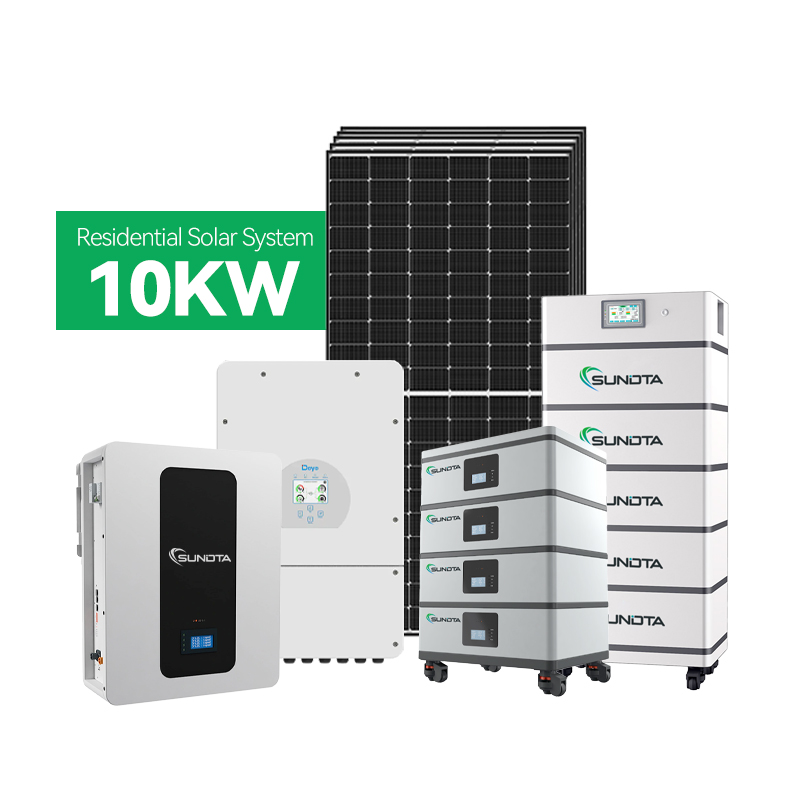
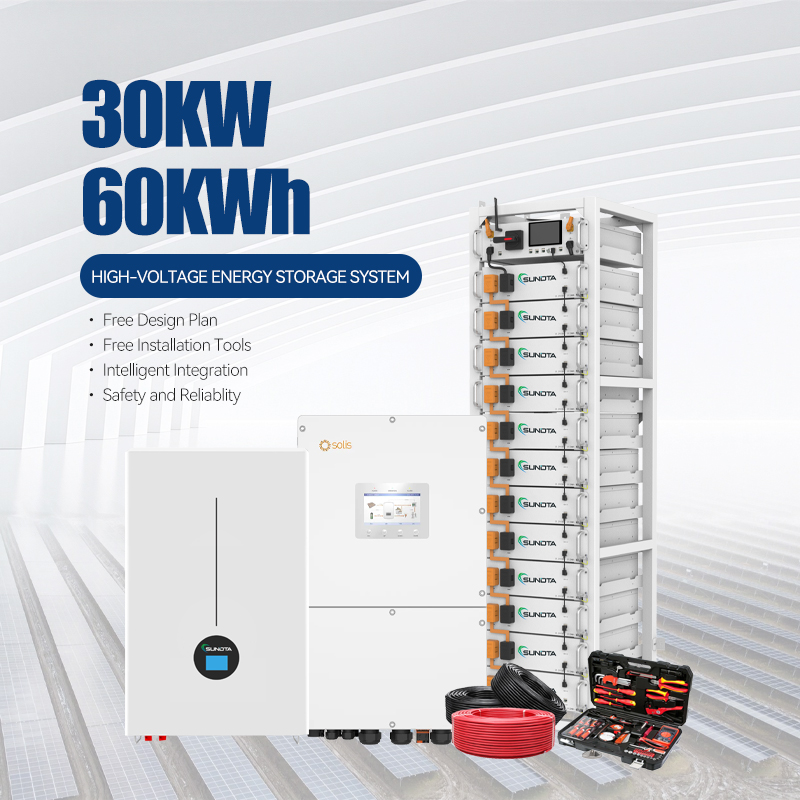

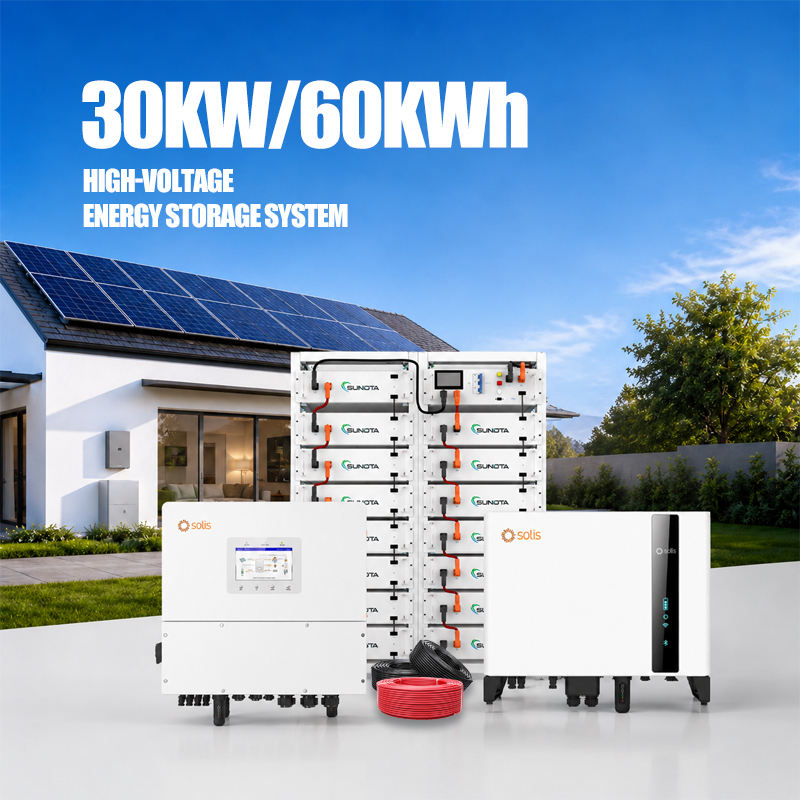
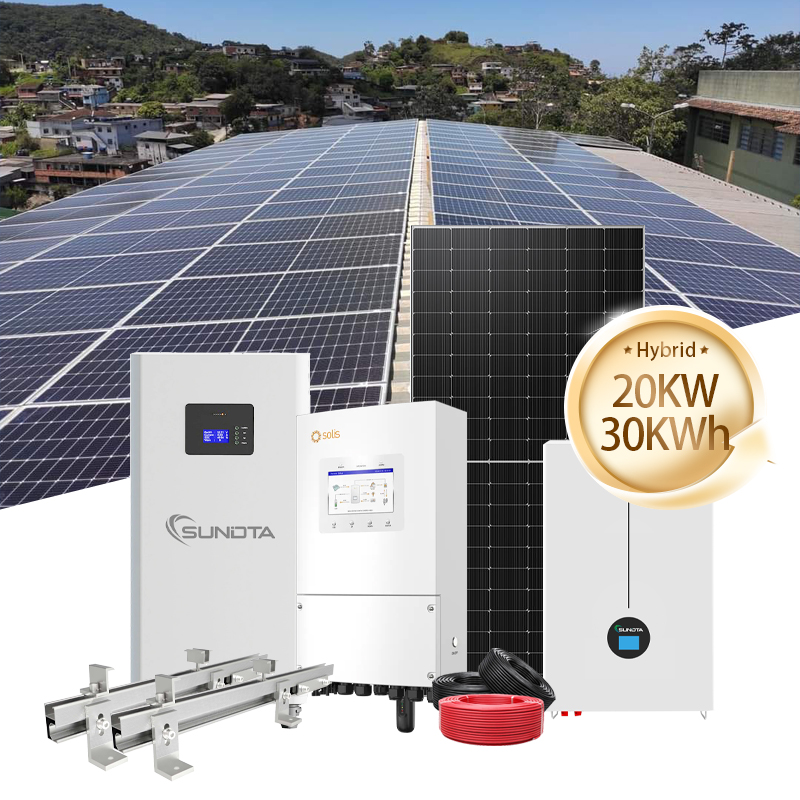
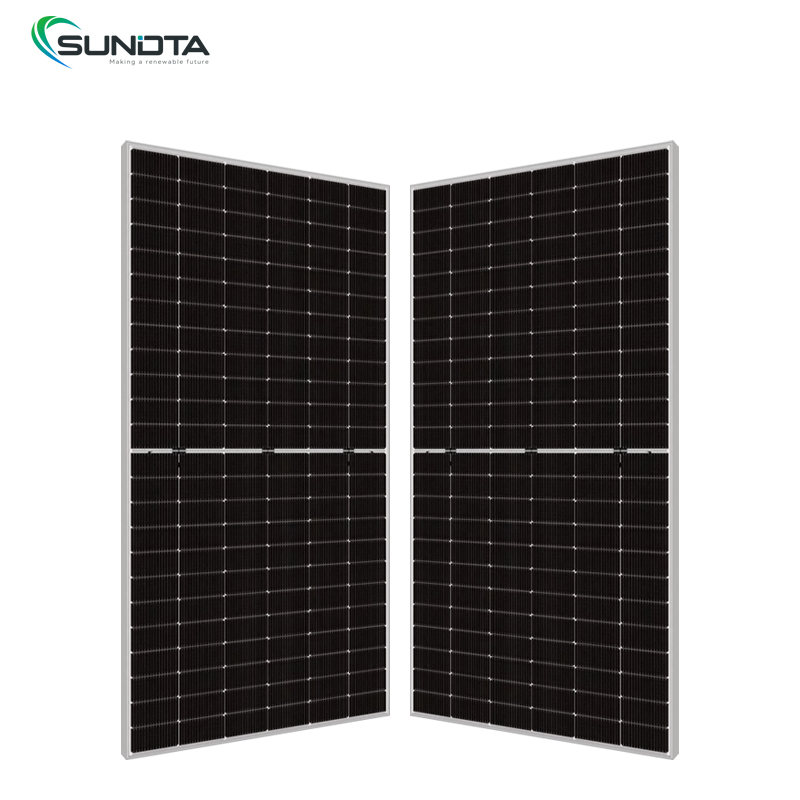
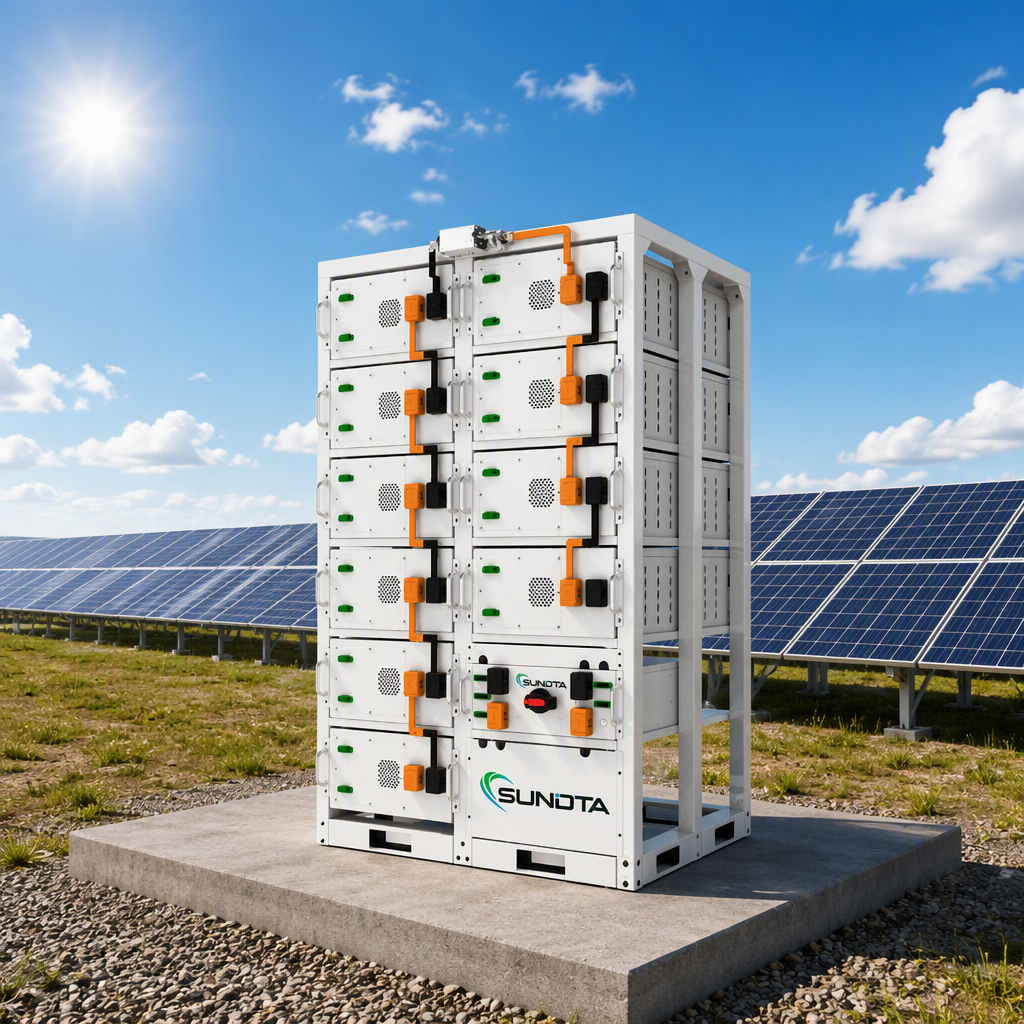
Heterojunction Technology (HJT) has transitioned from an experimental semiconductor advancement to the premier manufacturing standard for high-efficiency photovoltaic systems. Unlike conventional Passivated Emitter and Rear Cell (PERC) or Tunnel Oxide Passivated Contact (TOPCon) architectures, HJT leverages monocrystalline silicon wafers sandwiched between ultra-thin amorphous silicon (a-Si:H) passivation layers. This design virtually eliminates surface carrier recombination, driving standard conversion efficiencies beyond 25.5% in commercial production and lab-scale benchmarks past 26.8%.
For international EPC contractors, utility developers, and procurement executives, evaluating the top HJT manufacturers requires looking beyond pure watt-peak figures. The leading global tier of HJT cell manufacturers and exporters—including pioneers like Huasun Energy, Risen Energy, Tongwei, Akcome, REC Group, Meyer Burger, Golden Solar, and integrated technology powerhouses like Anhui RJV New Energy—stand out due to four main factors: microcrystalline silicon doping layers, zero-busbar (0BB) silver-free or low-silver metallization, low-temperature coefficients (−0.26%/°C), and exceptional bifaciality exceeding 85% to 90%.
| Performance Characteristic | Legacy P-Type PERC | N-Type TOPCon | Heterojunction (HJT) | Engineering Impact on LCOE |
|---|---|---|---|---|
| Cell Production Efficiency | 23.0% – 23.4% | 24.5% – 25.2% | 25.5% – 26.4% | Highest power density per square meter reduces BOS, racking, and land costs. |
| Temperature Coefficient (Pmax) | −0.35% / °C | −0.30% / °C | −0.24% to −0.26% / °C | Delivers up to 4-8% higher energy yields in desert and high-temperature environments. |
| Bifaciality Factor | 70% ± 5% | 80% ± 5% | 85% – 95% | Substantially higher backside generation on high-albedo surfaces (concrete, snow, sand). |
| Degradation (Year 1 / Linear) | 2.0% / 0.55% | 1.0% / 0.40% | 1.0% / 0.35% | Zero Light Induced Degradation (LID) & Potential Induced Degradation (PID) ensures longevity. |
| Manufacturing Process Steps | ~9 to 11 Steps | ~12 to 14 Steps | 4 to 5 Core Steps | Fewer manufacturing stages lower defect rates and streamline automated production. |
As the solar sector shifts toward higher baseline efficiencies, the low process temperatures of HJT (under 200°C, compared to over 850°C for TOPCon and PERC) allow for much thinner silicon wafers—approaching 110μm or lower without thermal warping. This drastically cuts carbon emissions during manufacturing, giving HJT modules a distinct advantage in European and North American markets that enforce strict Environmental Product Declarations (EPD) and low-carbon procurement standards.
Large-scale solar and energy storage systems require forward-looking procurement planning. As global supply chains adjust to tariff fluctuations, trade compliance policies, and evolving grid standards, several key trends are shaping the procurement of HJT solar cells and integrated energy storage:
Manufacturers are rapidly moving from pure silver paste to copper-plated electrodes and zero-busbar (0BB) wire-mesh designs. This cuts silver reliance, protects against raw material price swings, and lowers per-watt import costs.
Because HJT naturally pairs with wide-bandgap perovskite top layers, Tier-1 buyers view HJT as an investment with built-in upgrade potential toward 30%+ commercial tandem modules over the next five to seven years.
EPCs are moving away from sourcing modules, inverters, and battery racks from separate suppliers. Complete, pre-matched Bill of Materials (BOM) shipments minimize on-site field delays, mismatched communication protocols, and warranty disputes.
Thinner HJT wafers require advanced packaging: POE encapsulation, high-density light-capturing films, and double-glass laminations that hold up against heavy snow loads, wind uplift, and mechanical stress during ocean transport.
Located in the innovation and clean-technology hub of Hefei, Anhui, China, Anhui RJV New Energy Co., Ltd. serves as a reliable manufacturing and integration partner for distributors, EPC contractors, and project developers worldwide. We take the friction out of high-efficiency solar procurement by delivering factory-tested packages where every component works seamlessly together right out of the box.
Our production facilities undergo rigorous on-site validation by TÜV Rheinland. We back our hardware with full CE, IEC 61215, IEC 61730, and UN38.3 test documentation for smooth customs clearance and grid interconnection.
We eliminate communication errors on the job site. Our 51.2V and high-voltage LiFePO4 batteries feature factory-mapped CAN/RS485 firmware profiles that work out of the box with leading inverters like Deye, Solis, and Growatt.
Supported by 2 GW of module capacity, 38 technology patents, and over 500 MW of completed projects, we offer custom cell-slicing, customized silk-screen branding, bespoke cabling harnesses, and containerized ESS enclosures.
Whether you need rapid delivery via bonded EU warehouse stock or full container loads shipped FOB, CFR, CIF, or EXW, our Hefei logistics hub ensures safe maritime packing, anti-vibration crating, and reliable tracking.
Send your project location, single-line diagrams, or target module and battery specifications. Our technical team will return a complete, factory-direct BOM quotation within 24 hours.