Engineered Deep Cycle Lithium & Hybrid Energy Portfolios
Precision-matched energy density, proprietary thermal topologies, and multi-protocol CAN/RS485 closed-loop communication for zero-downtime deployment.
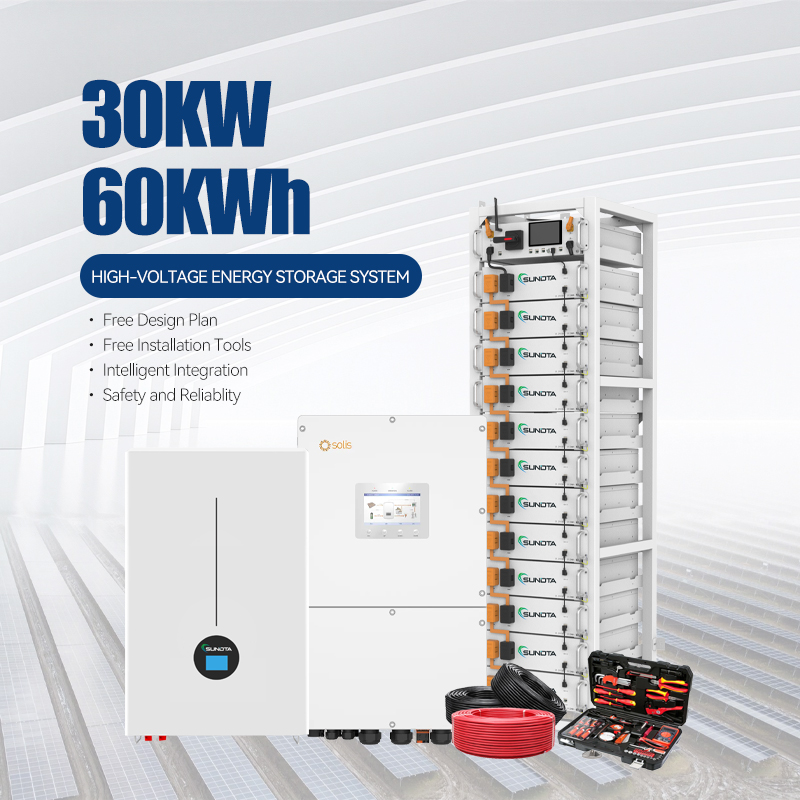
- High-density 314Ah / 200Ah cells
- Direct wall-mount aesthetic casing
- Integrated smart active balancing BMS
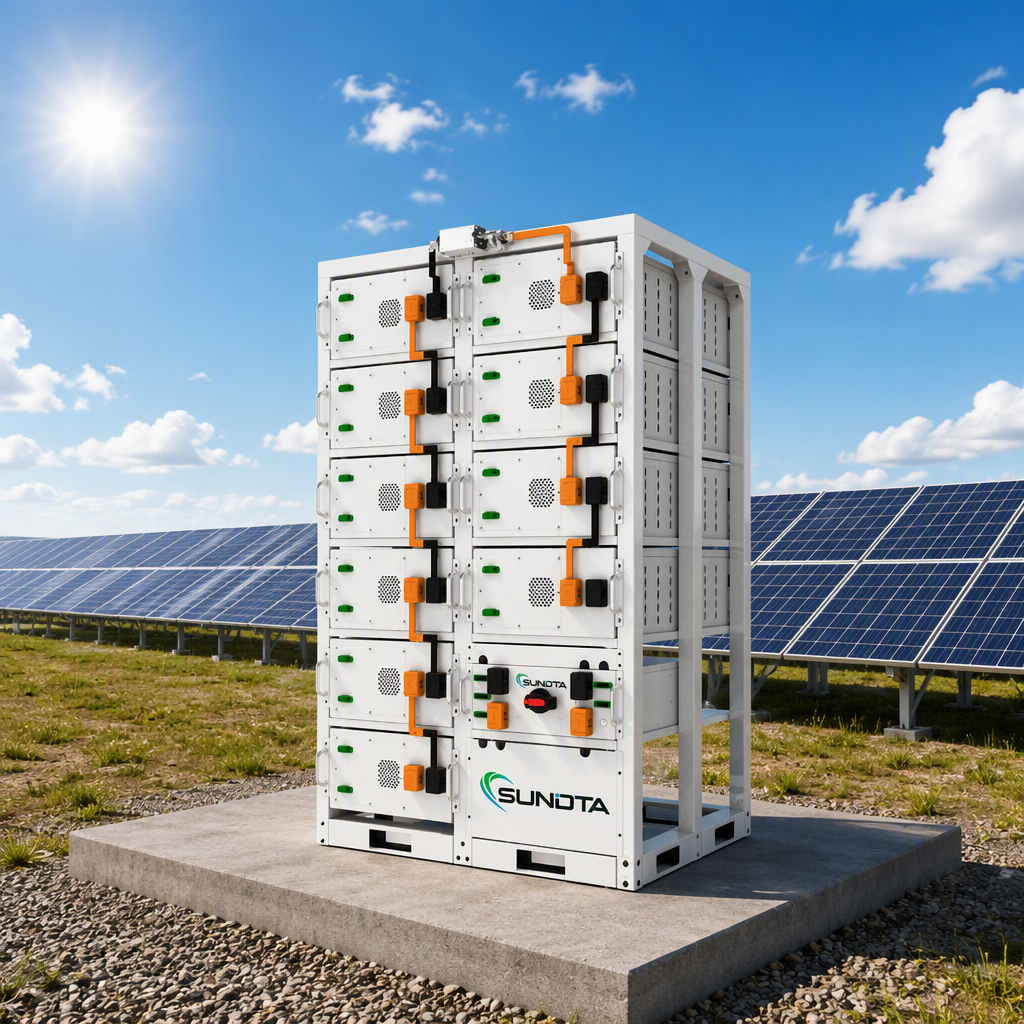
- 40kWh to 100kWh cabinet scalability
- Smart industrial air-cooling dissipation
- On/Off/Hybrid multi-busbar integration
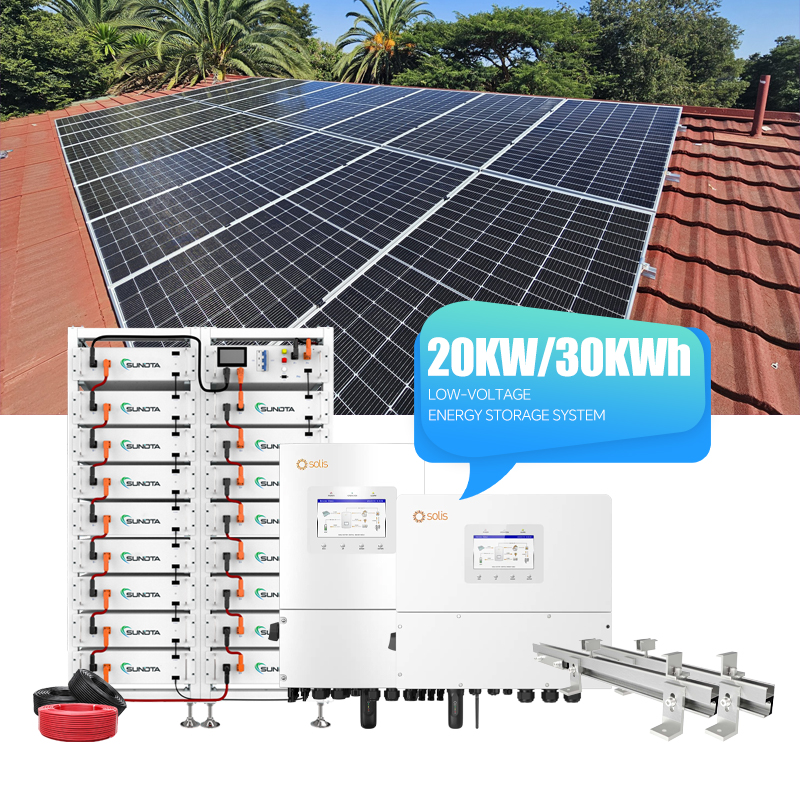
- Pre-wired balance of systems (BOS)
- Commercial high-efficiency throughput
- Rapid plug-and-play field setup
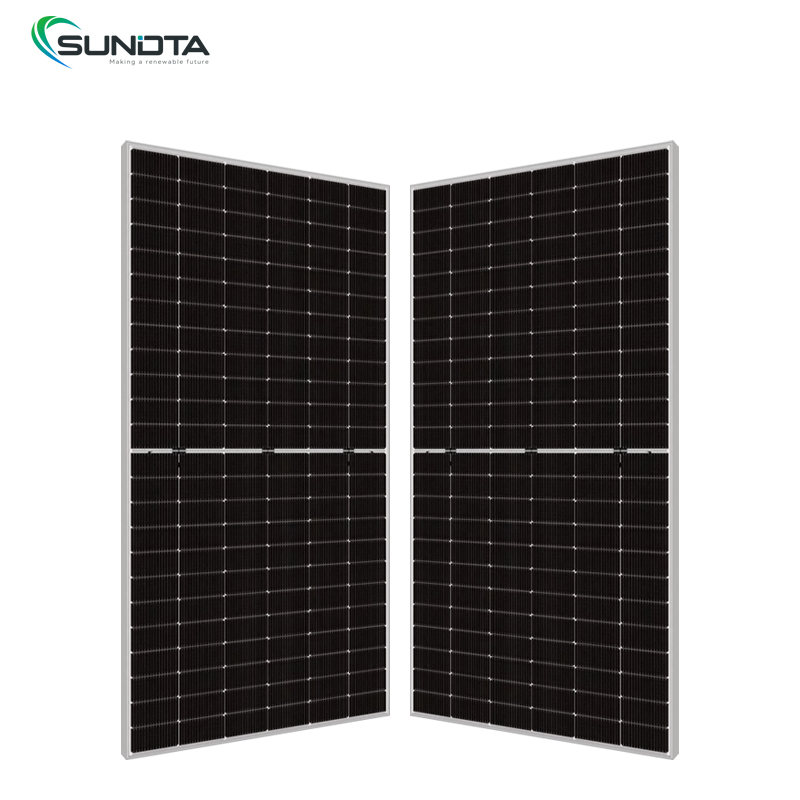
- N-Type TOPCon zero LID generation
- Substantial rear-side bifacial yield
- Extreme wind and snow load certified
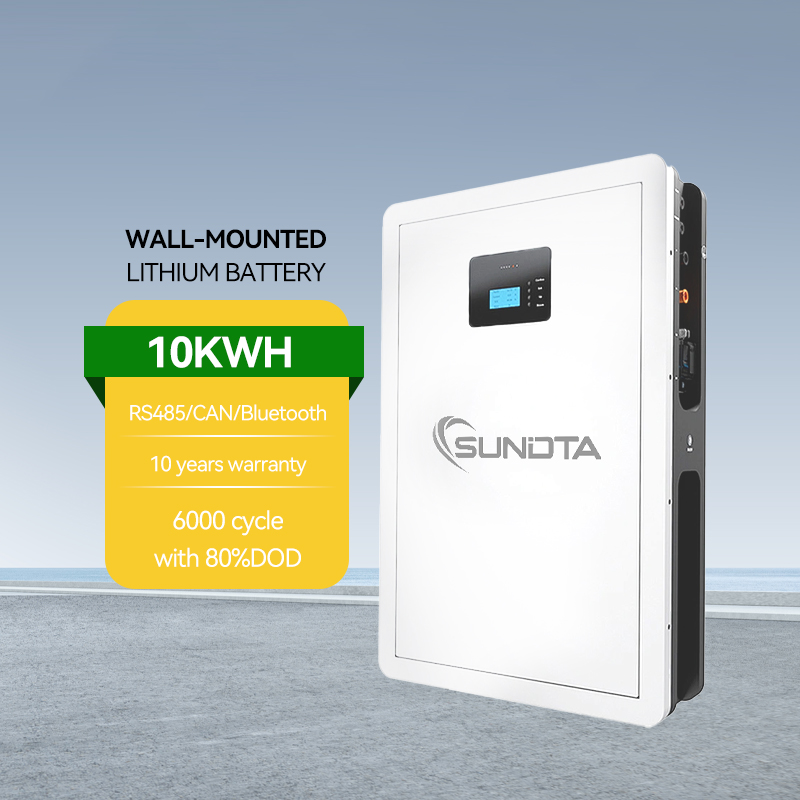
- 6,000+ deep cycling design life
- Overseas hub rapid dispatch availability
- Deye, Solis, Victron, Growatt compliant
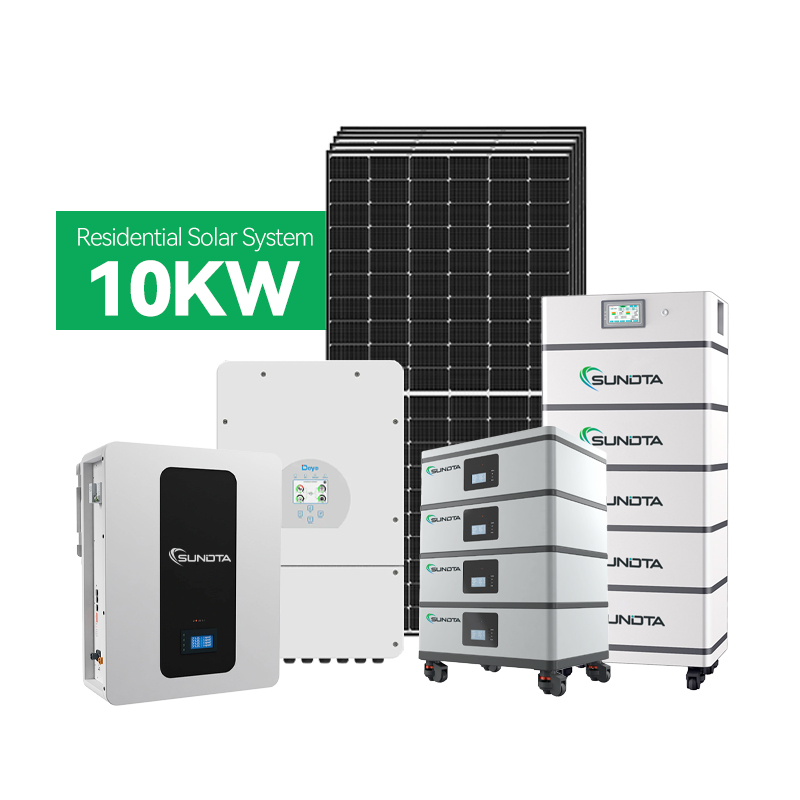
- Factory matched inverter & storage
- Full UPS-grade millisecond transfer
- Mobile and desktop IoT monitoring
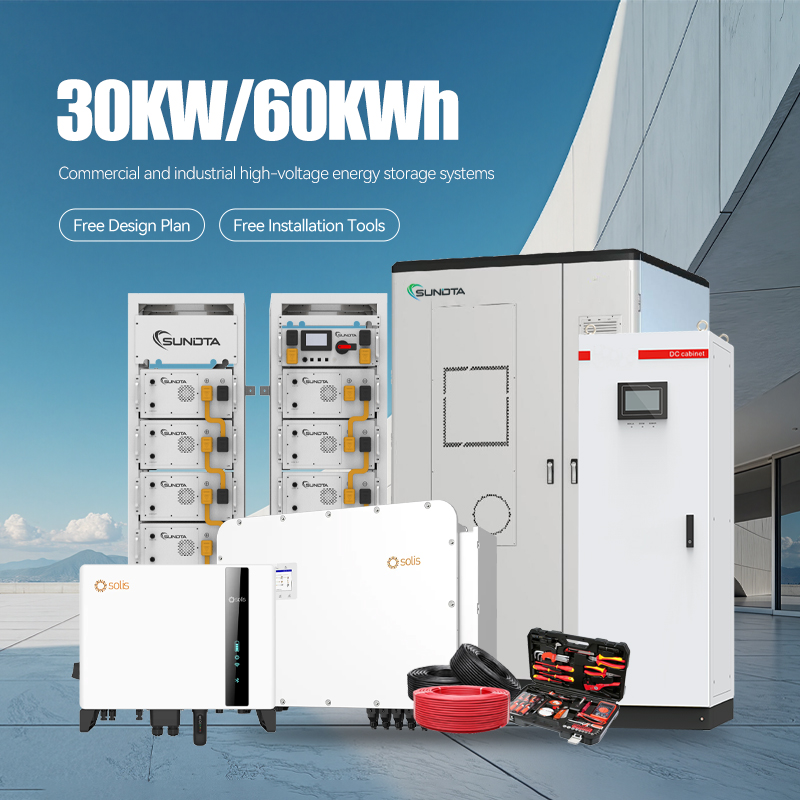
- Ultra-large single cabinet footprint
- Class-A 314Ah long-endurance prismatics
- Zero-hassle parallel expansion bus
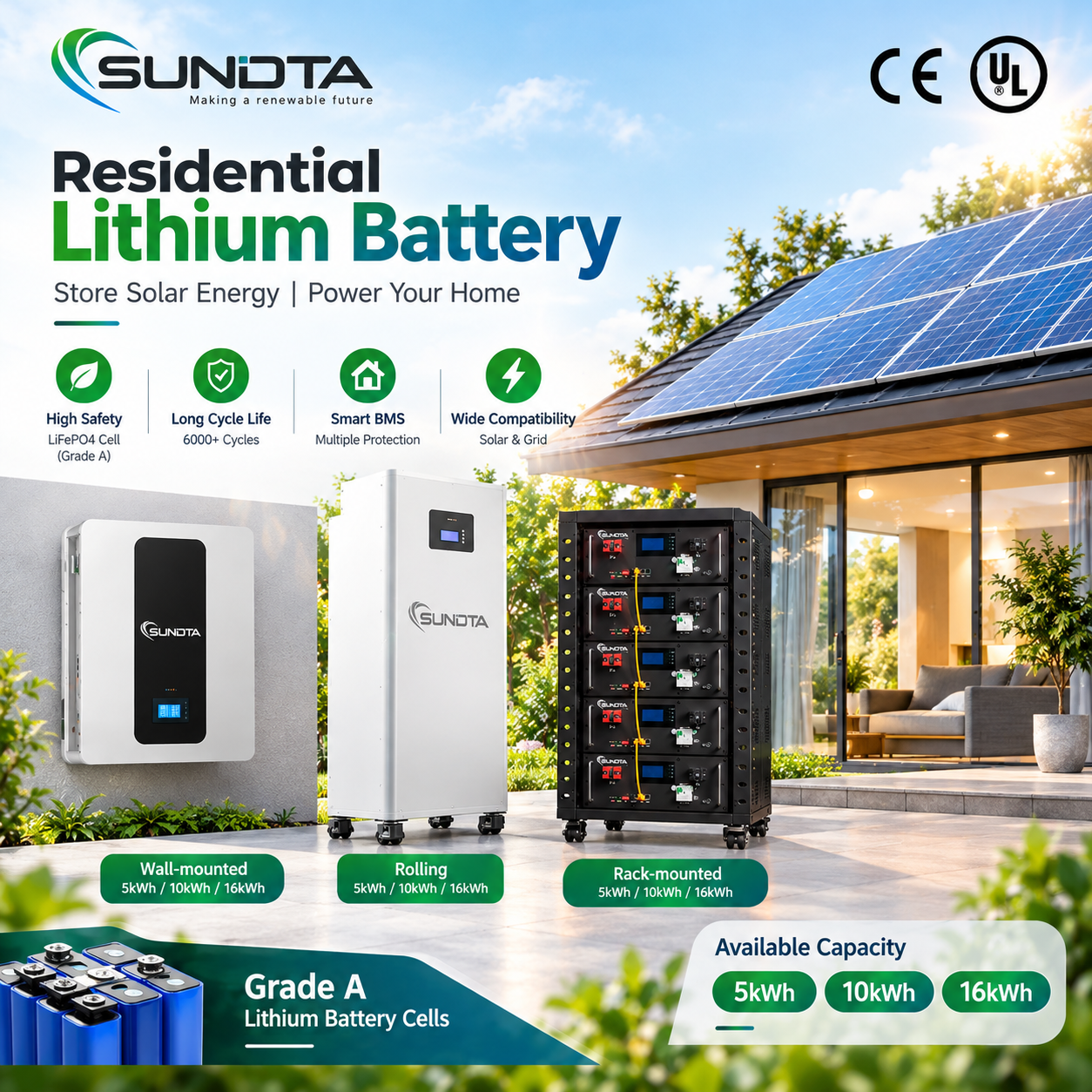
- Wireless stacking inter-module busbars
- 5kWh-step flexible expansion
- High-voltage efficiency advantages
Engineering Whitepaper: The Strategic Transition in China's Deep Cycle Battery Ecosystem
In global energy infrastructure procurement, the term "Deep Cycle Battery" has experienced a monumental paradigm shift. Historically dominated by Valve-Regulated Lead-Acid (VRLA), Absorbent Glass Mat (AGM), and tubular gel chemistries, modern energy networks demand energy throughput that traditional lead derivatives cannot economically deliver. Chinese manufacturing conglomerates—led by research-driven facilities like Anhui RJV New Energy—have steered industrial focus toward ultra-stable Lithium Iron Phosphate (LiFePO4/LFP) and high-density Solid-State prismatic architectures.
1. Cathode Morphology and Thermal runaway Resistance
The superior operational safety of modern export-grade deep cycle batteries is rooted in the phospho-olivine crystalline structure of LiFePO4. Unlike legacy cobalt-based chemistries (NMC/NCA) that experience catastrophic exothermic breakdowns around 150°C to 210°C, the P-O covalent bond in Chinese-engineered LFP cells remains intact beyond 270°C to 300°C. For international engineering, procurement, and construction (EPC) contractors deploying storage in high-ambient zones across the Middle East, Southeast Asia, and Australia, this intrinsic stability minimizes fire suppression overhead and lowers structural levelized cost of storage (LCOS).
2. Transition from 280Ah to 314Ah Prismatic Architecture
Procurement velocity in 2024 and beyond is dictated by volumetric energy density improvements. The industrial transition from standard 280Ah cells to 314Ah prismatic form factors (as showcased in our SDT-280 and 30kWh modular platforms) elevates system energy density by more than 12% within the exact same rack dimensions. This allows EPCs and logistics coordinators to maximize standard 20ft and 40ft container payload capacities, reducing ocean freight costs per kilowatt-hour by up to 18%.
3. Active Balancing BMS vs. Passive Resistance Shunting
A critical technical differentiator among Chinese battery exporters is the Battery Management System (BMS) tier. While low-tier suppliers rely on dissipative passive balancing (which bleeds excess energy through surface-mount heat resistors during top-of-charge), our tier-1 configurations employ high-efficiency bidirectional inductive active balancing. Energy is redirected dynamically between individual cells with less than 2% conversion loss, ensuring that aging degradation remains uniform across series configurations of 16S (51.2V) to 200S+ (high-voltage commercial stacks).
Future Sourcing Trends for Deep Cycle Batteries
Key technological trajectories that international buyers, solar distributors, and grid architects must integrate into their procurement roadmaps over the next 36 months.
High-Voltage (HV) Decentralization
Migration from 48V/51.2V low-voltage battery banks to 200V-800V DC high-voltage architectures for residential and small commercial systems. HV architectures reduce cabling conductor sizes by up to 75%, slash DC copper losses, and boost round-trip conversion efficiency above 97.5%.
Unified Cloud EMS & Grid-Edge Telemetry
Deep cycle batteries are evolving into software-defined decentralized power plants. Sourcing priorities require integrated IoT gateways capable of autonomous time-of-use (TOU) arbitrage, peak shaving, and automatic frequency restoration reserve (aFRR) compliance via Modbus TCP and MQTT protocols.
Semi-Solid & Advanced Thermal Management
Deployment of semi-solid electrolyte chemistries offering extended cycling (8,000+ cycles) combined with precision liquid-cooling plates. Liquid cooling ensures cell delta temperatures remain under 2.5°C across the pack, substantially mitigating hot-spot accelerated aging.
Why Global B2B Buyers Partner with Anhui RJV New Energy
Decoupling supply-chain risks through direct manufacturing authority, proven tier-1 system compatibility, and internationally audited verification.
TÜV Rheinland Audited
Operations, production lines, and technical capabilities have undergone rigorous on-site audit verification by TÜV Rheinland, guaranteeing compliance with global quality benchmarks.
2GW Automation Capacity
Massive manufacturing depth with high-speed automated cell sorting, laser busbar welding, and end-of-line cycle testing, minimizing manual assembly inconsistencies.
Turnkey BOM Compatibility
Eliminate inter-vendor friction. Our deep cycle lithium batteries are pre-engineered to communicate seamlessly with Deye, Solis, and Growatt inverters via tested CAN protocols.
Turnkey Logistics & Documentation
Complete regulatory clearance package: UN38.3 test summaries, MSDS, CE declarations, IEC 62619 reports, and maritime dangerous goods certificates ready for rapid port clearance.
Frequently Asked Questions: Deep Cycle Battery Sourcing
Direct technical and operational answers to common inquiries encountered by international distributors, EPC directors, and customs brokers.
How do you verify cell grade authenticity (Class-A vs. Class-B/Recycled)?
What closed-loop communication protocols are natively supported?
What are the standard international warranty and end-of-life (EoL) criteria?
What packaging protocols are enforced for Dangerous Goods (DG) Class 9 shipping?
Accelerate Your Energy Project Procurement
Request customized factory-direct price sheets, complete product catalogs, BMS integration matrixes, and engineering drawings from RJV's technical export desk.