Featured Inverters & Integrated Energy Storage Solutions
From single-phase residential hybrid systems to commercial high-voltage storage blocks, explore our field-proven power electronics manufactured under strict ISO and TÜV Rheinland protocols.
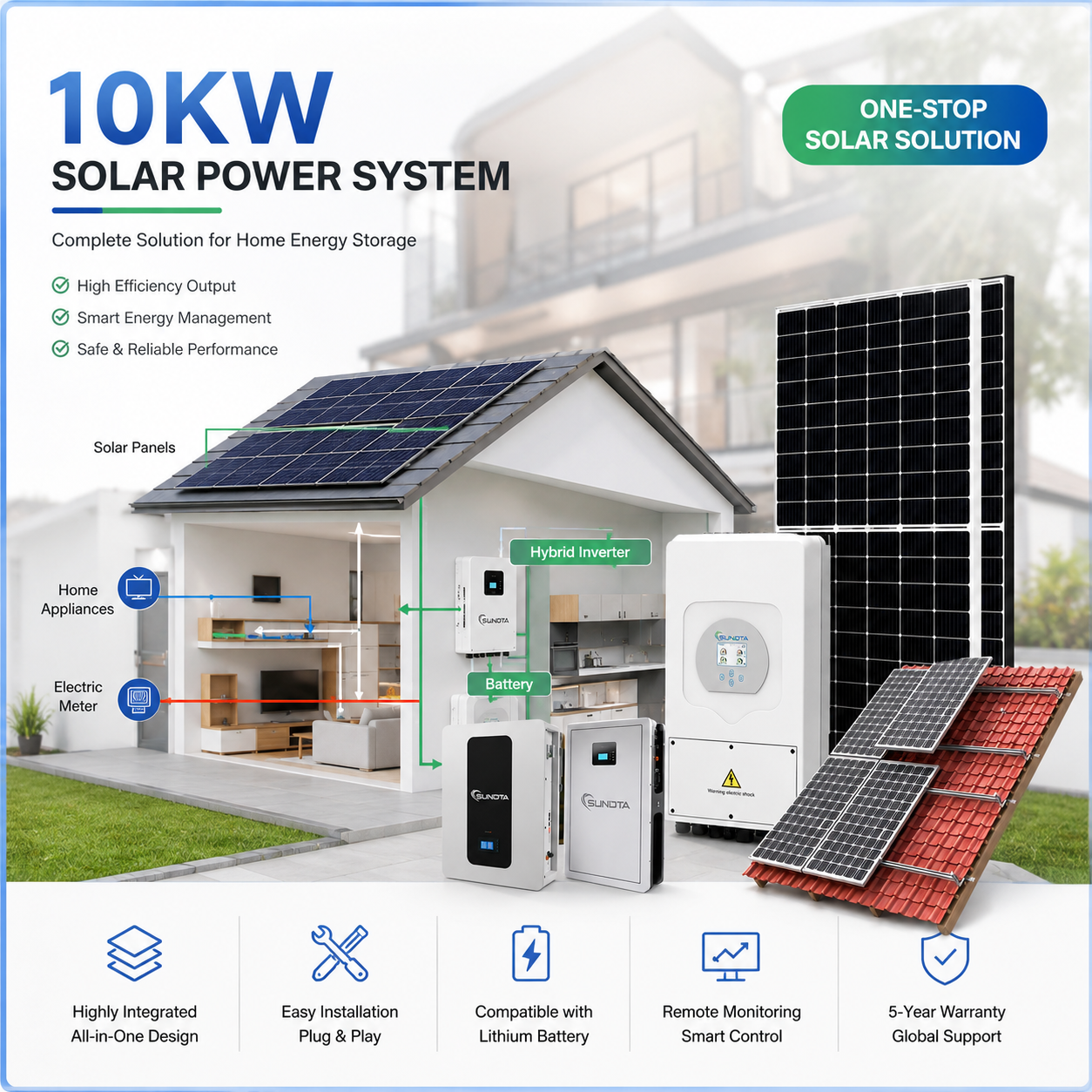
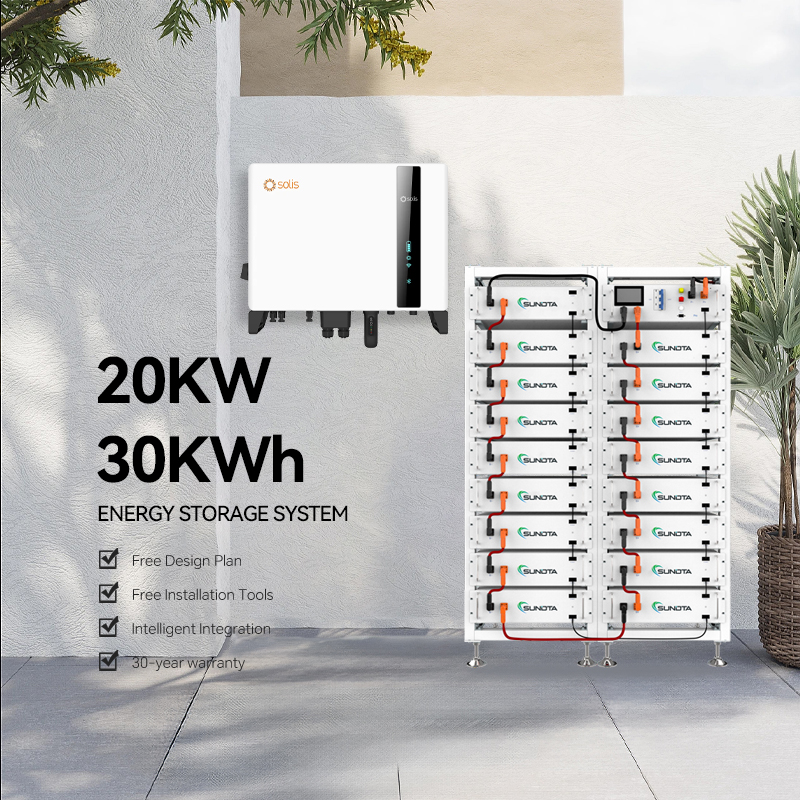
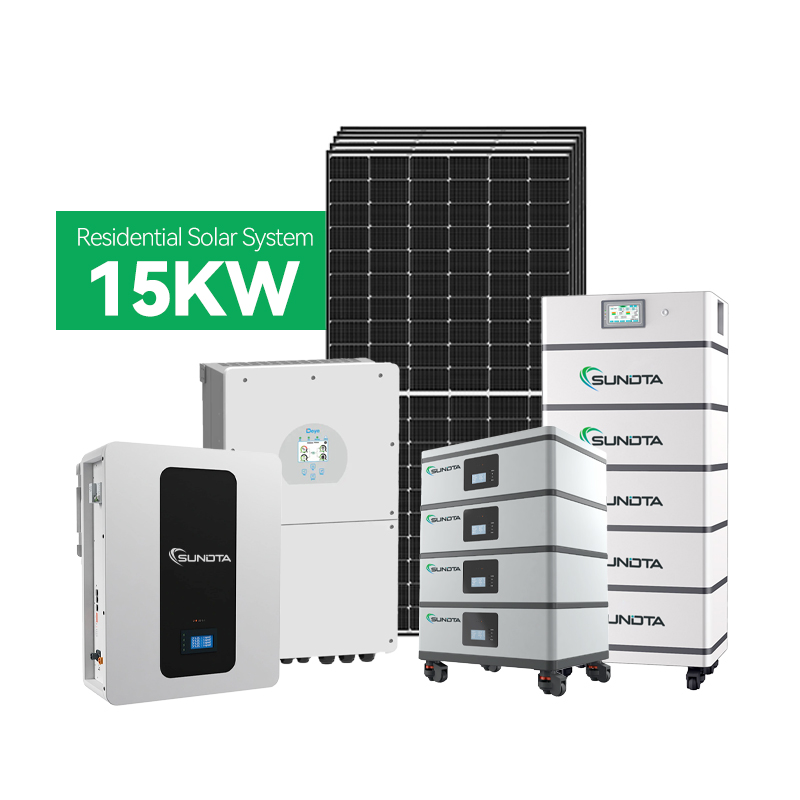
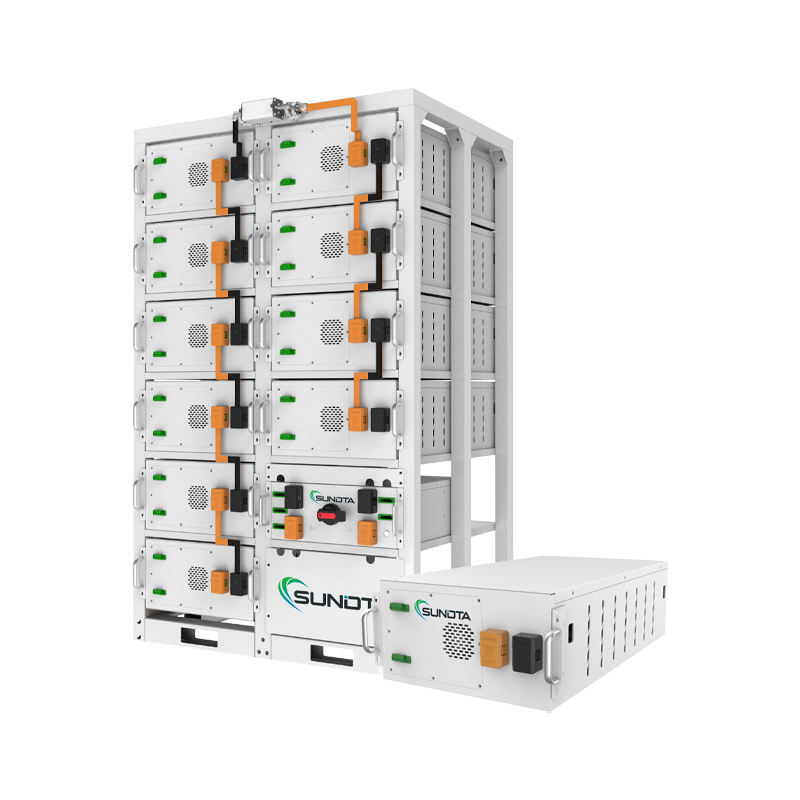
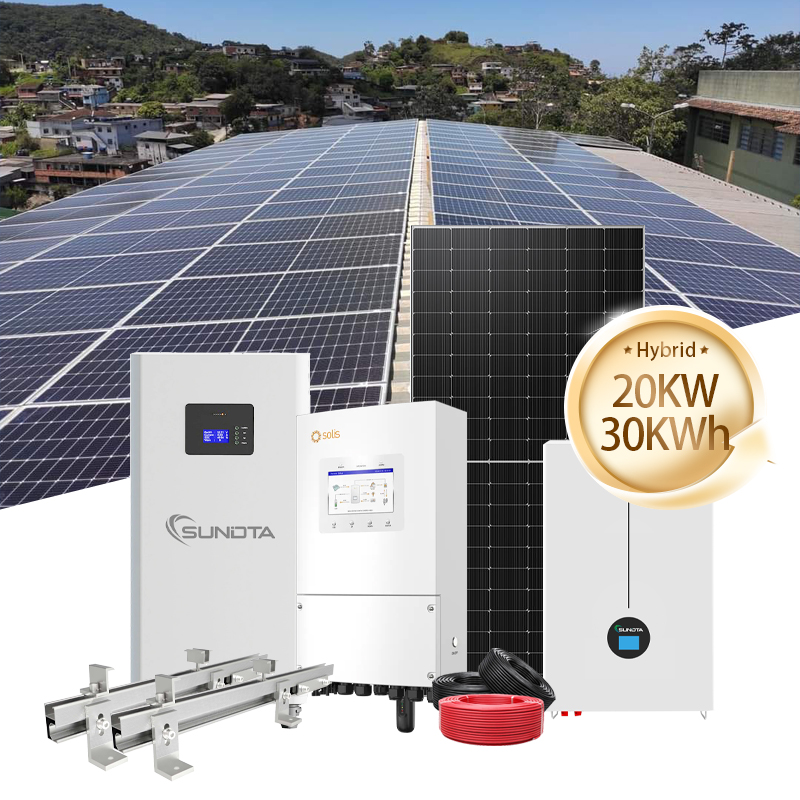
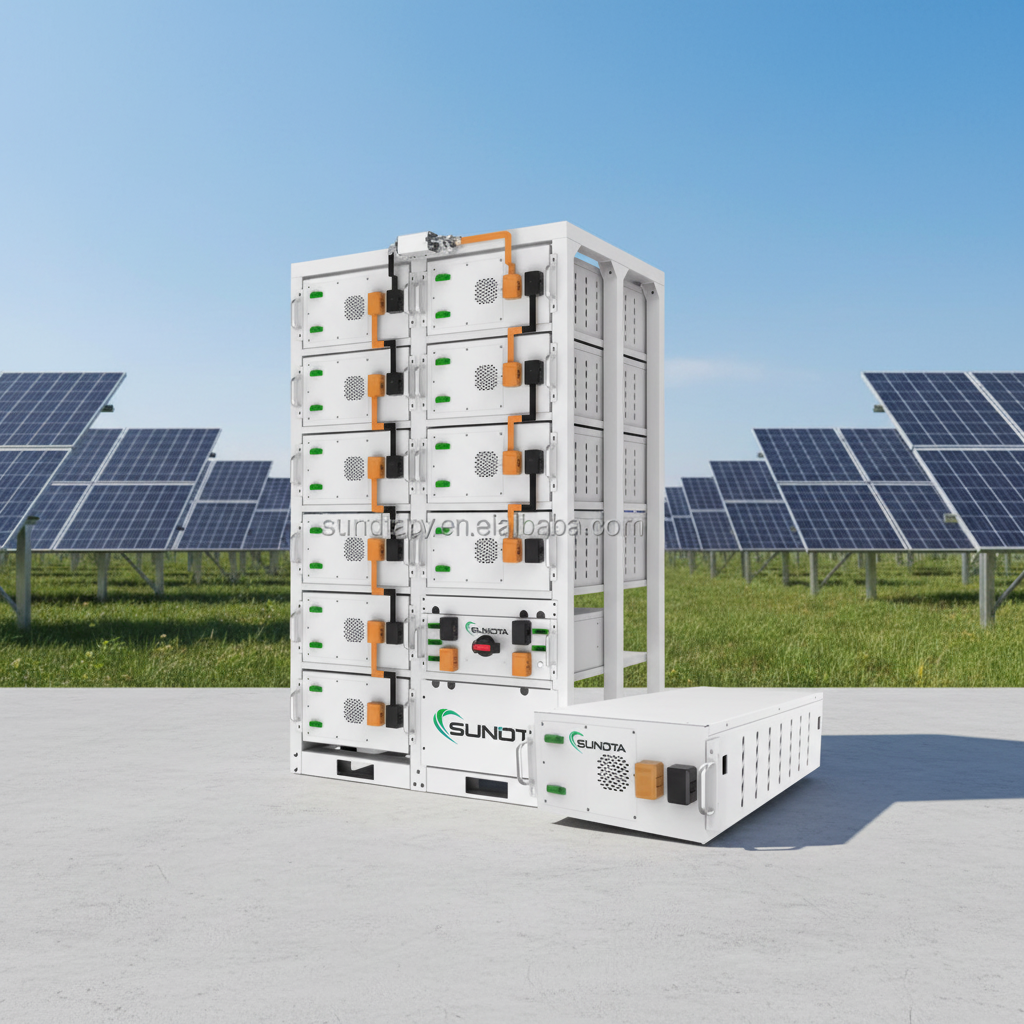
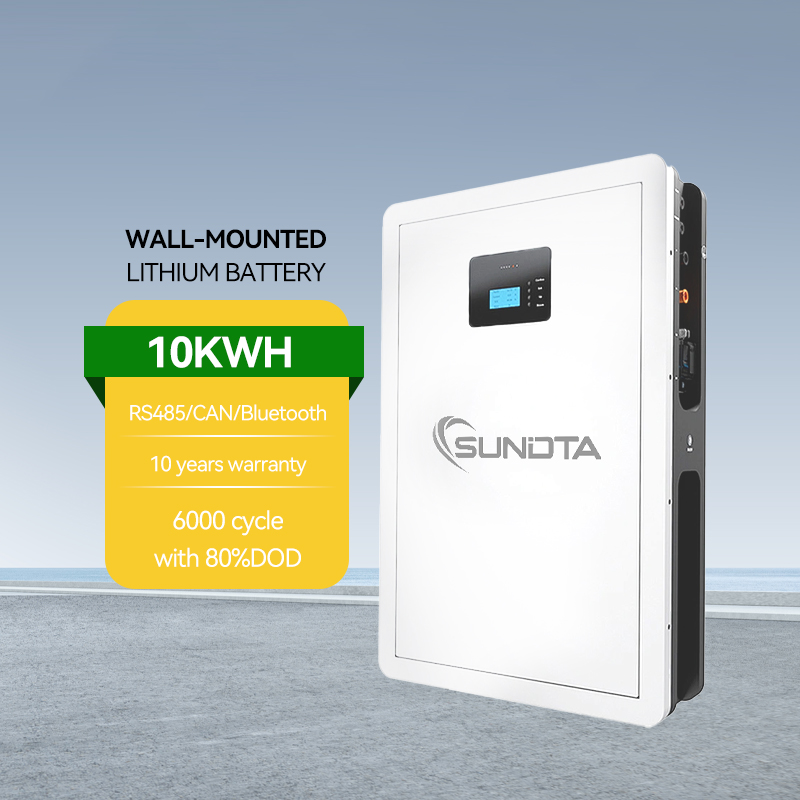
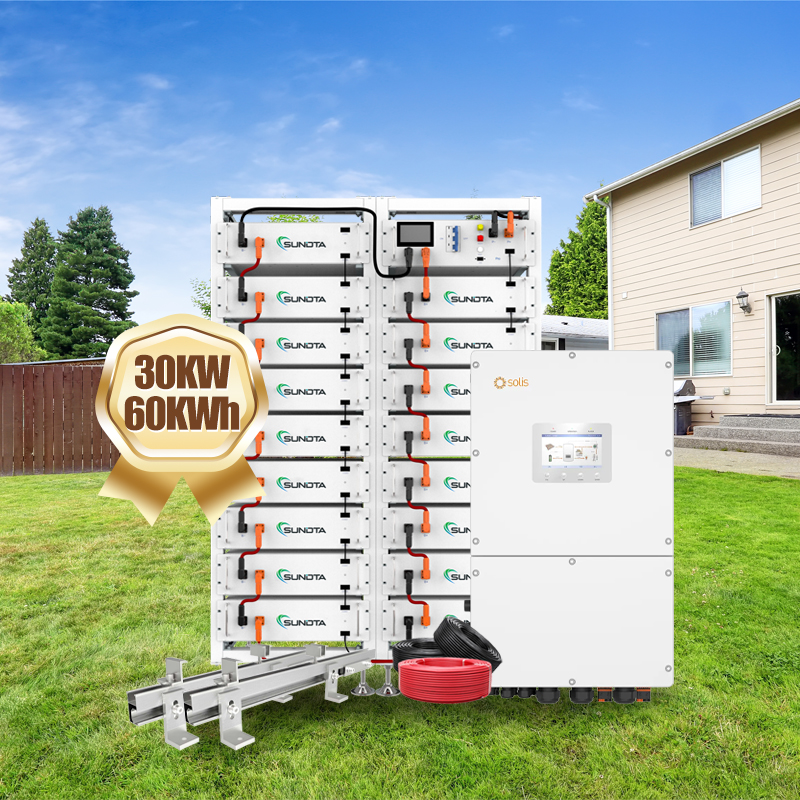
Engineering Excellence in Single Phase Inverter Manufacturing
The single-phase solar inverter remains the foundational cornerstone of residential decentralized power worldwide. While three-phase networks dominate industrial topologies and select European utility grids, the overwhelming majority of global residential structures—spanning North America (split-phase 120V/240V), Latin America, Southeast Asia, Australia, and key segments of the UK and Southern Europe—depend natively on single-phase alternating current distribution. Sourcing directly from an established China single phase inverter factory and supplier allows global original equipment manufacturers (OEMs), engineering procurement construction (EPC) firms, and solar distributors to capture exceptional balance-of-system (BOS) economics without sacrificing grid-edge reliability.
Modern single-phase inverters manufactured by Anhui RJV New Energy Co., Ltd. have evolved significantly past basic direct current (DC) to alternating current (AC) scalar conversion. Today's architectures feature advanced high-frequency transformerless topologies, wide Maximum Power Point Tracking (MPPT) voltage windows, integrated battery charge controllers with bidirectional silicon carbide (SiC) power switches, and edge-computing microprocessors capable of real-time Total Harmonic Distortion (THD) attenuation under 2%. As high-power photovoltaic (PV) modules built on 182mm and 210mm wafer standards (such as N-Type TOPCon and Heterojunction HJT) reach continuous short-circuit currents exceeding 15A to 18A, inverter frontend design must evolve concurrently to handle substantial DC input currents without thermal throttling.
"Inverter hardware reliability is not merely governed by rated nameplate output; it is defined by junction temperature stability, DC-bus electrolytic capacitor longevity, and low-voltage ride-through (LVRT) compliance across unstable distribution feeders."
Topology Architecture: Transformerless Design vs. Hybrid Battery Coupling
Single-phase inverters generally bifurcate into two structural topologies: grid-tied string inverters and multi-port hybrid storage inverters. Modern transformerless grid-tied topologies deploy a boosted H-bridge (such as HERIC or H5 topologies) to decouple the reactive power circulating between the filter inductors and parasitic capacitance of the PV array. This eliminates common-mode leakage currents, driving peak conversion efficiencies up to 98.4% while maintaining strict galvanic isolation compliance according to IEC 62109-1/-2 standards.
Conversely, our single-phase hybrid inverters (ranging from 3kW to 16kW) integrate a bidirectional buck-boost DC-DC converter coupled to low-voltage (48V/51.2V nominal) or high-voltage (150V-450V nominal) lithium iron phosphate (LiFePO4) battery banks. These units integrate high-speed solid-state automatic transfer switches (ATS) capable of islanding critical domestic loads in under 4 milliseconds upon utility grid loss. This UPS-class switching threshold guarantees uninterrupted uptime for sensitive computational hardware, refrigeration compressors, and medical life-support systems.
High DC Input Tolerance
Engineered with dual independent MPPT trackers supporting up to 16A–20A continuous input current, natively matching high-power N-Type TOPCon and bifacial 550W–700W modules without clipping.
AFCI 3.0 & Rapid Shutdown
Integrated Deep-Learning AI-driven Arc Fault Circuit Interruption (AFCI) detects and extinguishes serial arcs within 0.5 seconds up to 200 meters, exceeding stringent UL 1699B safety standards.
Closed-Loop BMS Integration
Native RS485 and CANbus protocols pre-programmed for seamless handshake with leading LiFePO4 batteries, including Deye, Solis, Pylontech, and RJV modular energy storage blocks.
Comprehensive Single-Phase Product Recommendation Matrix
Procurement directors must balance cost per watt with specific regional residential demands. Below is the sizing and recommendation framework used by Anhui RJV New Energy application engineers when architecting single-phase PV and ESS systems for global B2B buyers:
| System Capacity | Recommended Topology | Max DC Input (V/A) | Battery Integration | Primary Target Applications |
|---|---|---|---|---|
| 3.0kW – 3.6kW | Single-Phase 1-MPPT / 2-MPPT String | 550V / 16A per string | AC-Coupled Optional | Urban compact residential, social housing developments, small villas. |
| 5.0kW – 6.0kW | Low-Voltage Hybrid Inverter (48V) | 550V / 18A per string | Native 48V/51.2V LiFePO4 (CAN) | Standard domestic backup, net-metering self-consumption, rural microgrids. |
| 8.0kW – 10.0kW | High-Power Dual MPPT Split-Phase | 600V / 20A per string | 48V or HV Battery Cluster | North American 120V/240V residential, estates with high HVAC induction loads. |
| 12.0kW – 16.0kW | Multi-MPPT High-Yield Hybrid | 800V / 26A per tracker | High-Voltage Stack (160V-600V) | Light commercial workshops, agricultural pumping, luxury multi-zone residences. |
For installations requiring continuous heavy inductive surges—such as deep-well water pumps, whole-home heat pumps, and electric vehicle (EV) charging stations—we advise utilizing units equipped with a 200% surge overload capacity for 10 seconds. This avoids the necessity of oversized inverter selection merely to clear motor starting inrush currents.
Global Procurement Trends for Single Phase Inverters (2025–2030)
Sourcing strategies within the solar inverter ecosystem are transitioning from simple transactional spot purchasing to deep strategic supply chain integration. International EPCs and wholesale distributors face fluctuating freight tariffs, stringent localized grid interconnection codes, and aggressive carbon-neutrality mandates. Through our field analytics and global B2B partnerships across North America, Europe, Africa, and the APAC region, RJV has identified four dominant procurement shifts:
1. The Hegemony of Hybrid Over Pure Grid-Tied Inverters: The progressive sunsetting of feed-in tariffs (FiT) across Europe, Australia, and parts of the United States has drastically shifted the Levelized Cost of Electricity (LCOE) calculus. Grid-export compensation rates have dropped significantly below retail grid purchase tariffs. Consequently, procurement orders for single-phase inverters have shifted dramatically toward storage-ready hybrid platforms. Importers now procure "hybrid-ready" inverters even if batteries are omitted during initial installation, preserving client optionality for future storage expansion.
2. Consolidation of the Combined PV + Inverter + Storage Bill of Materials (BOM): Historically, solar panels, string inverters, and lithium battery modules were procured via distinct vendors across disparate provinces. This fragmented approach introduced high warranty friction, communication protocol mismatches between inverter firmware and third-party Battery Management Systems (BMS), and elevated logistics customs costs. Forward-thinking procurement officers now favor comprehensive supply partners—such as Anhui RJV New Energy—capable of consolidating tier-1 bifacial panels, matched hybrid inverters, and certified LiFePO4 battery stacks into single containerized shipments with unified warranty documentation.
3. Deep Regional Grid-Code Compliance Requirements: Grid operators enforce increasingly complex interconnection standards to preserve network frequency stability. Procurement teams must ensure Chinese inverter suppliers maintain authentic, verifiable testing certifications for specific jurisdictions, such as IEEE 1547-2018 and UL 1741 SB for the United States (California Rule 21 compliant), AS/NZS 4777.2:2020 for Australia, EN 50549-1 for the European Union, and G98/G99 for the United Kingdom. Failure to verify these certificates at factory pre-shipment leads to customs seizures or complete rejection of utility interconnection permits.
4. Demand for Dynamic Zero-Export & Time-of-Use (TOU) Smart Metering: In grid-constrained regions, network service providers mandate rigid export limitation schemes to prevent neighborhood transformer saturation. Procurement of single-phase inverters is now dominated by models featuring embedded CT (Current Transformer) sensor integration or direct RS485 Modbus meter communication, facilitating millisecond-level dynamic export curtailment and peak-valley tariff arbitrage.
Technological Evolution: Silicon Carbide, Edge AI, and Microgrids
The technological horizon of single-phase power conversion is being radically redefined by wide bandgap semiconductors. Traditional silicon IGBT switches are systematically being superseded by Silicon Carbide (SiC) MOSFETs. SiC devices allow switching frequencies to exceed 50kHz—up from the historical 16kHz to 20kHz limitations of conventional silicon. This elevation in switching frequency dramatically diminishes the physical core volume of internal passive magnetic components (boost inductors and output filter chokes), enabling lighter, more compact inverter enclosures with field power densities exceeding 1.2 kW/kg.
Simultaneously, thermal dissipation design has transitioned from failure-prone forced-air fan cooling to sophisticated die-cast aluminum passive heat sinks with multi-channel chimney airflow. By eliminating external mechanical cooling fans in single-phase residential units up to 10kW, internal MTBF (Mean Time Between Failures) increases substantially, while audible acoustic operational noise drops below 25 decibels—a critical non-negotiable metric for indoor residential and garage installations.
On the software and telematics front, single-phase inverters are serving as edge computing gateways for smart home energy management (HEMS). Factory firmware integrates machine learning algorithms that track diurnal household load profiles alongside weather satellite telemetry. The system autonomously determines when to charge the battery from solar, when to draw low-cost off-peak power from the grid, and when to feed back to the home to offset peak tariffs. Furthermore, integrated Virtual Power Plant (VPP) capability allows aggregators to dynamically dispatch distributed single-phase fleets to provide frequency regulation reserves to regional transmission grids.
Why Tier-1 Solar Buyers Partner with Anhui RJV New Energy
Based in Hefei's world-class National High-Tech Industrial Development Zone, we fuse high-volume automated manufacturing with rigorous German-standard quality assurance.
2GW Automated Manufacturing
State-of-the-art SMT assembly lines, automated optical inspection (AOI), and dual-chamber high-temperature burn-in test vaults ensure zero-defect shipment integrity.
TÜV Rheinland Verified
Our complete factory facilities, operational procedures, and financial reserves have passed strict on-site verification audits by TÜV Rheinland with an AAA corporate credit rating.
One-Stop System Compatibility
Every single-phase inverter is pre-matched and validated with our N-Type TOPCon panels and 51.2V LiFePO4 batteries, eliminating field protocol handshake failures.
Global Logistics & EU Warehousing
Strategically maintained buffer inventory located in regional European hubs allows rapid dispatch for urgent projects, backed by global sea-freight logistics mastery.
Frequently Asked Questions: Single Phase Inverter Sourcing
Clear, technically rigorous answers to the critical commercial and operational questions evaluated by procurement engineers and international importers.
What is the typical Minimum Order Quantity (MOQ) for single-phase inverters and mixed system orders?
+How does the factory manage BMS protocol handshake between single-phase hybrid inverters and third-party lithium batteries?
+What certifications and grid compliance reports accompany single-phase inverter shipments?
+Can your single-phase hybrid inverters operate in parallel for capacity expansion?
+What warranty coverage and after-sales engineering mechanisms are provided?
+What international trade Incoterms and payment instruments do you accommodate?
+Ready to Accelerate Your Solar Inverter Procurement?
Connect directly with our Hefei applications engineering team. We supply verified datasheets, comprehensive engineering drawings, and binding factory quotations within 24 business hours.