Top Trusted All Black Panels Manufacturers & Supplier
Industrial-Grade N-Type TOPCon Aesthetic PV Modules, Hybrid Inverter Synchronization, and LiFePO4 Energy Storage Infrastructure for Global EPCs & Distributors.
Engineered for seamless string matching, protocol-level CAN bus handshakes, and premium residential curb appeal. Discover factory-direct modules, high-yield hybrid inverters, and scalable LiFePO4 battery banks.
Why Global EPCs & Distributors Partner with RJV New Energy
Operating from our flagship high-tech industrial base in Hefei, Anhui, we eliminate the operational risks and systemic incompatibilities of fragmented photovoltaic supply chains through rigorous manufacturing control.
2 GW Automated Fabrication
Our Hefei manufacturing facility features high-precision stringer soldering, multi-stage Automated Optical Inspection (AOI), and dual-chamber lamination ensuring void-free cell encapsulation.
TÜV Rheinland Audited
Verified on-site by TÜV Rheinland. Full compliance with IEC 61215, IEC 61730, CE, and UN38.3 transport standards protects your imports against port authority rejections.
Harmonized System BOM
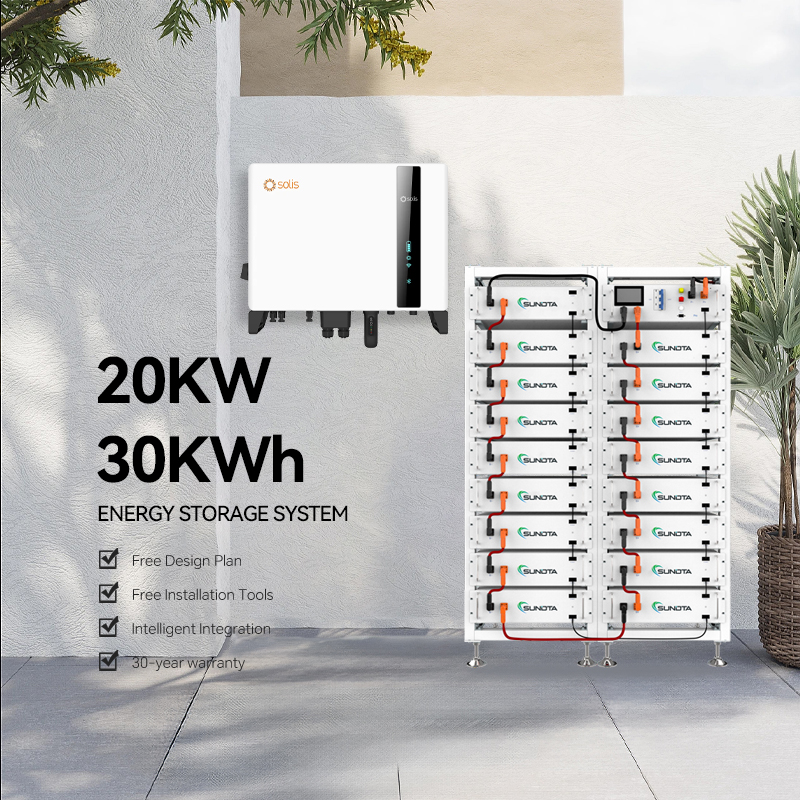
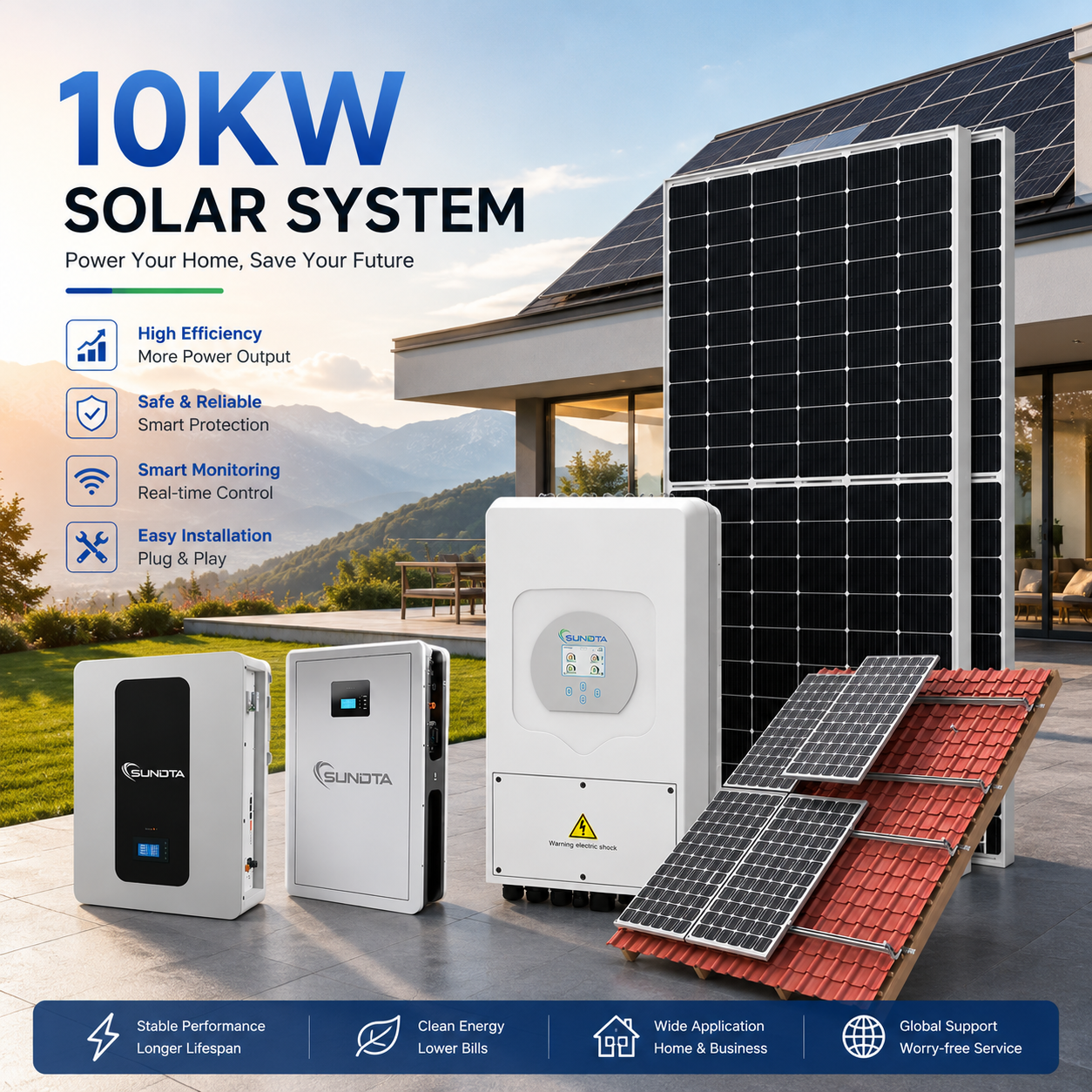
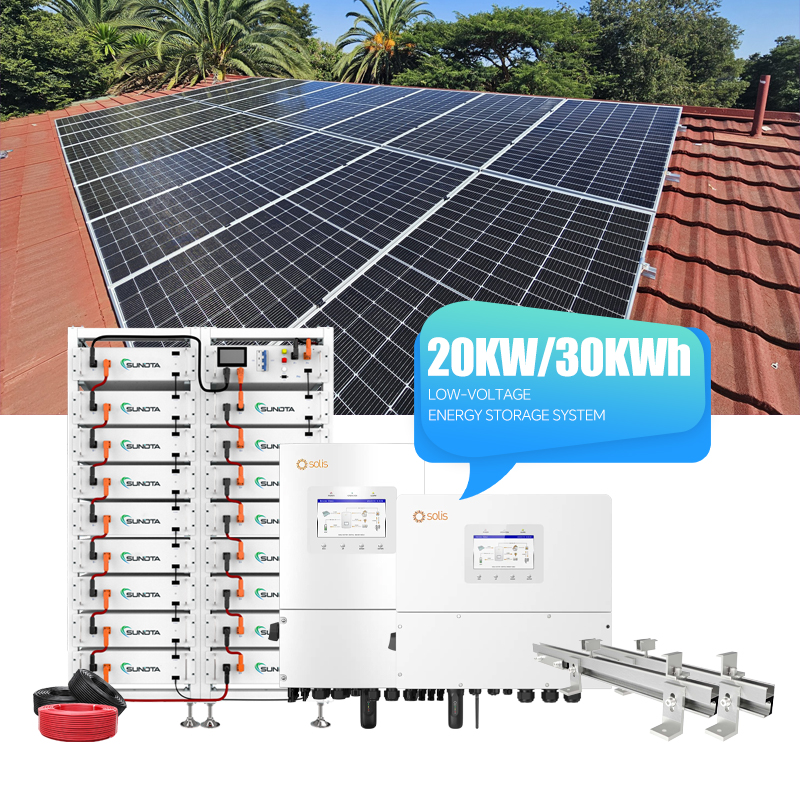
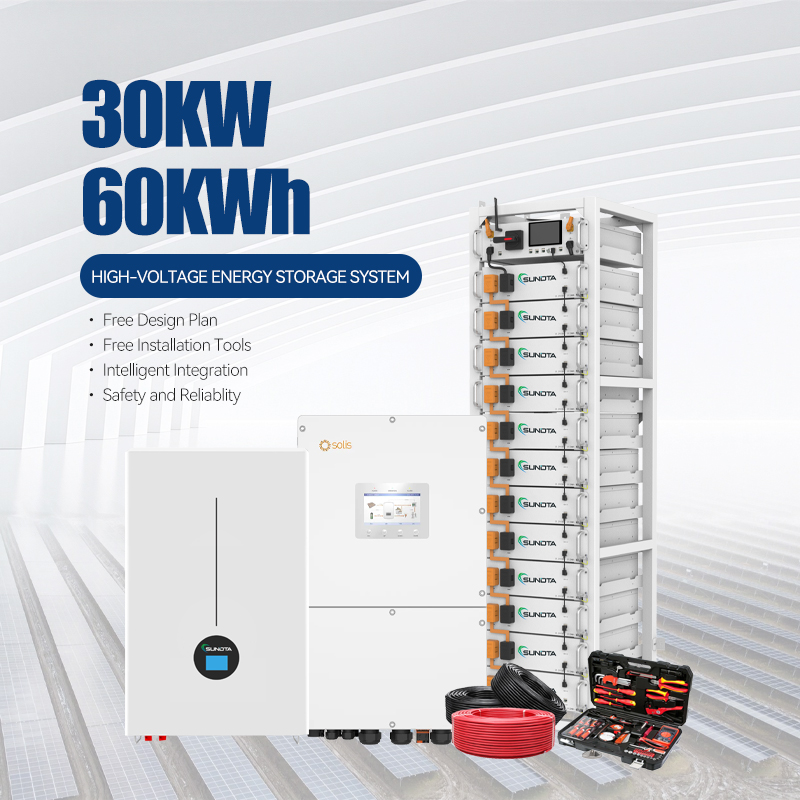
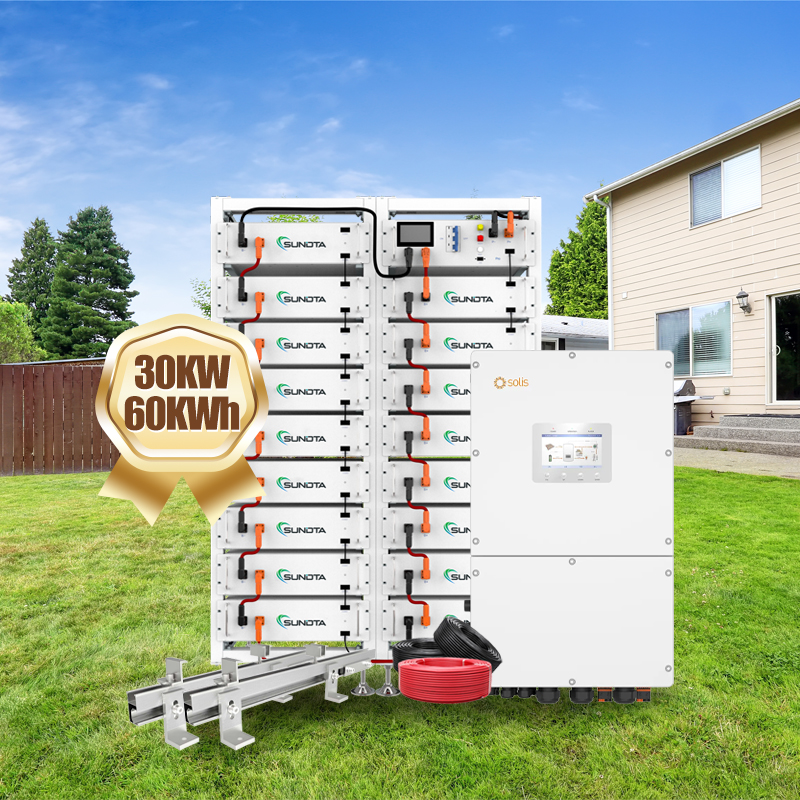
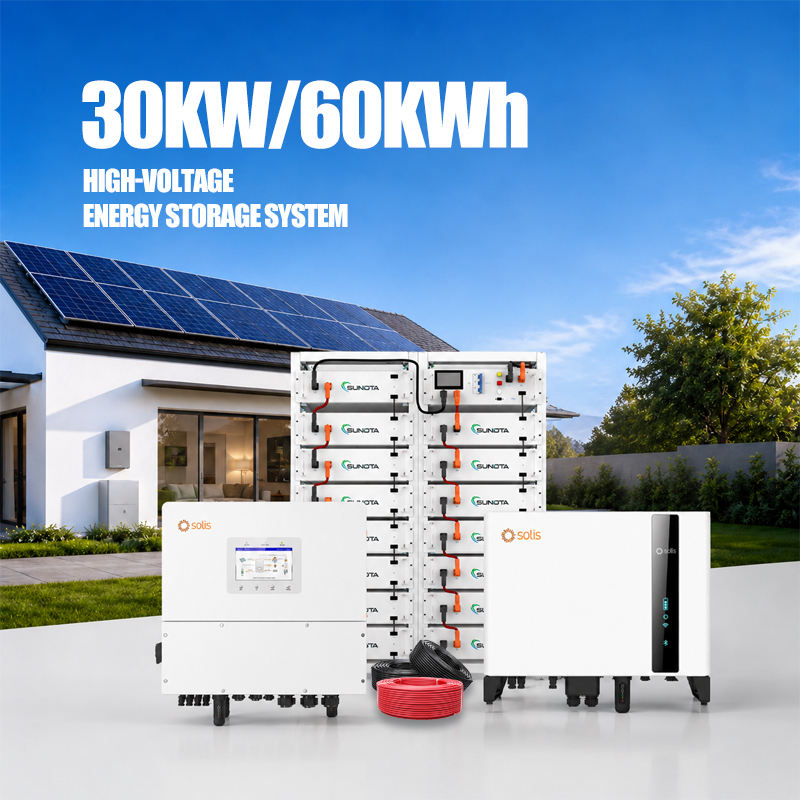
We engineer the entire photovoltaic chain together: all-black panels, Solis/Deye hybrid inverters, and LiFePO4 batteries undergo factory pre-commissioning for protocol-perfect synchronization.
Overseas Warehousing
Strategically positioned distribution hubs in Germany and regional logistics centers facilitate short delivery lead times, rapid pallet replacements, and flexible mixed-container container loading.
Technical Whitepaper: Engineering Trends in All Black PV Technology
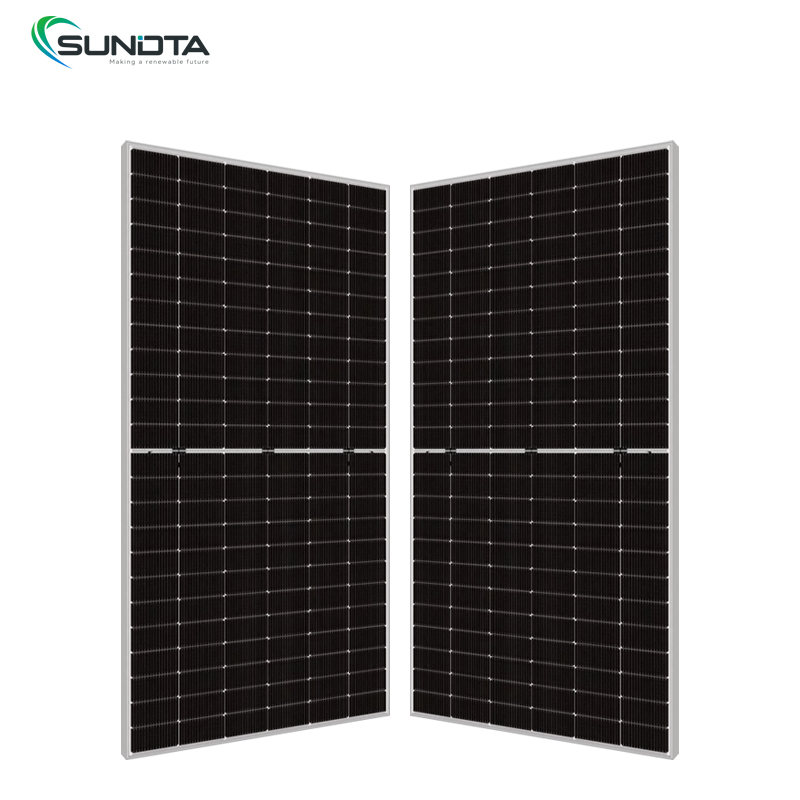
The commercial solar landscape has undergone an irreversible shift toward high-density aesthetics. In premium residential regions throughout Western Europe, Northern Europe, and North America, standard blue polycrystalline and white-backsheet monocrystalline modules have been almost entirely superseded by All Black Monocrystalline Solar Panels. While early iterations achieved uniform dark finishes at the expense of solar absorption and thermal dissipation, state-of-the-art N-Type TOPCon (Tunnel Oxide Passivated Contact) cell architectures have eliminated the historical efficiency penalty.
1. Advanced Light Trapping via Sub-Surface Passivation
The major hurdle with conventional P-Type PERC all-black modules was thermal accumulation: black backsheets and blackened EVA encapsulants absorb higher quantities of infrared radiation, leading to an operating temperature elevate of 3°C to 5°C. In conventional cells with temperature coefficients of -0.38%/°C, this caused an unacceptable derating. Modern all-black solar panel manufacturers deploy N-Type TOPCon multi-busbar (MBB) cells featuring an ultra-thin silicon oxide tunneling layer paired with doped polycrystalline silicon. This advances the temperature coefficient to a remarkable -0.30%/°C, significantly minimizing thermal degradation while delivering stunning pitch-black roof aesthetics.
Micro-Gap Interconnection
Eliminating inter-cell gaps via round ribbon welding and flexible pavings boosts the active aperture area, reducing parasitic busbar reflection to yield a homogenous appearance.
Zero LID / LeTID Degradation
N-type substrates feature zero boron-oxygen defect complexes, preventing initial Light Induced Degradation and ensuring over 87.4% linear power output retention across 30 years.
Black Mesh & Low-Reflective Glass
Anti-reflective nanocoated front glass tuned to 380–1100 nm combined with high-barrier UV-blocking black backsheets prevents white border bleed or grid pattern visibility.
2. System-Level Synchronization: The Inverter-Battery Nexus
Procuring all-black solar modules in isolation introduces downstream engineering bottlenecks. As distributed PV matures into self-consumption and microgrid architectures, the interaction between string voltages, maximum power point trackers (MPPT), and lithium battery charge rates dictates system Levelized Cost of Energy (LCOE). RJV New Energy addresses this through synchronized supply chains. When sourcing all-black modules alongside hybrid inverters (such as Deye 3-Phase or Solis S6) and LiFePO4 batteries, EPCs receive verified maximum open-circuit voltages (Voc) calibrated against low-temperature regional thresholds, preventing cold-weather inverter overvoltage lockouts.
Strategic B2B Sourcing Trends: The Next 3–5 Years
Wholesale buyers, project developers, and renewable energy distributors face an evolving regulatory and geopolitical procurement landscape. Based on market trade capacity and empirical logistics data, we identify three critical procurement vectors driving the global supply chain:
1. Shift from Discrete Component Sourcing to Containerized Turnkey BOM
EPC contractors are increasingly abandoning the practice of purchasing solar panels, inverters, mounting structures, and battery packs from disjointed manufacturers. Mismatched communication protocols (e.g., custom RS485 versus standard CANopen battery BMS communication) account for significant on-site labor overhead and warranty repudiation. Tier-1 suppliers who furnish pre-engineered balance-of-system (BOM) kits—including matching string fuses, DC isolators, smart current sensors, and factory-flashed inverter firmware—provide an insurmountable installation velocity advantage.
2. Stringent Traceability and Environmental Life Cycle Assessments (LCA)
European Carbon Border Adjustment Mechanism (CBAM) compliance and North American supply chain tracing mandates require end-to-end provenance verification. Buyers must demand documented raw material origins, from polysilicon quartz through to module junction box potting. RJV New Energy guarantees audited transparency, supplying full flash test data, electroluminescence (EL) inspection logs, and certificate of conformity dossiers alongside every bill of lading.
3. Decentralized Regional Buffering (EU & NA Local Hubs)
Ocean freight volatility has made just-in-time procurement untenable for commercial installation schedules. Forward-thinking procurement departments partner with Chinese manufacturers that maintain local European distribution infrastructure. Having access to bonded warehouse stock of 450W–480W All Black TOPCon modules and 51.2V LiFePO4 battery modules within Europe safeguards contractors against project liquidation damages caused by transoceanic shipping bottlenecks.
Expert Procurement Answers
Frequently Asked Questions for Importers, EPCs & Distributors
Objective technical and contractual answers designed to clarify high-volume import complexities and technical compatibility hurdles.
Do All Black panels run hotter and produce less power than silver-frame panels?
While dark surfaces absorb more heat, modern N-type TOPCon all-black panels feature a market-leading temperature coefficient of -0.30%/°C (compared to -0.38%/°C in older P-type modules). This superior thermal resilience drastically limits heat-induced power attenuation. When coupled with higher initial cell conversion efficiency (>22.5%), high-grade all-black modules deliver equivalent or superior net lifetime kilowatt-hour yields.
What is the standard Minimum Order Quantity (MOQ) for custom container orders?
For standalone solar modules, the standard wholesale minimum order is one full pallet (typically 36 to 37 pieces, equivalent to 16 kW–17.5 kW). Complete turnkey hybrid systems (including inverter and storage batteries) can be ordered starting from 1 complete set for sample qualification. Full 40ft High Cube (HQ) container volumes offer the lowest shipping cost per watt.
How does RJV guarantee BMS-to-inverter communication integrity?
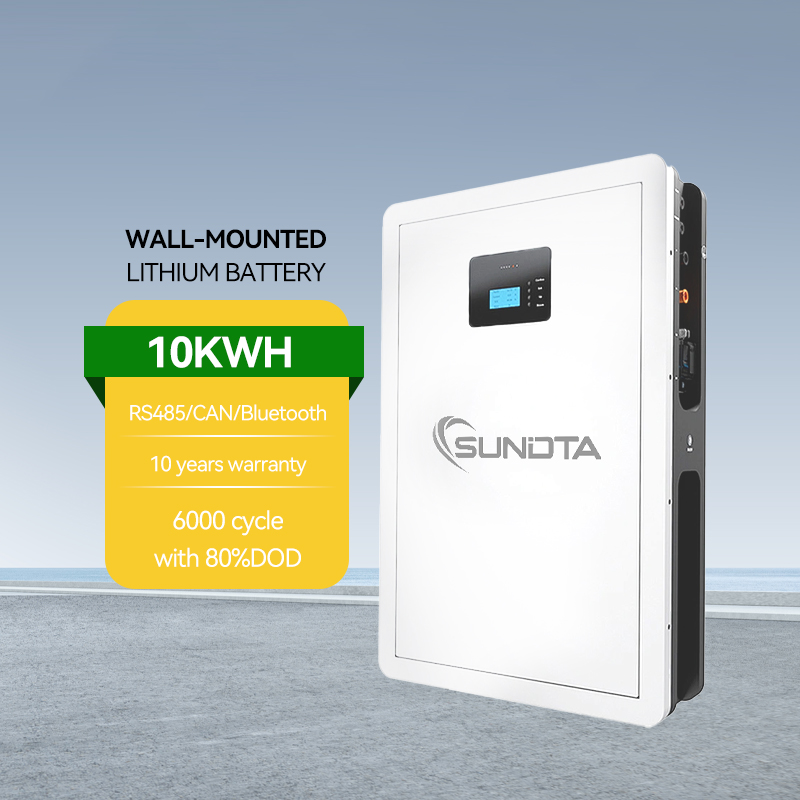
Our 51.2V and High-Voltage LiFePO4 battery management systems are pre-programmed with dual CAN and RS485 firmware protocols compatible with industry leaders including Deye, Solis, Victron, and Growatt. We provide pre-shipment bench-testing logs verifying real-time State of Charge (SOC) synchronization, automatic shut-off triggers, and temperature balancing.
What international test certificates are supplied for customs clearance?
Every shipment is accompanied by complete commercial dossiers: TÜV Rheinland factory audit reports, CE Declarations of Conformity, IEC 61215/61730 test reports, UN38.3 lithium battery transportation certificates, MSDS files, and individual flash test performance reports documenting flash-tester serial numbers and wattage ratings.
What Incoterms and international payment terms are supported?
We support standard B2B terms including FOB (Shanghai/Ningbo/Shenzhen), CIF, CFR, and EXW Hefei. Payment terms include Telegraphic Transfer (T/T), Letter of Credit (L/C at sight), and Trade Assurance options. For established long-term distributor agreements, milestone financing structures are available upon credit assessment.
Can you provide custom branding, OEM backsheets, and customized packaging?
Yes. We provide complete OEM/ODM engineering services: customized black anodized frame profiles, laser-etched distributor branding, client-specific junction box connector lengths (MC4 compatible), tailored barcode formatting, and drop-ship reinforced packaging engineered for container-to-roof logistics.
Accelerate Your Solar Supply Chain with RJV New Energy
Whether you need volume pricing on full-black N-Type TOPCon panels, integrated Deye/Solis hybrid inverters, or custom LiFePO4 battery storage walls, our Hefei engineering team provides matched quotations and complete technical datasheets within 24 hours.