High-Reliability Marine Solar & Energy Storage Configurations
Deploying photovoltaic systems and electrochemical storage in marine environments demands rigorous compliance with IEC 61701 (Salt Mist Corrosion Class 6), IP65/IP67 hermetic sealing, and intelligent CAN/RS485 closed-loop inverter communications. Below are the 8 primary engineering-grade systems engineered for harsh marine and coastal deployments.
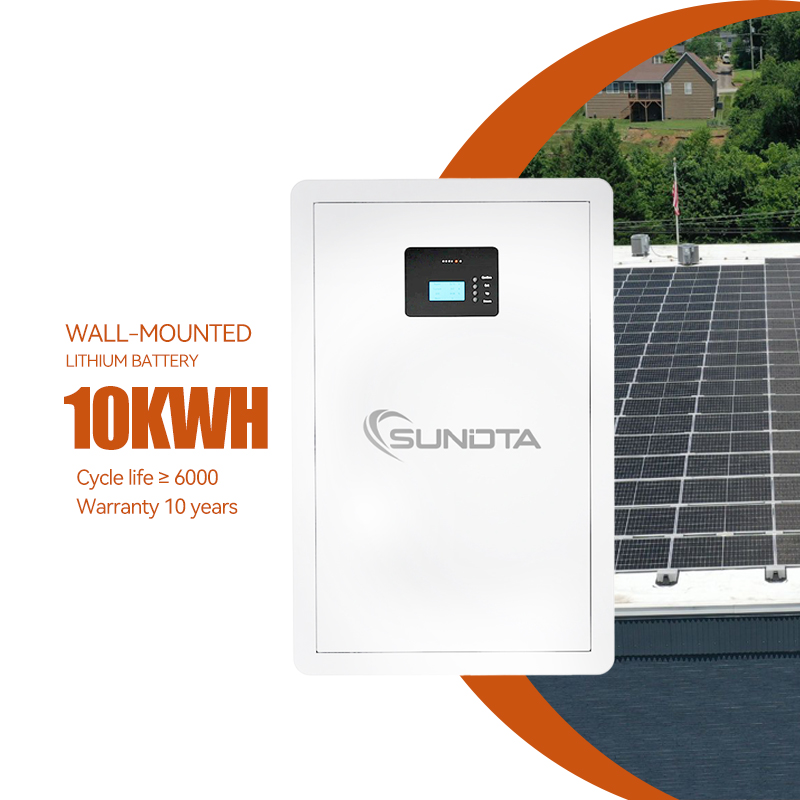
- 51.2V Nominal / 200Ah Prismatic Grade-A LFP
- IP65 salt-spray resistant enclosure
- Multi-protocol CAN/RS485 marine BMS
- 6,000+ deep cycles at 80% DoD
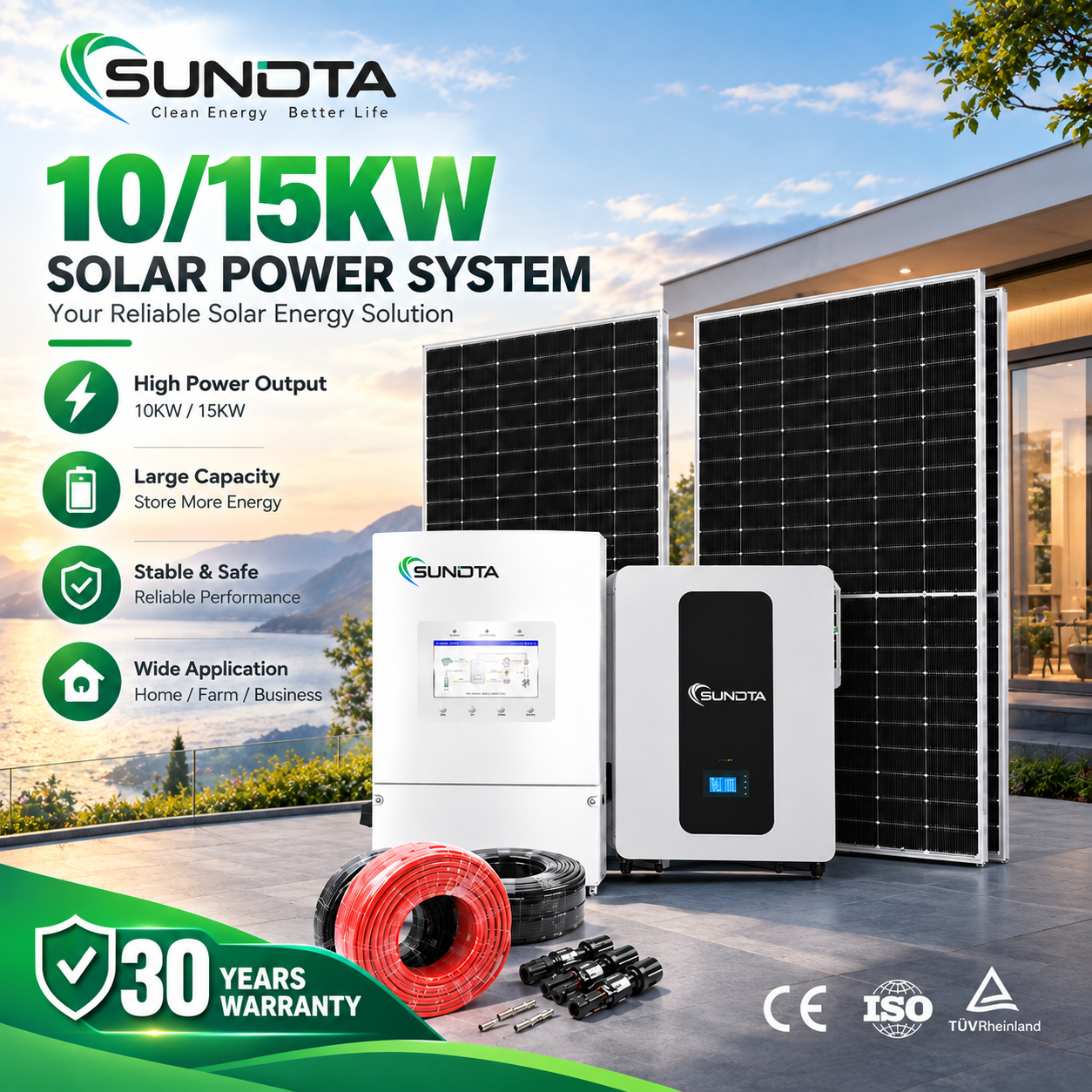
- 585W–595W High Yield N-Type bifacial cells
- Dual 2.0mm tempered glass with POE lamination
- Zero PID/LID risk, 80% bifaciality factor
- IEC 61701 Class 6 anti-saline certification
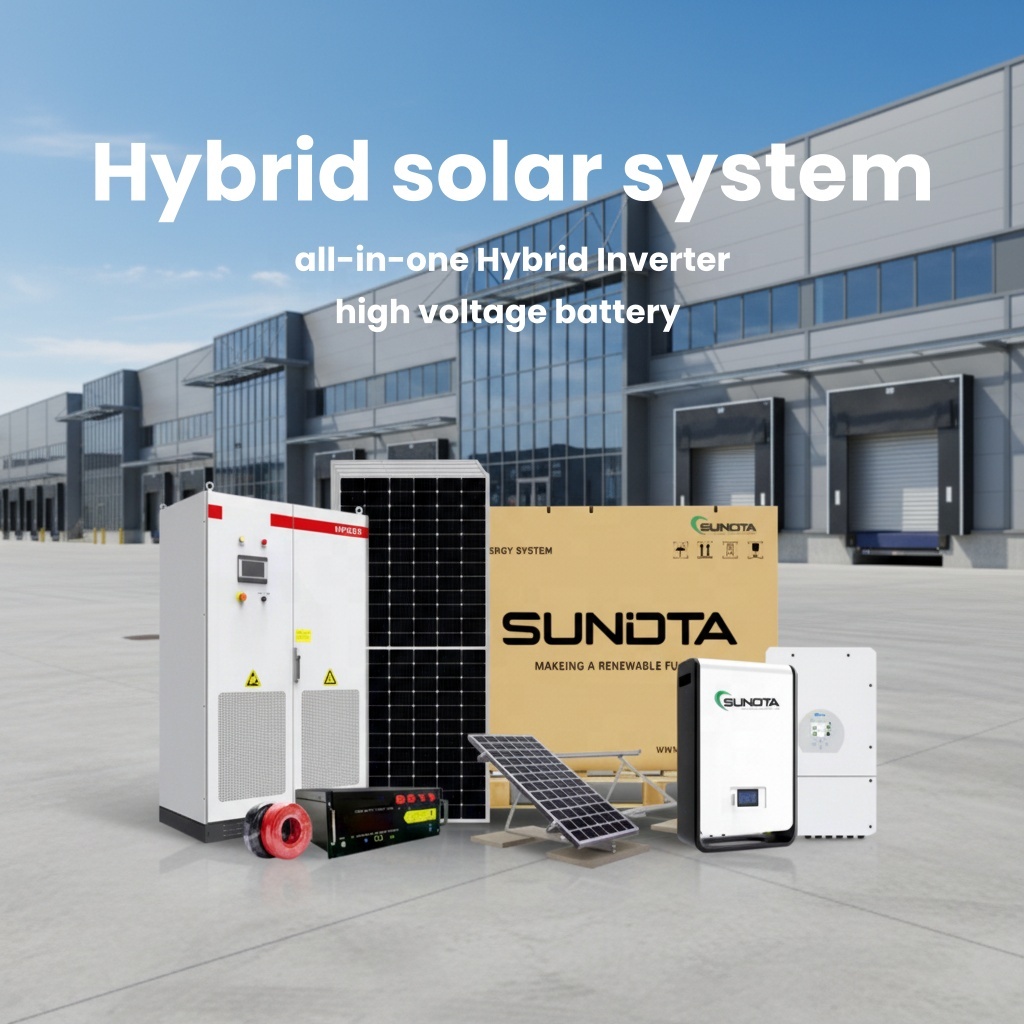
- 100kW to 500kW modular energy storage
- Anti-corrosion C5 rated outdoor cabinet
- Integrated liquid/air cooling thermal control
- Automated fire suppression & EMS integration
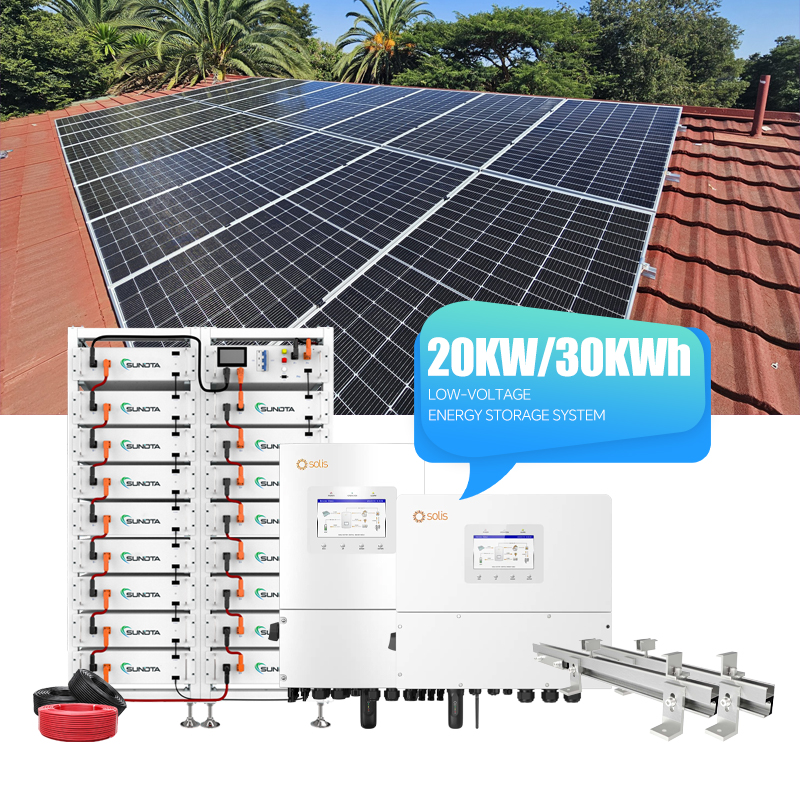
- Matched inverter, PV strings & battery bank
- Three-phase balanced marine load capacity
- Marine-grade MC4 connectors & cabling
- Plug-and-play microgrid synchronizer
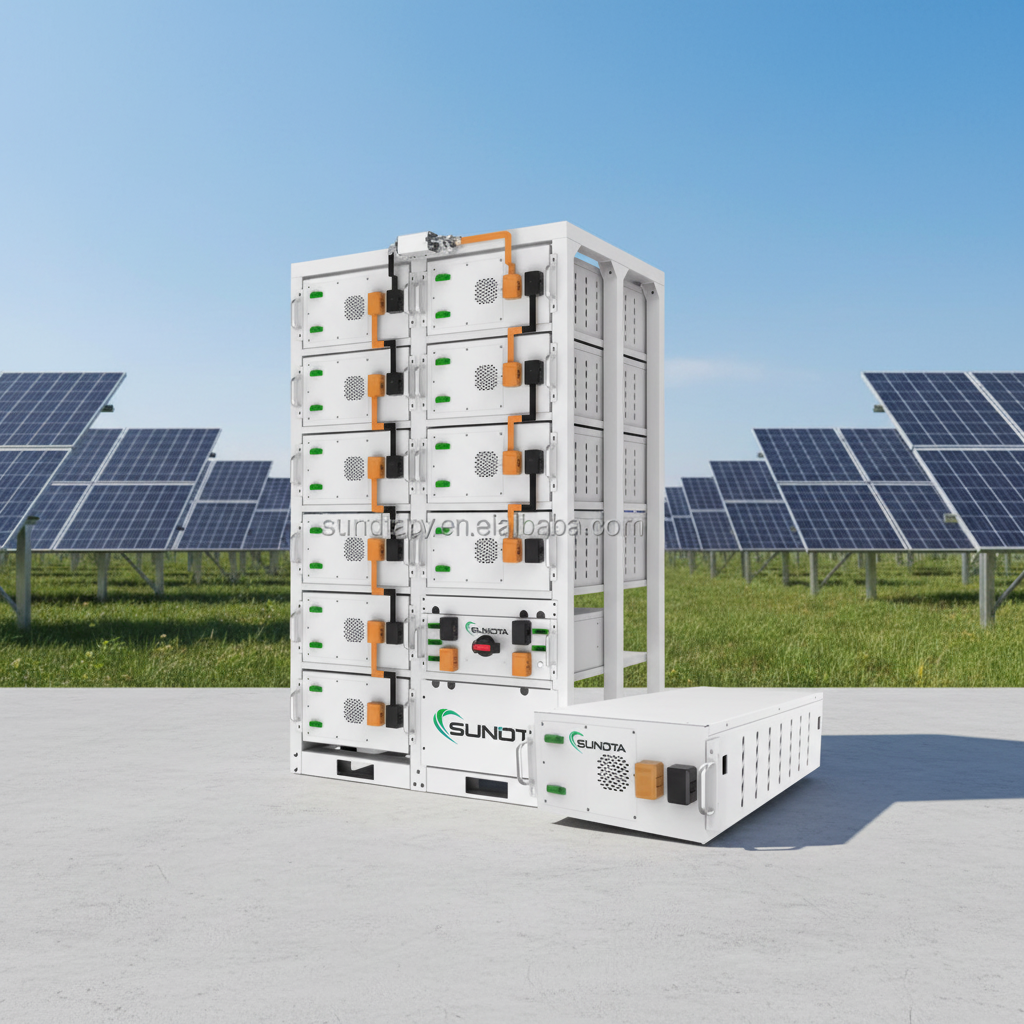
- High-voltage stack (200V–800V DC)
- Minimized I2R thermal transmission losses
- Intelligent air cooling for confined vessel spaces
- Seamless pairing with Solis/Deye HV units
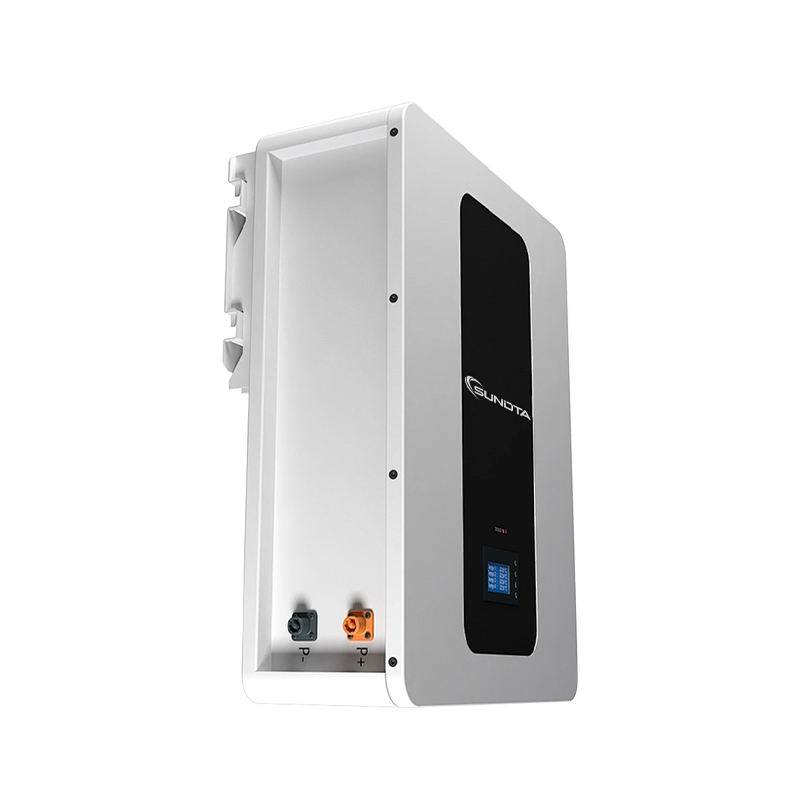
- 51.2V 100Ah ultra-slim footprint
- IP65 ingress protection for engine rooms/hulls
- Integrated digital status and telemetry display
- Scalable up to 15 parallel modules (75kWh)
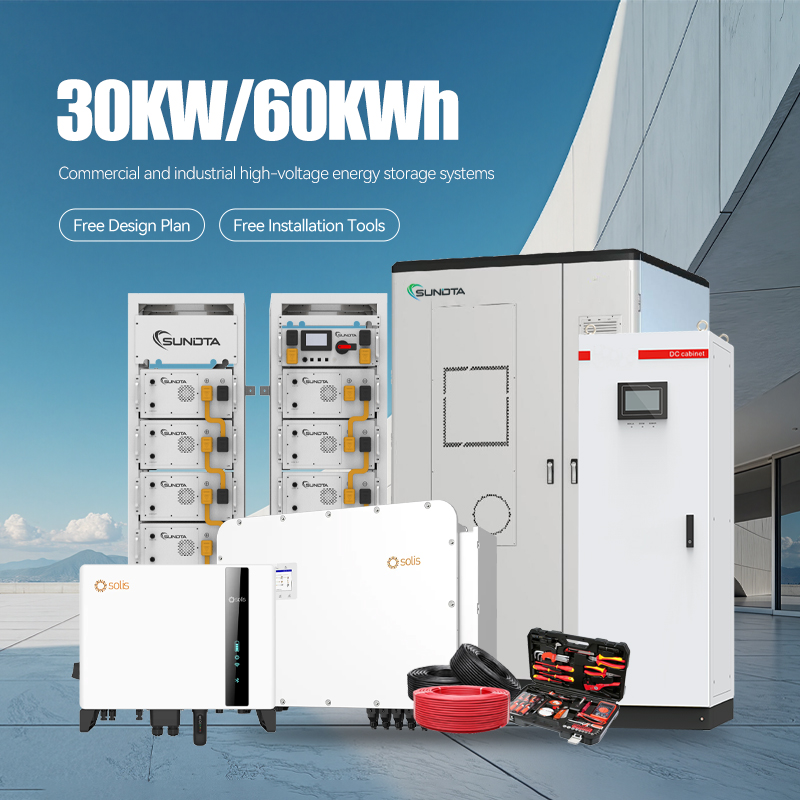
- Next-gen 314Ah high-energy density cells
- 30kWh gross storage in a single footprint
- Dynamic active cell balancing architecture
- Heavy-duty anti-shock mounting brackets
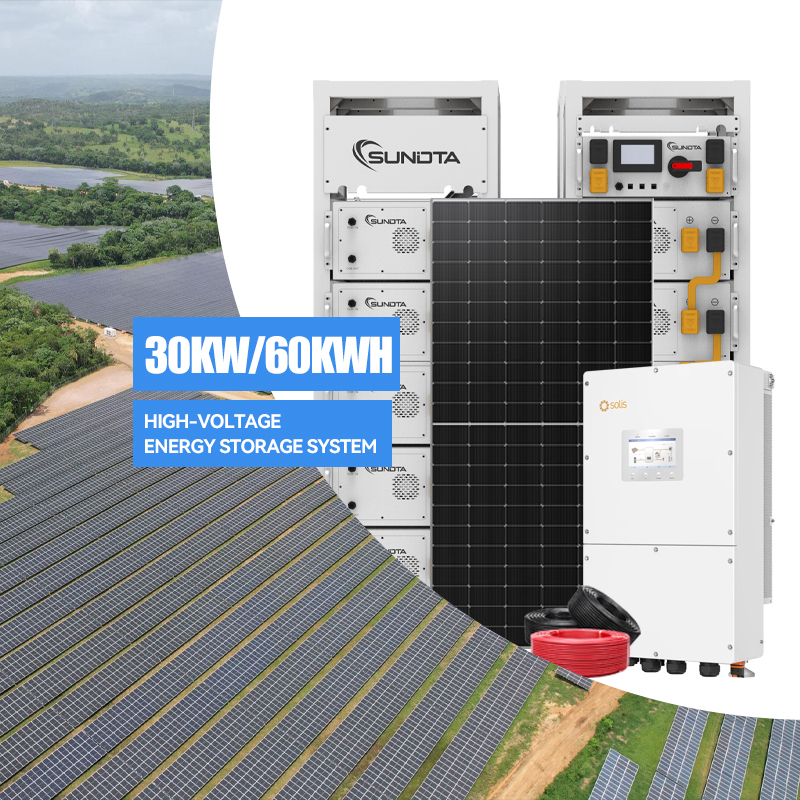
- 20kW–40kW heavy hybrid inverter core
- Dual MPPT trackers for asymmetric yacht roofs
- Full EU CE, grid code & safety compliant
- Integrated shore-power switching contactor
What Truly Defines a "Marine-Grade" Photovoltaic & Storage Solution?
Standard terrestrial solar modules rapidly degrade within maritime and coastal microclimates. Exposure to constant salt-fog aerosol, sodium chloride crystallization, aggressive galvanic oxidation, and multi-axis vibrational stresses require specialized material science and precision manufacturing tolerances.
IEC 61701 Class 6 Salt Mist Immunity
Offshore modules undergo cyclic salt-spray tests involving 56 days of alternating atomized brine exposure and 40°C accelerated humidity chambers. This ensures anodized aluminum passivation layers (minimum 15–20µm) prevent pit corrosion and electrochemical frame detachment.
POE Encapsulant vs Standard EVA
Standard Ethylene Vinyl Acetate (EVA) breaks down under marine moisture and thermal stress, releasing acetic acid that attacks cell silver busbars. Marine modules must integrate cross-linked Polyolefin Elastomer (POE), offering 100x lower water vapor transmission rates (WVTR).
IP68 Multi-Diode Sealed Junction Boxes
Water intrusion into junction terminals is the leading cause of marine array fires. Marine-grade modules feature solid silicone-potted IP68 junction boxes with bypass diodes tested against prolonged wave splashes and sub-surface immersion pressure.
Comparative Analysis: Standard Commercial vs Marine-Engineered PV Modules
| Engineering Dimension | Standard Commercial Module | Certified Marine-Grade Module (RJV Engineering) | Operational Impact at Sea |
|---|---|---|---|
| Encapsulant Formulation | Single/Double EVA (WVTR: ~30 g/m²/day) | Pure POE or Co-Extruded EPE (WVTR: <1.5 g/m²/day) | Eliminates internal acetic acid corrosion and snail-trail yellowing. |
| Frame & Metallurgy | Standard Anodized 6063 Aluminum (10-12µm) | Marine-Grade 6005-T6 Anodized >18µm + Electrophoretic Coat | Prevents galvanic degradation when in contact with stainless steel deck mounts. |
| Glass Construction | Single 3.2mm tempered glass + backsheet | Dual 2.0mm/2.0mm semi-tempered glass (Bifacial) | Zero water permeation through glass; superior mechanical resistance to wave slap. |
| Cell Interconnects | Conventional 9BB/10BB Ribbon Wire | Round Multi-Busbar (SMBB/16BB) with micro-gap spacing | Dampens micro-crack propagation caused by constant hull vibration and vessel rolling. |
| Corrosion Standard | IEC 61701 Severity 1 to 3 | IEC 61701 Severity 6 (Cyclic) + IEC 62716 (Ammonia) | Guaranteed 30-year operational life in littoral and open-ocean deployments. |
Why International Procurement Managers Partner with Anhui RJV New Energy
Headquartered in the high-tech renewable hub of Hefei, China, Anhui RJV New Energy Co., Ltd. bridges the gap between raw Tier-1 manufacturing capacity and turnkey marine-grade balance-of-system (BOS) engineering.
Tier-1 Matched BOM
We eliminate system compatibility bottlenecks by supplying factory-synchronized TOPCon panels, Deye/Solis marine-compatible inverters, and Sundta LiFePO4 battery banks in a unified consignment.
Closed-Loop BMS Protocols
Our Sundta 51.2V and High-Voltage LiFePO4 batteries feature pre-configured CAN and RS485 communication protocols, ensuring instant plug-and-play handshaking with Deye, Solis, and Victron energy management hubs.
TÜV Rheinland Audited
On-site production audits, CE declarations, UN38.3 transport testing for lithium batteries, and comprehensive factory flash reports accompany every pallet, safeguarding customs clearance and class society approvals.
Flexible Global Incoterms
Whether routing bulk shipments via FOB Shanghai/Ningbo, CIF major maritime hubs (Rotterdam, Singapore, Houston), or direct EXW warehouse dispatch, our trade logistics team manages end-to-end hazardous goods carriage.
Emerging Procurement Trends Shaping Marine Solar & Offshore ESS
The transition toward maritime decarbonization (spurred by IMO 2030/2050 greenhouse gas reduction mandates and EU ETS maritime carbon trading) is reshaping procurement strategies for shipyard EPCs, port authorities, and vessel operators.
1. The Shift to High-Efficiency N-Type TOPCon & HJT on Space-Constrained Superstructures
Vessel deck space and superstructures present rigid geometric limitations. Fleet owners can no longer afford standard P-type PERC panels averaging 21% efficiency. Procurement contracts are overwhelmingly prioritizing N-Type TOPCon (Tunnel Oxide Passivated Contact) and Heterojunction (HJT) technologies delivering 22.8% to 23.5% aperture efficiency. The lower temperature coefficient (-0.30%/°C) of N-type cells delivers up to 4.5% more annual kilowatt-hours in tropical maritime conditions where ambient temperatures on steel decks often exceed 60°C.
2. Transition from Low-Voltage (48V) to High-Voltage (HV) Microgrids on Hybrid Workboats
While recreational catamarans and sailing yachts continue to rely on 48V/51.2V architectures for safety, commercial offshore vessels, ferries, and dynamic positioning service craft are rapidly migrating to High-Voltage DC (350V–800V) battery cabinets. Raising DC bus voltage allows procurement teams to downsize copper conductor cross-sections by over 70%, slashing vessel deadweight, minimizing fire hazard risks, and directly matching the high-voltage DC link of electric thrusters and commercial hybrid inverters.
3. Containerized MW-Scale BESS for Cold Ironing & Port Electrification
Seaports are progressively banning auxiliary diesel genset operation while docked to curb coastal particulate emissions (Cold Ironing). In response, port procurement entities are deploying 1MWh to 5MWh containerized Lithium Iron Phosphate (LiFePO4) Battery Energy Storage Systems (BESS) paired with shore-side solar arrays. These utility-scale systems act as high-speed peak-shaving buffers between the maritime vessel's immediate shore connection and local distribution grids.
4. Modular Cell-Level Intelligence & Active Dynamic Fire Suppression
Maritime safety standards (such as DNV, Bureau Veritas, and Lloyd’s Register) are enforcing stringent battery fire safety requirements. Procurement guidelines increasingly mandate multi-tier Battery Management Systems capable of internal cell thermal runaway detection, aerosol gas release sensors, and direct integration with clean-agent Novec 1230 / aerosol extinguishing canisters integrated into each battery module chassis.
Next-Generation Technological Developments in Marine Solar
Discover the breakthrough engineering innovations transforming marine photovoltaics from supplementary trickle-chargers into primary maritime propulsion and hotel-load power generators.
Hydrophobic Self-Cleaning Glass Coatings
Salt crystallization and sea-spray dried brine create severe optical scattering, degrading power output by up to 35% within weeks. Advanced marine modules utilize nanostructured titanium dioxide (TiO2) and super-hydrophobic silica top-coatings. These coatings dramatically increase water droplet contact angles (>110°), enabling natural morning dew and rainfall to wash away saline crust without abrasive mechanical scrubbing.
Ultra-Lightweight ETFE Flexible Laminates
For curved bimini tops, composite yacht roofs, and deck areas with limited structural load allowances (<5 kg/m²), glass-free solar panels leveraging Ethylene Tetrafluoroethylene (ETFE) fluoropolymer front-sheets and aerospace-grade honeycomb fiberglass backing are revolutionizing yacht design. These modules can flex up to 30 degrees while withstanding repetitive pedestrian foot traffic without silicon micro-fracturing.
Solid-State & Semi-Solid LiFePO4 Chemistry
Moving beyond traditional liquid organic electrolyte batteries, the integration of semi-solid electrolyte LiFePO4 cells offers near-zero flammability, exceptional puncture resistance, and extended thermal stability up to 150°C. This breakthrough is critical for naval architects facing strict vessel bulkheading constraints and tight engine compartment ventilation rules.
Frequently Asked Questions by Commercial Buyers & Marine EPCs
Critical operational, technical, and commercial answers for shipbuilders, marine equipment wholesalers, and renewable energy distributors sourcing marine photovoltaic components.
How do marine-grade solar panels prevent corrosion from saline mist and wave spray?
Can Sundta LiFePO4 marine batteries operate in closed-loop communication with Solis and Deye hybrid inverters?
What is the minimum order quantity (MOQ) for custom-branded marine solar panels and storage kits?
Why is LiFePO4 chemistry chosen over NMC for maritime energy storage systems?
What certifications and compliance documents are required for marine PV systems entering Europe and North America?
How do bifacial solar modules perform on marine vessels surrounded by water?
What is the warranty structure and expected degradation rate for marine-grade PV arrays?
How are warranty claims, technical diagnostics, and replacement logistics handled internationally?
Connect with Our Maritime PV Technical Specialists
Whether you require complete hybrid marine power kits, customized N-Type bifacial solar panels, or multi-kilowatt-hour LiFePO4 battery storage cabinets, our Hefei engineering team will deliver optimized CAD string designs, compatibility matrices, and commercial container quotations within 24 business hours.