Coordinated Solar Generation & LiFePO4 Storage Architecture
Solar tracking efficiency is only realized when paired with matched power electronics and dynamic battery energy buffering. Below are our factory-tested turnkey systems, hybrid split-phase packages, and high-capacity LiFePO4 systems built for global grid interconnection.
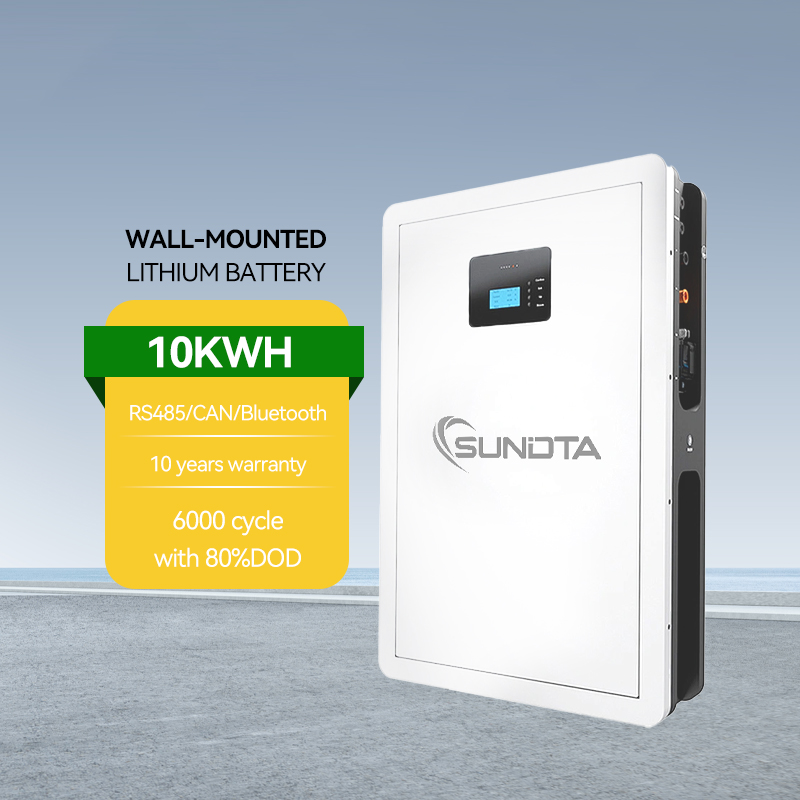
Fast Shipping Stock Solar Battery 48V 51.2V 100Ah 200Ah 5kWh Wall Mounted LiFePO4 Local Warehouse
- 51.2V 100Ah/200Ah Deep Cycle Prismatic
- Closed-loop CAN/RS485 smart protocols
- Direct residential tracker & hybrid inverter match
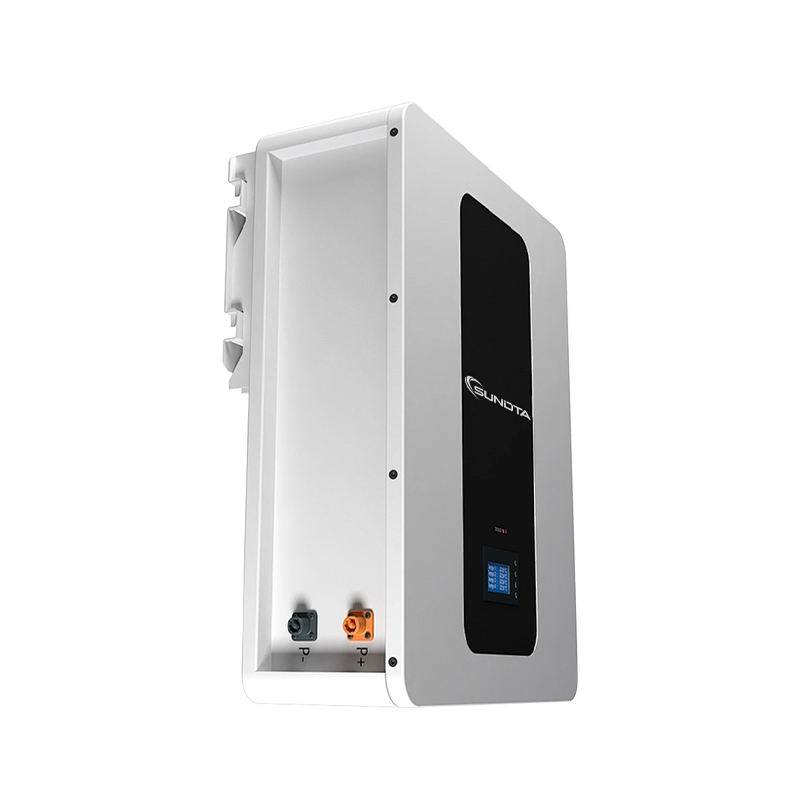
Sundta POLO-W1 LiFePO4 Lithium Battery Wall-Mounted 5kWh Home Power Storage Solar Energy System Deep-Cycle 51.2V 100Ah IP65
- 6,000+ lifecycle at 80% DoD
- All-weather IP65 rated enclosure
- Seamless integration with Solis & Deye inverters
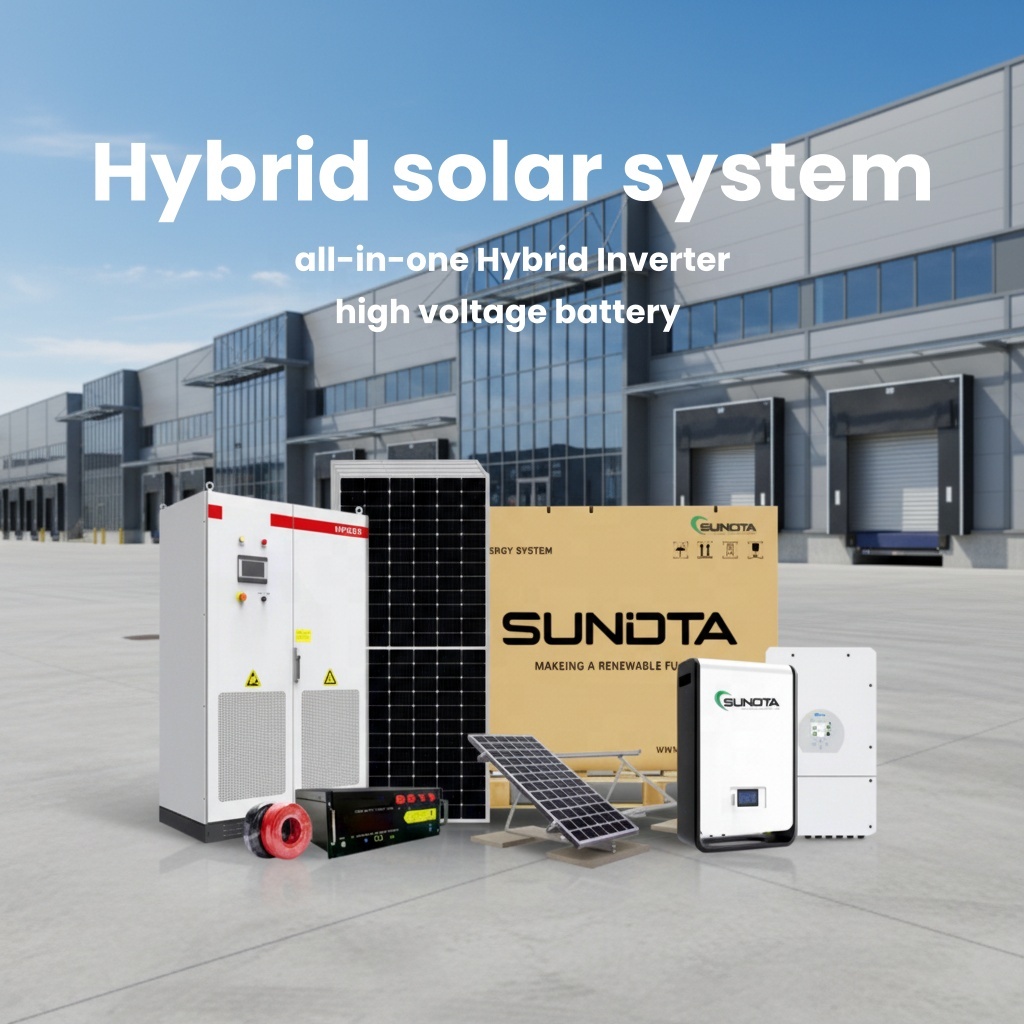
All in One Energy Storage Outdoor Cabinet 100kw 200kw 500kw Lifepo4 Solar Battery Energy Storage Systems Residential Energy
- 100kW to 500kW liquid/air cooled cabinet
- Industrial peak shaving & demand charge clipping
- Utility tracker array synchronization
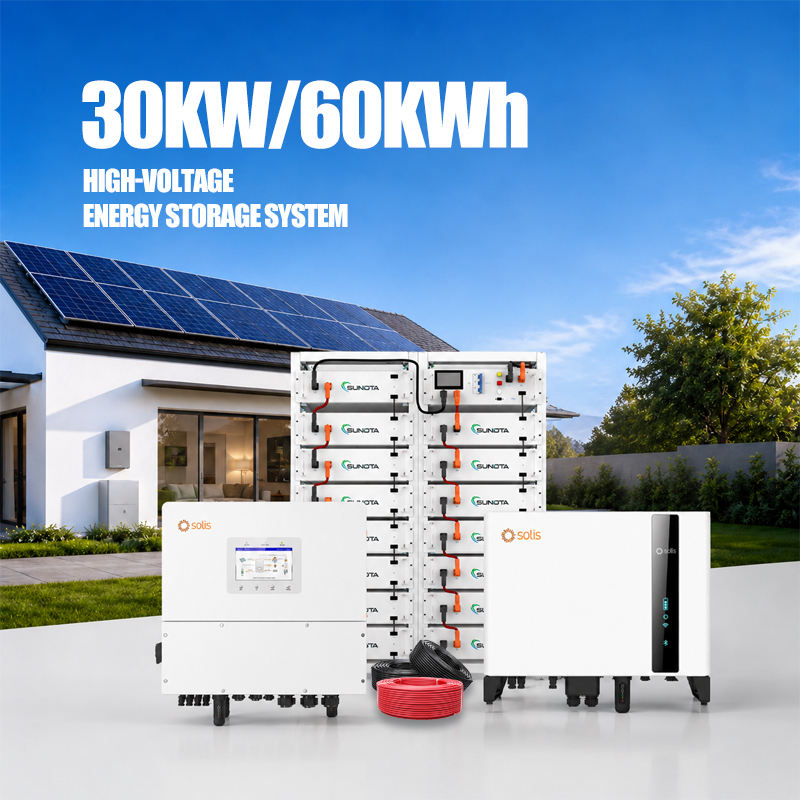
51.2V Split All-in-One Solar Battery Inverter System 30kWh 30kWh LiFePO4 Energy Storage Backup Power Hybrid CAN CE Long Warranty
- High-capacity 30kWh split-phase architecture
- Pre-wired BMS and smart transfer switch
- CE certified multi-MPPT charging support
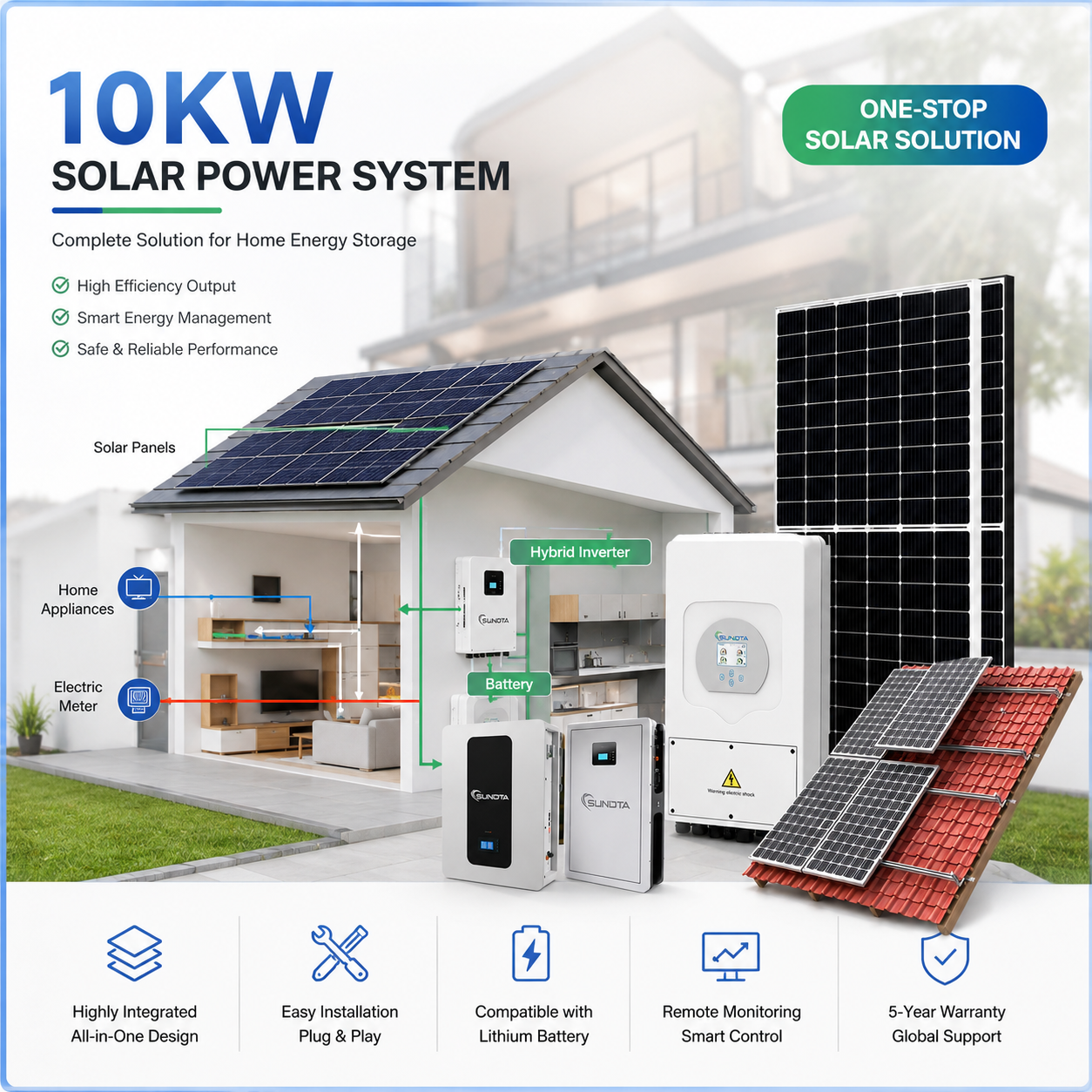
15kW-50kW High-Efficiency Hybrid Solar Power System with Smart MPPT for Whole-House Backup
- Supports dual-string tracker alignment
- 15kW–50kW three-phase and split options
- Zero-millisecond EPS grade emergency failover
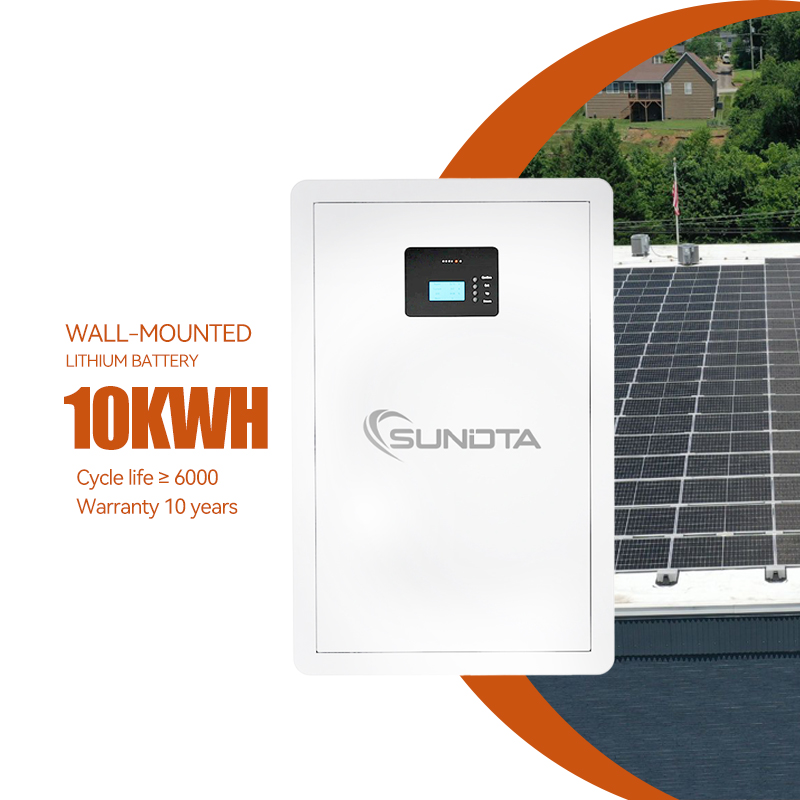
Sundta IP65 10kWh 51.2V 200Ah Wall Mounted LiFePO4 Battery for Home Solar Storage with Smart BMS
- Modular parallel scaling up to 150kWh
- Autonomous cell balancing & thermal management
- Designed for tracker output peak harvesting
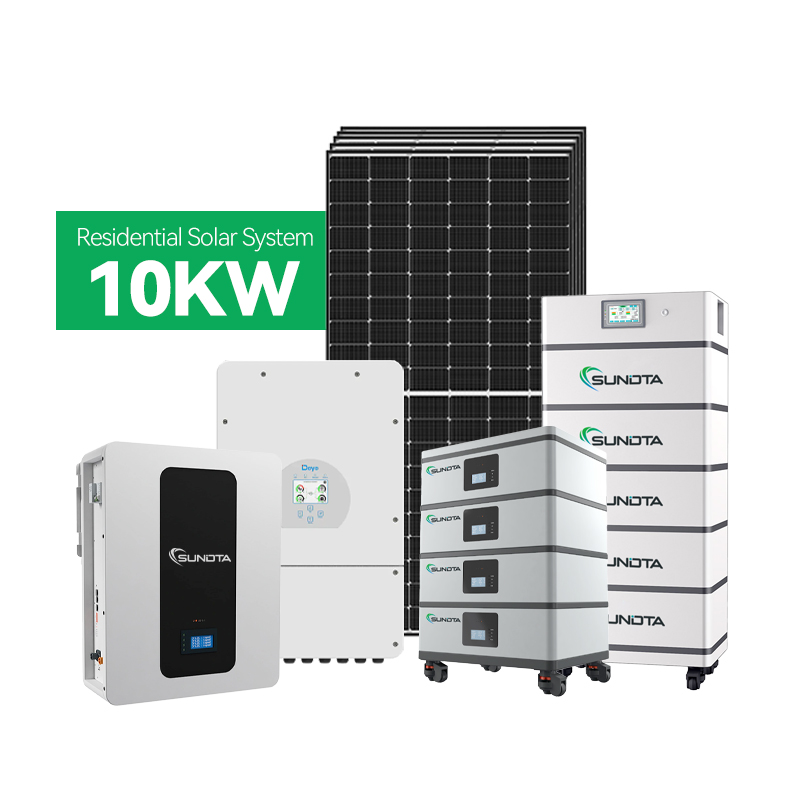
2026 Sundta Low Price 10KW 12KW Hybrid Solar System for Home Use with Lifepo4 Battery and BMS System
- Cost-optimized turnkey residential solution
- Integrated lithium battery safety disconnect
- Remote cloud telemetry & app monitoring
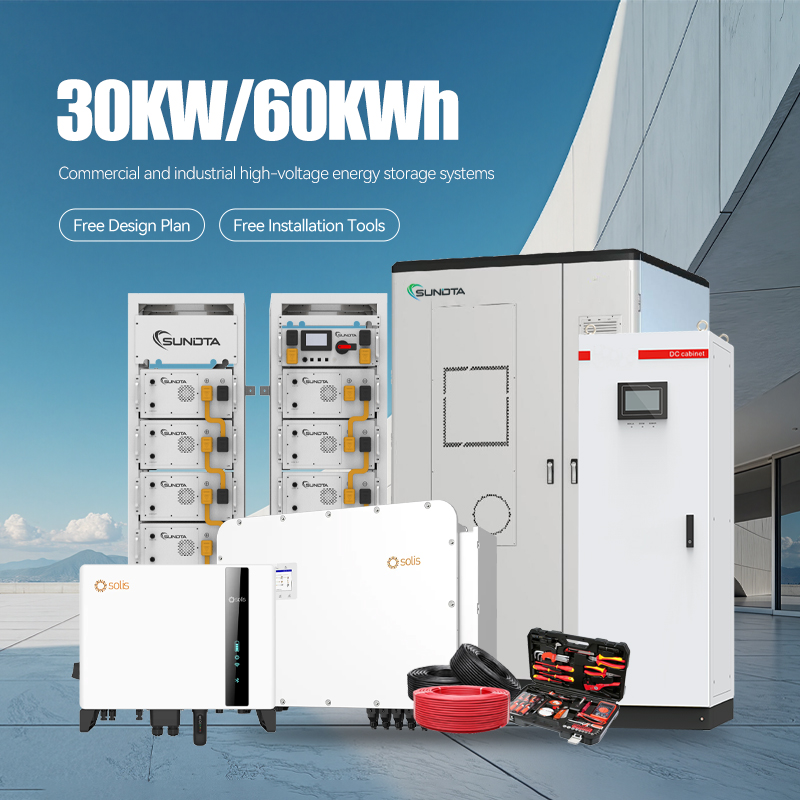
30KWH 51.2V 314AH LiFePO4 Battery Solar Energy Home Energy Storage 48v Solar Battery ALL in ONE SOLAR POWER SYSTEM
- Tier-1 314Ah high-energy density cells
- Massive 30kWh reserve for extended low-solar intervals
- Industrial-grade heavy duty chassis
Structural, Algorithmic & Aerodynamic Evolution in Solar Trackers
Modern solar tracking systems have evolved far beyond standard astronomical clock timers. As project developers seek lower Levelized Cost of Electricity (LCOE) across complex terrain and extreme climate zones, mechanical kinematics and algorithmic intelligence have taken center stage.
AI Astronomical & Diffuse Light Tracking
Traditional tracking relies solely on mathematical ephemeris formulas, forcing arrays directly toward the sun regardless of atmospheric conditions. Next-generation systems integrate diffuse-light sensing algorithms and machine-learning models that re-orient trackers horizontally during cloudy or overcast conditions, capturing maximum diffuse horizontal irradiance (DHI) and generating up to 6.8% higher secondary output.
3D Smart Backtracking on Undulating Terrains
Inter-row shading causes devastating yield penalties, particularly when pairing trackers with high-voltage N-Type TOPCon or Heterojunction (HJT) strings. Modern systems utilize 3D terrain-adaptive backtracking. By monitoring slope gradients and true real-time sun angles per string, each tracker row acts semi-independently to eliminate self-shading without dropping string voltage below MPPT cutoff levels.
Aeroelastic Instability Mitigation & Wind Stow
Vortex shedding and torsional flutter have historically posed massive risks to utility-scale single-axis trackers under high wind speeds. Leading engineering now incorporates dual-point or distributed multi-actuator slewing drives paired with dynamic wind tunnel CFD profiling. These smart stow protocols articulate module strings to zero-degree or 45-degree defense positions within 60 seconds.
Kinematic Architecture: Single-Axis vs. Dual-Axis vs. Fixed Tilt
Evaluating solar mounting frameworks requires weighing CAPEX additions against lifetime MWh output gains, site wind loads, and maintenance cycles. Review this benchmark engineering matrix before finalizing system specifications.
| Architecture Type | Annual Energy Yield Gain | Bifacial Boost Factor | O&M & Drive Complexity | Wind Resistance Profile | Recommended Scenario |
|---|---|---|---|---|---|
| Fixed-Tilt Ground Mount | Baseline (0%) | 5% – 12% (Albedo Limited) | Minimal (No Motors) | Up to 60 m/s (Structural Only) | Sub-optimal budgets, steep rocky hills, or cyclone belts |
| Single-Axis Tracker (1P Horizontal) | +18% to +26% | 14% – 22% (High Elevation) | Low-Moderate (Linear Actuator) | Up to 45 m/s with Smart Stow | Utility scale (>10MW), flat/rolling deserts, standard irradiance |
| Single-Axis Tracker (2P Configuration) | +20% to +28% | 16% – 25% (Wide Ground Gap) | Moderate (High Wind Load) | Requires Active Aeroelastic Dampers | Projects with restricted land area requiring maximum density |
| Dual-Axis Concentric Tracker | +32% to +42% | 22% – 30% (Continuous Direct Normal) | High (Dual Slew Drives) | Auto-Horizontal Stow at 25 m/s | High-DNI equatorial regions, CSP setups, microgrids, research |
| Tracker + LiFePO4 BESS Co-Location | +28% Net Capture (0 Curtailment) | Maximum System LCOE Impact | Integrated Telemetry | Smart Hybrid Grid Stabilization | C&I microgrids, capacity-constrained transmission grids |
What EPCs and Institutional Buyers Must Prepare For
International solar procurement is rapidly migrating away from piecemeal equipment sourcing toward holistic, risk-mitigated balance of system (BOS) integration. Below are the key structural sourcing trends dictating utility-scale tenders over the next five years.
Standardized Tracker-Bifacial BOM Integration
Sourcing modules from one vendor and structural trackers from another creates torque-tube shading discrepancies and cable-clip mismatches. Institutional tenders now demand integrated bills of materials (BOM), where torque-tube diameters, clamp profiles, and rear-side module clearance are pre-validated to ensure 100% bifacial light exposure.
Stringent Galvanization & Corrosion Ratings
With massive solar expansion in coastal belts, saline desert flats, and agrivoltaic farms with ammonia exposure, standard hot-dip galvanizing is giving way to Zinc-Aluminum-Magnesium (ZAM) structural coatings. EPCs now specify ISO 12944 C4 and C5 atmospheric durability, demanding minimum 25-to-30-year structural integrity without field reapplications.
IoT Decentralized Drive Architecture
Central mechanical drive systems with long interconnected drivelines are susceptible to single-point mechanical failure that incapacitates entire megawatt blocks. Procurement is shifting rapidly toward decentralized motor-per-row configurations powered by dedicated onboard mini-PV modules and self-charging lithium buffers, drastically cutting cabling CAPEX.
Hybrid ESS & Tracking Sizing Mandates
Because tracking systems skew energy generation profiles by broadening peak yield into mid-morning and late afternoon hours, grid operators enforce strict curtailment or negative pricing. Procuring integrated LiFePO4 containerized BESS alongside trackers allows developers to store excess morning spikes and arbitrage during peak tariff evening dispatch windows.
Why Leading Developers Partner with Anhui RJV New Energy
Based in the global clean-tech manufacturing hub of Hefei, Anhui, RJV New Energy bridges the gap between state-of-the-art PV cell assembly, intelligent tracking mechanics, and deep-cycle lithium storage chemistry. We de-risk solar procurement from initial wind tunnel modeling to local port delivery.
2 GW Annual Output
Fully automated manufacturing facilities equipped with stringent inline EL testing, multi-stage visual inspection, and high-precision mechanical robotic fabrication lines.
TÜV Rheinland Assessed
Verified on-site by TÜV Rheinland. Our operations satisfy rigorous international manufacturing and safety protocols, carrying full CE and ISO system compliance.
38+ National Patents
Dedicated R&D facility focusing on MPPT communication algorithms, structural stability under cyclic wind gusts, and advanced prismatic cell BMS optimization.
One-Stop PV System BOS
Avoid finger-pointing across suppliers. We engineer and bundle compatible panels, Solis/Deye hybrid inverters, tracking frameworks, and LiFePO4 batteries in synchronized shipments.
Critical Technical Questions from Solar Importers & EPCs
Direct, transparent answers addressing system compatibility, wind-load validation, commissioning protocols, and warranty coverage.
How do solar tracking systems handle aeroelastic vibration and extreme gust survival?
What is the true bifacial yield gain achieved by pairing trackers with N-Type TOPCon panels?
How do your LiFePO4 battery systems maintain closed-loop communication with hybrid inverters?
What are the Incoterms, Minimum Order Quantities (MOQ), and shipping logistics terms?
How is structural corrosion prevented in harsh coastal, desert, or agricultural installations?
What warranties and remote engineering commissioning assistance are included?
Accelerate Your Next Utility or C&I Solar Deployment
Connect with Anhui RJV New Energy's senior technical engineers. Share your project coordinate parameters, site wind speed requirements, or battery storage capacity requirements for a customized BOM configuration, string calculation, and official wholesale price quotation within 24 hours.