Standard-Setting Telecom Storage & Hybrid Generation Systems
Engineered for extreme duty cycles, multi-cabinet paralleling, and automated telemetry compatibility with global telecom DC rectifiers.
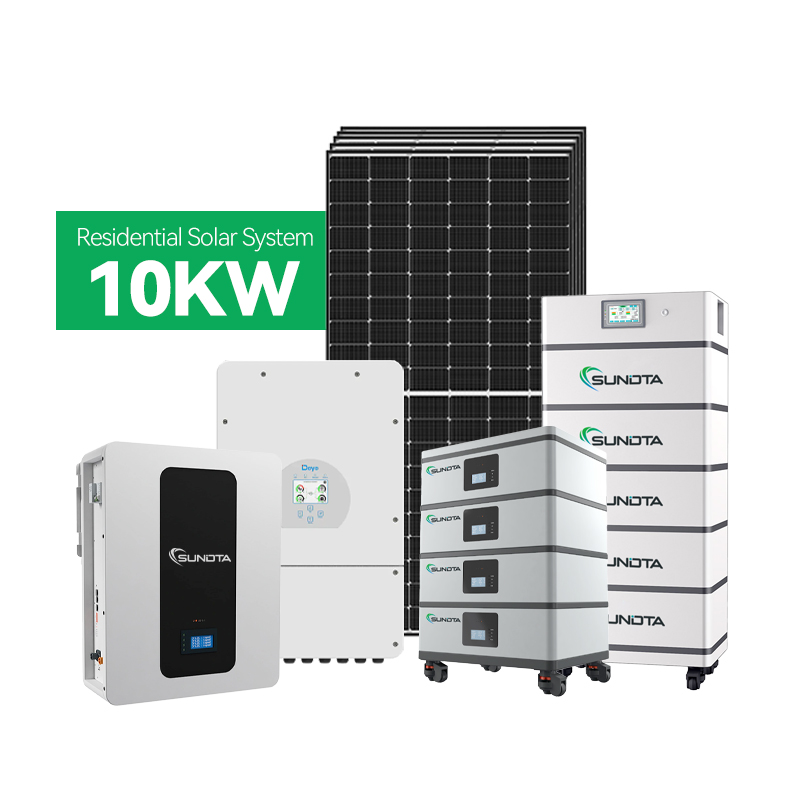
2026 Sundta Low Price 10KW 12KW Hybrid Solar System for Home Use with Lifepo4 Battery and BMS System
- Continuous Hybrid Output: 10kW - 12kW
- Smart BMS with CAN/RS485 Telemetry
- Rapid Grid/Off-Grid Sub-10ms Switch
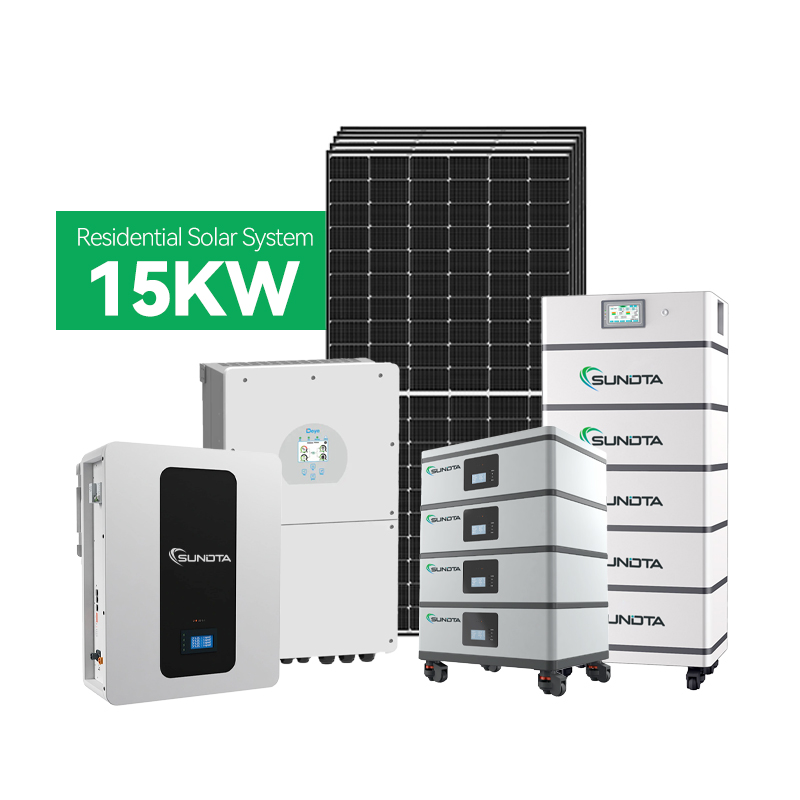
Sundta Hybrid Solar Energy System Low Price Solar Panel Kit 5KW 10KW 12KW 15KW Full Set Solar System Kit Home System
- Multi-MPPT PV Tracking Architecture
- Compatible with High-Density LFP Banks
- Full Turnkey Cabling & Protection Kit
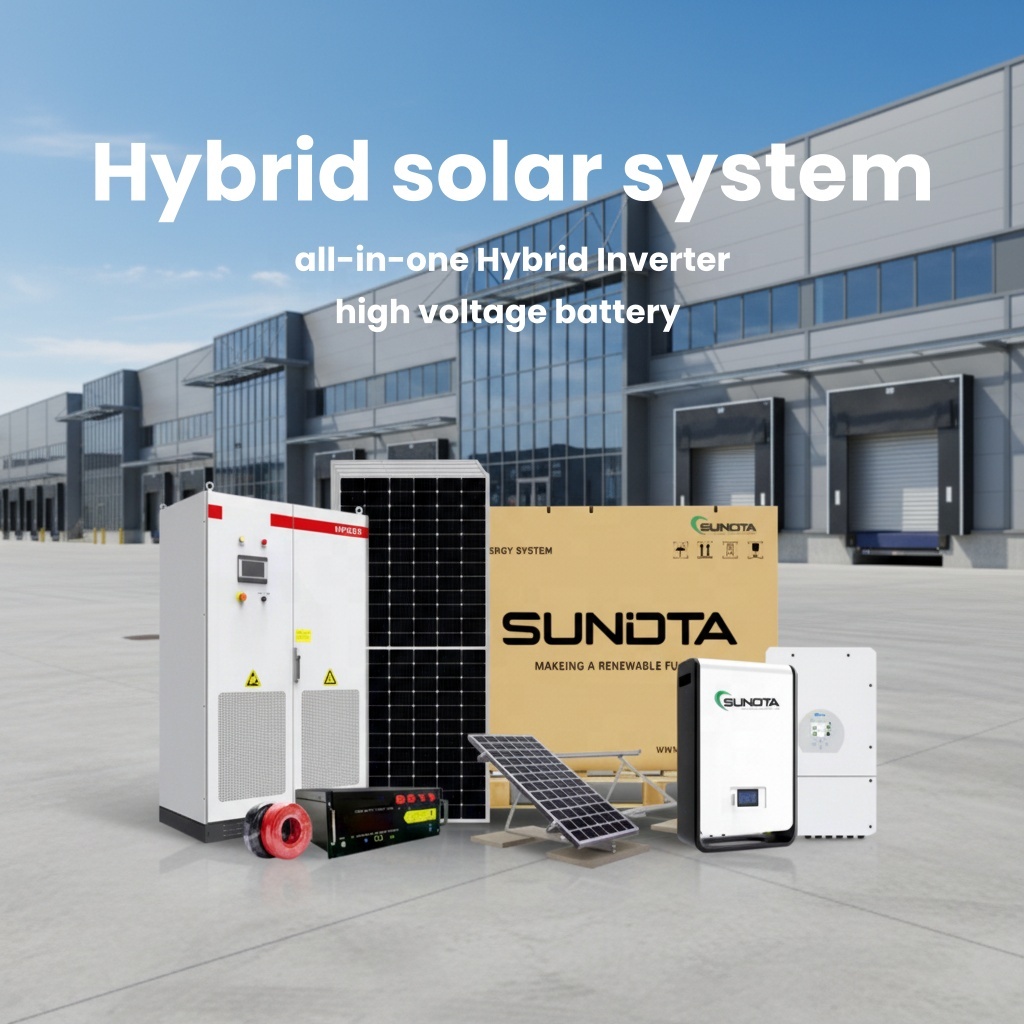
All in One Energy Storage Outdoor Cabinet 100kw 200kw 500kw Lifepo4 Solar Battery Energy Storage Systems Residential Energy
- IP55 Ruggedized Outdoor Enclosure
- HVAC Integrated Thermal Management
- Multi-Megawatt Telecom Hub Ready
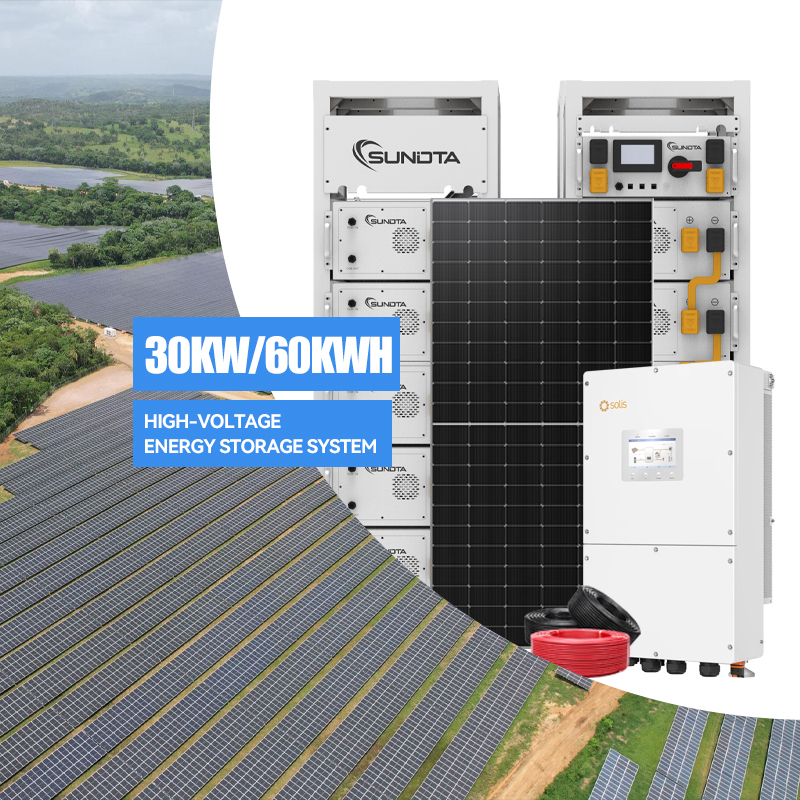
Off Grid Hybrid Solar Energy Storage System 20KW 30KW 40KW Hot-selling 30 kw Hybrid for Home Use With EU Certification
- Fully Certified to Strict EU Grid Standards
- Seamless Diesel Generator Pairing
- 3-Phase Pure Sine Wave Stability
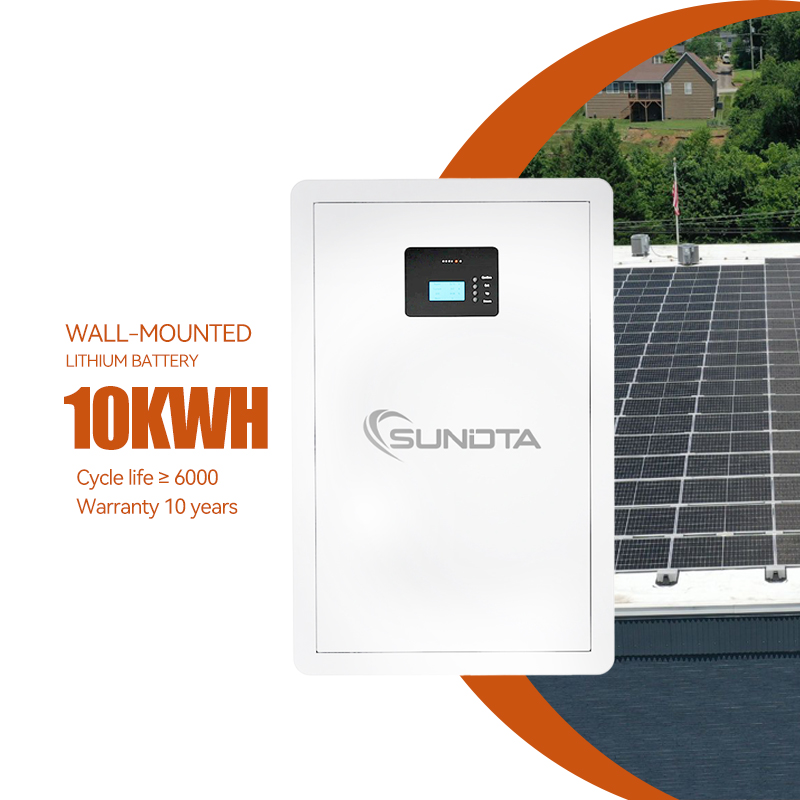
Sundta IP65 10kWh 51.2V 200Ah Wall Mounted LiFePO4 Battery for Home Solar Storage with Smart BMS
- Industrial Grade 51.2V DC Bus Voltage
- 15x Parallel Stack Scaling (Up to 150kWh)
- Sealed Against Salt-Mist & High Humidity
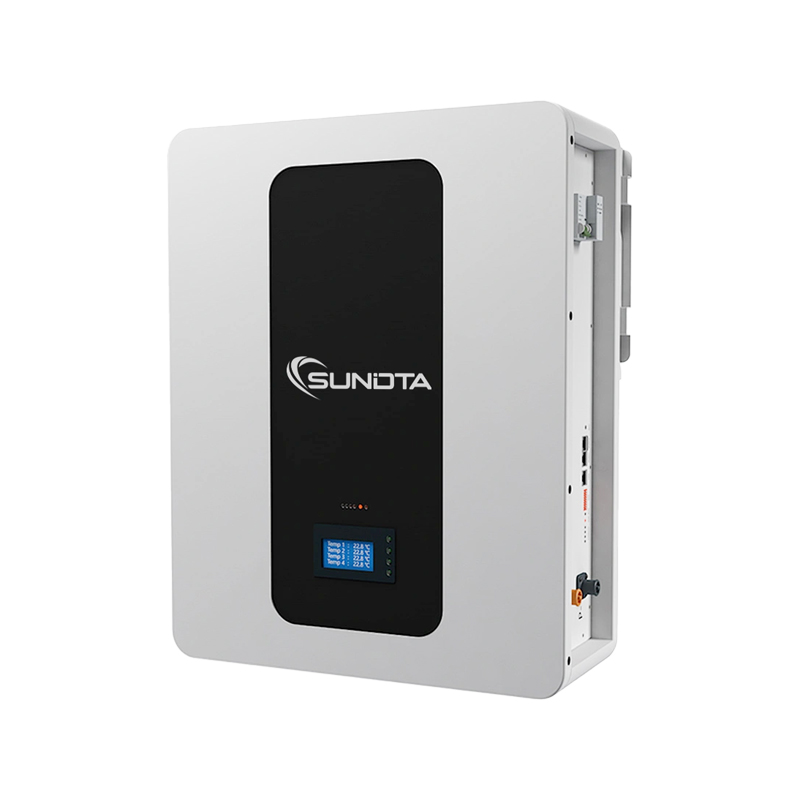
Sundta EU Warehouse 48V/51.2V LiFePO4 Lithium Ion Battery 10kWh Solar Home Energy Storage System Wall-Mounted 200Ah Capacity
- Immediate Dispatch from Germany Hub
- Standard 19" Rack & Wall Compatible
- Closed-Loop Protocol with Top Inverters
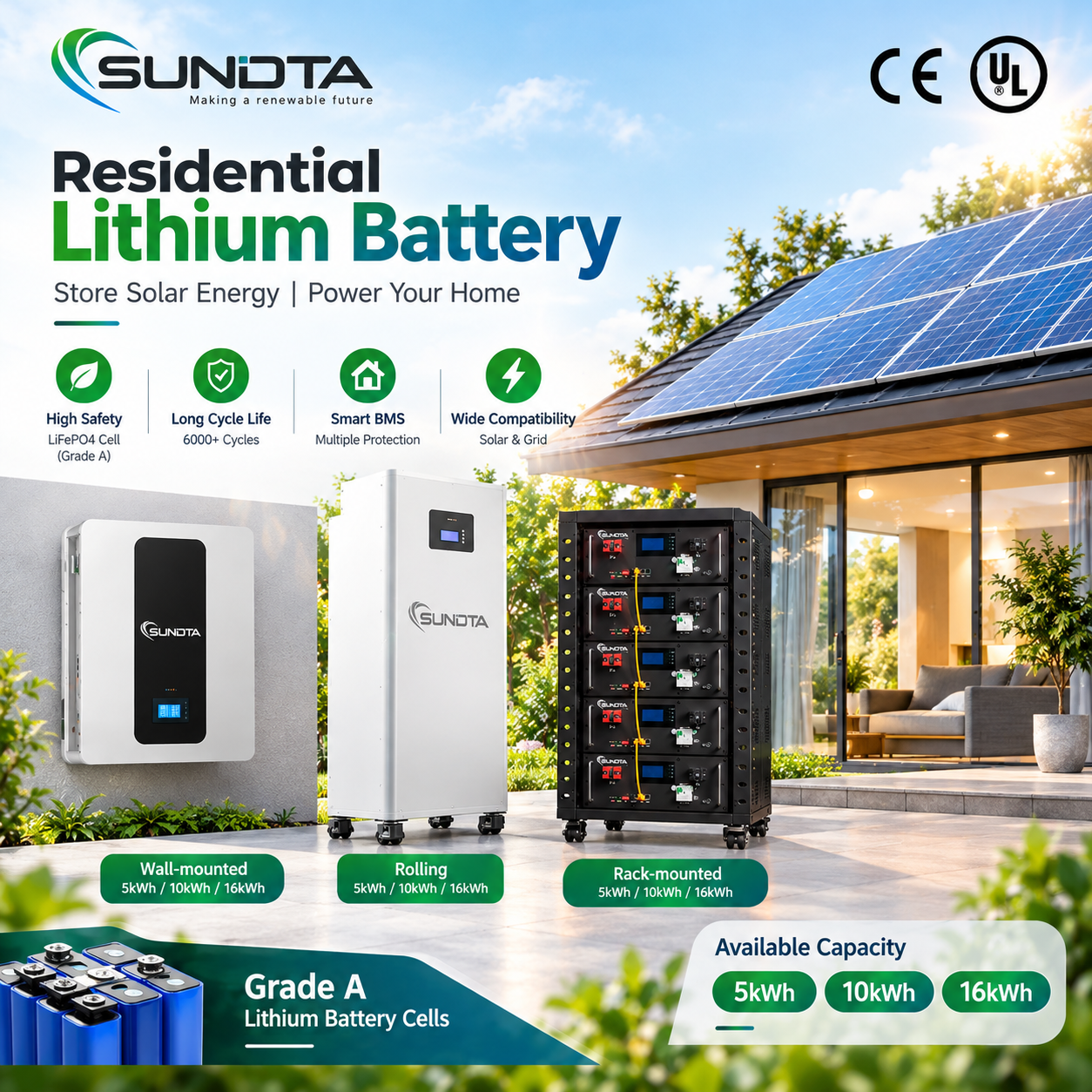
Sundta Stacked 10kWh 20kWh 30kWh Modular LiFePO4 Battery Stacked Solar Energy Storage Battery for Home Solar
- Toolless Blind-Mate Interconnection
- Flexible Expansion for Telecom Expansion
- Integrated Master Control System Unit
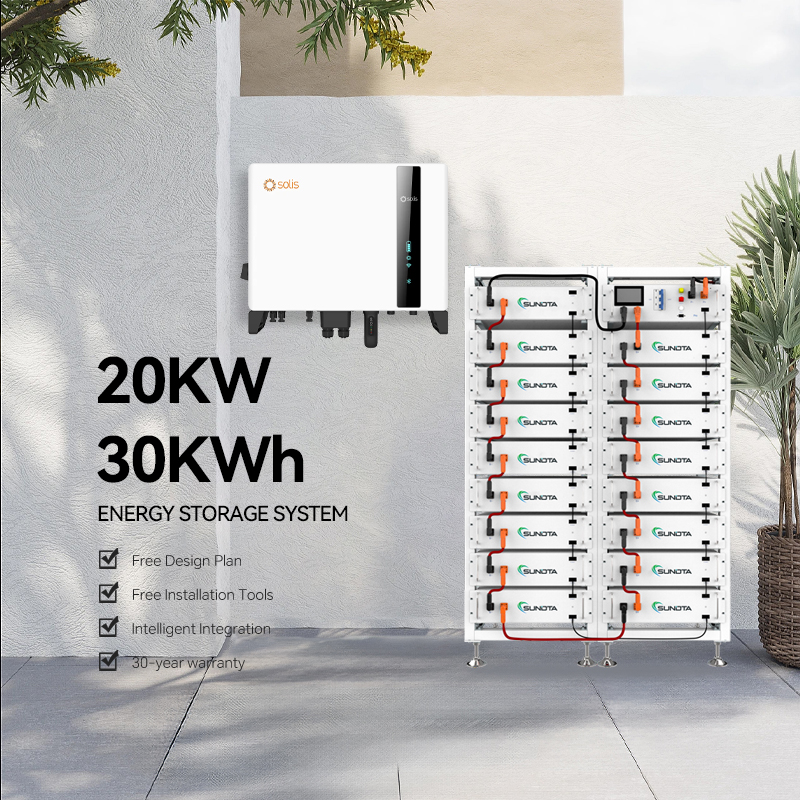
Complete 50kw Hybrid Solar System deye 3 Phase 380v on off Grid 10kw 15kw 20kw 25kw 30kw 40kw 50kw Solar Energy System
- 3-Phase 380V Industrial Core Output
- Advanced Peak Shaving & Load Shedding
- Deye Field-Proven Reliability Record
Engineering Authority: The Architectural Shift to Lithium Iron Phosphate in Telecommunications
Modern telecommunications infrastructure is experiencing an unprecedented structural change. The transition from legacy 3G/4G networks to power-dense 5G Base Transceiver Stations (BTS), distributed Small Cells, and edge data processing facilities has rendered conventional Valve-Regulated Lead-Acid (VRLA) and Absorbed Glass Mat (AGM) battery technologies operationally obsolete. Telecom backup power demands have shifted from infrequent, passive float-charge scenarios to high-frequency, dynamic cycling environments characterized by heavy peak power draws, intermittent micro-outages, and aggressive thermal profiles.
As a preeminent Tier-1 telecom backup battery manufacturer and complete solar storage system integrator, Anhui RJV New Energy Co., Ltd. engineers battery architectures that solve the fundamental operational risks confronting modern telecommunication network operators (MNOs), tower companies (TowerCos), and turnkey engineering, procurement, and construction (EPC) contractors.
Comparative Engineering Analysis: Telecom Energy Storage Topologies
Selecting the optimal battery chemistry requires looking beyond initial capital expenditure (CAPEX) to assess the Total Cost of Ownership (TCO) across a 10-to-15-year operational horizon. Below is an engineering comparison matrix evaluated under typical telecom operating conditions (35°C ambient temperature, daily cycling):
| Performance Parameter | Legacy VRLA / AGM | Conventional Lead-Carbon | Anhui RJV Telecom LiFePO4 System |
|---|---|---|---|
| Usable Depth of Discharge (DoD) | 50% maximum (derated for cycle life) | 70% (moderate cyclic aging) | 90% – 100% without accelerated degradation |
| Cycle Life (80% DoD @ 25°C) | 600 – 1,000 cycles | 2,000 – 2,500 cycles | 6,000 – 8,000+ cycles |
| Volumetric Energy Density | ~60 – 80 Wh/L (Heavy floor loading) | ~80 – 100 Wh/L | 220 – 300+ Wh/L (Saves 65% cabinet space) |
| Thermal Sensitivity Factor | Life halved for every 10°C over 25°C | Life degraded 35% per 10°C delta | Stable operation up to 55°C – 60°C |
| Charge Acceptance Rate (C-rate) | 0.1C to 0.2C (8-10 hour recharge) | 0.2C to 0.3C (5-6 hour recharge) | 0.5C to 1.0C (Full 100% recharge in 1–2 hours) |
| Round-Trip Energy Efficiency (RTE) | 75% – 82% | 84% – 88% | 95% – 98% (Minimizes auxiliary cooling draw) |
Smart BMS Architecture: The Nerve Center of Remote Telecom Resiliency
The core of an exceptional telecom backup solution is not merely chemical synthesis; it is the sophisticated control logic of the Battery Management System (BMS). Anhui RJV integrates dual-core, military-grade BMS architecture within every 48V/51.2V rack-mounted and modular battery unit. This intelligent layer performs real-time cell balancing, dynamic short-circuit mitigation, galvanic isolation monitoring, and multi-tier thermal protection.
Crucially for TowerCos and network operations centers (NOCs), RJV batteries support closed-loop communication protocols via CANbus 2.0B, RS485, and Modbus TCP/SNMP v3 interfaces. This ensures plug-and-play interoperability with leading global power electronics, including Deye, Solis, Huawei, Vertiv, and Eltek DC power systems. Telecom engineers gain granular, cell-level telemetry covering state-of-charge (SoC), state-of-health (SoH), internal cell impedance, and cycle logs—eliminating the need for routine manual site maintenance visits.
Cell-Level Safety (LiFePO4)
Thermally stable iron-phosphate olivine structure eliminates risks of oxygen release, thermal runaway, and combustion under mechanical puncture or electrical overstress.
0.5C–1C Ultra-Fast Recovery
Rapid recharging capabilities capture short grid availability windows during rolling brownouts, ensuring 100% capacity retention before the next outage occurs.
Cloud NOC Integration
Native SNMP v3 and Modbus telemetry interface directly into existing telecom monitoring platforms for proactive lifecycle analysis and predictive maintenance alerts.
Global Telecom Procurement Trends: The Next Horizon (2025–2030)
B2B procurement executives, supply chain strategists, and telecom network architects must adapt their sourcing policies to three decisive industry megatrends unfolding across the global infrastructure landscape:
1. Replacement of Diesel Generators with Solar-Battery Microgrids
Operating diesel generators (DGs) at off-grid and bad-grid telecom sites represents up to 60% of total operational expenditure (OPEX) in emerging markets, driven by fuel costs, logistical challenges in remote regions, fuel theft, and carbon emission fines. Tier-1 telecom operators are standardizing on pure solar-hybrid architectures—marrying high-efficiency N-Type TOPCon bifacial modules, intelligent hybrid inverters, and high-capacity LiFePO4 battery banks. These systems deliver 100% fuel displacement (Zero-DG mode) or reduce generator runtime to under 5% strictly as emergency backstop.
2. Dynamic Peak Shaving and Grid Ancillary Monetization
5G base stations consume 2.5x to 3.5x more electricity than legacy 4G LTE sites. To avoid costly transformer and grid feed upgrades, network operators are deploying RJV's high-capacity lithium storage for peak shaving—discharging during high-tariff utility windows and charging during off-peak periods. Furthermore, forward-thinking operators in Europe and North America are grouping distributed telecom battery assets into Virtual Power Plants (VPPs) to provide frequency response services to the national grid, transforming power backup from a pure cost center into an active revenue generator.
3. Standardized Turnkey Procurement (Single-Source PV + Inverter + Storage BOM)
Sourcing solar panels from one vendor, hybrid inverters from another, and lithium battery cabinets from a third is the leading root cause of field integration failures, communication handshake timeouts, and prolonged commissioning delays. Procurement departments are actively consolidating suppliers into accountable, single-source manufacturing partners capable of delivering factory-matched, pre-commissioned, and warrantied end-to-end power generation and storage platforms.
Why Global Telecom Operators Partner with Anhui RJV New Energy
Headquartered in the advanced clean technology hub of Hefei, China, Anhui RJV New Energy Co., Ltd. operates as a fully audited, accredited, and specialized manufacturer of photovoltaic modules, hybrid energy conversion electronics, and lithium iron phosphate energy storage systems. Our production integrity, financial health, and global track record provide international B2B buyers with uncompromising reliability.
TÜV Rheinland Assessed & CE Certified
Our manufacturing facilities have undergone rigorous on-site verification by TÜV Rheinland. Systems comply with European CE directives, IEC 62619, UN38.3 transport safety, and RoHS compliance.
2GW Automated Manufacturing
State-of-the-art automated cell testing, automatic laser welding, and automated end-of-line testing equipment ensure strict batch-to-batch cell matching, uniform internal resistance, and superior module longevity.
7×24 Direct Engineering Support
We eliminate intermediary communication barriers. Our Hefei-based application engineering team supports your technical leads with system sizing, custom cabling schematics, firmware updates, and rapid warranty handling.
AAA Credit Rating & High Buyer Trust
Backed by an official AAA credit rating, 38 patented technologies, and a verified 4.8/5 buyer satisfaction score across international shipping destinations in Europe, Southeast Asia, and the Americas.
Frequently Asked Questions from Telecom Infrastructure Buyers
Direct answers to the critical engineering, shipping, and commercial inquiries raised by EPC contractors and telecom procurement teams.
How do Anhui RJV LiFePO4 batteries interface with legacy telecom rectifiers (Huawei, Vertiv, ZTE)?
Can different capacity battery banks be paralleled, or older packs mixed with newer batches?
What international shipping certifications are provided for hazardous materials logistics?
How does the system perform in high ambient heat without active air conditioning?
What Minimum Order Quantities (MOQ) and customization services are available for B2B tenders?
Accelerate Your Telecom Power Modernization
Connect directly with our Hefei-based application engineering team. Submit your base station load profiles, target autonomy hours, and site climate conditions for a detailed engineering bill of materials (BOM) and direct factory quotation within 24 hours.