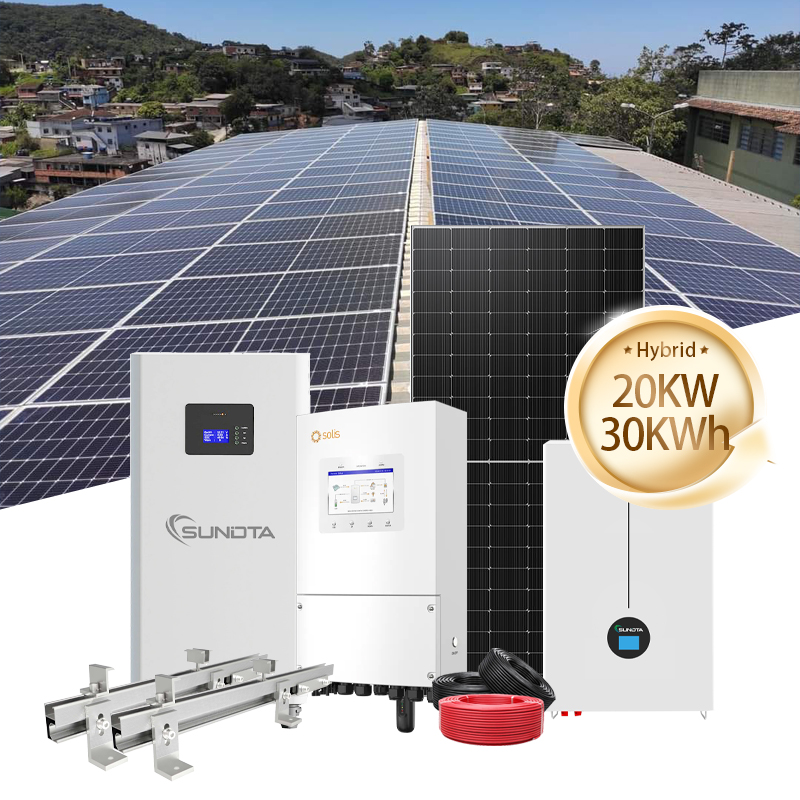
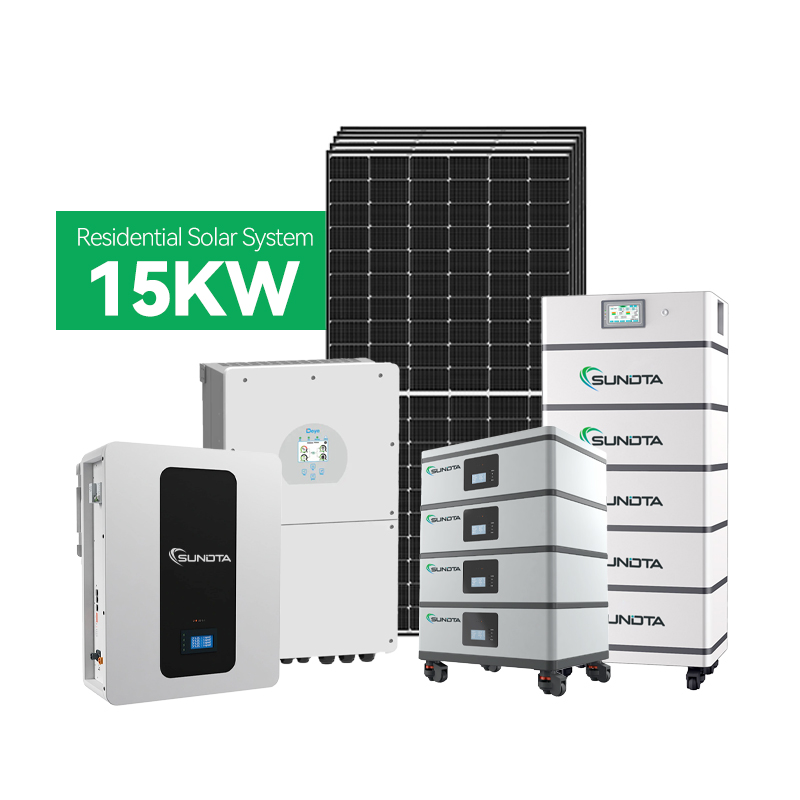
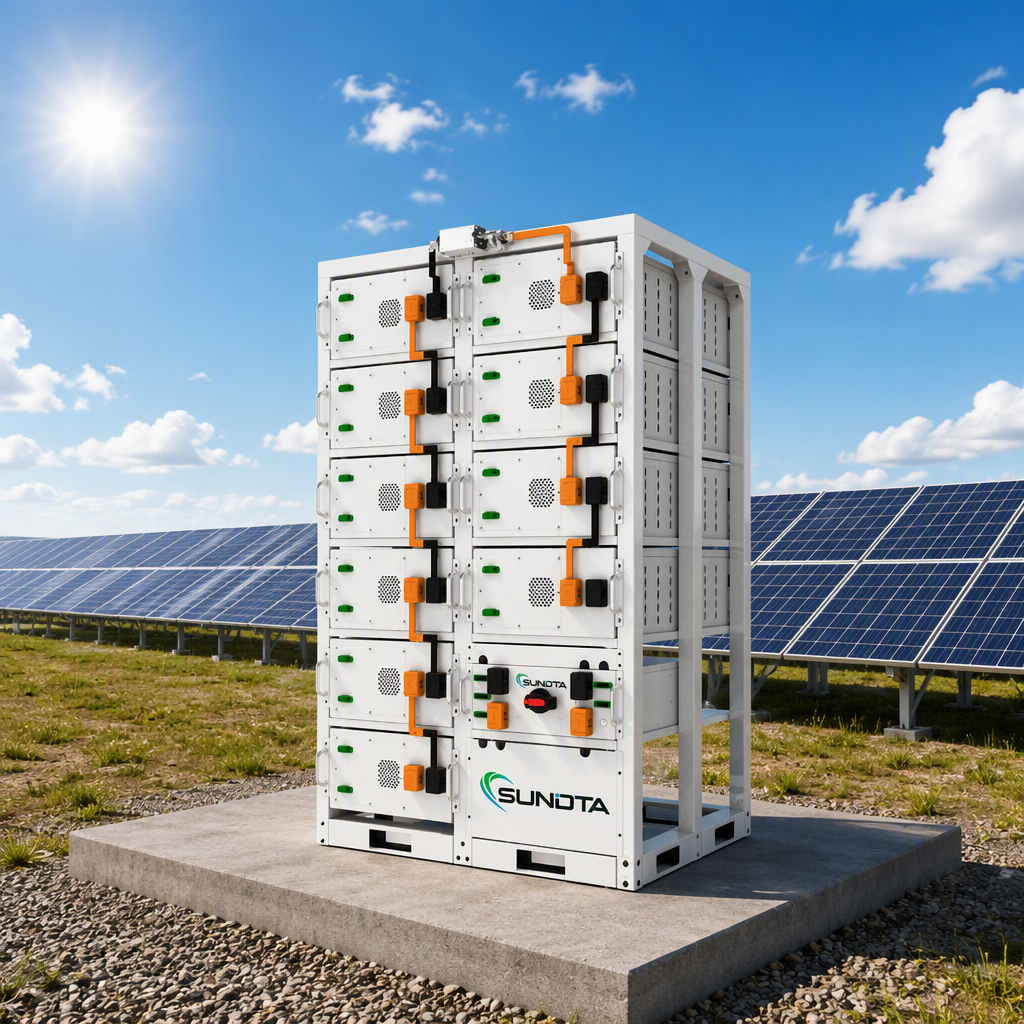
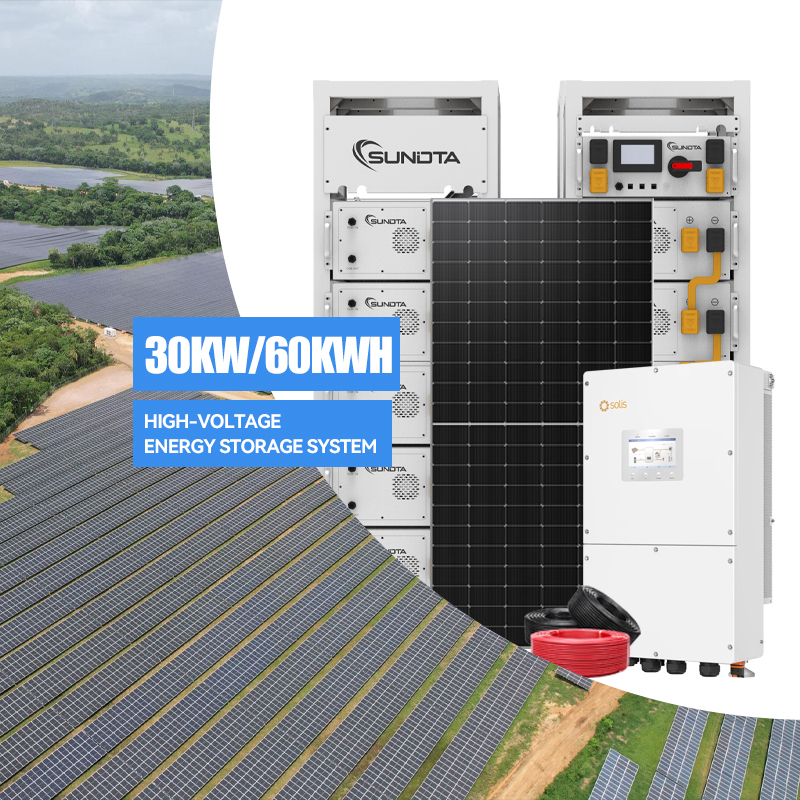
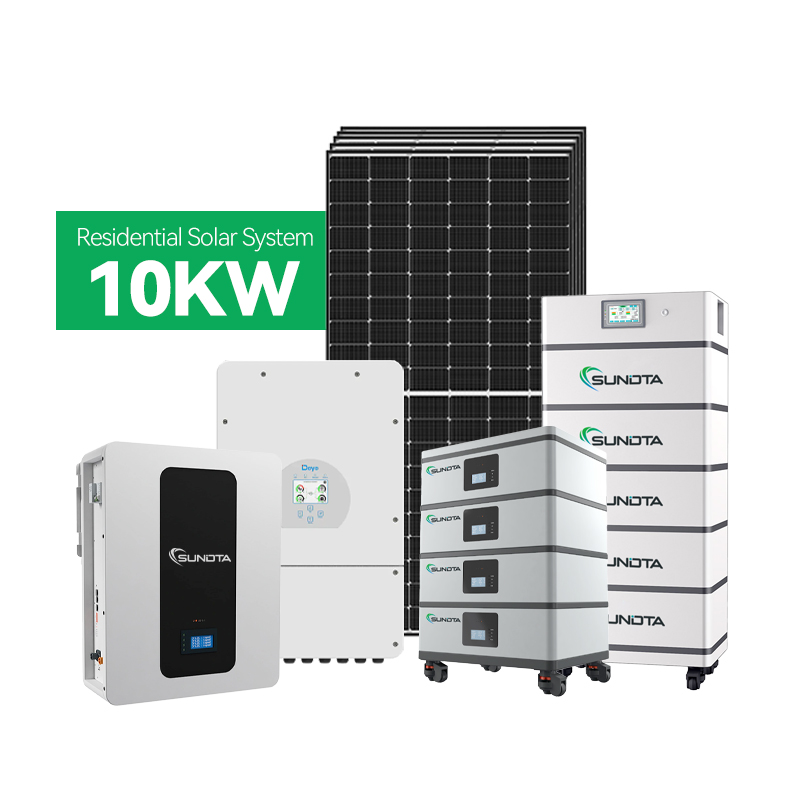
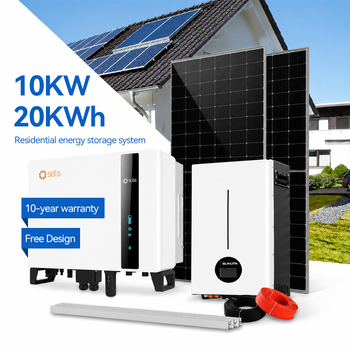
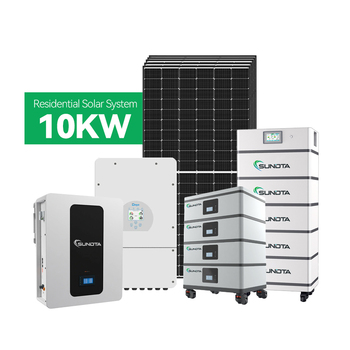
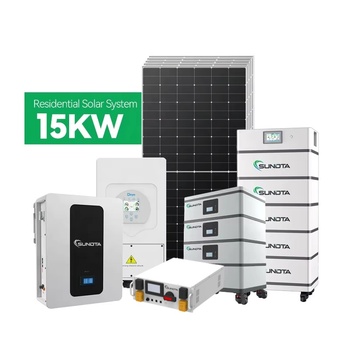
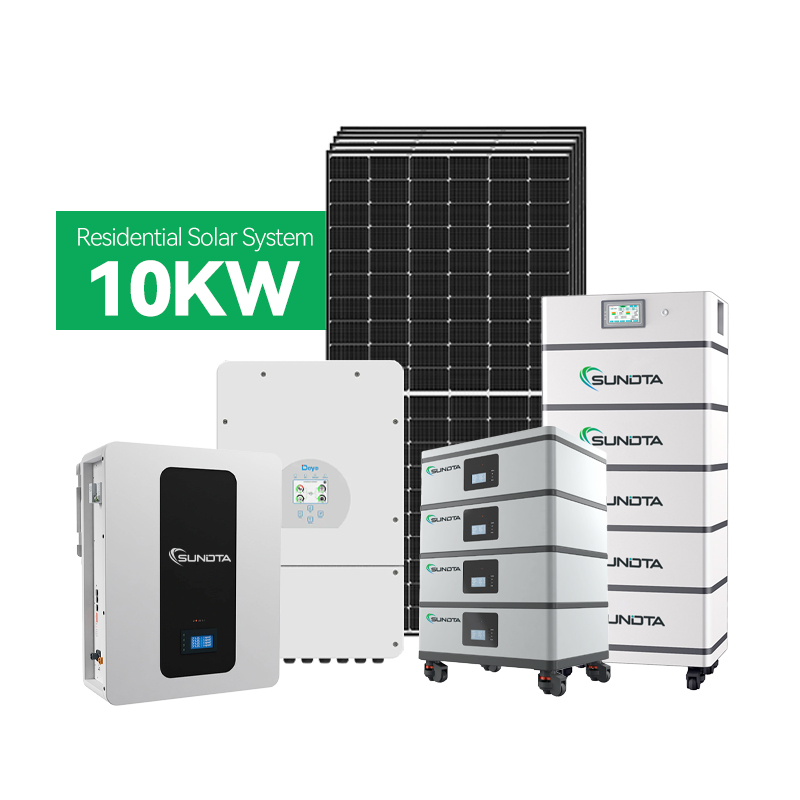
Stock Available Sundta Complete Solar Hybrid System Kit with Lithium Battery
- Integrated LiFePO4 chemistry
- Pure sine wave hybrid inverter
- Dual MPPT architecture
Pre-engineered bill of materials (BOM) featuring ultra-low temperature coefficients, high fire-safety ratings, and seamless compatibility with regional CFE interconnect requirements.
A rigorous engineering analysis of why premium all-black N-Type TOPCon panels outperform conventional polycrystalline and standard framed modules across the Trans-Mexican Volcanic Belt.
The state of Puebla, situated at an average elevation surpassing 2,100 meters above sea level with adjacent plateau valleys extending through Tehuacán and the industrial corridor of Huejotzingo, experiences an extraordinary solar spectrum. While the direct normal irradiance (DNI) averages between 5.5 to 6.8 kWh/m²/day, the altitude introduces significant UV exposure and sharp thermal deltas between diurnal peaks and chilly highland nights. For engineering, procurement, and construction (EPC) contractors in Puebla, sourcing PV hardware requires addressing severe thermal stresses, micro-crack risks from seismic micro-tremors, and strict architectural aesthetic guidelines governed by colonial heritage zones.
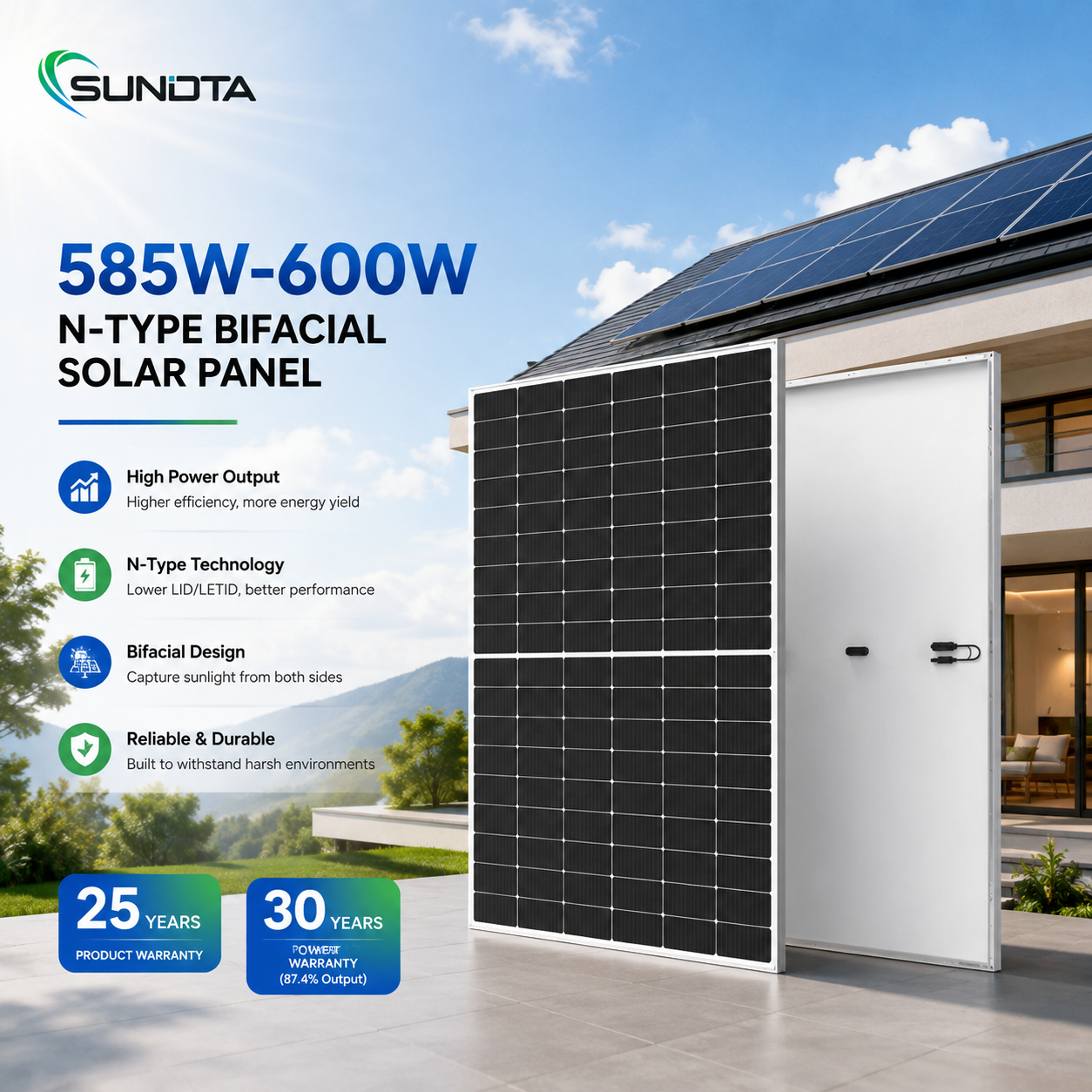
A persistent myth in photovoltaic procurement is that "all-black" modules operate with excessive heat buildup, causing severe loss of kilowatt-hour yields. While this was historically true with older P-type PERC structures, RJV’s all-black monocrystalline series leverages N-Type TOPCon (Tunnel Oxide Passivated Contact) cell architecture. N-type substrates feature an exceptionally low temperature coefficient of maximum power (Pmax) at -0.30%/°C, compared to conventional P-type modules that degrade at -0.38% to -0.42%/°C.
In industrial hubs like Cuautlancingo or San Martín Texmelucan, roof temperatures during spring frequently exceed 55°C. With RJV N-type all-black cells, the net generation loss is minimized, resulting in up to 3.8% higher lifetime power harvest. Furthermore, our panels utilize black POE (Polyolefin Elastomer) encapsulation instead of standard EVA, preventing thermal yellowing and delamination caused by high-altitude UV-A and UV-B bombardment over a 30-year operational horizon.
Proximity to the Popocatépetl volcanic complex subjects Puebla and surrounding agricultural basins to sporadic airborne ashfall, fine silicate dust, and particulate deposits. In traditional full-cell panels, partial shading across lower rows creates severe hot-spot anomalies, triggering bypass diode activation and shutting down large string sections.
Our all-black monocrystalline assemblies incorporate 16BB/18BB half-cut wafer topologies. By bisecting the cell, the electrical operational current ($I$) through each busbar is halved, reducing internal resistive losses ($I^2R$) to 25% of standard configurations. When volcanic dust settles on the lower section of a landscape-mounted array, the upper module half continues generating at full capacity, maintaining system uptime across industrial manufacturing corridors.
| Technical Parameter | Standard Silver Frame P-Type | RJV All-Black N-Type TOPCon | Puebla Operating Advantage |
|---|---|---|---|
| Cell Efficiency (%) | 20.5% - 21.2% | 22.8% - 23.3% | Maximizes limited commercial rooftop footprint in dense urban zones. |
| Temp. Coefficient (Pmax) | -0.35% / °C | -0.30% / °C | Preserves kilowatt output during hot Puebla midday peak irradiance. |
| First Year Degradation | < 2.0% (LID sensitive) | < 1.0% (Zero LID/LeTID) | Guarantees expected financial returns for industrial PPA agreements. |
| Annual Degradation (Yr 2-30) | -0.55% / year | -0.40% / year | Ensures 87.4% linear power output at year 30 vs. 83.1% industry standard. |
| Bifaciality Factor (Optional) | 65% - 70% | 80% ± 5% | Superior rear-side capture on reflective membrane rooftops in logistics parks. |
| Mechanical Load Capacity | 2400 Pa Wind / 5400 Pa Snow | 3600 Pa Wind / 5400 Pa Snow | Superior resistance to sudden highland windstorms and micro-vibrations. |
From automotive supply chain factories to historic residential estates in Angelópolis, RJV all-black monocrystalline systems deliver tailored energy autonomy.
Puebla’s automotive manufacturing ecosystem operates under intense tariff scrutiny (GDMTH medium-voltage hourly tariffs). Our all-black high-wattage arrays integrated with high-voltage LiFePO4 battery containers shave capacity peaks during peak grid tariff hours (18:00 - 22:00), generating rapid payback for Tier-1 and Tier-2 automotive suppliers.
Homeowner associations and urban planning regulations in upscale communities strictly prohibit visually jarring silver solar arrays. RJV all-black panels seamlessly blend into slate, modern asphalt, or tile rooftops, satisfying architectural aesthetics while eliminating the dreaded domestic high-consumption (DAC) electric billing rates.
Agricultural processing plants, berry farms, and flower nurseries in Atlixco frequently suffer from grid voltage fluctuations and line drops. Our off-grid hybrid configurations with heavy-duty surge-tolerant inverters power deep-well submersible water pumps and cold storage uninterruptedly without relying on diesel fuel.
Market dynamics, regulatory compliance under the Mexican Energy Regulatory Commission (CRE), and strategic supply-chain maneuvers for Puebla energy contractors.
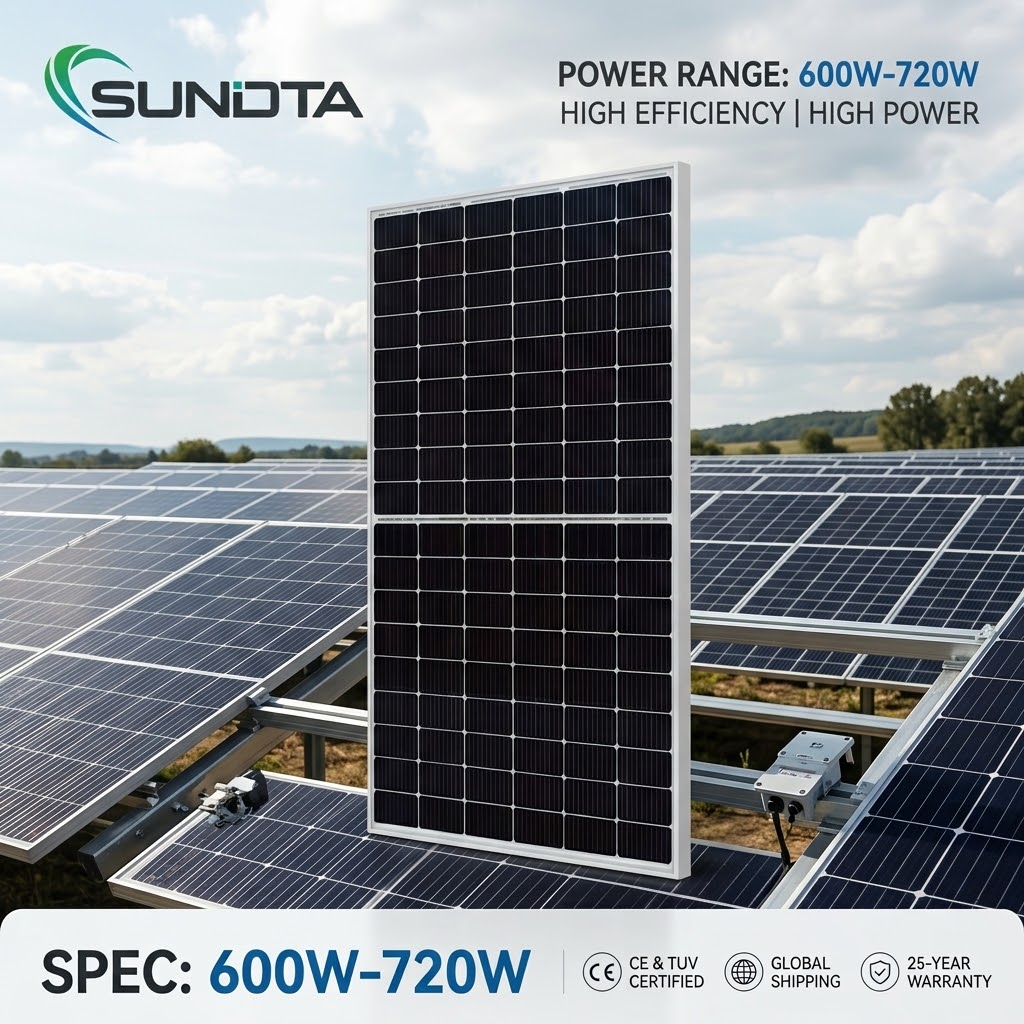
Under Mexico’s Distributed Generation framework (Generación Distribuida), projects up to 499 kWp do not require full generation permits from CRE, allowing fast-tracked interconnection under net metering (Medición Neta) and net billing schemes with the Comisión Federal de Electricidad (CFE). Puebla is experiencing a massive shift toward commercial rooftop installations engineered to sit exactly under this 500 kW ceiling. Installing high-efficiency 585W+ all-black monocrystalline modules allows EPCs to capture the highest possible wattage within restricted roof surfaces without surpassing the structural weight restrictions common to older industrial factory metal roofs.
With international automotive, plastics, and textile manufacturing investments relocating to Central Mexico, municipal substations face capacity constraints. Commercial energy storage systems (ESS) combined with dedicated solar arrays give incoming enterprises rapid power availability without waiting years for grid infrastructure expansions.
Central Mexican manufacturing clusters face sporadic unannounced voltage sags and blackouts. Hybrid systems with closed-loop BMS communication ensure microsecond cut-over to LiFePO4 batteries, safeguarding high-precision CNC machinery and automated assembly lines from expensive downtime.
CFE approval requires full compliance with Mexican official standards (NOM-001-SEDE) and international certifications including IEC 61215, IEC 61730, and UL 1741. Sourcing direct from Anhui RJV New Energy guarantees all test reports, flash test datasheets, and anti-PID certificates are immediately ready for verification units (UVIE) inspection.
Direct answers for Mexican procurement managers, EPC contractors, and system installers navigating international logistics and local installation.
Headquartered in Hefei, Anhui Province—one of the world's leading centers for photovoltaic engineering and battery innovation—Anhui RJV New Energy Co., Ltd. has established itself as an essential partner for international PV distributors and utility EPCs since 2016.
We combine over 2 GW of fully automated module manufacturing capacity with a deeply vetted ecosystem of inverter and storage technologies. Our products are assessed on-site by TÜV Rheinland, hold verified CE marking, and operate under rigorous ISO9001/14001 quality management protocols.
Connect directly with our photovoltaic application engineering team. We supply tailored Bill of Materials (BOM), CAD array designs, flash test reports, and FOB/CIF freight quotations within 24 hours.