Commercial Hybrid
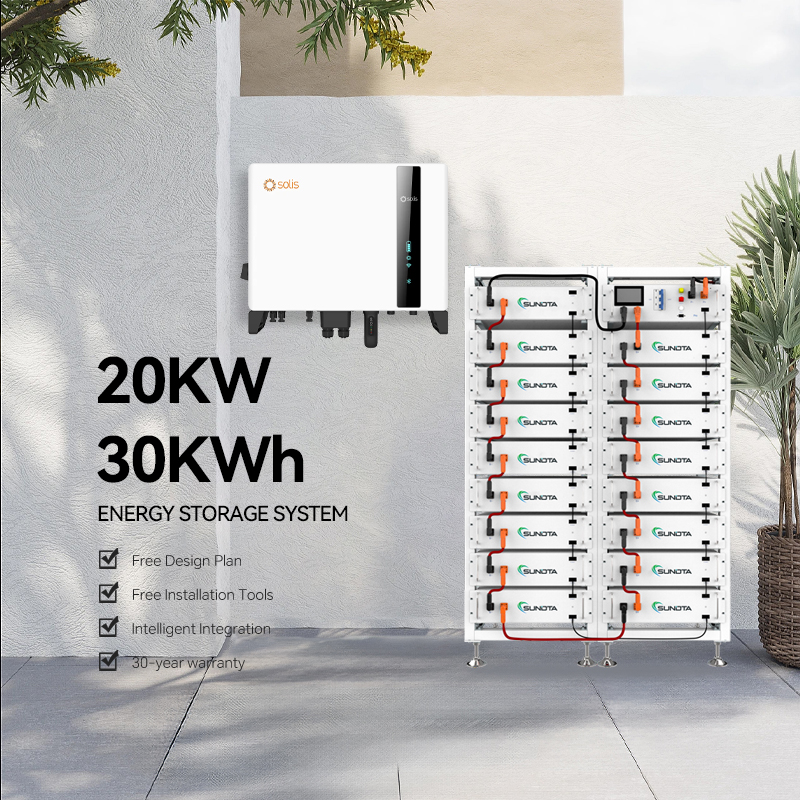
From plug-and-play balcony micro-PV generators to heavy-duty residential hybrid storage, explore our verified system configurations tuned for multi-unit dwellings and suburban estates in David, Chiriquí.
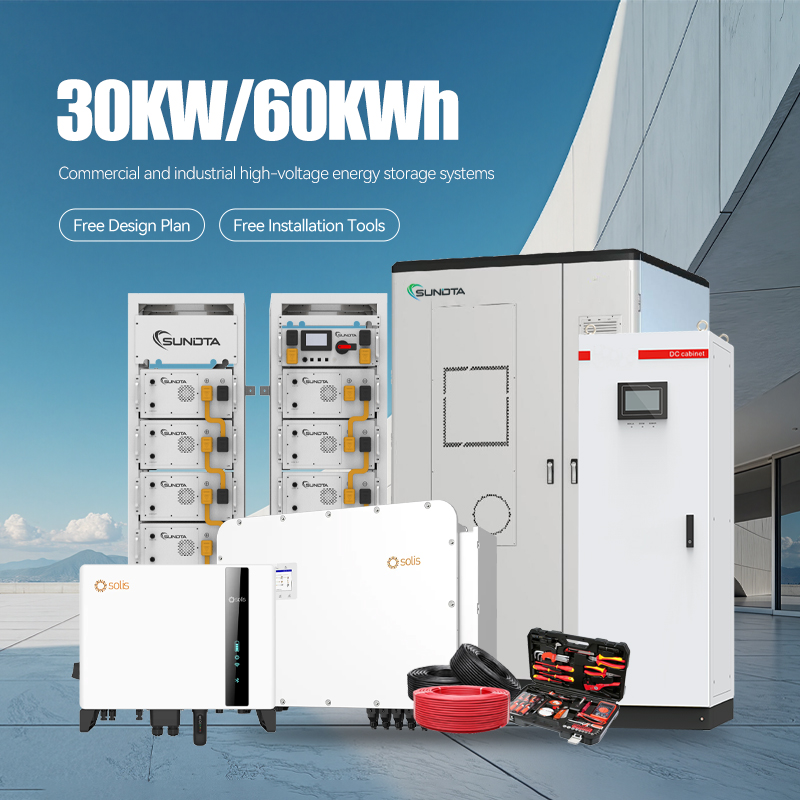
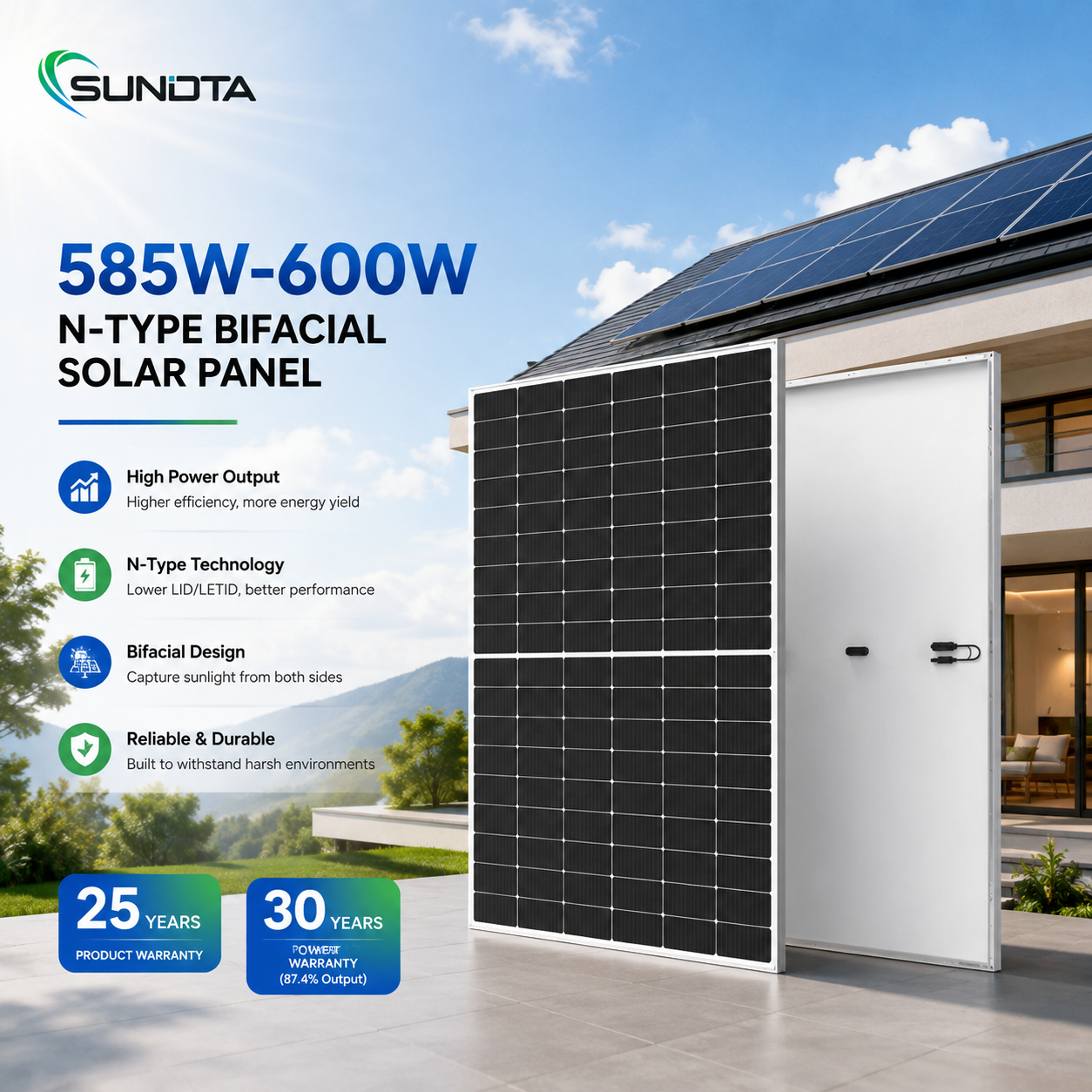
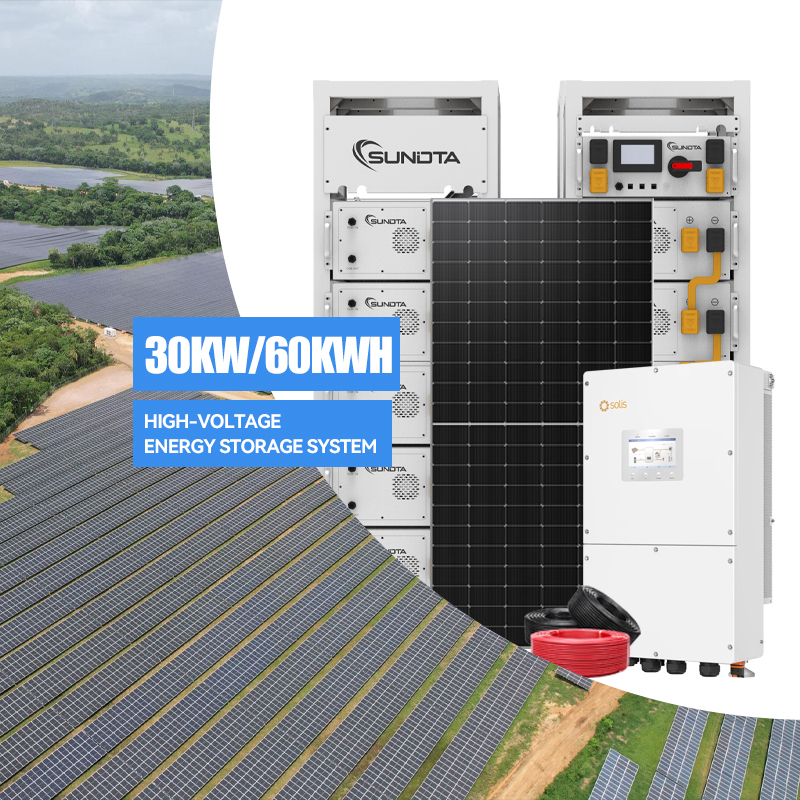
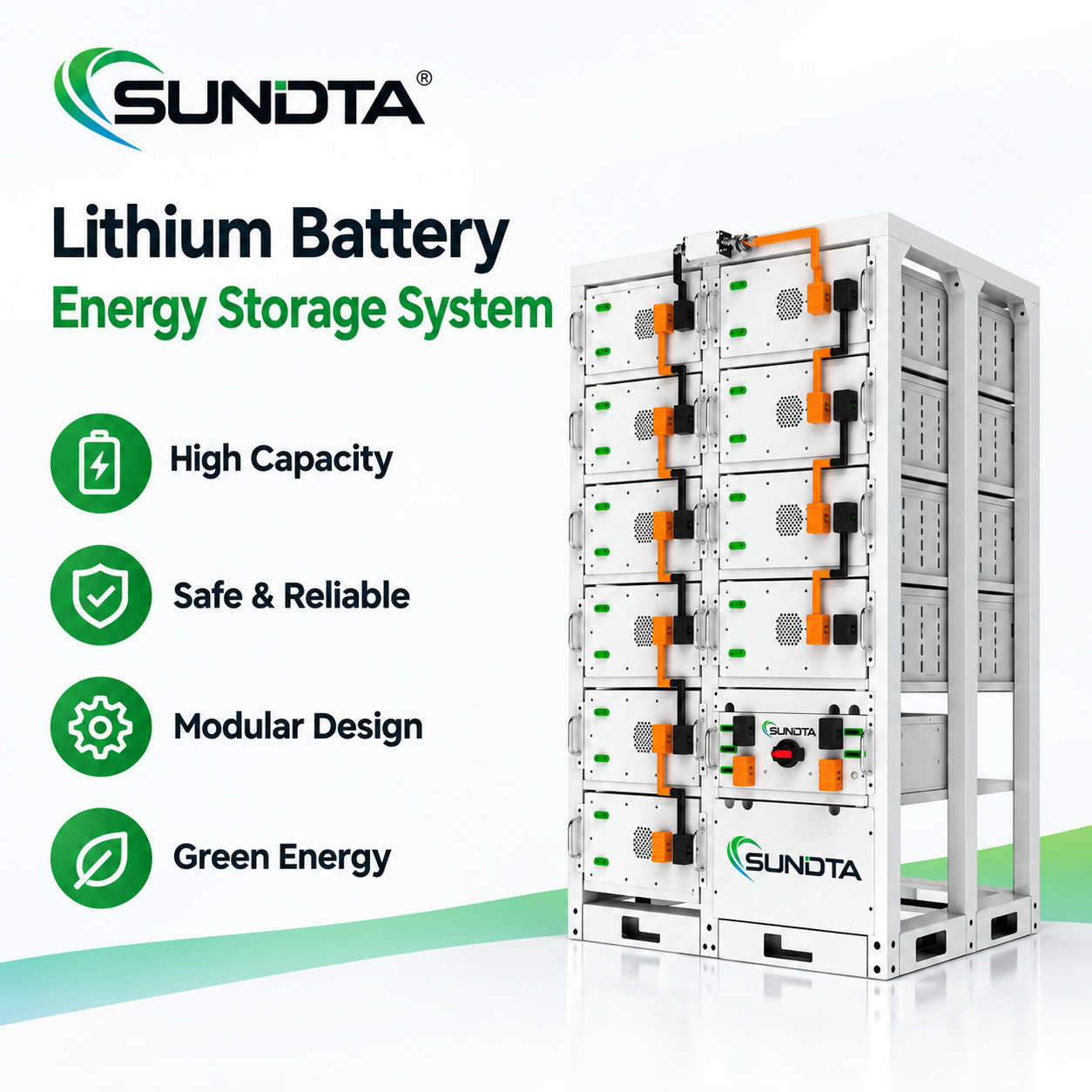
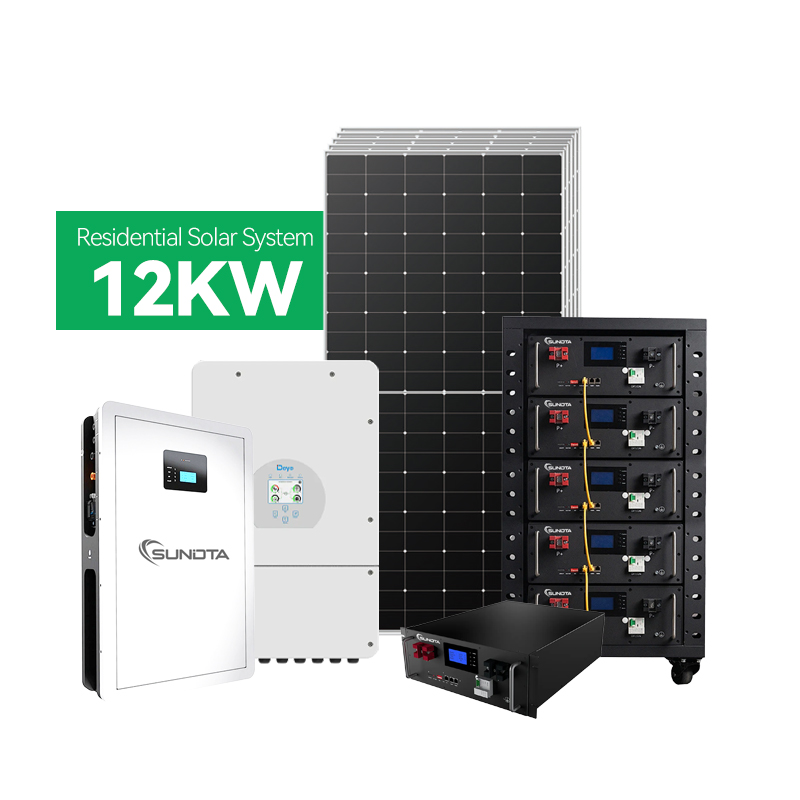
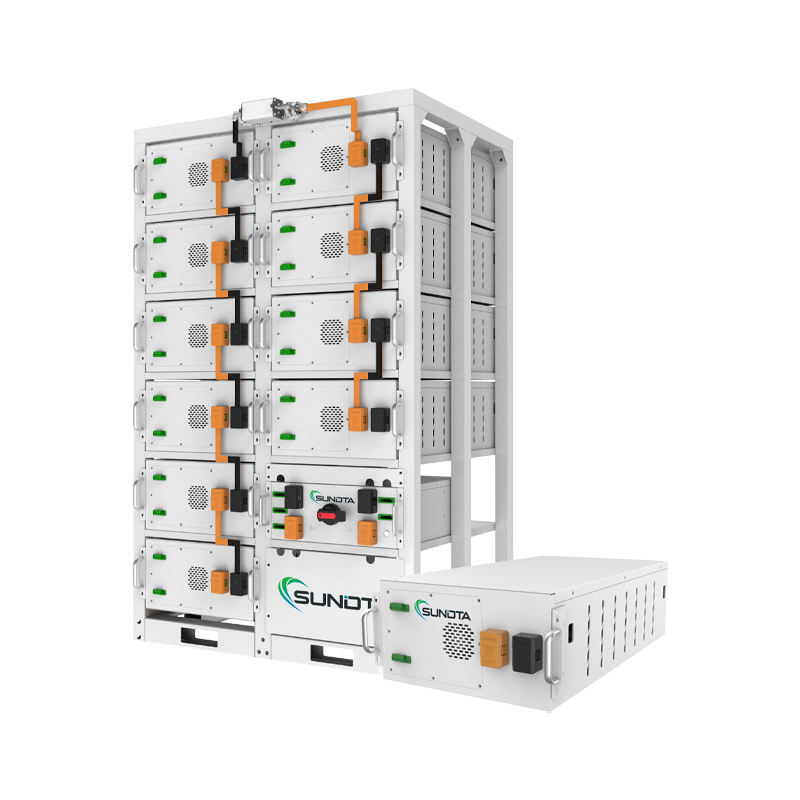
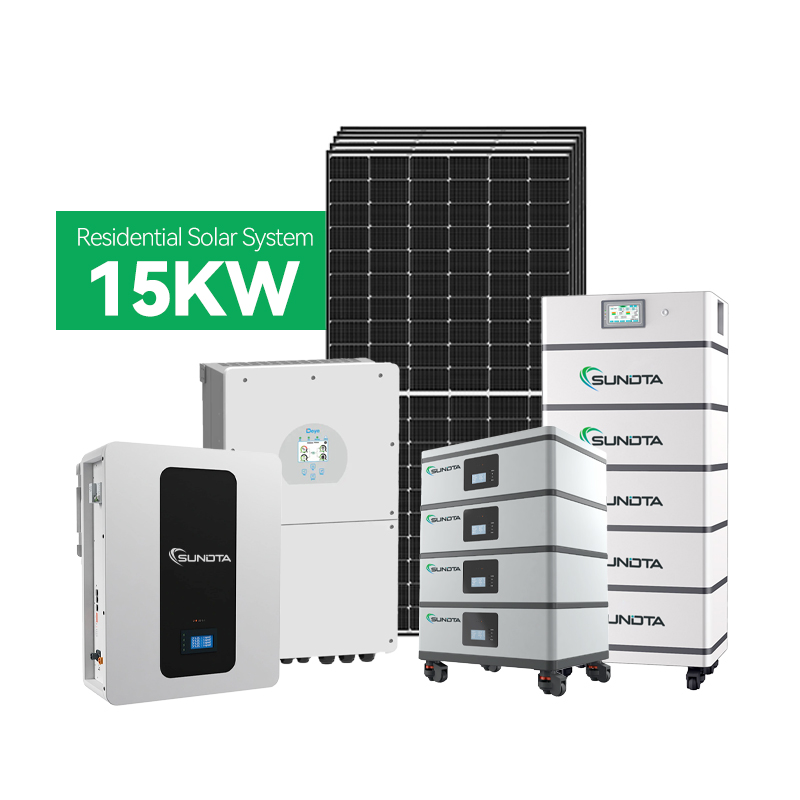
Deploying solar technology in David requires precision engineering that overcomes heavy equatorial thermal coefficients, rapid wet-dry humidity cycles, and unique regional grid interconnect codes.
High-density apartments around Calle Central and modern housing developments lack roof deed rights. Balcony PV delivers decentralized power directly to residential sub-panels.
David experiences consistently high ambient temperatures year-round, causing extreme daytime air conditioning electricity consumption and aggressive utility tier pricing.
Chiriquí distribution networks regularly encounter transient brownouts and thunderstorm interruptions. Hybrid micro-storage ensures continuous critical operation.
A comprehensive analytical overview of regulatory frameworks, technical barriers, and market evolution for PV hardware distributors and EPC contractors in the Chiriquí region.
Historically, solar deployment throughout the Republic of Panama has leaned toward rural off-grid fincas and large utility-scale solar farms in Coclé and Herrera. However, rapid commercialization and residential development in David—the second-largest urban center in the country—have revealed serious energy pain points. Real estate growth in multi-tenant condominium complexes and private gated communities has created an immense demographic of homeowners who do not own their roofing structures, barring them from conventional multi-kilowatt rooftop installations.
Consequently, balcony solar systems (micro-PV) have emerged as the fastest-growing residential energy sector. By deploying compact bifacial monocrystalline panels mounted securely to balcony balustrades, patios, and apartment terraces, residents can generate 600W to 1200W of continuous power directly behind their individual electricity meters. This satisfies the baseload requirements of modern inverter air conditioners, multi-door refrigerators, and home offices without requiring commercial civil alterations.
Procuring and installing solar hardware in David requires strict alignment with the Autoridad Nacional de los Servicios Públicos (ASEP). The local distribution utility, Naturgy (EDECHI), enforces clear requirements concerning back-feeding and grid safety. Plug-in solar systems must feature rapid shutdown capabilities and certified anti-islanding protection (such as UL 1741, IEEE 1547, and IEC 62109 compliance). When utility line voltage drops during maintenance or local distribution failures, the micro-inverter must decouple within milliseconds to protect utility lineworkers.
Supplying hardware into this market requires pre-certified inverters capable of Zero-Export (Injection Limiting). Our smart BMS and inverter architectures integrate high-resolution current transformers (CT sensors) that instantaneously throttle solar generation to match real-time home consumption, circumventing tedious interconnection permitting processes for systems under individual thresholds.
David is notorious for its combination of extreme ambient temperatures (often exceeding 35°C in the dry season) and intense relative humidity accompanied by heavy downpours during the wet season. High ambient heat is the enemy of crystalline silicon solar panels, causing standard P-Type PERC cells to suffer drastic voltage drops due to negative temperature coefficients (-0.38%/°C to -0.42%/°C).
Our engineered solutions for the David market exclusively leverage N-Type TOPCon (Tunnel Oxide Passivated Contact) cells, boasting an industry-superior temperature coefficient of -0.30%/°C. Coupled with dual-glass bifacial encapsulations, our modules reject PID (Potential Induced Degradation) and prevent moisture ingress from tropical humidity, ensuring a verified 30-year operational life even in coastal climates influenced by the nearby Pacific maritime front.
Direct OEM manufacturing depth, rigorously tested bill of materials, and guaranteed protocol synchronization between solar modules, hybrid inverters, and LiFePO4 batteries.
Backed by 12+ years of specialized R&D and over 38 proprietary patents, our fully automated module production lines in Hefei eliminate micro-cracking and solder defects using non-destructive laser slicing.
Eliminate system commissioning errors. We ensure 100% CAN / RS485 communication synchronization between our 51.2V LiFePO4 smart battery BMS and top-tier hybrid inverters (Deye, Solis, and RJV systems).
Our manufacturing facilities and QC procedures are physically inspected and audited by TÜV Rheinland. Every batch includes full flash test reports, CE declarations, UN38.3 test summaries, and export documentation.
Direct access to bilingual PV systems engineers for system sizing, load profile analysis, CAD drawings, firmware updates, and rapid spare-parts deployment to support your installation pipeline.
Answers to common technical, shipping, and regulatory questions raised by Panamanian distributors, installers, and residential project developers.
We provide full customs-ready documentation including Commercial Invoice, Packing List, Bill of Lading, and CE/IEC conformity reports. Solar modules and inverters shipped to the Port of Balboa or Port of Manzanillo (Colón) typically qualify for preferential clean-energy tariff treatment under Panamanian incentives (Law 37/Law 38). Transit times from our manufacturing facilities to Panama range between 24 and 32 days.
Standard grid-tied micro-inverters automatically decouple during a power outage to comply with safety regulations. However, if your customer selects our hybrid kit configurations (e.g., coupling with our 51.2V LiFePO4 stackable battery), the system seamlessly transfers critical balcony loads to an independent battery backup circuit in under 10 milliseconds, maintaining power for medical equipment, routers, and essential cooling.
For distributors, installers, and developers in David, we support flexible order structures. Complete residential turnkey systems, hybrid inverters, and stackable lithium batteries have an MOQ of just 1 unit/set for prototyping and showroom evaluation. PV modules are consolidated on standardized wooden export pallets (typically 31 to 36 panels per pallet) to ensure structural integrity during maritime shipping.
Our solar modules feature 3.2mm tempered anti-reflective front glass, 35mm anodized aluminum alloy frames, and IP68-rated junction boxes equipped with bypass diodes. Tested against mechanical surface loads up to 5,400 Pa (equivalent to extreme wind and torrential downpours), our structural railing brackets are made of corrosion-resistant SUS304 and marine-grade AL6005-T5 aluminum, resisting rust even in humid Pacific air.
Yes. We support custom logo silk-screening on module backsheets, branded inverter chassis graphics, customized color packaging boxes for balcony retail kits, and customized firmware splash screens. Complete installation manuals can be supplied in professional Spanish with your corporate contact details, providing localized EPCs with turn-key branding solutions.
We support standard international commercial arrangements including FOB (Ningbo/Shanghai), CFR, CIF (Balboa/Manzanillo), and EXW. Financial settlements can be executed via verified Bank Wire (T/T), Irrevocable Letters of Credit (L/C at sight), and flexible payment milestones for verified volume contract distributors.
Are you an EPC contractor, electrical hardware distributor, or project developer preparing an order for the David or Western Panama market? Contact our bilingual engineering team today for comprehensive bill-of-materials sizing, technical datasheets, and CIF freight quotations.