High-Yield Bifacial PV Modules & Integrated BESS Systems
Engineered to withstand heavy snow loads, arid dust conditions, and extreme diurnal temperature variations in Yerevan, Kotayk, and the Ararat Valley.
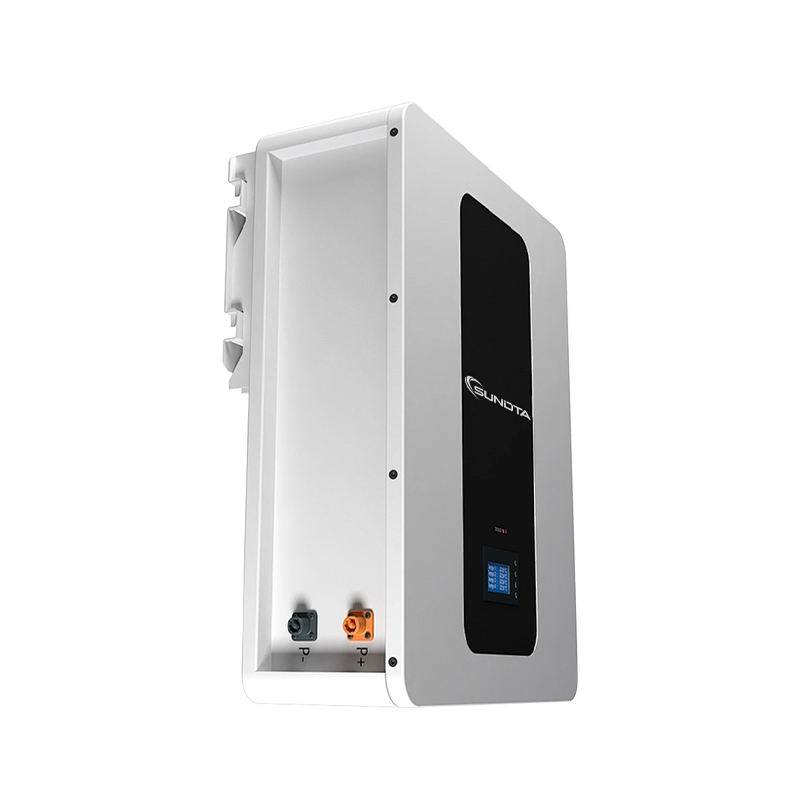
Sundta POLO-W1 LiFePO4 Lithium Battery Wall-Mounted 5kWh Home Power Storage
- Deep-Cycle 51.2V 100Ah LiFePO4 cell matrix
- IP65 ingress rating for external/indoor mounting
- Integrated Smart BMS with CAN/RS485 auto-pairing
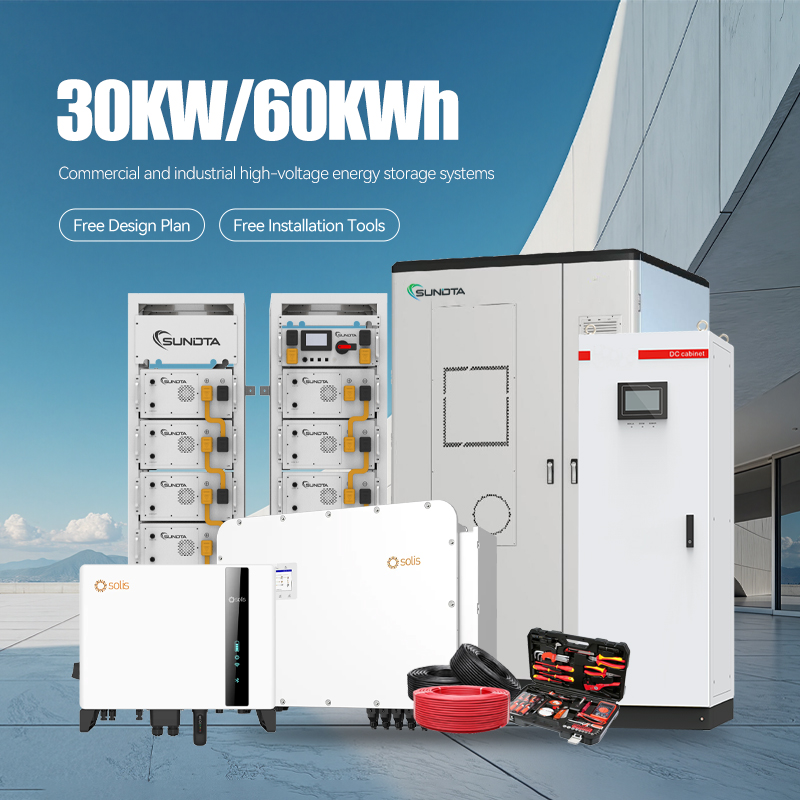
30KWH 51.2V 314AH LiFePO4 All-in-One Home & Light Commercial Storage
- High-capacity 314Ah CATL/EVE grade prismatic cells
- Heavy-duty 48V/51.2V split-phase power backup
- 6,000+ deep cycles at 80% DOD longevity
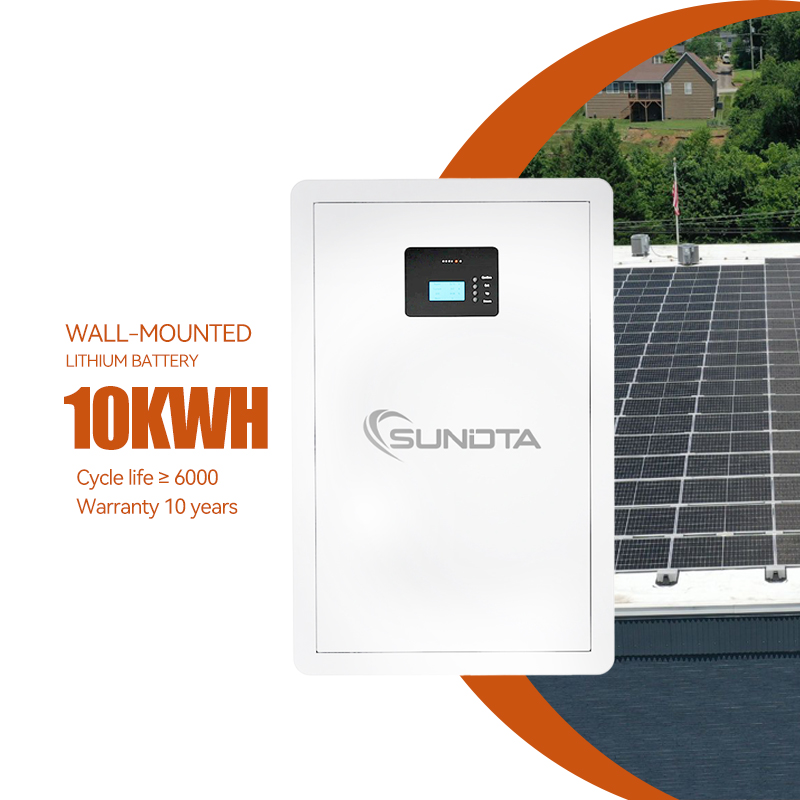
Sundta IP65 10kWh 51.2V 200Ah Wall Mounted LiFePO4 Battery Storage
- Built-in Smart BMS with active cell balancing
- Compatible with Solis, Deye, and Growatt inverters
- Compact wall-hung aesthetic for villas & offices
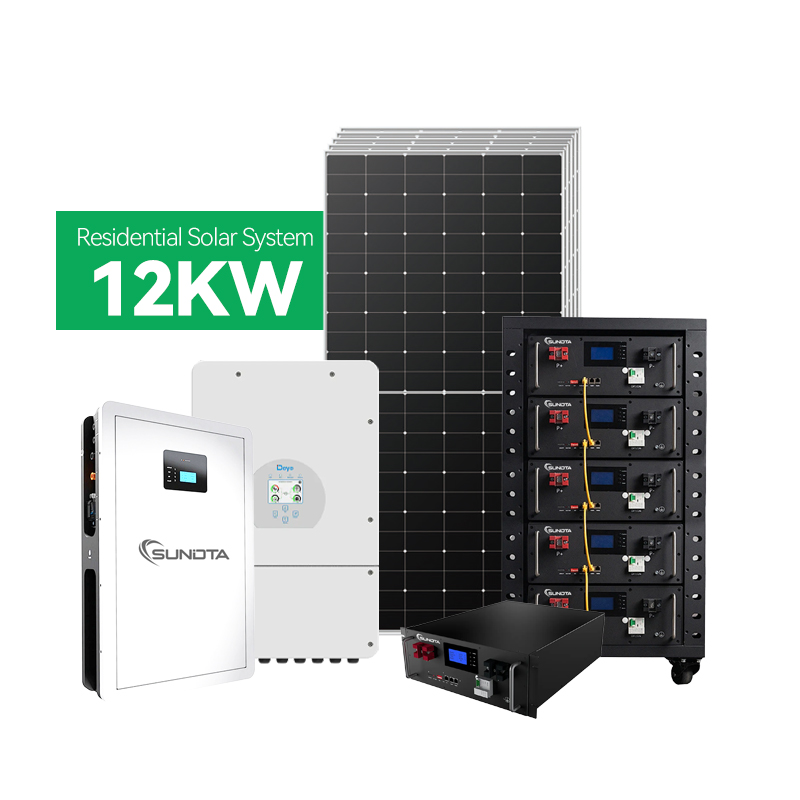
Sundta 12Kw Hybrid Storage System Monocrystalline 25Kw Battery Set
- Three-phase unbalanced load support (0-100%)
- Monocrystalline silicon high-yield rooftop array
- UPS-grade microsecond automatic transfer switch
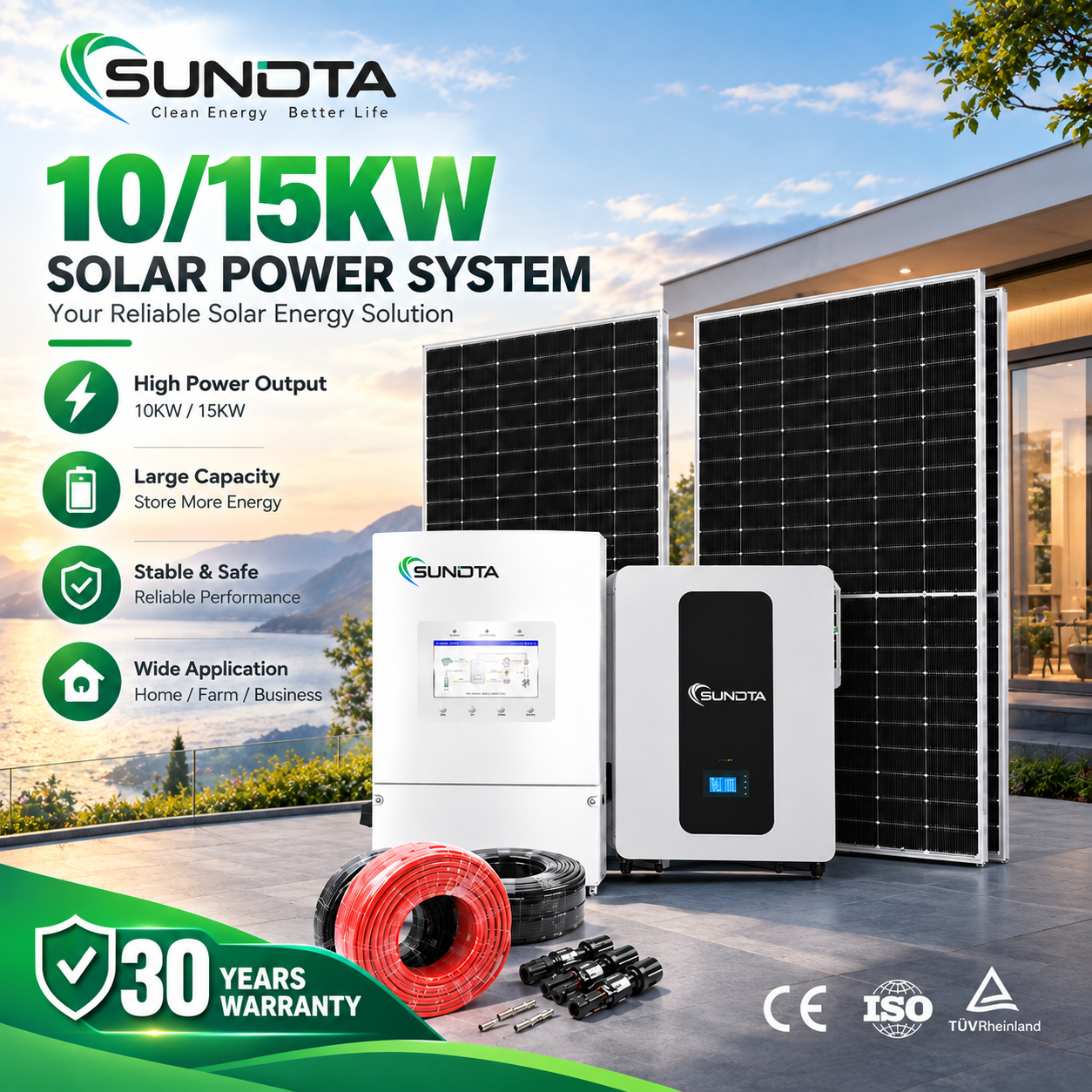
Premium 585W-595W N-Type / PERC Bifacial Monocrystalline PV Module
- Dual-glass anti-reflective 2.0mm tempered glass
- Up to 25% rear albedo energy gain in snowy terrain
- Low LID/LETID cell passivation architecture
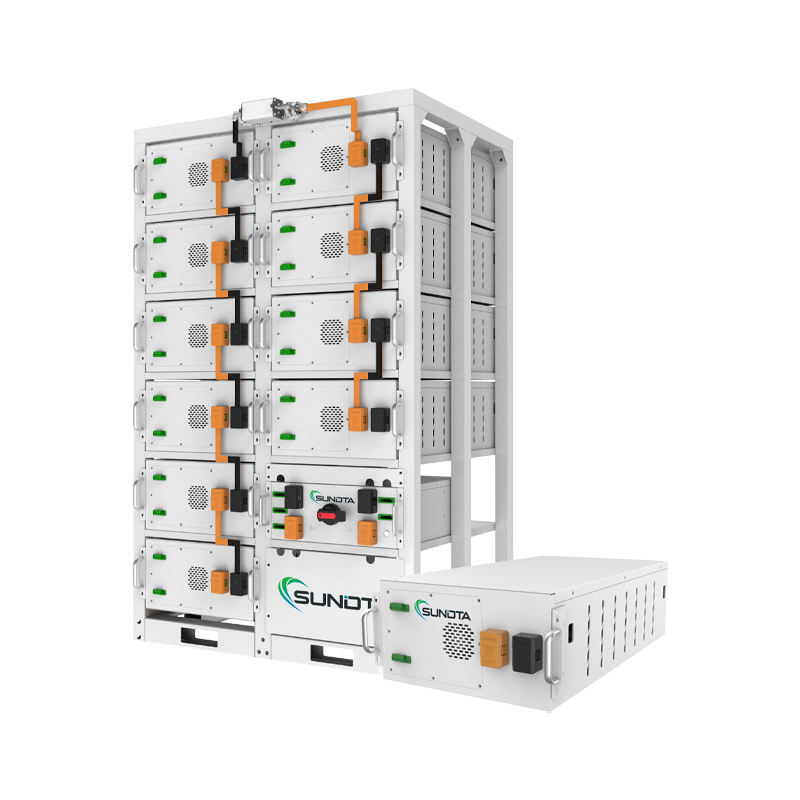
Stackable 51.2V 14.336kWh LiFePO4 Solar Energy Storage Battery
- Modular plug-and-play stacking up to 100kWh+
- Automotive-grade structural safety housing
- Complete 10-Year factory backed warranty
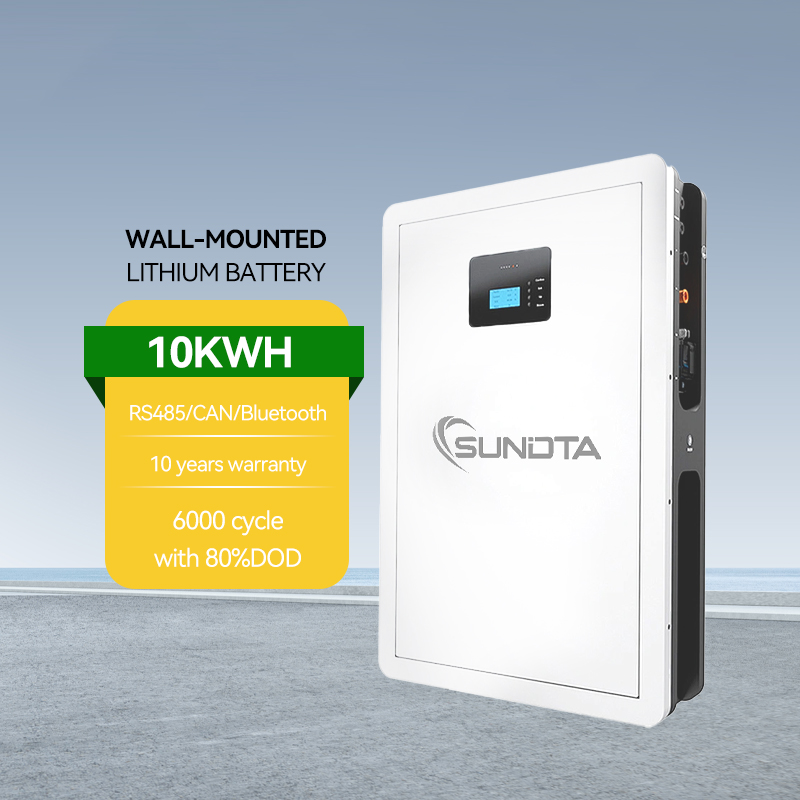
Fast Dispatch 48V 51.2V 100Ah/200Ah Wall-Mounted LiFePO4 Unit
- Low-voltage configuration for cost-effective retrofit
- High-discharge C-rate for inductive surge loads
- Rapid delivery from regional Eurasian hub
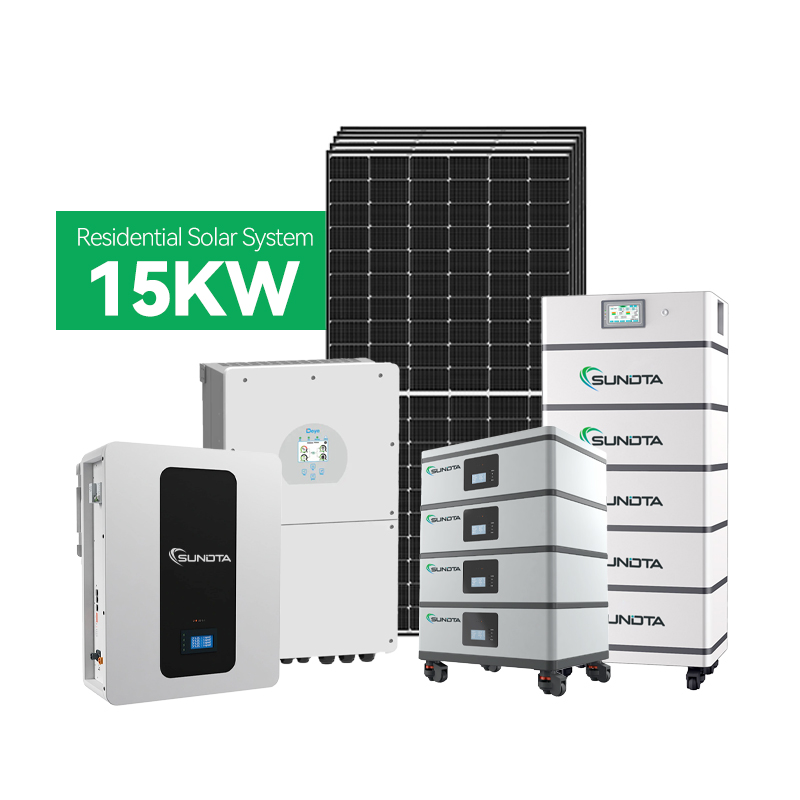
Sundta Turnkey Hybrid Solar Kit 5KW 10KW 12KW 15KW Full System
- Pre-matched PERC modules + Hybrid Inverter + LiFePO4
- Includes racking, solar cables, and DC combiner box
- PSRC compliant for autonomous net-metering connection
Optimizing Bifacial PERC Photovoltaic Architecture in Armenia's Climate
Why atmospheric transparency, alpine albedo, and sub-zero winter temperatures dictate dual-glass bifacial cell selection across Yerevan and the Caucasus plateau.
High-Altitude DNI & Cell Passivation
Yerevan sits at an average elevation of ~1,000 meters above sea level, reaching up to 1,400 meters in adjoining districts like Nork-Marash and Avan. At this altitude, atmospheric optical depth is reduced, resulting in intense Direct Normal Irradiance (DNI) exceeding 1,720 kWh/m² annually. Our Bifacial PERC (Passivated Emitter and Rear Cell) modules utilize advanced aluminum oxide (Al2O3) rear-surface dielectric passivation layers coupled with optimized silicon nitride (SiNx) anti-reflective coatings. This mitigates carrier recombination and ensures that high ultraviolet (UV) fluxes do not induce localized junction degradation.
Dual-Glass Symmetric Mechanical Integrity
Armenian winters present severe mechanical challenges, including heavy snow loads in the Kotayk foothills and fierce wind gusts sweeping through the Razdan river canyon. Our factory produces 2.0mm + 2.0mm semi-tempered dual-glass bifacial laminates. Unlike conventional polymer backsheet panels that experience asymmetrical shear stresses under thermal cycling (-25°C winter to +42°C summer in Yerevan), our dual-glass symmetrical structure keeps the zero-stress neutral axis centered directly inside the silicon wafer plane, eliminating micro-cracking and snail trails.
Negative Thermal Coefficient Economics
Monocrystalline PERC technology delivers an industry-optimized temperature coefficient of Pmax at -0.34%/°C. In continental climates like the Ararat plain, solar panels experience high operating temperatures during midsummer noon. Our modules utilize multi-busbar (MBB) half-cut cell geometry, which slashes the internal cell current by half. This reduces resistive I²R heat dissipation by 75%, allowing modules to operate 2.2°C cooler than conventional full-cell layouts, directly maximizing kilowatt-hour yield into Armenian transmission lines.
Localized Photovoltaic Application Scenarios Across Armenia
Tailored mechanical racking and electrical configurations for urban rooftops, industrial processing plants, and alpine utility microgrids.
Agrivoltaic Fruit & Vineyard Arrays
The Ararat Valley serves as Armenia's agricultural core. Elevated bifacial PERC arrays mounted at 2.4-meter clearances allow tractor passage while harnessing high albedo (0.28 to 0.35) from light-colored calcified volcanic soils. The rear-side harvest generates up to 18% additional energy while providing shade that reduces crop evapotranspiration during summer heatwaves.
Commercial Roofs & Industrial Parks
Enterprises in Yerevan's Shengavit, Malatia-Sebastia, and Erebuni districts face escalating peak electricity tariffs. Installing non-penetrating bifacial ballast systems over white reflective TPO/EPDM membrane roofs delivers levelized costs of electricity (LCOE) below 14 AMD/kWh, offsetting grid dependency and stabilizing operational margins against future tariff hikes.
Alpine High-Albedo Ground Power Plants
Regions surrounding Lake Sevan and Tsaghkadzor experience consistent ground snow cover for over 90 days annually. Fresh snow provides an exceptional albedo coefficient of up to 0.82. Dual-glass bifacial modules mounted on fixed-tilt 35° galvanized ground racks unlock up to 28% supplementary rear energy yield during freezing, clear-sky winter months.
Autonomous Microgrids with LiFePO4 Storage
Commercial facilities and private villas seeking complete grid autonomy leverage our hybrid solar systems paired with Sundta 51.2V LiFePO4 battery stacks. Closed-loop CAN bus integration ensures instantaneous transition during grid brownouts, securing water pumps, HVAC systems, and cold storage logistics without interruption.
Bifacial Yield Gain Simulation Across Yerevan Topographies
Calculated using PVsyst mathematical modeling based on 590W Bifacial PERC half-cell architecture with a 70% bifaciality factor.
| Ground Surface Substrate (Installation Terrain) | Surface Albedo Range (ρ) | Ground Clearance Height (m) | Rear-Side Irradiance Gain (%) | Equivalent Module Power Output | Expected 25-Yr System LCOE Impact |
|---|---|---|---|---|---|
| Compacted Dark Soil / Weathered Asphalt (Urban Yerevan) | 0.12 – 0.15 | 0.8 m | +6.8% – +8.2% | 630W – 638W | -4.2% LCOE |
| Dry Clay & Light Volcanic Tuff Gravel (Ararat Valley) | 0.25 – 0.32 | 1.2 m | +12.4% – +15.1% | 663W – 679W | -8.9% LCOE |
| White Concrete / High-Reflectance TPO Membrane (Factory Roofs) | 0.55 – 0.65 | 1.5 m | +19.2% – +22.8% | 703W – 724W | -13.7% LCOE |
| Dense Alpine Snow Cover (Kotayk & Gegharkunik Plateaus) | 0.75 – 0.85 | 1.8 m | +24.5% – +28.9% | 734W – 760W | -17.5% LCOE |
Armenia's Solar Energy Revolution & Regulatory Landscape
How the Republic of Armenia's Energy Sector Strategic Development Plan to 2040 empowers distributed autonomous generation and utility expansion.
PSRC Autonomous Power Generation Rules
The Public Services Regulatory Commission (PSRC) of Armenia allows industrial and residential consumers to operate as autonomous solar power producers up to 150 kW for commercial and up to 500 kW for agricultural entities under streamlined net-metering schemes. Surplus generation injected into the Electric Networks of Armenia (ENA) grid is credited at favorable settlement tariffs, yielding payback cycles of under 3.8 years when using direct manufacturer-sourced equipment.
Decarbonization & International Financing
Armenia aims to raise the share of solar energy in domestic power generation to over 15% by 2030. Backed by concessionary green financing programs from the European Bank for Reconstruction and Development (EBRD), the Asian Development Bank (ADB), and the German-Armenian Fund (GAF), commercial solar projects qualify for subsidized interest rates, provided their bill of materials meets strict IEC 61215 and IEC 61730 reliability standards.
Eurasian Economic Union (EAEU) Logistics Flow
Operating through established Eurasian transport corridors, our factory direct supply models allow streamlined clearance. Utilizing maritime routes via the Black Sea into the Port of Poti or Batumi, followed by direct rail and bonded road transport to Yerevan customs terminals, projects benefit from unified Technical Regulations (TR CU 004/2011, TR CU 020/2011) compliance without lengthy border re-inspections.
Why Regional EPCs and Developers Partner with Our Manufacturing Base
Combining 12+ years of automated module manufacturing depth with total electrical compatibility assurance across inverters and lithium storage.
Automated Manufacturing Scale
Our production facilities maintain 2 GW of annual automated manufacturing capacity. From multi-busbar high-precision stringing to automated EL (Electroluminescence) dual-stage crack detection, every bifacial PERC module undergoes flash testing with laboratory-level calibration before palletization.
TÜV Rheinland Verified Reliability
Our manufacturing protocols are verified on-site by TÜV Rheinland. Our panels hold full CE certifications and meet stringent IEC standards for salt mist corrosion, ammonia resistance, and sand abrasion, guaranteeing dependable power generation under harsh continental conditions.
Pre-Engineered BOM Compatibility
Eliminate costly field commissioning headaches. We harmonize string open-circuit voltages (Voc), MPPT input operational windows, and battery BMS communication protocols (CAN/RS485) between our bifacial panels, Deye/Solis hybrid inverters, and Sundta LiFePO4 batteries before container departure.
Frequently Asked Questions by Armenian Solar Contractors & EPCs
Engineering, customs, grid compliance, and operational details for importing bifacial solar modules to Yerevan.
How do cold winter temperatures in Armenia affect string sizing for 590W Bifacial PERC modules?
What certifications are provided for connection to the Electric Networks of Armenia (ENA)?
What is the optimal mounting height and pitch for bifacial modules in the Ararat Valley?
How are shipments routed to Yerevan, and what Incoterms do you support?
Are Sundta LiFePO4 batteries natively compatible with existing European and Asian inverters?
What is the minimum order quantity (MOQ) for bifacial panels and hybrid systems?
Accelerate Your Solar Infrastructure Projects in Armenia
Consult directly with our technical photovoltaic team. We provide complete string matching, bifacial rear-gain simulation modeling, and FOB/CIF proforma quotations tailored to your exact bill of materials within 24 business hours.