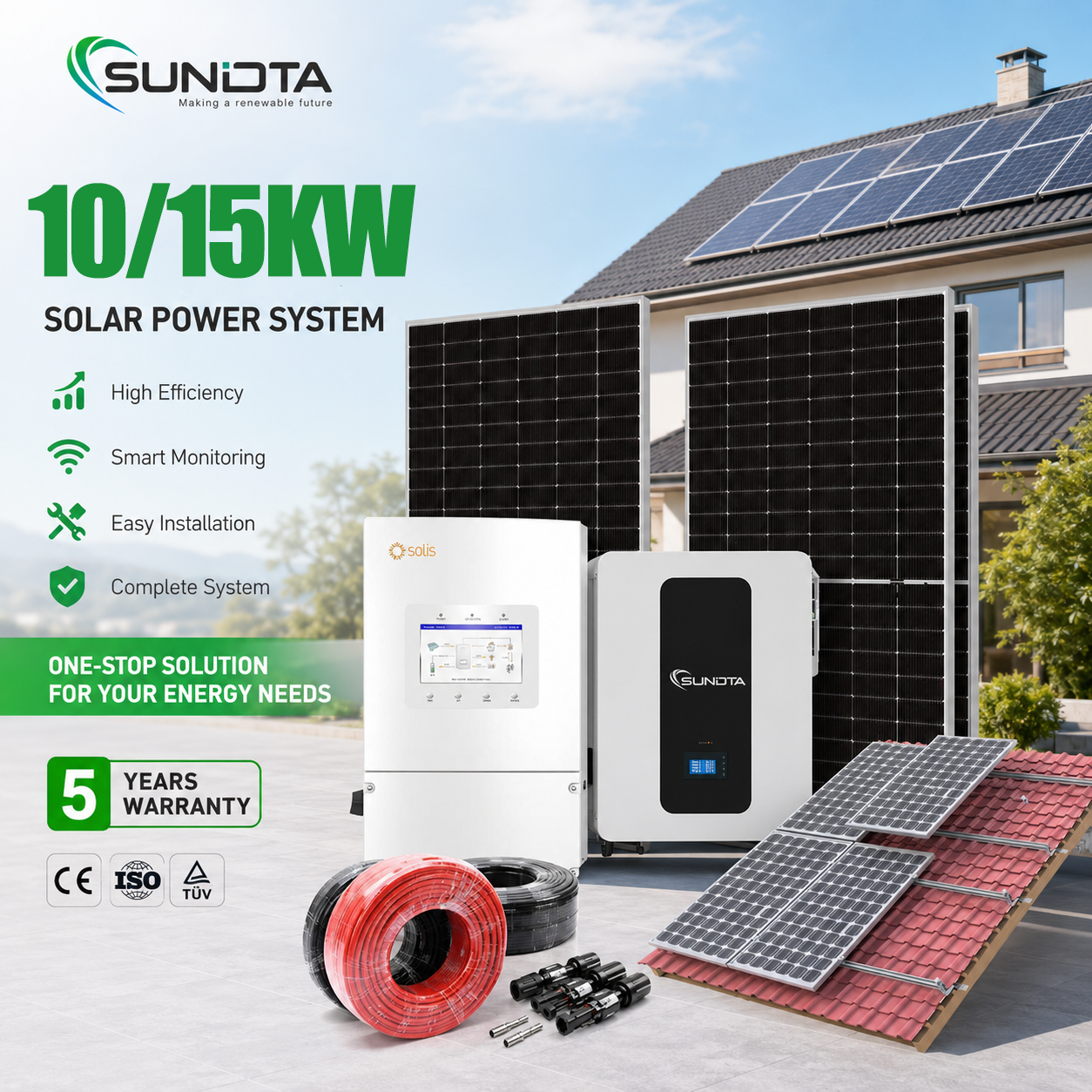
Hybrid 15kWh Inverter System 300Ah Lithium Ion Battery Split Stackable CAN Communication Home Use MPPT 15kW
15kW Split-Phase
300Ah LiFePO4
CAN Closed-Loop
Review System Specs
Engineered for Gulf Coast atmospheric humidity, extreme hail risks, and ERCOT grid fluctuations. Below are 8 synchronized power generation and storage components available for direct factory shipment and local container logistics.
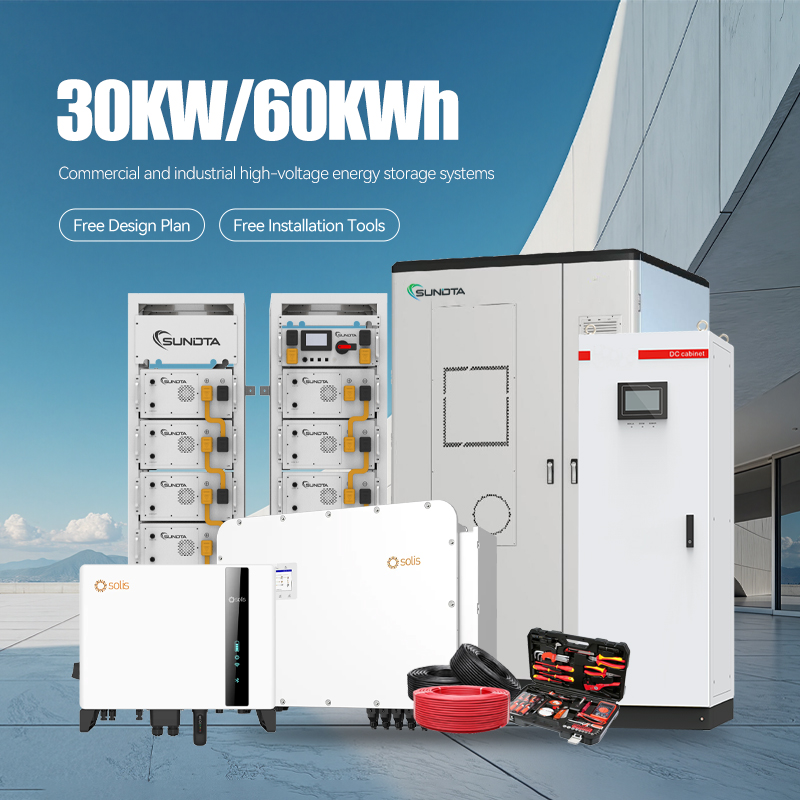
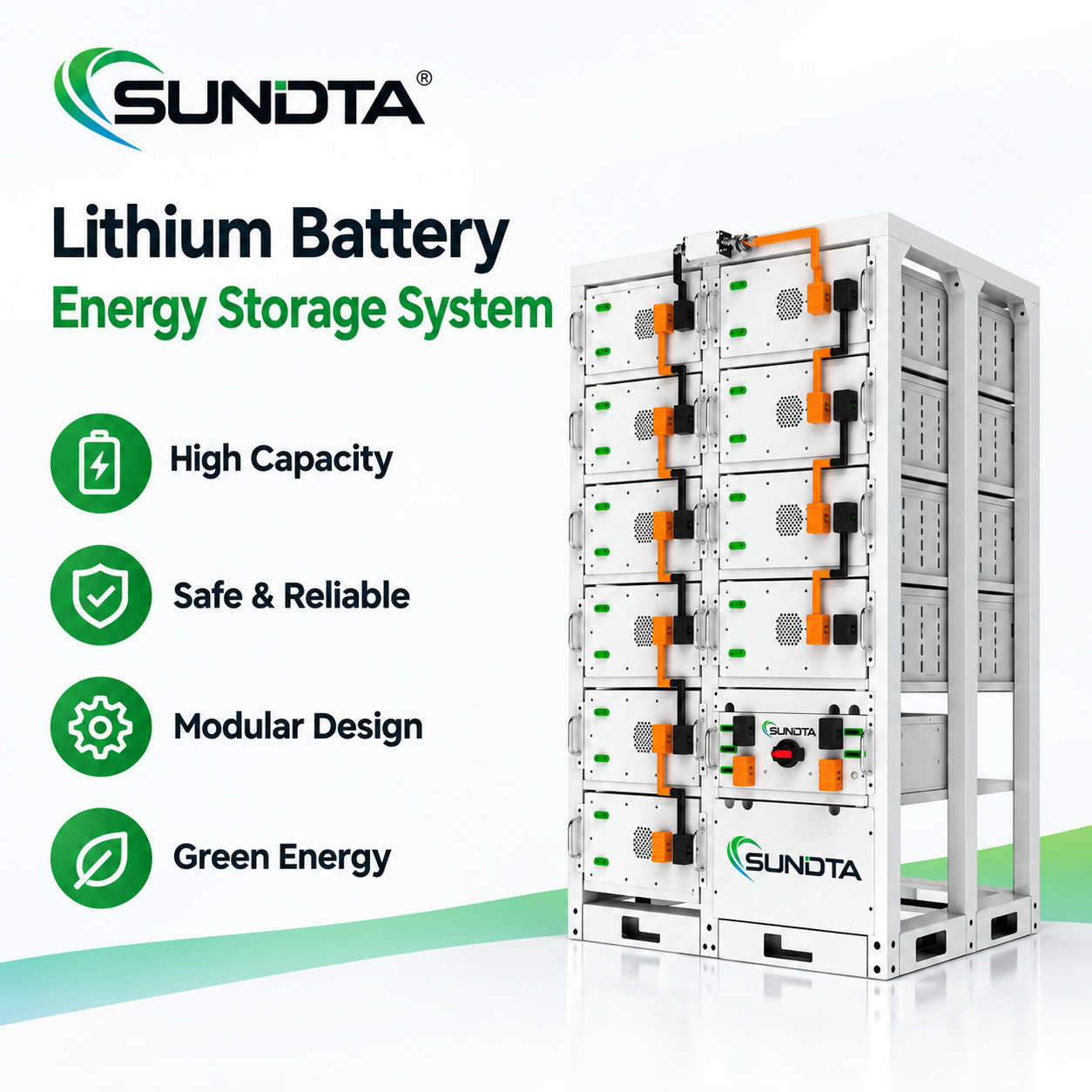
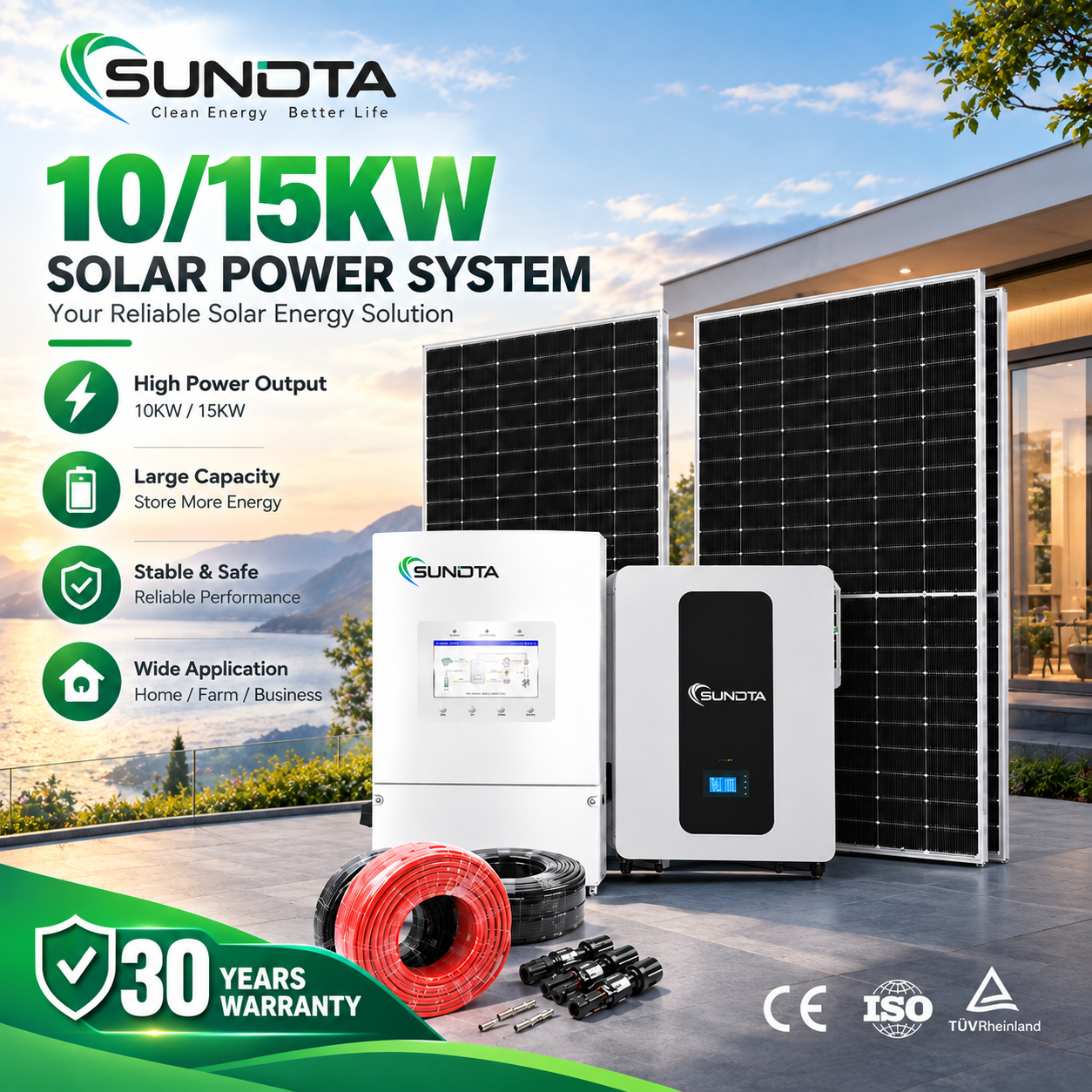
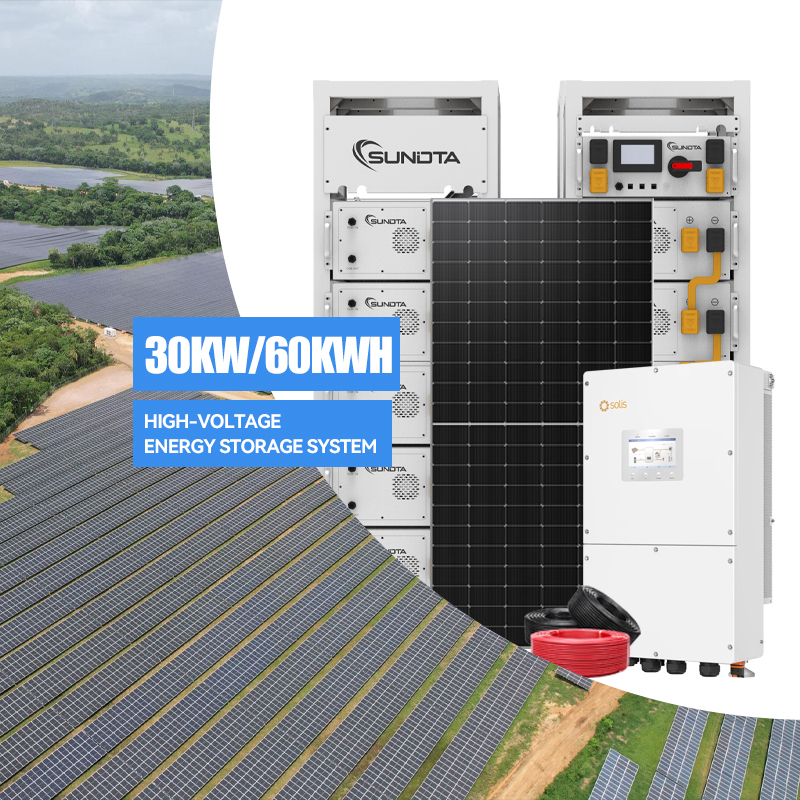
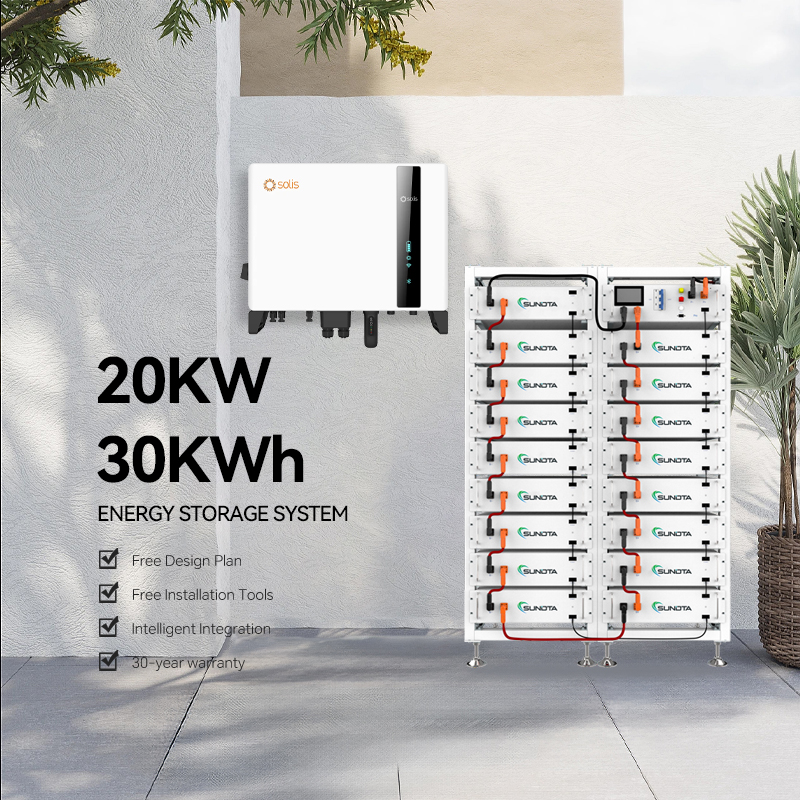
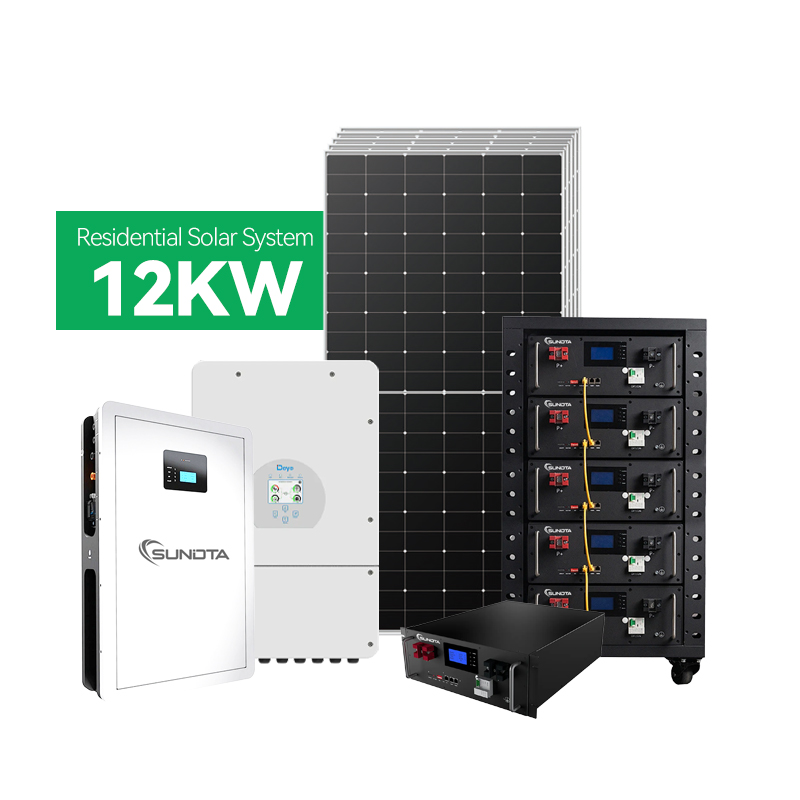
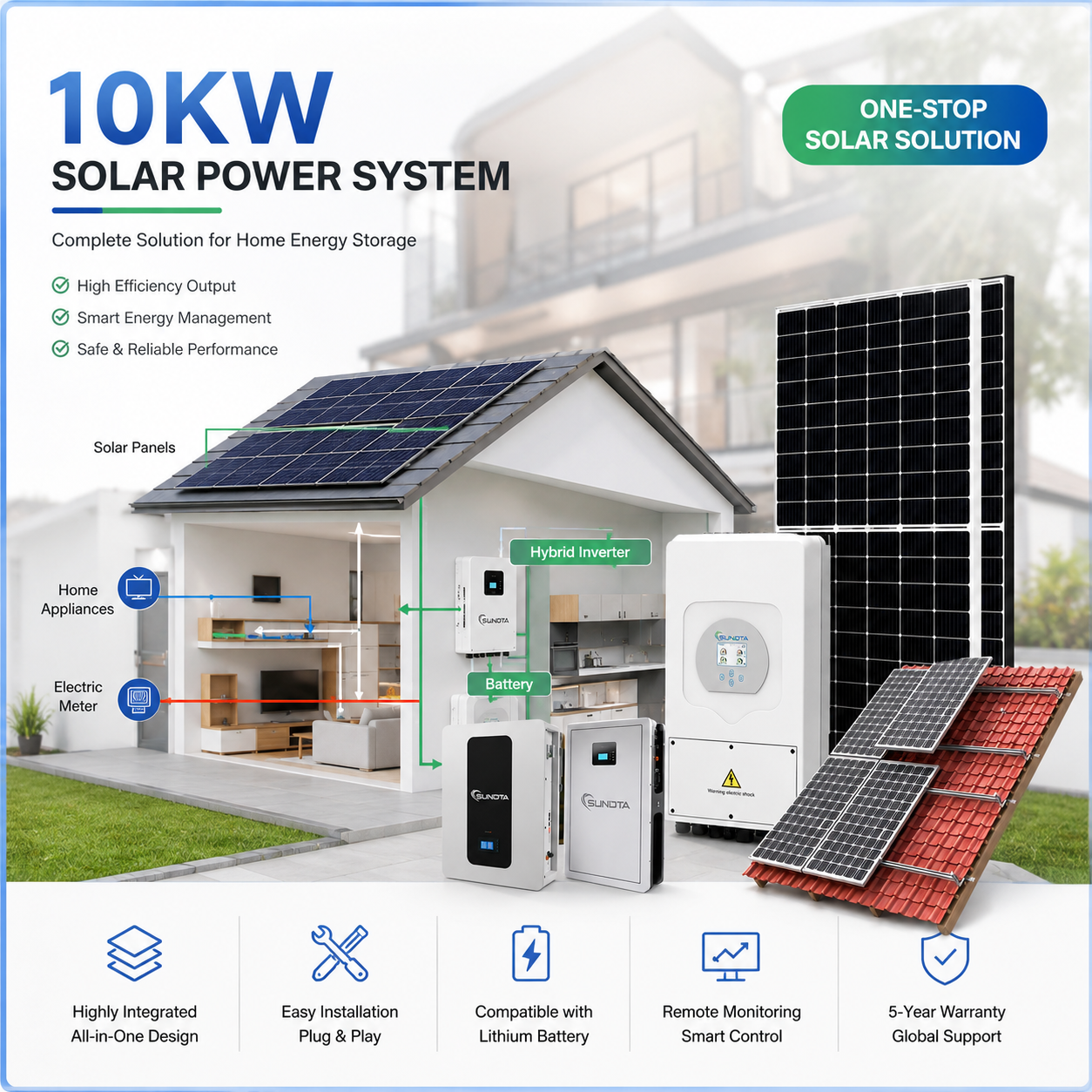
Houston’s unique microclimates—combining high relative humidity, severe summer heat index values, seasonal convective storms, and unique ERCOT nodal pricing dynamics—require specialized PV architecture beyond generic mono-facial designs.
Greater Houston boasts millions of square feet of light commercial warehousing along the I-10 and Beltway 8 corridors. White Thermoplastic Polyolefin (TPO) single-ply roof membranes present an exceptionally high albedo reflectance coefficient (typically 0.70 to 0.82). Installing our 585W–595W N-type bifacial dual-glass modules on tilted ballast racking leverages this reflected irradiance, producing a rear-side bifacial yield gain of 15% to 26% without increasing the building's physical footprint.
Following disruptions such as Winter Storm Uri and hurricane-driven downburst events, commercial operators throughout Harris, Fort Bend, and Montgomery counties cannot rely solely on grid connection. Coupling our N-type bifacial panels with integrated 50kW hybrid three-phase inverters and modular 30kWh–100kWh LiFePO4 batteries enables seamless, sub-10ms microgrid transfer, maintaining refrigeration, manufacturing lines, and emergency infrastructure independent of CenterPoint utility feed outages.
Subtropical maritime air along Galveston Bay and the Houston Ship Channel subjects photovoltaic modules to elevated saline aerosol mist and high diurnal thermal cycles. Traditional polymer backsheet modules suffer rapid EVA browning, delamination, and moisture ingress. Our bifacial panels integrate dual 2.0mm POE encapsulated tempered glass, achieving complete zero-water-vapor transmission, PID elimination, and mechanical endurance up to 5400 Pa mechanical load.
| Engineering Parameter | Standard Mono-Facial PERC | Anhui RJV N-Type TOPCon Bifacial | Texas Operational Benefit |
|---|---|---|---|
| Temperature Coefficient (Pmax) | -0.35% / °C to -0.38% / °C | -0.30% / °C | Generates up to 3.8% more real-world power during 100°F+ Houston summer peaks. |
| Bifaciality Factor | 0% (Opaque Backsheet) | 80% ± 5% Yield Factor | Captures back-side reflection from shell limestone, concrete, or white commercial TPO. |
| Initial Year Degradation | < 2.0% LID / LeTID | < 1.0% (Zero Boron-Oxygen Defects) | Safeguards plant capitalization ROI during critical year-one commercial commissioning. |
| Encapsulation Architecture | Single-Glass + Backsheet | Dual Tempered Anti-Reflective Glass | Resists Gulf Coast humidity, high-velocity coastal salt spray, and ASTM hail impacts. |
| 30-Year Warranty Retention | 84.8% Nominal Output | 87.4% Linear Output Guarantee | Delivers lower Levelized Cost of Energy (LCOE) across utility and microgrid contracts. |
An in-depth perspective on the technological and structural regulatory shifts redefining the energy matrix in the Energy Capital of the World.
The deregulated Electric Reliability Council of Texas (ERCOT) power market exhibits dramatic wholesale price spikes, surging from typical baselines to the statutory cap of $5,000/MWh during heatwave reserves depletion. Distributed C&I projects utilizing our multi-MPPT bifacial solar arrays coupled with fast-dispatch LiFePO4 batteries allow facilities to enact automated peak shaving, avoiding crippling 4CP (Four Coincident Peak) transmission charges.
Federal Section 48 Investment Tax Credits (ITC) offering up to 30%–40%+ credit structures are prompting Houston developers to seek bankable, tier-1 compliant equipment. Through verifiable TÜV Rheinland factory documentation, complete bill-of-materials traceability, and full technical compliance, our direct manufacturing partnerships empower regional EPCs to secure non-recourse project financing without import friction.
Decarbonization mandates across the Houston Ship Channel and massive regional data center expansions are straining local substations. Multi-megawatt industrial solar rooftops combined with high-voltage 280Ah containerized Battery Energy Storage Systems (BESS) are shifting from discretionary sustainability initiatives to baseline operational infrastructure.
Clear, unvarnished technical answers regarding logistics, mechanical loading, grid interconnect, and protocol compliance.
Bifacial N-type TOPCon panels significantly outperform traditional mono-facial PERC panels in Houston due to two core factors: a superior temperature coefficient (-0.30%/°C vs -0.38%/°C) and dual-glass construction. Houston experiences over 100 days a year with heat indices above 90°F. N-type cells retain higher operating voltage under elevated cell temperatures. Furthermore, our dual-glass architecture isolates cells from high ambient humidity and prevents potential-induced degradation (PID), resulting in up to 12% to 22% higher lifetime energy density depending on the surface albedo.
All modules supplied by Anhui RJV New Energy are certified according to IEC 61215 and IEC 61730 international standards, undergoing rigorous dynamic mechanical load tests. Our dual 2.0mm heat-strengthened glass panels withstand positive front-side design loads up to 5,400 Pa (equivalent to 112 lbs/sq.ft, easily exceeding typical Houston IBC 140+ mph coastal wind exposure guidelines) and rear-side loads up to 2,400 Pa. In addition, our glass is rated for severe hail impacts, passing UL and IEC hailstone tests with 25mm diameter ice spheres propelled at terminal velocities.
Yes. Our inverters (including Deye and Solis architectures) support IEEE 1547-2018 and UL 1741-SA / SB certifications required across Texas TDUs (Transmission and Distribution Utilities) such as CenterPoint, Oncor, and Entergy Texas. They feature programmable zero-export functionality, anti-islanding protection, frequency-watt droop control, and voltage-var control. The closed-loop CAN bus communication between our 51.2V / high-voltage LiFePO4 storage packs and the inverter ensures real-time BMS state-of-charge parameters are accurately reported to supervisory telemetry.
For photovoltaic panels, our baseline MOQ is quoted by pallet or container lot (typically starting at 13,650W to 17,280W for full pallets, or 40ft HQ container volumes containing approximately 620 to 682 modules). Inverters and lithium storage batteries can be integrated starting from 1 unit or complete turnkey sets. Direct ocean freight shipments from our manufacturing facility to the Port of Houston (Barbours Cut or Bayport terminals) average 24 to 32 days maritime transit, with full customs clearance dossiers, packing lists, and flash test data reports provided before cargo arrival.
We provide comprehensive engineering support before quotation and sign-off. Our team reviews site-specific load curves, single-line diagrams (SLD), MPPT string calculations for cold weather open-circuit voltage (Voc) margins, and battery backup autonomy windows. Our systems include factory-verified wire harness schematics, BMS-to-inverter pinout documentation, and firmware pre-configuration, eliminating on-site commissioning guesswork for local installation crews.
Founded on rigorous photovoltaic research and advanced manufacturing lines in Hefei, China, Anhui RJV New Energy supplies commercial solar distributors, EPCs, and project developers globally. By managing fully automated module production lines alongside validated inverter and lithium storage partnerships, we eliminate mismatched component risks and streamline international supply chains.
Every shipment is backed by third-party factory assessments, complete warranty paperwork, and end-to-end technical compatibility checks, ensuring your project meets local permitting and grid-interconnect mandates seamlessly.
Whether you need full container loads of N-Type 595W Bifacial modules delivered to the Port of Houston, custom-engineered 50kW C&I hybrid setups, or stackable 51.2V LiFePO4 batteries, connect directly with our engineering team for factory pricing and custom bills of materials.