Verified Inverter & Storage Bill-of-Materials for Duval County Installers
Pre-engineered systems and heavy-duty hybrid hardware fully compatible with low frequency topologies, high inductive surge profiles, and CAN-bus closed-loop lithium integration.
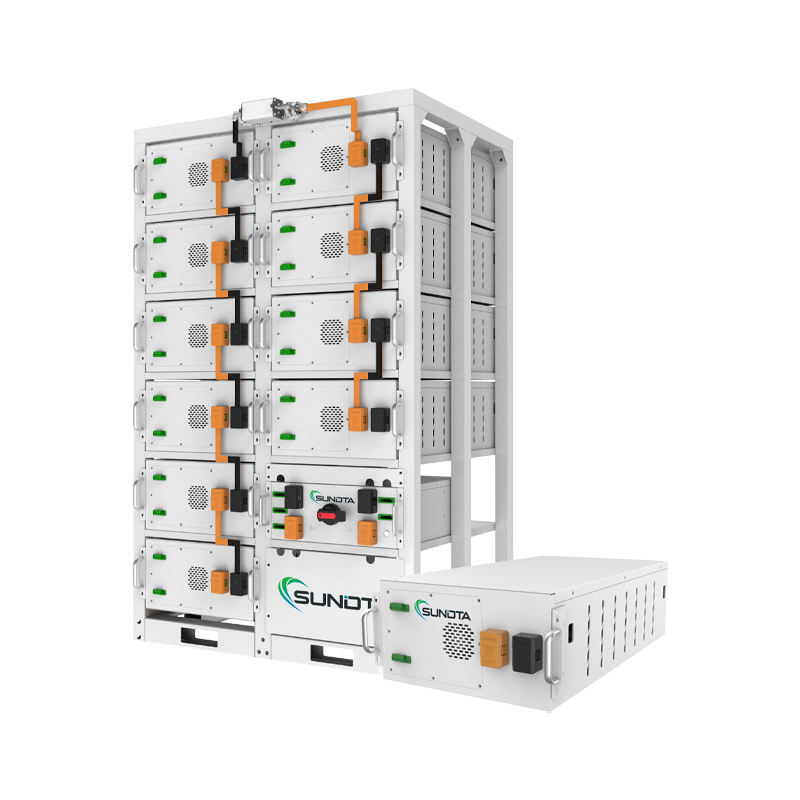
High Quality LiFePO4 Lithium Battery Stackable 51.2V 14.336kWh Wall-Mounted
- 51.2V Nominal | 280Ah Prismatic Grade A
- 14.336kWh Modular Energy per Unit
- 10-Year Warranty & Smart CAN/RS485 BMS
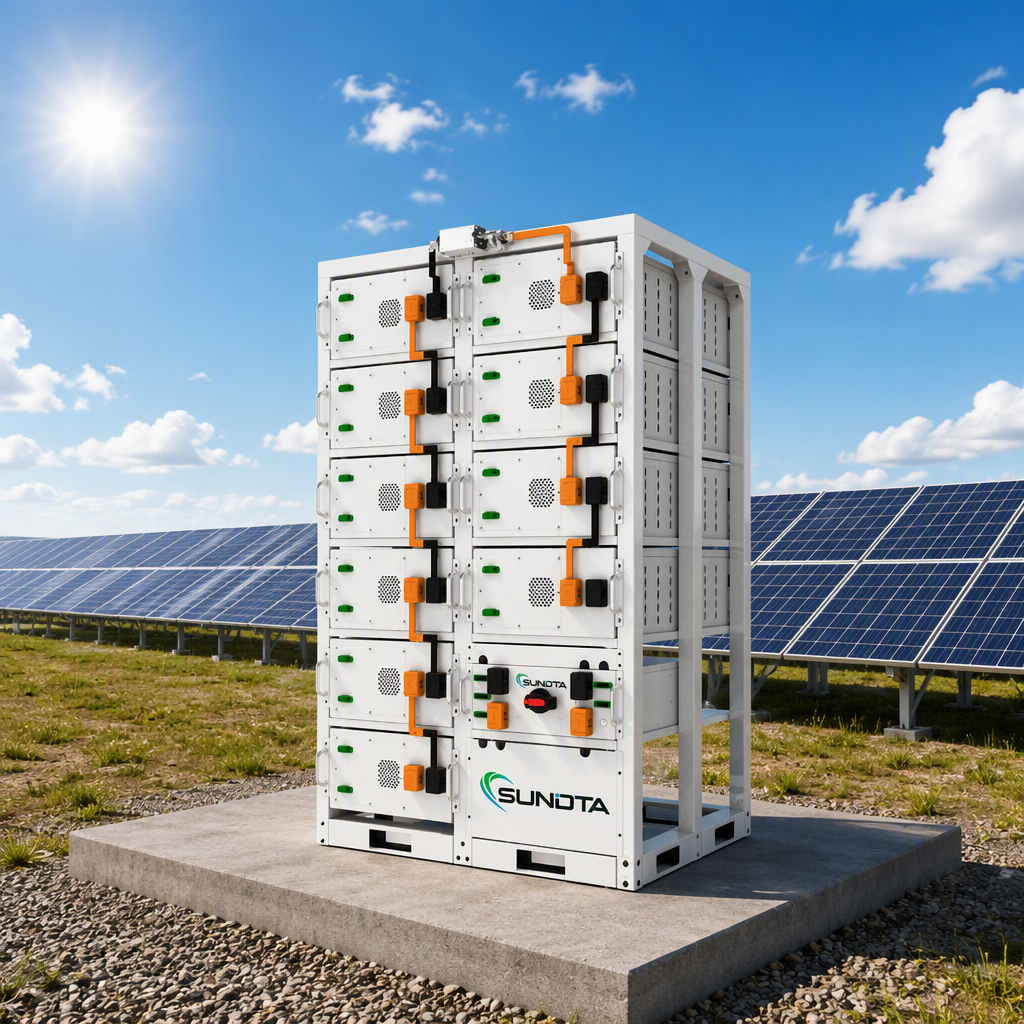
SUNDTA SDT-280 Commercial High Voltage LiFePO4 Energy Storage 40-100kWh
- High-Voltage Air-Cooled Battery Cabinet
- Dual Industrial Fire Suppression Integrated
- Configurable for Off-Grid, Peak-Shaving, Microgrid
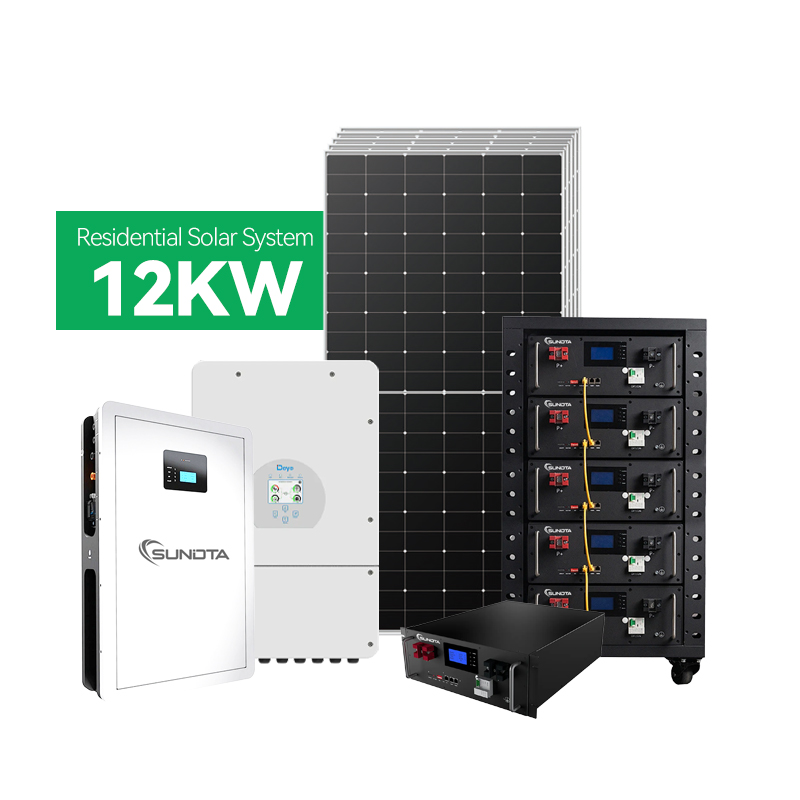
Bulk Price Sundta 12Kw Hybrid Solar Storage Monocrystalline 25Kw Battery
- 12kW Pure Sine Split-Phase Hybrid Core
- 25kWh Extended Autonomy LiFePO4 Bank
- Tier-1 Monocrystalline PV Module Array
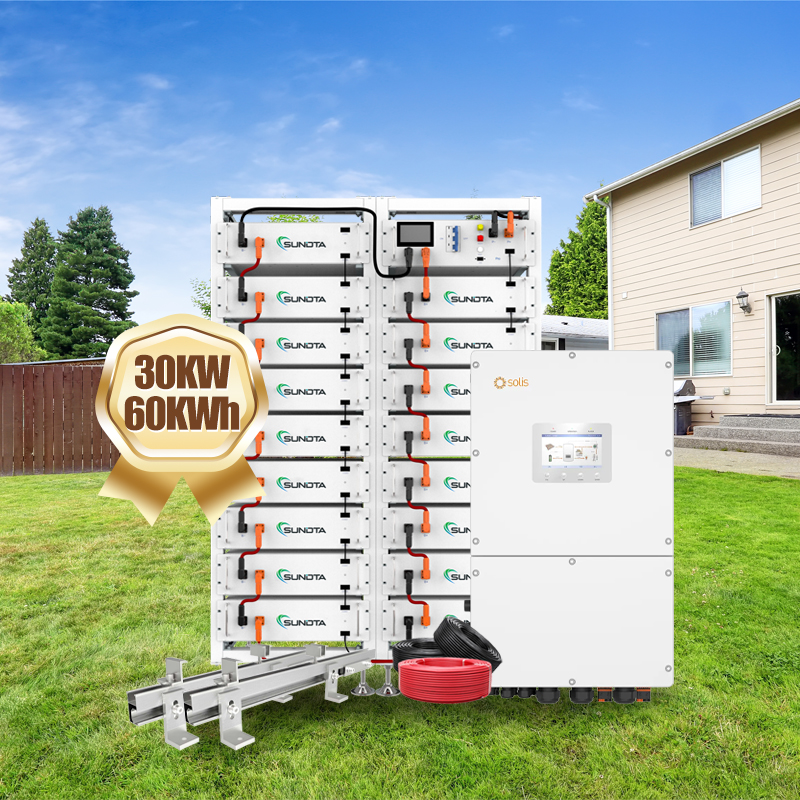
Complete 30kW Commercial / Estate Hybrid Solar System EU Certified
- Scalable 10kW, 15kW, 20kW, 30kW Modular Units
- Heavy Inrush Isolation Transformer Topology
- CE Low Voltage & EMC Certified Documentation
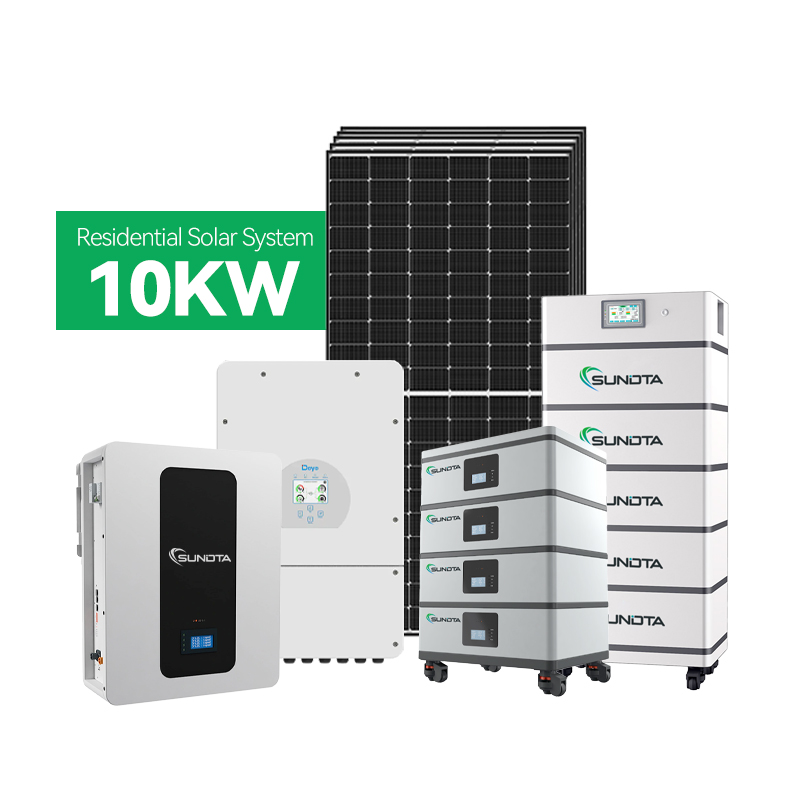
2026 Sundta 10KW 12KW Hybrid Solar System with LiFePO4 & Smart BMS
- Dual MPPT High Voltage PV Input Trackers
- Ultra-Fast <10ms UPS Transfer Time
- Integrated Smart App & Remote Firmware
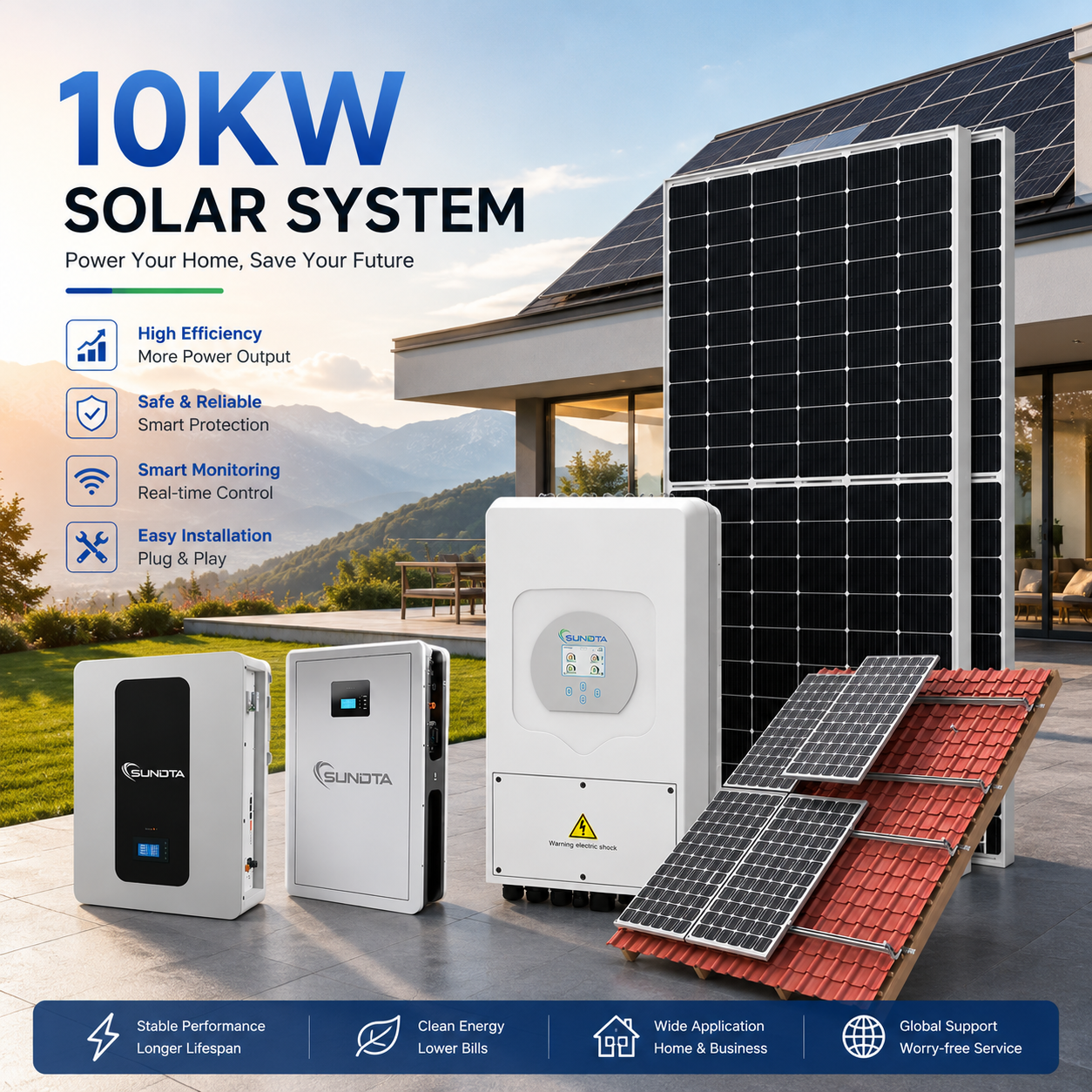
Emergency Whole House Hybrid Solar Generator 15kW-50kW Smart MPPT
- Hurricane Islanding & Black Start Capability
- 300% Peak Surge Rating (20 Seconds)
- Dual Diesel Generator Dry-Contact Start Port
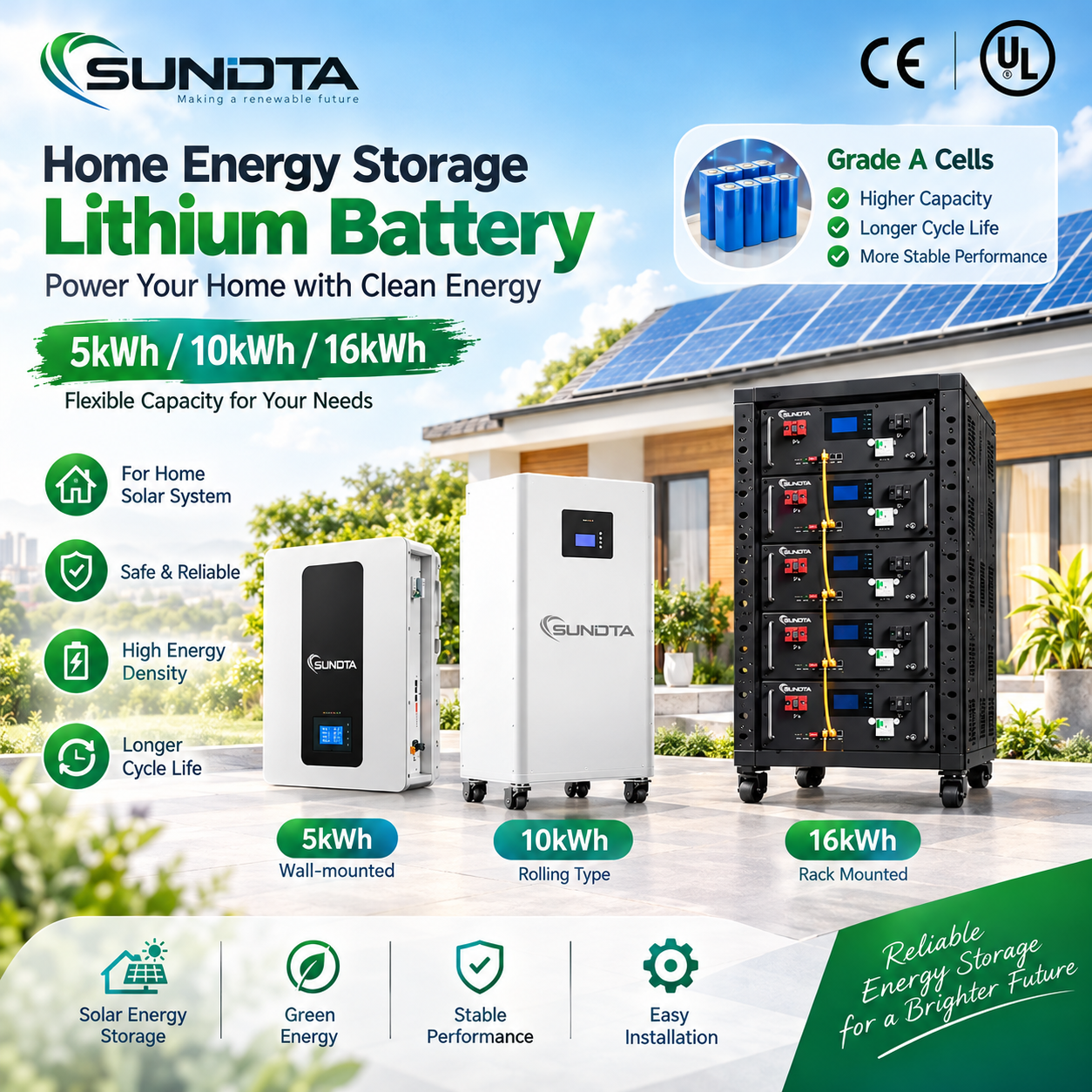
Sundta 51.2V 200Ah 10kWh Wall-Mounted LiFePO4 Battery Smart BMS
- 6,000+ Deep Cycles at 80% DoD
- Native Protocol Match for Deye & Solis
- Slim Form Factor for Compact Garages
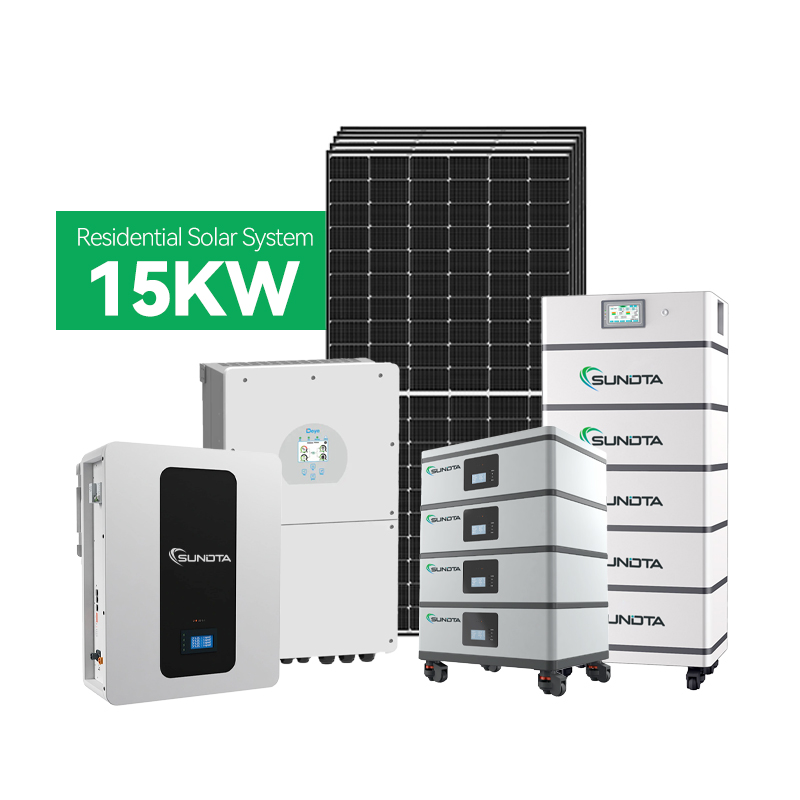
Sundta Full Set Hybrid Solar System Kit 5KW 10KW 12KW 15KW
- Complete BOM: Modules, Inverter, Storage, Racking
- Plug-and-Play Quick Connect Field Cabling
- Factory Tested Pre-Commissioned Package
Why Low Frequency (LF) Pure Sine Wave Inverters Dominate Northeast Florida Applications
In the geographic footprint of Greater Jacksonville—encompassing Duval, St. Johns, Clay, and Nassau counties—solar power installations confront distinct operational and environmental demands that differ fundamentally from inland American installations. Residential and commercial PV deployments in Jacksonville are subject to harsh marine atmospheres, severe convective weather events, and an electrical grid topology characterized by frequent storm-induced micro-interruptions and fluctuating voltages.
When selecting power conditioning architectures, EPC contractors, solar distributors, and commercial facility engineers must evaluate the trade-offs between High-Frequency (HF) transformerless topologies and Low-Frequency (LF) copper/iron toroidal transformer-based designs. While HF inverters boast higher volumetric energy densities and lighter shipping weights, their electronic silicon switches (MOSFETs/IGBTs) are inherently vulnerable to the massive instantaneous inductive surge currents (Locked Rotor Amps - LRA) demanded by Jacksonville's prevalent heavy equipment: 4-to-5 ton split central air conditioning systems, deep-well submersible agricultural pumps, and industrial marine dockside lifts.
Galvanic Isolation and Transient Surge Immunity
Jacksonville sits firmly in the Atlantic hurricane strike zone and experiences one of the highest lightning flash densities per square kilometer in North America. When grid power drops during severe weather, switching transients and ground potential shifts are common. Low frequency inverters incorporate an integrated, physical magnetic transformer that establishes complete galvanic isolation between the DC bus (PV array and battery storage) and the AC load circuit. This physical barrier prevents DC current injection into sensitive AC home circuits and stops high-voltage AC utility grid surges from propagating into the LiFePO4 battery management system (BMS), ensuring superior resilience for long-term critical infrastructure.
| Engineering Metric | Low Frequency (Toroidal Transformer) | High Frequency (Transformerless switching) | Jacksonville Market Impact |
|---|---|---|---|
| Surge Capacity (Peak Inrush) | Up to 300% rated output for 20 seconds | 110% - 130% for <1 second | Effortlessly fires 5-ton HVAC compressors, well pumps, and boat-hoist motors without soft-starters. |
| Galvanic Isolation | Complete magnetic isolation via heavy-duty iron/copper core | Capacitively coupled; no physical galvanic isolation | Shields expensive LiFePO4 battery banks from coastal lightning ground surges and lightning strikes. |
| Thermal Inertia & Dissipation | Massive thermal mass; stable performance in extreme ambient heat | Rapid component heating; relies on intense fan cooling | Withstands hot, humid unconditioned garage and outbuilding environments (105°F+ ambient). |
| Harmonic Distortion (THD) | < 3% Pure Sine Wave with clean inductive filtering | < 3% under pure resistive loads, degrades under inductive loads | Protects sensitive electronic lab equipment, smart home circuits, and medical refrigeration. |
| Corrosion & Salt-Air Durability | Potted transformers & heavy conformal conformal PCB coating | Dense micro-electronics susceptible to tin-whisker growth and salt tracking | Survives aggressive coastal marine conditions along Atlantic Beach, Mayport, and the St. Johns River. |
Localized Applications Across Northeast Florida
Our heavy-duty low frequency inverters, coupled with precision-matched LiFePO4 storage solutions, are engineered to conquer the demanding environmental and electrical conditions of Duval County.
Hurricane Whole-House Hardening
Tropical storms and Atlantic hurricanes regularly interrupt utility distribution across Jacksonville. Low frequency hybrid systems maintain uninterrupted 120V/240V split-phase power for whole-house HVAC, water heating, and medical life-support systems without relying on fragile external transfer switches.
Coastal Marine & Dock Electrification
Marinas, shipyards, and waterfront residential docks along the Intracoastal Waterway and Mayport require intense, reliable torque to power 240V boat lifts, sea-wall dewatering pumps, and marine shore chargers. Our low frequency inverters handle raw motor startup without tripping.
JAXPORT Commercial Logistics & Cold Storage
The vast logistics and cold-chain storage corridors surrounding the Port of Jacksonville (JAXPORT) utilize commercial high-voltage LiFePO4 battery cabinets to mitigate peak commercial demand charges and provide seamless emergency backup for perishable cargo refrigeration.
Agricultural & Off-Grid Water Infrastructure
Across rural Nassau, Clay, and western Duval counties, off-grid nursery operations, timber farms, and cattle ranches require autonomous solar pumping stations capable of lifting water from deep Florida aquifer wells with continuous heavy inductive duty cycles.
Macro Trends & Regulatory Evolution Shaping Jacksonville Solar
Key regulatory mandates, utility tariff restructurings, and supply-chain developments governing power electronics procurement in Northeast Florida.
JEA Distributed Generation Policy Shift
The Jacksonville Electric Authority (JEA) operates under net metering rules that credit excess solar generation at the lower fuel cost rate rather than full retail. This makes grid-tied export economically obsolete and drives strong local adoption of hybrid solar-plus-storage systems. Installers maximize ROI by storing 100% of daytime excess energy in LiFePO4 batteries for nighttime self-consumption.
Florida Building Code Wind & Electrical Stringency
The 8th Edition (2023) Florida Building Code dictates high-velocity hurricane zone engineering standards. Inverters and battery enclosures must withstand rapid thermal cycling and extreme humidity while maintaining NEC 2020/2023 Rapid Shutdown compliance. Low frequency inverters with NEMA 3R / IP65 enclosures provide the structural and electrical durability demanded by local building inspectors.
JAXPORT Ocean Freight & Supply Security
Jacksonville’s world-class deepwater seaport (JAXPORT) offers direct maritime container shipping routes from Asia. Local solar developers and regional wholesalers bypass West Coast rail bottlenecks by importing containerized shipments of CE-certified inverters, solar panels, and battery racks directly into Duval County, lowering freight landed costs by 12% to 18%.
Anhui RJV New Energy: Industrial Manufacturing Depth & Precision QC
Combining 12+ years of clean power R&D with multi-gigawatt automated production infrastructure to deliver bulletproof photovoltaic and battery storage hardware to global B2B buyers.
Headquartered in the high-tech industrial cluster of Hefei, Anhui RJV New Energy Co., Ltd. operates state-of-the-art automated manufacturing lines that guarantee cell-level quality control, rigorous thermal endurance testing, and integrated inverter-battery compatibility. Rather than treating inverters and storage as disparate components, our engineering teams pre-validate closed-loop communication protocols (CAN/RS485) between our LiFePO4 battery management systems and tier-one inverter platforms including Deye, Solis, and our proprietary low-frequency transformers.
Our operational ecosystem is on-site audited and certified by TÜV Rheinland, ensuring complete transparency across our supply chain. All exported low-frequency solar inverters and hybrid energy storage units carry rigorous CE certification (conforming to the European Low Voltage Directive 2014/35/EU and Electromagnetic Compatibility Directive 2014/30/EU), alongside IEC 61215, IEC 61730, and UN38.3 transport safety documentation. For the North American and Jacksonville markets, we support custom OEM configurations with split-phase 120V/240V dual outputs, specific surge ratings, and tailored enclosure finishes engineered specifically to resist salt fog corrosivity.
Jacksonville Contractor & Importer Sourcing FAQ
Essential guidance for commercial EPCs, electrical contractors, and PV distributors procuring containerized clean energy hardware for Florida operations.
Why are Low Frequency (LF) inverters specified over High Frequency (HF) inverters for coastal Florida homes? +
How does CE Certification align with local Jacksonville electrical permitting and NEC codes? +
Can your low frequency hybrid inverters connect seamlessly with JEA's electrical grid? +
Are your LiFePO4 batteries natively compatible with low-frequency inverters and third-party controllers? +
What is the typical shipping lead time and customs clearance process for shipments into JAXPORT? +
What Minimum Order Quantity (MOQ) and customization options exist for Florida solar distributors? +
Request Factory Pricing & Engineering Consultation for Jacksonville Projects
Connect directly with Anhui RJV New Energy's senior technical sales team. We provide complete bill-of-materials sizing, custom split-phase inverter schematics, and volume freight quotes delivered directly to JAXPORT.