Surging Demand for MLPE in Residential Condominiums
Condominium associations across Barra da Tijuca and Recreio dos Bandeirantes are migrating to microinverters due to rapid shutdown compliance and zero fire-propagation risk. The absence of dangerous rooftop high-voltage lines makes microinverters the preferred architecture for insurance underwriters in prime residential areas.
Battery-Hybrid Resilience in Outlying Corridors
Frequent grid dropouts across suburban commercial strips and coastal islands (such as Ilha Grande and Angra dos Reis) have accelerated the shift toward hybrid microgrids. Pairing microinverters with modular 51.2V 100Ah LiFePO4 units delivers seamless switchover within 10 milliseconds, maintaining mission-critical refrigeration and HVAC loads.
Decentralized C&I Solar Plants (Auto-Consumo Remoto)
Small-to-medium enterprise owners in metropolitan Rio are utilizing shared remote generation plants (consórcios de energia solar). Microinverters simplify warranty service: if one unit requires technical intervention, remaining arrays continue operating at 100% capacity, protecting client revenues and commercial contracts.
Are these micro solar inverters and batteries certified for Brazilian grid connection?
Yes. Our systems are manufactured in compliance with international CE, IEC 61215, IEC 61730, and UN38.3 battery transport standards. For direct utility approval by Light and Enel, we provide full factory test reports, EMC documentation, and technical datasheets aligned with INMETRO certification and ABNT NBR 16149 requirements.
How do the microinverters perform under Rio de Janeiro’s extreme coastal heat and humidity?
Our micro solar inverters are rated IP67 and engineered with vacuum silicone filling, which isolates internal switching components from salt aerosol and moisture. They maintain full rated output up to 65°C internal ambient temperatures without derating, outperforming conventional passive-heatsink string inverters.
Can we integrate SUNDTA LiFePO4 battery banks with third-party hybrid inverters?
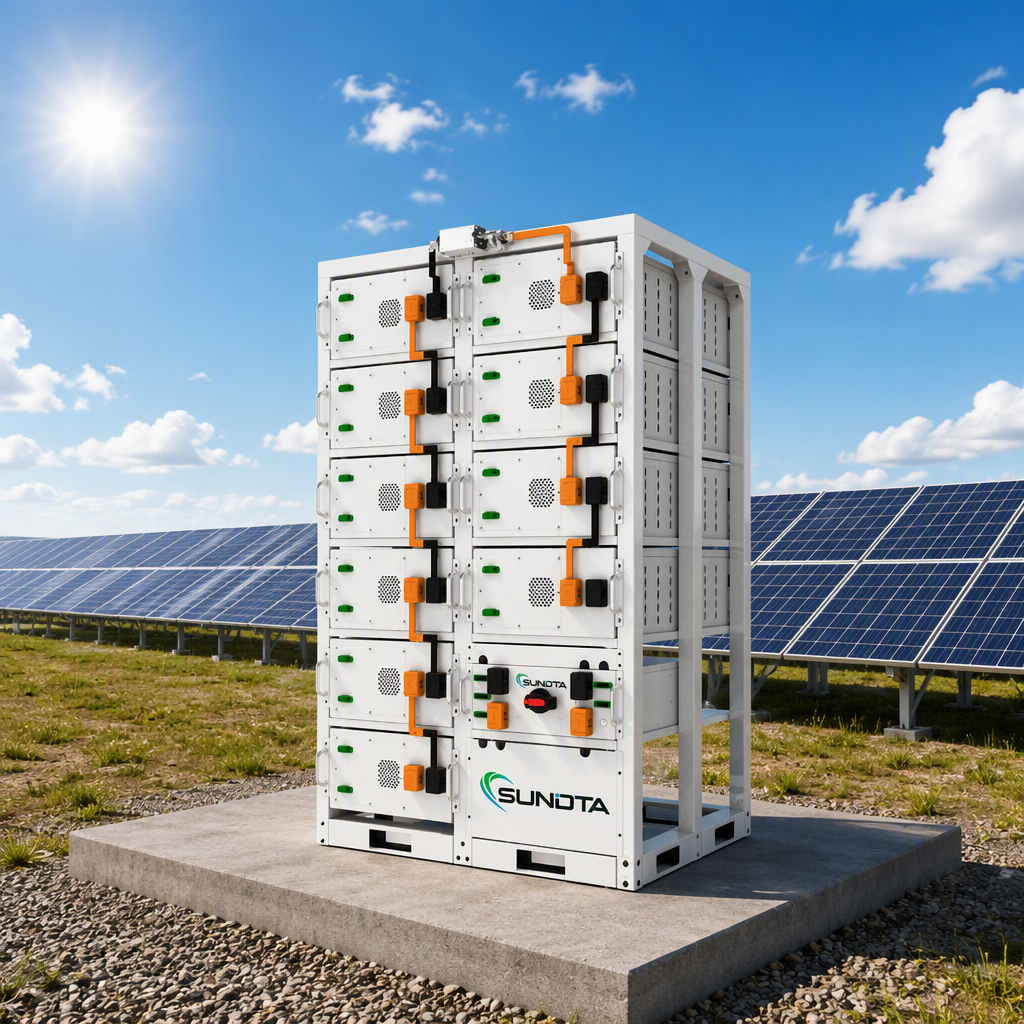
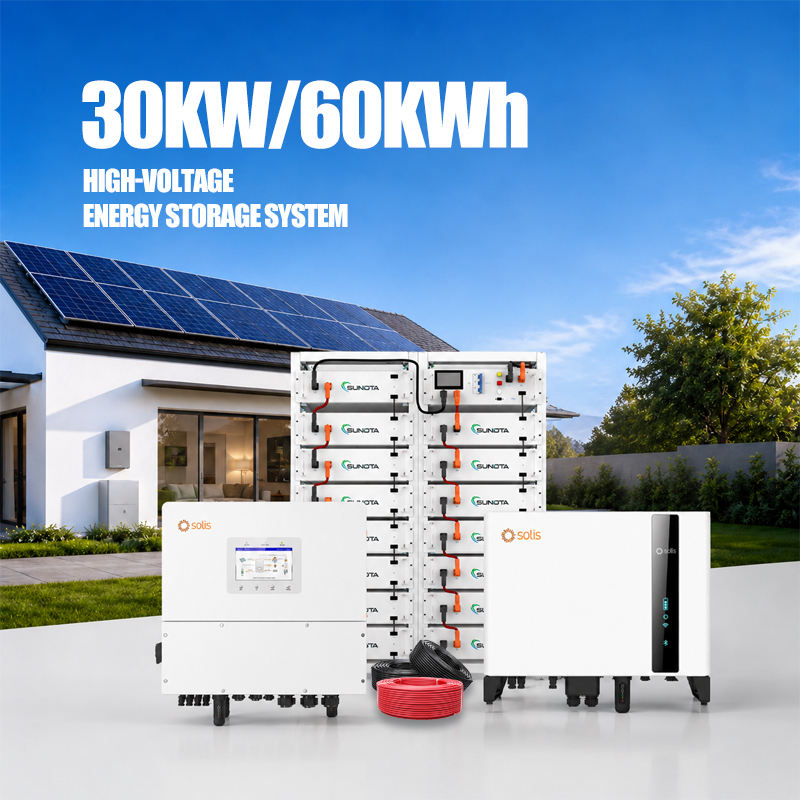
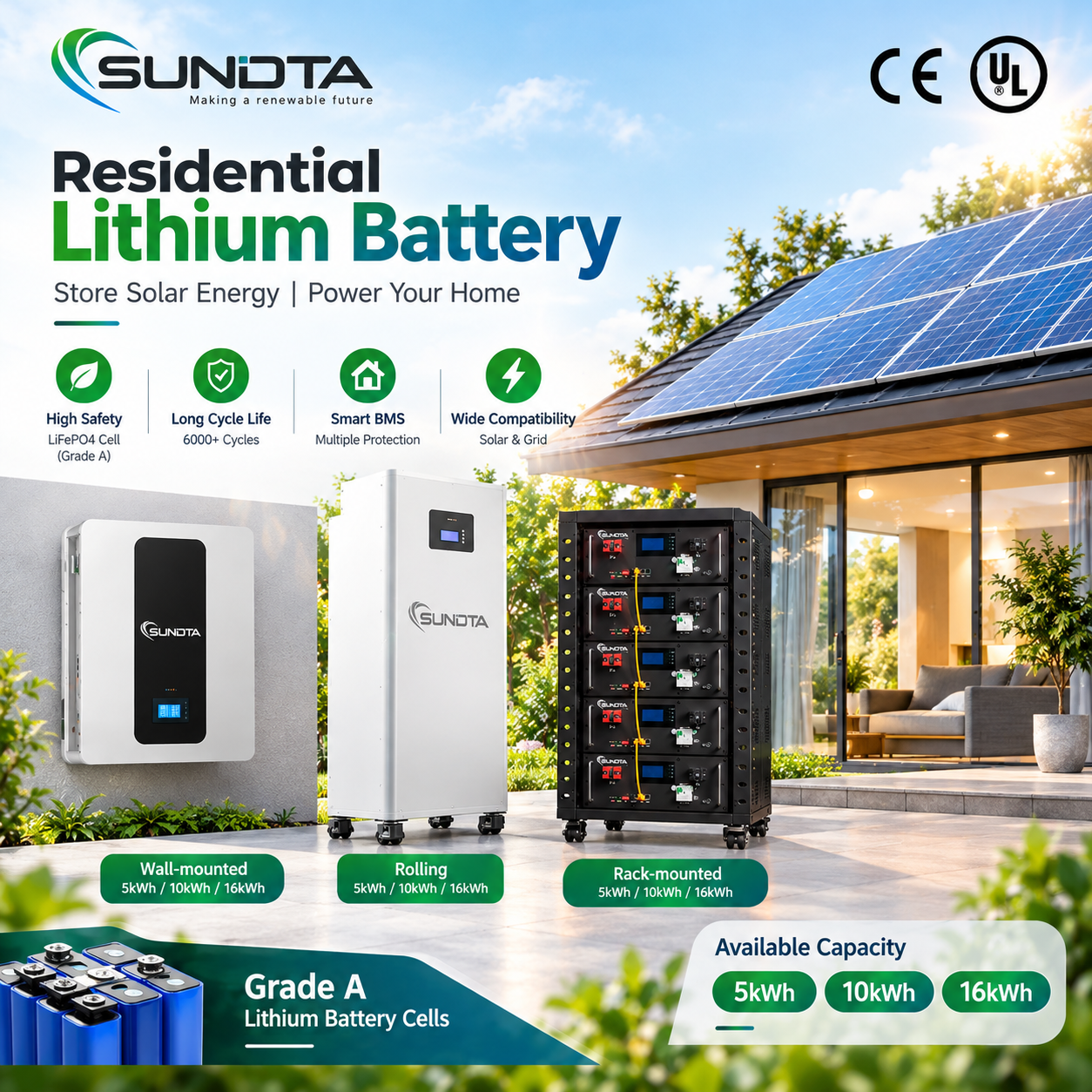
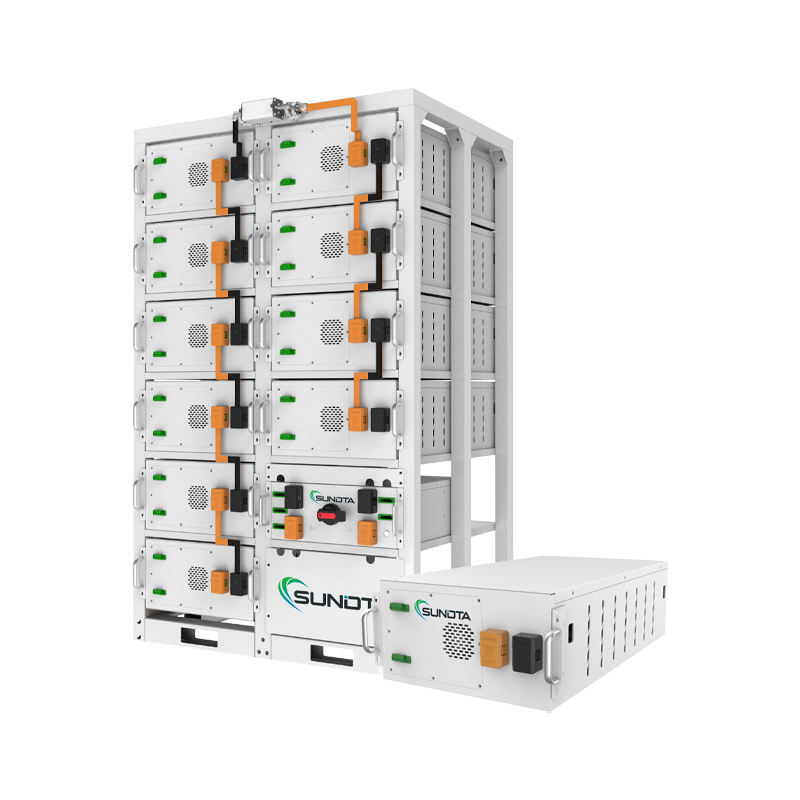
Yes. Our 51.2V and High-Voltage LiFePO4 battery cabinets feature dual CAN / RS485 communication ports pre-programmed with open protocols compatible with Deye, Solis, Growatt, and Victron systems, enabling seamless closed-loop BMS communication and automatic charge profile adjustments.
What are the logistics arrangements, lead times, and Incoterms for shipments to Rio de Janeiro?
We support standard Incoterms including FOB (Shanghai/Ningbo), CFR, CIF, and EXW. Standard factory lead time for containerized orders is 15–20 business days. Shipments are consolidated with standardized palletization and moisture-resistant packaging suited for transit to the Port of Rio de Janeiro or Port of Santos.
What is the minimum order quantity (MOQ) for custom OEM configurations?
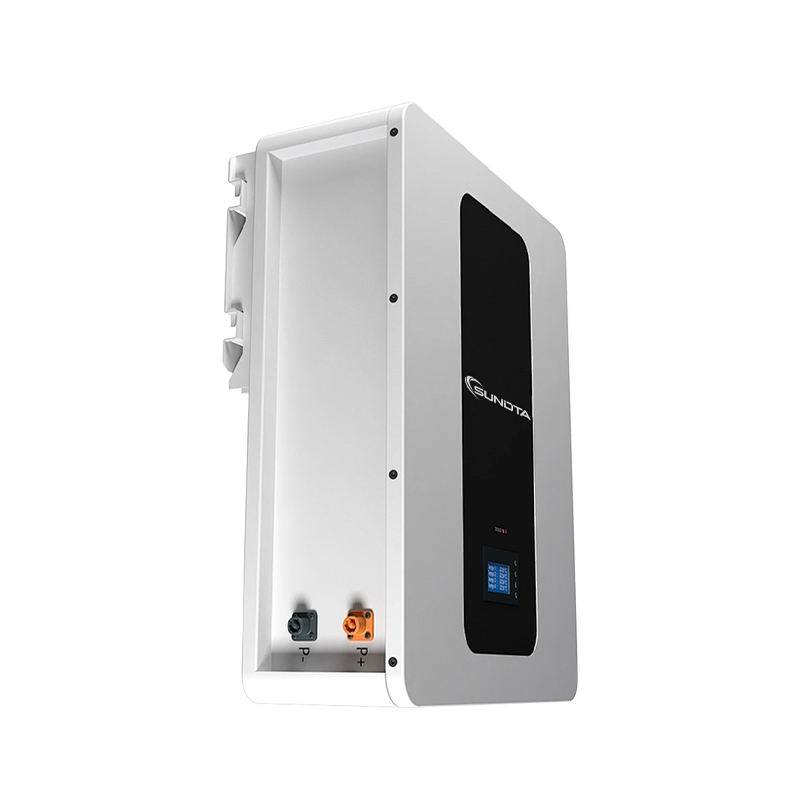
For standard equipment, hybrid inverters and wall-mounted LiFePO4 batteries have an MOQ starting at 1 unit/set for prototyping. Complete residential and commercial container packages are project-based. Full OEM branding, custom faceplates, and localized packaging require minimum batch sizes based on SKU specifications.
How does Anhui RJV support warranty claims and post-installation field service?
All products are backed by standard 5-to-10-year manufacturer warranties. We assign dedicated English- and Portuguese-speaking engineering personnel available around the clock to support layout design, remote firmware updates, and rapid spare parts dispatch for wholesale distributors and project integrators.
TÜV Rheinland Assessed Manufacturing
Our automated production facilities operate under strict ISO 9001:2015 quality control systems. Every inverter and battery cabinet undergoes complete automated optical inspection (AOI), high-voltage isolation screening, and 100% full-load burn-in testing before factory release.
One-Stop System Compatibility
Avoid finger-pointing between multiple equipment vendors. By supplying matched PV modules, smart microinverters, balance of system (BOS) components, and LiFePO4 battery storage, we guarantee closed-loop communication, unified warranty documentation, and streamlined import clearance.
Bankable Credit & Engineering Pedigree
Holding an AAA enterprise credit rating and more than 38 proprietary patents in PV technology and power storage management, Anhui RJV New Energy delivers the technical stability and financial reliability required by corporate procurement officers and institutional investors.
Ready to Source High-Yield Microinverters for Your Rio de Janeiro Projects?
Connect directly with our senior application engineering team to receive complete technical datasheets, wholesale price schedules, container packing specifications, and grid compliance documentation.
Send an Inquiry