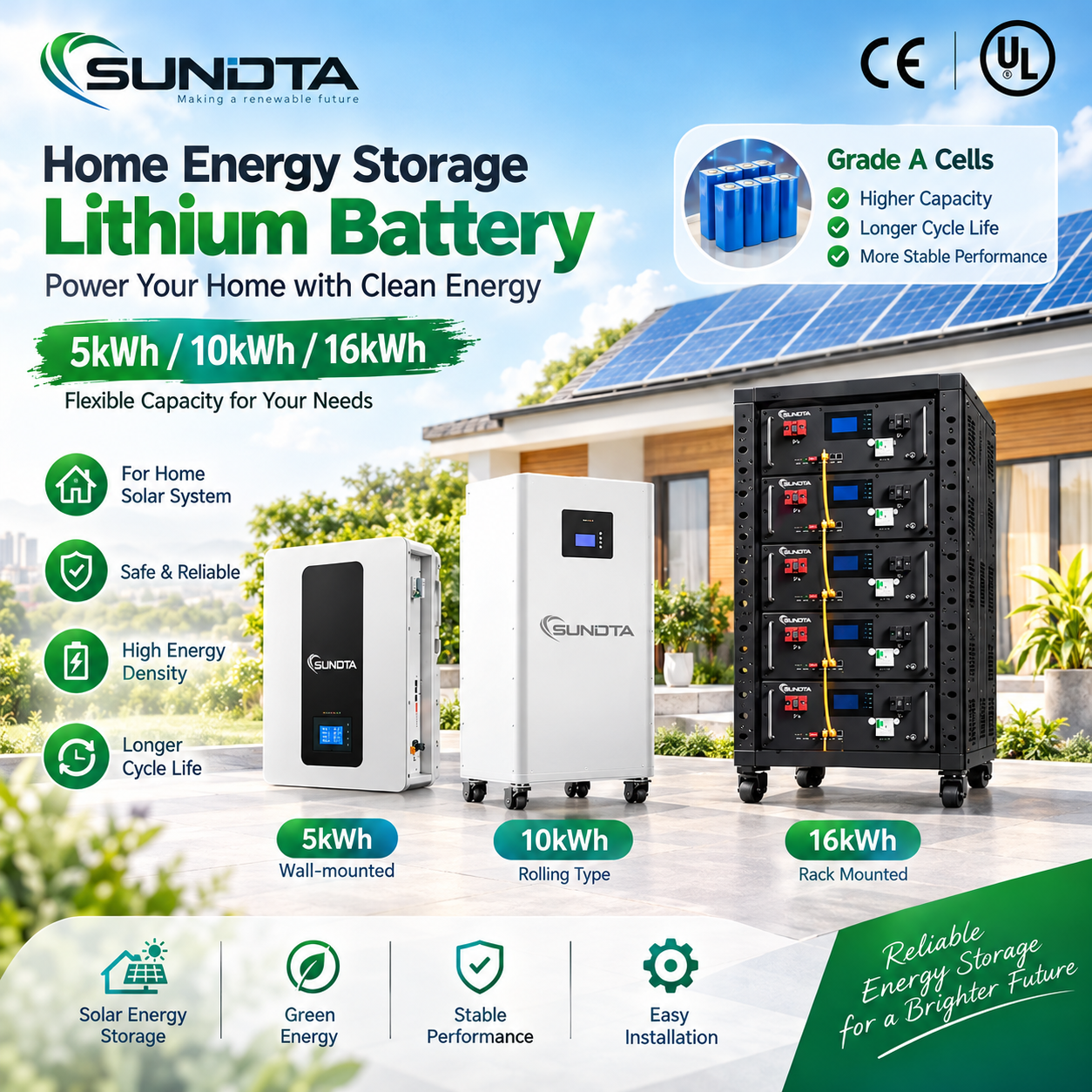
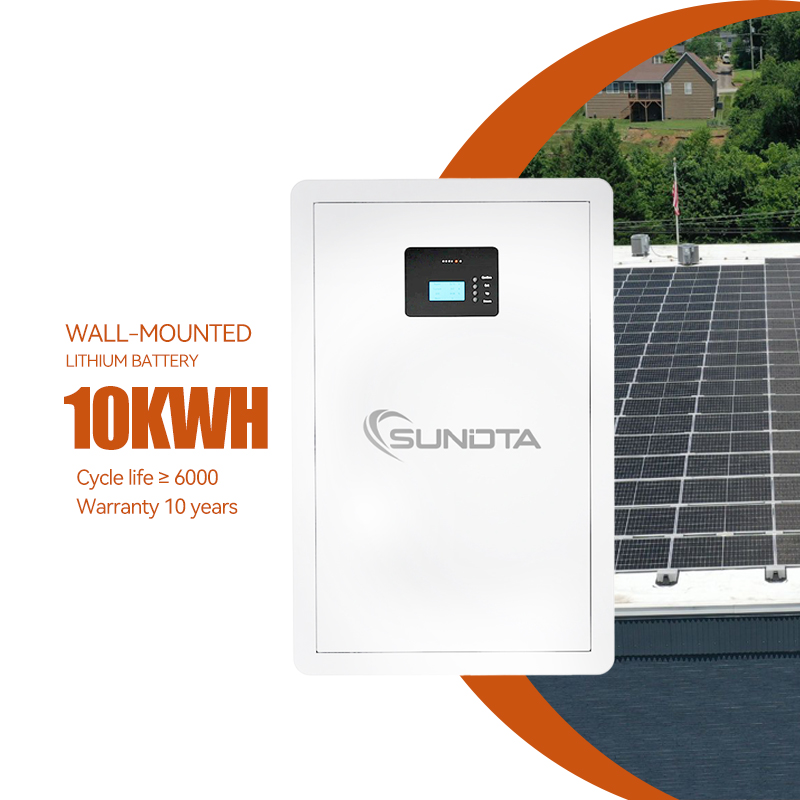
Wall-Mounted Storage
Pre-engineered, fully integrated PV modules, hybrid inverters, and lithium energy storage systems backed by strict European CE safety compliance and verified manufacturing standards.
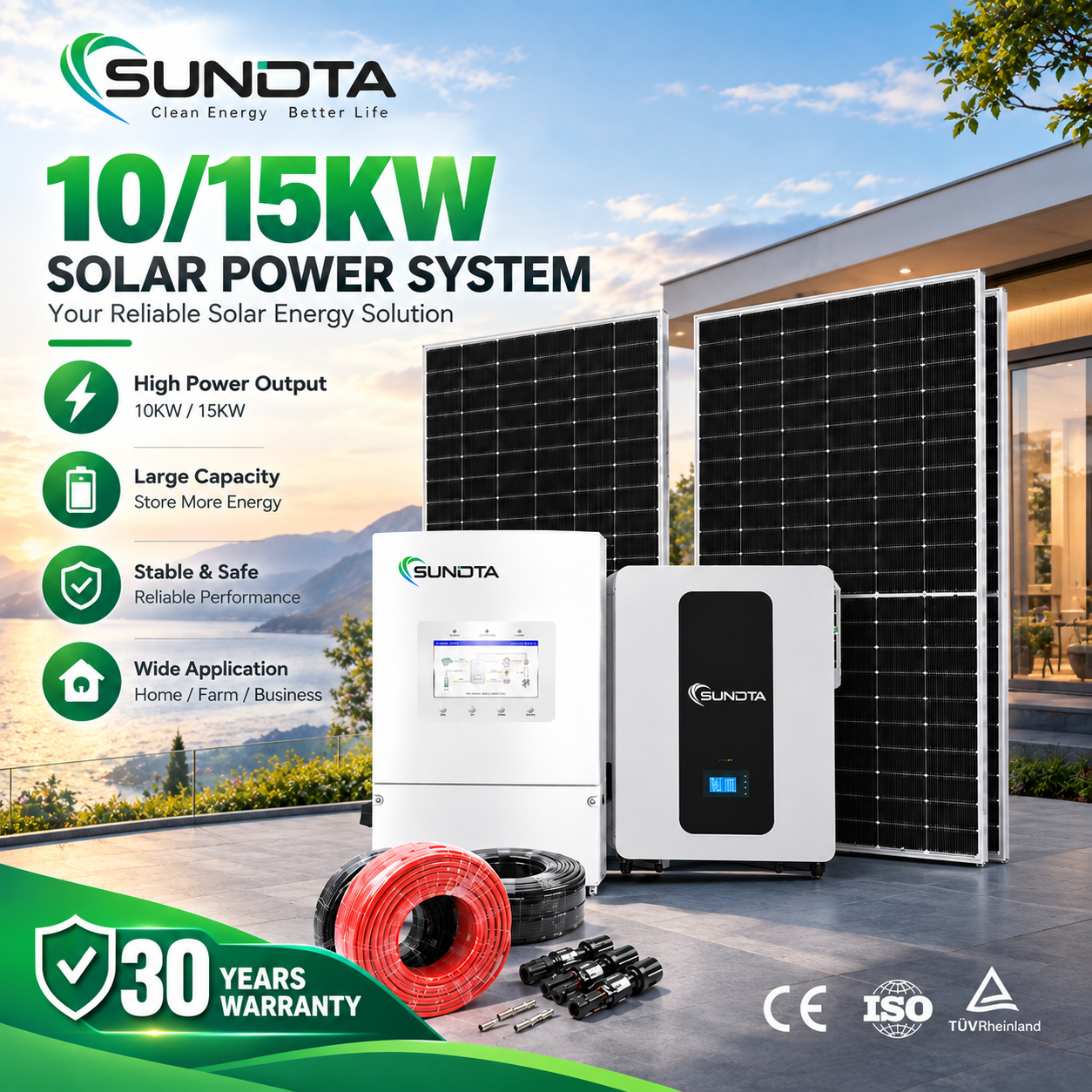
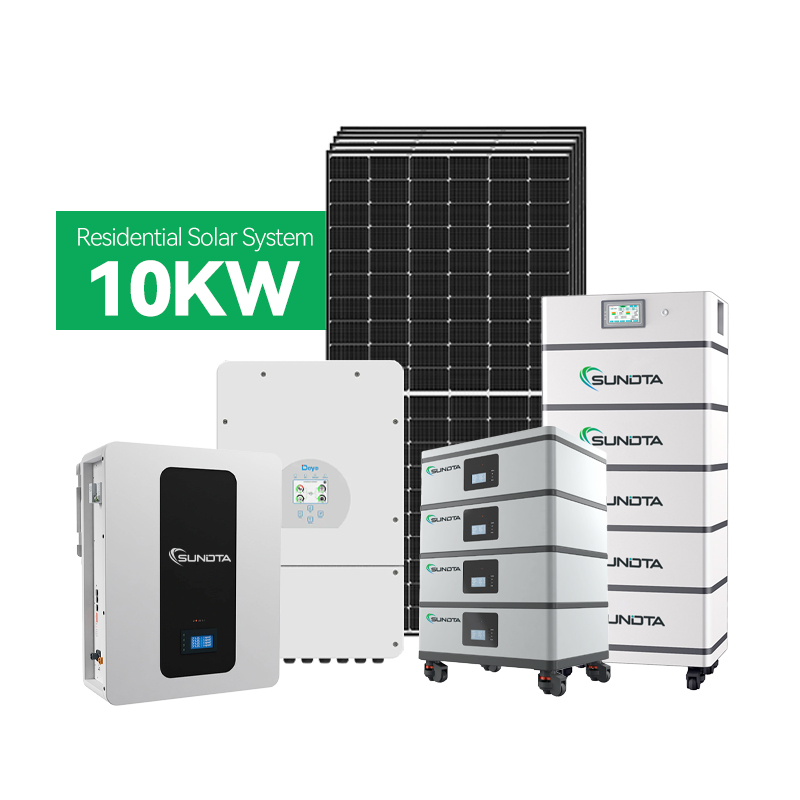
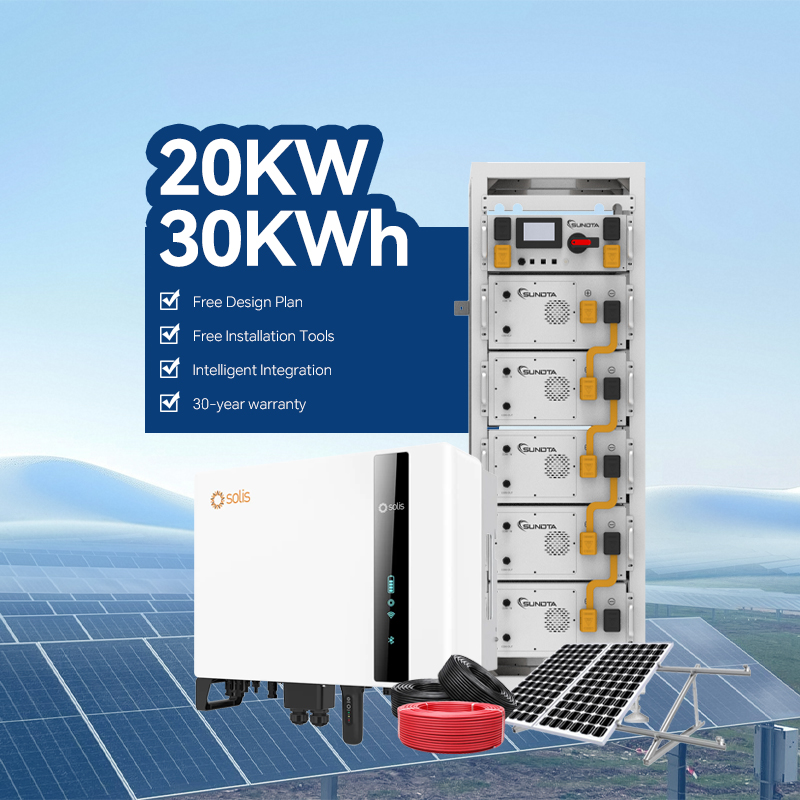
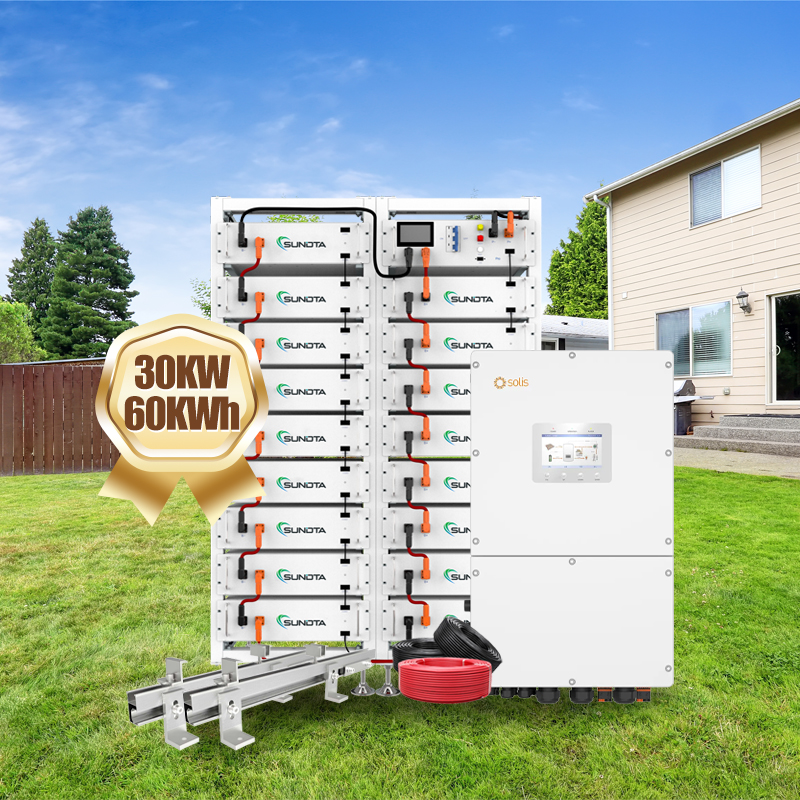
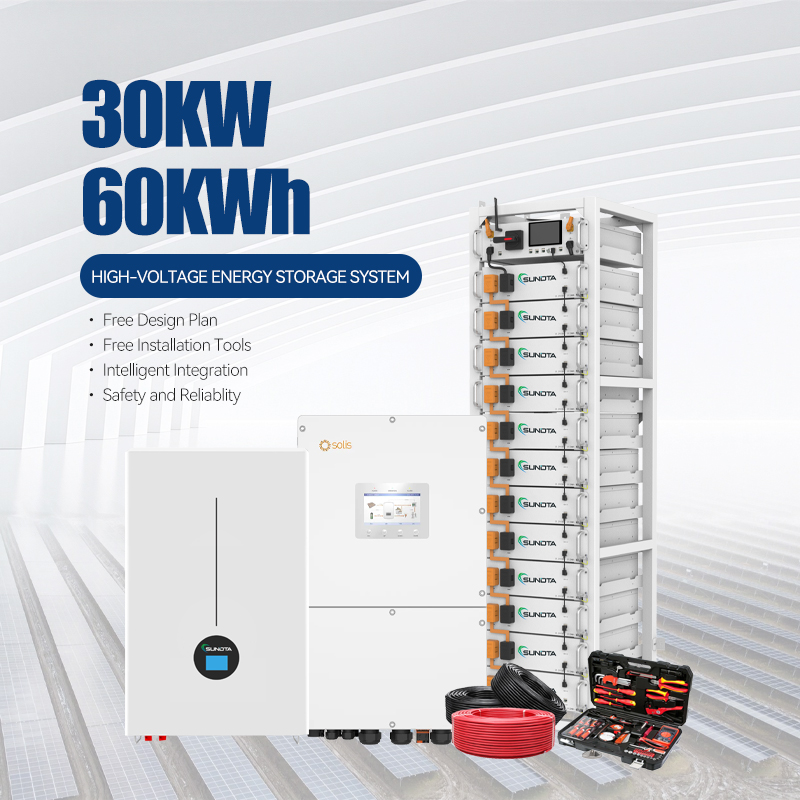
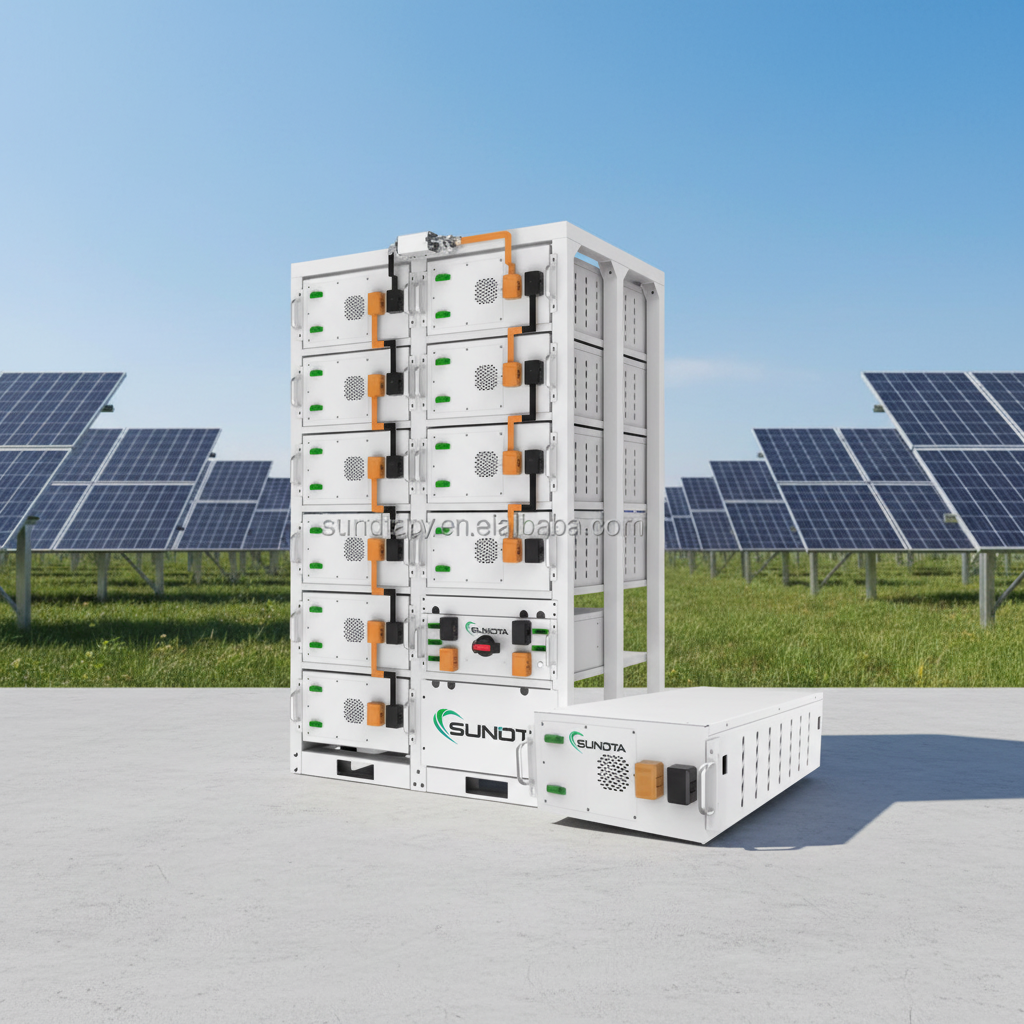
Photovoltaic installations across the Afghan plateau—from the arid plains of Kandahar and Nimruz to the elevated basins of Kabul, Herat, and Balkh—face severe environmental stresses that degrade conventional solar modules. CE-certified shingled solar panels represent a generational leap in module design, solving the physical and thermal limitations common to standard half-cut and full-cell ribbon architectures.
Standard solar panels employ metal ribbons soldered across busbars to connect silicon wafers in series. Under the harsh diurnal temperature swings of Afghanistan (where ground temperatures can shift by more than 35°C in less than 12 hours), soldered copper ribbons undergo repeated thermal expansion and contraction. Over 3 to 5 years, this induces micro-cracking at soldering joints, causing internal resistance spikes, solder delamination, and sudden hotspot degradation. In contrast, shingled photovoltaic technology slices monocrystalline PERC or N-Type TOPCon cells into narrow stripes, overlapping them with aerospace-grade Electrically Conductive Adhesive (ECA).
This overlapping shingle architecture yields multiple concrete operational benefits critical for Afghan distributors, non-governmental engineering agencies, and independent power contractors:
| Technical Parameter | Conventional Half-Cut Module | CE-Certified Shingled PV Module | Performance Impact in Afghanistan |
|---|---|---|---|
| Interconnection Method | Metallic Solder Ribbon (9BB/12BB) | Electrically Conductive Adhesive (ECA) | Prevents ribbon fatigue caused by extreme desert freeze-thaw cycles. |
| Partial Shading Tolerance | String breaks shut down entire sub-sections | Matrix parallel paths retain 60–80% output | Maintains generation when windblown dust settles along panel edges. |
| Mechanical Load Rating | 2400 Pa Wind / 5400 Pa Snow | Up to 3600 Pa Wind / 5400 Pa Snow | Withstands mountain gales in the Hindu Kush and severe wind shear. |
| Hot-Spot Operational Temp | Up to 110°C under localized shade | Below 85°C with uniform heat dissipation | Significantly lowers risk of backsheet fire and cell burning. |
| Packing Factor (Container) | Standard 650–700 pcs / 40ft HQ | Optimized high density (up to 840 pcs / 40ft HQ) | Reduces per-watt freight expenses across international transport routes. |
Afghanistan's energy infrastructure remains heavily decentralized. Over 70% of the domestic power demand has historically relied on cross-border electricity imports via high-voltage lines originating from Uzbekistan, Tajikistan, Turkmenistan, and Iran. Transmission lines remain susceptible to severe weather disruptions and structural vulnerabilities, making local commercial and residential reliance on grid power precarious.
Over 80% of Afghan livelihoods center on agriculture in Helmand, Farah, Balkh, and Nangarhar. Diesel pump operational costs have become prohibitive. Shingled solar panels paired with high-efficiency variable-frequency drive (VFD) submersible pumps supply consistent torque during morning and late afternoon hours without generator fuel expenditure.
Textile plants, flour mills, hospitals, and cold chain distribution hubs face unpredictable rolling load-shedding from Da Afghanistan Breshna Sherkat (DABS). Complete 20kW to 100kW hybrid systems with three-phase Deye or Solis inverters and LiFePO4 batteries deliver millisecond uninterrupted backup switching.
Mountainous hamlets throughout Badakhshan, Ghor, and Bamyan have no electrical grid connection. Standalone 5kW to 15kW wall-mounted LiFePO4 systems integrated with shingled panels withstand freeze cycles down to -20°C, powering household appliances, satellite communications, and winter heat pumps safely.
The renewable energy landscape in Afghanistan is accelerating through distinct structural transitions. Procurement specialists must align their wholesale orders with these verified local dynamics:
1. Rapid Migration from Lead-Acid to Smart LiFePO4 Chemistry: Historic deployments throughout Kabul and Jalalabad relied on cheap, flooded lead-acid and tubular gel batteries. Due to deep discharge cycles, harsh summers, and zero thermal protection, these units failed within 12 to 18 months, requiring costly hazardous replacements. Local procurement has pivoted permanently toward Lithium Iron Phosphate (LiFePO4) chemistries offering 6,000+ deep cycles, built-in battery management systems (BMS), and closed-loop CAN/RS485 communication protocols compatible with intelligent hybrid inverters.
2. Consolidation into "Turnkey PV BOM" Shipments: Single-component purchasing creates chronic commissioning failures. When an importer purchases solar panels from one trader, inverters from another, and open-brand batteries from a third, firmware mismatches and inconsistent voltage windows cause inverter shutdowns and dead battery banks. Importers now actively demand pre-tested, single-source Bill of Materials (BOM) kits shipped directly from tier-level factories.
3. Prioritization of Rigorous CE and IEC Quality Verification: To counter the influx of substandard, non-certified consumer electronics that fail prematurely, commercial buyers, institutional EPC contractors, and private clinics in Afghanistan increasingly stipulate CE certification, IEC 61215, and IEC 61730 test reports as non-negotiable contract criteria to safeguard asset longevity and electrical safety.
As a seasoned solar module manufacturer and system integrator based in Hefei, China—the global epicenter of photovoltaic silicon and cell innovation—Anhui RJV New Energy Co., Ltd. serves as a reliable, technically rigorous partner for Afghan importers, wholesale distributors, and EPC contractors.
Verified on-site by TÜV Rheinland. We operate automated, climate-controlled manufacturing lines backing our 2 GW annual production capacity with complete traceability.
Over 500 MW in projects delivered globally, backed by 38 utility patents, an AAA corporate credit rating, and comprehensive CE, IEC, and UN38.3 battery certifications.
Our Sundta LiFePO4 batteries feature pre-configured CANbus and RS485 communication protocols with tier-1 inverters like Deye, Solis, and Growatt, eliminating setup headaches.
Extensive experience managing regional freight forwarding through multimodal routes via Karachi Port (Torkham / Chaman dry ports) and Bandar Abbas / Hairatan inland routes.
Importing capital equipment into Afghanistan requires precise documentation, durable packing standards, and verified customs alignment. Anhui RJV implements an end-to-end quality assurance pipeline:
Our bilingual PV system engineers calculate solar irradiation profiles (GHI/DNI), temperature fluctuations, peak surge ratings for inductive pump motors, and battery autonomy based on specific provincial coordinates.
Every single shingled module and battery cell undergoes dual Electroluminescence (EL) testing before framing and packaging. Micro-crack-free reports and factory flash-test data sheets are supplied alongside your Bill of Lading.
Modules are packed vertically in heavy-duty reinforced wooden crates with corner guards and moisture barrier wrapping, engineered to endure intermodal trucking across mountainous mountain routes without micro-fissuring.
Speak directly with an Anhui RJV solar integration engineer. Provide your project size, destination dry port, or custom OEM requirements to receive verified datasheets, CE documentation, and container pricing within 24 hours.