High-Yield PV Modules, Energy Storage & Turnkey Racking Combinations
A solar mounting system is only as viable as the components it secures. We supply CE-certified structural frames pre-matched for static load, wind resistance, and electrochemical compatibility with Tier-1 N-Type panels and LiFePO4 battery storage banks designed for equatorial microgrids.
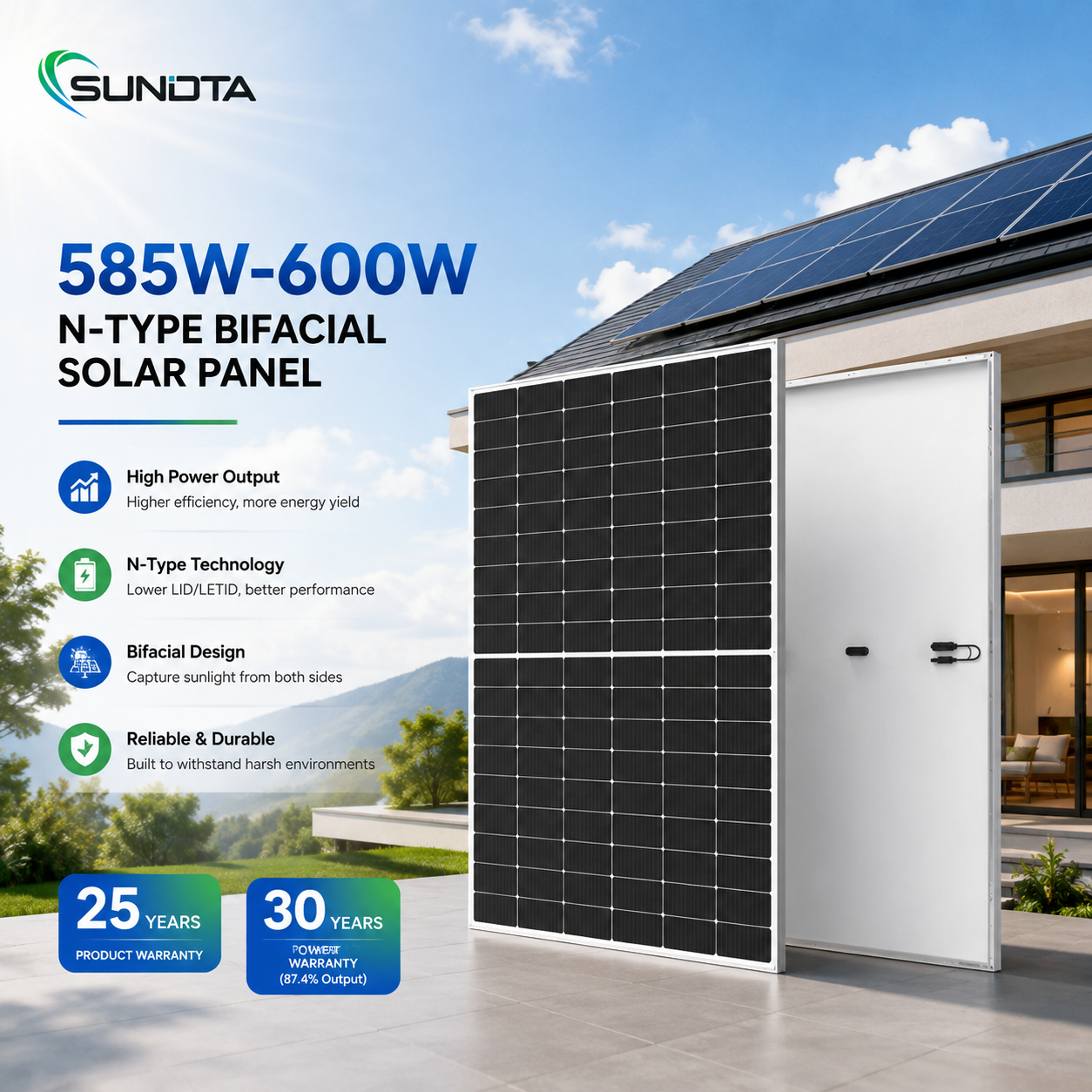
585W-595W Premium N-Type Bifacial PV Module
- Up to 23.03% Module Efficiency
- Dual-glass design for high albedo mounting
- Anti-PID & tropical humidity resistant
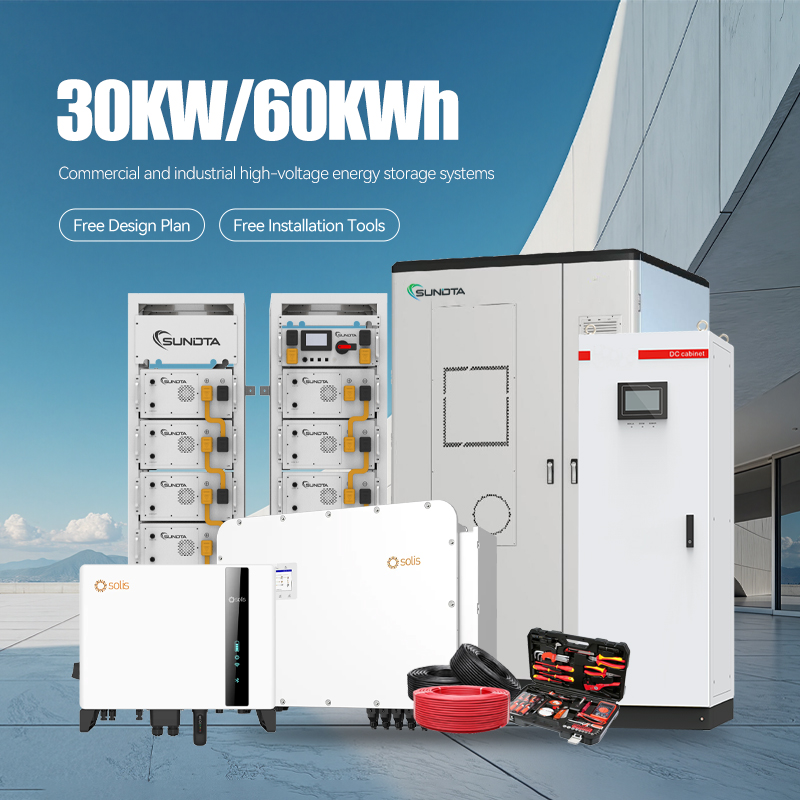
30kWh 51.2V 314Ah LiFePO4 Battery Storage
- High-capacity 314Ah prismatic cells
- Integrated Smart CAN/RS485 BMS
- Ideal for Moengo commercial backup
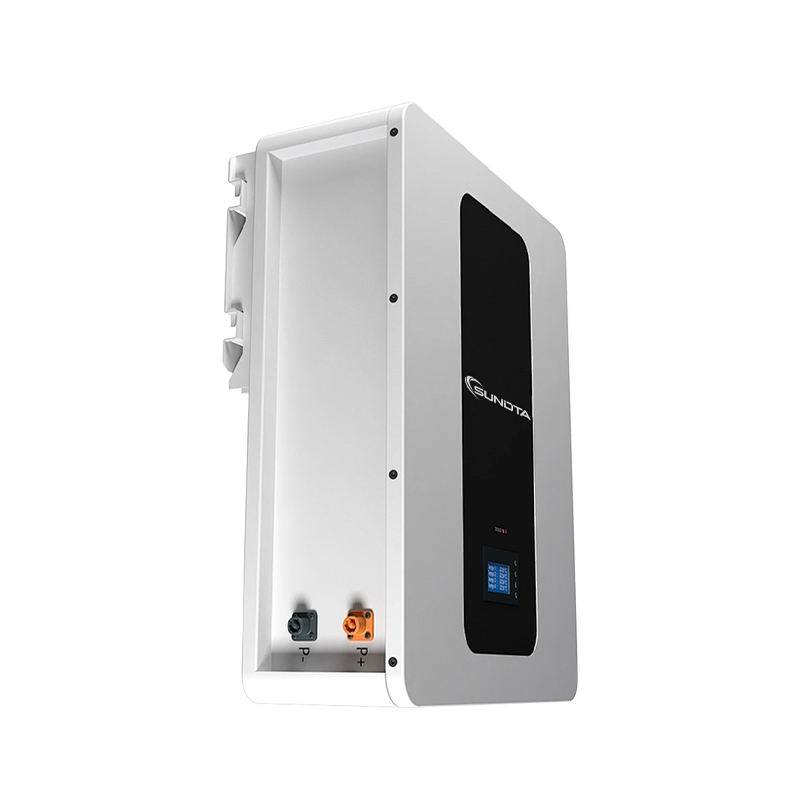
Sundta POLO-W1 5kWh Wall-Mounted LiFePO4
- IP65 moisture-sealed casing
- Deep-cycle 51.2V 100Ah configuration
- Compact residential power wall
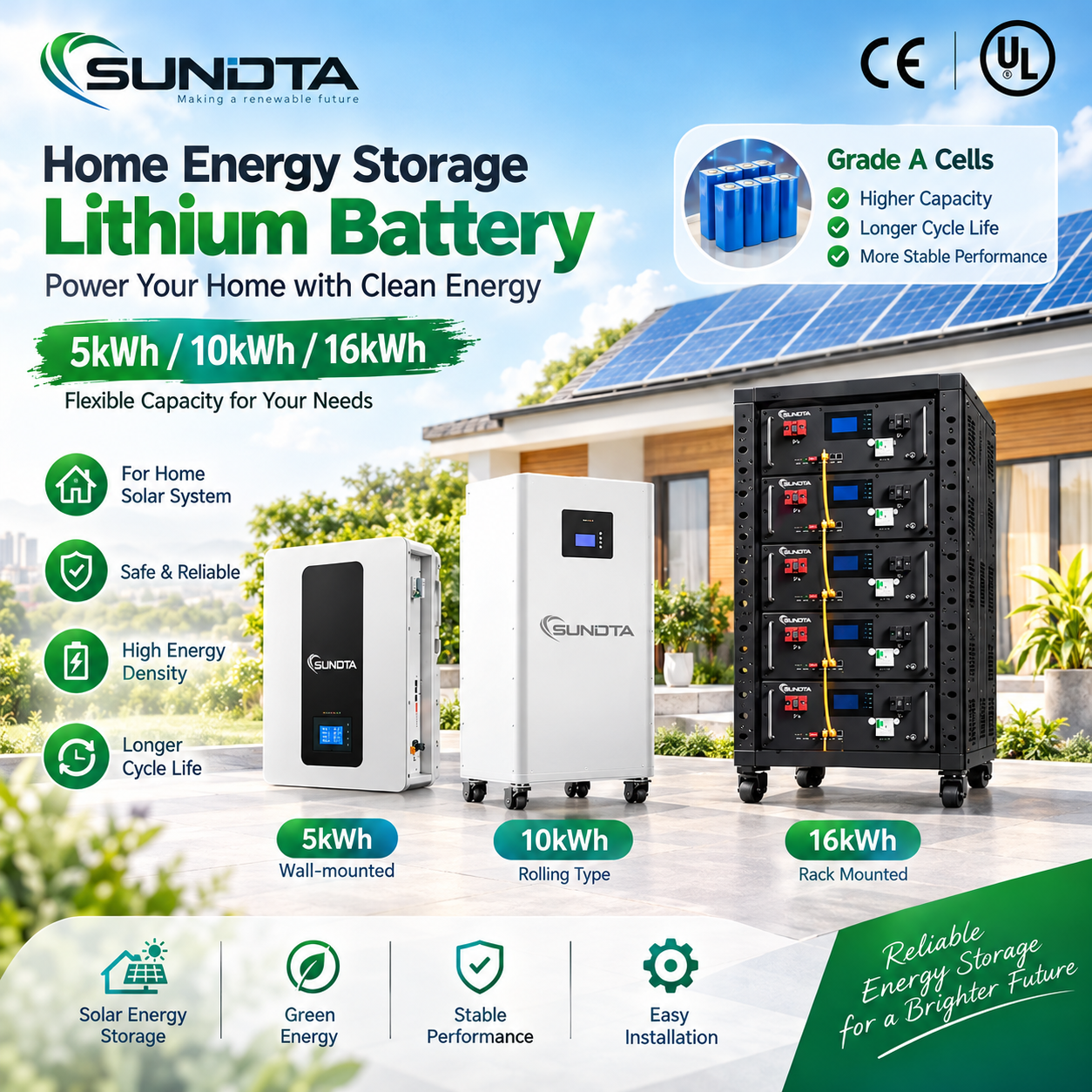
Sundta 51.2V 200Ah 10kWh Storage Battery
- 6,000+ cycle service life at 80% DoD
- Seamless pairing with hybrid inverters
- Active thermal balancing safety
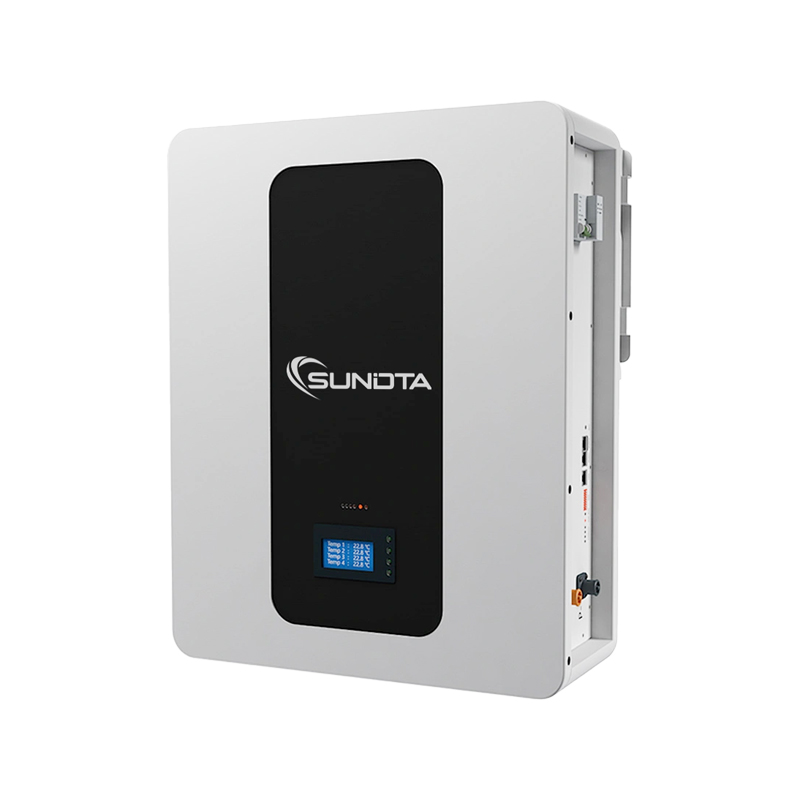
Sundta 48V/51.2V 10kWh Lithium Ion ESS
- Rapid deployment ready stock
- Wall-mounted 200Ah architecture
- Multi-unit parallel scalability
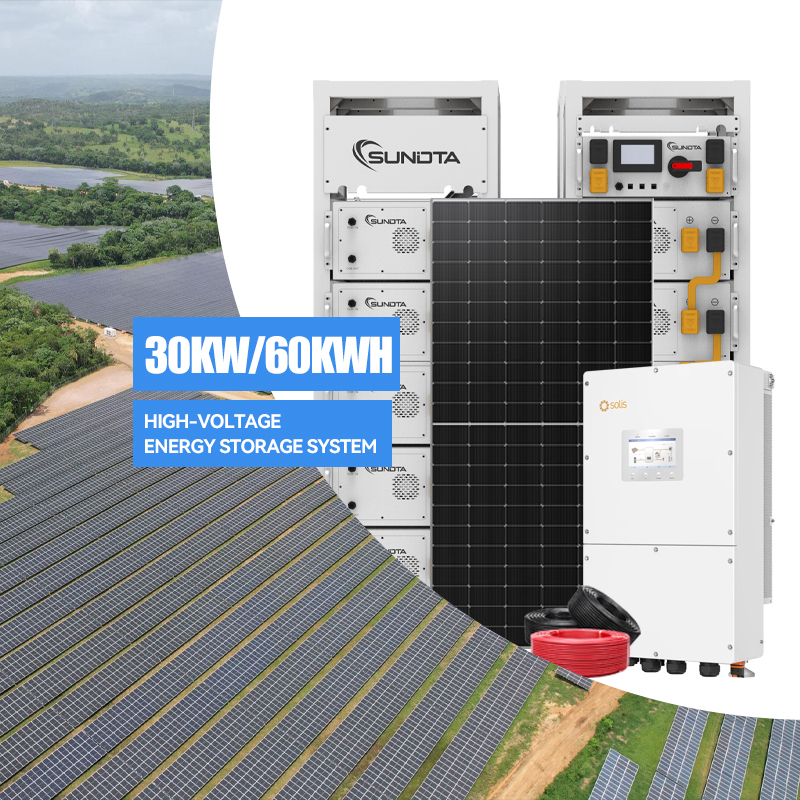
20kW-40kW Off-Grid Hybrid Energy System
- EU CE Certification & safety compliance
- Three-phase balance for industrial motors
- Microgrid diesel-PV synergy capable
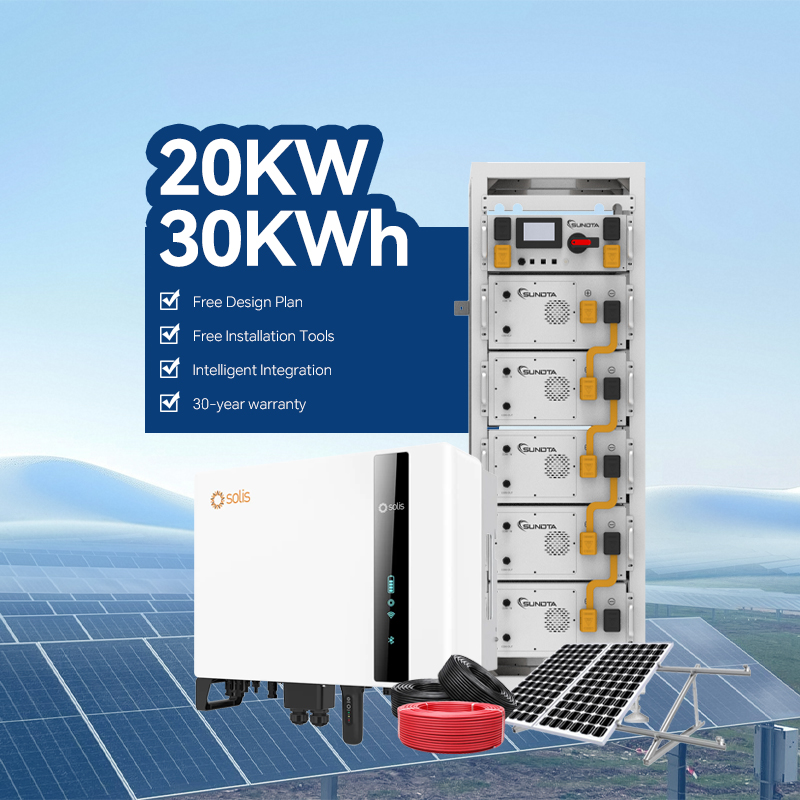
20kW-35kW Complete Solar Generation Kit
- Includes racking, DC cables, combiner
- Custom mounting brackets for tin roofs
- Zero-mismatch commissioning guarantee
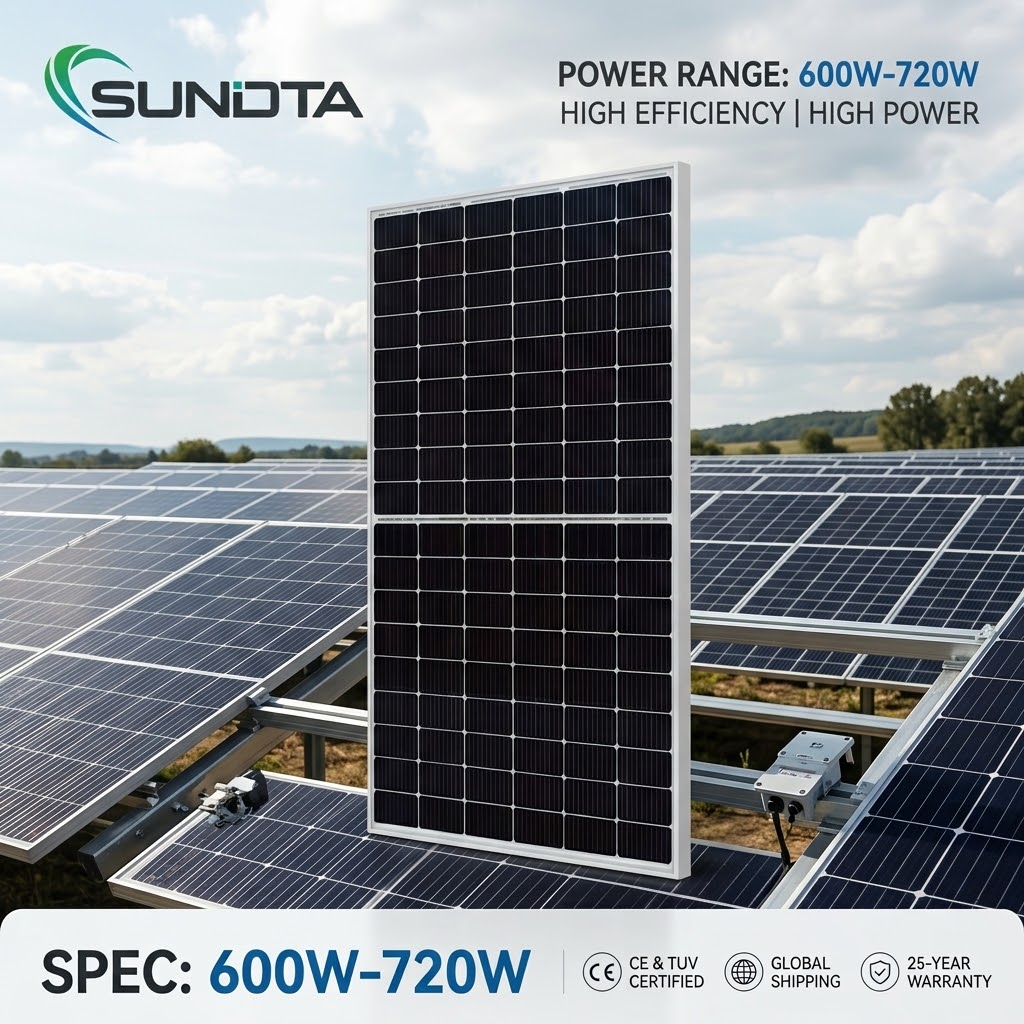
500W-595W Bifacial PERC Half-Cut Module
- 23.03% Module Conversion Efficiency
- Dual-glass structural rigidity (5400Pa)
- Optimized rear gain on white TPO / soil
Overcoming Moengo’s Microclimate: Corrosion Classes C4/C5 & High-Rainfall Soil Mechanics
Deploying photovoltaic systems in the Marowijne district of northeastern Suriname—specifically around the historic mining town of Moengo along the Cottica River—presents structural engineering challenges radically different from temperate or arid project sites. The intersection of equatorial convective squalls, annual precipitation exceeding 2,200 mm, persistent relative humidity averaging 80% to 92%, and acidic, iron-rich lateritic bauxite clay demands rigorous attention to metallurgical selection and mechanical anchoring.
1. Soil Chemometrics & Deep-Driven Pile Foundation Integrity
Moengo's history as an epicenter of bauxite extraction has left extensive areas covered with weathered laterite soils, residual bauxite tailings, and alluvial clays along river tributaries. These soils exhibit low resistivity (often under 20 Ω·m), high moisture retention, and pH levels fluctuating between 4.2 and 5.8. When zinc coatings come into contact with low-pH, moist soils, electrolytic ion depletion accelerates exponentially.
To eliminate foundation failure and prevent differential settlement during torrential monsoon cycles, Anhui RJV New Energy engineers foundation posts using hot-dip galvanized Q235B and Q355B structural steel featuring a minimum zinc coating thickness of 85 µm to 110 µm (600–800 g/m²), far exceeding typical ASTM A123 standards. Where ground conditions prohibit pile driving due to shallow ferric bedrock or bauxite deposits, our engineering department designs heavy-gauge flanged ground screw anchors (ISO 1461 compliant) or engineered precast ballast systems that isolate structural members from submerged acidic mud.
2. Atmospheric Classification and Electrolytic Separation (EN 1991-1-4)
Moengo belongs to atmospheric corrosivity categories C4 (High) to C5 (Very High Marine/Industrial), driven by tropical vegetative outgassing, high salt aerosol ingress transported inland from the Atlantic via river currents, and chemical processing residues. When fastening aluminum frames (typically 6005-T5 or 6063-T6) of bifacial N-type modules to galvanized steel purlins, electrolytic contact corrosion between dissimilar metals is an immediate risk.
Every mounting package engineered by Anhui RJV New Energy for export to Suriname includes EPDM insulating gaskets, anodized aluminum clamps with a surface film thickness of ≥15 µm (Class AA15), and marine-grade austenitic SUS304 / SUS316 fasteners treated with fluorocarbon anti-galling lubrication. This ensures electrical isolation between zinc-coated steel rails and module frames, eliminating contact pitting over a 25-year design lifespan.
| Structural Parameter | Standard Commercial Racking | RJV Tropicalized Heavy-Duty System | Moengo Engineering Benefit |
|---|---|---|---|
| Steel Coating Standard | Pre-galvanized sheet (20–40 µm) | Hot-Dip Galvanized ISO 1461 (85–120 µm) | Withstands bauxite acidity and tropical rainforest water saturation. |
| Aluminum Extrusions | AL6063-T5 with 10 µm anodizing | AL6005-T5 with ≥15 µm clear anodization | Resists mechanical deflection under localized wind gusts up to 160 km/h. |
| Hardware & Fasteners | Dacromet coated or Zinc-plated steel | Austenitic Stainless Steel SUS304 / SUS316 | Eliminates rust weld and thread seizure in continuous 90% humidity. |
| Wind & Snow Load Limit | Wind: 30 m/s | Snow: 0.5 kN/m² | Wind: Up to 45 m/s (162 km/h) | Downward: 2.4 kN/m² | Certified stability against severe convective downbursts in Marowijne. |
| CE Execution Class | Uncertified or EXC1 | CE EN 1090-1 Execution Class EXC2 | Guarantees traceable steel mill test certificates and robotic weld integrity. |
Engineered Solar Mounting Scenarios for Moengo's Key Sectors
From decentralized mine tailings rehabilitation to riverbank mini-grids and commercial corrugated tin rooftops, our mounting structures accommodate Suriname's specific terrain constraints.
Former Mining & Brownfield Ground Mounts
Decommissioned bauxite extraction zones around Moengo feature compacted, uneven terrain prone to seasonal waterlogging. RJV's single-pole and dual-column ramming steel structures utilize adjustable flange plates and ramming depths up to 2.5 meters, eliminating expensive grading while providing elevated panel clearances (800mm+) to avoid flash-flood splashing.
Corrugated Metal Industrial Rooftops
Warehouses, lumber processing mills, and municipal buildings in Moengo predominantly feature corrugated iron or trapezoidal sheet metal roofing. RJV supplies standing-seam non-penetrating clamps and high-strength EPDM-gasketed hanger bolts that preserve building weatherproofing while distributing localized wind uplift evenly across purlins.
Off-Grid Riverside Microgrid Racks
Suriname's interior villages along the Cottica and Marowijne rivers depend heavily on hybrid microgrids combining PV, battery banks, and backup diesel generators. RJV's modular aluminum ground racking enables rapid manual assembly in remote off-road sites with no heavy cranes, allowing rural electrification EPC contractors to install systems effortlessly.
Moengo's Energy Evolution: Off-Grid Decarbonization & Suriname Renewable Goals
Suriname's national energy authority, Energiebedrijven Suriname (EBS), alongside international development bodies like the Inter-American Development Bank (IDB), has outlined ambitious roadmaps to displace heavy fuel oil (HFO) and high-cost diesel transport across the interior districts. Moengo, positioned along the East-West Highway connecting Paramaribo to Albina and the French Guiana border, functions as a critical logistical node where decentralized clean energy transition is accelerating rapidly.
1. Displacing Diesel Generation in Extractive and Timber Processing
Historically sustained by the Suralco bauxite operations, Moengo's economy is undergoing diversification into sustainable forestry, agro-processing, riverine freight transit, and eco-tourism. High diesel delivery surcharges make kWh generation from fossil fuels economically unsustainable for local commercial enterprises. As commercial entities adopt 50 kW to 500 kW self-consumption solar plants, structural racking reliability becomes the foundation of project ROI calculations. Mounting structures must withstand the equatorial sunlight without polymer degradation in cable clips, UV cracking in waterproofing seals, or torque relaxation on structural bolts.
2. Bifacial Solar Module Adoption & Dynamic Tilt Geometry
With solar irradiance in northeastern Suriname averaging 4.8 to 5.4 peak sun hours per day, project developers are shifting predominantly toward high-efficiency N-Type TOPCon bifacial modules (such as the 585W–595W series). Ground mount structures must feature elevated torque-tube designs or wide purlin spacing that minimizes rear-side shading, yielding up to 15–20% additional energy through ground albedo reflection from light-colored soils or crushed limestone bases.
3. Standardized Logistics via Paramaribo & Direct Marowijne Delivery
One of the primary friction points for Surinamese solar contractors has been freight damage and missing structural components. RJV solves this through precision pre-assembly, customized wooden crate packaging, detailed piece-by-piece packing lists, and universal hex-hardware design that minimizes tool requirements on site. Racking orders are efficiently shipped via ocean container directly to the Port of Paramaribo, complete with CE certificates, mill test sheets, and customs-ready documentation for seamless overland dispatch to Moengo.
LCOE Reduction
Long-life HDG steel lowers Levelized Cost of Energy by preventing premature mechanical replacement over 25+ years.
EPC Bankability
Full CE EN 1090-1 static calculations simplify approval processes for internationally financed infrastructure projects.
Rapid Field Fitting
Pre-punched rails and pre-assembled mid/end clamps cut contractor field installation time by up to 35%.
Typhoon & Squall Tested
Aerodynamic wind tunnel validation guarantees resistance against sudden 45 m/s convective storm fronts.
Direct-from-Manufacturer Reliability, Certified Quality & Complete Solar Systems
Based in Hefei, China—the global hub of solar photovoltaic manufacturing—Anhui RJV New Energy Co., Ltd. eliminates middleman markups and guarantees holistic component synchronization.
Integrated Bill of Materials (BOM)
Unlike brokerages that only supply framing or modules independently, RJV configures complete, harmonized kits: high-efficiency TOPCon panels, CE-certified mounting structures, Deye/Solis hybrid inverters, and IP65 LiFePO4 batteries with zero communication mismatch.
TÜV Rheinland Verified Production
Our production facilities maintain an AAA credit rating, 38 national patents, and on-site factory verification by TÜV Rheinland. Structural members undergo automated laser cut precision, continuous seam welding, and batch-wise salt-spray chamber testing exceeding 1,000 hours.
Flexible Export & Custom Packaging
We accommodate both small pilot sets (MOQ from 1 set for complete kits) and full 40-foot HQ container project orders. All structural components are bundled with steel strapping, anti-friction corner protectors, and moisture-barrier wrap to withstand transoceanic shipping.
Frequently Asked Questions Regarding Moengo Solar Deliveries
Essential guidance for Surinamese engineering firms, local distributors, and EPC contractors procuring solar hardware.
How do RJV mounting structures withstand Moengo’s bauxite soil acidity? +
What Incoterms and shipping routes are available for delivery to Suriname? +
Can you pre-engineer mounting racking to match third-party solar panel dimensions? +
How is electrolytic corrosion prevented between aluminum module frames and steel rails? +
What is the minimum order quantity (MOQ) and lead time for Moengo project orders? +
Request Structural Calculations & Quotation for Moengo Projects
Send our senior engineering team your site layout, roof structural drawings, or ground soil conditions. We provide comprehensive static load calculations, bill of materials, and landed freight estimates within 24 hours.