Engineered Solar & Storage Bill of Materials for Quetta
Seamlessly matching N-Type TOPCon photovoltaic modules, high-yield hybrid inverters, and Grade-A LiFePO4 energy storage packs. Fully certified under CE, IEC, and UN38.3 standards for instant customs clearance and long-term durability in high-altitude environments.
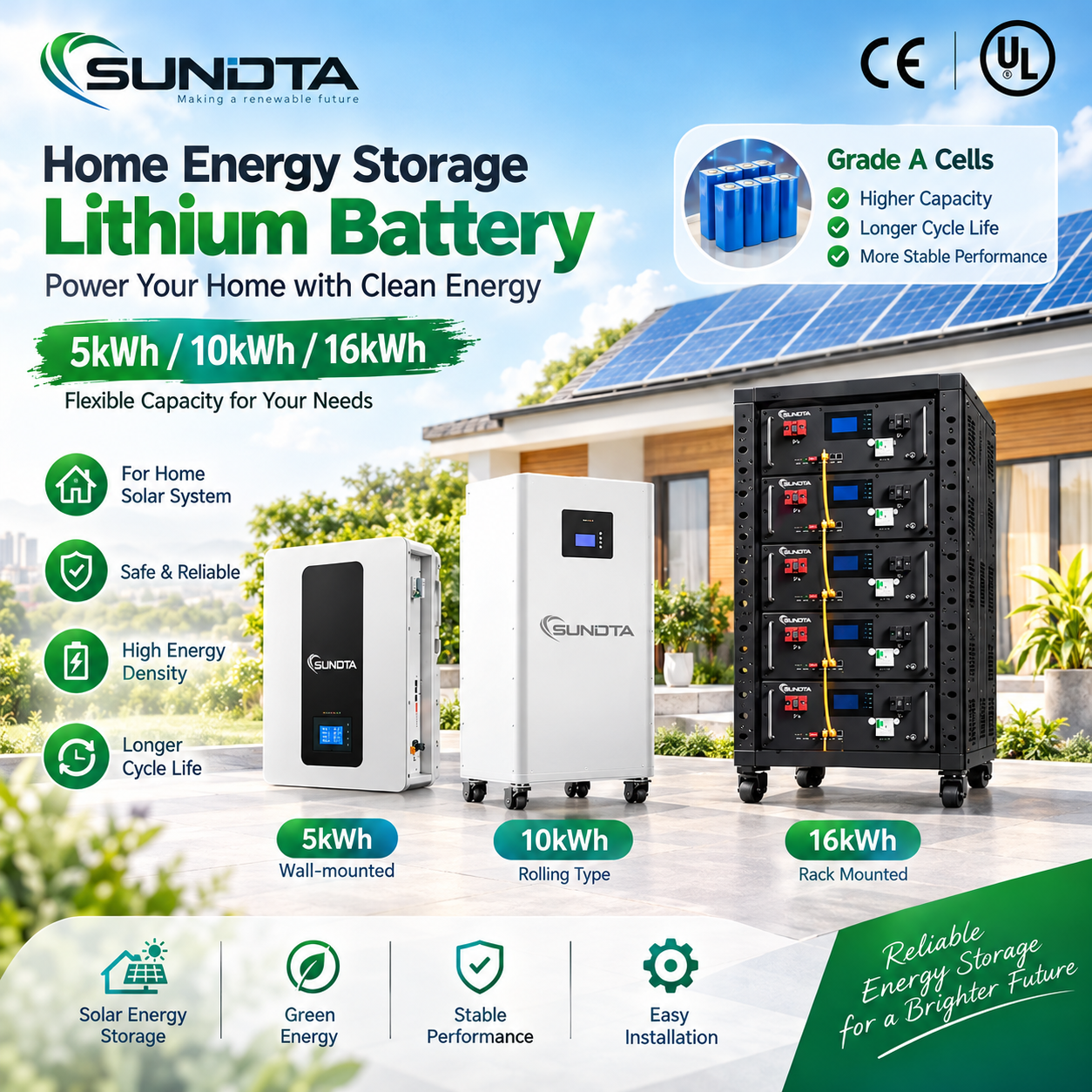
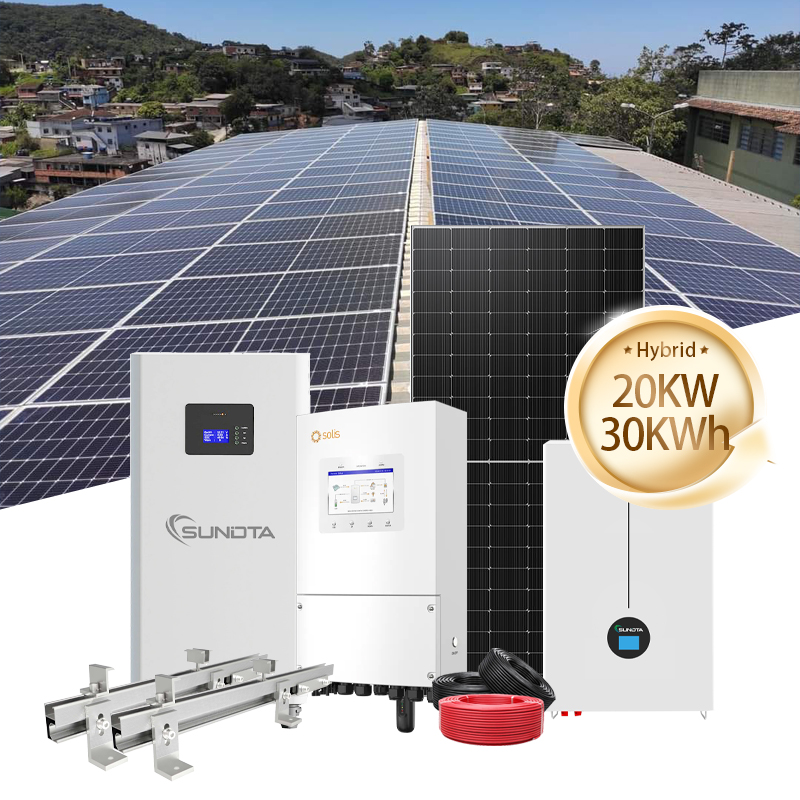
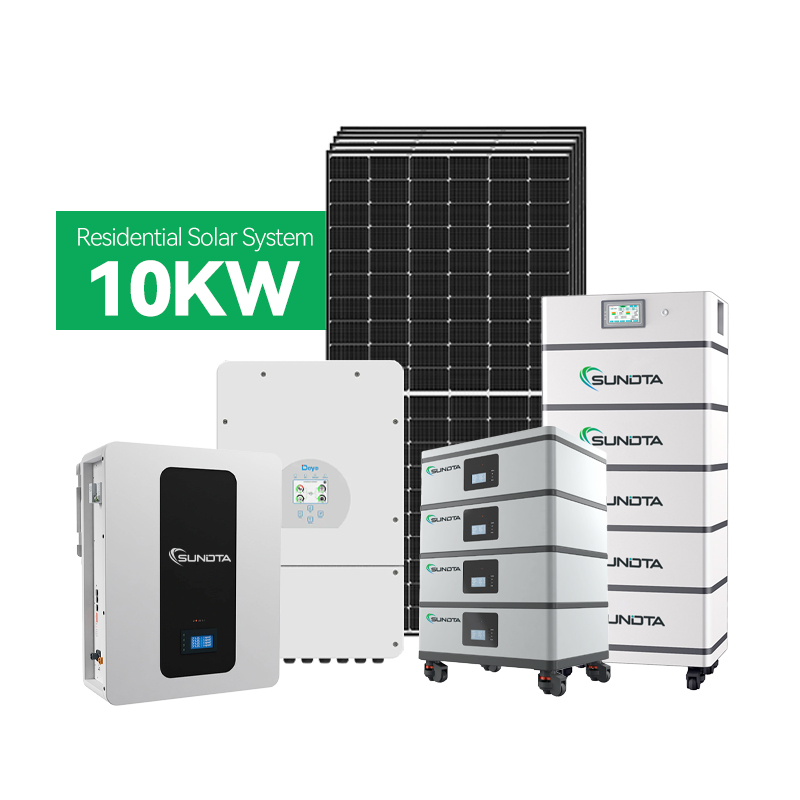
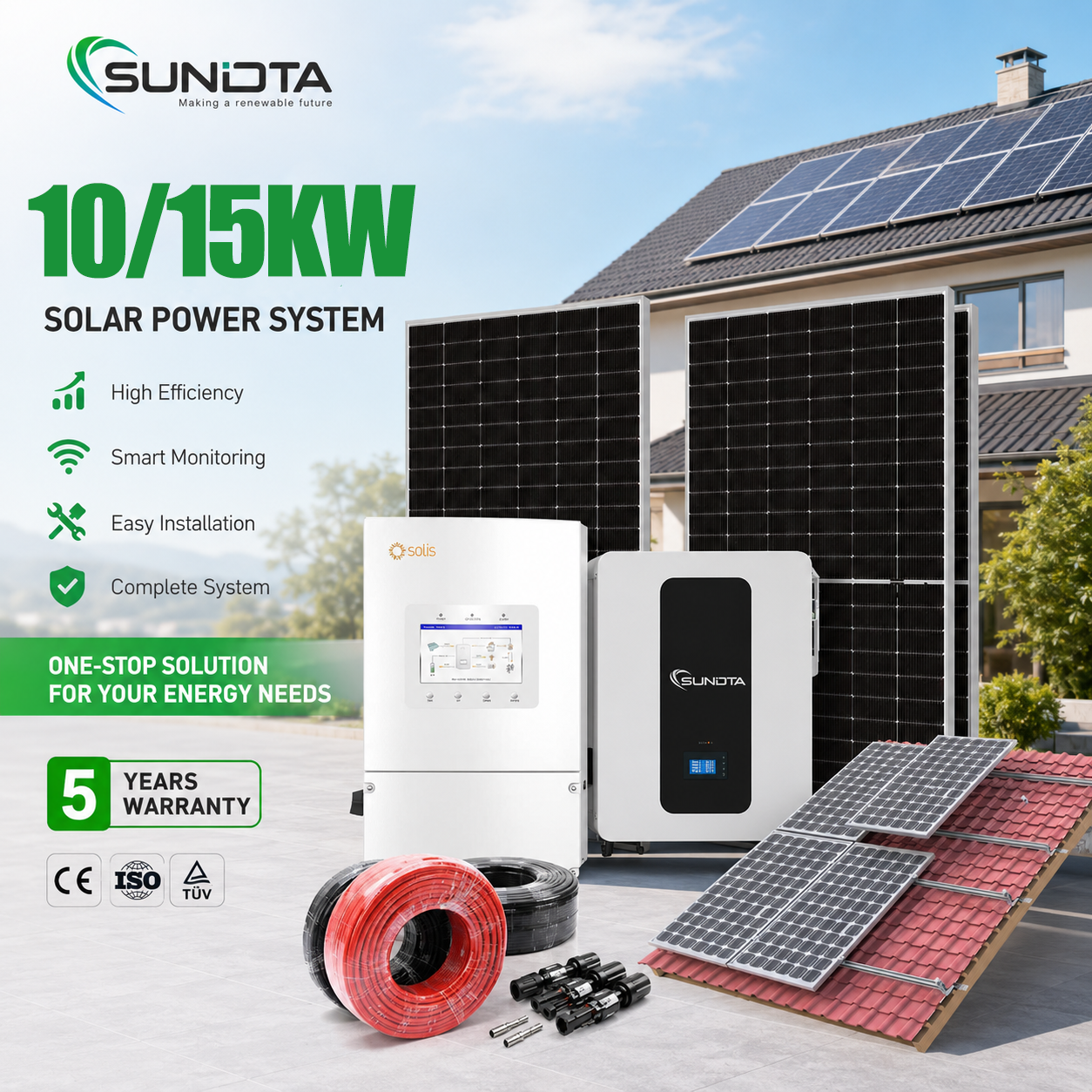
Engineering TOPCon Cells for Quetta's High-Altitude Solar Corridor
Why standard P-Type PERC silicon deteriorates in Balochistan, and how N-Type Tunnel Oxide Passivated Contact (TOPCon) metallurgy establishes long-term project bankability.
Quetta, situated at an altitude of approximately 1,680 meters (5,510 feet) within the Zarghun and Chiltan mountain valleys, represents one of South Asia’s highest solar irradiance zones, boasting Direct Normal Irradiance (DNI) metrics exceeding 2,150 kWh/m² per annum. However, the plateau presents harsh physical stresses that rapidly degrade sub-standard photovoltaic modules. At elevated altitudes, the atmospheric air mass (AM) is notably thinner, resulting in concentrated ultraviolet (UV-A and UV-B) radiation profiles alongside extreme diurnal temperature swings ranging from sub-zero winter nights (-8°C) to scorching mid-summer surface temperatures reaching +65°C on module backsheets.
Our CE Certified N-Type TOPCon Solar Cells and Modules are specifically engineered to eliminate the degradation mechanisms endemic to older P-type Passivated Emitter and Rear Cell (PERC) wafers. Traditional P-type architectures rely on boron-doped silicon substrates, which undergo severe Light-Induced Degradation (LID) and Light and elevated Temperature Induced Degradation (LeTID) upon initial sun-soaking. In contrast, RJV's N-Type TOPCon wafers utilize phosphorus doping, completely eliminating boron-oxygen complexes to reduce first-year degradation to below 1.0%, compared to 2.5%–3.0% typical of budget PERC assemblies flooding the local Chaman-border distribution markets.
Furthermore, operational cell temperature under Quetta's intense noontime insolation often surpasses 55°C. With a market-leading temperature coefficient of maximum power (Pmax) of -0.30%/°C (versus -0.36% to -0.38%/°C in PERC), our TOPCon modules deliver up to 4.2% higher actual power output during peak daytime hours. Paired with a bifaciality coefficient of 80% to 85%, arrays deployed over the pale limestone, chalky soils, and gravel plains of Balochistan generate significant rear-side albedo energy gain, driving down Levelized Cost of Electricity (LCOE) to historic regional lows.
Comparative Engineering Matrix: N-Type TOPCon vs. Legacy PERC in Quetta
Laboratory validation and real-world deployment performance metrics under Balochistan environmental operating parameters.
| Engineering Metric | Anhui RJV N-Type TOPCon Module | Standard P-Type PERC (Market Baseline) | Operational Impact in Quetta Environment |
|---|---|---|---|
| Cell Architecture & Substrate | N-Type Silicon + Ultrathin Passivating Oxide Layer | P-Type Boron-Doped Silicon Wafer | Zero Boron-Oxygen defect complexes; immune to standard LID degradation. |
| Pmax Temperature Coefficient | -0.30% / °C | -0.35% to -0.39% / °C | Generates up to 4.2% higher power during hot summer months (40°C+ ambient). |
| Bifaciality Factor | 80% – 85% | 65% – 70% | Captures 12%–22% additional kWh from high-albedo gravel and sandy soils. |
| UV & PID Resistance | Dual-Glass POE Encapsulation, Anti-PID TCO | Single Glass + Standard EVA film | Resists severe ultraviolet yellowing and delamination at 1,680m elevation. |
| Low-Irradiance Response | > 96.5% relative efficiency at 200 W/m² | < 92.0% relative efficiency at 200 W/m² | Extended generation during dawn, dusk, and overcast winter conditions in the valley. |
| First-Year Power Degradation | < 1.0% | 2.0% – 3.0% | Guarantees nominal capacity output during critical initial capital recovery phases. |
| Annual Linear Degradation | 0.40% / year (30-Year Performance Warranty) | 0.55% / year (25-Year Performance Warranty) | Delivers 87.4% retained power after 30 years vs. 80.2% on standard modules. |
Localized PV Application Architectures Across Balochistan
Precision-engineered configurations addressing chronic QESCO feeder outages, agricultural pumping needs, and rugged industrial remote power demands.
High-Surge Agricultural Solar Pumping
Mastung, Pishin, and Pashin agricultural valleys suffer groundwater depletion requiring 30HP to 75HP deep-submersible pumps. Our TOPCon arrays pair with robust VFD inverters to deliver non-fluctuating water discharge even during morning haze.
Cold Storage & Deciduous Fruit Processing
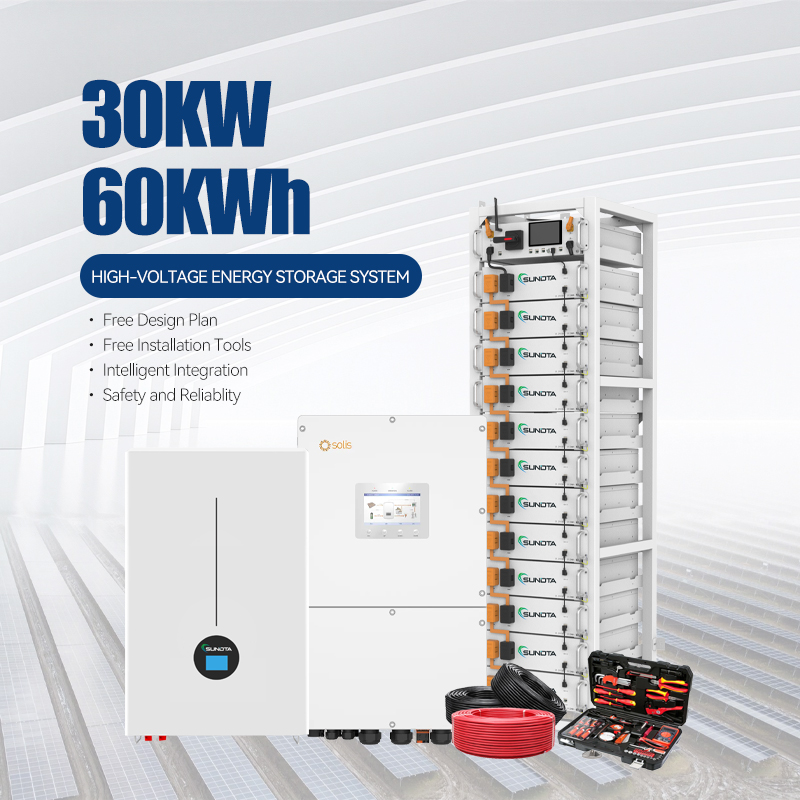
Quetta’s apple, cherry, and almond supply chains face immense stock spoilage risks during 12–18 hour daily QESCO load shedding. Hybrid TOPCon systems tied to modular LiFePO4 banks maintain seamless 400V 3-phase refrigeration backup.
Urban Commercial & Residential Micro-Power
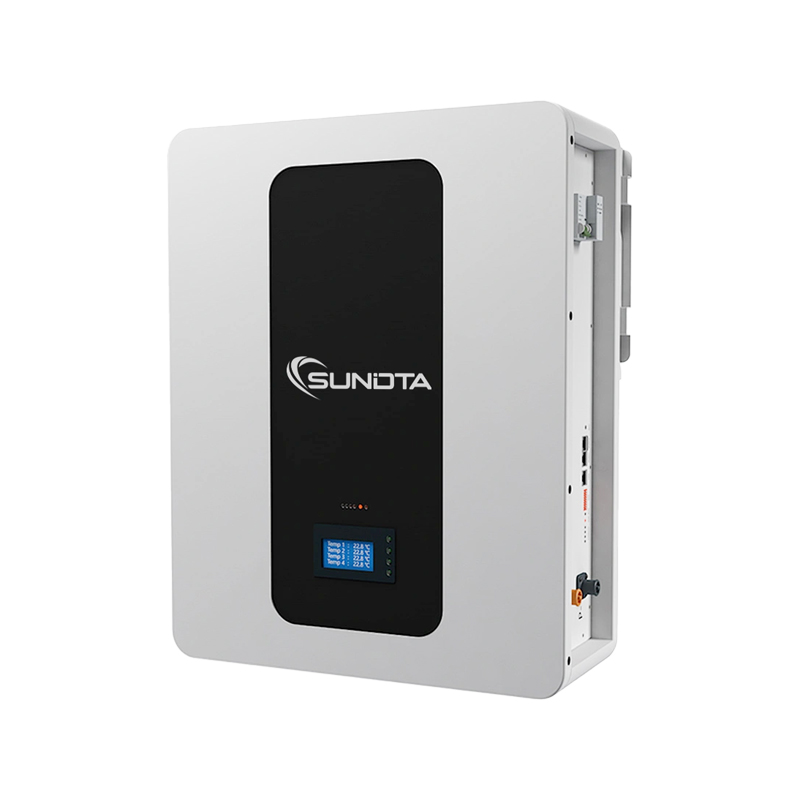
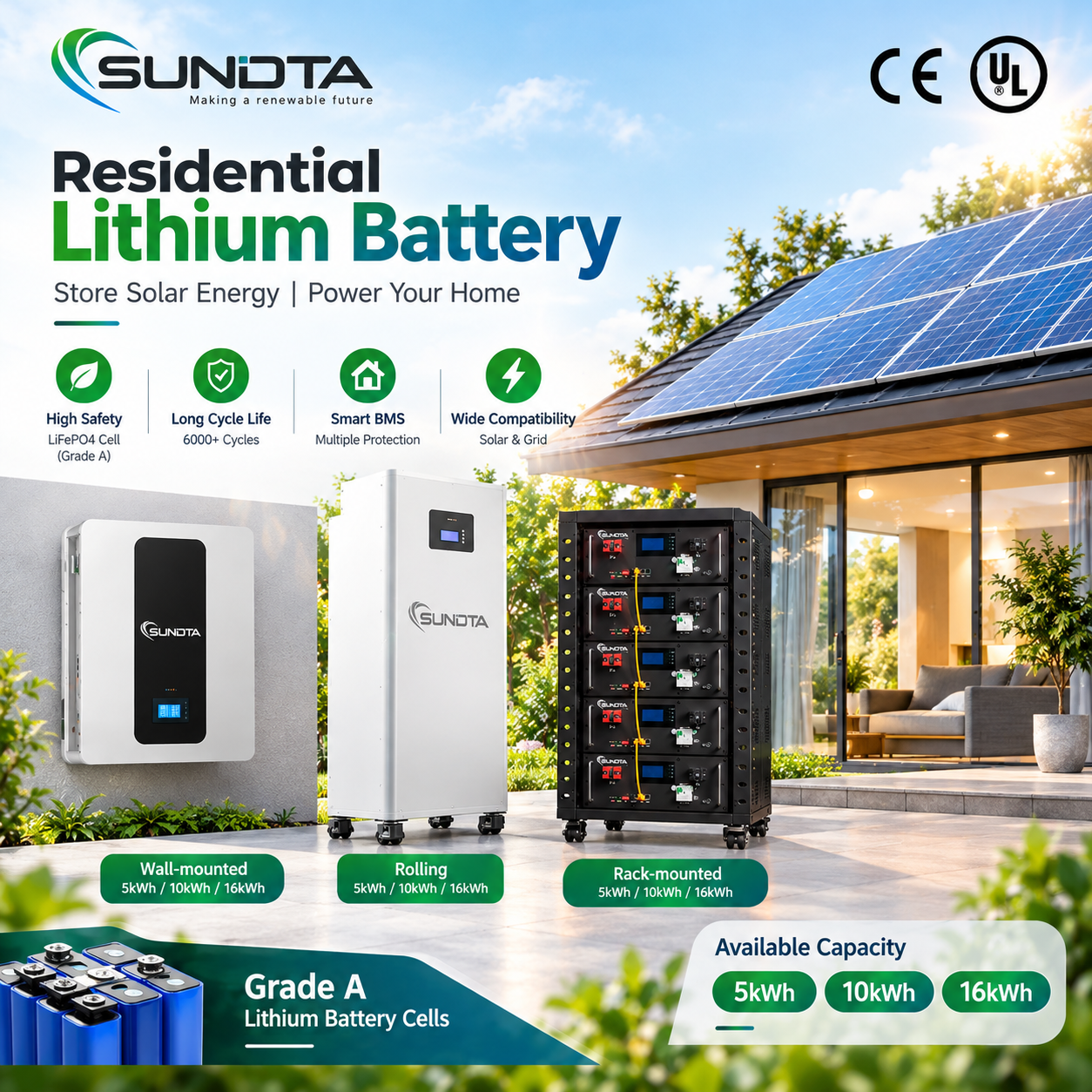
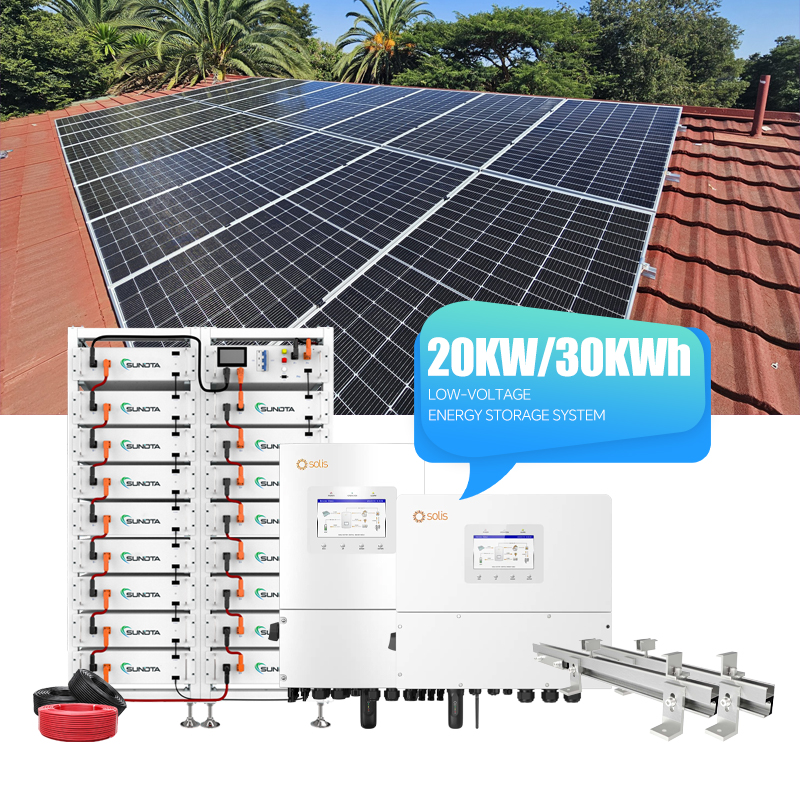
Commercial plazas along Zarghoon Road and residential estates in Model Town and Jinnah Town eliminate diesel generator fuel burn by installing rooftop TOPCon solar arrays combined with smart wall-mounted 51.2V 200Ah battery banks.
Remote Mining & Border Checkpost Microgrids
Isolated mineral extraction sites (chromite, marble, fluorite) and border trade infrastructure at Chaman operate beyond national utility lines. We provide ruggedized 50kW–500kW containerized battery systems and high-efficiency dual-glass modules.
Balochistan Energy Transition Trends: Economics, Grid Codes & Policy
Strategic analysis of Pakistan's National Electricity Policy, QESCO net-metering regulations, and the economics of diesel displacement.
The energy ecosystem of Balochistan is experiencing a historic transformation. Driven by exorbitant industrial tariffs, soaring fuel prices for diesel gensets, and chronic instability across the Quetta Electric Supply Company (QESCO) network, commercial enterprises and agricultural cooperatives are actively moving off-grid or adopting hybrid microgrids. Historical government agricultural electricity subsidies have placed massive financial burdens on both federal utilities and regional farmers, triggering major subsidized programs to solarize over 30,000 agricultural tube-wells across Balochistan.
For engineering procurement contractors (EPCs) and local project developers in Quetta, module efficiency is no longer a luxury—it is an economic imperative. With real-estate limitations and high structural costs for elevated racking in rocky terrain, every additional watt per square meter directly lowers the balance-of-system (BOS) capital expenditure. Our N-Type TOPCon cells deliver operational module efficiencies ranging between 22.5% and 23.5%, yielding substantially more kilowatt-hours per acre than legacy poly or early-generation PERC arrays.
Moreover, compliance with the Alternative Energy Development Board (AEDB) and NEPRA net-metering standards demands strict inverter harmonic distortion limits (THD < 3%), anti-islanding protection, and certified CE/IEC standards (IEC 61215 for module performance, IEC 61730 for module safety, and IEC 62109 for power converters). Anhui RJV New Energy provides pre-vetted, certified compatibility dossiers accompanying every shipping container, ensuring fast-track approval through Pakistani testing agencies and utility engineers.
Why Regional Importers Partner with Anhui RJV New Energy
End-to-end manufacturing depth, rigorous third-party certifications, and deep supply chain control from our Hefei manufacturing base.
TÜV Rheinland Assessed & CE Certified
Our complete production ecosystem has undergone extensive on-site audit verification by TÜV Rheinland. Every batch of TOPCon cells and assembled modules ships with factory flash reports, triple EL (Electroluminescence) testing, and CE compliance certificates.
Turnkey Compatibility Across the BOM
Avoid the commissioning failures that occur when modules, inverters, and battery BMS systems are purchased from disconnected suppliers. RJV engineers match string voltages, inverter MPPT windows, and battery CAN/RS485 closed-loop protocols prior to departure.
Robust Multimodal Logistics to Quetta
Experienced in containerized maritime routing to Karachi Port (SAPT/KICT) coupled with bonded inland transit along the N-25 National Highway corridor. Reinforced heavy-duty maritime packaging safeguards double-glass wafers against rough road transit.
Frequently Asked Questions for Quetta Solar Importers & EPCs
Practical procurement insights addressing import clearance, extreme climatic performance, warranty fulfillment, and system sizing.
How do N-Type TOPCon cells withstand the severe dust and calcined soil storms of Quetta?
What is the import and customs procedure for shipping solar containers from China to Quetta?
Are RJV hybrid systems compatible with heavy industrial tube-well electric motors?
How does the high altitude (1,680m+) of Quetta affect solar inverter and battery thermal performance?
What warranty support and after-sales service does RJV offer for B2B contracts in Pakistan?
Secure Factory Direct Pricing on CE Certified TOPCon Systems
Partner directly with Anhui RJV New Energy. Connect with our technical engineering team for matched PV array sizing, battery bank compatibility configurations, and containerized freight schedules to Quetta.