Turnkey Solar Mounting & Clean Energy Solutions for Sylhet
Fully coordinated solar bills of materials manufactured in China and structural-load optimized for Sylhet's regional wind shear, wet soil conditions, and intense monsoon environment.
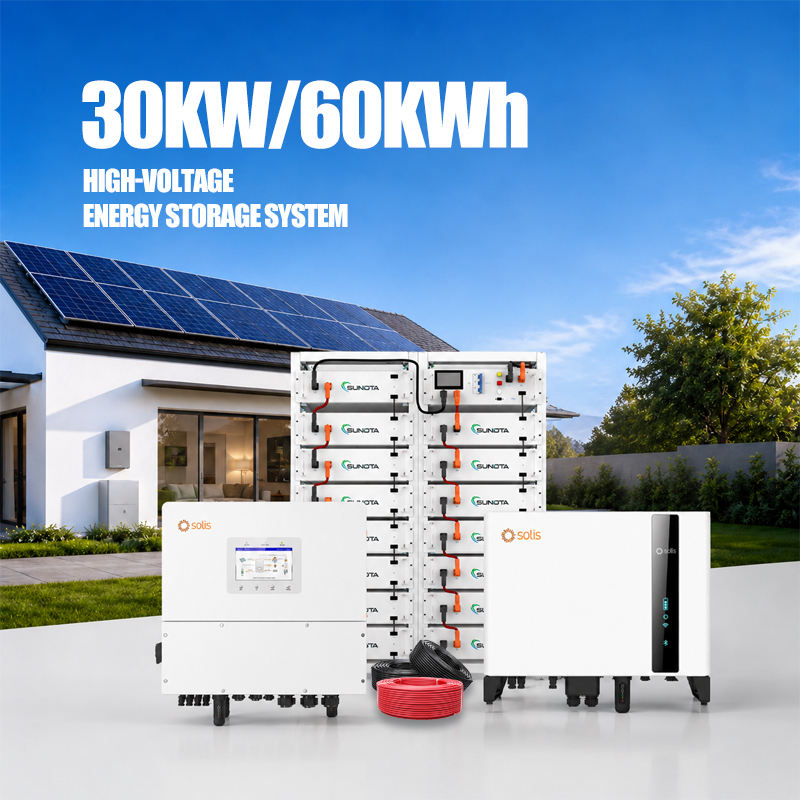
51.2V Split All-in-One Solar Battery Inverter System 30kWh LiFePO4 Backup Power
- Integrated Hybrid Inverter & LiFePO4 Rack
- Dual CAN & RS485 Communication Protocol
- Rated for 6,000+ Deep Charge/Discharge Cycles
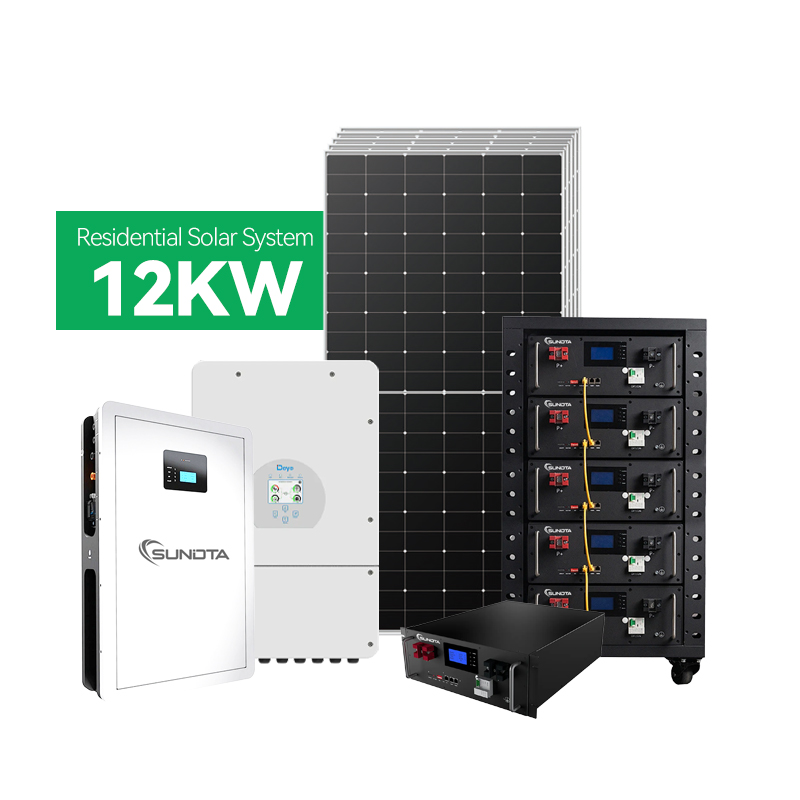
Sundta 12kW Hybrid Solar Energy Storage System with 25kWh Residential Lithium Battery
- High-Yield Monocrystalline PV Matching
- Fast <10ms Seamless UPS Grid Transfer
- Built-in Smart BMS with Cell Balancing
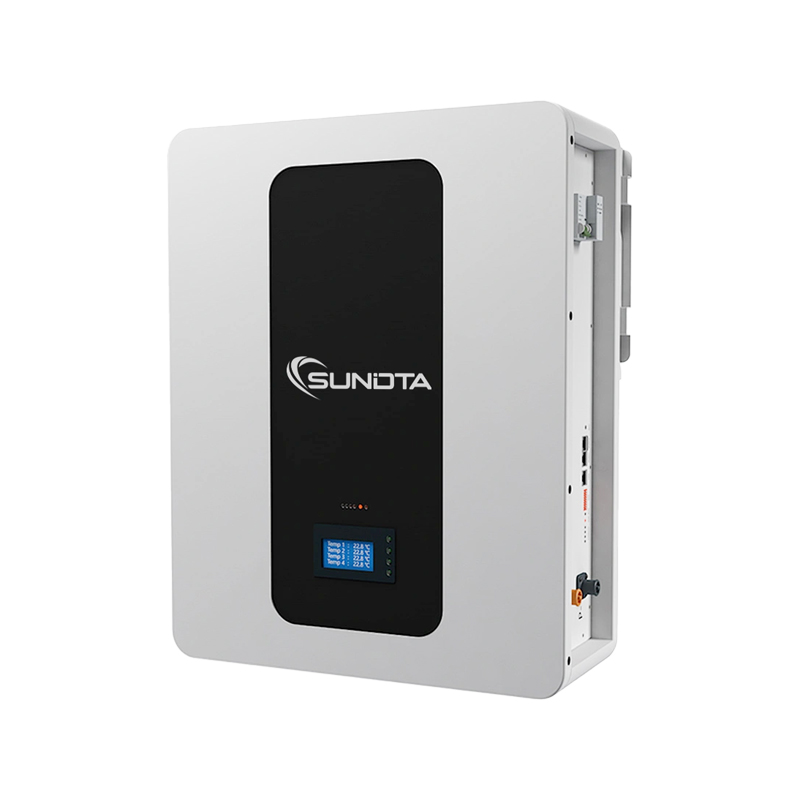
Sundta 48V/51.2V 200Ah 10kWh Solar Energy Storage Battery Wall-Mounted
- Wall-Hung Compact Form Factor for Tight Rooms
- Automotive Grade A Prism LiFePO4 Cells
- Compatible with Deye, Solis, and RJV Inverters
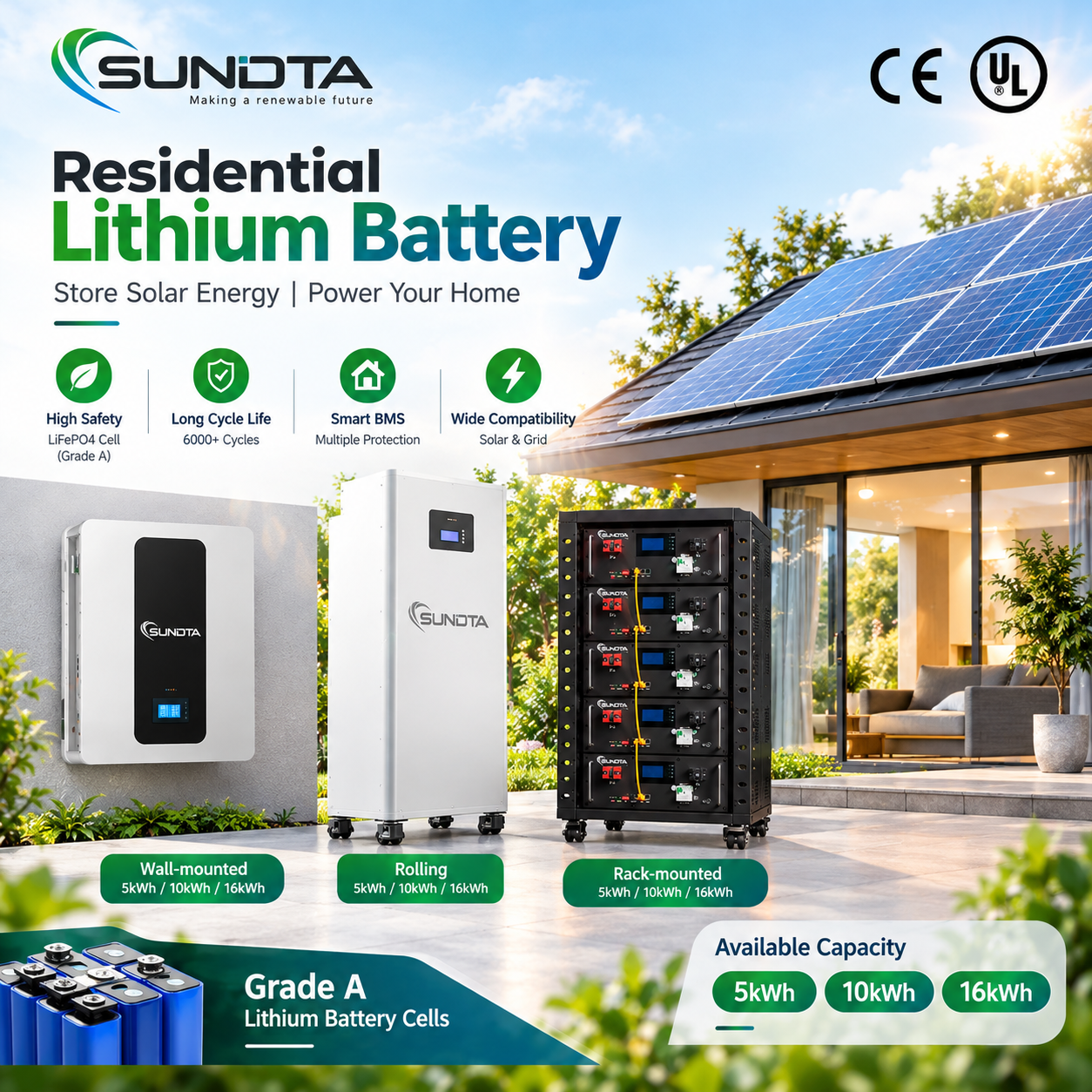
Sundta Stacked 10kWh 20kWh 30kWh Modular LiFePO4 Energy Storage Battery
- Plug-and-Play Quick Stack Wireless Interconnection
- Scalable from 10kWh to 30kWh On-Demand
- Comprehensive Over-Voltage & Temp Protection
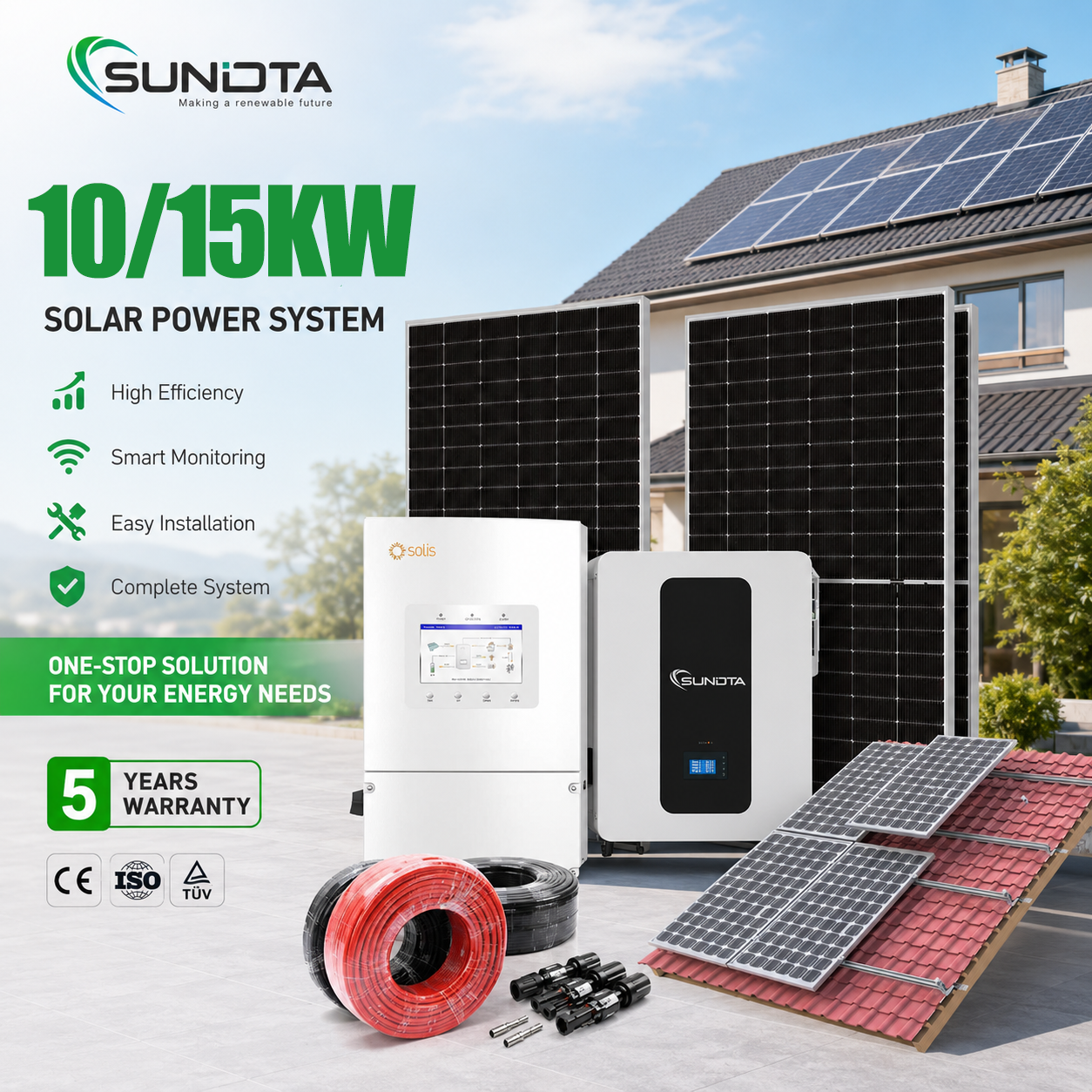
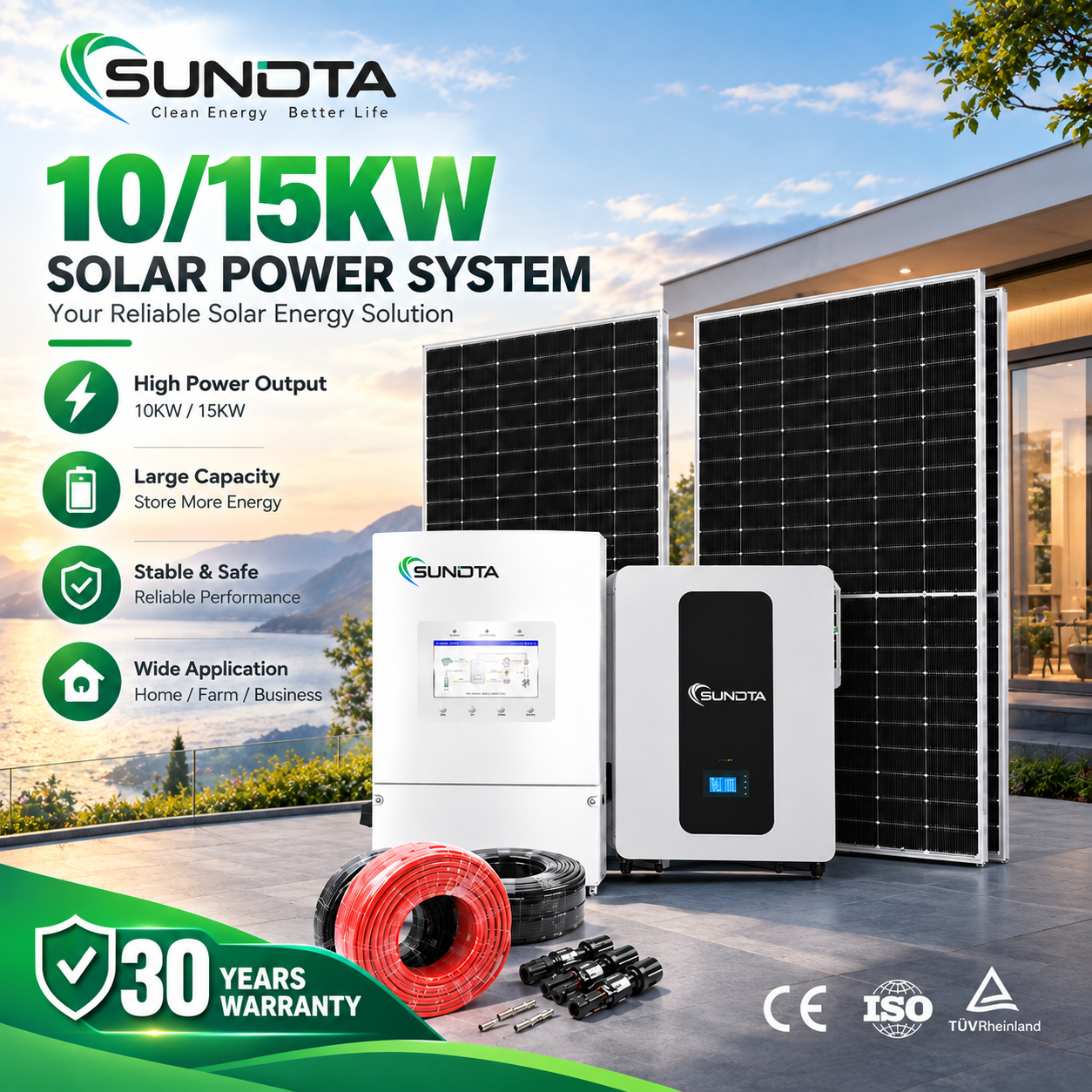
Customized Factory Price 8kW 10kW 15kW On-Off Grid Full Solar System Set
- Includes Mono Panels, Inverter & Mounting Rails
- Tailored for Rural Sylhet Load Shedding Mitigation
- Pre-Wired DC Combiner & Lightning Protection
Premium 585W-595W N-Type Bifacial Monocrystalline Solar Panels High Yield
- Low Temperature Coefficient for Sylhet Summers
- Up to 25% Additional Rear-Side Energy Gain
- Double-Glass High Mechanical Load Durability
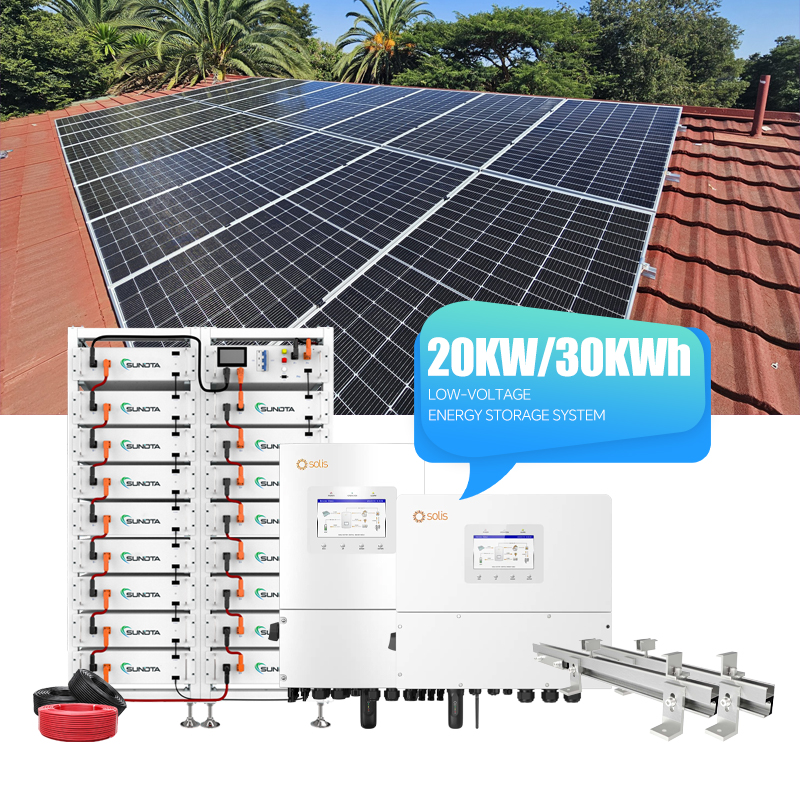
Complete Set of 20kW-35kW Solar Energy Storage Hybrid Solar Panel Kits
- Three-Phase Industrial & Tea Estate Compatibility
- Full Balance of System: Cables, Isolators & Brackets
- Remote App Monitoring via Wi-Fi/4G Data Stick
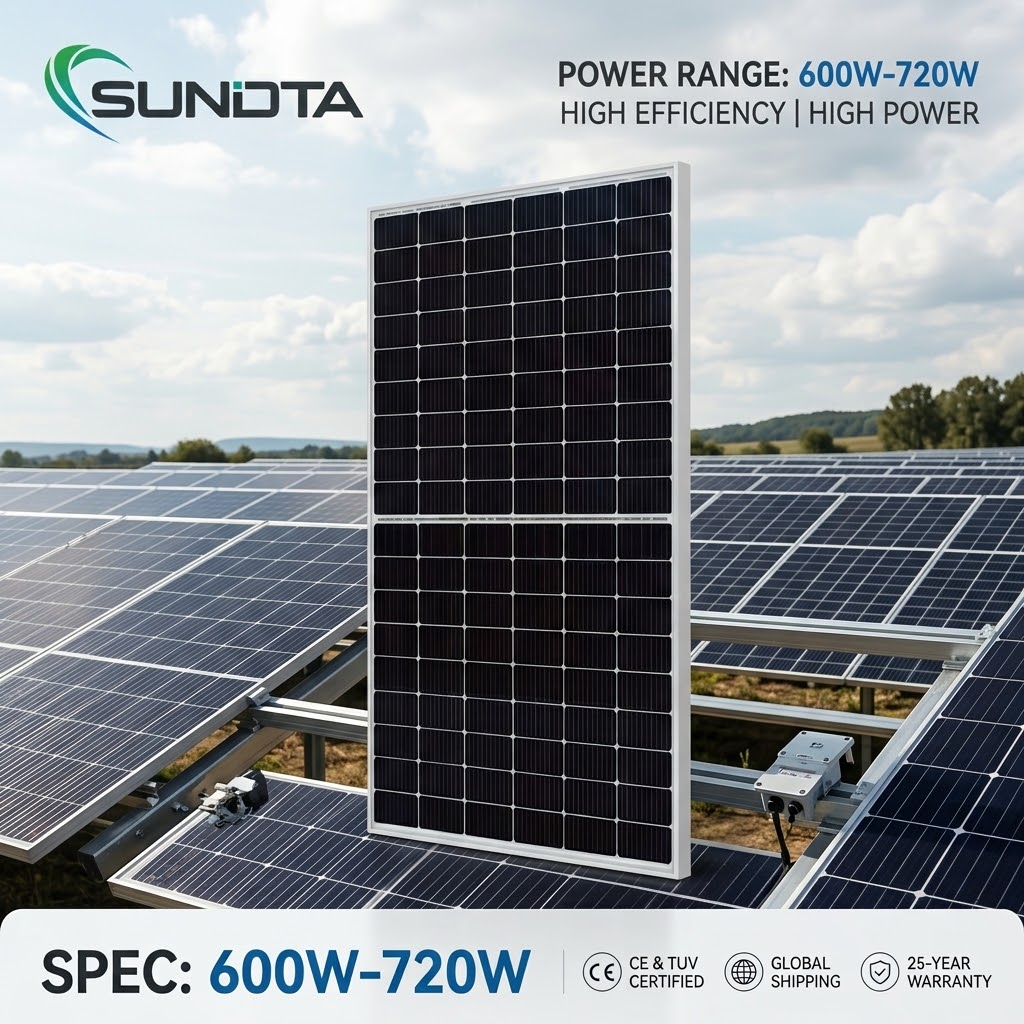
Factory Price SUNDTA 500W-595W Black Glass Bifacial PV Module Half-Cut
- Dual-Glass Structure with Zero Moisture Ingress
- Optimized Shading Tolerance under Cloudy Skies
- Rigid 35mm Anodized Aluminum Alloy Frame
Engineering Resilient Solar Mounting Infrastructure for Sylhet’s Unique Microclimates
The Sylhet Division of northeastern Bangladesh presents one of the most demanding environmental and structural landscapes for photovoltaic power deployment in South Asia. Known as the rainfall capital of Bangladesh, Sylhet experiences an average annual precipitation exceeding 4,000 mm, punctuated by intense Kalbaishakhi nor'wester windstorms and prolonged monsoon inundations across the Surma-Kushiyara river basin. For solar engineering, procurement, and construction (EPC) contractors, project developers, and tea estate owners in Sylhet, standard off-the-shelf mounting hardware inevitably leads to mechanical failures, galvanic corrosion, foundation scouring, or catastrophic wind uplift.
As a leading Chinese solar mounting structure manufacturer and tier-integrated solar factory, our manufacturing facility in Hefei, Anhui Province, bridges high-precision Chinese structural metallurgy with the localized meteorological requirements of Sylhet. By integrating robust hot-dip galvanized steel (HDG), corrosion-proof zinc-aluminum-magnesium (ZAM) alloys, and marine-grade anodized aluminum (AL6005-T5), we supply solar mounting systems designed to guarantee 25 to 30 years of operational survival against the harsh moisture, torrential cloudbursts, and acidic hill soils characteristic of Greater Sylhet.
Technical Insight: Mounting systems installed in Sylhet must strictly adhere to the updated Bangladesh National Building Code (BNBC 2020) Wind Zone 3 standards. Our structural designs are engineered for basic wind speeds up to 55 m/s (198 km/h), accounting for rapid cyclonic wind load spikes and gust effect factors specific to elevated tea plantation ridges and exposed haor basin floodplains.
Geotechnical & Foundation Engineering for the Surma River Basin and Rolling Terrains
A primary failure mode in ground-mounted solar plants across Sylhet originates in inadequate geotechnical soil analysis. The geological profile of Sylhet varies dramatically across short distances: low-lying haor areas (such as Sunamganj and parts of Sylhet Sadar) consist of deep, soft alluvial silty clays with high seasonal water tables, while the rolling hillocks (tillas) of Srimangal, Moulvibazar, and Habiganj exhibit acidic sandy loam and weathered sedimentary formations.
To overcome these geological hurdles, our engineering team supplies three distinct, project-specific foundation solutions:
1. Ground Screw Piling (Continuous Helical Flanges): Engineered specifically for the dense sandy clays and undulating gradients of Sylhet's tea plantations. The continuous cold-formed helical ground screws penetrate up to 2.2 meters into consolidated strata without requiring wet concrete curing. This eliminates the risk of rain washing away wet concrete during unexpected monsoon cloudbursts while offering superior uplift and pull-out resistance exceeding 38 kN per post.
2. Ramming C-Piles & H-Piles (HDG Steel): Designed for large utility-scale arrays and commercial ground sites across the flat floodplains. Fabricated from high-tensile Q235B or Q355B structural steel and hot-dip galvanized to an average coating thickness of 85–100 μm (exceeding ASTM A123 standards), these piles withstand prolonged immersion during flash floods without structural degradation.
3. Elevated Flood-Clearance Agro-PV Structures: Engineered with bottom-chord module clearances ranging from 1.8 to 2.5 meters. These elevated substructures prevent seasonal river floodwaters from reaching sensitive junction boxes, bifacial PV modules, or DC cabling, while simultaneously preserving ground-level agricultural productivity and tea nursery shading.
Rooftop Solar Mounting Dynamics: Corrugated Tin Sheds and RCC Flat Roofs in Sylhet
Within the Sylhet industrial corridors—spanning food processing plants, tea manufacturing factories, cold storage hubs, and garment packaging units—the dominant roof architecture comprises corrugated galvanized iron (CGI) or trapezoidal metal sheeting. In residential neighborhoods across Upashahar, Zindabazar, and Amberkhana, reinforced concrete cement (RCC) flat slabs are standard.
Roof installations in Sylhet face dual threats: torrential water leaks caused by improper screw penetrations and devastating wind uplift during seasonal Kalbaishakhi storms. Our mounting designs address both challenges rigorously:
- Non-Penetrative Standing Seam Clamps: For industrial standing seam roofs, our factory extrudes high-strength AL6005-T5 aluminum clamps that grip the raised sheet seams securely without penetrating the waterproofing membrane. Integrated EPDM rubber isolators eliminate galvanic corrosion between aluminum clamps and galvanized iron sheeting.
- Direct-Fastening Trapezoidal Brackets with EPDM Gaskets: For trapezoidal profiles, we supply compact, high-shear mini-rails fastened directly to the sheet crowns with stainless steel self-tapping screws featuring vulcanized bonded EPDM sealing rings. Tested under continuous hydraulic head pressures, our fixings eliminate rainwater leaks during monsoon season.
- Aerodynamic Non-Penetrative Ballasted RCC Racks: For concrete rooftop residences and commercial office buildings, we supply wind-deflector-equipped aluminum ballasted systems. By utilizing aerodynamically modeled rear shields, wind uplift is reduced by up to 40%, allowing minimal ballast block weight and protecting building structural limits.
Metallurgical Superiority: Combating High Atmospheric Corrosivity
Sylhet's hyper-humid environment (frequently exceeding 85% relative humidity from May to September), combined with chemical tea-processing emissions and agricultural sulfur runoff, accelerates atmospheric corrosion. Standard zinc electroplating (which provides less than 15 μm of protective coating) will degrade within 24 to 36 months, leading to rust blooms and structural failure.
Our manufacturing facility applies advanced metallurgical coatings tailored for C4 and C5 corrosive classifications:
Hot-Dip Galvanizing (HDG): All steel columns, beams, purlins, and braces undergo acid pickling, fluxing, and automated immersion in molten zinc baths maintained at 450°C. The resulting metallurgical alloy layer bonds iron and zinc molecularly, delivering a rugged self-healing protective barrier exceeding 85 μm in thickness.
Zinc-Aluminum-Magnesium (ZAM) Roll-Formed Channels: For high-speed installation projects, we supply roll-formed structural channels made from genuine pre-coated ZAM steel coils. The addition of aluminum (Al) and magnesium (Mg) generates an extremely dense, impervious corrosion film that actively seals cut edges, punched holes, and sheared ends over time, offering triple the service life of traditional galvanized steel.
Localized Application Scenarios in Greater Sylhet
Custom-fabricated solar structures deployed across the diverse agricultural, commercial, and geographical conditions of northeastern Bangladesh.
Tea Estate Agro-PV & Hillside Mounting
Elevated ground mounts engineered for the rolling tillas of Srimangal and Moulvibazar. High ground clearance supports organic tea nursery propagation and shade-grown cultivation beneath bifacial glass solar modules.
Industrial Corrugated Tin Rooftops
Non-penetrating clamp solutions for tea factories, rice processing plants, and food cold storages in Sylhet's industrial belts. Engineered to eliminate water ingress and endure severe Kalbaishakhi gusts.
Flood-Resilient Haor Basin Ground Arrays
Heavy-duty driven H-pile and screw-pile foundations with up to 2.5-meter clearance above baseline inundation. Designed specifically for seasonal wetlands in Sunamganj and Surma floodplains.
Urban Residential Hybrid Blackout Defense
Lightweight ballasted aluminum structures tailored for concrete rooftops in Sylhet Metropolitan areas. Paired with integrated LiFePO4 batteries to eliminate recurring load-shedding disruptions.
Solar Mounting Structural Systems Technical Matrix
Comparison of structural framing, metallurgic coatings, and mechanical specifications engineered for Bangladesh climatic realities.
| System Type | Material & Alloy Grade | Surface Treatment | Wind Load Capacity | Sylhet Target Application |
|---|---|---|---|---|
| Ground Screw Hillside System | Q235B / Q355B Carbon Steel | Hot-Dip Galvanized ≥ 85μm | Up to 55 m/s (BNBC Zone 3) | Srimangal Tea Estates, Sloped Tillas & Rocky Sandy Clay |
| Elevated Floodplain Piling | Structural Carbon Steel (Q355B) | Heavy HDG ≥ 100μm / ZAM | Up to 50 m/s (180 km/h) | Surma Basin, Haor Seasonal Wetlands & Low-Lying Agrisolar |
| Non-Penetrating Metal Roof System | AL6005-T5 Anodized Aluminum | Anodized Film Thickness ≥ 15μm | Up to 60 m/s (Localized Gusts) | Industrial Factories, CGI / Trapezoidal Tin Roof Warehouses |
| Ballasted RCC Concrete Slabs | Aluminum Alloy + 304 Stainless Hardware | Class III Anodization + Passivated | Up to 45 m/s with Rear Deflectors | Urban Residential Rooftops & Commercial Office Buildings |
| High-Clearance Agro-PV Racking | Hot-Dip Galvanized Steel + Aluminum Rails | Hot-Dip Zinc + Dacromet Fasteners | Up to 50 m/s | Mixed Tea Agriculture, Shade Crop Nurseries & Research Centers |
Sylhet Renewable Energy Development Trends (2025–2030)
The renewable energy ecosystem in Sylhet is entering a period of exponential transformation driven by government policy imperatives, grid stability requirements, and rising industrial power costs. Traditionally reliant on domestic natural gas extracted from local gas fields such as Haripur, Kailashtila, and Rashidpur, the region faces depleting gas pressures and escalating power tariffs enacted by the Bangladesh Power Development Board (BPDB). This economic shift has propelled solar power from a niche luxury to an essential commercial survival strategy.
1. Expansion of Net Energy Metering (NEM) Across C&I Sectors
Bangladesh’s Sustainable and Renewable Energy Development Authority (SREDA) has streamlined net energy metering guidelines for commercial and industrial grid consumers. In Sylhet, tea processing plants, feed mills, and private universities are aggressively leveraging net metering to export excess daytime solar yields back into the BPDB 11kV and 33kV lines. Implementing high-efficiency bifacial N-type modules paired with precision tilt racking yields 18–24% higher specific yields (kWh/kWp), significantly expediting system payback within 3.8 to 4.5 years.
2. Transition from Diesel Gensets to Hybrid LiFePO4 Energy Storage
Rural grid substations in Sylhet frequently experience severe load-shedding during peak summer afternoons and thunderstorms. Industrial operators historically combated downtime with high-emission diesel generators, where electricity generation costs often surpass 32 BDT/kWh ($0.27 USD/kWh). Factory buyers are now pivoting toward hybrid solar-plus-storage topologies. By combining 20kW–100kW three-phase hybrid inverters with stackable, high-cycle LiFePO4 battery banks (such as our 51.2V and high-voltage modular systems), businesses achieve sub-10ms UPS transfer times, safeguarding sensitive machinery while cutting generator diesel consumption by over 70%.
3. Tea Industry Green Branding and Agrisolar Synergy
The historic Sylhet tea sector, which accounts for over 90% of Bangladesh’s total tea production, faces stringent export criteria demanding carbon emission reductions. Forward-thinking tea estates are implementing agro-photovoltaics. Elevating solar arrays above tea shrubs shields delicate young tea plants from excessive UV burn during dry seasons while generating clean electricity to power withering troughs, CTC rollers, and fermentation rooms.
Direct Chinese Manufacturing Strengths for Sylhet Importers
Eliminate middleman markups, guarantee structural compatibility, and secure factory-direct warranties from our ISO-certified facilities in Hefei, China.
2 GW Direct Manufacturing
Fully automated roll-forming mills, high-precision laser cutting, CNC punching presses, and robotic welding stations delivering rapid, uniform fabrication with absolute dimensional fidelity.
TÜV Rheinland Audited
Our operations have passed rigorous on-site audit assessments by TÜV Rheinland. Products carry full CE certification, IEC 61215/61730 reliability marks, and UN38.3 lithium battery safety compliance.
Full PV BOM Compatibility
We do not merely supply racking. We engineer modules, inverters, LiFePO4 batteries, and mounting hardware as a cohesive electrical-mechanical unit, eliminating field mismatch delays.
Bangladesh Trade Support
Experienced in Bangladesh Bank regulatory compliance, Letter of Credit (L/C) execution, CRF documentation, and direct shipping logistics through Chattogram and Mongla Sea Ports.
Frequently Asked Questions for Sylhet Solar Procurement
Direct answers to technical, commercial, logistical, and banking questions frequently encountered by EPCs, developers, and importers in Bangladesh.
How do your mounting structures comply with BNBC 2020 Wind Zone 3 for Sylhet?
All structural profiles supplied for Sylhet projects undergo Finite Element Analysis (FEA) modeling under dynamic wind gust pressures up to 55 m/s (198 km/h). We supply project-specific structural calculation books verified by certified structural engineers, confirming compliance with Bangladesh National Building Code (BNBC 2020) requirements for ground and rooftop arrays.
What is the typical shipping timeline from your Hefei factory to Sylhet?
Standard production lead times for containerized mounting structures and solar kits range from 12 to 18 days. Ocean transit from Shanghai or Ningbo ports to Chattogram (Chittagong) Port typically takes 14 to 18 days. Following customs clearance, bonded inland trucking delivers equipment to project sites across Sylhet, Srimangal, or Sunamganj in 3 to 5 days.
Do you accept Letter of Credit (L/C) issued by commercial banks in Bangladesh?
Yes. We regularly accept Irrevocable Letters of Credit (L/C at sight) from reputable tier-1 Bangladeshi commercial banks (including Islami Bank, Eastern Bank, City Bank, and Standard Chartered Bangladesh). We also support Telegraphic Transfers (T/T), with transparent Incoterms including FOB China, CFR Chattogram, or CIF Chattogram.
How do your non-penetrating tin roof clamps prevent rainwater leakage?
Our standing seam clamps clamp firmly along the raised standing vertical rib of the roof profile without perforating the steel substrate. For trapezoidal corrugated metal profiles where top-fastening is required, we use stainless steel fasteners fitted with vulcanized high-density EPDM sealing washers that form an airtight, watertight bond capable of resisting standing monsoon water.
What is the Minimum Order Quantity (MOQ) for mounting structures and solar systems?
For complete turnkey solar kits and hybrid battery systems, MOQ starts at just 1 set. For solar panels, typical wholesale orders begin at pallet quantity (approx. 13kW to 17kW). For mounting structures, we supply custom pre-cut and pre-punched structural racking for projects starting from 10kW up to multi-megawatt ground stations, accommodating mixed-container loads.
Can you customize ground clearance heights for haor flood zones?
Yes. Every single structural order can be tailored in-house to accommodate historical flood level data provided by your survey team. We fabricate telescoping or fixed heavy-gauge upright steel columns providing clearances from 1.5m up to 3.0m, ensuring total module safety above the high-water line of the Surma and Kushiyara rivers.
Ready to Engineer Your Solar Project in Sylhet?
Contact our technical engineering desk today. Provide your site location, roof type or geotechnical soil profile, and target system capacity. Our team will return a certified structural CAD layout, BNBC-compliant wind calculation, and factory-direct quotation within 24 hours.