Complete Kit
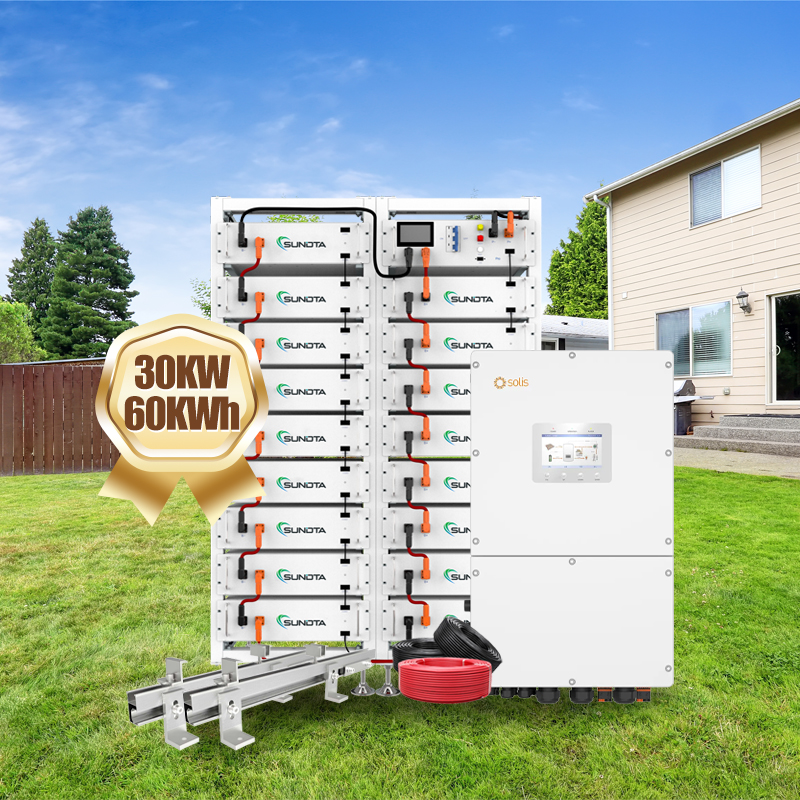
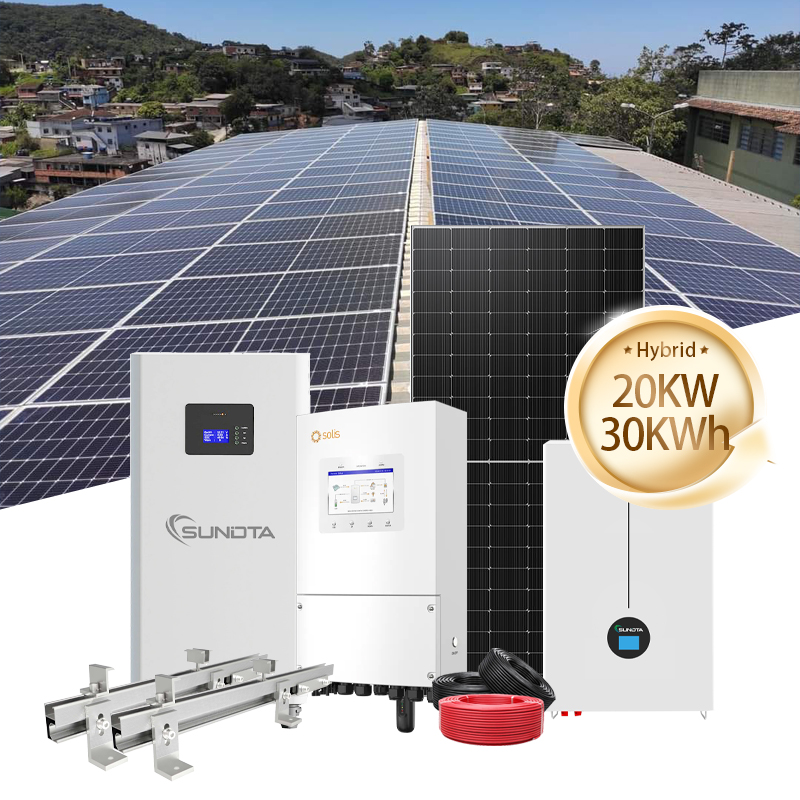
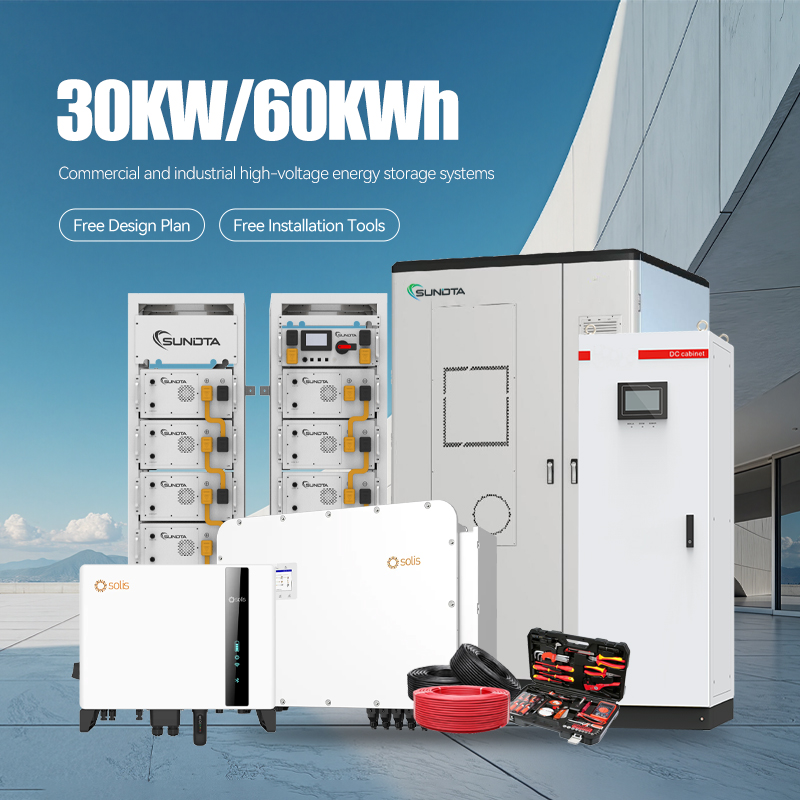
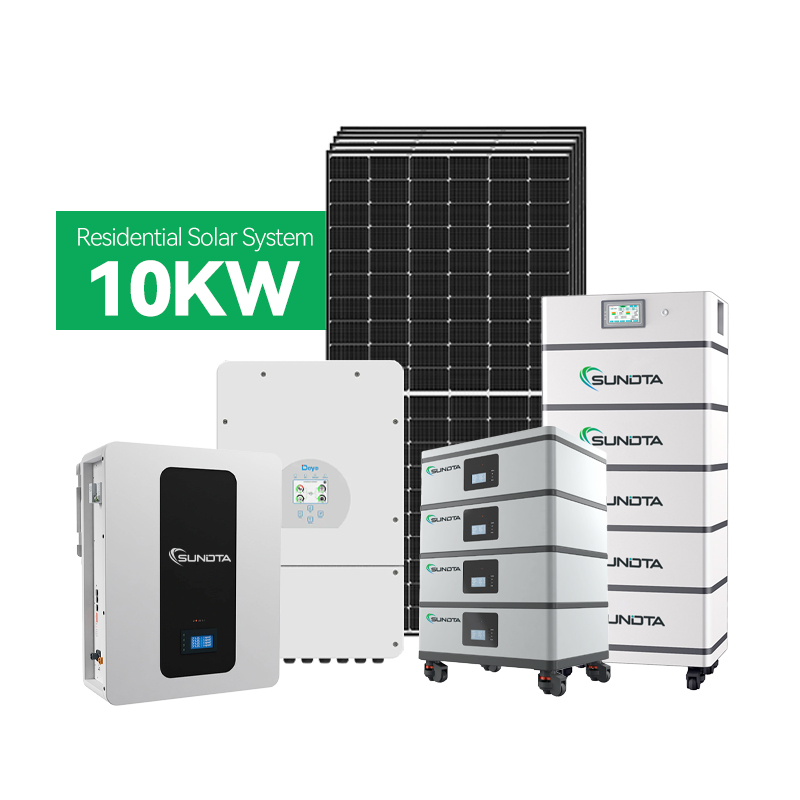
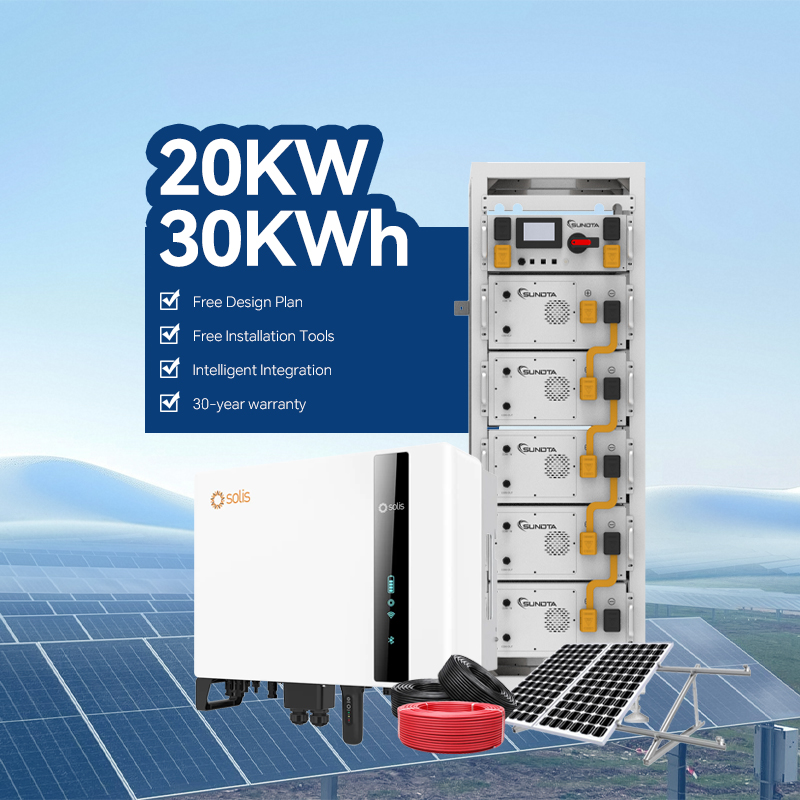
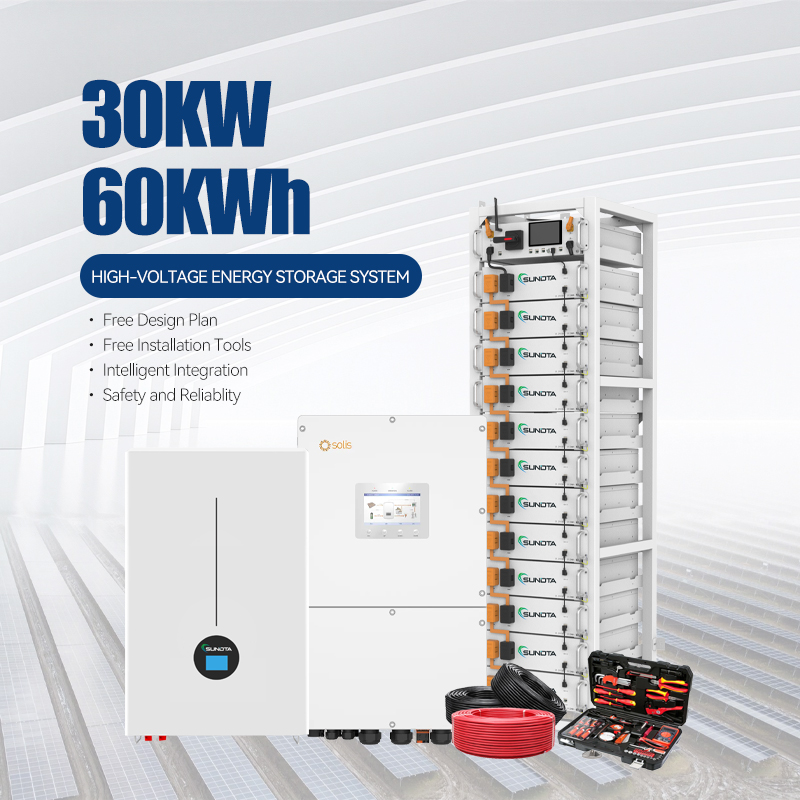
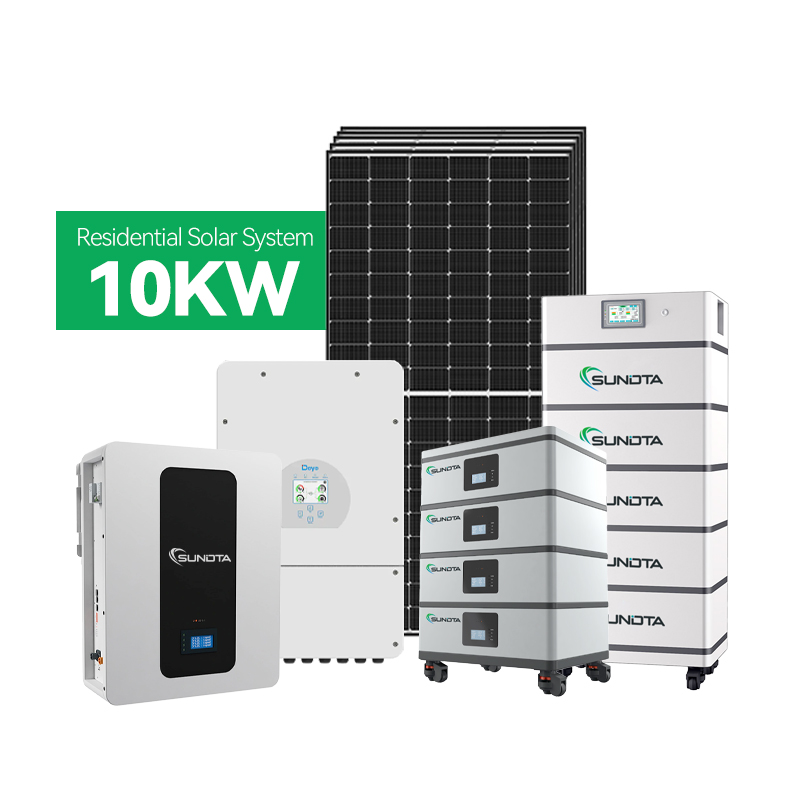
Complete 30kW Hybrid Solar Energy System (10kW–30kW Range)
- EU Certified hybrid switching system
- Bifacial HJT / TOPCon module match
- Pre-configured DC isolators & surge arrestors
Tested for severe salt-mist exposure, persistent volcanic hydrogen sulfide (H₂S) emissions, and high-ambient thermal operating loads.
Standard P-type PERC and even basic TOPCon modules encounter severe accelerated degradation within the Qualibou volcanic caldera and southwest coastal belt of Saint Lucia. Here is how advanced HJT cell architecture ensures 30-year operational resilience.
In Soufrière, rooftop ambient temperatures regularly exceed 32°C, pushing solar cell junction temperatures past 65°C. Conventional modules experience drastic voltage droop and power loss. Heterojunction technology combines thin-film amorphous silicon layers with crystalline silicon, achieving an industry-leading temperature coefficient of -0.26%/°C (compared to -0.35%/°C for standard PERC). Over an average Caribbean operating day, this yields an immediate 4.2% to 6.8% increase in cumulative kilowatt-hour generation.
Soufrière sits directly adjacent to active volcanic vents emitting continuous airborne sulfur compounds (H₂S, SO₂), blended with maritime saline humidity from the Caribbean Sea. EVA encapsulation rapidly hydrolyzes under high humidity and heat, producing acetic acid that corrodes silver busbars. RJV's HJT modules utilize high-purity Polyolefin Elastomer (POE) combined with 2.0mm+2.0mm dual semi-tempered glass, creating a hermetically sealed barrier completely impervious to acid corrosion, sulfur ingress, and salt-mist crystallization.
Because the symmetrical heterojunction cell structure processes light identically on both front and rear surfaces, our HJT panels offer a certified bifaciality factor of 85% to 92%. In Soufrière, where mounting environments range from high-albedo commercial white membrane resort roofs to light-colored volcanic aggregate ground surfaces, the rear side of the panel absorbs significant diffuse irradiance, generating an additional 12% to 25% energy yield per installed peak watt compared to mono-facial arrays.
| Evaluation Metric | Standard P-Type PERC | N-Type TOPCon | RJV Heterojunction (HJT) | Soufrière Field Impact |
|---|---|---|---|---|
| Temperature Coeff. (Pmax) | -0.35% / °C | -0.30% / °C | -0.26% / °C | Maintains maximum string voltage during humid 70°C roof-junction conditions. |
| Sulfur & Salt Resistance | Poor (EVA Hydrolysis risk) | Moderate (Requires special BOM) | Superior (Dual-Glass + POE) | Total protection against volcanic H₂S fumes around the Qualibou caldera. |
| Bifacial Factor | 70% ± 5% | 80% ± 5% | 85% – 92% | High rear-gain on luxury villa flat roofs and steep slope reflections. |
| PID / LID Degradation | High Initial Degradation | Low LID, Moderate PID | Zero LID / Zero PID | No boron-oxygen defects; preserves peak return-on-investment across 30 years. |
| Mechanical Load Tolerance | 2400Pa wind / 5400Pa snow | 2400Pa wind / 5400Pa snow | 3600Pa wind / 5400Pa snow | Survives tropical depression winds and Atlantic hurricane pressure spikes. |
Combining automated robotic module assembly with Tier-1 storage chemistry to deliver bankable, grid-code compliant solar energy systems worldwide.
From UNESCO protected eco-resort corridors to off-grid agricultural estates, our systems are built around exact geographical and electrical demands.
Soufrière's world-renowned hospitality sector relies heavily on silent, unobtrusive power generation. Diesel generator rumble and particulate exhaust degrade the guest experience. Pairing our all-black aesthetic HJT solar panels with 51.2V LiFePO4 battery banks provides silent, zero-emission base power, shielding resorts from St. Lucia's high commercial fuel adjustment charges.
Firms operating near Soufrière's geothermal park and volcanic tourism corridor face accelerated asset corrosion. Standard aluminum frames oxidize within 18 months, and terminal junction boxes corrode rapidly. RJV provides anodized marine-grade aluminum alloy frames (>25μm coating), IP68 junction boxes with potted silicone, and fluoropolymer bypass diodes designed for high-sulfur exposure.
Soufrière’s rugged interior terrain often suffers from unstable utility grid feeders subject to line drops and blackouts during tropical storms. Our hybrid systems feature dynamic multi-MPPT tracking to handle diffuse mountain light and passing cloud shadow, combined with automated grid-forming capabilities that allow farm processing equipment to operate 100% off-grid indefinitely.
Why commercial property owners and renewable installers in Soufrière are transitioning directly to N-Type HJT and integrated battery storage.
With Saint Lucia Electricity Services Limited (LUCELEC) tariffs strongly linked to international diesel fuel indices, levelized cost of energy (LCOE) with RJV HJT solar drops below $0.07/kWh, delivering direct cash flow relief.
Saint Lucia’s National Energy Transition Strategy targets aggressive decarbonization. Installing high-efficiency HJT accelerates solar capacity deployment per square meter on land-constrained mountain topography.
Our modules feature reinforced double-glass mechanical profiles tested to dynamic wind loads exceeding 3600 Pa, combined with proprietary anti-uplift clamping systems essential for Caribbean tropical storm seasons.
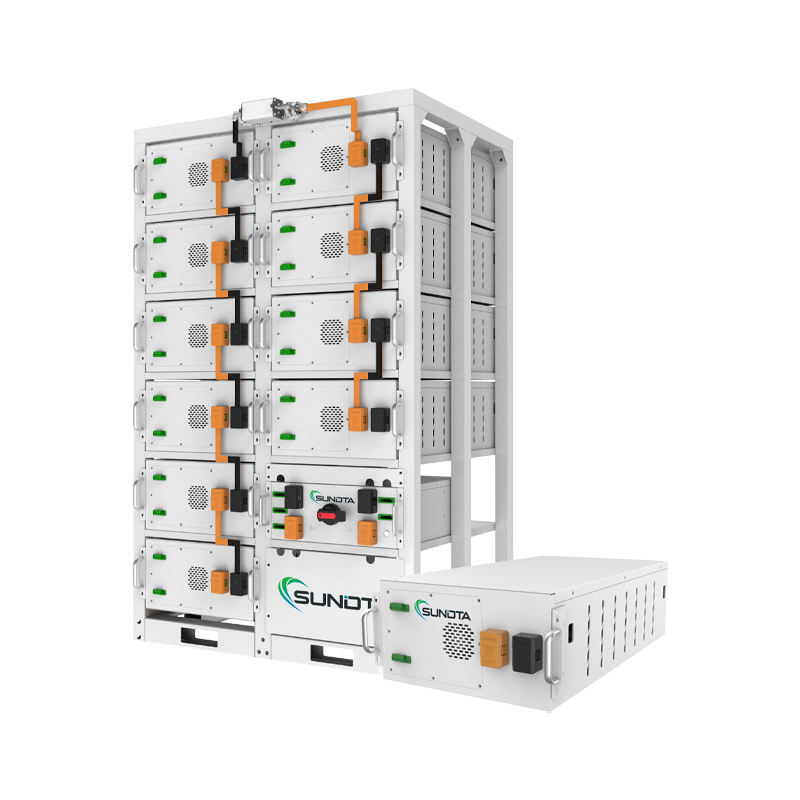
Our BMS architecture supports native CANbus protocol integration with Deye, Solis, and Growatt inverters, eliminating the commissioning errors and field communication breakdowns common with fragmented sourcing.
Submit your electrical single-line diagram, target kilowatt-hour load profile, or land/roof dimensions. Our engineering team in Hefei will configure a matched HJT and LiFePO4 bill of materials with comprehensive flash data and shipping quotes within 24 hours.