China Wholesale LiFePO4 Battery Pack Manufacturer & Factories for Linden
Industrial-grade Lithium Iron Phosphate storage systems, engineered for PJM-integrated grid stability, multimodal logistics warehouses, cold-chain backup, and C&I energy arbitrage across Linden and the greater East Coast corridor.
Certified Storage Hardware
High-Efficiency LiFePO4 Battery Solutions for Linden Wholesale Procurement
Pre-engineered energy storage packs and turnkey hybrid systems matched with tier-1 smart BMS architecture, closed-loop inverter communications, and heavy-duty cycling profiles.
Whitepaper: Industrial LiFePO4 Storage Architecture for Linden's Energy Landscape
As a key logistics, chemical manufacturing, and maritime transportation nexus in the Northeast, Linden, New Jersey operates under demanding energy conditions. Located within the transmission territory of the PJM Interconnection—the largest regional transmission organization (RTO) in North America—commercial facilities and residential communities across Linden contend with substantial capacity charges, complex Locational Marginal Pricing (LMP) volatility, and severe seasonal weather risks ranging from coastal winter nor'easters to humid summer peak loads. For electrical contractors, project developers, and bulk B2B distributors in Linden, sourcing dependable, factory-direct Lithium Iron Phosphate (LiFePO4 / LFP) battery packs is critical for securing regional energy resilience and operational ROI.
Anhui RJV New Energy Co., Ltd. serves this mission by supplying direct-from-factory, certified LiFePO4 battery modules, high-voltage battery cabinets, and utility-grade containerized energy storage systems (BESS). Operating modern production facilities in Hefei, China, RJV bridges the gap between precision automated manufacturing and the specific regulatory, electrical, and climatic requirements of the US Mid-Atlantic commercial corridor.
2GW
Annual Module & Pack Capacity
6,000+
Cycles at 80% DOD (0.5C)
500MW+
Global Clean Energy Delivered
38+
Patents & TÜV Verified Audits
Cell Chemistry & Thermal Safety Engineering: Why LiFePO4 Over NMC
In high-density industrial and distribution zones like Linden—where warehouses house millions of dollars in inventory and chemical processing plants maintain rigorous fire mitigation standards—battery chemistry is an essential safety and operational criterion. Compared to legacy Nickel Manganese Cobalt (NMC) chemistries, Lithium Iron Phosphate features a stable olivine crystal lattice structure ($LiFePO_4$). The covalent bonds between phosphorus and oxygen atoms ($P-O$) are chemically stable under severe electrical abuse, mechanical damage, and extreme overcharging.
The thermal runaway threshold of our high-capacity LiFePO4 prismatic cells exceeds 270°C (518°F), compared to NMC cells which can enter self-sustaining exothermic breakdown at temperatures as low as 150°C to 210°C. Furthermore, when pushed beyond operational boundaries, LiFePO4 releases negligible oxygen during decomposition, substantially mitigating the risk of runaway fire propagation. RJV battery assemblies incorporate multi-layered thermal insulation, aerosol and clean-agent fire suppression compatibility, pressure-relief safety vents, and real-time cell-level voltage and temperature telemetry governed by dual-core automotive-grade Battery Management Systems (BMS).
A frequent failure mode observed by EPC contractors during storage commissioning is communication loss between third-party hybrid inverters and low-voltage battery banks. Anhui RJV eliminates integration bottlenecks by deploying native CAN 2.0B, RS485, and Modbus TCP communication stacks embedded with verified firmware profiles. Our 51.2V rack systems and high-voltage SDT cabinets interface seamlessly with mainstream US and European inverter platforms—including Deye, Solis, Growatt, and Schneider Electric.
The closed-loop architecture continuously balances cell state-of-charge (SOC), enforces dynamic current-limit charging algorithms based on ambient temperature, and protects against low-temperature lithium plating during winter months—a crucial feature for outdoor installations subjected to freezing temperatures in Linden, NJ.
System Architecture
Nominal Voltage / Capacity
Recommended Scale
Communication Protocol
Primary Industrial Utility
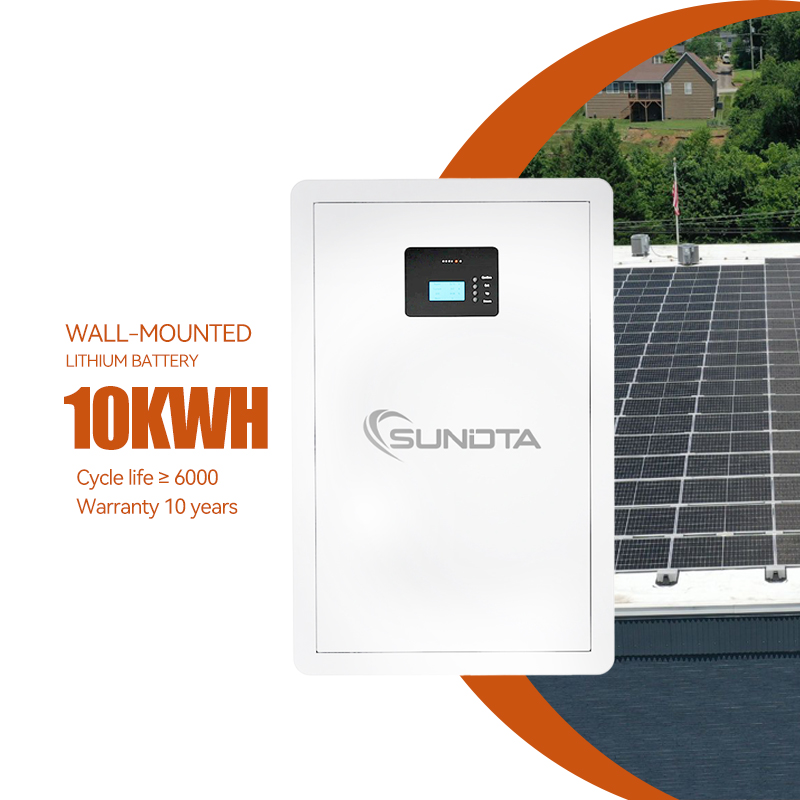
51.2V Wall-Mount IP65
51.2V / 200Ah (10.24kWh)
10kWh – 40kWh (Parallel)
CAN / RS485
Residential solar self-consumption, critical home circuit backup, small retail shops
Server Rack LFP Modules
51.2V / 100Ah–200Ah
15kWh – 120kWh
CANbus / Modbus RTU
Telecom towers, IT server rooms, commercial backup, light industrial distribution
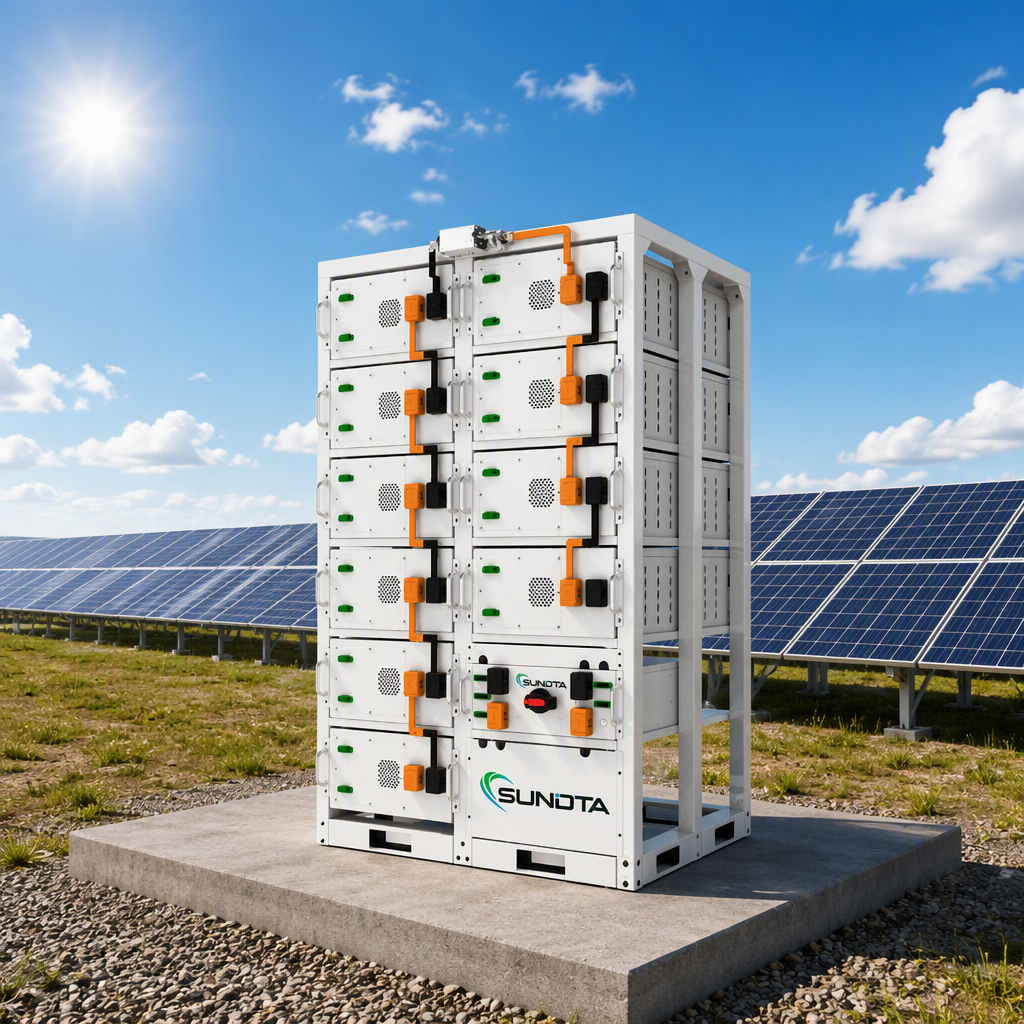
Commercial HV SDT Cabinet
204.8V – 800V / 280Ah
57kWh – 224kWh
Ethernet / Modbus TCP
Warehousing peak shaving, manufacturing demand-charge management, EV charging buffers
Containerized BESS (20ft/40ft)
1000V+ / 280Ah/314Ah
1MWh – 3.72MWh
Fiber SCADA / Modbus TCP
PJM frequency regulation, substation support, industrial microgrids, utility-scale solar farms
Operational Readiness
Localized Application Scenarios in Linden & the East Coast Industrial Axis
Addressing the specific commercial dynamics, grid structures, and building infrastructure found across Union County and the Greater NY/NJ Metropolitan Logistics Corridor.
Multimodal Logistics & Warehousing
Along the Route 1/9 corridor and Newark Bay marine terminals, high-throughput fulfillment centers face steep daytime utility demand charges. Our 100kW–500kW outdoor storage cabinets provide automated peak shaving, discharging during expensive 4 PM–8 PM PJM peak windows.
Cold-Chain & Chemical Process Resilience
Linden hosts extensive chemical refining, pharmaceutical manufacturing, and refrigerated supply hubs. Unplanned voltage sags or blackouts cause thermal runaway in batch processes or millions in spoiled cold inventory. High-C-rate LiFePO4 storage delivers immediate uninterruptible microgrid bridging.
PJM Capacity & Frequency Regulation
Linden developers deploying front-of-the-meter or large behind-the-meter assets can participate in PJM's Fast Frequency Regulation market (RegD). RJV's high-cycle (6,000+ cycles at 0.5C/1C) prismatic cells tolerate frequent shallow cycles without premature degradation.
Fleet Electrification & DC Fast Charging
As logistics operators shift toward heavy commercial EVs and delivery vans, local distribution transformers often face severe peak capacity limits. RJV high-voltage LiFePO4 battery banks act as localized energy buffers, mitigating grid interconnect upgrade costs.
Strategic Horizon
Macro Trends Shaping Energy Storage Procurement in Linden
Analyzing the intersection of New Jersey's clean energy targets, federal tax incentives, and evolving fire safety standards.
Trend 01
Strict NFPA 855 & UL 9540A Compliance
Local fire prevention bureaus and municipal inspectors in industrial New Jersey strictly enforce NFPA 855 (Standard for the Installation of Stationary Energy Storage Systems). Procurement managers must ensure cells undergo full UL 9540A unit-level and cabinet-level thermal runaway testing with documented gas analysis, a core focus of RJV's export compliance engineering.
Trend 02
Accelerated Commercial Solar + Storage Mandates
Under New Jersey's Energy Master Plan (targeting 100% clean energy by 2035) and the federal Inflation Reduction Act (IRA Section 48 standalone storage ITC up to 30-40%), commercial building owners in Linden are retrofitting rooftop solar arrays with co-located battery storage to offset rising energy costs and qualify for accelerated depreciation.
Trend 03
Shift from Low Voltage (51.2V) to High-Voltage (HV) C&I
For systems exceeding 30kW inverter capacity, electrical contractors are transitioning from parallel 48V/51.2V low-voltage banks to high-voltage series stacks (200V–800V DC). High-voltage architectures reduce copper busbar cross-sections, reduce balance-of-system (BOS) wiring expenses, and boost round-trip efficiency (RTE) from 88% to over 95%.
Manufacturing Authority
Anhui RJV New Energy: Direct Factory Advantage
With an automated 2GW manufacturing footprint in Hefei, China, RJV provides direct industrial supply, comprehensive technical documentation, and system-level engineering accountability.
Hefei Manufacturing Power
Equipped with automated robotic cell sorting, laser busbar welding, and digital testing stations delivering 2GW annual module capacity and over 500MW delivered clean power worldwide.
TÜV Assessed & AAA Credit
Our facility has passed rigorous on-site supplier verification audits conducted by TÜV Rheinland. Holding an AAA business credit rating, RJV provides reliable bankability for international trade finance.
38+ Patents & Full Certifications
Backed by over 38 proprietary battery structure and energy patents, our product portfolios carry CE, UN38.3 transport certification, MSDS, IEC 61215/61730, and UL-compliant testing dossiers.
OEM/ODM Sizing & 24/7 Support
From custom metal rack powder-coating to specialized BMS firmware tailoring, RJV electrical engineers offer complete end-to-end design sizing, wiring diagrams, and responsive after-sales support.
Procurement Diligence
Frequently Asked Questions by Linden Importers & Contractors
How are LiFePO4 battery shipments cleared and delivered to Linden, NJ?
Because Linden sits adjacent to Port Newark and the Port of Elizabeth maritime terminal complex, ocean freight transit from our manufacturing facility in China is logistically streamlined. Lithium Iron Phosphate batteries are classified under Class 9 Dangerous Goods (UN3480 for standalone batteries, UN3481 when packed with equipment). RJV supplies comprehensive Dangerous Goods packaging, UN packaging certification, UN38.3 test summaries, and factory-issued MSDS sheets to ensure smooth clearance with US Customs and Border Protection (CBP) and local bonded drayage carriers.
How do RJV LiFePO4 batteries manage winter freezing conditions in Linden?
Standard lithium-ion cells cannot accept charge below 0°C (32°F) without risking irreversible lithium metal dendrite plating, which degrades capacity and causes internal short circuits. RJV outdoor cabinets and cold-climate battery packs integrate smart internal PTC heating foils and algorithmic thermal logic. When incoming solar or grid power is detected during sub-zero temperatures, the BMS directs energy to warm the cells to 5°C before opening the charging relay, enabling uncompromised winter performance.
What is the standard Minimum Order Quantity (MOQ) and warranty structure?
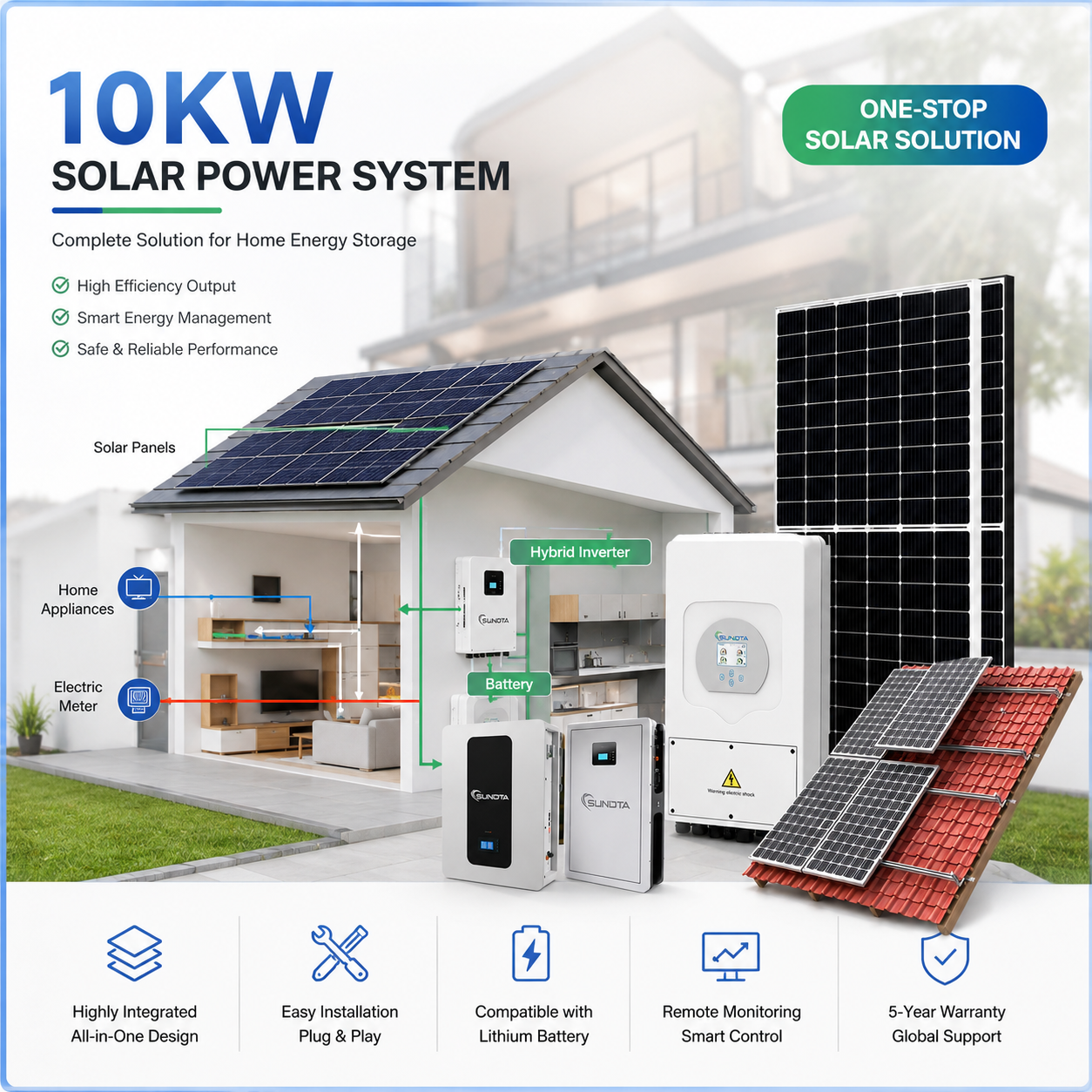
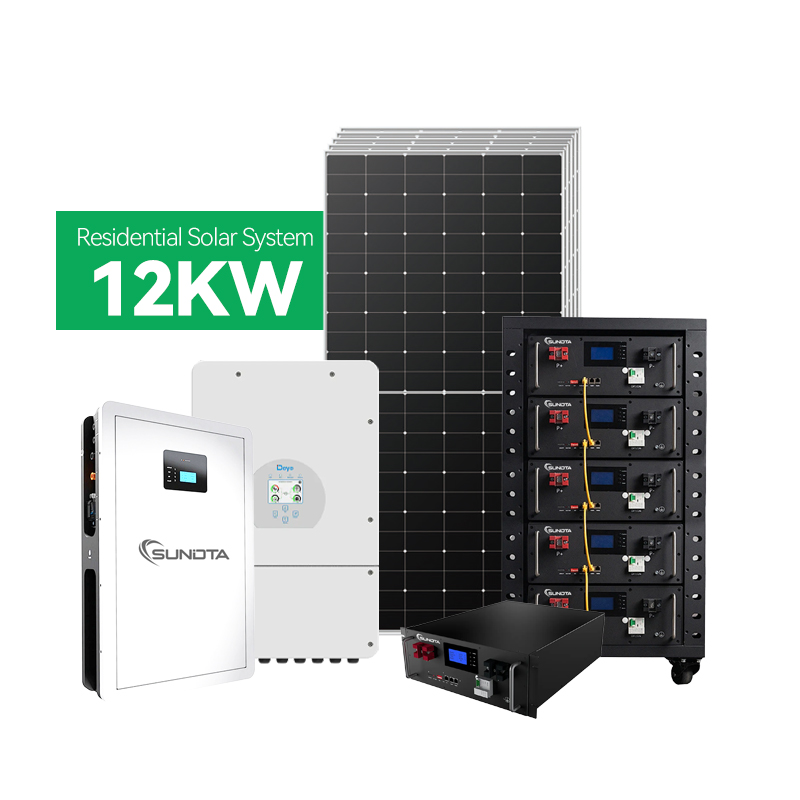
We support project-scale flexibility: commercial outdoor cabinets and residential hybrid all-in-one systems start with an MOQ of 1 unit/set for engineering evaluation, whereas standalone battery modules are typically purchased by pallet (e.g., 8–16 units) or 20ft/40ft full container load (FCL). Our prismatic LiFePO4 cells are backed by a standard 5-to-10-year factory performance warranty guaranteeing ≥70% retained capacity over 6,000 cycles at 25°C, 0.5C charge/discharge conditions.
Can RJV battery packs integrate directly with existing US solar inverters?
Yes. Our smart BMS boards feature pre-mapped communication protocols for leading inverter brands including Solis, Deye, Growatt, Victron, and Schneider Electric. Upon placing a wholesale quotation request, our application engineers provide pre-commissioning pinout diagrams, baud rate configuration sheets, and firmware profiles for seamless CAN/RS485 closed-loop handshake.
What fire safety systems are integrated into your high-voltage C&I cabinets?
Our SDT series and commercial outdoor energy storage systems are engineered in alignment with NFPA 855 guidelines. Each cabinet includes thermal runaway temperature and smoke detectors, automatic combustible gas exhaust venting, and targeted aerosol (Stat-X style) or FK-5-1-12 clean-agent fire suppression modules that suppress thermal events inside the cabinet before cell propagation can occur.
Accelerate Your Storage Sourcing for Linden Projects
Connect with our technical export engineers to request full cell testing reports, UL/CE certification files, factory container pricing, and customized system wiring diagrams.