N-Type TOPCon
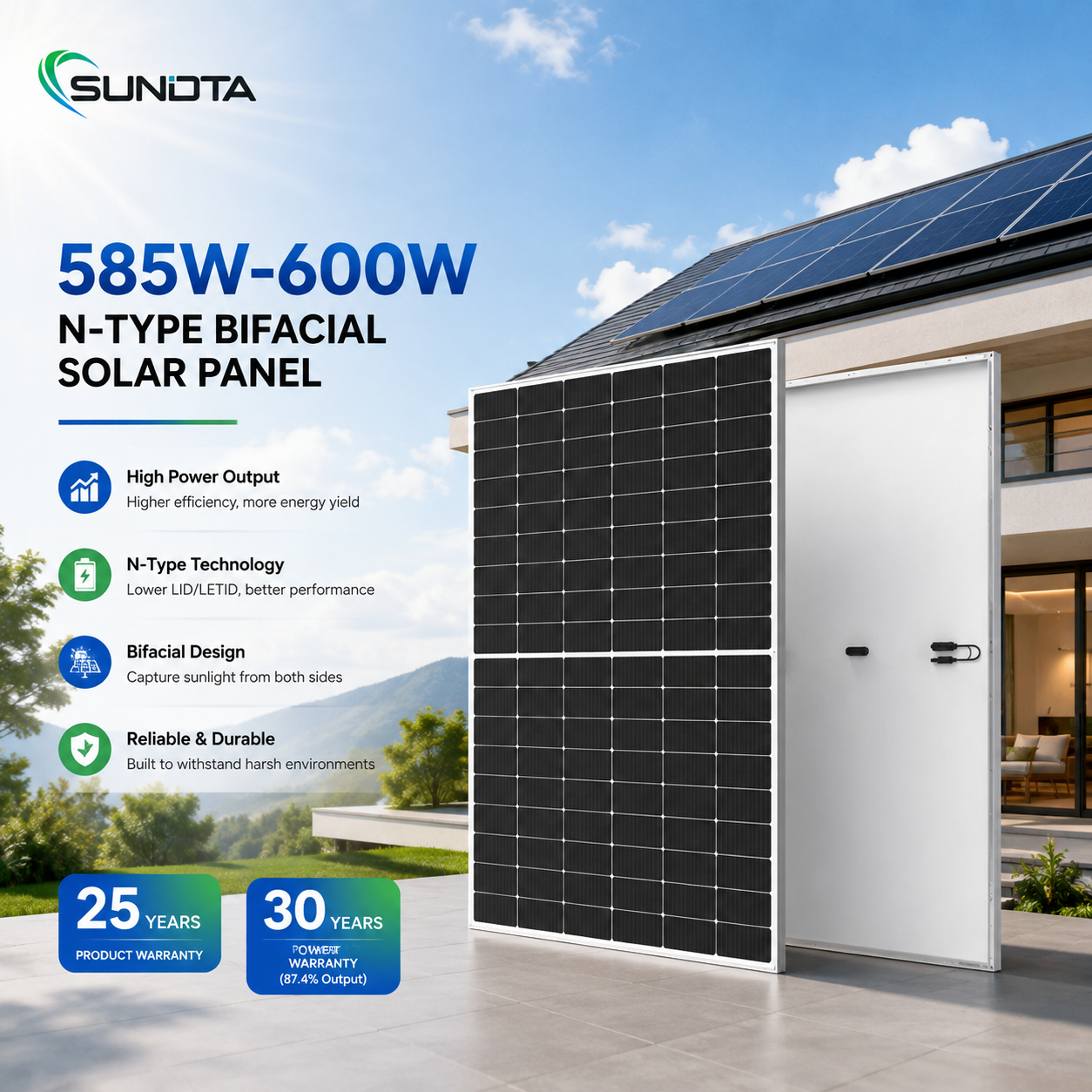
585W-595W Premium N-Type Bifacial PV Module | Monocrystalline Solar Panel
- 23.03% Module Conversion Efficiency
- Dual-Glass Anti-Salinity Construction
- Optimized for Coastal Reflectance
Precision-matched balance-of-system solutions formulated for harsh tropical operating environments, coastal salinity resistance, and continuous off-grid reliability.
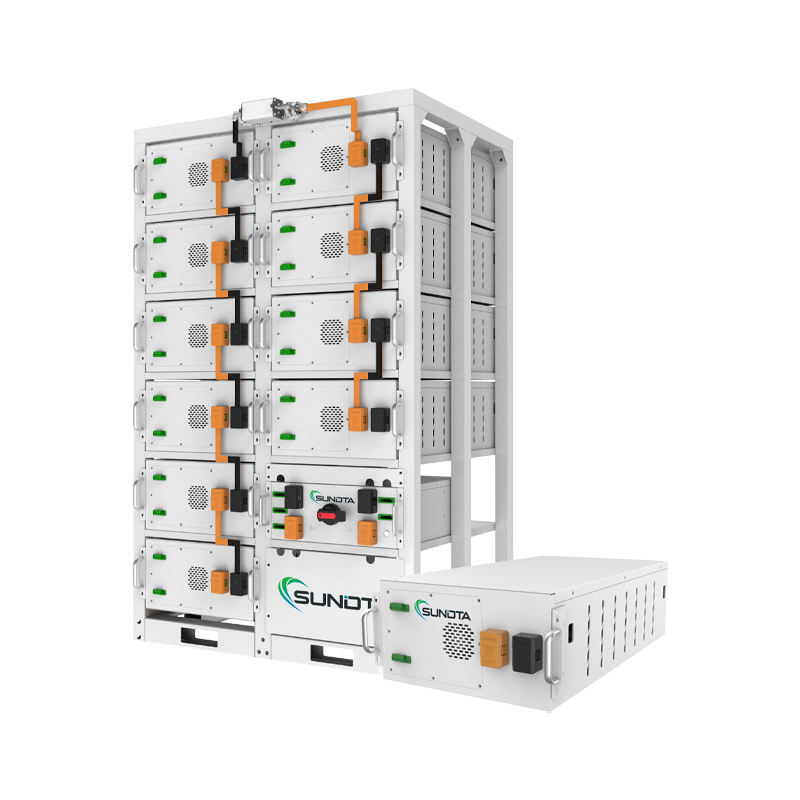
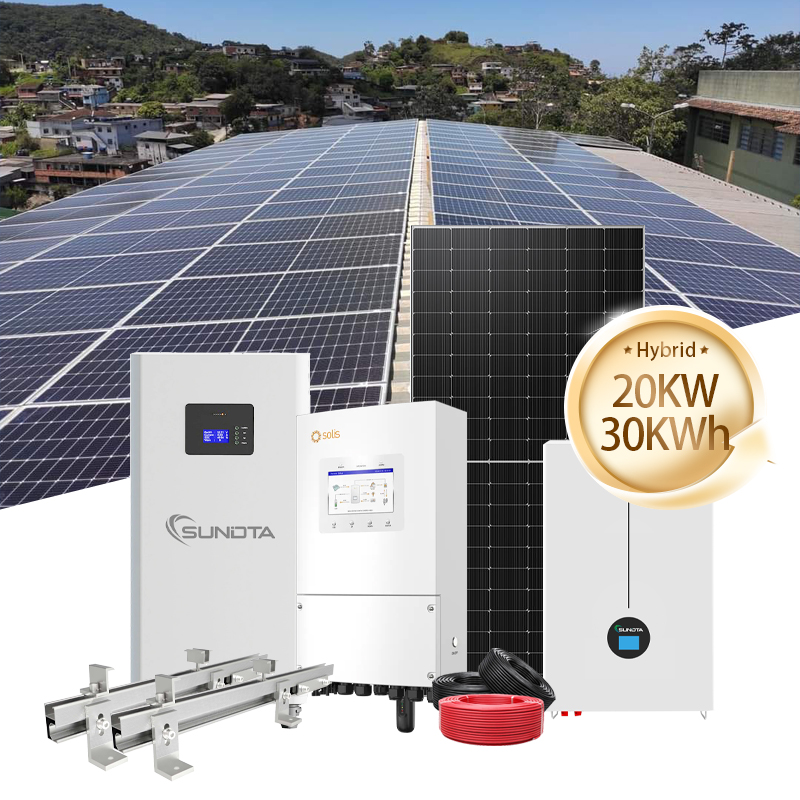
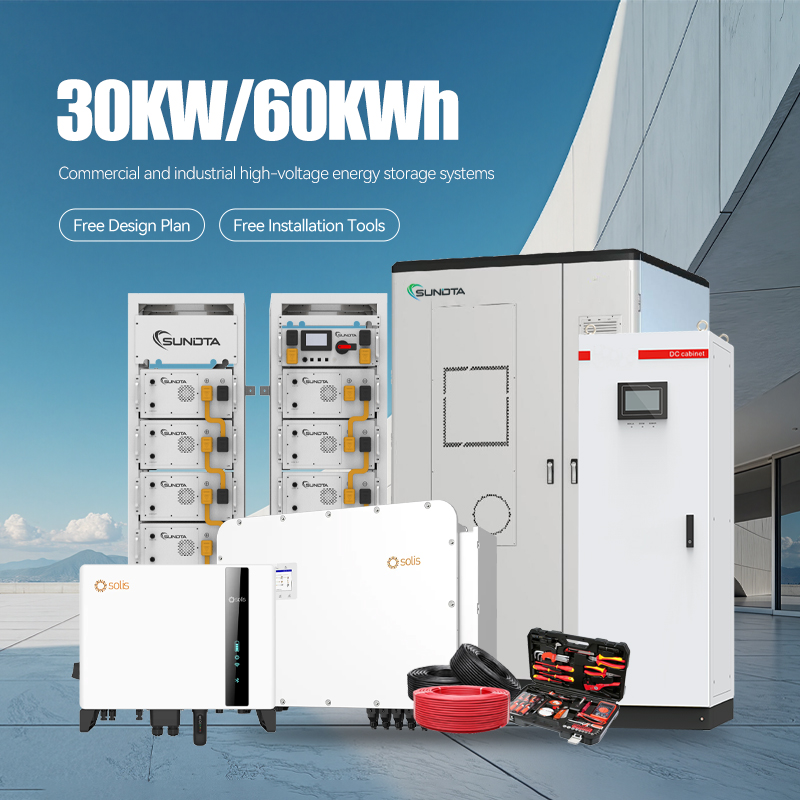
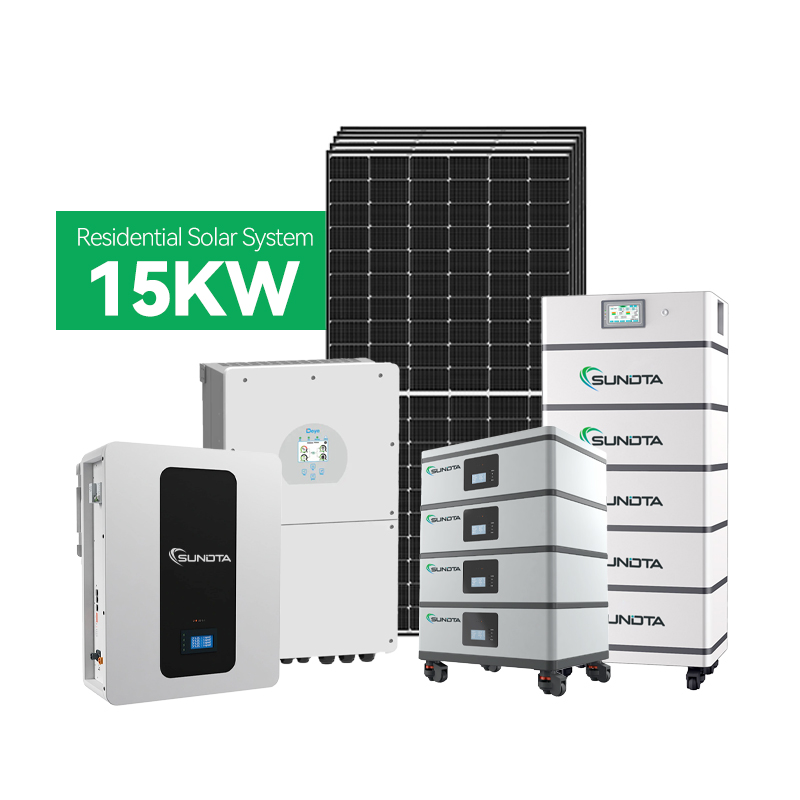
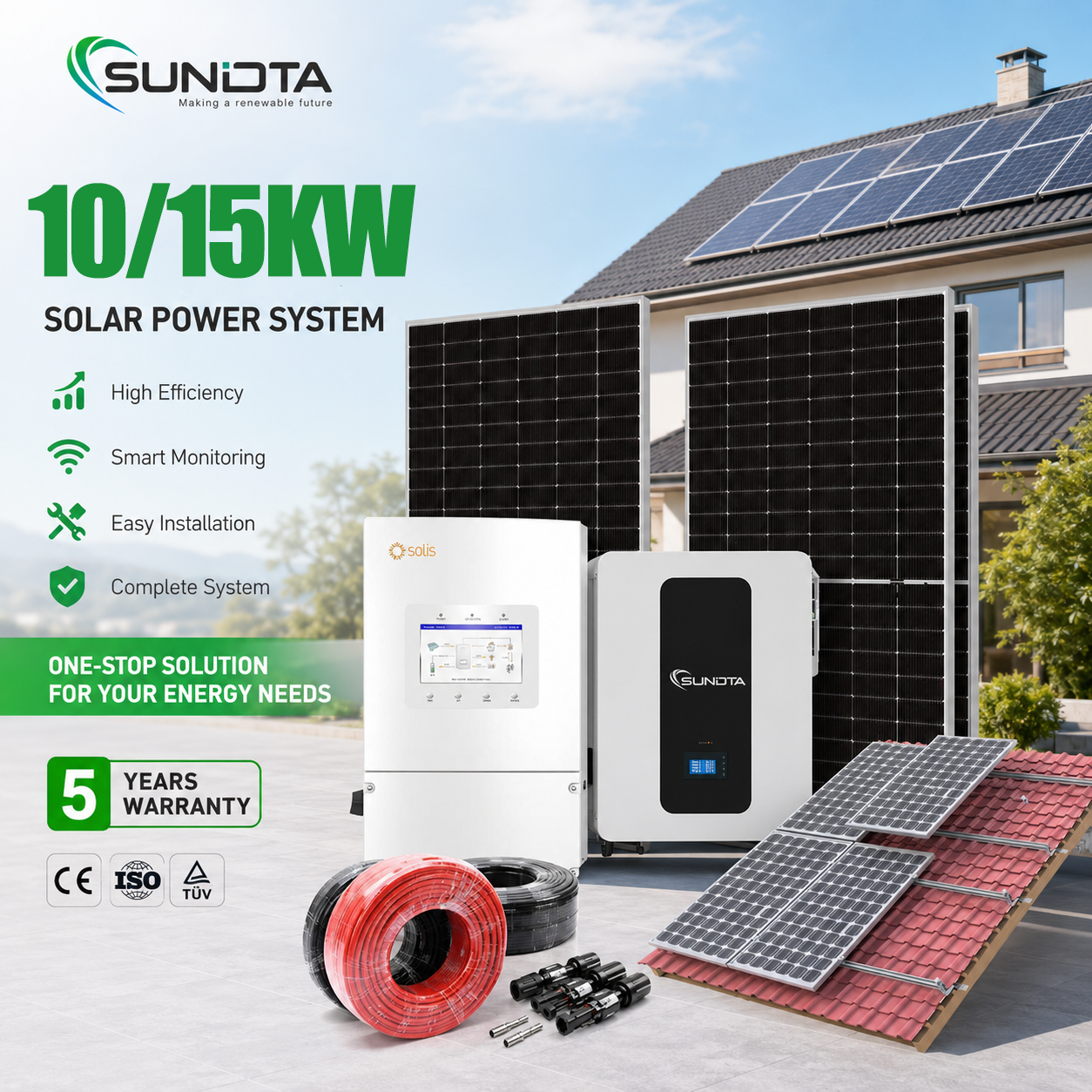
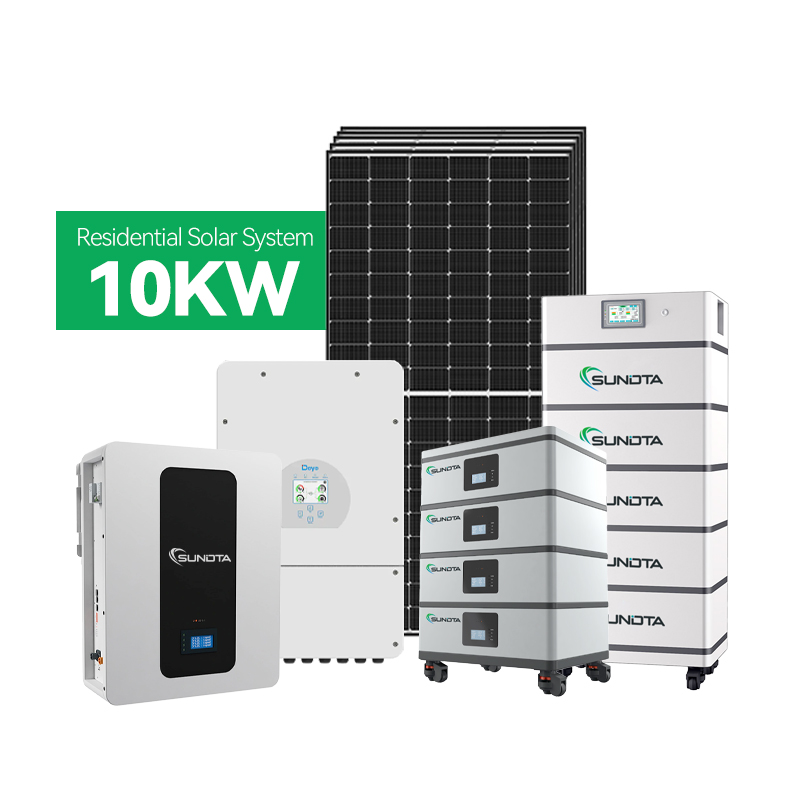
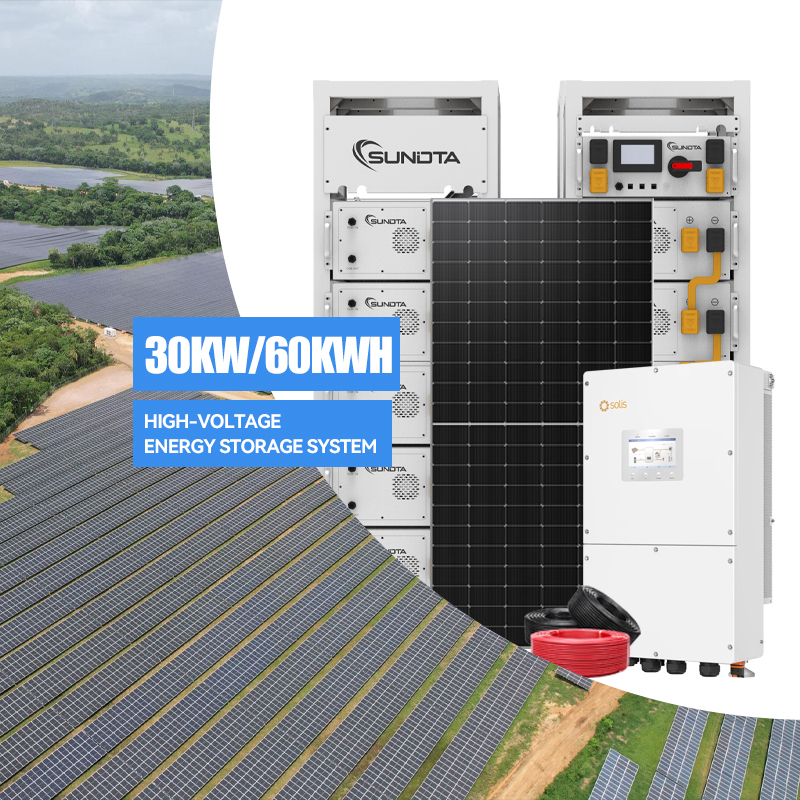
Nieuw Nickerie, positioned strategically at the mouth of the Nickerie River opposite Guyana, stands as Suriname's agricultural capital and second-largest urban center. Characterized by extensive rice polders, banana plantations, expanding offshore oil support staging, and a demanding tropical equatorial climate, the district faces unique energy distribution challenges. Traditional energy storage solutions—notably legacy flooded lead-acid and standard lithium iron phosphate (LiFePO4)—encounter severe performance degradation due to Nieuw Nickerie's persistent ambient temperatures (averaging 28°C to 34°C), relative humidity frequently exceeding 85%, and airborne coastal salt particulates.
As a verified China wholesale sodium ion battery factory & exporter, Anhui RJV New Energy brings an engineered response to this regional paradigm. Sodium-ion battery (SIB) storage technology delivers extraordinary electrochemical resilience, high C-rate discharge behavior, near-zero danger of thermal runaway under mechanical or thermal damage, and a vastly broader operational temperature threshold (-40°C to +60°C). By eliminating reliance on scarce cobalt and nickel, while offering exceptional cycle longevity under incomplete cycling conditions common in tropical microgrids, sodium-ion technology represents a generational leap for electrical contractors, agro-industrialists, and EPC engineering firms throughout the Nickerie District.
| Performance Characteristic | Sodium-Ion Battery (SIB) | Lithium Iron Phosphate (LiFePO4) | Industrial Lead-Carbon |
|---|---|---|---|
| Operating Thermal Window | -40°C to +60°C (Minimal derating) | -10°C to +50°C (Requires active cooling) | +10°C to +35°C (Rapid thermal decay) |
| Discharge C-Rate Capability | 3C – 5C Continuous (Surge resilient) | 0.5C – 1C Standard, 2C Surge | 0.2C Typical (Severe Peukert effect) |
| Safety & Zero-Volt Transit | Discharges safely to 0V (Zero hazard sea cargo) | Must ship at ~30% SoC (UN38.3 strictures) | Acid spill hazard, gas evolution risks |
| Cycle Life @ 80% DoD (+30°C) | 4,500 – 6,000 Cycles | 5,000 – 6,500 Cycles | 1,200 – 1,800 Cycles |
| Raw Material Supply Risk | Abundant globally (Sodium carbonate source) | Subject to volatile lithium carbonate markets | Heavy metal regulatory constraints |
For engineering project managers in Nieuw Nickerie, the ability of sodium-ion battery cells to be shipped completely uncharged (zero volts) represents a major breakthrough in international maritime freight logistics. Under conventional international shipping codes, lithium battery shipments require Class 9 hazardous materials handling, complex compliance declarations, and strict storage conditions aboard transpacific cargo liners docking at Paramaribo before trucking overland along the East-West Connection. Sodium-ion chemistry minimizes these risks, expediting clearance and lowering containerized transit insurance surcharges.
The economic profile of Nieuw Nickerie demands rugged electrical storage systems capable of operating reliably both in tied-grid configurations prone to voltage drops and completely off-grid remote settings. The deployment of our sodium-ion and hybrid storage systems targets four critical commercial sectors:
Nickerie's vast rice cultivation sectors rely heavily on motorized water pumps and electric sluice controllers. Inductive motor starting surges often trip standard inverters and pull heavy momentary currents that overheat lead-acid and budget lithium packs. Sodium-ion cells withstand instant multi-C discharge spikes without protective BMS trip-outs or voltage collapse, maintaining continuous canal pumping cycles during seasonal droughts.
Paddy drying facilities, high-capacity parboiling lines, and export-grade cold storage operations require dependable power to prevent spoilage. In the event of brownouts along the local EBS (Energiebedrijven Suriname) grid, our hybrid 20kW–50kW three-phase storage setups ensure uninterruptible sub-10ms bypass switching, shielding sensitive drying control electronics and variable frequency drives.
With Guyana's Corentyne basin and offshore Surinamese drilling activities accelerating, Nieuw Nickerie's port facilities and riverfront staging posts demand autonomous power for lighting masts, communications arrays, and fuel dispensing. Salt-fog resilient enclosures (conformal-coated PCBs and IP65 outer casings) safeguard internal components against humid marine air deterioration.
Suriname's national energy framework is undergoing an ambitious transformation. While Paramaribo and coastal urban centers benefit from the Afobaka Hydroelectric Dam, western transmission lines across Saramacca and Coronie suffer noticeable transmission line losses before reaching Nickerie. Local industrial consumers frequently experience line voltage instability, particularly during peak milling seasons when regional inductive electrical load spikes simultaneously.
Furthermore, diesel generation in remote agricultural pockets faces escalating operational costs driven by riverine fuel transport, generator maintenance overhead, and environmental emission mandates. Consequently, agricultural syndicates, commercial retailers along Waterloo and Landing Street, and residential housing developments are actively turning to localized distributed energy resources (DERs). Sodium-ion and advanced lithium battery storage systems provide critical frequency regulation, peak-tariff shaving, and black-start independence, making decentralized microgrids an economical reality for the western Surinamese economy.
Anhui RJV New Energy Co., Ltd. is not merely a trading intermediary; we are an established technology manufacturing and system integration leader based in the Innovation Industrial Park of Hefei, China—an epicenter for global advanced battery R&D. Combining automated module production lines boasting 2 GW annual capacity with comprehensive in-house BMS programming and hybrid inverter integration, our engineering team manages every link of the clean energy value chain.
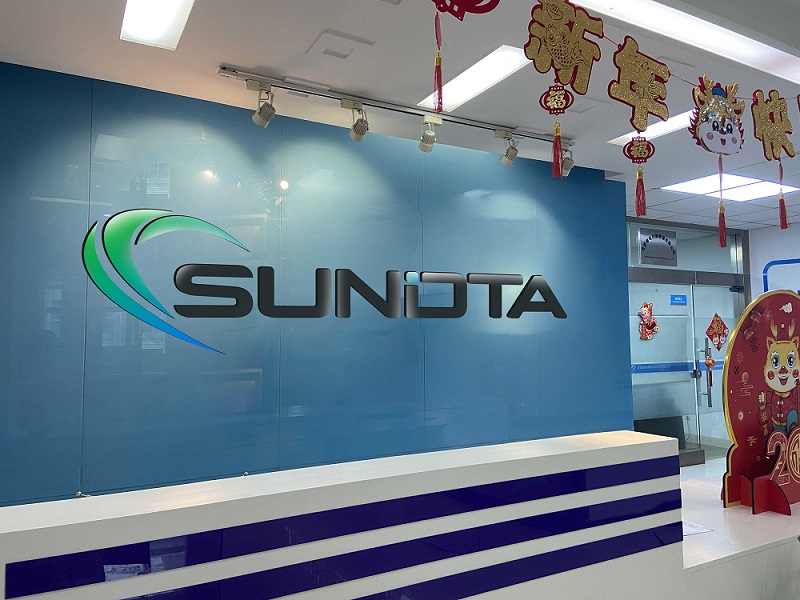 Hefei Modern Production Facility
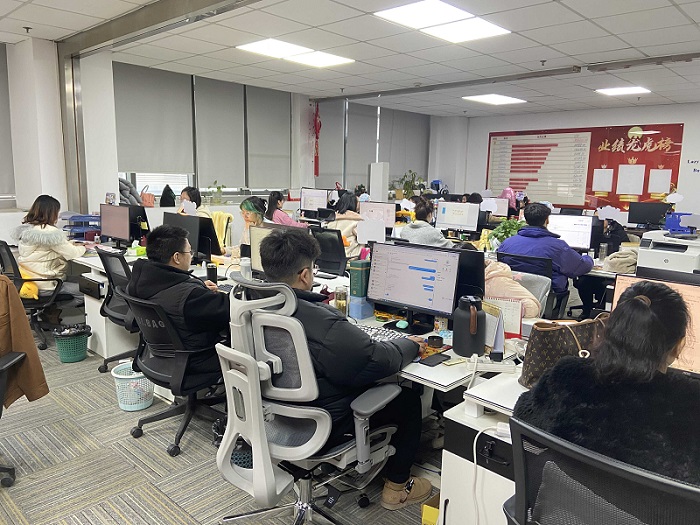 Automated Battery & PV Cell Assembly
 Rigorous Multi-Stage QC Inspection
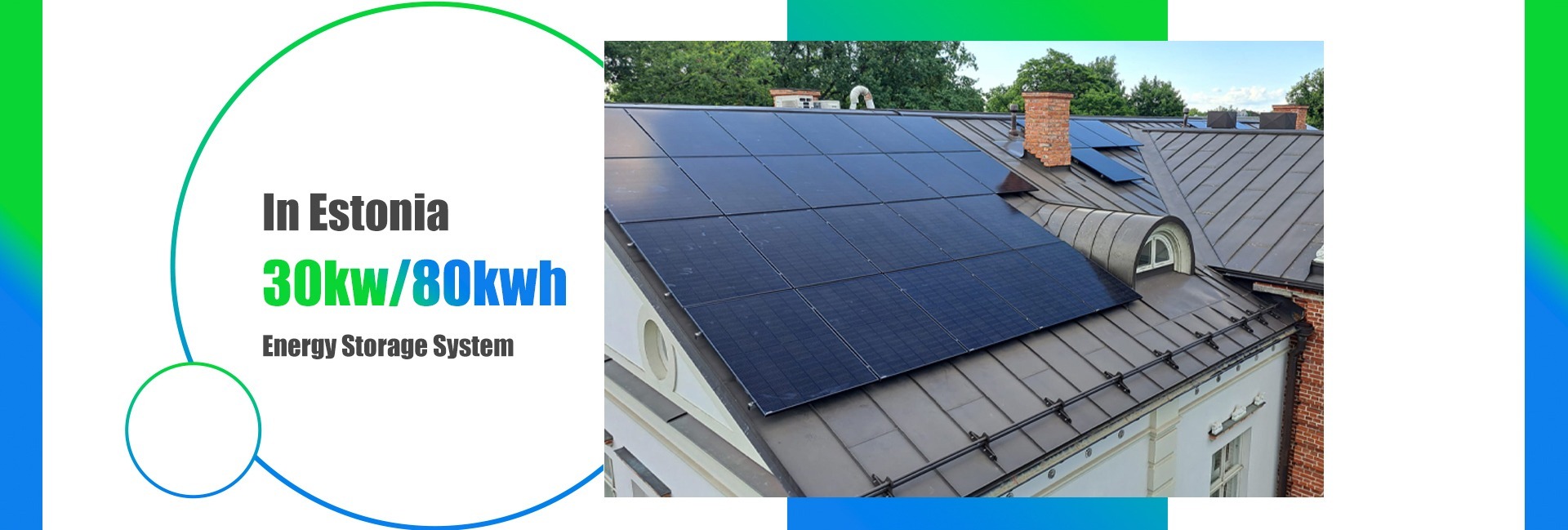 Global Ocean Freight Loading
Our operational facilities have undergone rigorous, on-site audits by TÜV Rheinland. We maintain transparent quality governance under ISO 9001 and ISO 14001, providing buyers with verifiable audit documentation for international development bank tenders.
We hold 38 proprietary technology patents spanning BMS active cell balancing algorithms, high-voltage battery connection topologies, and split-phase inverter phase balancing tailored specifically to unbalanced off-grid regional grids.
From custom 48V wall-mounted agricultural units to multi-megawatt-hour containerized BESS installations, we accommodate brand labeling, bespoke software protocol integration (Deye, Solis, Growatt, Victron), and tailored shipping crates.
Direct answers for procurement officers, electrical wholesalers, and solar contractors operating in Suriname and neighboring Guiana regions.