Pokhara-Ready Solar Systems, High-Yield Modules & LiFePO4 Storage
Precision-manufactured in Hefei, China, fully certified with CE and TÜV Rheinland inspections. Engineered to deliver seamless CAN/RS485 communication, high altitude efficiency retention, and rapid customs clearance for Nepal projects.
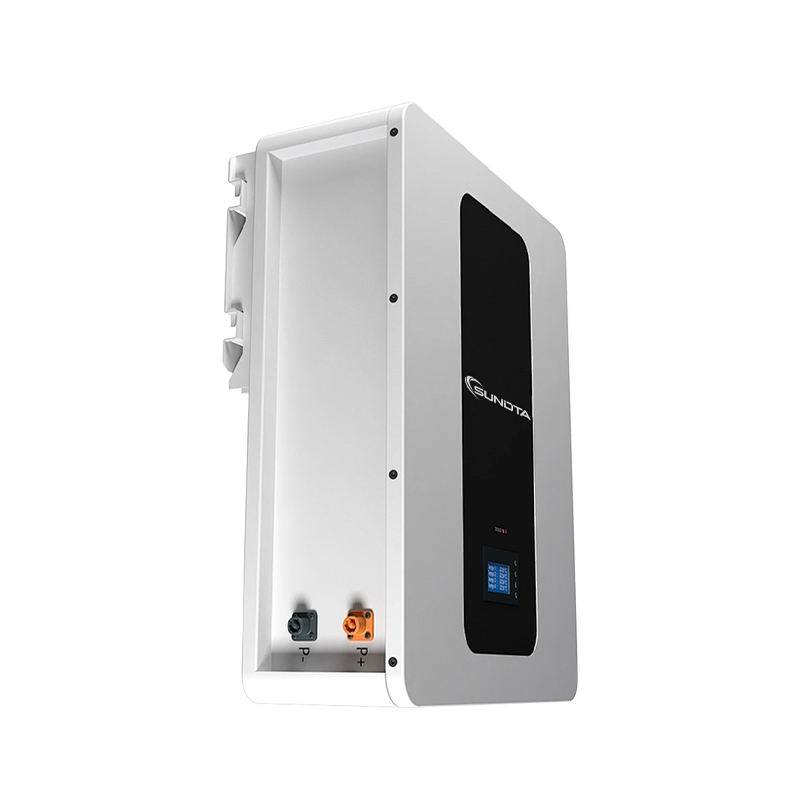
Sundta POLO-W1 LiFePO4 Lithium Battery Wall-Mounted 5kWh Home Power Storage Solar Energy System Deep-Cycle 51.2V 100Ah IP65
- 51.2V 100Ah Grade-A Prismatic Cells
- 6,000+ Deep Cycles @ 80% DoD
- Dual CAN & RS485 Inverter Communication
- Wall-Hung Design for High-Humidity Valleys
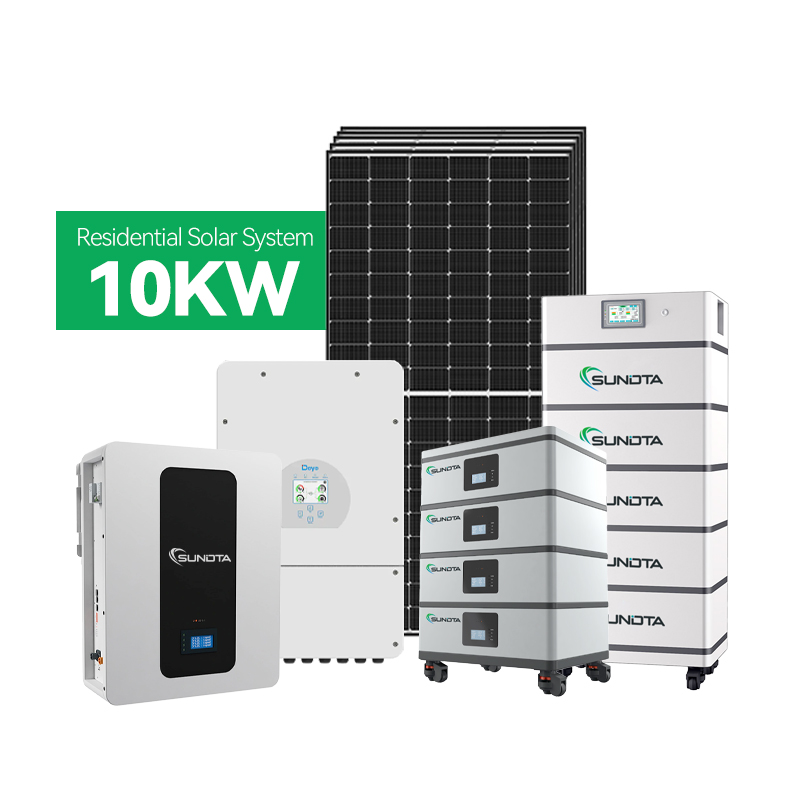
2026 Sundta Low Price 10KW 12KW Hybrid Solar System for Home Use with Lifepo4 Battery and BMS System
- Dual MPPT High-Efficiency Controller
- Rapid 10ms UPS Emergency Switching
- Matched LiFePO4 Multi-Rack Integration
- Smart App Monitoring via Wi-Fi/GPRS
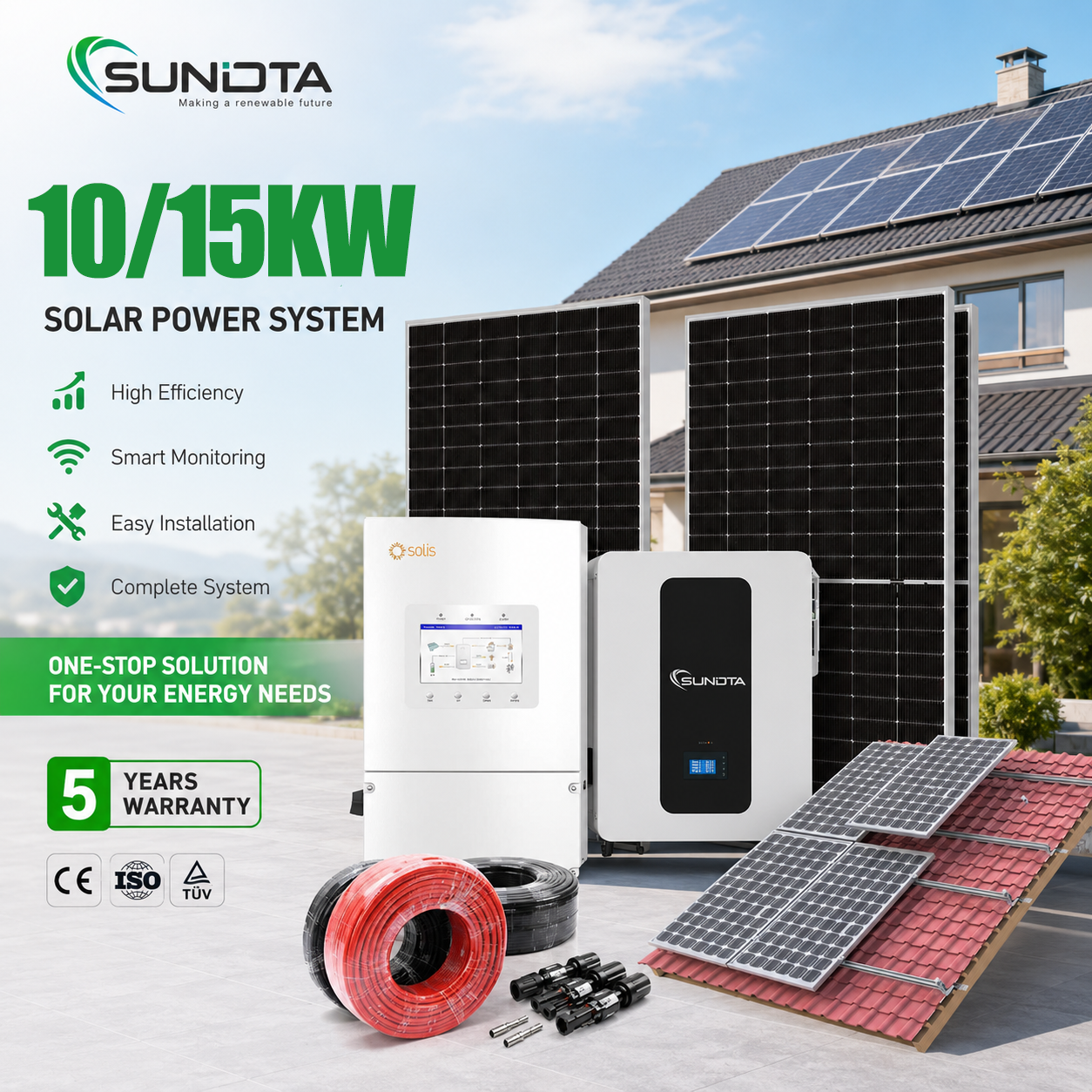
Customized Factory Price 8kW 10kW 15kW On-Off Grid Solar System Full Set with Mono Solar Panel & Lithium LiFePO4 Battery
- Flexible Grid-Tied / Off-Grid Redundancy
- High-Transmittance Tempered Solar Glass
- Optimized for NEA Grid Instability
- Complete Balance of System (BOM) Included
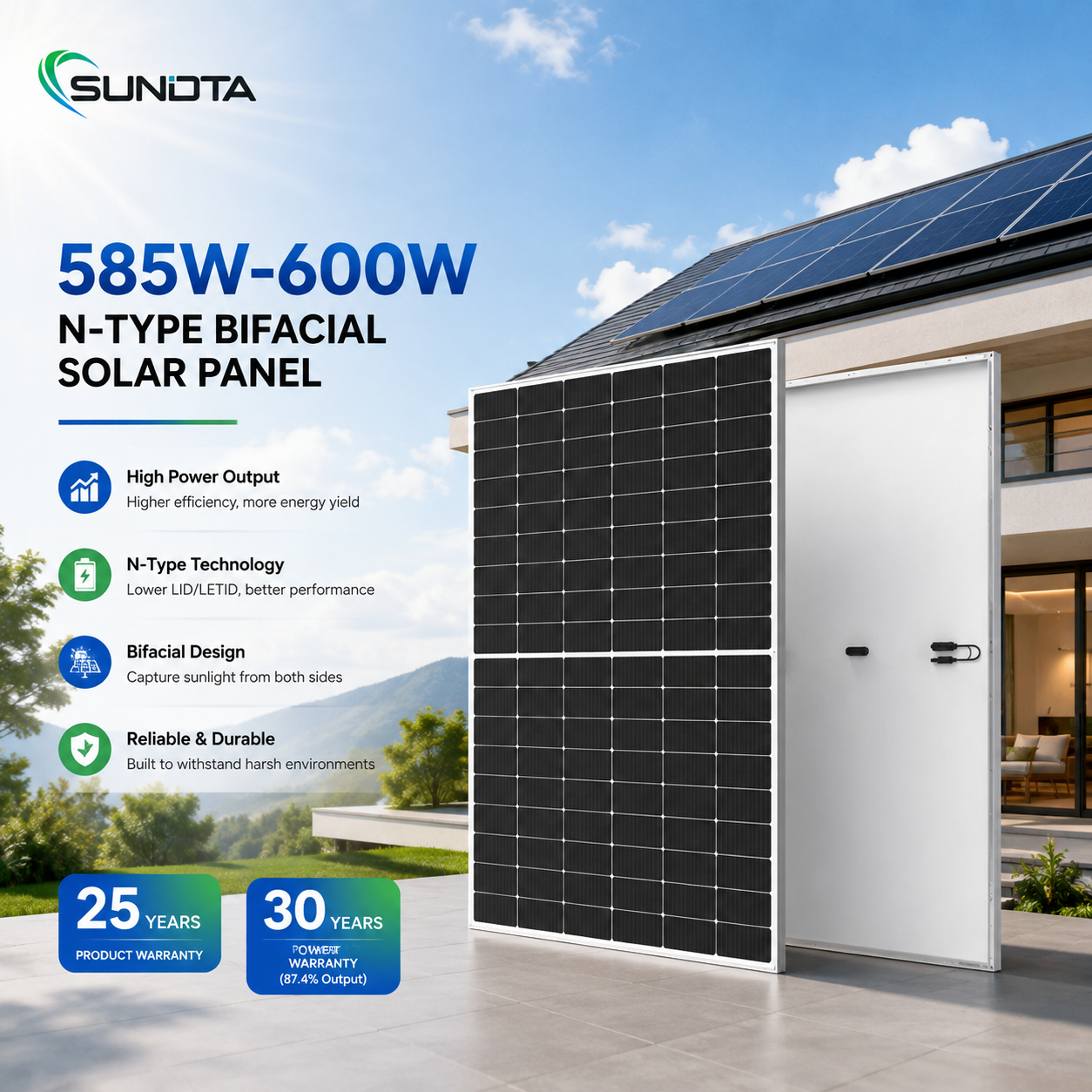
585W-595W Premium N-Type Bifacial PV Module | Monocrystalline Solar Panel for High-Yield Energy Generation
- Module Efficiency reaching up to 23.1%
- Up to 25% Additional Rear-Side Yield
- Ultra-Low Temperature Coefficient (-0.30%/°C)
- Ideal Pairing for Single-Axis Trackers
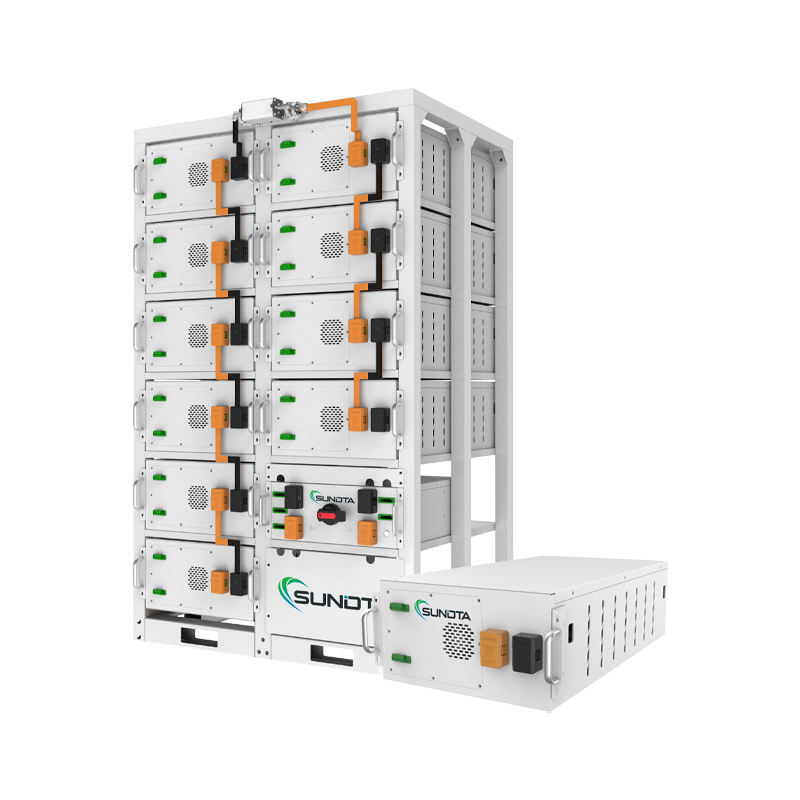
High Quality LiFePO4 Lithium Battery Stackable 51.2V 14.336kWh Wall-Mounted 10-Year Warranty Home Energy Storage Solar Battery
- Modular Scalable Design (Up to 15 Units in Parallel)
- Integrated Automotive Grade BMS Controller
- 10-Year Comprehensive Factory Warranty
- Built-in Aerosol Fire Suppression Protection
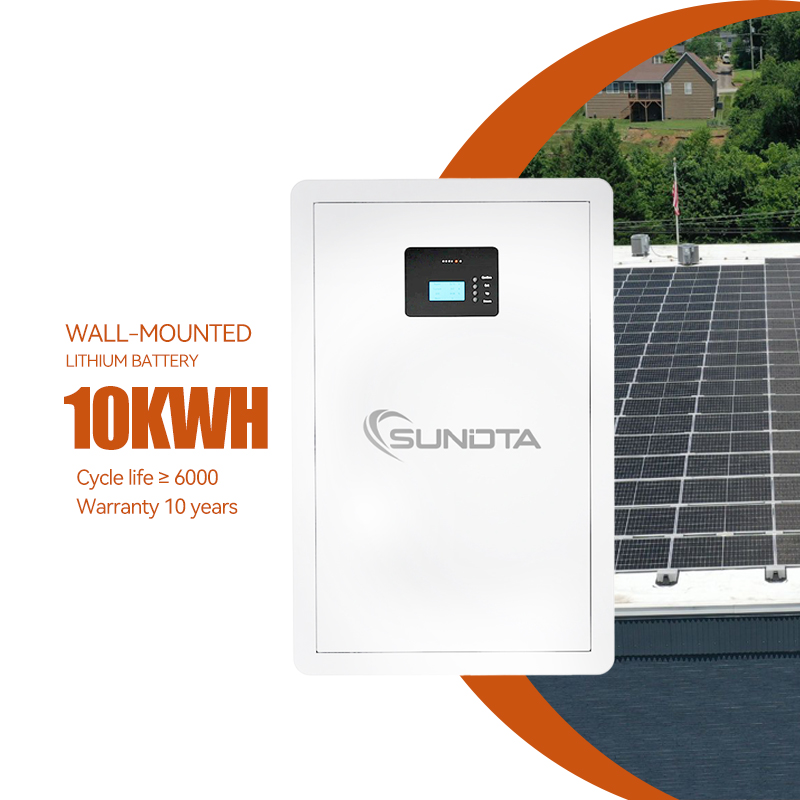
Sundta IP65 10kWh 51.2V 200Ah Wall Mounted LiFePO4 Battery for Home Solar Storage with Smart BMS
- Outdoor Waterproof IP65 Structural Casing
- 200Ah Continuous High Current Discharge
- Compatible with Solis, Deye, and Growatt Inverters
- Thermal Protection for Mountain Valley Shifts
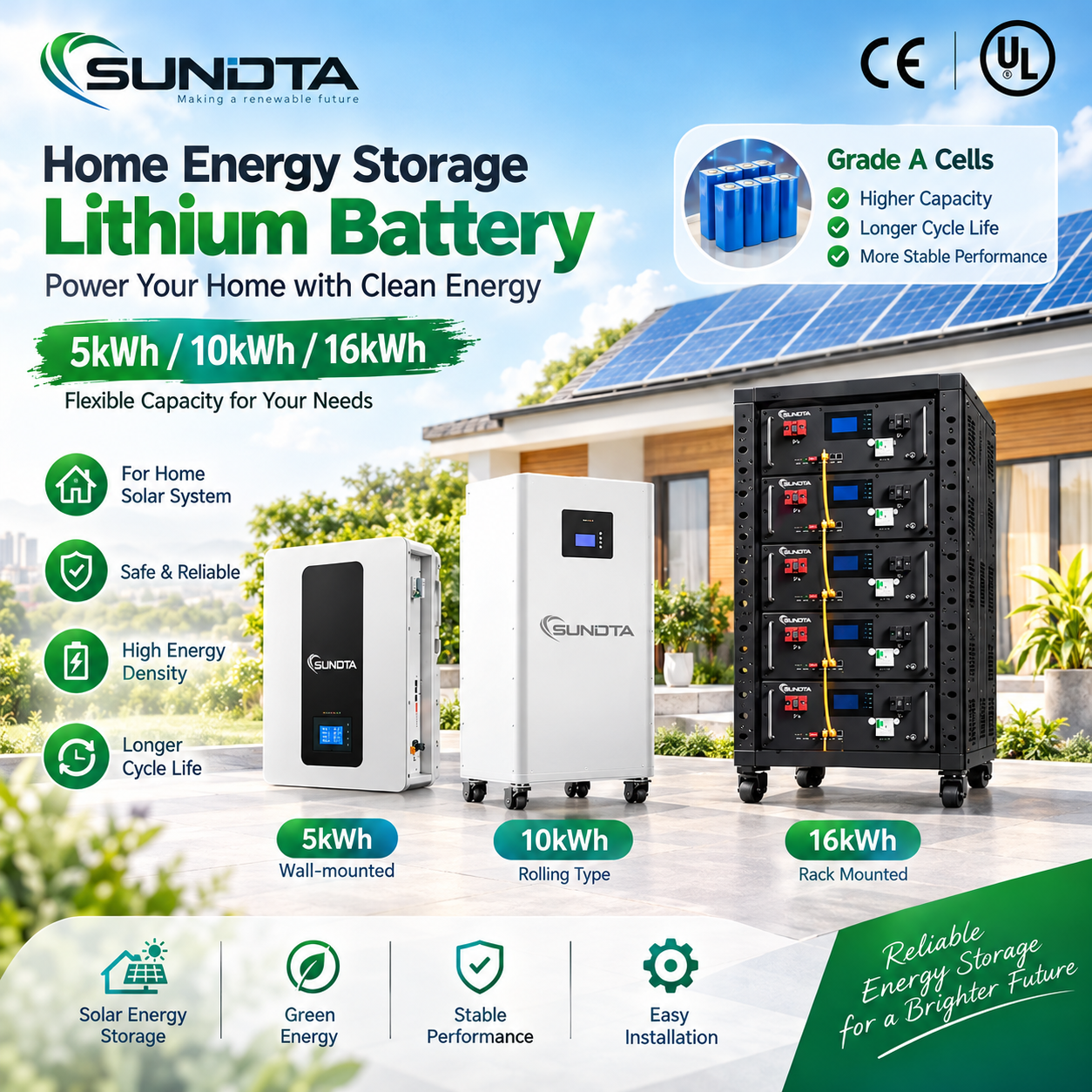
Sundta 51.2V 200Ah 10kWh LiFePO4 Battery Wall Mounted Home Solar Energy Storage Battery with Smart BMS
- Heavy-Duty Compact Form Factor
- Real-time SOC & SOH Diagnostic LCD Display
- Over-voltage, Short-circuit, Temperature Defenses
- Seamless Closed-Loop Inverter Synchronization
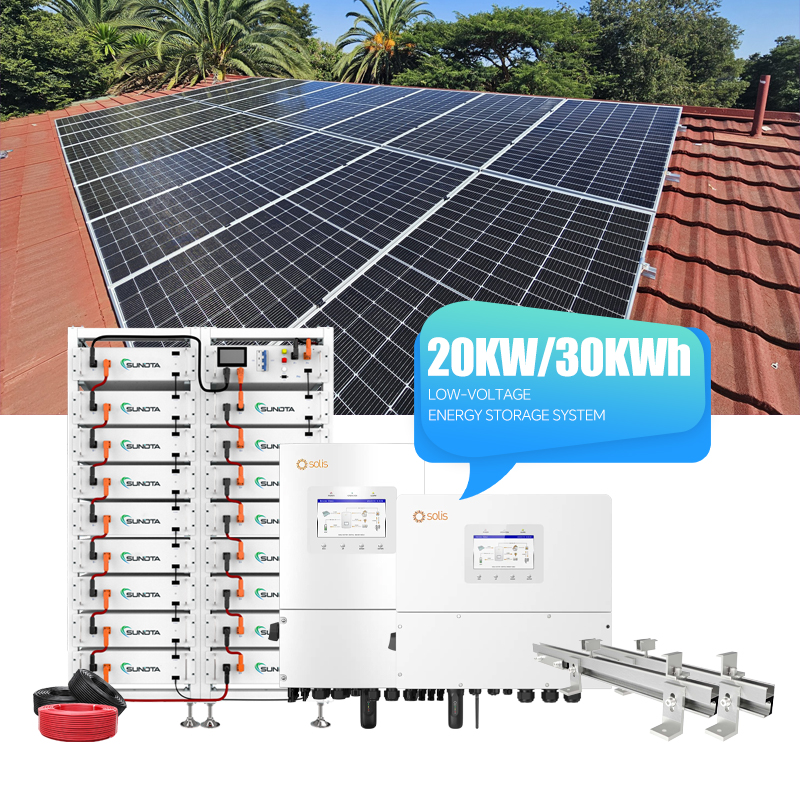
Complete Set of 20kW Solar Energy Storage System Hybrid Solar Panel Power Kits 20kW, 25kW, 30kW, 35kW With Cheap Price
- Scalable Commercial & Industrial Microgrid Setup
- Three-Phase Unbalanced Load Support Function
- Peak-Shaving & Time-of-Use Arbitrage Programming
- Direct Factory-Priced Wholesale Container Shipping
Engineering Solar Tracking Systems for Mountain Valleys & Complex Terrains
Deploying photovoltaic arrays within the Pokhara Valley (elevation ~822m to sub-alpine outskirts) presents a singular set of topographical and meteorological variables. Surrounded by the towering Annapurna massif, Pokhara receives remarkable peak solar insolation yet experiences significant diffuse radiation, rapid thermal changes, heavy monsoon precipitation (June through September), and severe valley-funneled wind shears. For developers, EPCs, and commercial investors across Gandaki Province, standard fixed-tilt racking structures inevitably leave up to 25% to 35% of potential annual energy yield unrealized. Installing an engineered Single-Axis Horizontal Solar Tracker (SAT) or adaptive Dual-Axis system with bifacial N-type modules bridges the critical winter energy gap when national hydropower generation drops drastically.
1. Topographical Slope Adaptation and Astronomical Algorithm Optimization
Traditional utility-scale solar trackers require broad, perfectly graded land. In contrast, installations throughout Pokhara, Lekhnath, and surrounding river terraces encounter undulating slopes ranging from 5° to 22°. RJV’s tracking systems utilize articulated cardan universal joints and multi-point slew-drive architectures. This mechanical decoupling enables each tracking string to conform independently to complex north-south and east-west topographical variations without necessitating extensive civil earthworks or environmental disruption.
Furthermore, our tracking control units (TCU) combine an astronomical clock algorithm with high-precision closed-loop astronomical sensors and integrated machine learning. During Pokhara’s prolonged overcast or pre-monsoon hazy days, the tracking controller automatically switches from direct sun-tracking mode to a Diffuse Light Harvesting Mode (Flat Stowing). By orienting horizontally during heavy cloud coverage, the bifacial N-type TOPCon panels absorb maximum scattered ambient irradiance from both the zenith and the reflective ground surface, delivering an immediate 8% to 14% yield enhancement over standard tracking algorithms.
| Mounting Architecture | Annual Yield (kWh/kWp in Pokhara) | Bifacial Boost Factor | Wind Survival Rating | Levelized Cost of Electricity (LCOE) |
|---|---|---|---|---|
| Standard Fixed-Tilt (26° South) | 1,420 - 1,510 | 4% - 6% | Up to 38 m/s | $0.062 / kWh |
| Seasonal Adjustable Tilt (Manual) | 1,530 - 1,620 | 6% - 9% | Up to 40 m/s | $0.058 / kWh |
| RJV Smart Single-Axis Horizontal Tracker | 1,810 - 1,980 | 15% - 22% | Up to 47 m/s (Auto-Stow) | $0.041 / kWh |
| RJV Dual-Axis Precision Solar Tracker | 2,010 - 2,190 | 20% - 28% | Up to 50 m/s (Aero-Lock) | $0.048 / kWh |
2. Structural Integrity: Managing Mountain Valley Aerodynamics & Monsoon Moisture
Micro-climates within Gandaki Province frequently produce violent downdrafts and high-velocity wind squalls descending from the Machapuchare and Annapurna corridors. Fixed racking frequently suffers from torsional stress flutter, which induces micro-cracks in crystalline silicon cells. RJV solar trackers incorporate hydraulic dual-damper systems connected directly to high-torque rotary slew gearboxes. When wind velocities exceed 18 m/s, the autonomous ultrasonic anemometer triggers an emergency stow sequence within 45 seconds, pitching the entire PV table into an aerodynamic aerodynamic minimum-drag position (0° to 10° stow profile).
Corrosion mitigation is equally vital given Pokhara’s annual rainfall exceeding 3,800 mm. All structural columns, torque tubes, and mechanical purlins are fabricated from high-grade structural steel hot-dip galvanized to ASTM A123 / ISO 1461 standards with a minimum zinc coating thickness of 85μm, or cold-formed with Zinc-Aluminum-Magnesium (ZAM) 310g/m² coatings. This provides comprehensive cut-edge galvanic protection that guarantees a 25-year structural service life against subtropical humidity, acid rains, and soil moisture.
Engineered Solar Solutions Across Gandaki Province
From lakeside eco-resorts in Pokhara to off-grid agricultural cooperatives in the Annapurna foothills, our tracking arrays and hybrid ESS architectures stabilize energy independence where conventional grid capacity fluctuates.
Hospitality & Luxury Eco-Resorts
Lakeside Pokhara and hill resorts in Sarangkot, Dhampus, and Begnas rely on continuous electricity for heat pumps, air conditioning, induction kitchens, and guest amenities. Our 20kW–50kW tracking systems paired with modular 51.2V LiFePO4 batteries silently eliminate noisy, polluting diesel gensets while capturing maximum sunrise-to-sunset tourist appeal.
- Seamless 10ms UPS cutover prevents hotel brownouts
- Silent operation protects tranquil hospitality atmospheres
Agri-PV & Mountain Terrace Farming
Combining agriculture with dual-use single-axis trackers raised 2.5m above grade allows farmers in Kaski and Tanahun to cultivate ginger, organic vegetables, and tea beneath the arrays. The tracking tables dynamically create partial shade cycles that mitigate soil moisture evaporation during intense midday heat, slashing irrigation pumping loads.
- High clearance supports tractor access and livestock grazing
- Solar water pumping driven directly by tracking string power
Hydro-Solar Hybrid Microgrid Integration
Gandaki Province produces enormous hydro energy during the summer monsoon; however, winter river discharges drop drastically due to frozen glacial headwaters, forcing the Nepal Electricity Authority (NEA) to curtail industrial loads. RJV’s tracking arrays produce peak generation during clear, rain-free winter months, providing ideal seasonal balancing.
- Offsets 35% seasonal winter hydro shortfall
- Grid-tied peak injection commands top NEA winter tariffs
Nepal Photovoltaic & Energy Storage Market Evolution
A strategic analysis of regulatory shifts, grid modernization, and technology adoption throughout Pokhara and the wider Gandaki administrative corridor.
NEA Net-Metering Deregulation
Recent guidelines released by the Nepal Electricity Authority (NEA) expand net-metering caps for commercial and industrial (C&I) clients up to 500kW. Commercial enterprises in Pokhara are transitioning from rooftop fixed mounts to ground and canopy tracking structures to maximize peak feed-in generation when export credits are highest.
The LiFePO4 Chemistry Paradigm Shift
Lead-acid and tubular gel batteries historically dominated off-grid rural installations in Nepal but suffered severe degradation within 2 to 3 years due to thermal fluctuations. Commercial buyers are now exclusively procuring 51.2V prismatic LiFePO4 packs with intelligent BMS that offer 6,000 cycles, reducing total 10-year replacement Capex by more than 60%.
AEPC Rural Microgrid Subsidies
The Alternative Energy Promotion Centre (AEPC) provides targeted financial incentives and soft loans for solar microgrids installed in non-electrified or fringe-grid pockets of Gandaki Province. RJV supplies certified IEC-tested packages that comply fully with AEPC technical compliance protocols for rapid subsidy clearance.
Why Global EPCs & Nepal Importers Trust Anhui RJV
Operating from our tier-1 automated manufacturing hub in Hefei, Anhui, China, RJV integrates panel production, tracker fabrication, inverter supply, and lithium battery engineering under a single accountable warranty.
High-speed automated production lines assembling cutting-edge N-type TOPCon, bifacial, and high-efficiency PERC modules with rigorous EL double-testing.
Proven international deployment track record spanning complex alpine terrain, high-temperature deserts, and coastal marine environments across 40+ countries.
Proprietary intellectual property in terrain-adaptive solar tracking mechanical linkages, closed-loop BMS controllers, and MPPT firmware algorithms.
Rigorous on-site third-party factory inspection verified. Full CE, IEC 61215, IEC 61730, and UN38.3 battery shipping certifications provided with every BOM.
Pre-Engineered BOM Matching
Avoid field commissioning nightmares. Inverter MPPT input windows, tracker motor voltage feeds, and battery BMS communication protocols (CAN / RS485) are matched and bench-tested together in our Hefei labs prior to palletizing.
Flexible Himalayan Logistics
RJV provides turnkey freight forwarding directly to Pokhara. Choose between expedited overland trucking via Kerung / Rasuwagadhi border crossings or multimodal ocean container shipping to Kolkata Port with bonded transit to Birgunj Dry Port.
24/7 Remote Field Engineering
Our dedicated bilingual solar engineering unit provides round-the-clock remote commissioning, tracker firmware calibrations, string configuration reviews, and rapid warranty parts dispatches across all Nepal time zones.
Frequently Asked Questions by Pokhara Importers & EPCs
Direct technical answers addressing freight transit, terrain adaptability, NEA electrical codes, and battery life expectancy in mountain climates.
What is the standard logistics transit time from Hefei to Pokhara?
Overland freight dispatching from our Hefei production facility travels through Tibet via the Gyirong (Kerung) / Rasuwagadhi border down the Prithvi Highway directly to Pokhara within 18 to 25 days. Multimodal sea freight (shipped from Shanghai/Ningbo to Kolkata Port, India, and railed to the Birgunj Inland Clearance Depot) averages 35 to 45 days. We prepare complete HS code documentation (8541.40 for panels, 8504.40 for hybrid inverters, 8507.60 for LiFePO4 batteries) to expedite Nepal Department of Customs clearance.
How do RJV single-axis trackers manage Pokhara's uneven hillsides?
Our single-axis tracking systems are engineered specifically with multi-angle Cardan universal joints capable of handling up to 20% North-South slopes and continuous East-West undulating grade variances. Each tracker row operates with an independent intelligent slew-drive motor or decentralized distributed multi-drive system. This eliminates the necessity for expensive site terracing or concrete retaining walls common in Himalayan foothills.
Are your hybrid inverters and batteries pre-configured for NEA grid interconnection?
Yes. Our complete 5kW to 50kW hybrid and on-grid solar systems feature pre-programmed grid codes adhering precisely to Nepal Electricity Authority (NEA) interconnection standards (230V single-phase / 400V three-phase ±10%, 50Hz frequency tolerances). In addition, they integrate built-in anti-islanding protection, programmable export limitation, and ultra-fast 10ms UPS transfer to ensure smooth transitions during unexpected local grid disruptions.
How do LiFePO4 batteries perform during cold Himalayan winter nights?
While Pokhara city experiences relatively mild winter lows (7°C to 10°C), surrounding ridge developments (such as Sarangkot or Ghandruk) can drop near freezing. All Sundta and RJV 51.2V LiFePO4 battery modules are designed with optional integrated PTC internal heating films and advanced smart BMS algorithms. When the ambient temperature drops below 5°C, incoming solar power is channeled automatically to warm the cells before charging initiates, preventing lithium plating and ensuring a full 6,000+ cycle lifespan.
What is the Minimum Order Quantity (MOQ) and customization policy?
We support both small-scale testing and commercial utility orders. For hybrid inverters, wall-mounted batteries, and complete bundled systems, MOQ is 1 set/piece. For solar panels and tracking systems, shipments are optimized per pallet or container load (FCL: 20GP / 40HQ). Full OEM services—including private labeling, customized BMS protocol matching for unique inverters, and site-tailored mounting rail lengths—are readily provided.
What payment methods and Incoterms are supported for Nepal banking?
We routinely work with standard trade financing structures accepted by Nepalese commercial banks, including confirmed Irrevocable Letters of Credit (L/C at sight), Bank Wire Transfers (T/T with initial deposit), and Western Union for rapid spare parts dispatch. Standard contractual terms include FOB Chinese Ports (Shanghai, Ningbo, Shenzhen), CIF Kolkata, or CIP Birgunj and Pokhara directly.
Accelerate Your Solar Project in Pokhara Today
Send us your site coordinates, topographical survey, or electrical load profile. Our dedicated system engineers will analyze your site and deliver an optimized solar tracking design, string matching calculation, and factory-direct wholesale quotation within 24 hours.