Featured Telecom Backup & ESS Infrastructure Solutions
Rigid prismatic LiFePO4 chemistry and integrated hybrid power electronics customized for remote base stations, edge data distribution, and utility substations in tropical coastal environments.
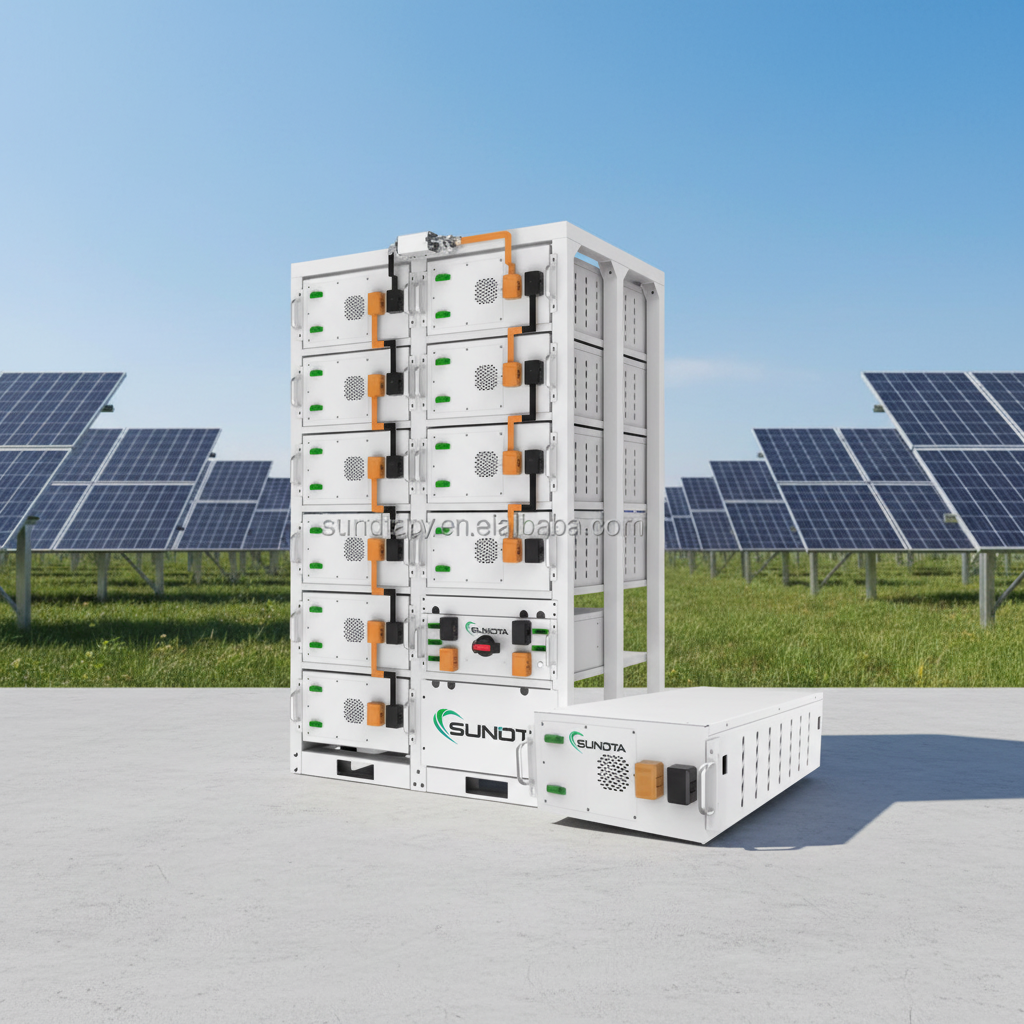
Commercial High Voltage LiFePO4 Energy Storage System 40kWh 50kWh 100kWh Cabinet
- Scalable: 400V–800V bus architecture
- Direct integration with telecom microgrids
- Liquid/Air thermal balancing options
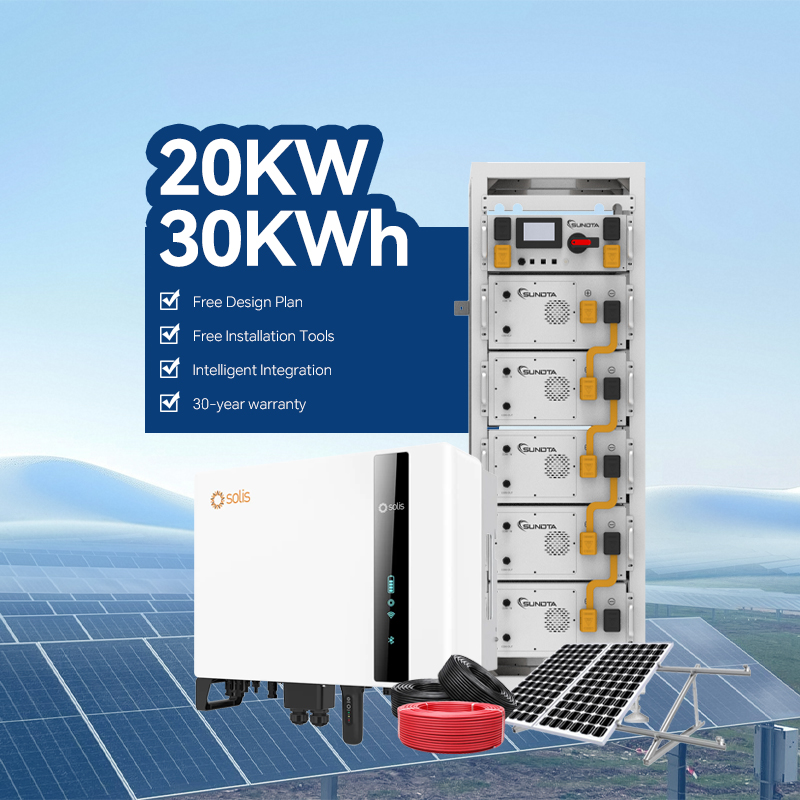
20kw Complete Set Solar Energy Power Storage System 20KW-35kw Hybrid Kit
- Turnkey PV generation + battery banks
- Zero-transfer UPS backup capabilities
- Industrial-tier transient surge protection
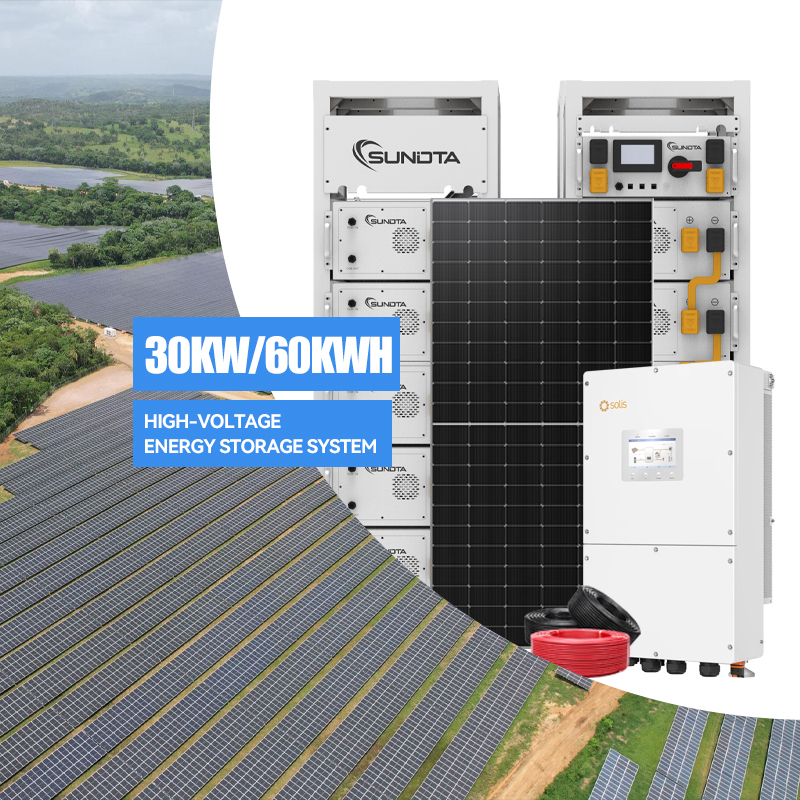
Off Grid Hybrid Solar Energy Storage System 20KW 30KW 40KW EU Certified
- Designed for un-electrified hilltop repeaters
- Dual MPPT charge controllers built-in
- Heavy-duty continuous inductive load handling
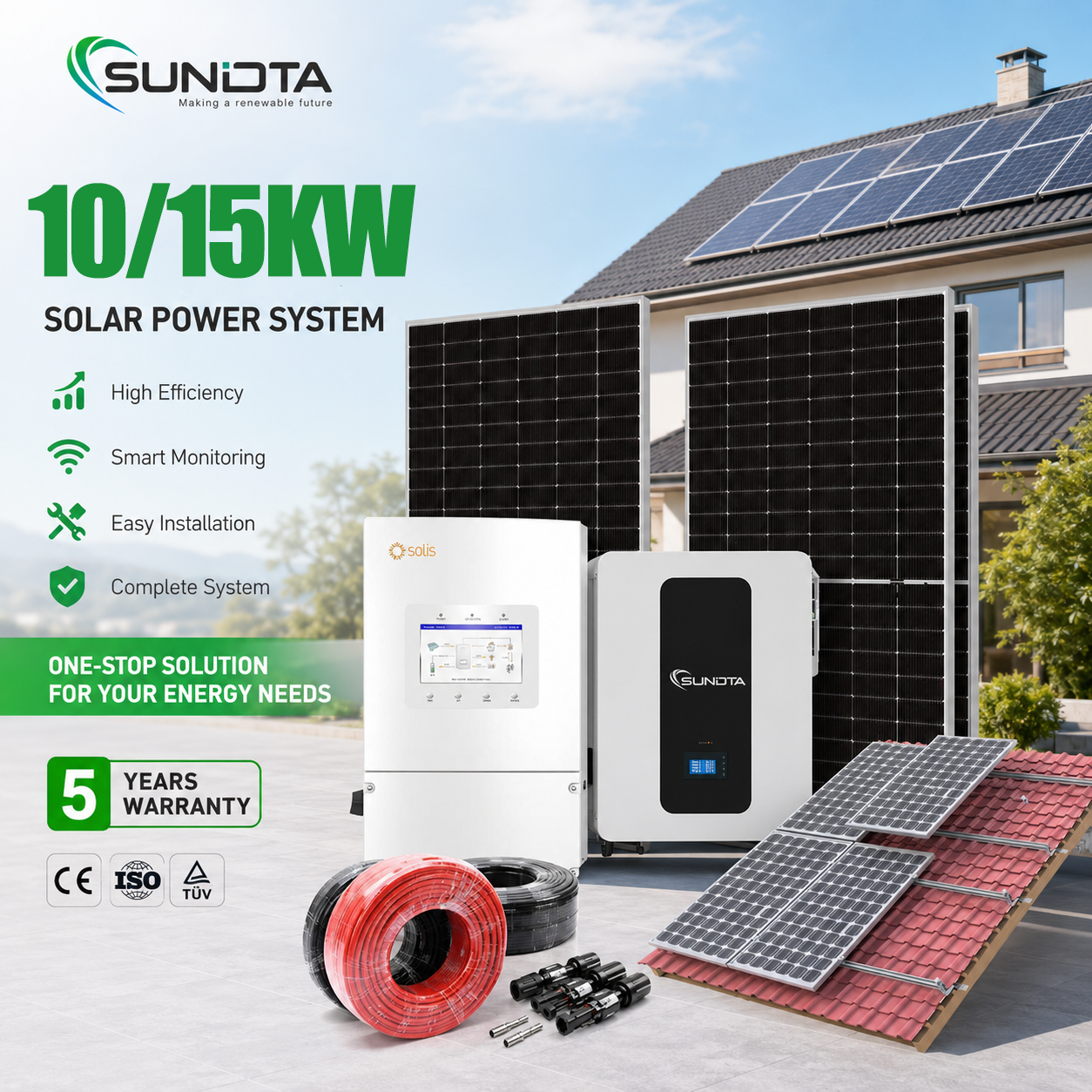
Hybrid 15kWh Inverter System 300Ah Stackable CAN Comm Home & Site
- Standard CAN/RS485 telemetry linkage
- Stackable plug-and-play footprints
- Ultra-low self-discharge chemistry
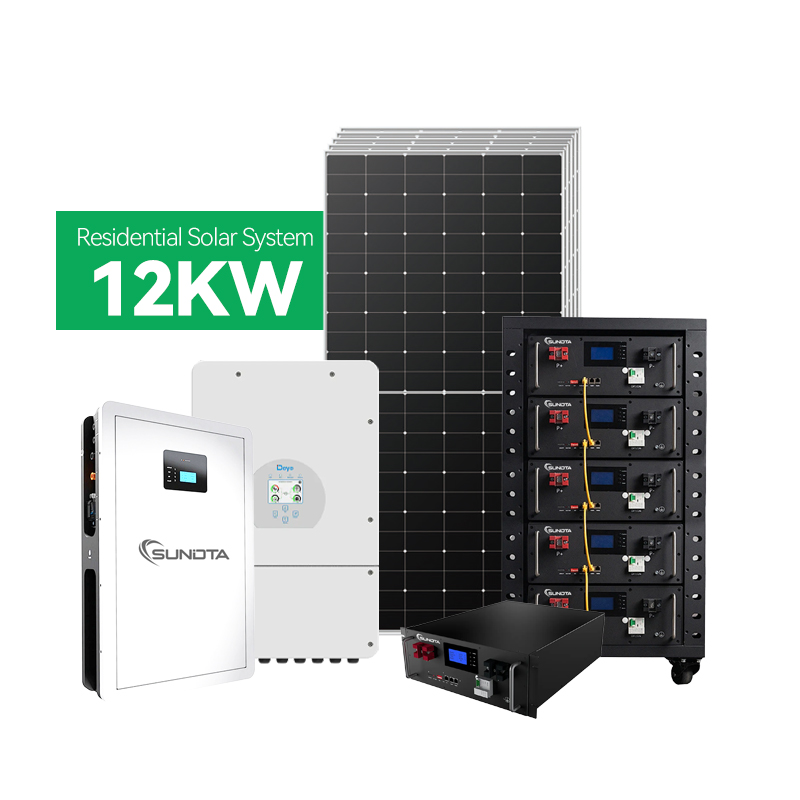
Bulk Price Sundta 12Kw Hybrid Solar Energy Storage System Monocrystalline
- Optimized for BTS distribution hubs
- Split-phase output compatibility
- Remote cloud platform telemetry
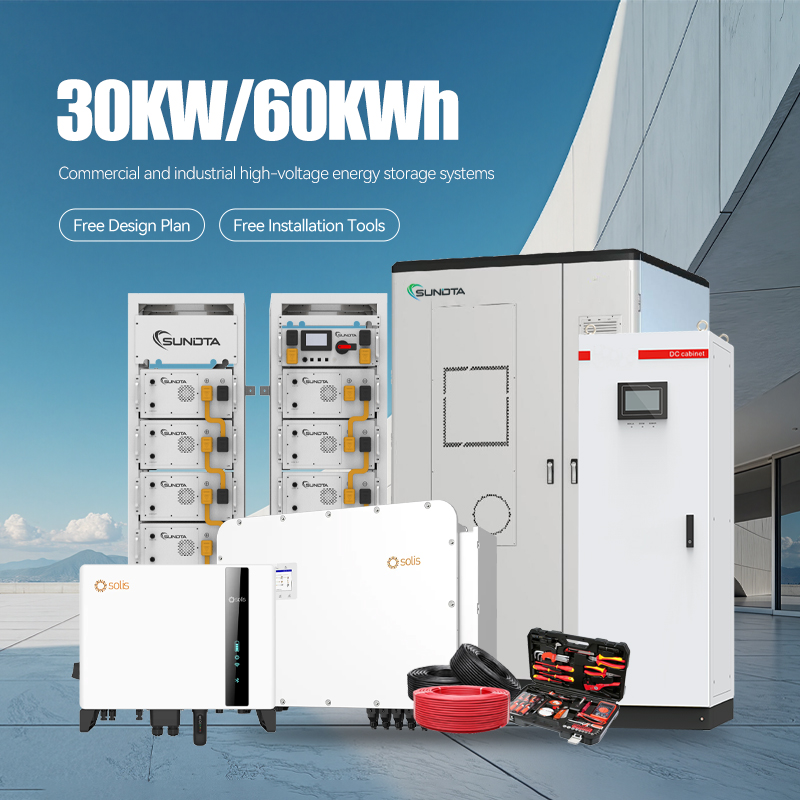
30KWH 51.2V 314AH LiFePO4 Battery Solar Energy 48v All-in-One Cabinet
- Grade-A 314Ah new generation prismatic cells
- 6,000+ deep cycles at 80% DOD
- Standard -48V telecom bus native matching
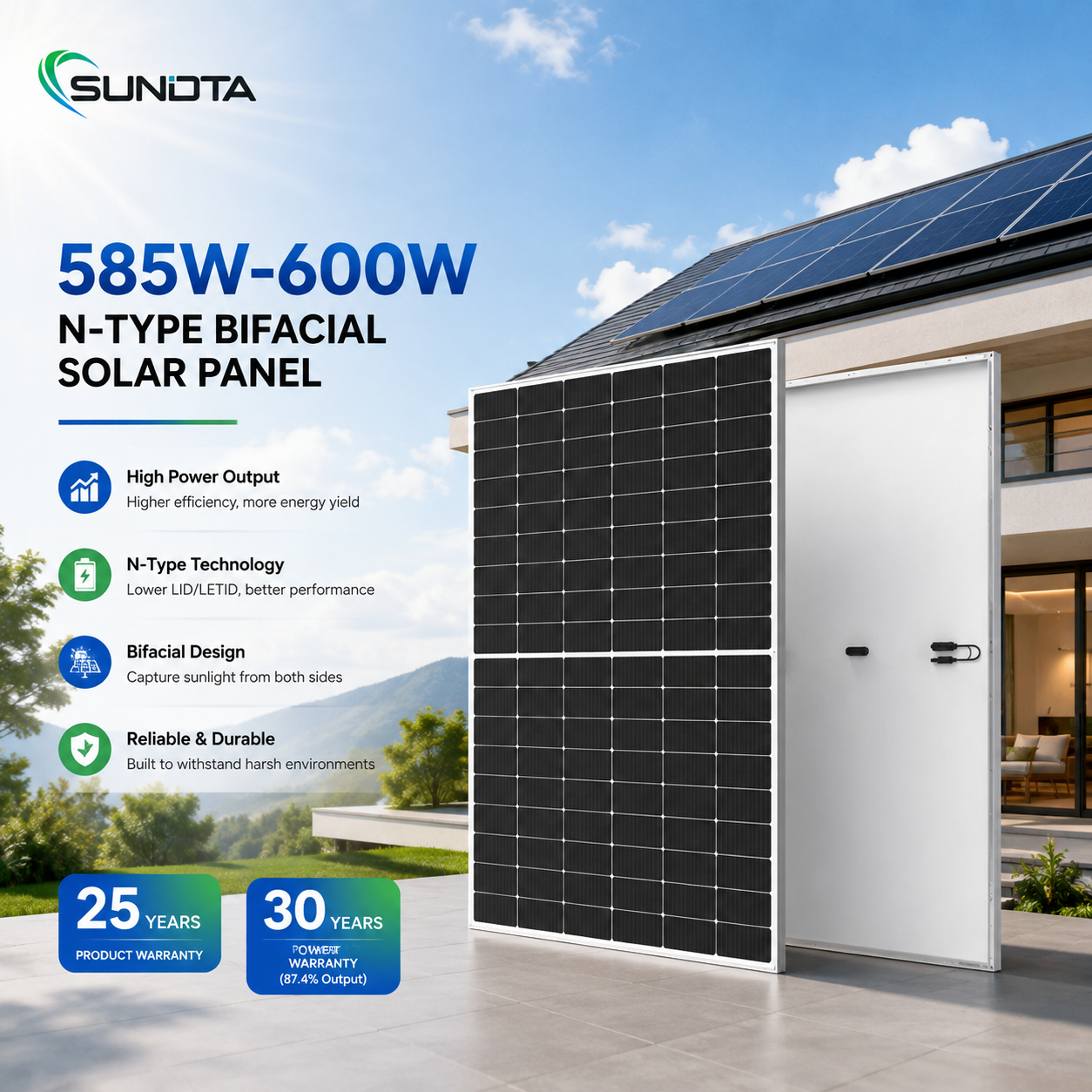
585W-595W Premium N-Type Bifacial Monocrystalline Solar Panel
- N-Type TOPCon technology with 23% efficiency
- Rear-side albedo gain up to +25%
- Robust mechanical wind rating: 5400 Pa
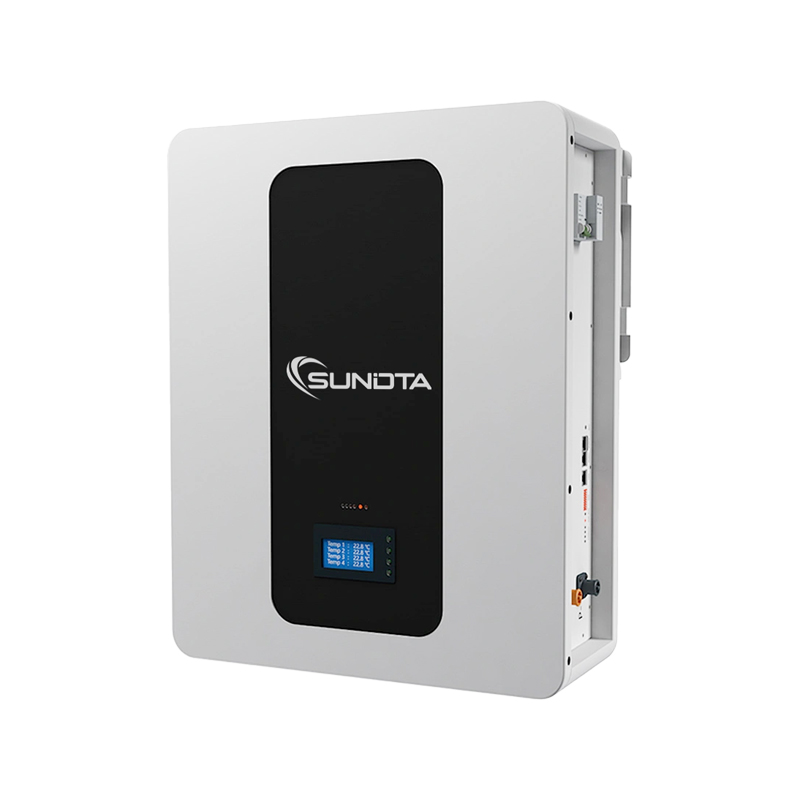
Sundta 48V/51.2V LiFePO4 Battery 10kWh Wall-Mounted 200Ah System
- Standard rack & wall dual installation
- Smart BMS protection against over-temp
- Global shipping or regional warehouse transit
Critical Infrastructure Power Resilience in Vieux Fort, Saint Lucia
Telecommunications network integrity throughout the southern corridor of Saint Lucia operates in an unforgiving operating environment. Vieux Fort, serving as the commercial and industrial nexus of the south, houses crucial infrastructure including Hewanorra International Airport (UVF), the Vieux Fort Free Zone industrial complex, emergency operations centers, and key fiber landing distribution terminals. Telecommunication transmission towers deployed atop Moule à Chique and nearby coastal promontories face relentless trade winds, microclimate precipitation swings, salt-mist aerosol exposure, and vulnerable utility feed connections prone to transient disruptions.
Local telecommunication towers operated by tier-1 Caribbean mobile network operators (MNOs) and regional internet service providers (ISPs) depend on uninterrupted DC power rails. In standard configurations, central office nodes, cellular Base Transceiver Stations (BTS), microwave backhaul repeaters, and optical line terminals require clean, stabilized -48V direct current (-48V DC). While grid operator St. Lucia Electricity Services Limited (LUCELEC) maintains high distribution standards, tropical severe-weather disturbances and coastal line faults trigger autonomous load shedding and micro-outages. Traditional valve-regulated lead-acid (VRLA) and gel battery storage configurations have proven structurally incapable of sustaining longevity in this environment, deteriorating rapidly within 18 to 24 months due to ambient heat stress and thermal runaway.
As an established manufacturing powerhouse based in Hefei, China, Anhui RJV New Energy Co., Ltd. bridges the equipment gap for southern Caribbean telecom installations. By shipping directly to Port Vieux Fort and Castries, RJV delivers specialized -48V/51.2V telecom rackmount LiFePO4 packs, 300Ah/314Ah high-energy density storage cabinets, and complete hybrid solar conversion arrays capable of decoupling remote cell towers from costly diesel fuel supply chains.
Vieux Fort Telecommunication Applications
Moule à Chique Coastal Repeaters
High-elevation microwave links bridging Saint Lucia, Saint Vincent, and offshore maritime communications. RJV supplies IP55 corrosion-resistant outdoor battery cabinets with C5-marine certified anti-saline enclosures, completely sealing sensitive BMS boards from humid ocean air.
Hewanorra Aviation Comms Node
Mission-critical ATC radar, meteorological tracking, and aeronautical VHF ground stations. Implementing RJV high-voltage stackable LiFePO4 systems guarantees seamless 0ms transfer switching, buffering voltage sags and preventing navigation data corruption.
Vieux Fort Industrial Zone FTTH OLTs
Street-side cross-connect fiber-to-the-home (FTTH) active cabinets across Beanfield and St. Jude Highway. RJV 48V 100Ah/200Ah ultra-compact modules fit standard 19-inch telecom racks, maintaining uninterrupted high-speed broadband throughout local substation power outages.
Engineering Benchmark: LiFePO4 vs Traditional Lead-Acid (VRLA/GEL)
Quantified comparative data illustrating Capex vs Opex performance metrics under tropical Caribbean operating profiles.
| Evaluation Parameter | Standard VRLA / GEL Battery | RJV Industrial LiFePO4 Telecom Rack | Operational Impact in Vieux Fort |
|---|---|---|---|
| Cycle Life (80% DOD @ 30°C) | 400 – 600 cycles | 6,000+ deep cycles | 10+ years operational life vs 1.5-year replacement cycles |
| Usable Energy Depth (DOD) | 50% recommended safe limit | 90% – 100% full capacity | Requires 45% smaller battery footprint per cell tower |
| Thermal Tolerance Envelope | Degrades rapidly above 25°C | Stable operation up to 55°C | Minimizes air conditioning power waste on mountain sites |
| Energy Density by Weight | 30 – 40 Wh/kg (Extremely heavy) | 130 – 160 Wh/kg (Ultra-compact) | Lowers freight forwarding costs and crane hoisting needs |
| Recharge Acceptance Rate | 0.1C – 0.2C (Slow: 8–10 hours) | 0.5C – 1.0C (Fast: 1–2 hours) | Rapid recovery during short sunny windows or brief grid uptime |
| Communication Telemetry | None (Requires external shunt) | CAN 2.0 / RS485 / Modbus RTU | Full integration with Deye, Solis, Eltek & Vertiv rectifiers |
Local Market Trends & Saint Lucia Renewable Mandates
Saint Lucia's energy regulatory landscape is navigating a strategic pivot. Guided by the National Energy Transition Strategy (NETS) and supervised by the National Utilities Regulatory Commission (NURC), the nation targets aggressive fossil-fuel displacement. Historically dependent on imported heavy fuel oil (HFO) for diesel thermal generation at the Cul De Sac power station, Saint Lucia's commercial electricity tariffs remain subject to global oil volatility, hovering between $0.30 to $0.40 USD per kWh. For infrastructure-heavy operations like telecommunications, where remote BTS sites historically ran dual-generator architectures consuming hundreds of liters of diesel fuel weekly, high operating expenditure undermines business viability.
In the Vieux Fort district, solar-hybridization of telecom sites is accelerating. Network operators are replacing mechanical diesel generators with hybrid photovoltaic systems pairing N-type TOPCon bifacial modules (585W–595W) with rackmount LiFePO4 batteries. This architecture delivers an amortized Levelized Cost of Energy (LCOE) below $0.09 USD per kWh over a 15-year lifecycle. Furthermore, the Organization of Eastern Caribbean States (OECS) resilience directives urge telecommunications concession holders to guarantee minimum 72-hour autonomous backup during Category 3–5 tropical cyclone landfall. RJV's stackable 30kWh to 100kWh commercial battery enclosures are purposefully engineered to deliver this regulatory-compliant reserve power.
Vieux Fort Telecommunications Buyer & Contractor FAQ
All RJV telecom-grade battery systems supplied to the Caribbean basin undergo conformal coating (nano-moisture protection) on power management printed circuit boards (PCBs). Our outdoor BTS energy storage cabinets leverage IP55/IP65 ingress-rated construction with double-layered powder-coated galvanized steel, tested for 1,000 hours of continuous salt-spray exposure (ASTM B117 standards) to eliminate rust and short-circuit risks.
Yes. Our proprietary Battery Management Systems (BMS) are pre-flashed with universal communication firmware supporting CAN 2.0B, RS485, and Modbus protocols. They interface seamlessly with international telecom rectifier equipment (such as Vertiv, Eltek, Huawei, ZTE) as well as tier-1 solar hybrid inverters including Solis, Deye, and Growatt for closed-loop parameter synchronization, dynamic voltage tracking, and autonomous alarms.
We handle end-to-end containerized maritime freight from our manufacturing hub in Hefei, China, directly to Port Castries or Port Vieux Fort. Production and factory quality control inspections typically require 15 to 25 business days, followed by ocean transit of approximately 35 to 45 days. We furnish full Dangerous Goods (DG) documentation, UN38.3 test summaries, MSDS, and CE certificates to simplify customs brokerage through the Saint Lucia Customs & Excise Department.
To support both emergency site upgrades and utility-scale deployments, our MOQ is calibrated flexibly: standard 48V/51.2V rackmount batteries and hybrid inverters start from an MOQ of 1 unit for pilot testing. Turnkey solar-telecom container kits start at 1 set. For high-volume projects, full 20ft/40ft containerized mixed orders (combining N-Type TOPCon panels, inverters, and battery racks) qualify for factory-direct tier pricing.
RJV maintains a dedicated 24/7 technical engineering division. Prior to shipment, our engineers provide complete string calculation, electrical SLDs (Single Line Diagrams), and thermal mapping tailored to your site load profile. All systems carry standard manufacturer warranties (5 to 10 years). In the rare event of a component failure, replacement BMS control modules or balance units are expedited via international air freight directly to Saint Lucia.
Why Caribbean Network Contractors Partner with Anhui RJV New Energy
Headquartered in Hefei's world-class renewable industrial hub, RJV pairs vertically integrated automated manufacturing with rigorous international validation.
TÜV Rheinland Assessed
Our manufacturing workshops, testing rigs, and quality assurance workflows are fully assessed on-site by TÜV Rheinland, guaranteeing full IEC 62619, CE, and UN38.3 battery safety compliance.
2 GW Scale & 38 Patents
With 2.0 GW of annual capacity and 38 core technical patents, our robotic automated cell sorting and laser welding lines eliminate human inconsistency and internal micro-shorts.
Matched System BOM
Avoid multiple-supplier integration delays. We configure, wire, protocol-test, and package solar panels, inverters, and battery banks together in Hefei before loading the export container.
Global Incoterms Support
Seamless transaction execution under FOB, CFR, CIF, and EXW terms. We provide dedicated export packing, marine insurance management, and documentation for Caribbean customs clearance.
Harden Your Telecom Power Infrastructure in Vieux Fort
Connect with RJV application engineers today to discuss your cell tower load profile, battery replacement schedule, or solar-hybridization project. We will prepare matched engineering schematics, product datasheets, and CIF Vieux Fort price quotations within 24 hours.
Send an Inquiry