Chuquisaca Regional Grid Modernization & B2B ESS

Commercial Energy Storage Suppliers & Exporters for the Sucre Market

Delivering altitude-engineered Tier-1 LiFePO4 battery storage, high-voltage hybrid inverters, and utility-scale BESS solutions to empower industrial, commercial, and agricultural operations across Sucre and the Andean valleys.

Precision Factory Engineering

Altitude-Validated C&I Solar & Storage Solutions

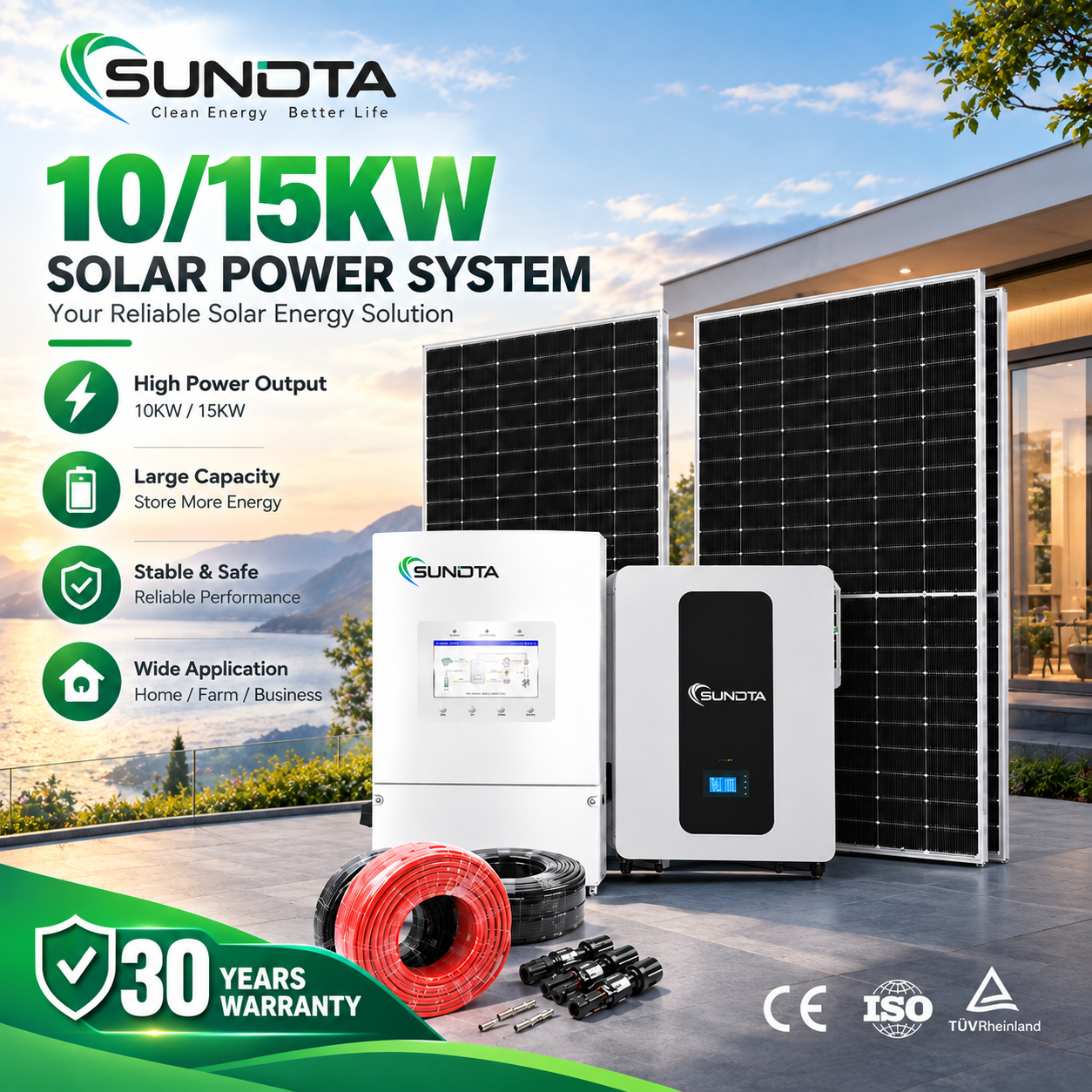
Customized bills of materials configured with closed-loop CAN communication, high-elevation thermal heat sinks, and dual-MPPT power conversion units certified for Bolivian distribution standards.

Technical Whitepaper & Strategic Context

The Chuquisaca Energy Landscape: Transitioning Commercial Users to Storage Resiliency

The historic constitutional capital of Bolivia, Sucre (elevation 2,810 meters above sea level), stands at a critical junction of modern infrastructure modernization and grid stability challenges. As the commercial, judicial, educational, and agro-processing epicenter of the Chuquisaca Department, Sucre depends heavily on the Sistema Interconectado Nacional (SIN) administered regionally through Compañía Eléctrica Sucre S.A. (CESSA). However, transmission bottlenecks across regional substations, frequent seasonal load-shedding during peak winter months, and rural radial line vulnerabilities expose commercial operations to devastating voltage fluctuations and unexpected outages.

For local commercial enterprises—ranging from the renowned artisan chocolate producers and commercial cold storage chains to major medical facilities, university campuses, and municipal infrastructure—relying exclusively on diesel backup generators is no longer economically viable due to rising operational expenses and domestic fuel quota constraints. Furthermore, Sucre enjoys extraordinary solar resources: high Global Horizontal Irradiance (GHI) exceeding 5.6 to 6.2 kWh/m²/day and clear Andean atmospheric conditions that provide superior photovoltaic yield per installed kilowatt.

2,810m
Operational Elevation
5.8+
Avg. kWh/m²/Day Solar GHI
99.4%
ESS Microgrid Uptime
< 3.8yr
Estimated Commercial Payback

Deploying stationary Energy Storage Systems (ESS) in Sucre requires rigorous engineering customization. At 2,810 meters, lower atmospheric air pressure reduces the dielectric insulation resistance of standard electronic switches and compromises convective air cooling capacity by approximately 18% to 22%. Standard off-the-shelf inverters and lithium battery enclosures manufactured without high-altitude derating adjustments risk severe thermal throttling, shortened lifespans, and inadvertent safety trips. As a primary manufacturer and specialized B2B exporter, Anhui RJV New Energy Co., Ltd. addresses these site-specific conditions through altitude-calibrated Power Conversion Systems (PCS), optimized creepage clearances, high-velocity heat sinks, and intelligent Battery Management Systems (BMS) with calibrated temperature-compensated cell balancing.
Custom Engineering Deployments

High-Yield Application Scenarios Across Sucre & Chuquisaca

Targeted energy architectures developed to address specific tariff structures, grid weaknesses, and daily load curves across regional business sectors.

Industrial Peak Shaving & Demand Tariff Control

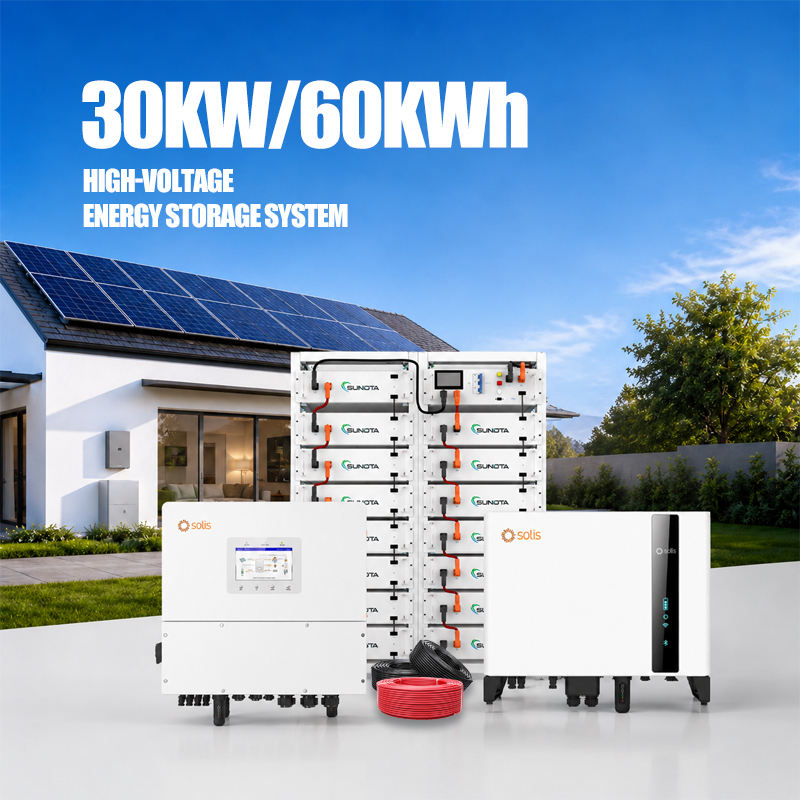
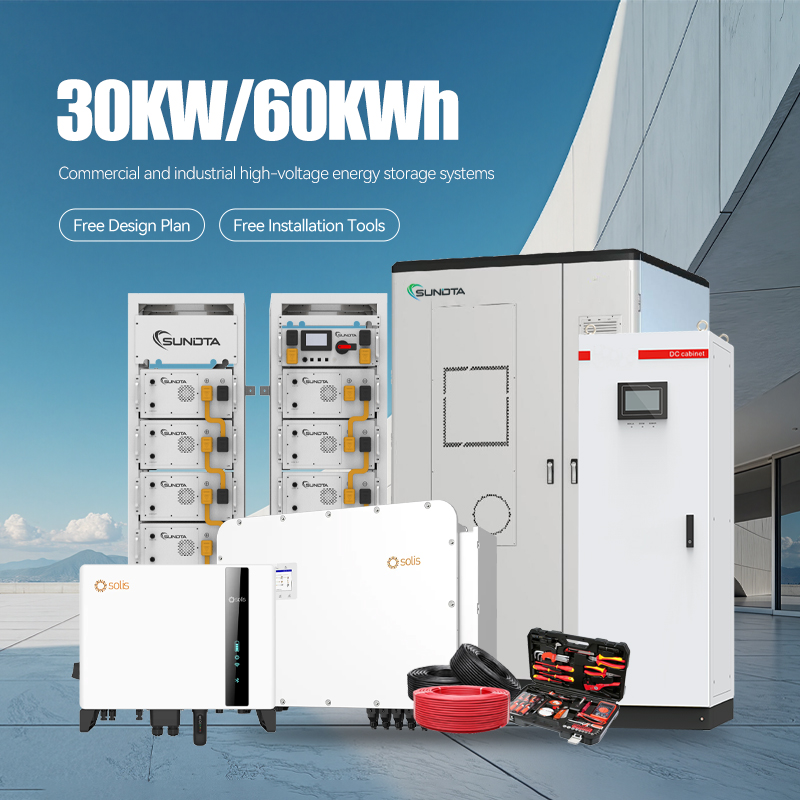
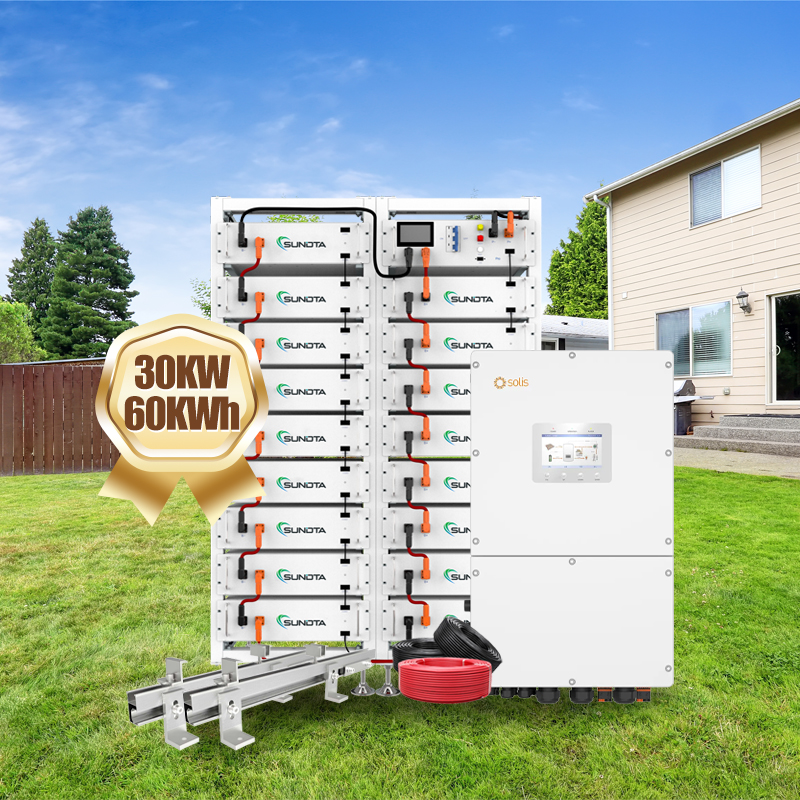
CESSA commercial and industrial tariff structures impose heavy demand charges based on maximum 15-minute kW spikes during peak evening windows (18:00 to 22:00). RJV's stackable 40kWh to 100kWh high-voltage LiFePO4 battery banks allow facilities to autonomously discharge during peak pricing and recharge during low-cost mid-day solar windows, cutting utility demand charges by up to 45%.

Agro-Industrial & Cold Storage Protection

Chuquisaca's renowned confectionery, dairy, and meat processing facilities require uninterrupted refrigeration and precise temperature governance. Our emergency whole-house and commercial hybrid systems deliver seamless <10ms transfer switching, preventing batch contamination, pneumatic downtime, and equipment damage caused by utility brownouts.

Medical Centers & Educational Campus Microgrids

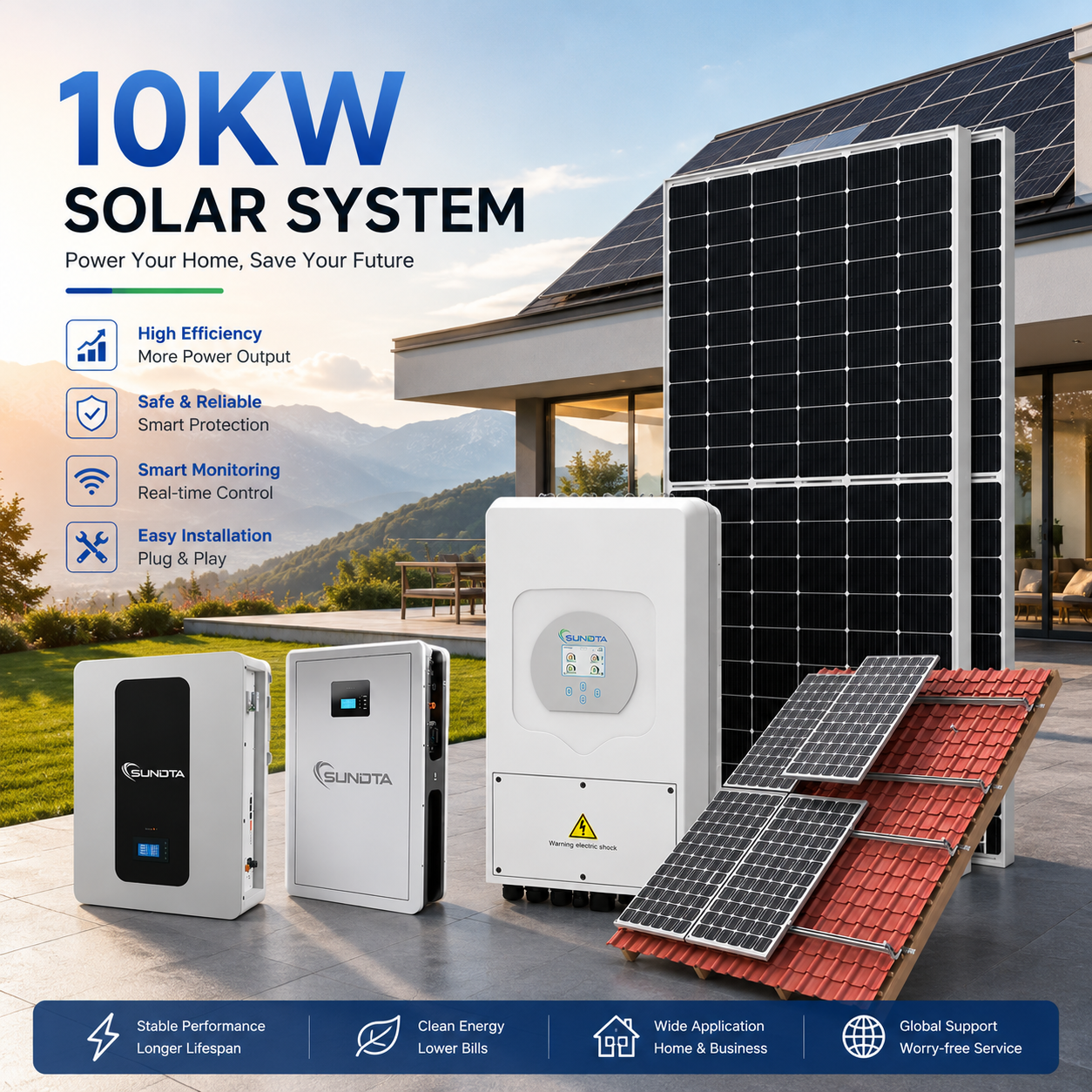
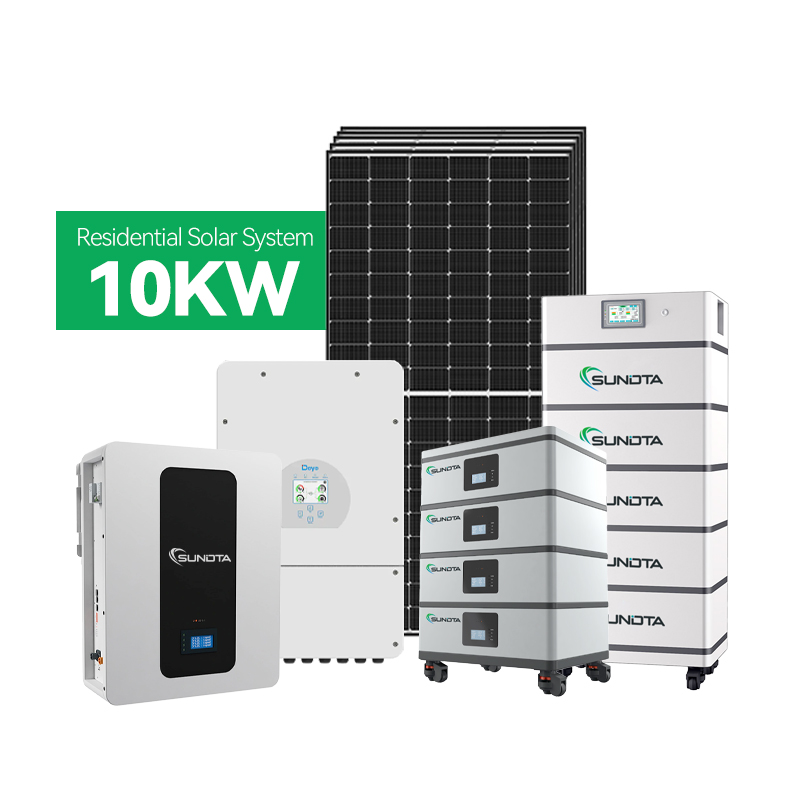
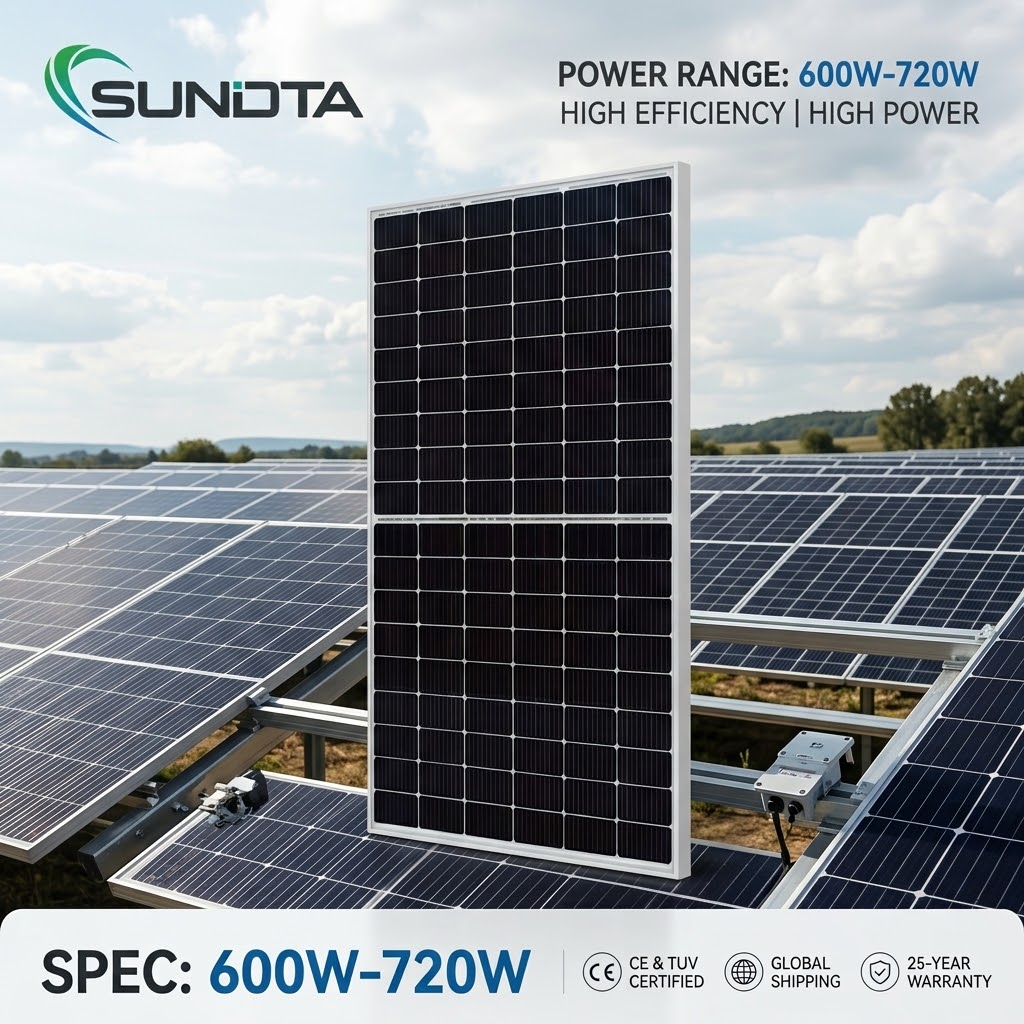
Critical healthcare clinics and higher education laboratories in Sucre require clean sinusoidal power free from voltage sags and harmonic distortion. RJV integrated systems combine Tier-1 N-Type TOPCon bifacial modules with Solis and Deye three-phase hybrid inverters to build resilient, islandable microgrids backed by robust prismatic lithium storage.

Engineering Specifications

Altitude Engineering Matrix: Standard vs. Sucre-Optimized RJV Systems

Why generic import equipment fails in Chuquisaca and how Anhui RJV New Energy engineers hardware for high-altitude Andean deployments.

Design Vector Standard Commercial ESS (Sea Level) RJV Altitude-Engineered ESS (>2,500m ASL) Sucre Market Advantage
PCS Cooling & Dissipation Standard fan configuration; derates at 2,000m Oversized copper heat-pipes + dynamic RPM blowers Zero Thermal Throttling
Dielectric Clearances Standard PCB trace distances (IEC 60664-1 standard) Extended creepage & clearance ratio (1.25x safety factor) Arc Flash Prevention
Battery Chemistry & Cells Standard ternary or lower-grade Li-ion cells Grade-A LiFePO4 314Ah Prismatic with aerosol suppression Highest Thermal Safety
PV Module UV Resistance Standard EVA encapsulant; degrades under high UV POE / EPE dual-layer encapsulants on N-Type bifacial <0.4% Annual Degradation
Inverter Grid Synchronization Generic off-grid / basic grid tie CESSA-compatible voltage & frequency protection logic Smooth Interconnection
BMS Communications Closed proprietary protocols Open CAN / RS485 supporting Deye, Solis, Growatt, Victron Seamless Multi-Vendor Sync
Policy & Commercial Realities

Bolivian Regulatory Framework & Commercial Trends (2025–2027)

Bolivia's updated renewable energy mandates and Decreto Supremo N° 4477 (which establishes the regulatory framework for distributed generation in the country) are accelerating commercial interest in self-generation and storage across all departments. The national government and the Ministry of Hydrocarbons and Energies continue to promote decentralized solar integration to preserve domestic natural gas reserves for petrochemicals and industrial use rather than power peaking.

In Chuquisaca, regional energy administrators and CESSA are updating local technical connection criteria. The critical shift for commercial procurement teams is moving away from purely grid-tied installations—which immediately shut down during frequent rural transmission trips to protect line workers—toward intelligent hybrid and multi-mode energy storage. By pairing smart hybrid inverters with dedicated LiFePO4 batteries, commercial facilities maintain uninterrupted operation inside their private electrical boundaries while continuing to feed solar credits back into the grid when regulations permit.

On the logistics front, importing containerized energy storage into Sucre requires direct coordination with the Aduana Nacional de Bolivia (ANB). Shipments routed from RJV's export headquarters in Hefei, China, depart via major sea freight gateways (Shanghai/Ningbo) to Pacific ports in Chile (such as Arica or Iquique), transitioning overland through Tambo Quemado or Pisiga directly to customs clearance facilities in Chuquisaca. RJV provides complete export documentation, including UN38.3 test summaries, MSDS documentation, IEC factory flash tests, and CE certificates to ensure clean, duty-compliant customs processing.

Proven Sourcing Reliability

Why Sucre EPCs & Industrial Importers Partner with Anhui RJV

Eliminate project delays, component mismatches, and customs failures by working with an integrated manufacturer and verified exporter.

2 GW Automated Production

State-of-the-art automated cell sorting and PV module assembly lines, backed by 12+ years of manufacturing expertise and over 38 certified technology patents.

TÜV Rheinland Assessed

Fully inspected and assessed on-site by TÜV Rheinland. Every batch ships with verifiable IEC 61215, IEC 61730, and CE international conformity certifications.

Pre-Matched PV + ESS BOM

We match inverter MPPT voltage windows, battery discharge curves, and closed-loop BMS communication protocols in our factory before container loading.

24/7 Dedicated Support

Bilingual electrical engineers available around the clock to support system design, elevation derating modeling, commissioning, and rapid warranty resolution.

Buyer Knowledge Base

Commercial Energy Storage Procurement FAQ for Sucre & Bolivia

Direct technical and operational answers to common questions asked by Bolivian project engineers, EPC contractors, and commercial business owners.

How does the 2,810-meter altitude of Sucre affect inverter and battery performance?
At 2,810 meters above sea level, atmospheric density is roughly 25% lower than at sea level. This reduced density affects both the heat transfer coefficient of air-cooled components and the dielectric breakdown voltage of electrical clearances. For standard residential and light commercial inverters, manufacturers recommend a power derating of roughly 1% per 100 meters above 2,000 meters (meaning an 8% to 10% thermal derating). Anhui RJV New Energy resolves this by specifying oversized cooling radiators, dynamic variable-speed fans, and higher-voltage insulated circuit designs, allowing our Deye, Solis, and RJV custom PCS units to operate at full rated continuous power under ambient conditions in Sucre without premature thermal shutdown.
Are RJV LiFePO4 batteries natively compatible with existing Deye and Solis inverters in Chuquisaca?
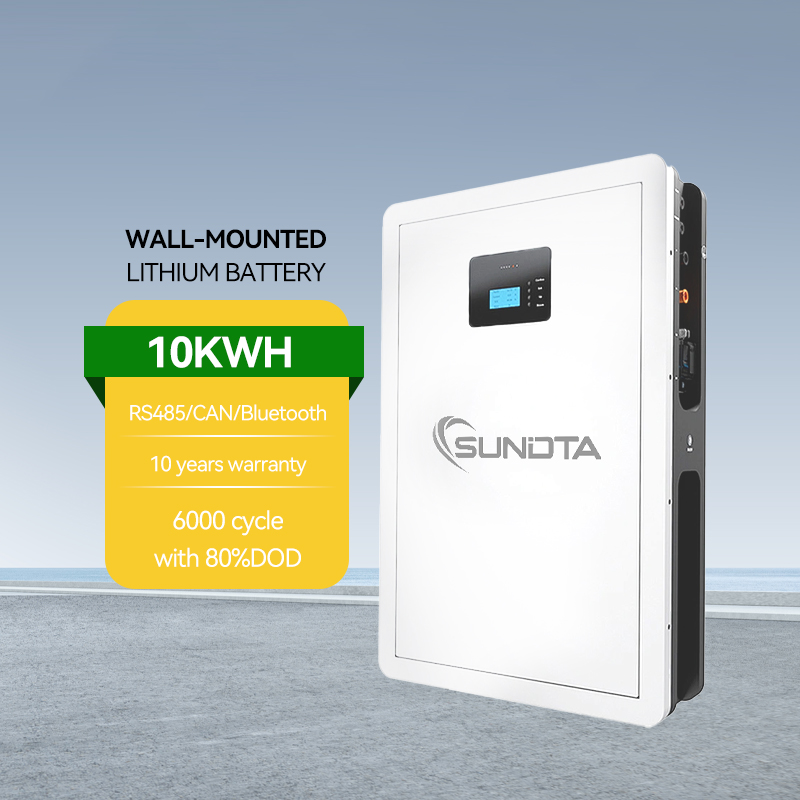
Yes. Our intelligent BMS hardware features multi-protocol CAN and RS485 communication ports programmed to establish instant closed-loop handshakes with market-leading hybrid inverters, including Deye, Solis, Growatt, Victron Energy, and Schneider Electric. The BMS continuously shares precise State of Charge (SOC), cell voltage, pack temperature, and real-time charging/discharging current limits, ensuring strict battery health preservation and maximizing cycle longevity past 6,000 cycles.
What are the minimum order quantities (MOQ) and lead times for shipping to Bolivia?
We provide flexible purchasing structures tailored for distributors, installers, and commercial end-users. Complete turnkey solar systems start from an MOQ of 1 set; standalone hybrid inverters and wall-mounted/rack batteries start from 1 piece. Solar panels are typically shipped by pallet quantities (e.g., 36 panels / ~20kW) to ensure secure transit. Factory lead time is typically 15 to 25 days depending on project configuration, and transit from China to the Port of Arica/Iquique (Chile) with onward land freight to Sucre typically takes 35 to 45 days.
How do RJV energy storage systems integrate with on-site diesel generators?
Our commercial hybrid inverters (from 10kW up to 125kW) feature dedicated auxiliary dry-contact inputs designed for automated generator start/stop (ATS control). When grid power fails and battery storage reaches a pre-programmed depth of discharge (e.g., 20% SOC), the system can automatically command the backup generator to start, synchronizing generator power with solar PV to support the facility load while simultaneously recharging the battery bank at maximum efficiency. This hybrid microgrid operation drastically cuts generator runtime, fuel consumption, and maintenance costs.
What documentation is provided to clear customs through the Aduana Nacional de Bolivia?
Every shipment exported by Anhui RJV New Energy is supplied with a comprehensive international customs and engineering dossier. This includes commercial invoices, packing lists with detailed gross/net weights and serial numbers, Bill of Lading (B/L), Certificate of Origin, UN38.3 lithium battery transportation safety reports, Material Safety Data Sheets (MSDS), and IEC test reports. This ensures smooth clearance at the border and seamless compliance with Bolivian electrical standards.
Can systems be scaled as commercial energy demand grows in the future?
All RJV energy storage solutions are built on modular, parallel architectures. Low-voltage 51.2V batteries can be expanded up to 15 units in parallel without external controllers, scaling storage capacity from 5kWh up to 150kWh. For larger commercial and industrial requirements, our high-voltage battery cabinets and commercial hybrid inverters can be paralleled up to 10 or 16 units, providing scalable multi-megawatt-hour (MWh) storage capacity that expands seamlessly as business operations grow.

Power Your Sucre Enterprise with Altitude-Engineered Storage

Consult directly with RJV's technical engineering team to obtain tailored single-line electrical diagrams, altitude derating calculations, and competitive factory-direct quotations for your commercial solar and battery storage projects.

Get a Quote
Direct Inquiries: [email protected]