High-Efficiency Energy Storage & Generation Systems
Pre-engineered, modular, and factory-tested tier-one energy storage assemblies configured for peak shaving, grid-firming, and industrial continuity across Tashkent and the wider Uzbek territories.
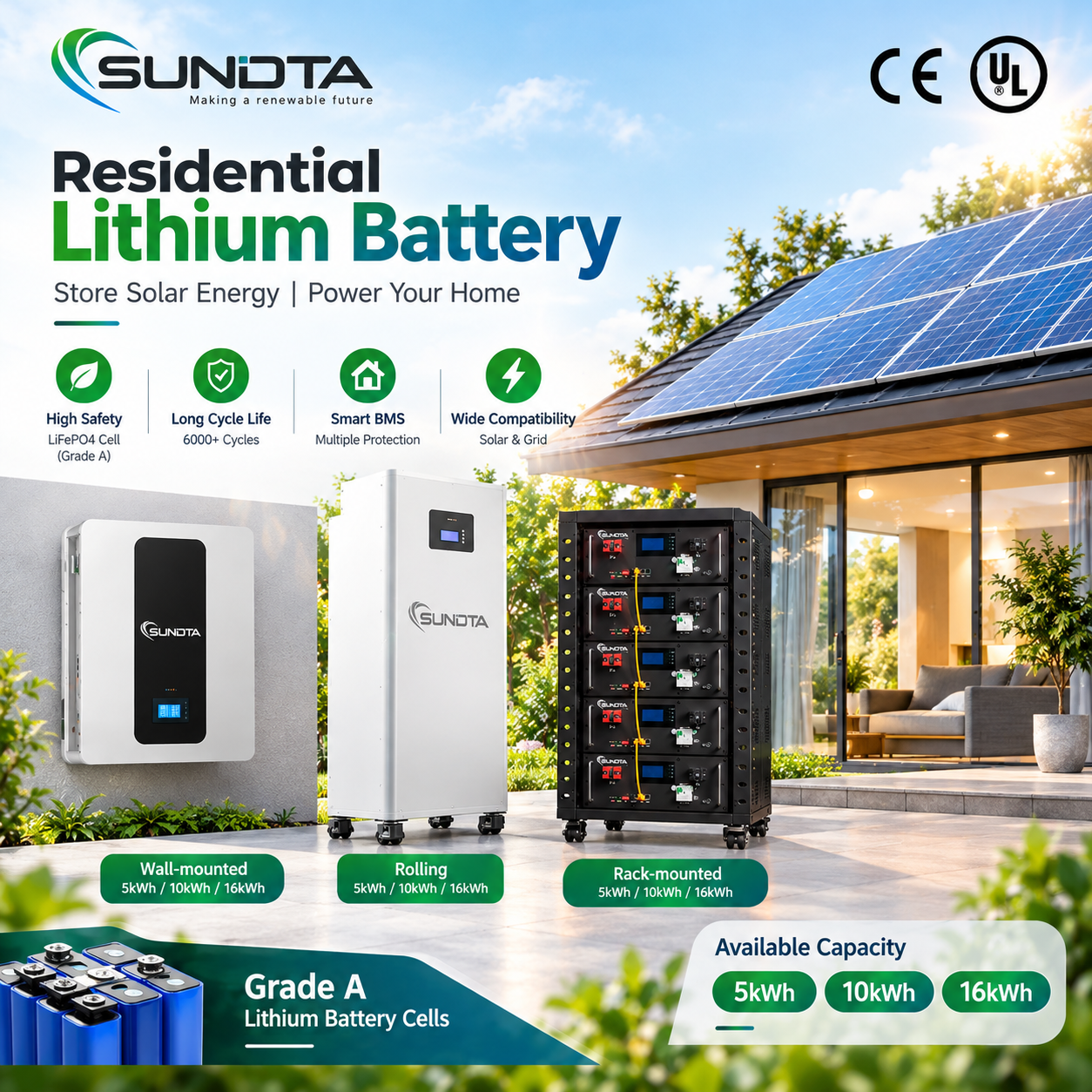
Sundta Stacked 10kWh 20kWh 30kWh Modular LiFePO4 Battery
- High-durability prismatic lithium iron cells
- Stackable design for effortless capacity scaling
- CAN/RS485 closed-loop communication BMS
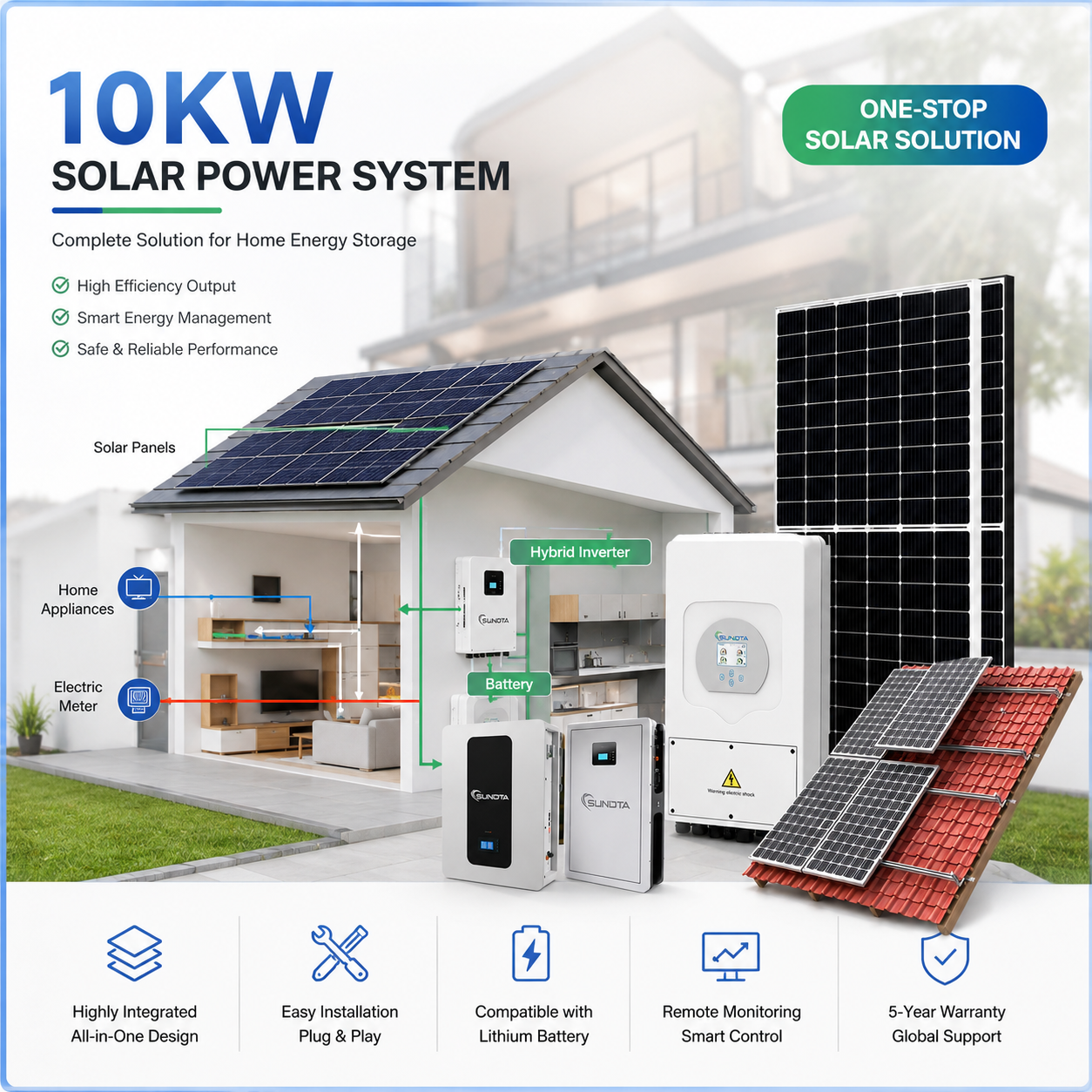
15kW-50kW High-Efficiency Hybrid Solar Power System with MPPT
- Commercial multi-MPPT high-voltage tracking
- Dual AC input for grid & diesel genset synchrony
- Integrated load shedding & peak-time dispatch
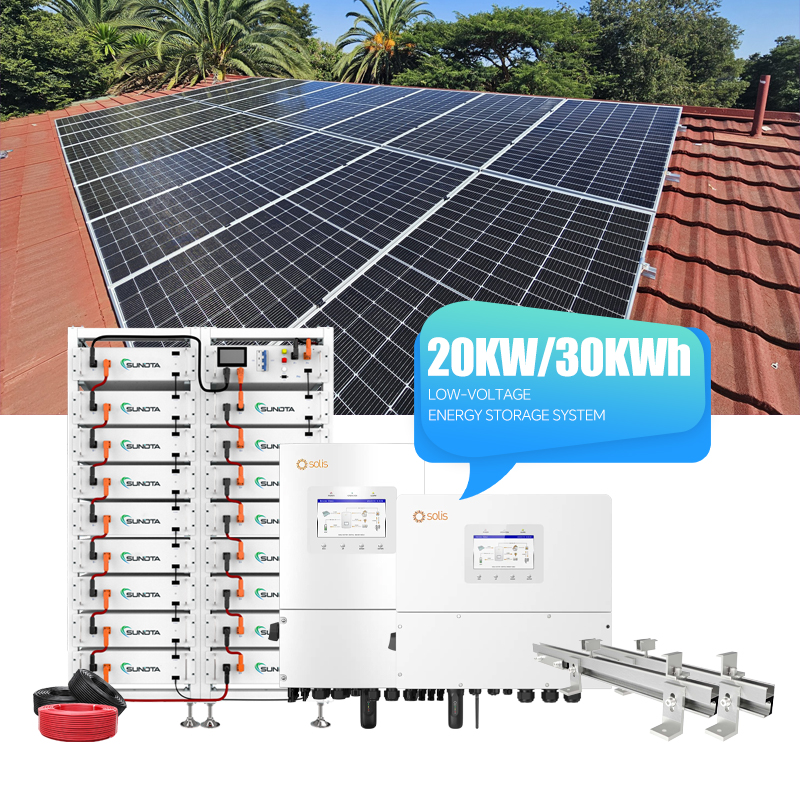
Complete Set 20kW-35kW Solar Energy Storage System Power Kits
- Comprehensive bill of materials pre-matched
- Supports peak-shaving for C&I workshops
- Fast-switching UPS grade transfer (<10ms)
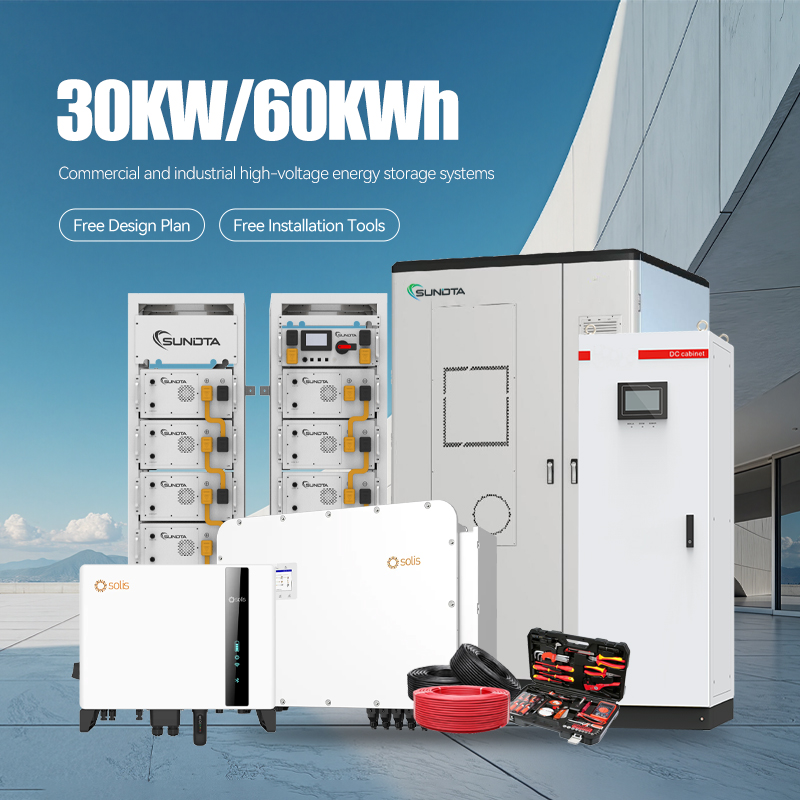
30kWh 51.2V 314Ah LiFePO4 Battery Solar Energy Storage System
- Next-gen high-density 314Ah power cell blocks
- Ultra-long cyclic endurance with low heat release
- Robust IP55 enclosure with thermal insulation
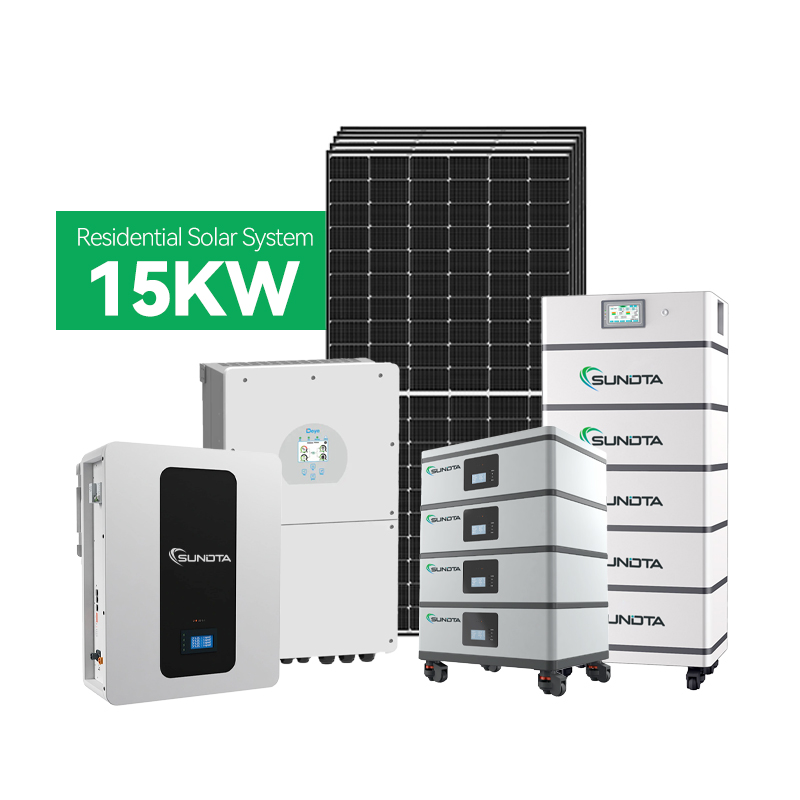
Sundta Hybrid Solar Energy System Full Set Kit 5kW to 15kW
- Pre-wired protection distribution cabinet
- Optimized for rapid installation and commissioning
- Remote cloud platform telemetry and analytics
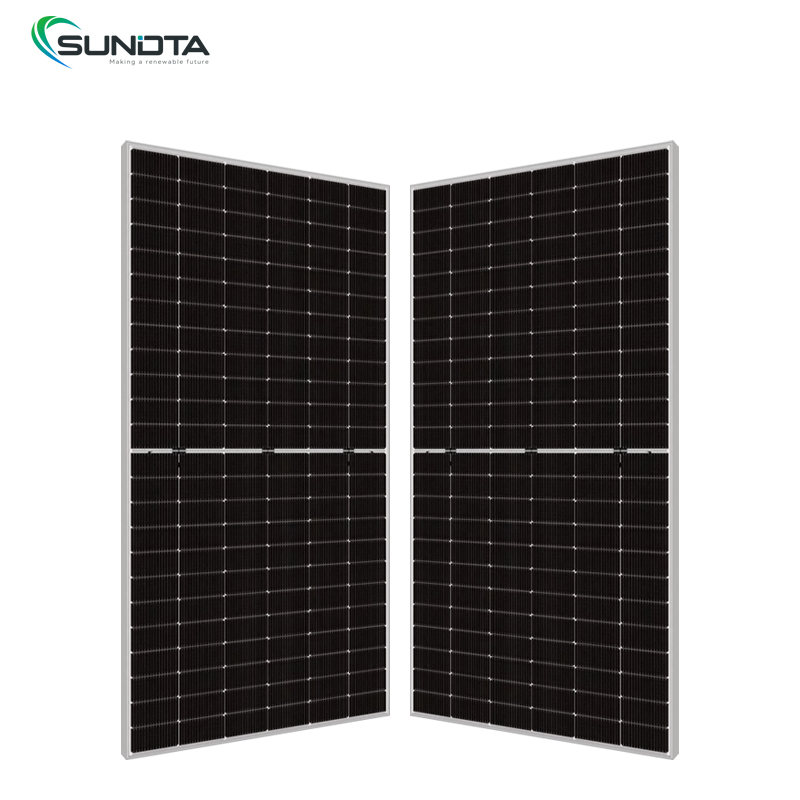
Tier 1 Sodenergy 700W-730W N-Type TOPCon Solar Panel
- Ultra-high 700W+ module output for lower BOS
- Superior temperature coefficient for hot summers
- Bifacial double-glass structural durability
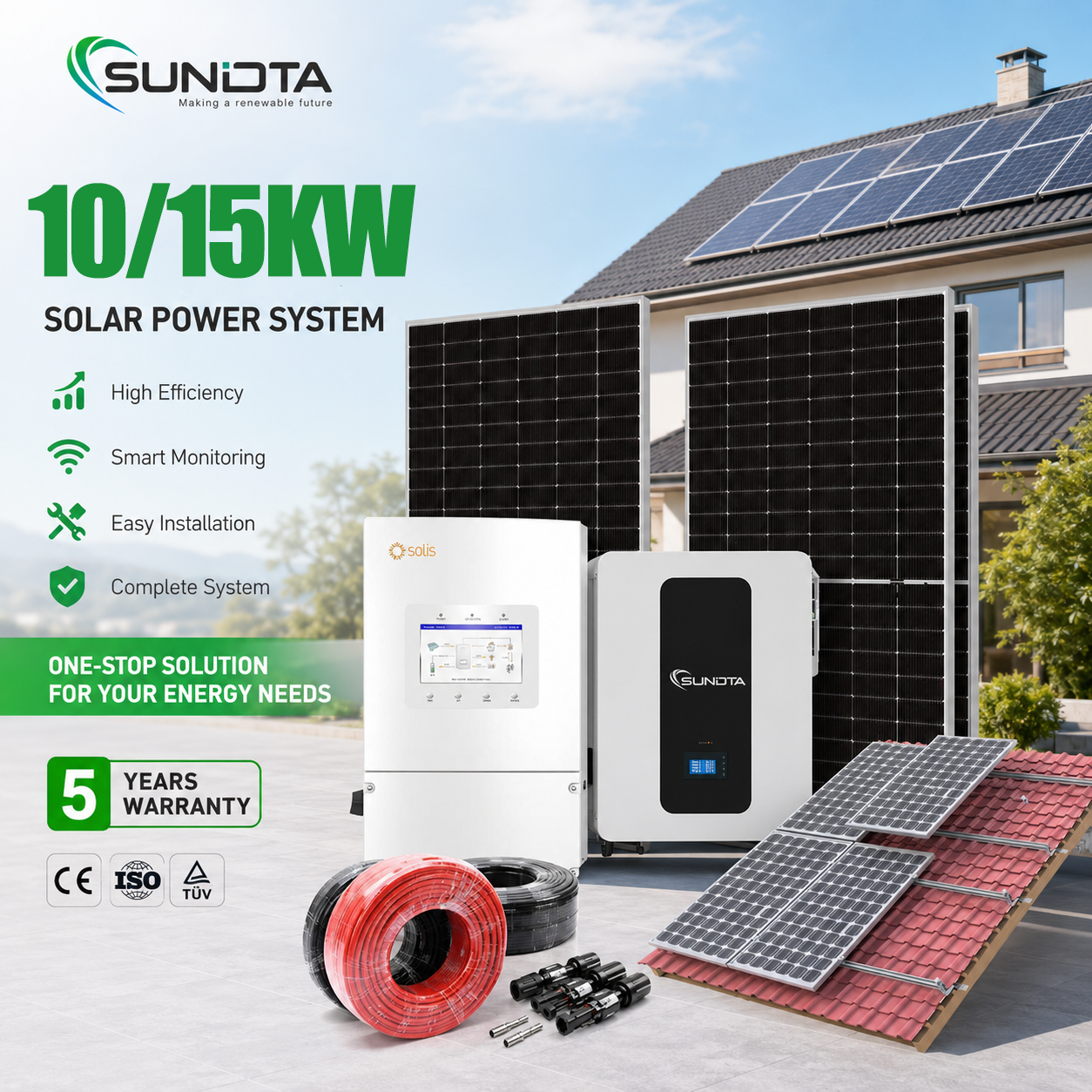
Hybrid 15kWh Inverter System 300Ah Split Stackable Li-Ion
- Seamless split-phase or three-phase matching
- Integrated DC disconnect and surge suppression
- Active battery balancing system for cell safety
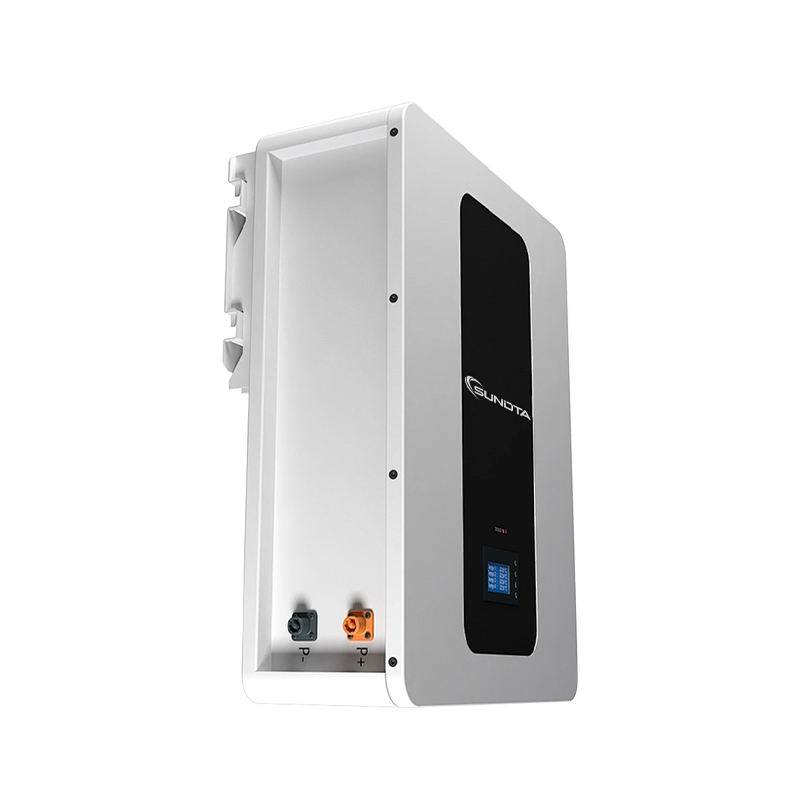
Sundta POLO-W1 5kWh Wall-Mounted Deep-Cycle IP65 LiFePO4
- Space-saving slimline IP65 ingress protection
- Direct drop-in compatibility with Solis/Deye
- Automated safety interlocks and circuit breaker
The Role of Commercial Battery Energy Storage (BESS) Containers in Tashkent's Industrial Ecosystem
Navigating Uzbekistan's Energy Transition: Grid Modernization, Winter Peak Constraints, and the Imperative for High-Reliability Containerized ESS.
The Tashkent metropolitan area stands at the center of Uzbekistan’s energetic economic transition. As the nation expands its industrial capacity under national decarbonization and infrastructure modernization initiatives, the regional power grid faces unprecedented dual challenges: intensive load growth driven by manufacturing hubs and pronounced seasonal strain during continental temperature extremes.
Summer daytime heat commonly exceeding 40°C pushes commercial HVAC consumption to record heights, while winter temperatures falling below -15°C trigger heavy resistive heating demands. This seasonal swings place significant strain on the 110kV/35kV/10kV distribution grid around the Sergeli, Bektemir, and Yangihayot districts. Commercial ESS (Energy Storage System) containers offer an immediate, non-wire alternative to grid upgrades—delivering millisecond-level frequency response, local peak shaving, and dedicated power stability to prevent industrial line tripping.
Grid Integration Dynamics and Regulatory Drivers in Uzbekistan
In accordance with presidential decrees and Cabinet of Ministers resolutions mandating corporate energy efficiency and solar installations on manufacturing facilities, commercial operators throughout the Tashkent region are deploying hybrid solar arrays. However, the intermittent injection of unbuffered photovoltaic generation threatens the balance of local substations. Uzbek grid regulations are rapidly tightening requirements surrounding solar ramp-rate control and harmonic distortion.
Our turnkey BESS container solutions (scalable from 500kWh to 3.72MWh utility blocks) resolve these integration bottlenecks. By coupling utility-grade Power Conversion Systems (PCS) with intelligent Energy Management Systems (EMS), our containerized platforms absorb daytime solar surpluses from high-efficiency TOPCon solar modules and discharge stored energy across high-tariff evening peak hours.
High-Impact Localized Application Scenarios Across Tashkent
Engineered to solve concrete electrical, financial, and operational challenges in specific Uzbek industrial, agricultural, and commercial sectors.
Technopark & Manufacturing Hubs
Precision machinery, electronics, and automotive parts facilities in Tashkent’s special industrial zones require continuous power without sub-second voltage dips.
- Eliminates costly micro-interruptions during grid transitions
- Supplies peak shaving to lower capacity reservation penalties
- Integrates smoothly with existing on-site backup diesel generator sets
Cold Chain & Food Processing Facilities
Tashkent’s agricultural logistics hubs and fruit preservation clusters in Zangiata depend heavily on non-stop refrigeration infrastructure during hot summers.
- Guarantees 100% cooling continuity during seasonal grid blackouts
- Arrests high starting-current surges from heavy-duty compressors
- Drives down daytime energy operating costs by 40–65%
Textile & Spinning Complexes
Modern automated textile plants across Chirchiq and Bektemir operate sensitive air-jet looms where voltage sags ruin fabric quality and halt production.
- Zero-millisecond static transfer switch (STS) dynamic power conditioning
- Absorbs harmonic feedback generated by large variable frequency drives
- Enables profitable self-consumption from sprawling factory solar rooftops
Commercial Business Centers & Data Hubs
Tashkent City banking towers, enterprise headquarters, and private server centers demanding uncompromising power quality without fossil-fuel emissions.
- Clean, quiet lithium iron phosphate energy storage replacing urban gensets
- Compact container footprints suitable for basement or perimeter placement
- Full compliance with local Tashkent municipal fire-safety standards
Substation Congestion Relief & Microgrids
Suburban Tashkent regions experiencing rapid population growth where electrical substation transformers are running at capacity limits.
- Defers multimillion-dollar utility substation hardware replacements
- Provides reactive power support (VAR control) to stabilize regional feeder voltage
- Serves as the grid anchor for localized islanded microgrid networks
Why Project Developers Partner with RJV New Energy
Combining world-class manufacturing scale with end-to-end system validation to eliminate performance liabilities in Central Asian energy investments.
2 GW Industrial Production Scale
Our automated production base in Hefei houses multi-gigawatt module lines and standardized BESS assembly bays, ensuring consistent cell grading, robotic busbar welding, and uniform build quality on every shipment.
TÜV Rheinland Assessed & CE Certified
Operations and facilities are on-site verified by TÜV Rheinland. Every ESS container and PV shipment includes verified IEC 62619, UN38.3, CE, and fire suppression compliance documentation ready for Uzbek customs clearance.
Native Inverter & Battery Integration
Eliminate inter-vendor finger pointing. We integrate Solis and Deye power electronics directly with our LiFePO4 packs, validating CAN/RS485 BMS communication and MPPT firmware algorithms before leaving the factory.
Extreme Climate Engineering
Our Central Asian BESS packages include double-walled thermal insulation, multi-stage HVAC or liquid cooling, integrated aerosol fire extinguishing, and IP55+ protection against blowing dust and summer sandstorms.
500+ MW International Delivery Track Record
Over 12 years of specialized solar and storage integration experience back our technical bids. We understand the specific transit logistics, rail corridors via Khorgos/Alashankou, and border customs handling for Tashkent.
24/7 Dedicated Technical Support
From initial preliminary sizing and Single Line Diagram (SLD) creation to live remote commissioning and localized warranty support, our application engineering team assists EPC teams through every milestone.
Commercial Energy Storage Trends Across Uzbekistan
Key regulatory movements, tariff restructuring, and utility developments shaping procurement priorities in the Tashkent marketplace.
The energy economy of Uzbekistan is shifting from legacy state subsidies toward dynamic, market-driven tariffs. For industrial enterprises operating around Tashkent, these tariff reforms represent the single largest catalyst for commercial BESS adoption in 2025 and beyond.
1. Time-of-Use (TOU) Electricity Tariffs Driving Arbitrage
Uzbekistan’s energy regulatory authorities continue to widen the price gap between off-peak baseload electricity and peak-hour industrial tariffs. Commercial manufacturing units in sectors such as metallurgy, plastics, and food processing are facing steep capacity surcharges during morning and evening grid peaks. By charging containerized batteries during lower-cost off-peak cycles and discharging during peak operational windows, enterprise operators achieve dependable financial paybacks, typically amortizing the capital expenditure within 3.5 to 5 years.
2. Mandatory Renewables Mandates on Commercial Real Estate
New regulations enacted by the Uzbek government require commercial buildings, shopping malls, and industrial complexes above specified square meter thresholds to supply a set percentage of their internal electrical needs through decentralized solar PV. As rooftop arrays proliferate across Tashkent, distribution transformers are approaching reverse-power feed limits. Containerized batteries act as the essential bridge, allowing companies to meet their green mandates without running afoul of utility feed-in restrictions.
3. Transition to 314Ah High-Energy Density Battery Cells
In modern commercial container procurement, the market is quickly migrating away from legacy 280Ah cells toward next-generation 314Ah lithium iron phosphate configurations. The 314Ah architecture increases standard 20-foot container capacity from ~3.35MWh up to 3.72MWh or even 5MWh without altering the physical exterior container dimensions. For industrial sites across Tashkent where yard real estate is restricted, this 15–25% boost in spatial energy density dramatically lowers civil groundwork costs and simplifies site preparation.
Frequently Asked Questions for Tashkent Buyers & EPCs
Direct technical answers addressing local grid interconnection, shipping logistics, customs processes, and long-term warranties.
How are RJV energy storage containers delivered to Tashkent, and what Incoterms apply? +
We routinely execute shipments to Tashkent and surrounding Uzbek freight destinations via direct international rail freight (using the Khorgos or Altynkol overland border crossings) as well as combined multimodal sea-rail corridors. Supported delivery terms include CIP Tashkent, DAP, CIF, and FOB Chinese loading ports. All containerized systems are dispatched with full rail-certified lashings, hazardous materials certifications (UN38.3, MSDS), and complete packing lists formatted for expedited customs clearance at Chukursay or Sergeli customs terminals.
How do your containerized ESS systems manage Tashkent’s extreme summer temperatures? +
Every commercial container intended for Central Asia is engineered with high-density thermal insulation and automated industrial HVAC or high-efficiency liquid-cooling loops. In our liquid-cooled configurations, chilled coolant is routed directly across each individual battery cell plate, keeping temperature variance across thousands of internal cells below 2.5°C even when outside ambient air exceeds 45°C. This active thermal control completely mitigates cell degradation and thermal runaway hazards.
Can your systems communicate with local Uzbek grid automation and existing on-site equipment? +
Yes. Our Energy Management Systems (EMS) and PCS power conversion units natively support standard open industrial protocols including Modbus TCP/RTU, IEC 60870-5-104, and CAN bus. This ensures seamless telemetry integration with national or regional dispatch supervisory systems (SCADA) as well as on-site building management systems (BMS), existing diesel generators, and multi-brand solar inverters.
What is the standard warranty coverage and expected cyclic lifespan? +
Our premium LiFePO4 commercial storage systems deliver over 6,000 to 8,000 full charge-discharge cycles at 80% Depth of Discharge (DoD) under recommended operating temperatures. We provide standard factory warranty options covering 5 to 10 years, supported by factory-backed spare parts availability, remote cloud performance monitoring, and rapid engineering ticket resolution.
Are these systems compliant with Uzbek fire-safety and industrial safety codes? +
Yes. Container safety is multi-tiered: cell-level venting, module-level thermal barriers, internal combustible gas (H2/CO) detection sensors, automated ventilation, and integrated aerosol or clean-agent fire suppression systems (e.g., Novec 1230 / FM200 / condensed aerosol). The containers conform to international standard NFPA 855 guidelines and relevant IEC 62933 system safety benchmarks.
What minimum order quantity (MOQ) and customization services are offered? +
For modular stacked batteries and hybrid systems, our MOQ starts from 1 set to accommodate pilot validations. For containerized commercial BESS (20ft / 40ft units), orders are processed on a tailored project basis. Complete OEM customization is supported, encompassing bespoke electrical sizing, custom enclosure dimensions, specialized exterior livery, and localized HMI language support.