Precision Solar Generation & Battery Storage for Guatemala
Tested for tropical mountain altitudes, high-temperature microclimates, and variable industrial voltages across Guatemala City, Mixco, Villa Nueva, and the Escuintla logistics corridor.
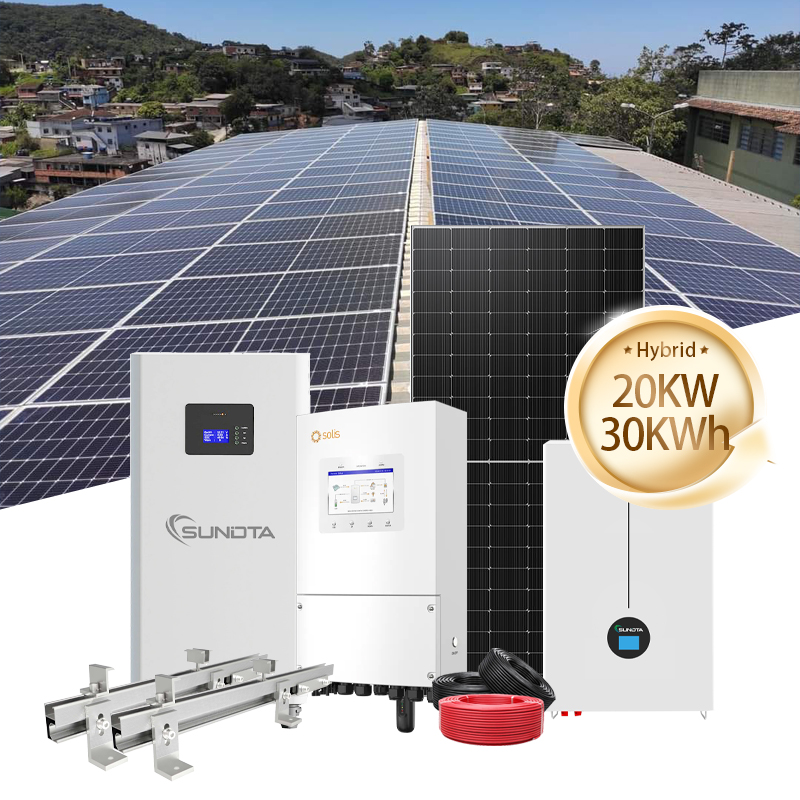
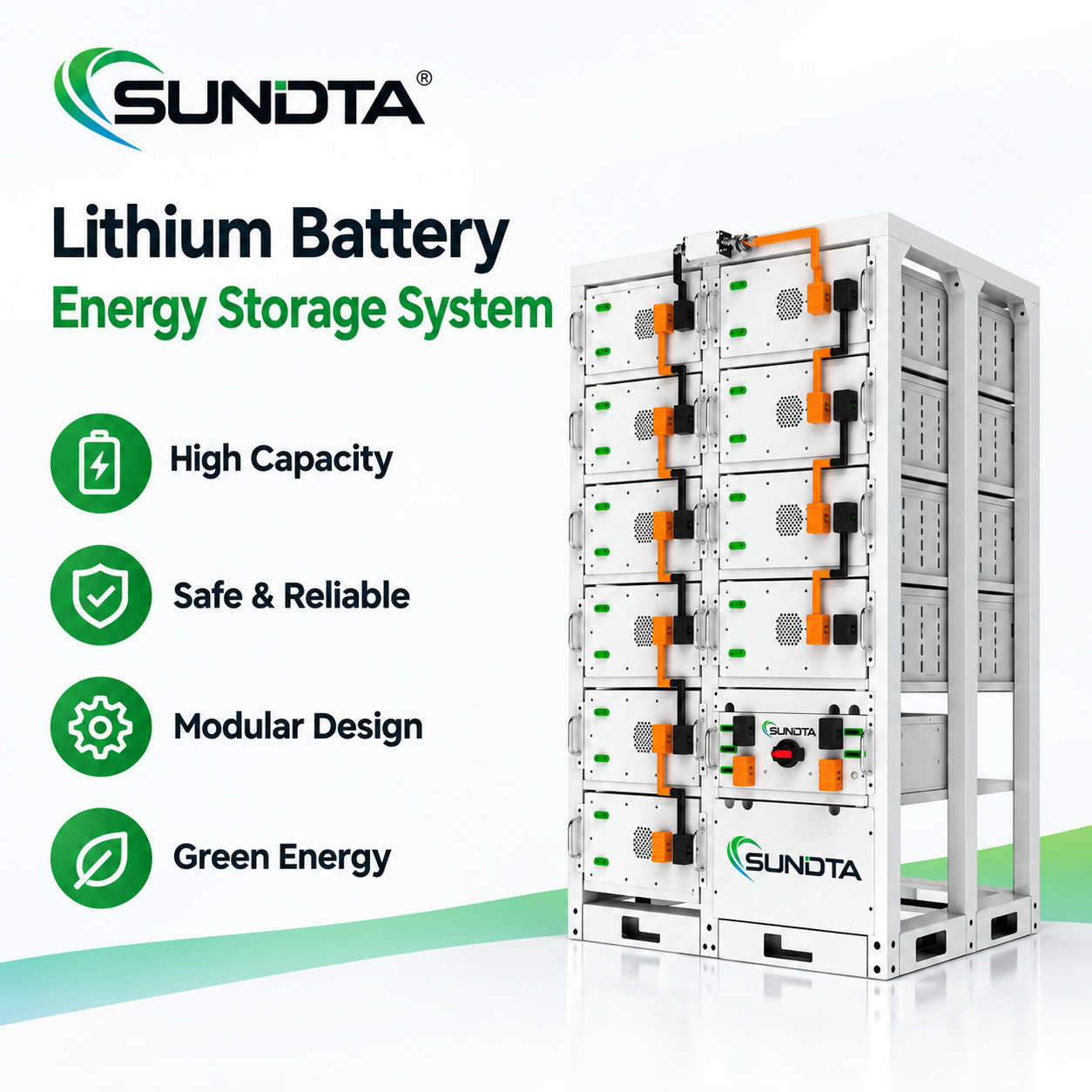
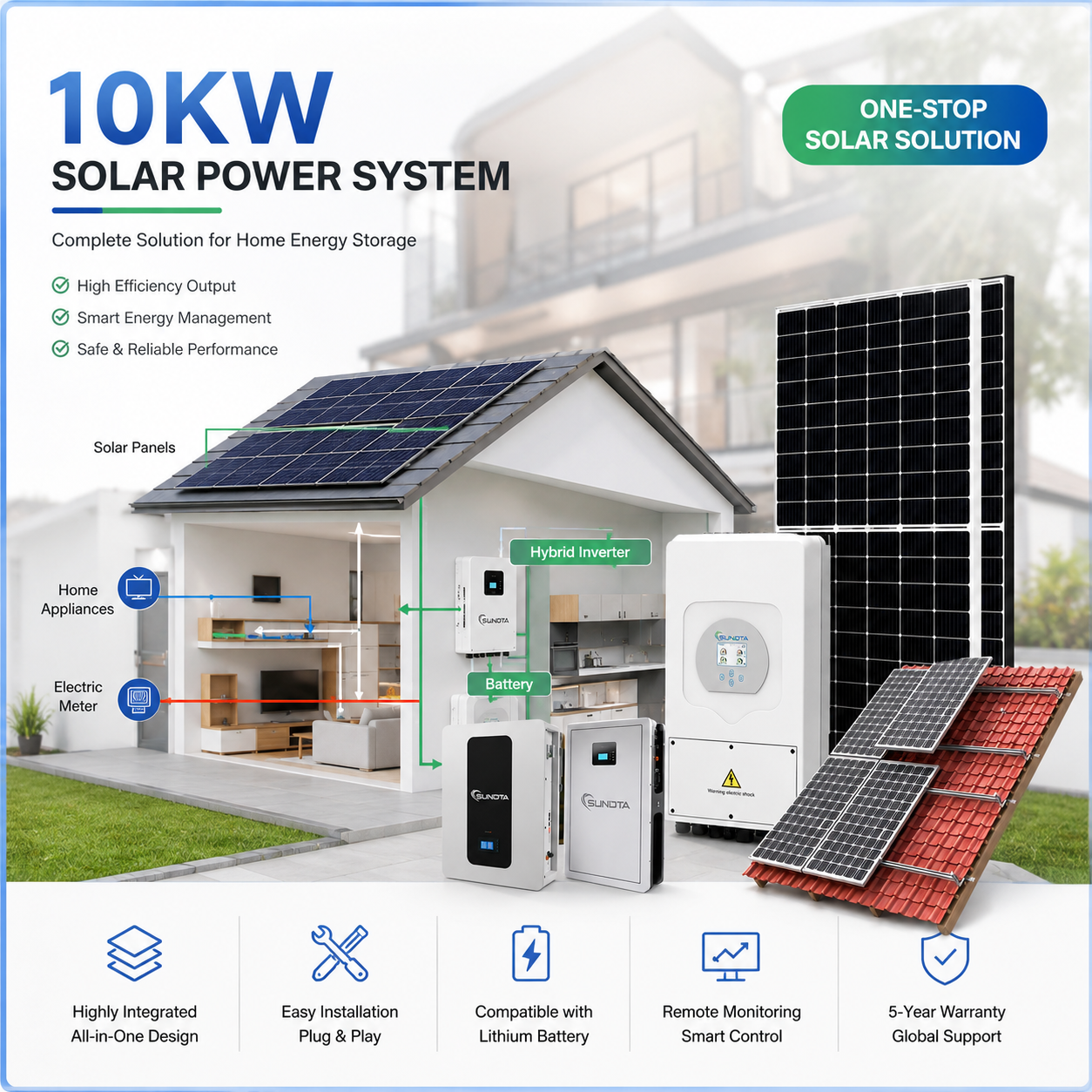
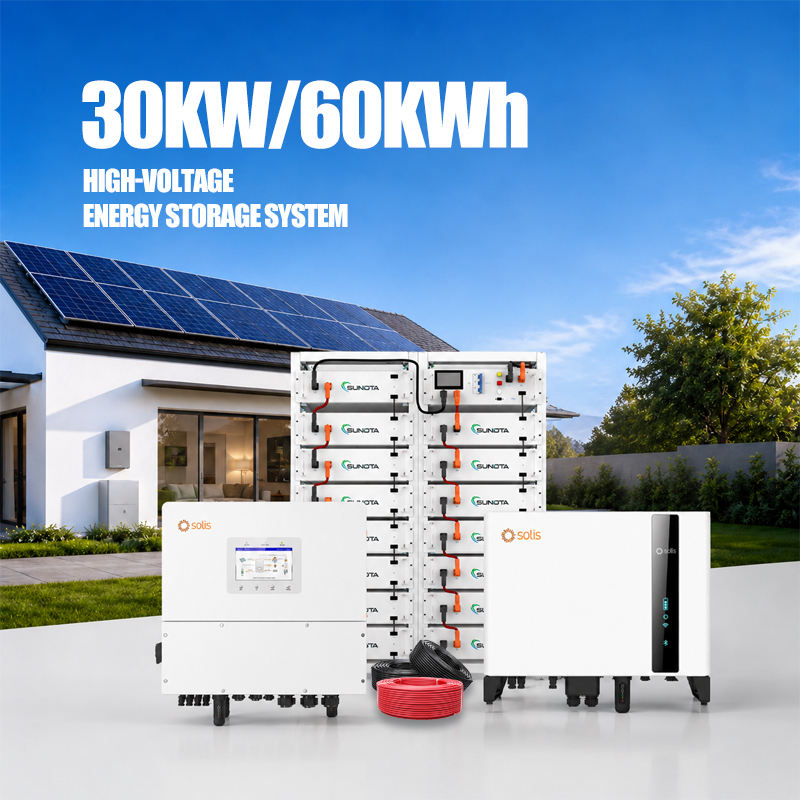
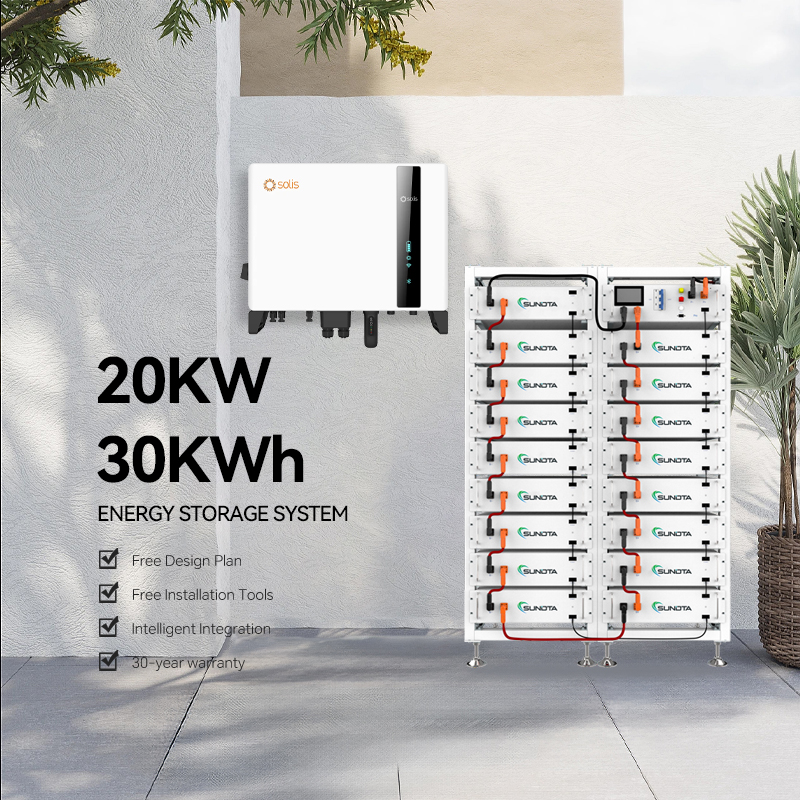
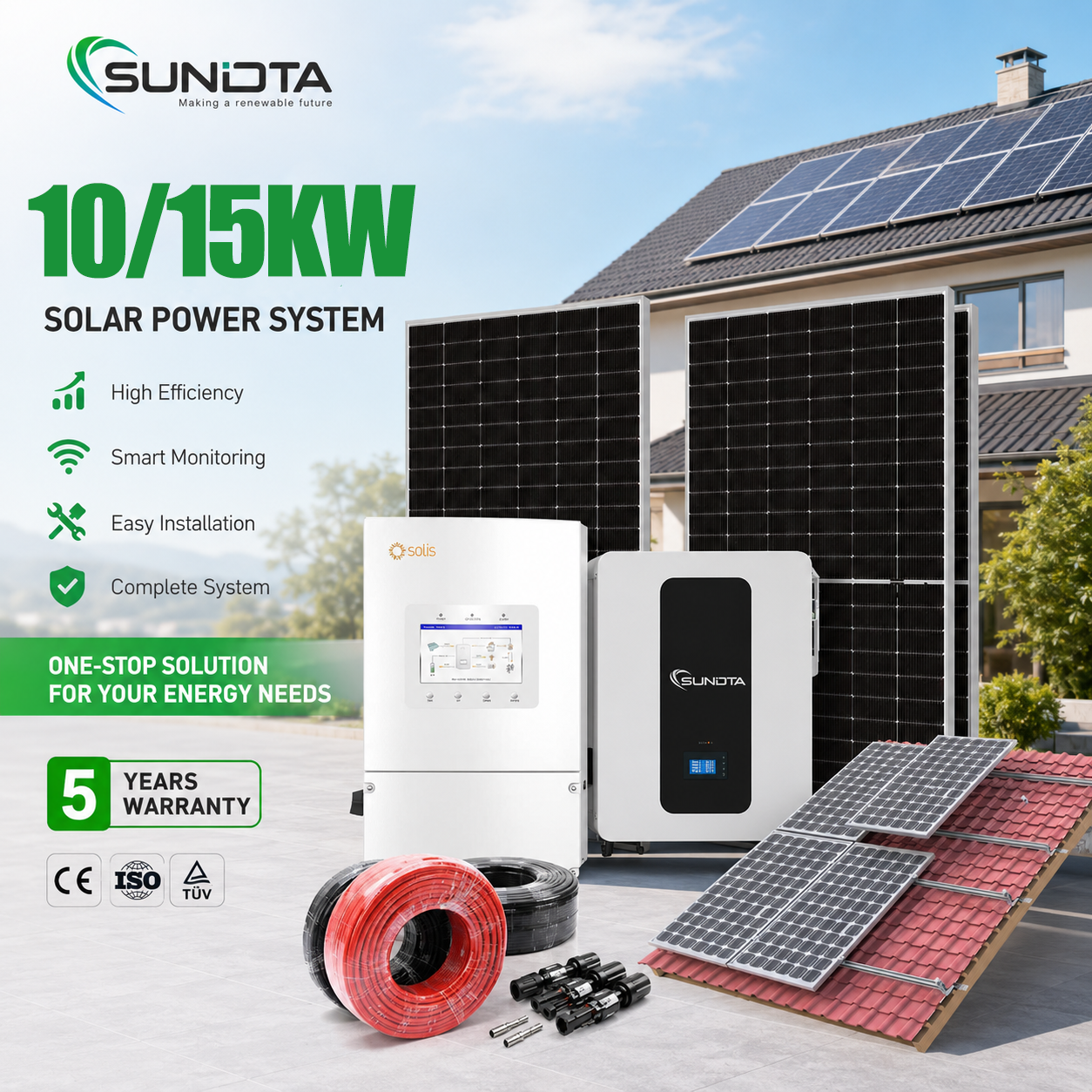
15kW-50kW High-Efficiency Hybrid Solar Power System with Smart MPPT for Whole-House Backup
Guatemala City C&I Photovoltaic Landscape: Grid Economics and Market Drivers
Guatemala City, set within the Valle de la Ermita, serves as the economic locomotive of the Northern Triangle, accounting for over 60% of Guatemala's gross domestic commercial electricity consumption. Commercial operations—spanning industrial plastic extrusion, pharmaceutical processing, cold logistics hubs in Zona 12, and massive textile facilities in Mixco and Villa Nueva—face an escalating energy tariff landscape. While the nation boasts a high percentage of renewable energy in its national wholesale market (Mercado Mayorista, operated by the AMM), retail commercial users are vulnerable to seasonal hydroelectric rate adjustments during the dry season (verano, November to April) and surging demand charges during peak evening hours (tarifa punta).
Under the regulatory authority of the Comisión Nacional de Energía Eléctrica (CNEE) and guided by the Ley General de Electricidad (Decree 93-96), commercial consumers are actively deploying Behind-the-Meter (BTM) distributed generation (Autoproductores con Excedentes) and self-consumption microgrids. By integrating high-yield photovoltaic arrays coupled with hybrid storage, Guatemalan enterprises reduce exposure to indexed distribution tariffs, stabilize operating margins, and insulate continuous-process operations against momentary voltage sags and localized distribution faults common across Central American transmission lines.
Tariff Peak Mitigation
EEGSA industrial tariffs impose heavy financial penalties during peak demand intervals. RJV hybrid storage configurations allow enterprises to discharge stored energy between 18:00 and 22:00, systematically shaving maximum kVA billing markers.
Microgrid Independence
RJV power conversion topologies switch seamlessly (under 10ms transfer speeds) into islanding mode during utility blackouts, providing continuous three-phase power without tripping precision CNC, automated bottling, or cold chain compressors.
Fiscal Incentive Compliance
Decree 52-2003 (Ley de Incentivos para el Desarrollo de Proyectos de Energía Renovable) grants exemption from customs duties (DAI) and VAT (IVA) on certified solar imports. RJV provides all requisite manufacturing certificates to streamline fiscal relief.
Altitude, Volcanic Ash & Seismic Engineering: Technical Criteria for Guatemala City
Standard photovoltaic equipment manufactured without rigorous environmental tailoring faces accelerated degradation when installed in the volcanic, high-altitude terrain of Guatemala City (approximately 1,500 meters above sea level). Solar engineering procurement and construction (EPC) contractors operating within the Department of Guatemala must account for specific physical parameters to avoid premature component failure:
| Environmental Challenge | Impact on Conventional Systems | Anhui RJV Engineered Countermeasures |
|---|---|---|
| High Altitude (1,500m ASL) | Thinner air leads to reduced thermal dissipation; risk of dielectric breakdown and inverter voltage derating. | Inverter selections with widened internal clearances, upgraded 1.2kV IGBTs, and oversized heat exchangers rated up to 3,000m operation without thermal throttling. |
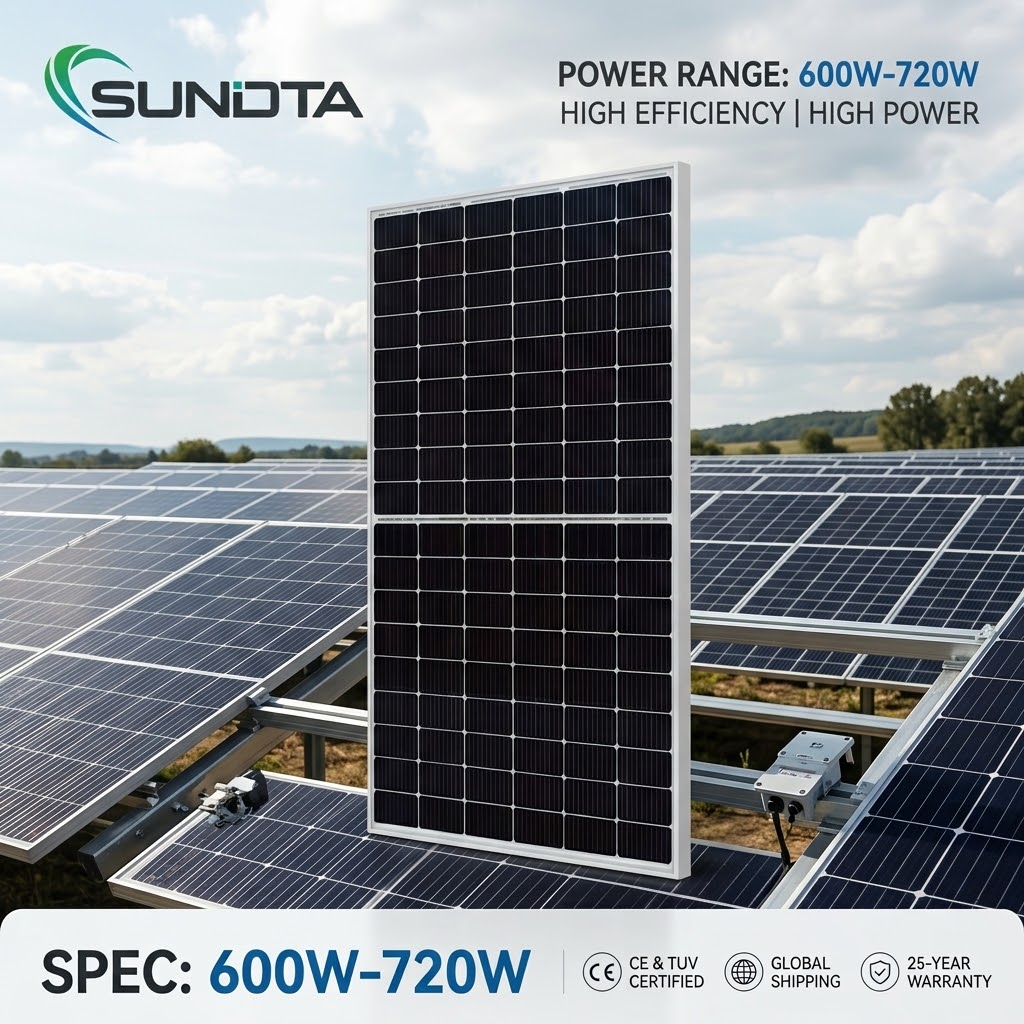
| Pacaya Volcanic Ash Deposition | Abrasive, acidic silica particles cause glass micro-scratching, severe hot-spotting, and module junction seal corrosion. | Anti-soiling, hydrophilic 3.2mm tempered dual-glass module surfaces with chemically passivated IP68 junction boxes and multi-busbar (MBB) cell architecture preventing localized thermal hotspots. |
| High UV Index (11+ Year-Round) | Accelerated Potential Induced Degradation (PID) and yellowing/embrittlement of standard EVA backsheet polymers. | Advanced POE/EPE encapsulation layers combined with N-Type TOPCon tunnel oxide layers, guaranteeing less than 1.0% first-year degradation and 0.4% annual attenuation across 30 years. |
| Seismic Zone 4 Requirements | Torsional frame stress, micro-cracking in crystalline wafers during low-magnitude tectonic movements. | Anodized 35mm-40mm 6005-T6 aluminum alloy frames with reinforced internal ribs, tested against extreme mechanical stress (5,400 Pa snow / 2,400 Pa wind / seismic oscillation loads). |
| Complex 3-Phase Voltage Regimes | Guatemala uses a mix of 240V Delta high-leg, 208V Wye, and 480V industrial supplies, causing standard European inverters to trip. | Native multi-voltage firmware configurations supporting Deye and Solis hybrid systems configurable for split-phase, 208V/240V/480V industrial grid topologies without requiring external step-up transformers. |
Localized Application Scenarios Across Guatemala's Industrial Centers
Anhui RJV New Energy engineers custom bills of materials (BOMs) tailored to distinct commercial typologies throughout the metropolitan ring and major economic gateways:
Manufacturing & Free Zones (Mixco, Villa Nueva & Amatitlán)
In the dense manufacturing corridors of Mixco and Villa Nueva, production lines run continuous two- or three-shift cycles. Roof installations using RJV 550W–595W Bifacial dual-glass modules coupled with Deye 50kW 3-phase hybrid inverters optimize rooftop surface density. These installations integrate directly with existing MTU or Caterpillar backup diesel generators, orchestrating zero-export dynamic throttling to eliminate fuel burn during sunny daylight shifts while ensuring that reverse current never damages generator alternator coils.
Commercial Cold Storage & Food Logistics (Zona 11 & Zona 12)
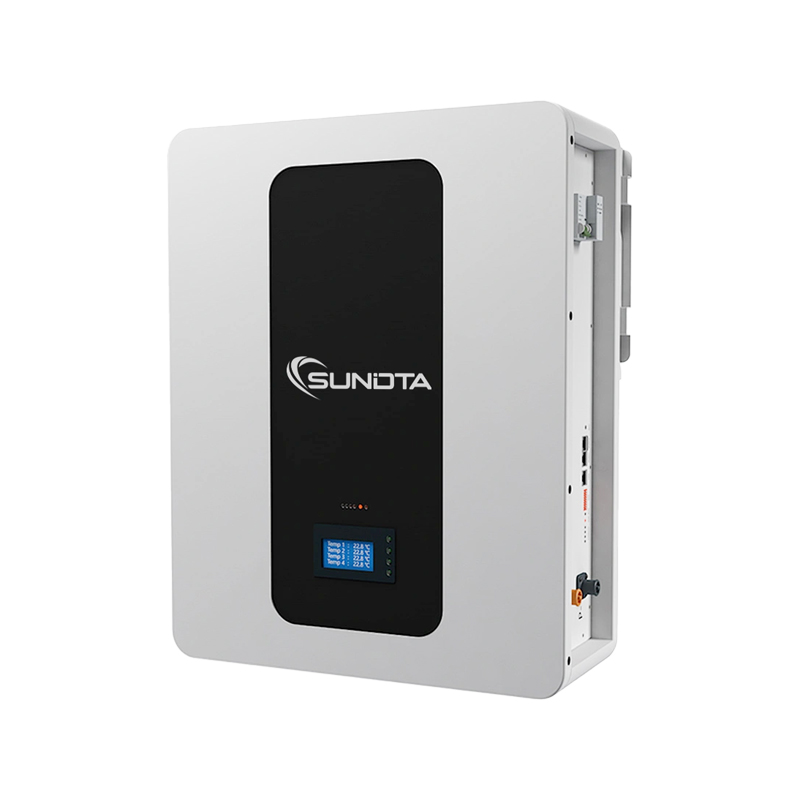
Temperature-controlled meat, produce, and pharmaceutical distribution centers in Guatemala City require non-negotiable cooling uptime. Industrial refrigeration creates heavy inductive compressor inrush currents. RJV deploys 51.2V and high-voltage stackable LiFePO4 battery banks (scalable up to 100kWh–500kWh) with smart BMS communication. The system supplies 200% surge overload capacity for 10 seconds, absorbing chiller startup surges without triggering grid demand penalties.
Retail Supermarkets, Shopping Malls & Commercial Plazas
High daytime customer traffic drives heavy HVAC lighting and refrigeration consumption in commercial retail centers across Carretera a El Salvador and Zona 10. RJV all-black and high-efficiency N-Type TOPCon panels provide high specific yield under diffuse morning cloud cover, delivering high energy yield per square meter on architectural standing seam metal and deck roofs.
Agro-Processing & Coffee Wet Mills (Sacatepéquez / Escuintla Belt)
Located just outside Guatemala City along the volcanic slopes, major coffee, macadamia, and sugar processing facilities suffer from frequent line end-of-feeder voltage drops during peak harvest processing seasons. RJV containerized BESS units (1MWh to 2MWh) act as virtual transmission buffers, providing dynamic reactive power support (VAR control), frequency regulation, and complete independence from erratic rural feeders.
Technical Comparison: Module & Storage Topologies for Latin American EPCs
Selecting the correct semiconductor and cell chemistry is critical for long-term project IRR. The table below details RJV's core offerings against operational parameters in Central American climates:
| Performance Specification | N-Type TOPCon (RJV Sundta Series) | Bifacial Half-Cut PERC Series | Containerized LiFePO4 BESS |
|---|---|---|---|
| Rated Power Density | 460W - 595W | 500W - 595W | 500 kWh - 2.0 MWh per 20ft/40ft ISO |
| Module/Cell Efficiency | Up to 23.03% | 21.3% - 21.8% | System Round-Trip Efficiency > 90% |
| Temperature Coefficient (Pmax) | -0.30% / °C (Superior high heat yield) | -0.35% / °C | Integrated HVAC liquid-cooling (-20°C to 55°C) |
| Bifaciality Factor | 80% ± 5% (Albedo yield bonus) | 70% ± 5% | N/A (Stationary Storage) |
| Communications Interface | MC4-EVO2 compatible / Smart PV rapid shutdown | Standard MC4 / IP68 connectors | CAN, RS485, Modbus TCP to SCADA / AMM grid |
| Compliance & Certifications | IEC 61215, IEC 61730, CE, TÜV Rheinland | IEC 61215, IEC 61730, CE, ISO 9001 | UN38.3, UL 1973, UL 9540A, CE |
Enterprise Strengths: Why EPCs & Developers Choose Anhui RJV New Energy
Sourcing commercial photovoltaic equipment from China involves managing counterparty risk, warranty integrity, logistics coordination, and balance-of-system electrical compatibility. Anhui RJV New Energy Co., Ltd. (headquartered in the high-tech solar manufacturing hub of Hefei, Anhui) eliminates friction across the procurement chain:
TÜV Rheinland Assessed Manufacturing
Our fully automated module assembly and lithium battery pack production plants are verified on-site by TÜV Rheinland. Every solar container shipped includes EL test inspection records and module flash test data.
Direct Shipping to Puerto Quetzal & Santo Tomás
We manage end-to-end maritime logistics under FOB, CFR, and CIF terms. Cargo departs directly from Ningbo or Shanghai to Puerto Quetzal (Pacific Coast, optimal for Guatemala City transit) or Puerto Santo Tomás de Castilla (Atlantic), ensuring rapid transit.
Coordinated Turnkey BOM Integration
Procuring panels from one vendor, inverters from another, and batteries from a third often creates communication protocol errors on site. RJV ships factory-matched packages with pre-integrated CAN/RS485 closed-loop BMS communication.
B2B Procurement & Engineering FAQ for Guatemala City Importers
How do RJV solar panels and inverters comply with CNEE and EEGSA grid interconnection norms?
What maritime freight routes and customs documentation are utilized for deliveries to Guatemala?
Can RJV inverters support non-standard industrial voltage regimes like 240V 3-phase Delta?
How are warranty claims, spare parts, and commissioning assistance handled remotely?
What is the minimum order quantity (MOQ) and customization scope for private branding?
Request an Engineering Design & FOB/CIF Tariff Quote
Plan your next C&I solar deployment with Anhui RJV New Energy. Submit your single-line diagram (SLD), site elevation, or containerized capacity requirement, and our bilingual technical sales engineers will deliver a comprehensive proposal within 24 business hours.