Commercial & Industrial Solar Systems Serving San Pedro Sula
Tested for extreme tropical humidity, high ambient operating temperatures, and seamless grid-islanding compatibility with ENEE infrastructure.
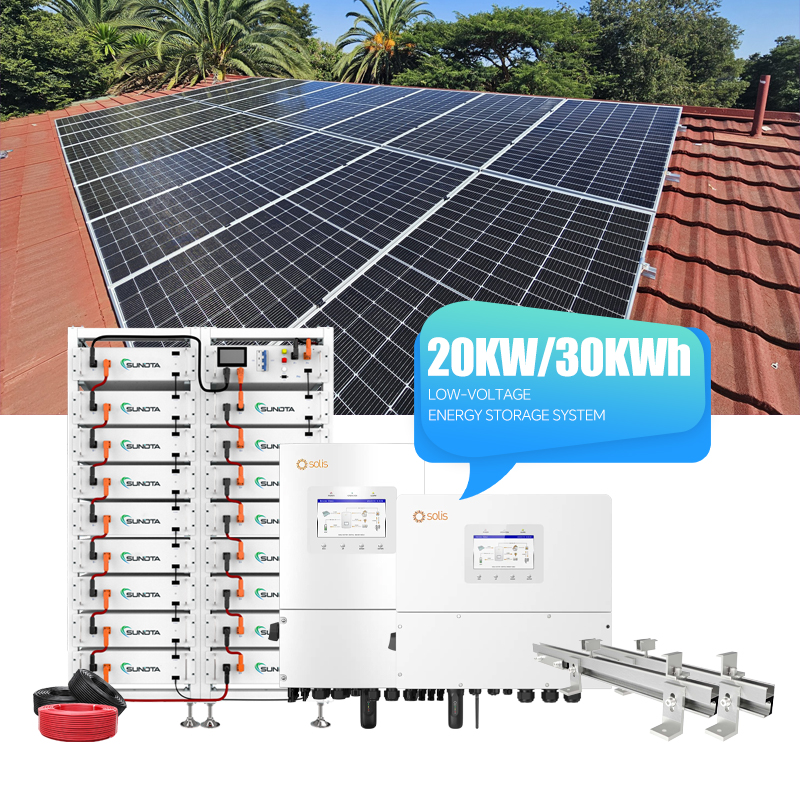
- High-efficiency multi-MPPT tracking architecture
- Configurable 20kW to 35kW continuous loads
- Integrated LiFePO4 battery storage bank
- Auto-generator sync interface for ENEE blackouts
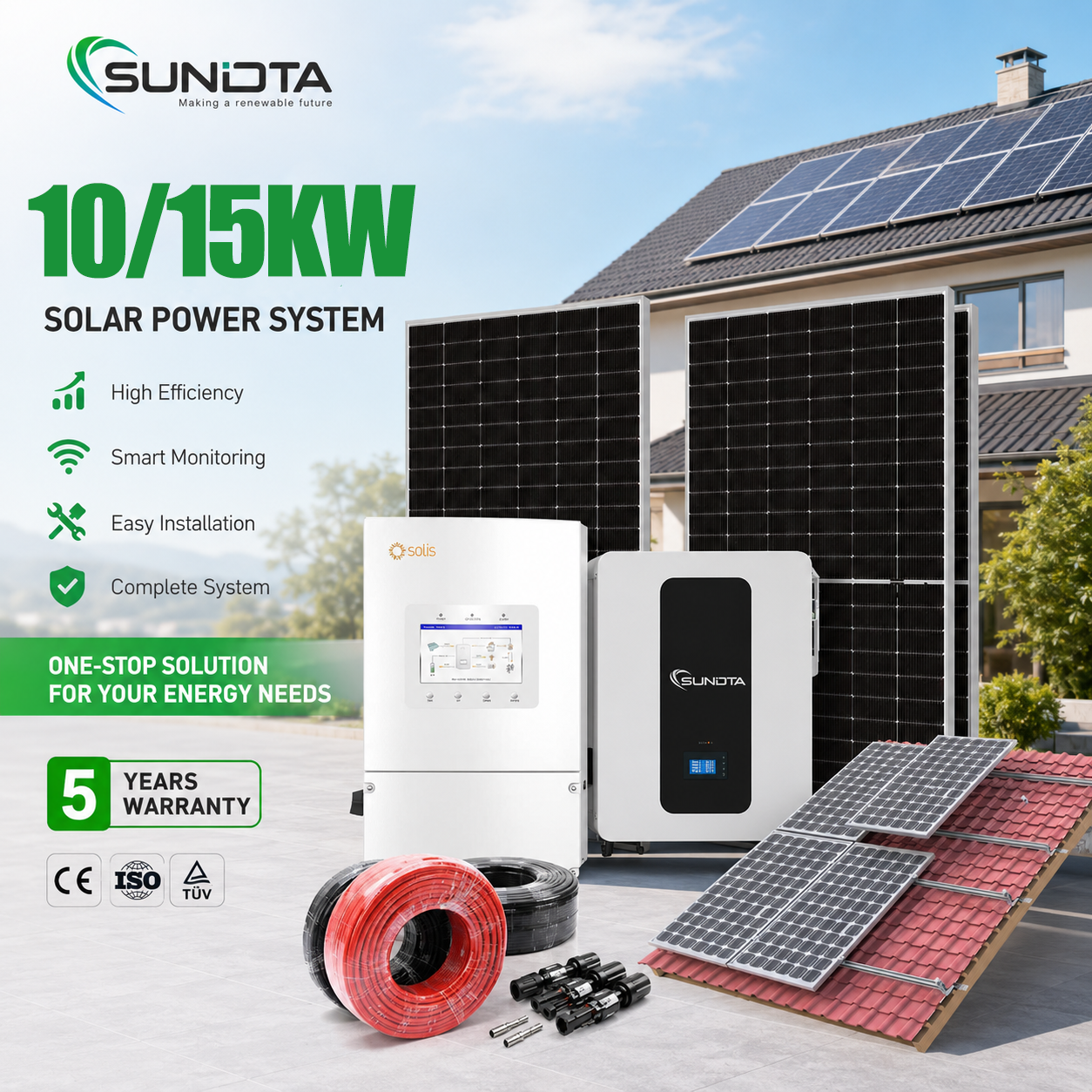
- Factory customized mono-crystalline array layout
- 8kW / 10kW / 15kW flexible hybrid switching
- Tier-1 Grade-A LiFePO4 modular rack pack
- Zero-export control for local net-metering laws
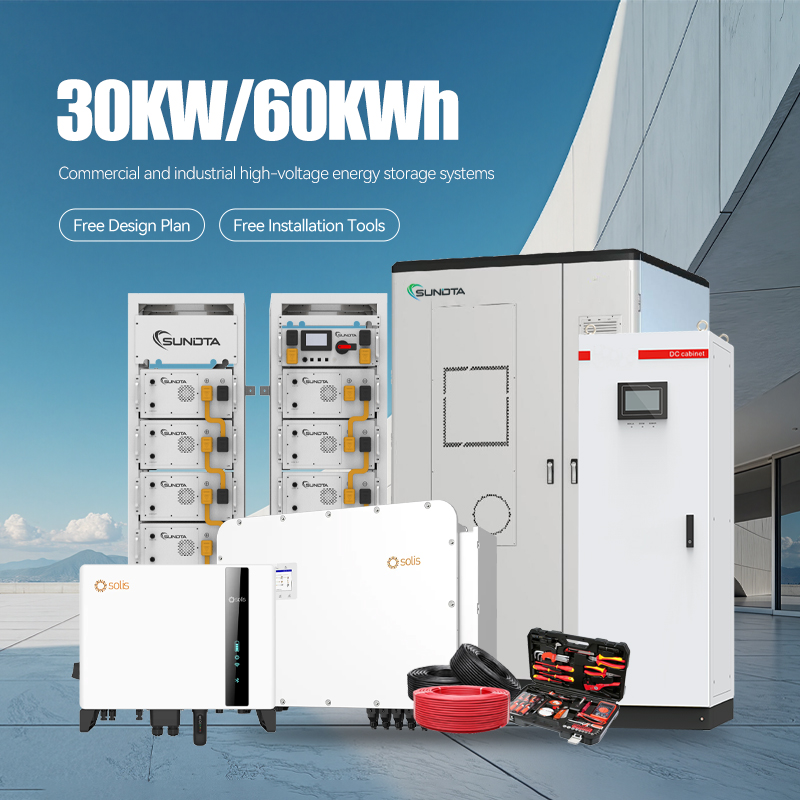
- Next-gen 314Ah deep-cycle prismatic chemistry
- 51.2V stable bus bar for commercial distribution
- Integrated smart thermal monitoring & aerosol safety
- Over 6,000 cycles at 80% DoD rating
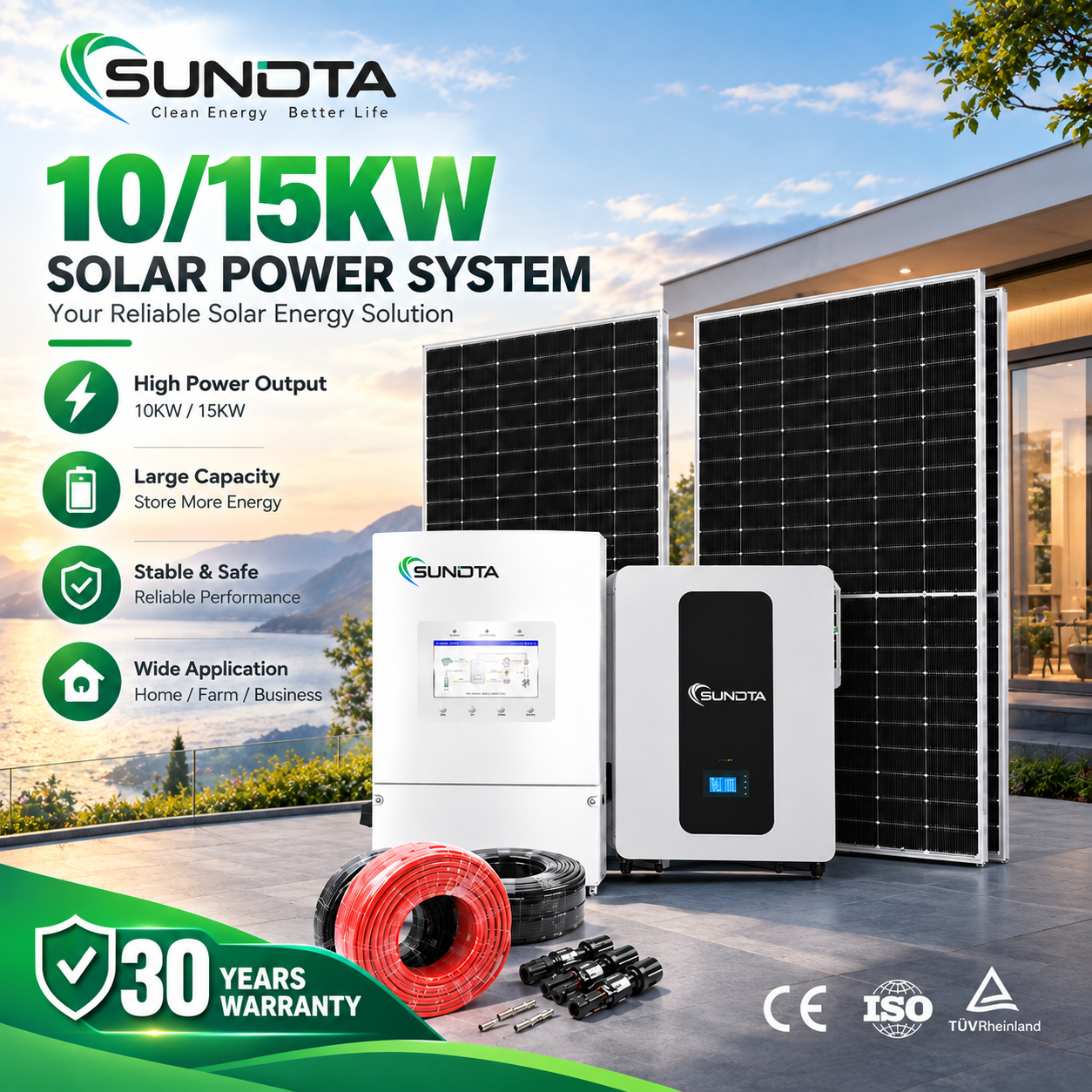
- Up to 23.1% aperture conversion efficiency
- Bifacial rear-gain up to +25% on white TPO roofs
- Ultra-low temperature coefficient (-0.30%/°C)
- PID/LID resistant design for Sula Valley heat
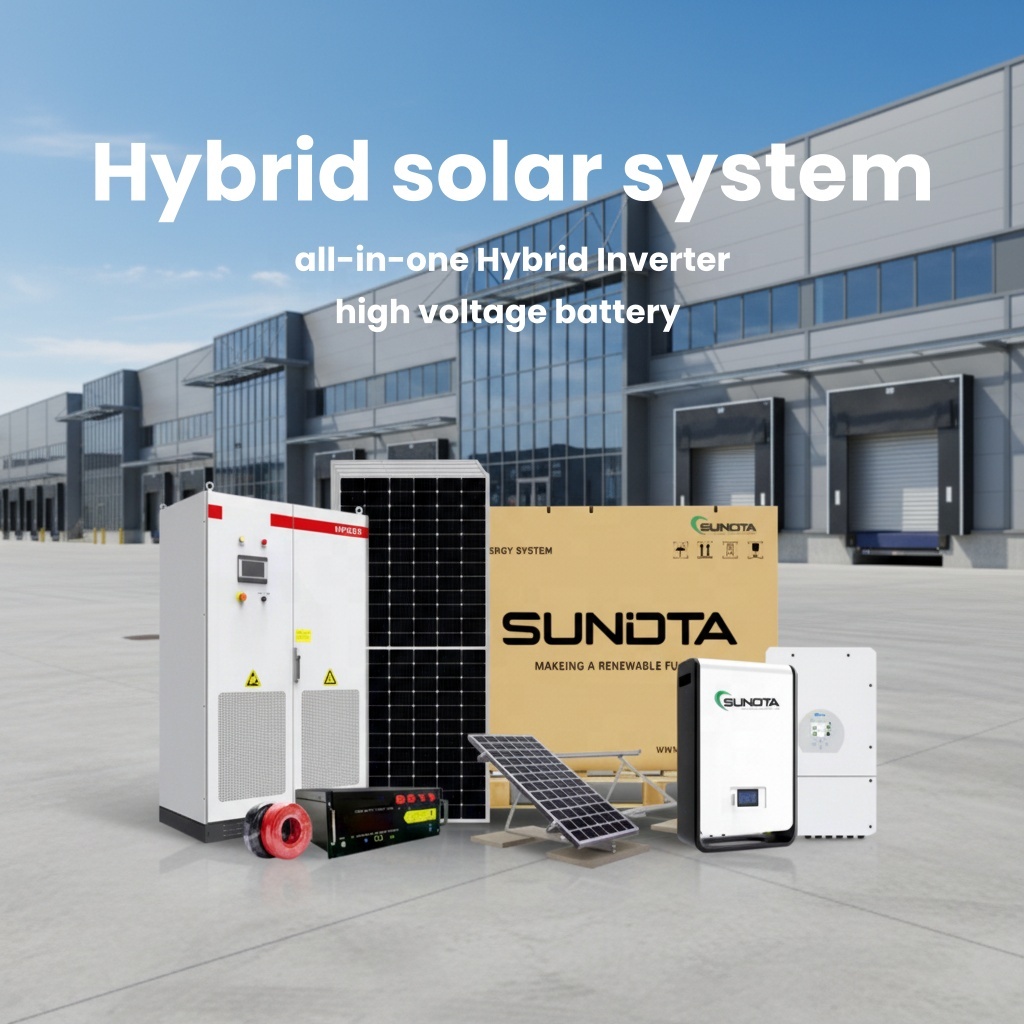
- Scalable 100kW, 200kW, to 500kW configurations
- NEMA 3R / IP55 rated liquid-cooled enclosure
- Peak shaving, dynamic tariff arbitrage & microgrid
- Built-in EMS, HVAC chiller & FM200 fire suppression
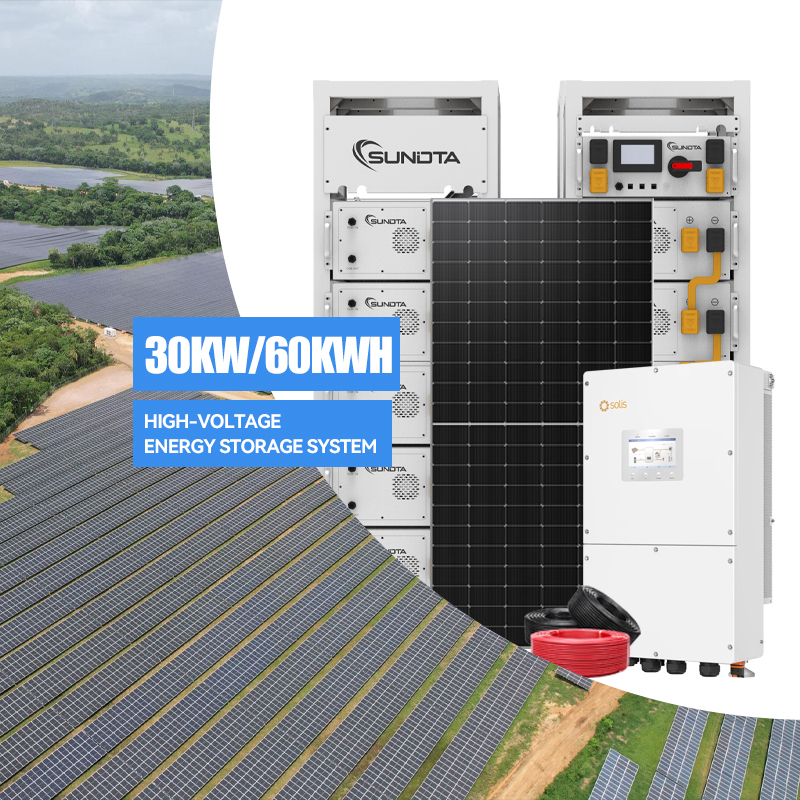
- European CE compliance & certified UL1741 safety
- Unbalanced three-phase load support up to 100%
- Instantaneous 4ms UPS transfer prevents downtime
- Parallel stackable up to 16 units for C&I sizing
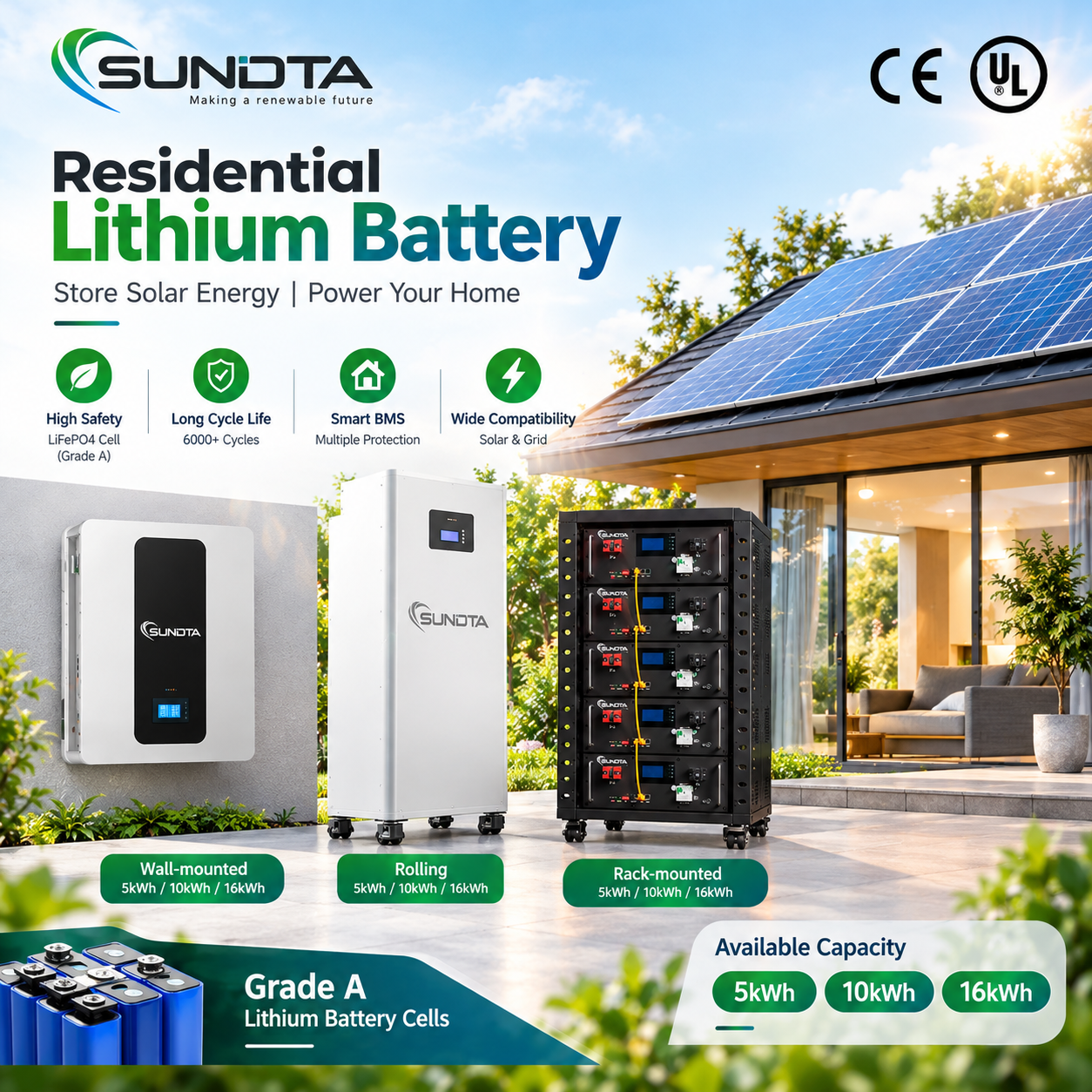
- Vertical modular stacking without messy cables
- Capacity expandable from 10kWh to 30kWh per stack
- Direct CANbus / RS485 communication with Solis & Deye
- Engineered for rapid field commissioning in Cortés
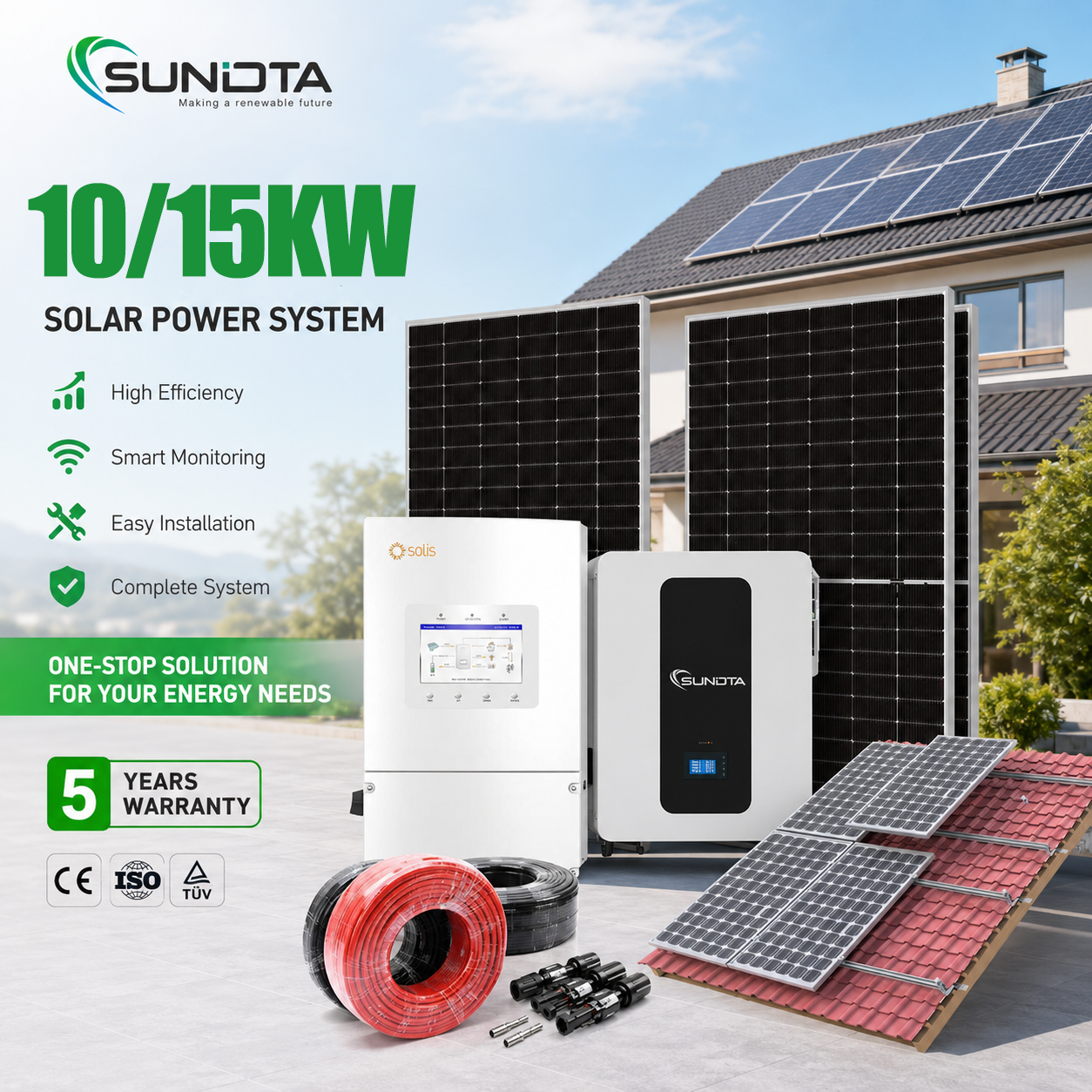
- 120V/240V split-phase for standard Latin American grids
- Integrated 15kW dual MPPT inverter module
- Closed-loop battery telemetry with cloud diagnostics
- IP65 outdoor rating with anti-corrosion coating
Engineered for San Pedro Sula's Industrial & Climatic Demands
San Pedro Sula serves as the undisputed economic engine of Honduras, housing over 60% of the country's manufacturing output. Operating here requires power solutions tailored to high ambient heat, intermittent grid voltage, and demanding manufacturing shifts.
Maquiladora & Textile Mills (ZIP San José & Choloma)
Textile mills run high-inertia circular knitting and yarn dyeing machinery that cannot afford millisecond micro-outages. Our 100kW–500kW hybrid ESS systems provide zero-latency UPS transfer (under 4ms), shielding sensitive automated PLC boards while offsetting staggering daytime electricity tariffs.
Cold Storage & Food Processing Corridors
Agricultural processing plants and refrigerated distribution facilities throughout Bulevar del Sur maintain massive compressor loads. RJV bifacial N-Type PV arrays combined with thermal-regulated LiFePO4 batteries shave peak demand tariffs during the hottest midday hours when cooling energy demands spike.
Puerto Cortés Logistics & Freight Terminals
Located just 55 km from San Pedro Sula, the coastal freight corridor demands C5-M marine-grade anti-corrosive module frames and sealed outdoor inverter cabinets. RJV's double-glass bifacial panels resist severe saline moisture, persistent sulfur, and coastal humidity without EVA yellowing or delamination.
Commercial Plazas & Corporate Headquarters
Commercial shopping centers, financial institutions, and medical plazas along Avenida Circunvalación benefit from rooftop all-black or split-cell modules. These systems drastically reduce operational expenditure while projecting clean energy sustainability to Honduran consumers.
Heavy Plastics & Metal Stamping Plants
Sudden inductive motor start-ups frequently trigger utility peak-power penalties from ENEE. RJV high-discharge LiFePO4 energy storage cabinets act as instantaneous power buffers, absorbing inductive surge currents and eliminating punitive demand-charge spikes.
San Pedro Sula Solar Market Trends & Economic Drivers
Understanding the interplay between Empresa Nacional de Energía Eléctrica (ENEE) tariffs, climate patterns, and nearshoring investments in Cortés.
San Pedro Sula, widely recognized as the industrial capital of Honduras, faces unique energy challenges that make commercial solar systems an urgent operational imperative rather than an optional green initiative. With annual solar horizontal irradiance (GHI) ranging between 5.4 to 6.2 kWh/m²/day across the Sula Valley, the solar yield potential is among the highest in Central America. However, commercial operations are constrained by escalating utility rates and grid reliability concerns.
Grid Tariff Realities: Industrial and commercial electricity tariffs under ENEE schedules frequently surpass $0.22 to $0.28 per kWh, inclusive of transmission fees, fuel adjustment surcharges, and peak demand penalties. Solar plus battery energy storage (BESS) routinely yields an un-subsidized internal rate of return (IRR) exceeding 26%, shortening payback cycles to 3.2 – 4.5 years.
Key Market Dynamics Driving Solar Adoption in Cortés:
1. The Nearshoring Acceleration in the Sula Valley
Multinational apparel brands, electronic assemblers, and auto-harness manufacturers are rapidly expanding operations in industrial free zones (Zonas Industriales de Procesamiento - ZIP) across San Pedro Sula, Choloma, and Villanueva. International corporate buyers now mandate strict ESG adherence and verified decarbonization metrics. Implementing rooftop photovoltaic arrays and factory-direct battery storage allows local manufacturers to maintain export competitiveness under CAFTA-DR trade standards.
2. Grid Vulnerability and ENEE Load Shedding Mitigation
The transmission ring around the Cortés Department suffers from thermal overload, particularly during dry seasons when hydroelectric output dwindles. Scheduled rationing and unannounced blackouts force industrial factories to run expensive diesel gensets at operational costs exceeding $0.45/kWh. Modern hybrid solar systems with integrated dry-contact genset management automatically regulate solar generation, battery discharge, and generator starts, reducing fuel consumption by up to 75%.
3. Technical Evolution: N-Type TOPCon vs. Tropical Thermal Degradation
The Sula Valley experiences daytime ambient temperatures regularly exceeding 38°C with relative humidity over 85%. Standard P-Type PERC solar panels suffer severe degradation and reduced generation output due to high thermal coefficients (-0.38%/°C). By contrast, RJV's N-Type TOPCon bifacial modules exhibit an industry-leading temperature coefficient of just -0.30%/°C and near-zero Light Induced Degradation (LID), delivering up to 11.8% higher lifetime kilowatt-hour yields across Honduran operating conditions.
| Feature / Specification | Legacy P-Type Mono PERC | RJV N-Type TOPCon 595W Bifacial | Direct Benefit for San Pedro Sula Plants |
|---|---|---|---|
| Temperature Coefficient (Pmax) | -0.37% to -0.39% / °C | -0.30% / °C | Significantly higher output during blistering Sula midday heat. |
| Bifaciality Factor | 70% ± 5% | 80% ± 5% | Additional 10–25% gain from reflective factory roof membranes. |
| First Year Degradation | < 2.0% | < 1.0% | Immune to Boron-Oxygen defect Light Induced Degradation (LID). |
| Annual Linear Degradation | 0.55% / year | 0.40% / year | Guaranteed 87.4% power retention after 30 years of operation. |
| Micro-Cracking & Hot Spot Immunity | Standard multi-busbar | 16BB High-Density Interconnect | Resists micro-fissures caused by hurricane-force tropical wind gusts. |
Enterprise Strengths & Factory Capabilities
Anhui RJV New Energy Co., Ltd. delivers direct OEM/ODM solar module and energy storage system manufacturing from our advanced automated facility in Hefei, China, with specialized engineering support for Central American B2B importers and EPC contractors.
2 GW Automated Production Depth
Our Hefei smart manufacturing campus utilizes fully automated robotic cell stringers, multi-stage electroluminescence (EL) flaw testers, and automated laminators to guarantee zero internal cell defect rates.
Unified System BOM Matching
We eliminate commissioning failures. Every hybrid inverter, LiFePO4 battery pack, and PV string configuration is pre-tested and protocol-matched via CAN/RS485 communication before container dispatch.
TÜV Rheinland Assessed & CE Certified
Our facilities undergo rigorous third-party auditing by TÜV Rheinland. RJV products hold full CE, IEC 61215, IEC 61730, and UN38.3 certifications required for seamless Honduran customs clearance.
Consolidated Puerto Cortés Logistics
We manage direct FCL (Full Container Load) ocean freight from Shanghai/Ningbo straight to Puerto Cortés, providing complete export packing lists, flash test reports, and certificate of origin documentation.
Precision Engineering from Hefei to Central America
With more than 12 years of industry-leading PV research and development, 38 registered patents, and an AAA corporate credit rating, Anhui RJV New Energy Co., Ltd. serves as the premier supply-chain backbone for commercial developers across Latin America.
Rather than dealing with fragmented suppliers for solar panels, power inverters, and battery racks, RJV delivers a cohesive, turnkey Bill of Materials (BOM). We integrate verified tier-one power electronic platforms like Deye and Solis directly with our proprietary Grade-A LiFePO4 battery management systems (BMS).
Frequently Asked Questions for San Pedro Sula Commercial Procurements
Technical, regulatory, and logistics answers for facility managers, electrical engineers, and corporate procurement directors in Honduras.