Featured Photovoltaic Systems & Energy Storage Configurations
Precision-manufactured PV modules, hybrid inverters, and lithium energy storage assemblies configured for Canadian climate reliability and grid interconnectivity.
Why Flexible Thin-Film PV Is Transforming the National Capital Region
The microclimate and architectural heritage of Ottawa and the wider Ottawa Valley present singular challenges for conventional photovoltaic arrays. With winter temperatures consistently plunging past -25°C, high wind-shear dynamics along the Ottawa River basin, and cumulative annual snowfall exceeding 220 cm, standard glass-laminated panels impose significant structural and electrical bottlenecks.
Traditional rigid silicon modules weigh approximately 18 to 24 kg/m² once mounting rails and ballast blocks are factored in. When coupled with Eastern Ontario's peak ground snow loads (often rated at 2.4 to 3.0 kPa under the Ontario Building Code), numerous commercial flat roofs, heritage sheet metal roofs in Centretown, and agricultural span structures across rural Ottawa (such as Osgoode, Kanata North, and Cumberland) fail preliminary structural engineering inspections.
Our ultra-lightweight Flexible Thin-Film Solar Modules (weighing <3.2 kg/m²) directly solve this load deficit. By utilizing advanced fluoropolymer (ETFE) surface passivation combined with high-yield CIGS/perovskite or flexible micro-crystalline silicon junctions, these modules eliminate racking, penetrations, and structural reinforcing expenses. Furthermore, flexible thin-film demonstrates an exceptionally low thermal degradation coefficient (-0.28%/°C compared to -0.36%/°C in standard P-type PERC), delivering superior diffuse-light performance throughout Ottawa's heavily overcast November-through-February solar cycle.
Engineering Specification Comparison
| Parameters | Flexible Thin-Film (RJV) | Standard Rigid Monocrystalline |
|---|---|---|
| Dead Weight | 2.8 – 3.3 kg/m² | 19.5 – 24.0 kg/m² |
| Mounting Method | Structural adhesive / Peel & Stick | Penetrating clamps & heavy rail ballast |
| Snow Shedding Angle | Continuous conformal curved adhesion | Step framed edge (causes ice damming) |
| Diffuse Light Capture | High spectral response in blue/IR band | Sharp drop in sub-400W/m² irradiances |
| Micro-crack Tolerance | Extreme resilience to mechanical flexure | High vulnerability to cell micro-fracture |
| Hail Impact Standard | Polymer layer absorbs energy (Class 4) | Tempered glass (risk of shattering) |
Why EPC Contractors & Distributors Partner with Anhui RJV
Direct OEM manufacturing tier depth combined with end-to-end electrical validation safeguards project profitability across North American cold climates.
2 GW Automated Production
Precision multi-layer lamination lines utilizing high-adhesion POE and anti-yellowing ETFE encasements. Every flexible module passes rigorous electroluminescence (EL) testing before boxing to guarantee zero cell delamination under extreme cold contraction cycles.
Full PV Bill of Materials (BOM)
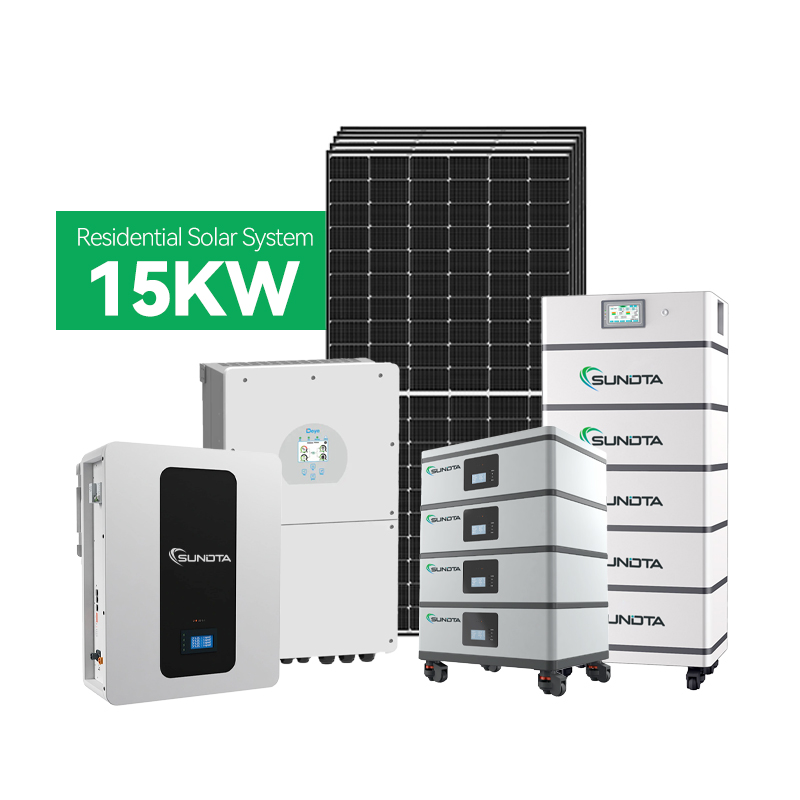
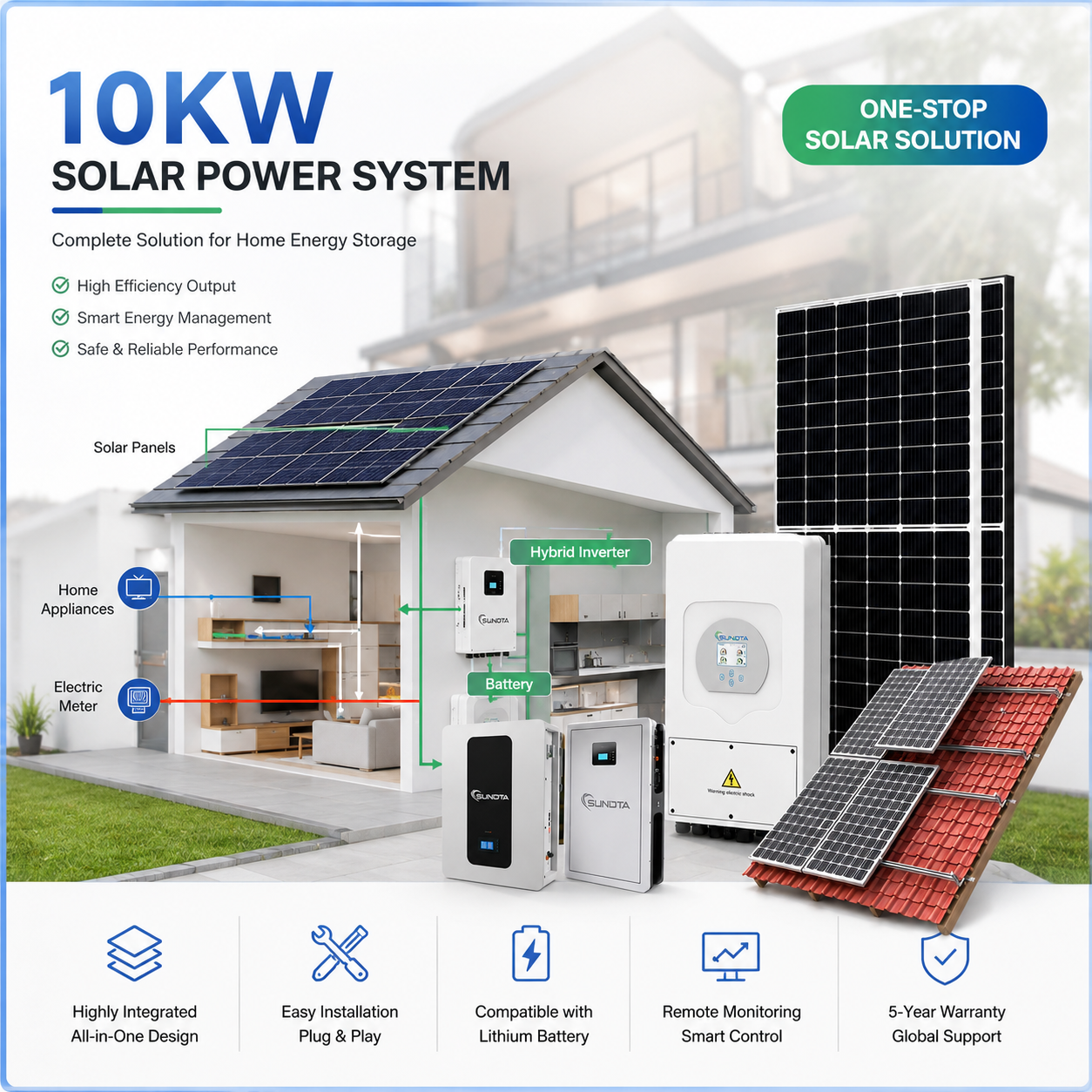
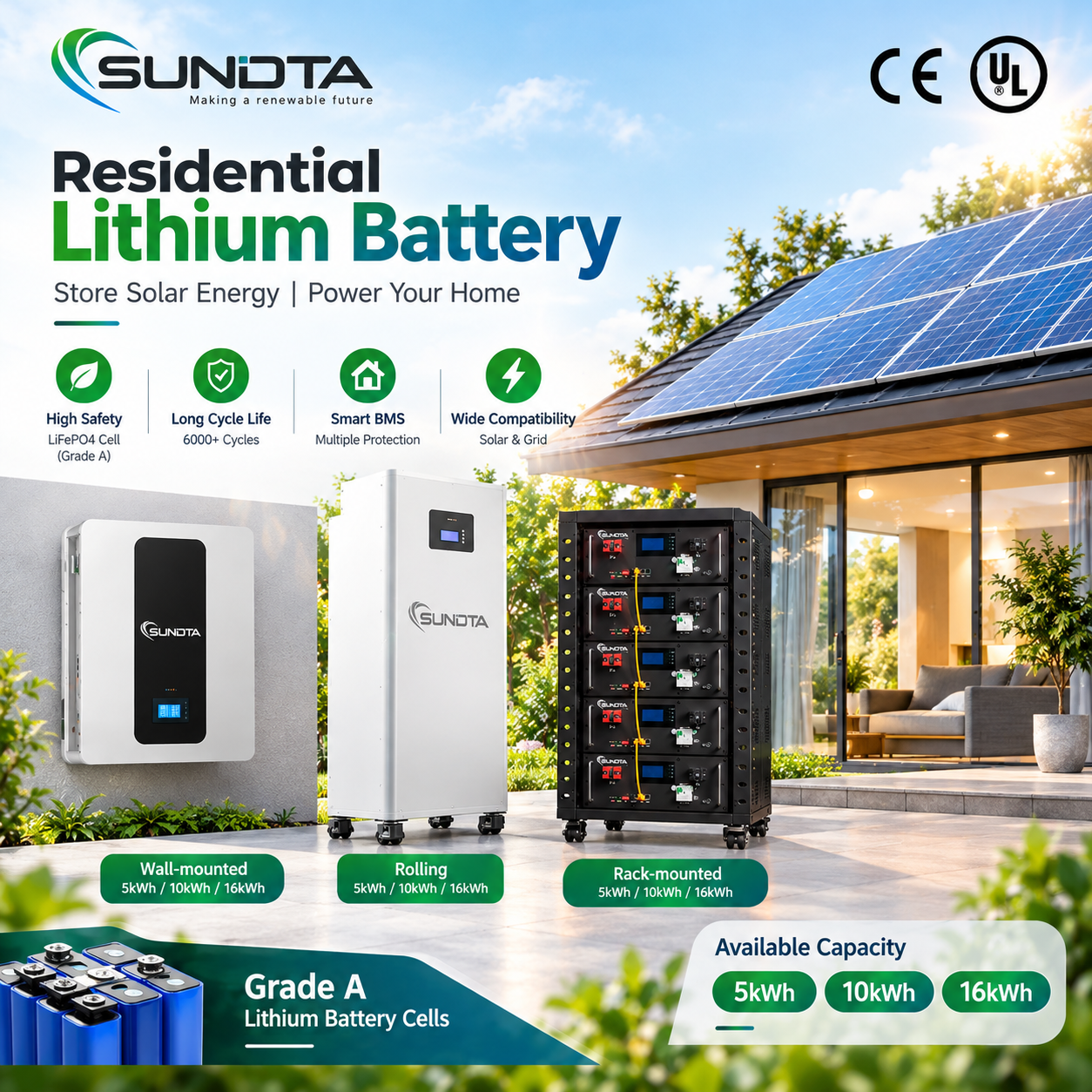
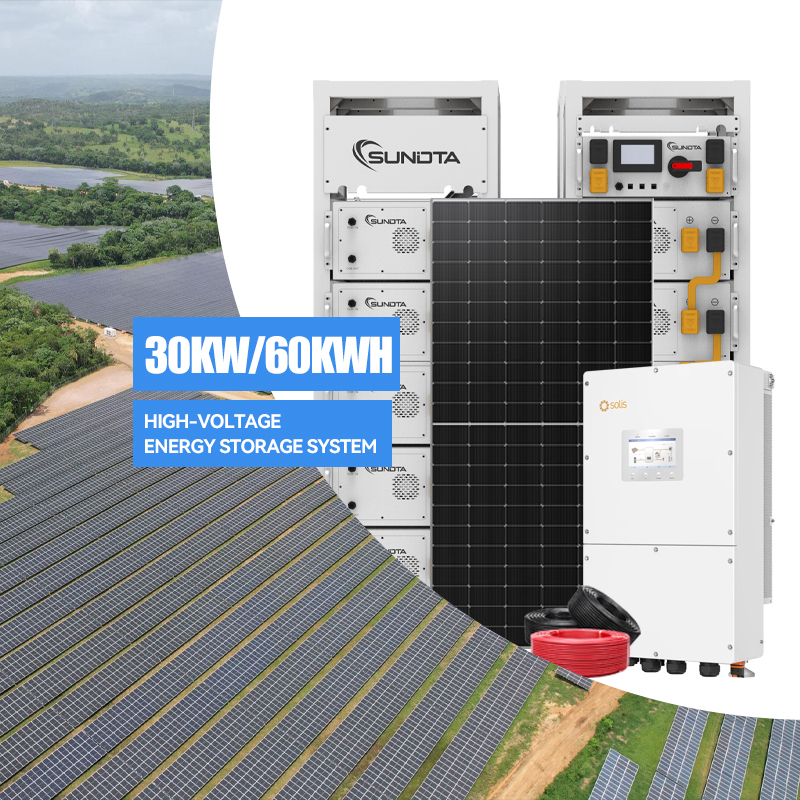
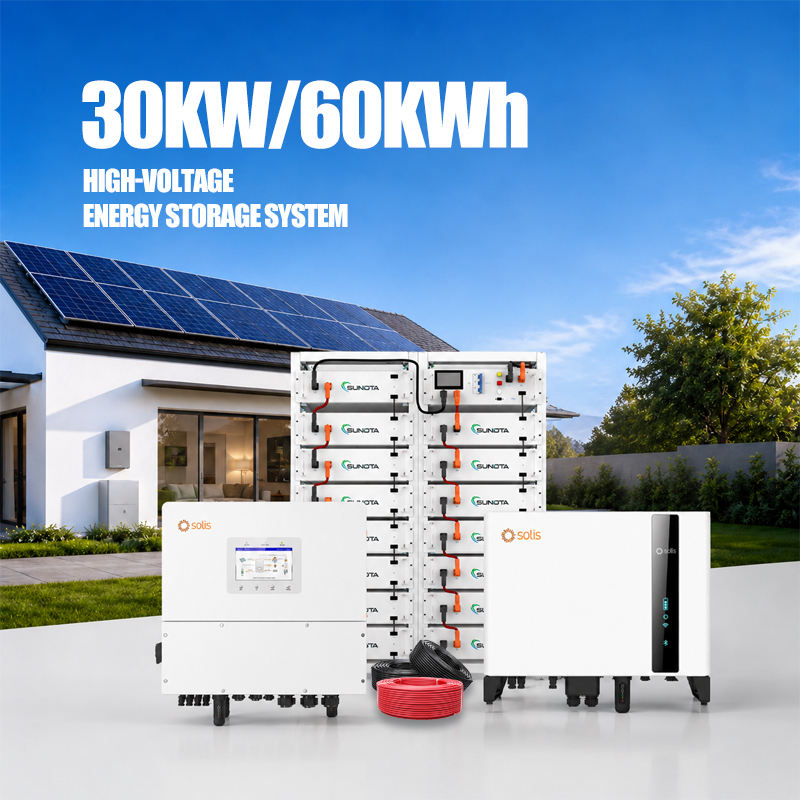
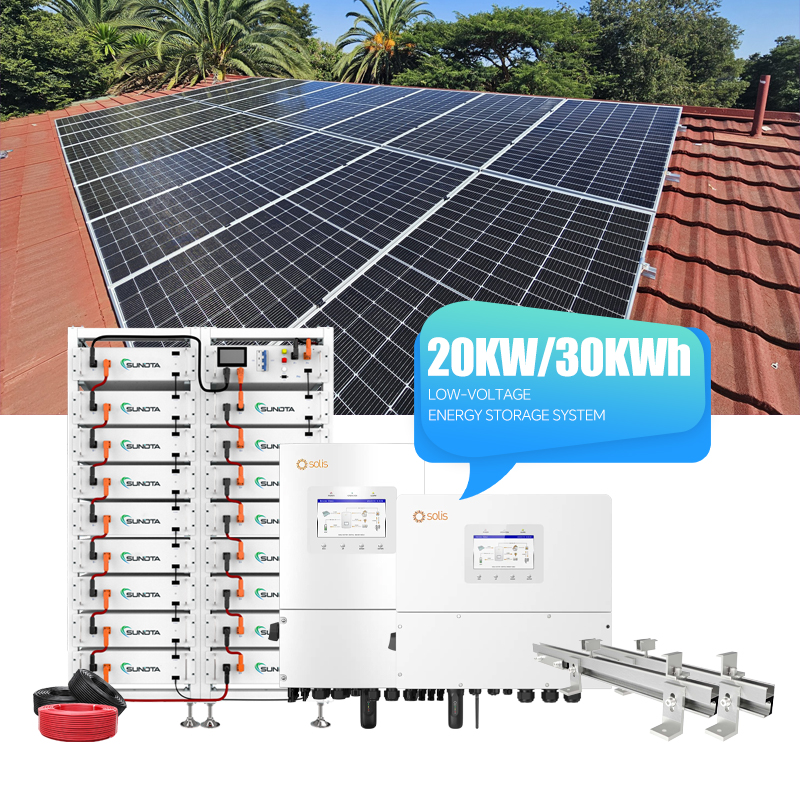
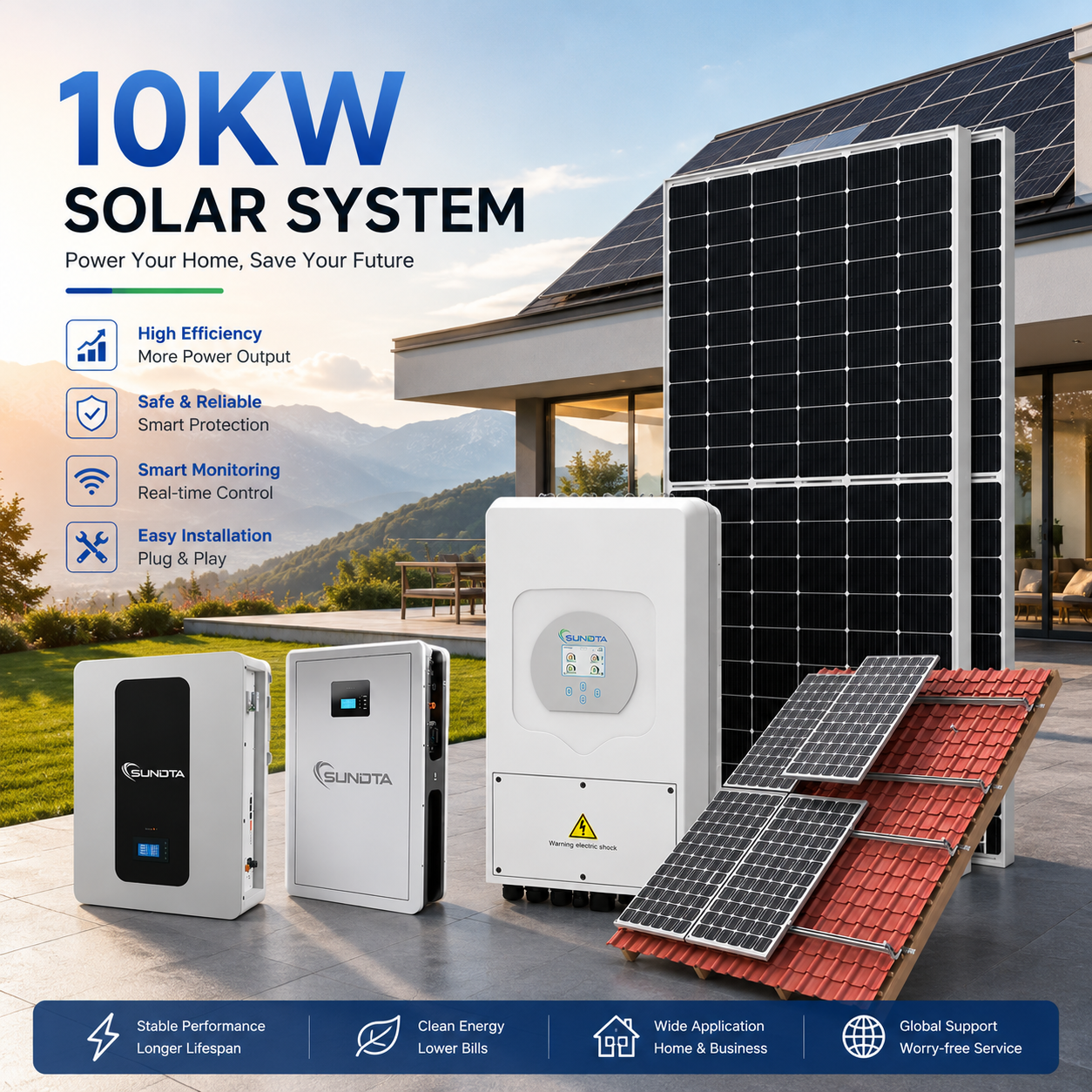
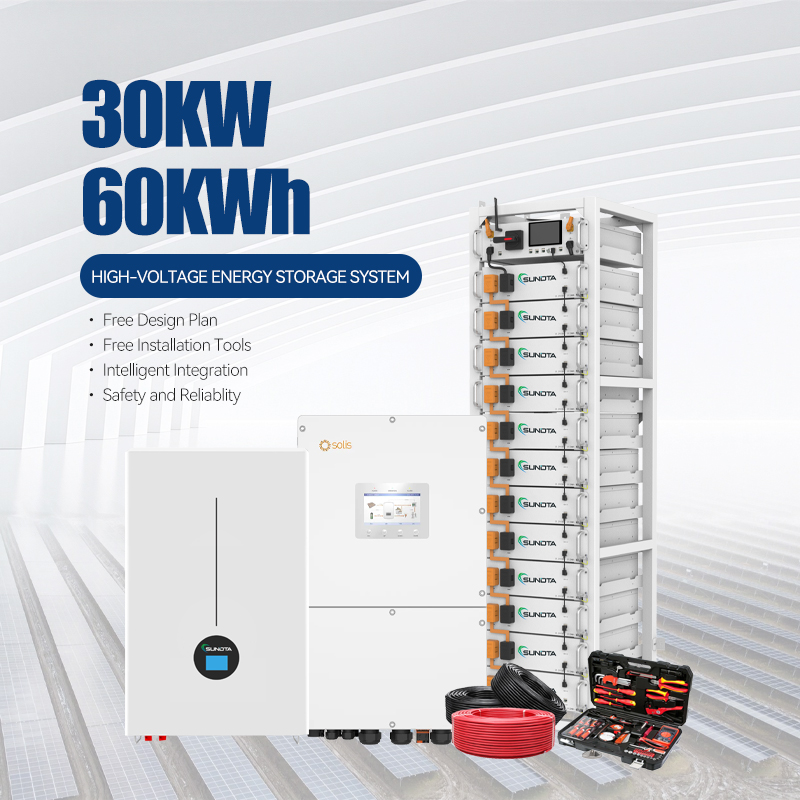
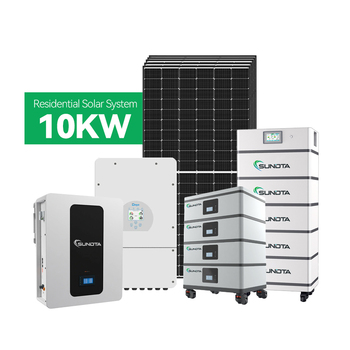
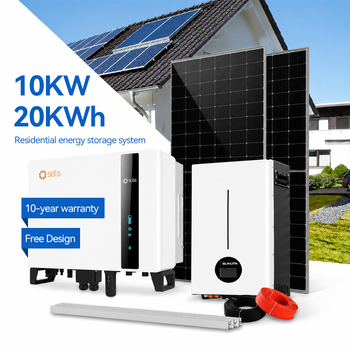
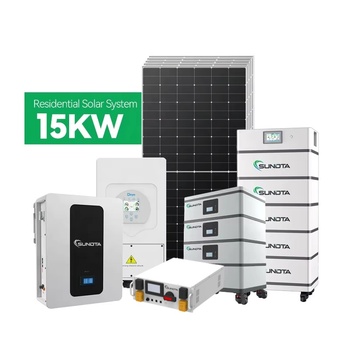
Eliminate inverter-battery incompatibility issues. RJV pre-engineers and pairs Deye and Solis hybrid inverters with our 51.2V LiFePO4 powerwalls and modular high-voltage battery cabinets via pre-commissioned CAN/RS485 closed-loop communication protocols.
TÜV Rheinland Assessed & CE
All production facilities have successfully undergone on-site audits by TÜV Rheinland. Modules and storage hardware comply strictly with international safety protocols (IEC 61215, IEC 61730, UN38.3, UL 1703 standards), streamlining permit approval with the Electrical Safety Authority (ESA) in Ontario.
OEM & Direct System Sizing
Full white-label branding, customized junction box wire runs, bespoke adhesive backing formulations for standing seam metal profiles, and pre-wired rapid-shutdown (RSD) solutions configured specifically for Canadian Electrical Code (CEC) adherence.
Engineered Application Scenarios in the Ottawa Market
Proven installations engineered to handle severe wind shear, freezing rain, and high-load architectural constraints across Eastern Ontario.
Standing-Seam Metal Roofs
Historic residential buildings in the Glebe, Rockcliffe Park, and Westboro feature steep standing-seam sheet metal roofs. Flexible thin-film panels adhere directly between roof seams without clamps, preserving structural integrity and historic building aesthetics while capturing optimal south-facing irradiances.
Low-Load Commercial Roofs
Industrial parks across Kanata North and Gloucester often feature TPO or EPDM membrane flat roofs with tight load allowances that prohibit ballast concrete blocks. Lightweight thin-film panels stick flush, allowing zero aerodynamic uplift from high Ottawa Valley winter gales.
Agricultural Barns & Quonsets
Farms throughout Carleton, Osgoode, and Russell utilize curved arched Quonset huts and wide-span wooden barns. Flexible solar modules contour seamlessly across curved metal arcs where rigid framing is impossible, providing vital off-grid resilience during grid outages.
Microgrid & Severe Storm Backup
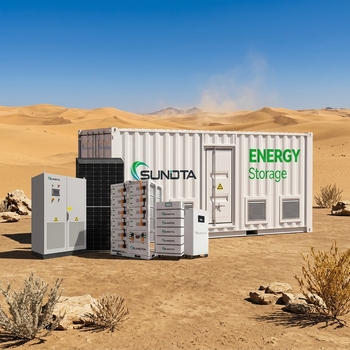
Eastern Ontario frequently experiences major freezing rain events and derecho storms causing widespread utility outages. Integrating flexible arrays with our LiFePO4 battery banks guarantees continuous heating, refrigeration, and communications when Hydro One feeders go down.
Ottawa Market Dynamics: Net Metering, Cold Climates & Energy Arbitrage
Navigate the shifting regulatory landscape under the Ontario Energy Board (OEB) and maximize returns via advanced battery time-of-use scheduling.
Ontario Net Metering Synergies
Under Hydro Ottawa and Hydro One Net Metering frameworks, customers generate credits for excess daytime solar sent to the grid. In tandem with smart hybrid inverters, solar generation offsets tier-3 peak charges while preserving full backfeed synchronization compliant with IEEE 1547 and CSA 22.2 standards.
Ultra-Low Overnight (ULO) Rate Arbitrage
Ontario's new ULO pricing structure features overnight tariffs as low as 2.8¢/kWh, but daytime peaks exceeding 28¢/kWh. Our paired 15kWh to 50kWh LiFePO4 energy storage systems allow commercial and residential buyers to charge off super-cheap night power or solar, discharging during expensive on-peak periods.
City of Ottawa Climate Emergency Action Plan
With Ottawa mandating an 100% greenhouse gas reduction across municipal and community sectors by 2050, commercial buildings face stringent efficiency guidelines. Zero-penetration flexible solar enables rapid retrofits across older building envelopes without voiding roofing warranties.
Severe Ice Storm & Derecho Resilience
Grid instability driven by seasonal weather extremes has made autonomous islanding a critical priority. Our whole-house backup hybrid systems feature a sub-10ms transfer switch time, ensuring continuous medical, heating, and agricultural ventilation operation through severe grid disruptions.
Anhui RJV New Energy Co., Ltd. — Hefei Production Facility
Founded on a foundation of intensive photovoltaic research dating back to 2016, Anhui RJV New Energy operates advanced automated cleanroom production lines in Hefei, China—the globally recognized hub of advanced crystalline and thin-film solar module manufacturing.
We are a dual-capacity manufacturer and system integrator serving EPC contractors, distribution groups, and industrial project developers across North America, Southeast Asia, and Europe. Our 38 registered patents encompass specialized polymer encasement, multi-busbar interconnect ribbons, and smart BMS communication protocols.
Our direct-to-port logistics capabilities support sea freight consolidation to Montreal and Halifax, coupled with inland CN rail transfer directly to Ottawa bonded terminals, ensuring uninterrupted container delivery schedules for installers.
Purchasing Flexible Solar & Storage in Ottawa: Buyer FAQ
In-depth technical answers addressing cold weather behavior, permitting, adhesive longevity, and grid connection.
How do RJV flexible thin film solar panels handle Ottawa's severe freezing temperatures and heavy snow loads?
Can these systems be connected to Hydro Ottawa or Hydro One under the Ontario Net Metering program?
What adhesive or mechanical attachment method is used for commercial membrane roofs in Canada?
Are LiFePO4 batteries safe to install in unheated garages during an Ottawa winter?
What is the Minimum Order Quantity (MOQ) and container lead time for Canadian B2B buyers?
How does the warranty claim process work if a component malfunctions in Ontario?
Ready to Engineer Your Solar or Energy Storage Project?
Connect with our technical application team today. Whether you need a commercial load calculation for an Ottawa rooftop, custom OEM dimensions for curved structures, or direct container pricing on LiFePO4 storage, we deliver comprehensive quotations within 24 hours.