High-Efficiency Modules, Inverters & Modular Storage For Peshawar
Explore Tier-1 grade PV architectures matched rigorously to withstand high particulate deposition, minimize dust-lip soil buildup, and ensure uninterrupted 230V/400V power delivery.
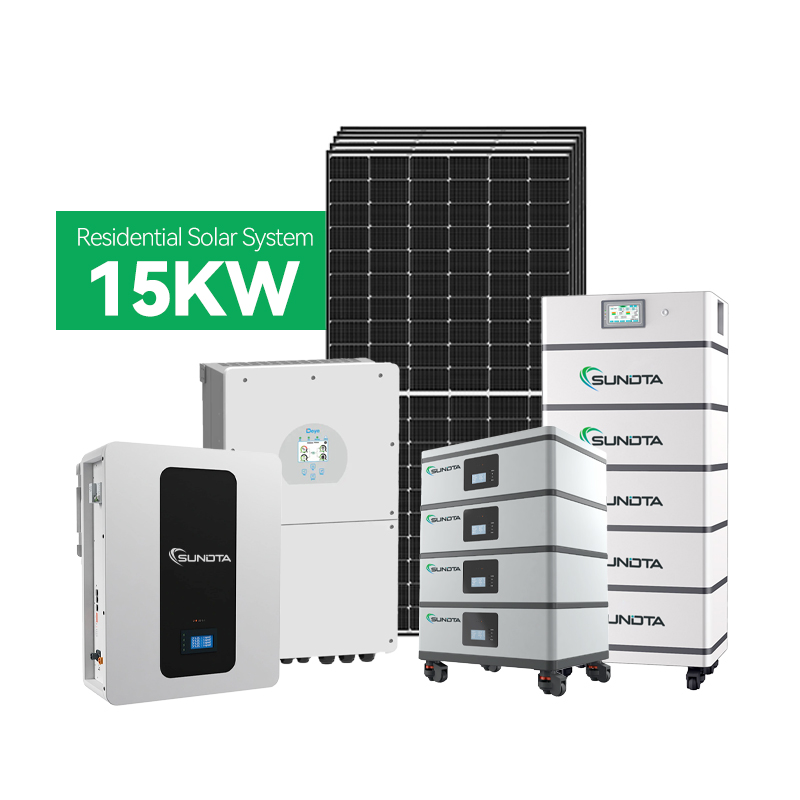
Sundta Hybrid Solar Energy System Low Price Solar Panel Kit 5KW 10KW 12KW 15KW Full Set
- Seamless on/off-grid transfer < 10ms
- Configured for erratic PESCO grid cycles
- Complete turnkey mounting & balance of system
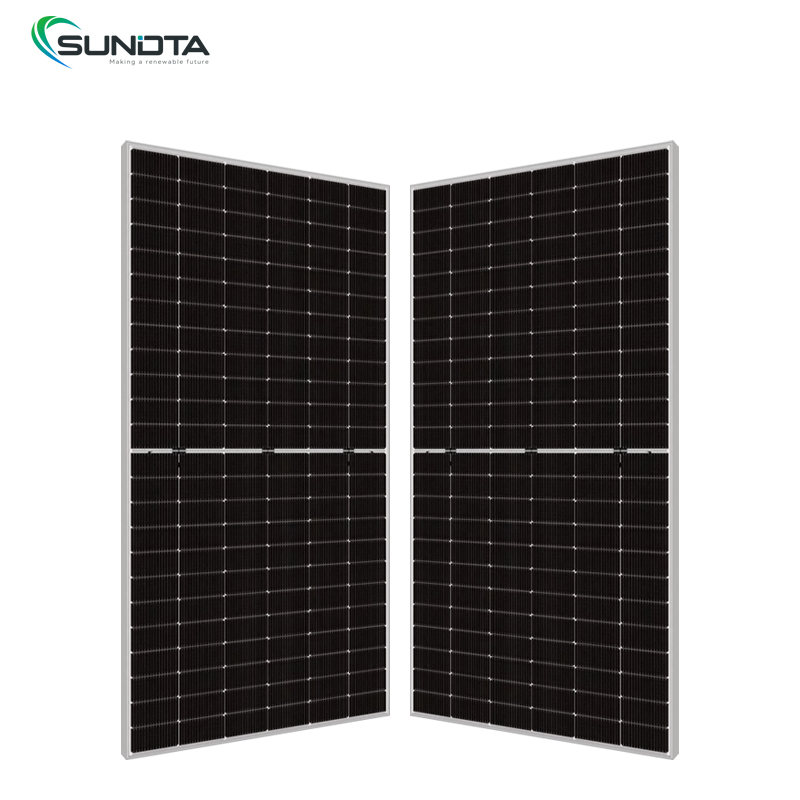
Tier 1 Solar Panel Sodenergy 700W 705W 710W 715W 720W 725W 730W N Type Solar Panel
- Ultra-high power density for restricted roofs
- Superior -0.30%/°C thermal coefficient
- Dual-glass low-degradation passivation
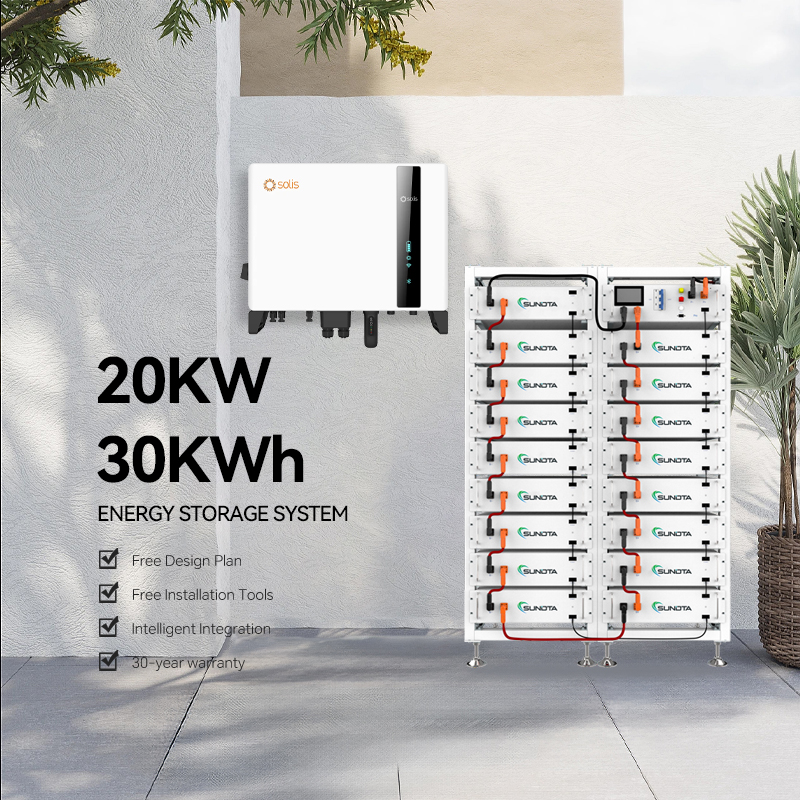
Complete 50kw Hybrid Solar System deye 3 Phase 380v on off Grid 10kw 15kw 20kw 25kw 30kw 40kw 50kw
- Industrial peak-shaving & genset coupling
- Dual MPPT tracking for multi-pitch sheds
- Full 380V unbalanced load capability
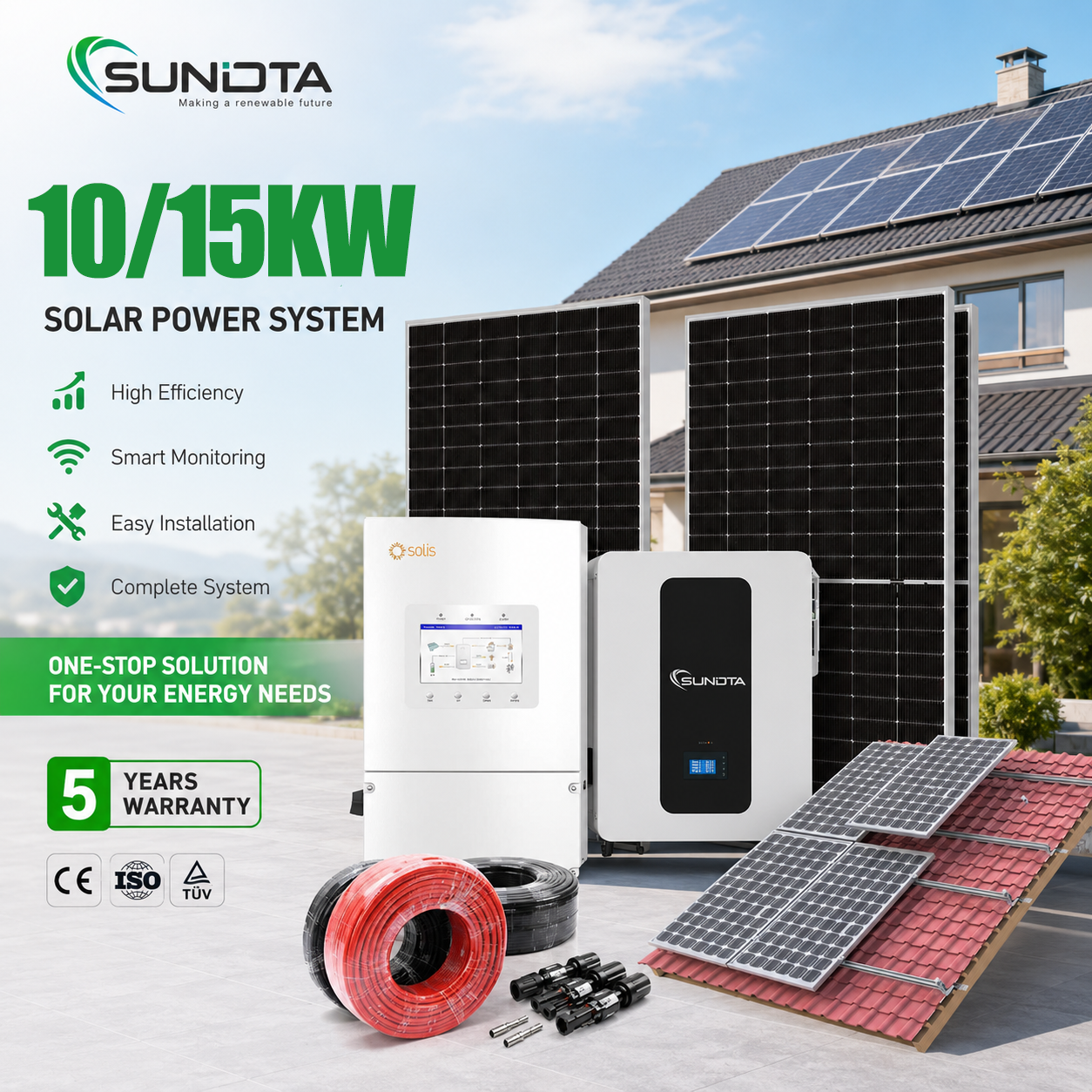
Customized Factory Price 8kW 10kW 15kW On-Off Grid Solar System Full Set with Mono Solar Panel & LiFePO4
- Direct factory configuration for villas & clinics
- High-yield mono cells & lithium balance
- Certified anti-islanding & grid-code match
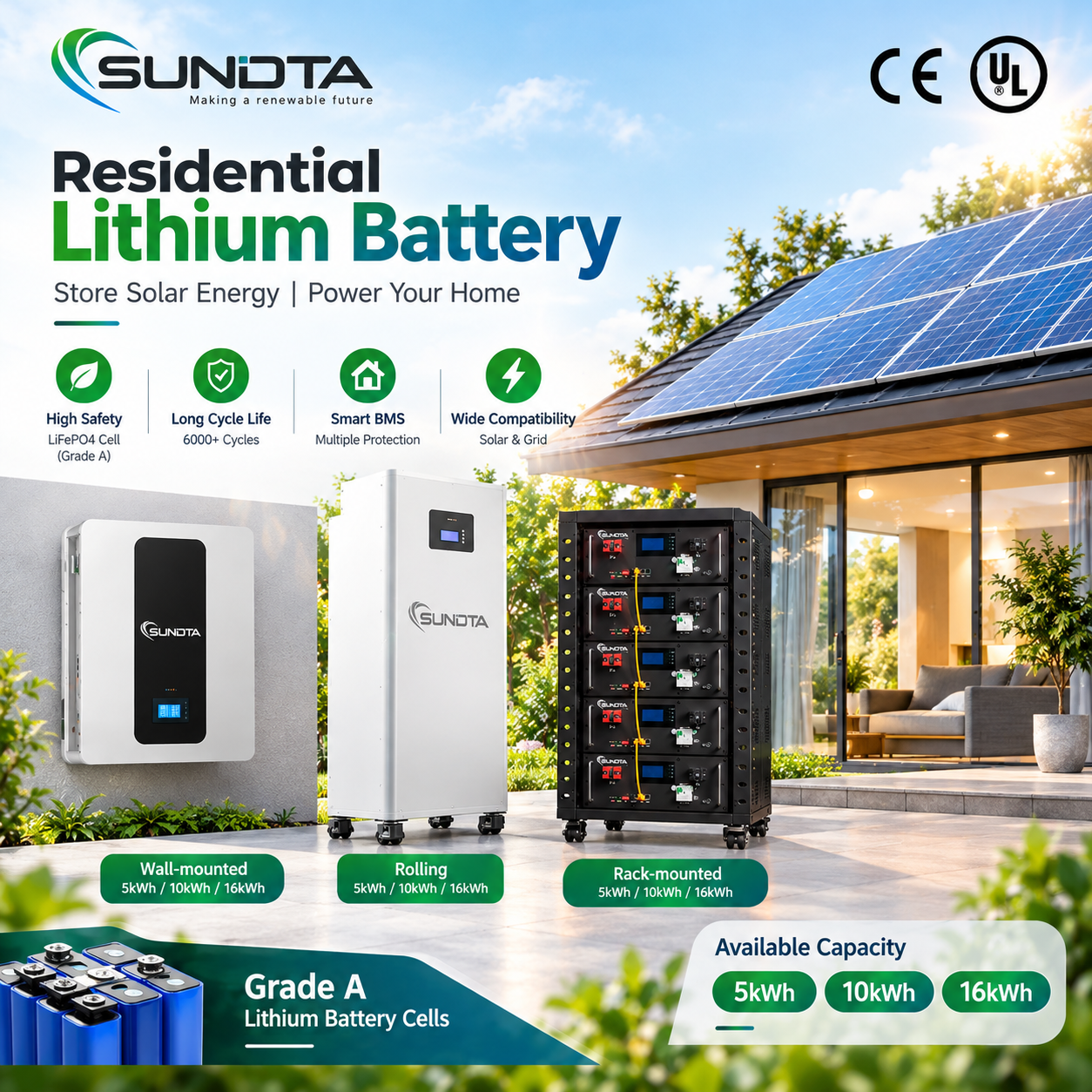
Sundta Stacked 10kWh 20kWh 30kWh Modular LiFePO4 Battery Stacked Solar Energy Storage Battery
- Scalable plug-and-play vertical tower architecture
- 6000+ deep cycling cycles at 90% DoD
- CAN/RS485 closed-loop protocol with Deye/Solis
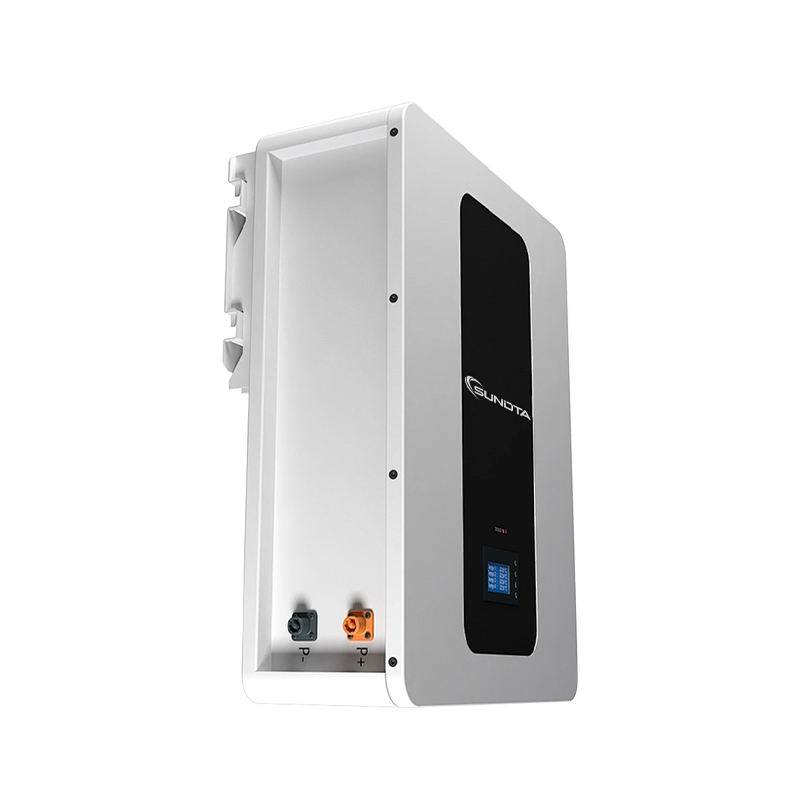
Sundta POLO-W1 LiFePO4 Lithium Battery Wall-Mounted 5kWh Home Power Storage 51.2V 100Ah IP65
- Space-saving slim residential casing
- Heavy-duty automotive grade prismatic cells
- IP65 ingress sealing against fine atmospheric dust
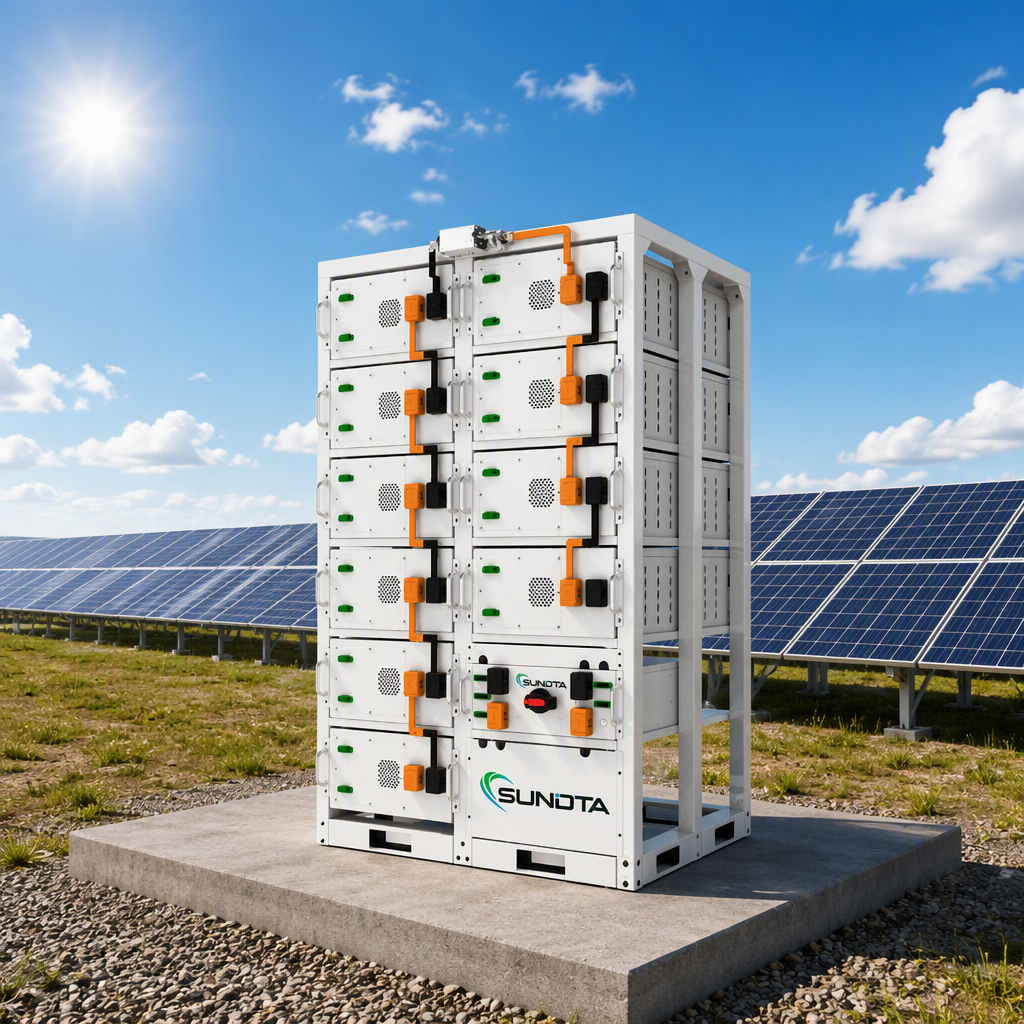
SUNDTA SDT-280 Commercial High Voltage LiFePO4 Energy Storage System 40-100kWh Air-Cooled Cabinet
- Air-conditioned thermal containment cabinet
- Engineered for cold storage, textile mills & hospitals
- Direct high-voltage DC bus interconnection
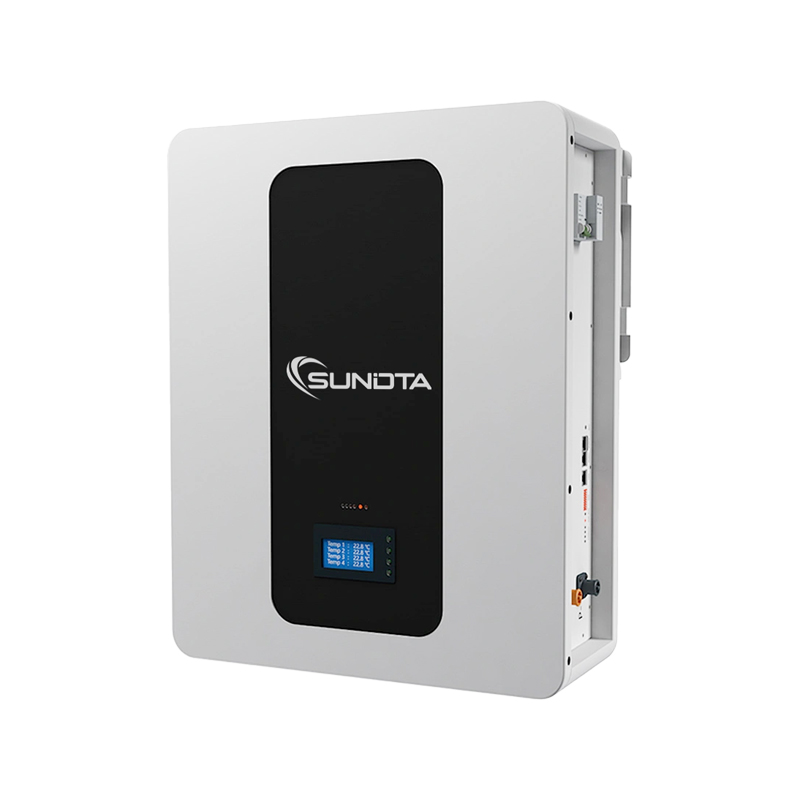
Sundta 48V/51.2V LiFePO4 Lithium Ion Battery 10kWh Solar Home Energy Storage System Wall-Mounted 200Ah
- Heavy load surge handling for air conditioning
- Smart balancing multi-tier protection BMS
- Robust cycle endurance across harsh ambient heat
Engineering White Paper: Overcoming Peshawar's Critical Photovoltaic Operating Hurdles
The Peshawar valley presents an exceptionally demanding convergence of geographical, environmental, and infrastructure challenges for photovoltaic modules. Positioned in the Khyber Pakhtunkhwa basin, Peshawar experiences severe particulate accumulation caused by alluvial dust, unpaved transit corridors, brick kiln emissions, and regional dry spells. Standard framed PV modules suffer heavily under these conditions: airborne silt and grime naturally wash down toward the lower perimeter frame during morning condensation or light rainfall, forming a dense, baked-in crust along the lower aluminum lip. This "soiling ledge" directly covers the bottom row of solar cells, triggering severe localized resistance, continuous bypass diode activation, hot-spot thermal stress, and annual power generation losses commonly exceeding 18% to 26% across local installations.
As an advanced frameless solar modules manufacturer and engineering supplier, Anhui RJV New Energy engineers clean-edge and frameless dual-glass modules explicitly crafted to overcome this persistent maintenance crisis in Peshawar. By completely eliminating the perimeter front-facing aluminum lip, precipitation, dew, and routine wash water run completely unimpeded off the panel glass, sweeping airborne silt clear of active silicon. Combined with hydrophobic anti-reflective coatings and N-type TOPCon bifacial cell architecture, frameless dual-glass arrays operating in Hayatabad, University Town, and the Industrial Estate Hayatabad maintain maximum irradiance capture without catastrophic bottom-cell shading.
Regional Climate Dynamics: Mitigating Heat Degradation and Micro-Cracking
Peshawar’s summer ambient temperatures routinely surge past 42°C to 45°C, elevating module internal operating temperatures above 68°C on flat concrete roofs and metal commercial sheds. Conventional P-type modules display steep negative temperature coefficients (-0.38%/°C to -0.40%/°C), resulting in massive peak-day output throttling exactly when residential air conditioning and commercial cooling systems demand maximum wattage. Our next-generation N-type bifacial frameless modules operate with an industry-leading temperature coefficient of -0.30%/°C, ensuring exceptional high-temperature yield resilience.
Furthermore, standard framed single-glass modules installed on rooftop open frames are subjected to severe torque and mechanical vibration during the violent seasonal squalls (Andhi) and windstorms characteristic of KP's transitional seasons. Frameless dual-glass construction sandwiches high-efficiency crystalline wafers between two layers of 2.0mm heat-strengthened, tempered solar glass. This symmetrical composite architecture positions the active cell matrix directly in the zero-stress neutral mechanical axis, virtually eradicating the cell micro-cracking, snail trails, and moisture-induced delamination that plague cheaper single-glass alternatives throughout Pakistan.
Localized PV Application Scenarios Across Peshawar
Custom-engineered system configurations solving energy instability across commercial, residential, agricultural, and industrial infrastructure.
Industrial Estate Hayatabad Manufacturing
Continuous three-phase power stabilization for textile, plastics, marble fabrication, and food processing facilities. Integrating frameless dual-glass arrays with 50kW-125kW Deye/Solis commercial hybrid inverters and high-voltage LiFePO4 battery banks guarantees smooth generator synchronization, slashing high-tariff peak grid charges and mitigating heavy diesel generation expenses during feeder outages.
Residential Villas in DHA, Hayatabad & Warsak
Complete 10kW to 15kW turnkey solar energy storage kits designed for upscale residential properties. Low-maintenance frameless modules prevent dust crusting on urban flat concrete slabs, while wall-mounted 51.2V LiFePO4 batteries deliver ultra-fast <10ms automatic transfer switches (ATS), keeping inverter air conditioning, refrigeration, and security networks running seamlessly through unannounced loadshedding.
Healthcare Facilities & Private Clinics
Critical care facilities, pharmaceutical storage, and diagnostic labs along Khyber Teaching Hospital corridors and Dabgari Gardens require absolute voltage purity and zero blackout latency. Scalable 40kWh to 100kWh rack-mounted energy storage systems buffer medical diagnostic loads against brownouts and phase imbalances common across the local distribution grid.
Commercial Plaza Microgrids & Trading Hubs
High-density commercial hubs across Karkhano Markets and Saddar Road experience severe roof constraints coupled with astronomical peak-hour energy billing. Super high-wattage 700W+ N-Type modules maximize solar harvest per square meter, feeding directly into intelligent energy management systems that arbitrage peak billing cycles and support zero-export limits when required.
Peri-Urban Agricultural Tube-Wells & Orchards
Farming perimeters in Charsadda, Nowshera, and the outer Peshawar rim require heavy-duty water pumping independent of unreliable rural feeders. Frameless modules prevent soil and fertilizer dust encrustation near cultivated land, delivering stable DC current to variable-frequency drives (VFD) without midday performance drop-offs.
Localized Market Trends: The Evolutionary Transition in Peshawar's PV Demand
The photovoltaic landscape in Peshawar and the broader Khyber Pakhtunkhwa region has shifted fundamentally over the past 24 months. Previously characterized by price-sensitive purchases of low-grade tier-2/3 panels and rudimentary lead-acid tubular batteries, the local procurement ecosystem is now heavily driven by lifecycle return on investment (LCOE), high durability, and sophisticated hybrid compatibility. Several dominant market drivers explain this evolution:
1. Escalating Power Tariffs and Elimination of Subsidies: Soaring per-unit NEPRA electricity tariffs, coupled with fuel adjustment charges and fixed capacity surcharges, have pushed local commercial enterprises and homeowners to offset maximum grid consumption. System purchasers now calculate output over 25 to 30 years rather than immediate capital outlay, creating massive regional demand for high-longevity dual-glass frameless modules and deep-cycle LiFePO4 storage.
2. The Structural Failure of Tubular Lead-Acid Batteries: The intense heat of Peshawar summers severely curtails the service life of conventional flooded and gel lead-acid batteries, frequently demanding costly cell replacements every 14 to 18 months. Local commercial and residential buyers are aggressively transitioning to 51.2V and high-voltage Lithium Iron Phosphate (LiFePO4) chemistries, which deliver 6,000+ full cycles, operate safely up to 55°C without thermal runaway, and offer true plug-and-play BMS integration.
3. Stringent Net Metering Compliance: The Peshawar Electric Supply Company (PESCO) enforces strict safety guidelines regarding harmonic distortion, anti-islanding protection, and dual-direction metering certifications. Installers increasingly partner with comprehensive tier-1 suppliers who furnish complete documentation, flash test reports, and CE/IEC compliance dossiers for every component, ensuring rapid net-metering licensing approvals without inspection bottlenecks.
4. Rooftop Area Limitations in Dense Urban Enclaves: With urban land values appreciating rapidly in localities such as University Town and Shami Road, multi-story construction limits available rooftop surface area. Buyers demand maximum generation density, pivoting directly toward ultra-high power 700W+ N-type TOPCon panels and bifacial units that capture additional ground reflection from white reflective roof coatings.
Enterprise Advantages: Why RJV New Energy Is Your Strategic Partner
Anhui RJV New Energy Co., Ltd. bridges the gap between top-tier manufacturing scale and specialized project customization, mitigating import and operational risks for Peshawar EPCs.
TÜV Rheinland Assessed Manufacturing
Our automated production facilities in Hefei, China, operate under strict ISO9001/14001 protocols. Assessed on-site by TÜV Rheinland, every frameless module undergoes multi-stage electroluminescence (EL) testing before and after lamination to guarantee zero micro-defects prior to export shipping.
Pre-Matched System Compatibility
Commissioning failures often result from mismatched communication protocols between third-party inverters and battery BMS units. We engineer, flash, and pre-commission our complete solar kits, certifying closed-loop CAN/RS485 handshake between Deye/Solis inverters and our LiFePO4 batteries before container dispatch.
24/7 Dedicated Engineering Support
Solar project development requires continuous technical oversight. Our multilingual technical engineering team provides round-the-clock support across Peshawar time zones, providing array string sizing, electrical schematics, firmware updates, and comprehensive after-sales warranty servicing.
Complete International Compliance Dossiers
Eliminate customs clearance bottlenecks at Karachi Port and dry port transit to Peshawar. Every batch shipped includes verified CE certifications, IEC 61215/61730 test reports, UN38.3 battery transport validation, and factory flash test datasheets matched to specific serial numbers.
Flexible Export Logistics & Incoterms
We provide full-spectrum commercial flexibility, supporting FOB, CFR, CIF Karachi, and EXW arrangements. Payment terms encompass irrevocable Letters of Credit (L/C), telegraphic transfer (T/T), and structured delivery schedules designed to support local Pakistani importers and contractors.
Frequently Asked Questions for Peshawar Importers & EPCs
Direct answers addressing installation mechanics, logistics, electrical compatibility, and maintenance protocols.
Accelerate Your Photovoltaic Project in Peshawar
Partner with Anhui RJV New Energy Co., Ltd. for factory-direct frameless solar modules, matched hybrid inverters, and high-performance LiFePO4 energy storage systems engineered for maximum yield in Khyber Pakhtunkhwa.
Get Catalog