Afghanistan Clean Power Deployment • B2B Procurement Whitepaper
Grid Tie Inverter Factory & Suppliers for the Kabul Market
Engineering industrial-grade solar grid-tie and hybrid inverter systems specifically engineered to stabilize volatile grids across Kabul, Kandahar, Herat, and Mazar-i-Sharif.
High-Efficiency Energy Hardware for Severe Grid Fluctuations
Explore our export-ready single-phase and three-phase solar inverters, lithium storage systems, and turnkey kits matched specifically for Kabul's low-voltage and intermittent utility environment.
High-voltage DC bus reduction minimizing transmission resistance loss, paired directly with megawatt and C&I grid-tie three-phase arrays.
Anhui RJV New Energy • Industrial Factory Strength
Why Tier-1 Solar Distributorships in Kabul Source Directly with Us
Operating out of Innovation Industrial Park in Hefei, China, Anhui RJV New Energy Co., Ltd. supplies high-reliability, certified solar solutions built to eliminate integration friction, container transit loss, and technical field failure.
2.0 GWAnnual Module Production
500+ MWGlobal Projects Commissioned
38 PcsProprietary R&D Patents
AAA GradeVerified Enterprise Credit
Full BOM Factory Synchronization
We eliminate mismatch losses. Our engineering team validates inverter MPPT operating windows, LiFePO4 battery BMS CAN/RS485 handshake protocols, and circuit breaker trip thresholds before any cargo is palletized.
TÜV Rheinland Assessed & CE Certified
Our manufacturing workshops in Hefei adhere to strict quality audit standards. Inverters carry complete CE, IEC 62109-1/-2, and grid-compliance documentation required for smooth international freight and border clearance.
Land-Bridge Logistics to Central Asia
Specialized logistics routing via maritime shipping to Karachi with bonded transit to Torkham/Kabul, or direct overland multimodal rail via Khorgos to Hairatan, ensuring safe container arrivals with zero glass micro-cracking.
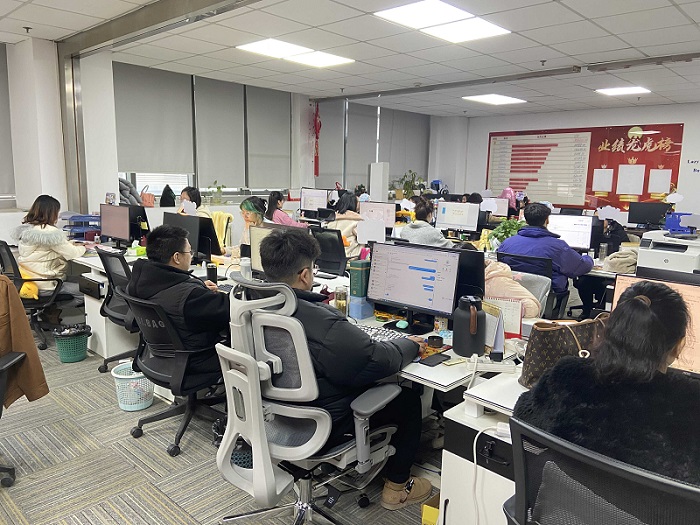
Automated Production Workshop
Inverter Load Testing Facility
Hybrid & Grid-Tie Inventory
Container Loading & Dispatch
Industry Whitepaper & Technical Analysis
Engineering Grid-Interactive Solar Systems for the Kabul Power Ecosystem
The power infrastructure in Kabul presents an extraordinarily unique operational matrix for solar photovoltaic systems and grid-interactive power electronics. Unlike municipal grids in developed markets that sustain uniform voltage curves and steady 50 Hz frequencies, the utility supply overseen by Da Afghanistan Breshna Sherkat (DABS) is characterized by severe operational constraints, rotating scheduled outages (load-shedding), and dramatic voltage drops. In residential and commercial sectors of Kabul—such as Shar-e-Naw, Wazir Akbar Khan, Dasht-e-Barchi, and the Charkhi Industrial Park—the utility voltage often fluctuates widely between 140V and 280V. Under such punishing operational scenarios, standard off-the-shelf grid-tie inverters fail due to constant over/under-voltage trip cycles, causing systemic brownouts and equipment frustration.
Overcoming Ultra-Wide Voltage Spikes and Frequency Instability
For an inverter to operate effectively within the Kabul electrical corridor, wide-band tracking and customized firmware parameters are non-negotiable. Standard European or East Asian factory calibrations instruct grid-tie inverters to disconnect if the local grid drifts beyond ±10% nominal voltage (typically 207V–253V). In Kabul, where distribution lines are frequently congested or relying on cross-border transmission imports from Uzbekistan and Tajikistan, voltage sags during peak evening consumption are ubiquitous.
Anhui RJV New Energy equips its grid-interactive inverters with wide MPPT operational windows (from as low as 120V up to 850V DC) and configurable AC voltage grid limits (programmable down to 160V and up to 275V). Furthermore, when synchronized with diesel gensets—a staple secondary source across Kabul's commercial establishments—our inverters employ intelligent frequency drift tolerance (45 Hz to 55 Hz), preventing the false anti-islanding disconnections that plague inferior equipment.
Engineering Metric
Standard Commercial Inverters
RJV Kabul-Hardened Inverter Series
Project Level Impact in Afghanistan
AC Low-Voltage Disconnect
Strict 195.5V - 200V cutoff
Configurable down to 155V - 165V
Eliminates nuisance trips during chronic city-wide voltage sags.
Genset Synchronization
Limited (Requires pure sine wave)
Adaptive Frequency Smoothing (45-55Hz)
Allows direct microgrid hybrid pairing with diesel backup generators.
Ambient Thermal Tolerance
Derating above 40°C
Full power output up to 45°C; operational to 60°C
Sustains high yield through dry, intense continental summer months.
Enclosure Protection
IP54 or standard IP65
Industrial IP66 with isolated cooling duct
Guarantees hermetic sealing against invasive silty dust and sandstorms.
Zero Export Capability
External add-on meter required
Integrated dual-CT fast response (<15ms)
Protects systems from tripping where grid backfeeding is unauthorized.
The Inevitable Migration to DC-Coupled Hybrid Grid-Tie Architectures
Traditional pure grid-tie topology (which shuts down completely during an outage) is losing viability in Kabul due to daily load shedding that can extend from 6 to 18 hours depending on seasonal river discharge and cross-border power negotiations. Consequently, Afghan energy contractors and wholesalers are overwhelmingly sourcing Hybrid Grid-Tie Inverters.
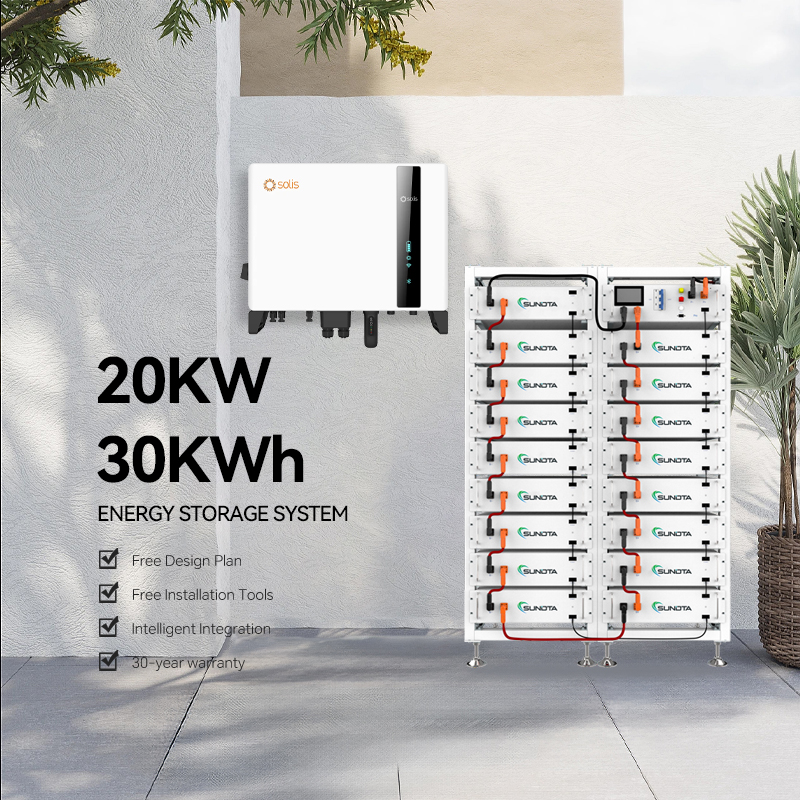
These advanced platforms function as standard grid-tie units when city power is online—delivering solar energy directly to the loads and charging LiFePO4 batteries—while instantly converting to isolated microgrid mode within 10 milliseconds when the grid drops. This allows hospitals, commercial bakeries, administrative offices, and telecom repeater towers to maintain uninterrupted functionality without burning thousands of liters of expensive diesel fuel every week.
Deployment In The Field
Key Application Scenarios in Kabul and Regional Provinces
Residential Villa & Apartment Backup
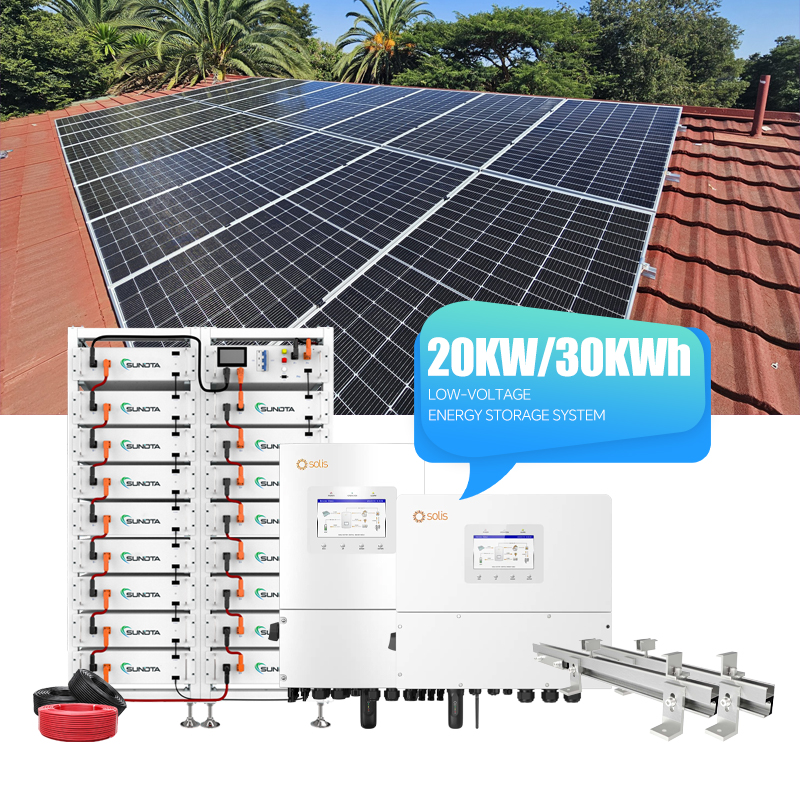
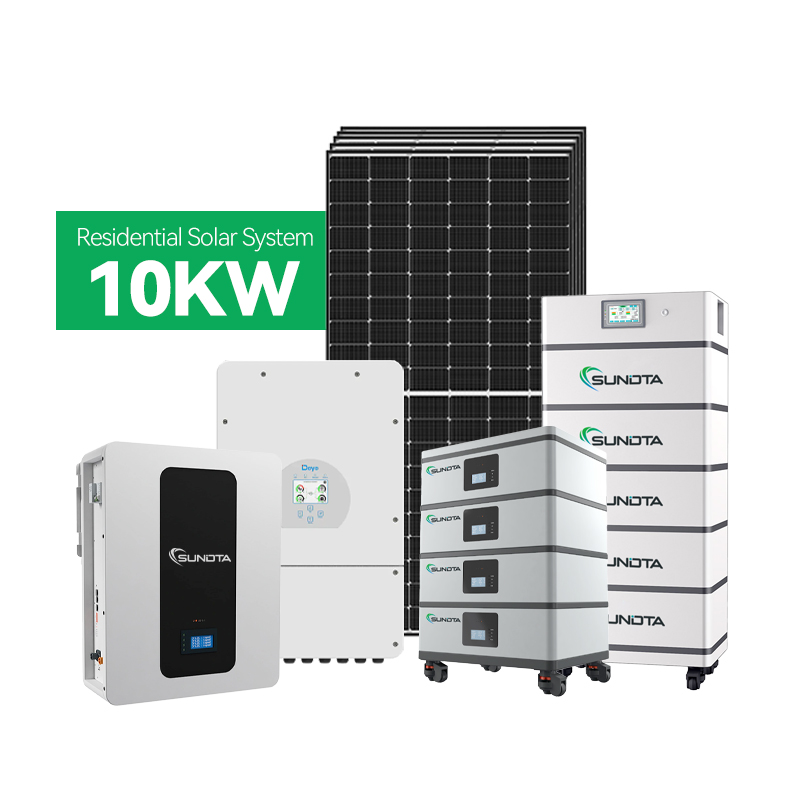
5kW to 12kW split-phase/single-phase hybrid systems stabilizing critical domestic refrigeration, water pumps, lighting, and communication devices during nocturnal grid blackouts.
Charkhi Industrial Park Commercial Arrays
20kW to 100kW three-phase grid-tied installations pairing with existing factory distribution panels to offset daytime kilowatt-hour tariffs and relieve mechanical wear on diesel gensets.
Agricultural Tube-Well & Drip Irrigation
Solar VFD and hybrid systems deployed along the Kabul River basin and Shamali Plain, driving high-draw submersible pumps for fruit orchards without reliance on fuel lines.
Institutional & Healthcare Microgrids
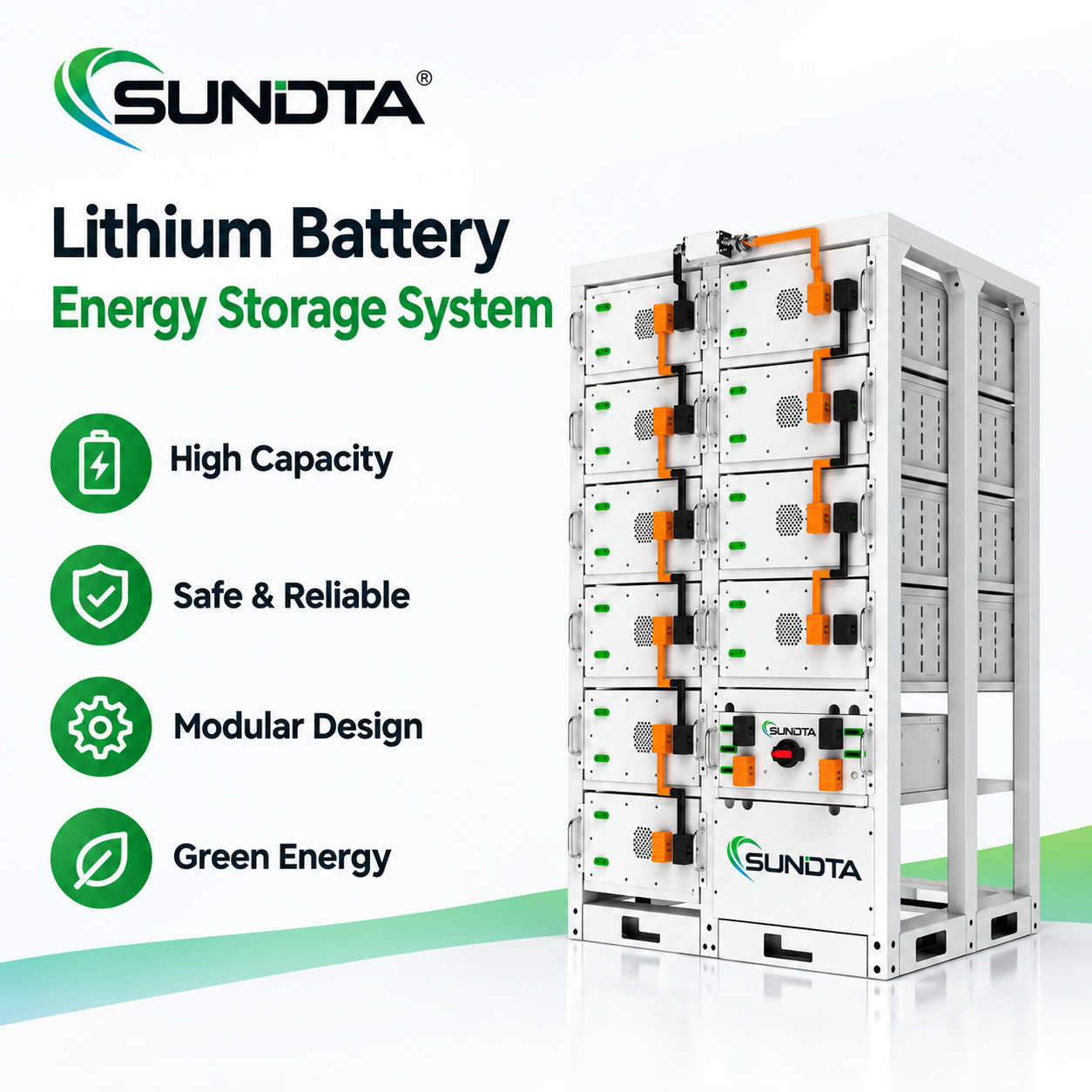
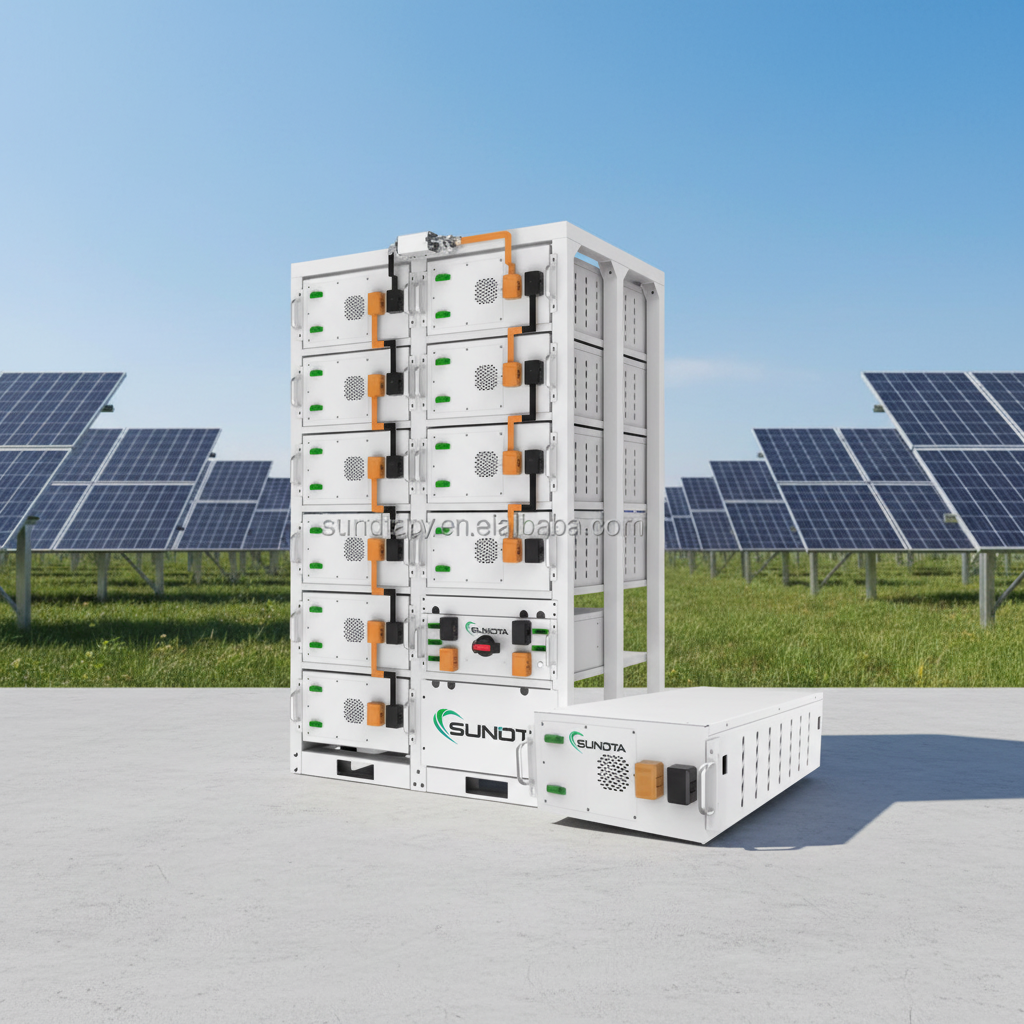
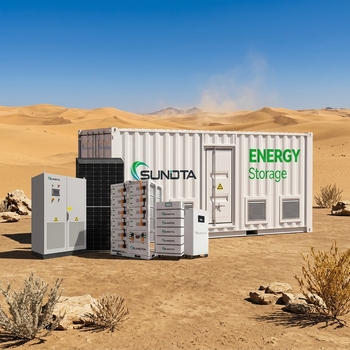
Containerized battery energy storage systems (BESS) coupled with multi-string grid-tie inverters, creating fail-safe energy sanctuaries for surgical wards and universities.
Forward-Looking Market Intelligence
Emerging Technology Trends Reshaping Afghanistan's Solar Market
Strategic purchasing insights for B2B importers, EPC contractors, and regional distributors preparing inventories for upcoming deployment cycles.
Replacement of Lead-Acid with LiFePO4
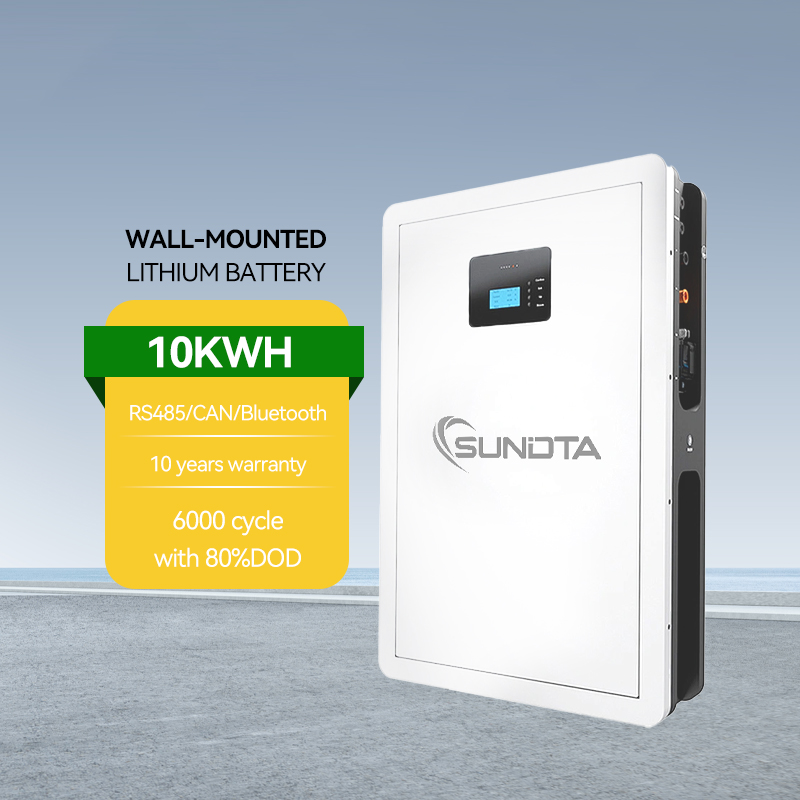
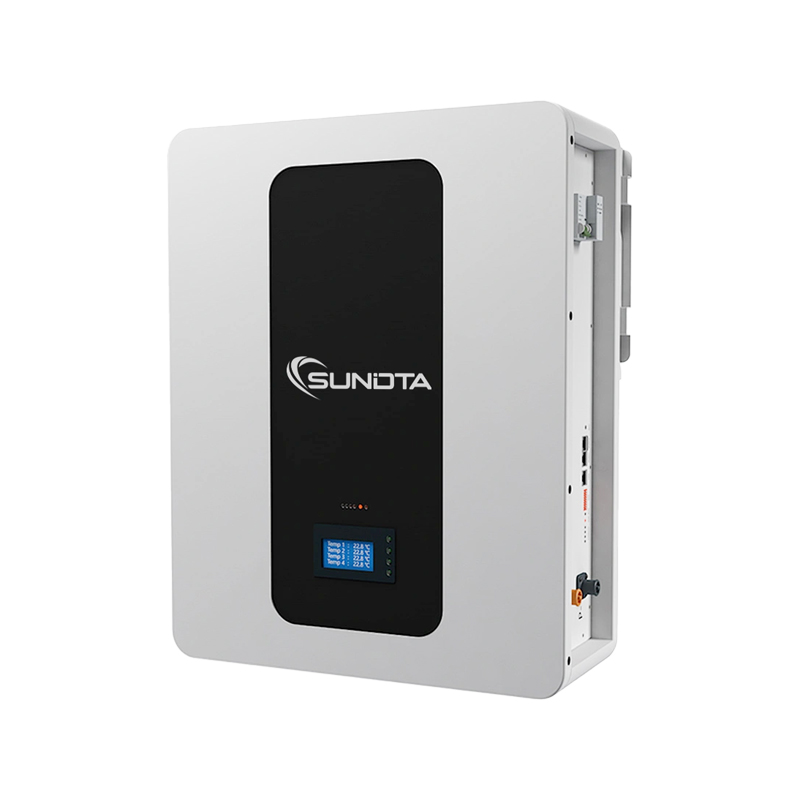
Kabul's wholesale electrical markets (such as those around Nawi Markaz) are rapidly phasing out toxic tubular lead-acid and AGM batteries in favor of rack-mounted 51.2V and high-voltage Lithium Iron Phosphate batteries that survive 6,000 deep discharge cycles.
Demand for High-Temperature TOPCon PV
With summer rooftop temperatures surpassing 45°C in dry provincial basins, traditional P-type panels suffer steep thermal efficiency losses. Importers are standardizing on N-Type TOPCon cells with a lower temperature coefficient (-0.30%/°C), extracting maximum daily megawatt hours.
Micro-Inverters & Modular String Redundancy
Commercial buyers are actively migrating away from single central inverters toward distributed string inverters and modular hybrids. If one string encounters localized dust soiling or roof shadow, independent MPPT tracking preserves whole-system performance.
Buyer Protection & Technical Support
Frequently Asked Questions: Procurement for Afghanistan Projects
Clear, direct technical answers addressing logistics, warranty enforcement, grid compatibility, and payment execution.
Q. How do RJV inverters tolerate Kabul’s frequent load shedding?
Our hybrid grid-tie inverters are pre-programmed with seamless automatic transfer switches (ATS) capable of transition times under 10 milliseconds. When DABS grid power disconnects, the inverter immediately creates an isolated, frequency-locked AC sine wave utilizing solar array energy and connected LiFePO4 batteries, with zero disturbance to sensitive computer systems or industrial machinery.
Q. What freight transit routes are recommended for shipping containers to Kabul?
We routinely handle two reliable logistics pathways for B2B Afghan importers: First, sea freight to the Port of Karachi (Pakistan) under bonded transit containers, crossing via the Torkham border terminal straight to Kabul customs. Second, multimodal railway container shipping through Khorgos (China) crossing Kazakhstan and Uzbekistan to Hairatan port, entering northern Afghanistan.
Q. How do we ensure battery BMS compatibility with your hybrid inverters?
All RJV LiFePO4 battery modules (both 51.2V rack systems and high-voltage stacks) feature pre-configured dual CAN and RS485 communication protocols compatible with Deye, Solis, Growatt, and our proprietary RJV inverters. We provide confirmed pin-out cable diagrams and protocol mapping firmware updates prior to departure.
Q. How is technical warranty and replacement handled given geographical hurdles?
We provide a multi-tiered warranty protocol: For container-volume purchasers, we provide 1% to 2% critical spare parts (including power electronics control boards, IGBT modules, and display units) directly within the shipping container. Furthermore, our engineering team in Hefei provides 24/7 direct remote video diagnostic support for your on-site EPC technicians.
Q. What are your minimum order quantities (MOQ) and customization services?
For standalone inverters and lithium storage batteries, our MOQ starts from just 1 piece to facilitate installer testing and qualification. For photovoltaic panels, minimum orders begin at pallet quantity (typically 31 to 36 pieces). Full OEM customization—including custom client chassis branding, local language silk-screen markings, and custom packaging—is available for volume buyers.
Q. Which international payment and commercial trade terms (Incoterms) do you accept?
We support versatile international payment settlement terms including Telegraphic Transfer (T/T), Letter of Credit (L/C), and verified third-party escrow options. Supported commercial Incoterms include EXW (factory staging in Hefei), FOB (Shanghai, Ningbo, or Shenzhen ports), CFR, and CIF (Karachi or designated regional dry ports).
Request Factory Direct Quotations & Engineering Datasheets
Partner directly with Anhui RJV New Energy Co., Ltd. for container-level bulk pricing, certified IEC/CE documentation, and optimized hybrid solar packages designed specifically for the Kabul energy landscape.