Engineered PV Arrays & Battery Storage for Phuentsholing Sourcing
Precision-matched components verified for closed-loop CAN/RS485 protocol interoperability, extreme Himalayan thermal cycles, and regional grid interconnection compliance.
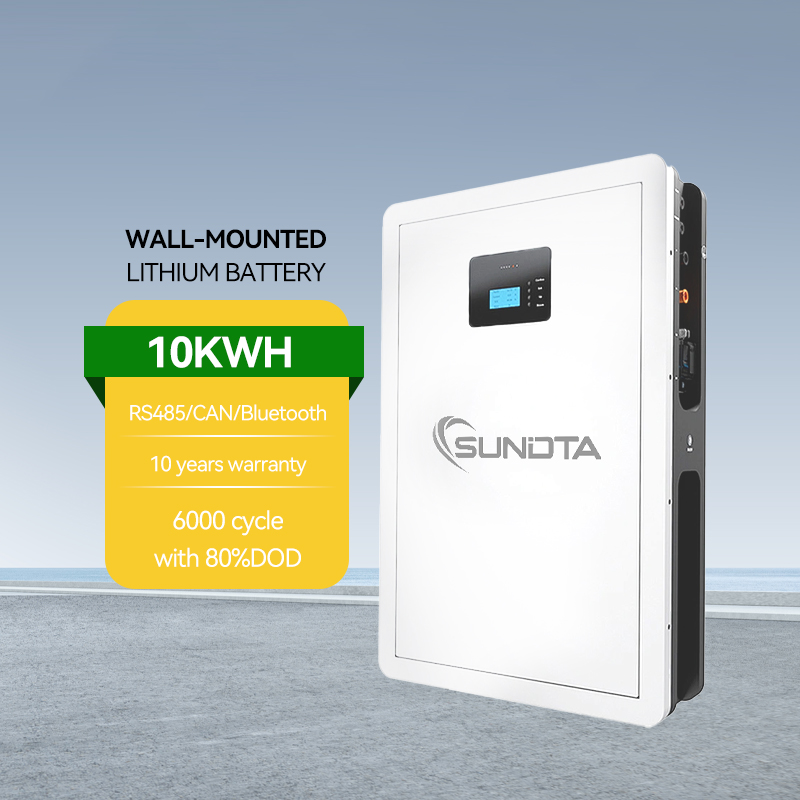
- 5,000–6,000 cycle prismatic cells
- Wall-mount slim industrial footprint
- Native CAN/RS485 smart inverter sync
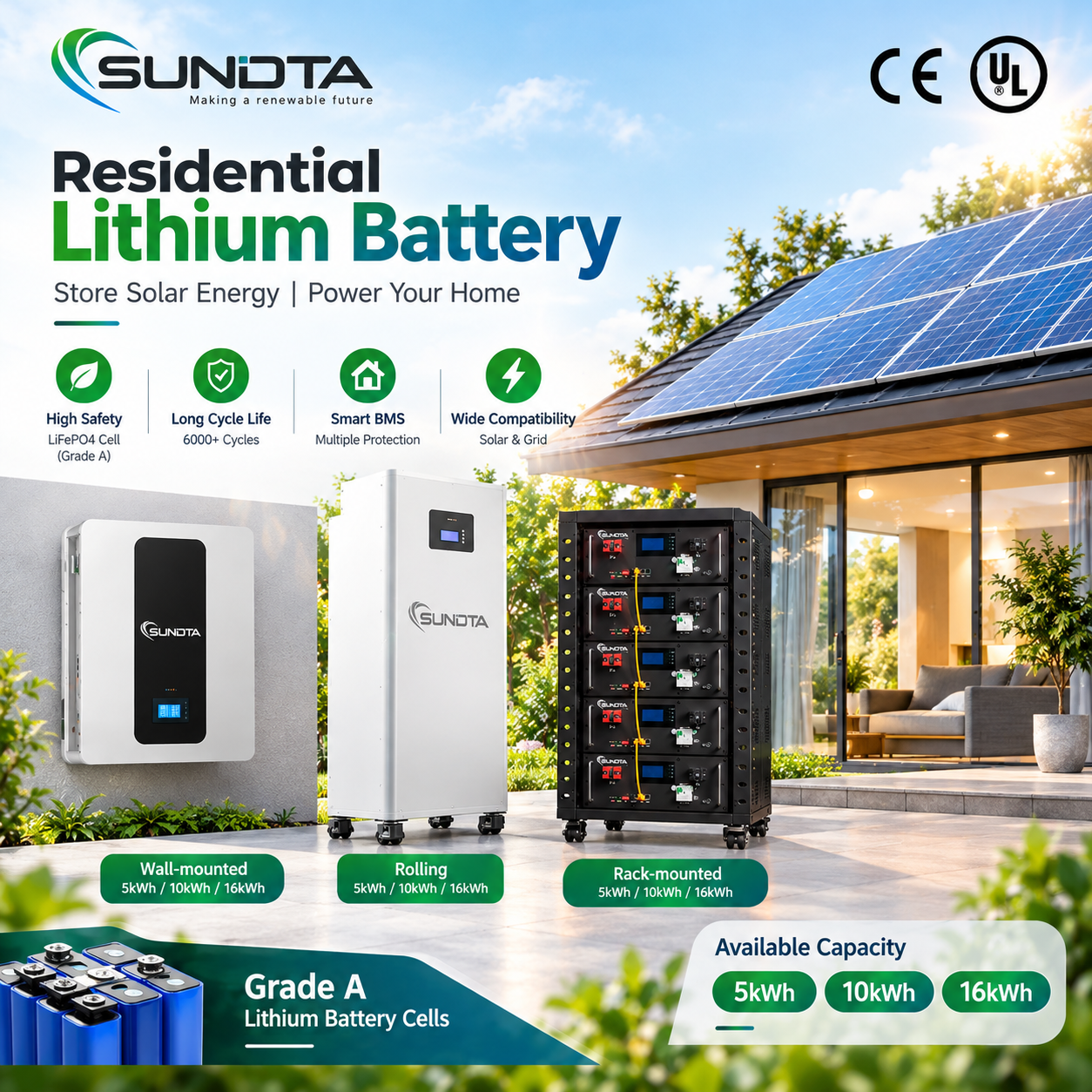
- Tool-free plug-and-play stacking
- Scalable 10kWh to 30kWh capacity
- Internal self-heating circuit optional
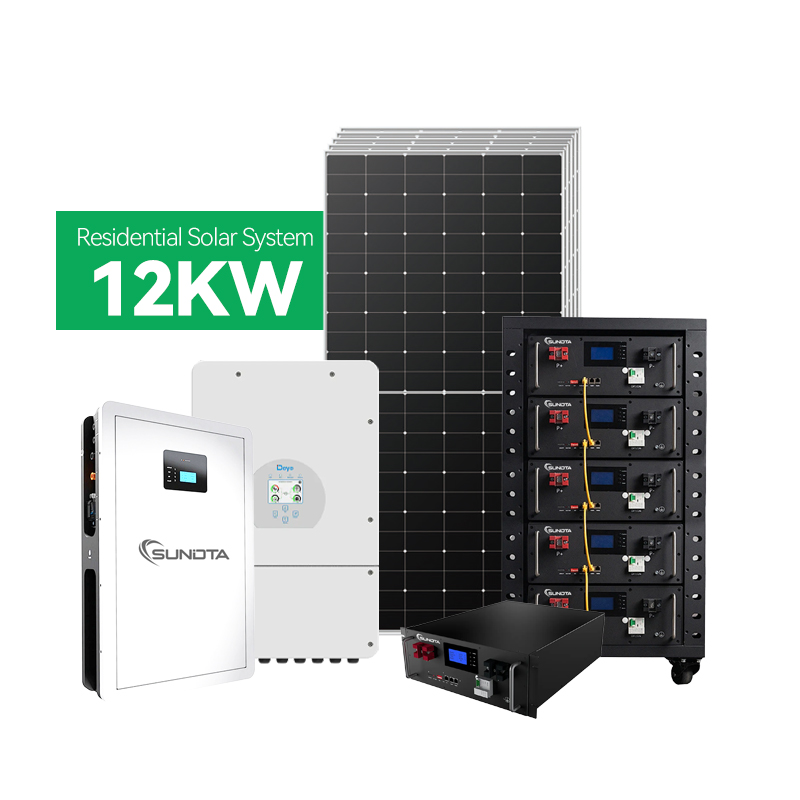
- Dual MPPT tracking architecture
- Seamless 10ms on-to-off grid transfer
- Full balance-of-system included
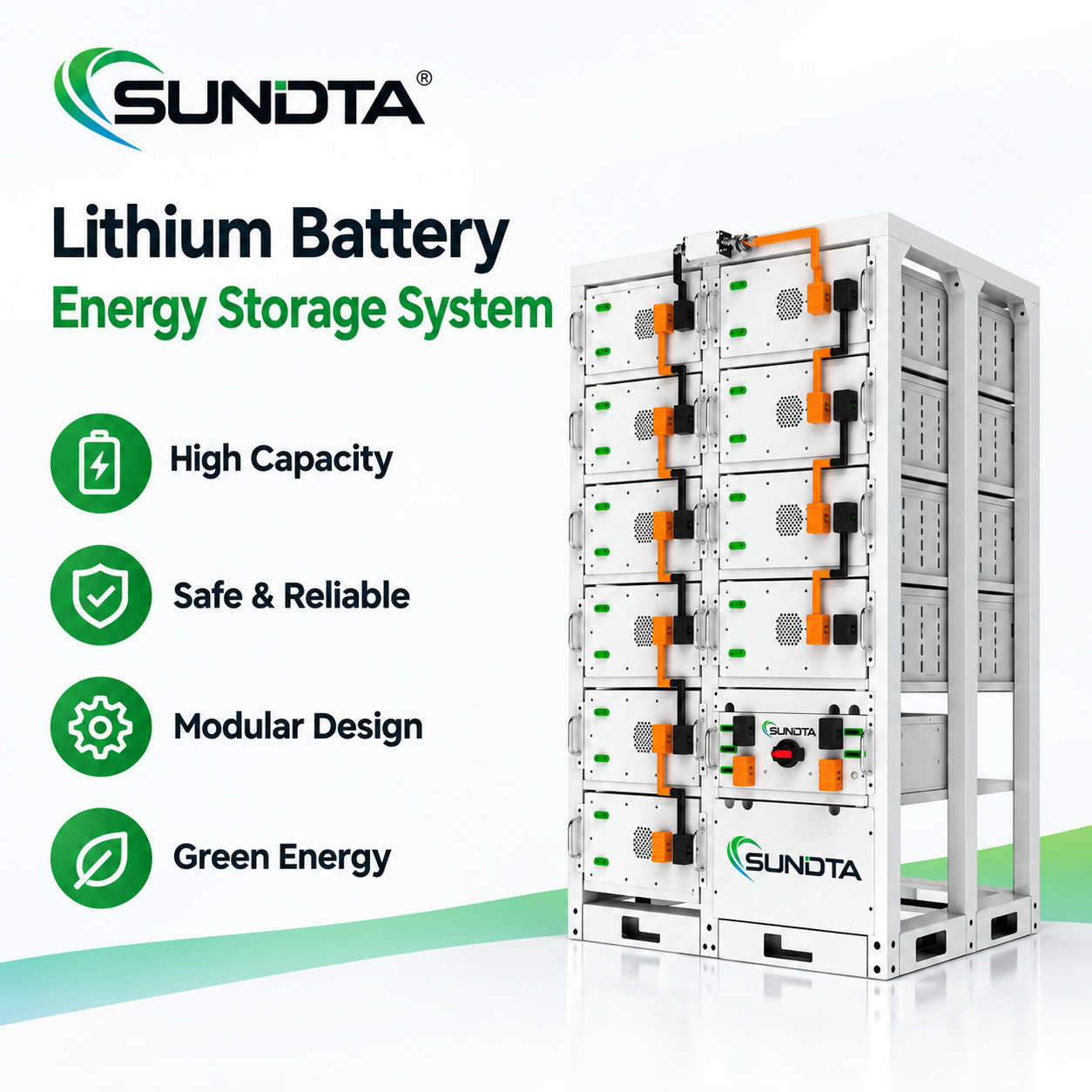
- High-precision automated cell balancing
- Deye/Solis/Growatt verified profile
- Comprehensive thermal run protection
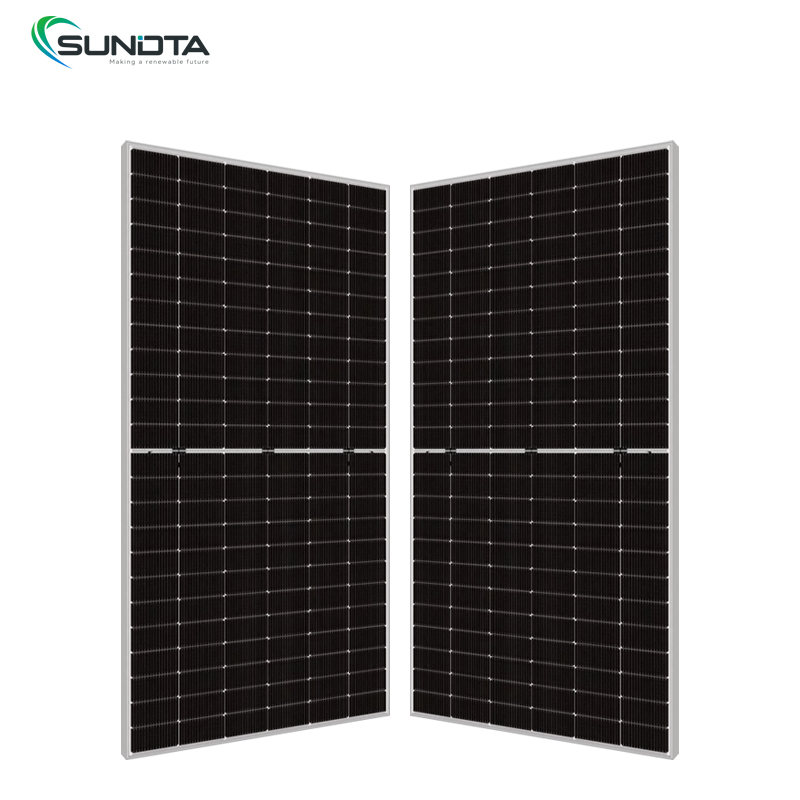
- N-Type TOPCon zero LID cell process
- Up to 23.2% module conversion rate
- Superior weak-light & monsoon yield
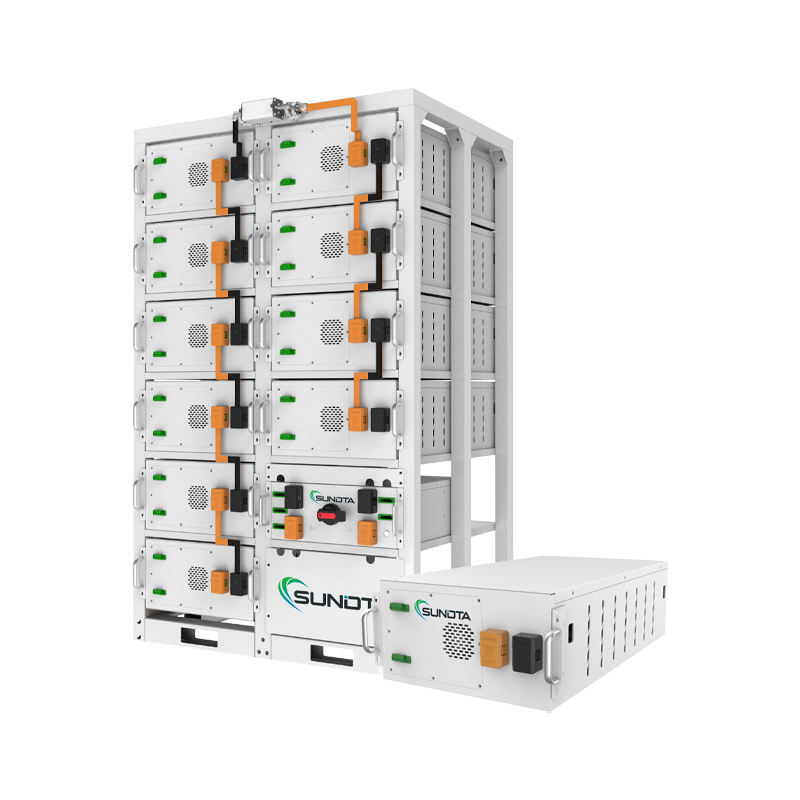
- Heavy-duty 14.33kWh continuous power
- Integrated smart state-of-health display
- Designed for tough factory environments
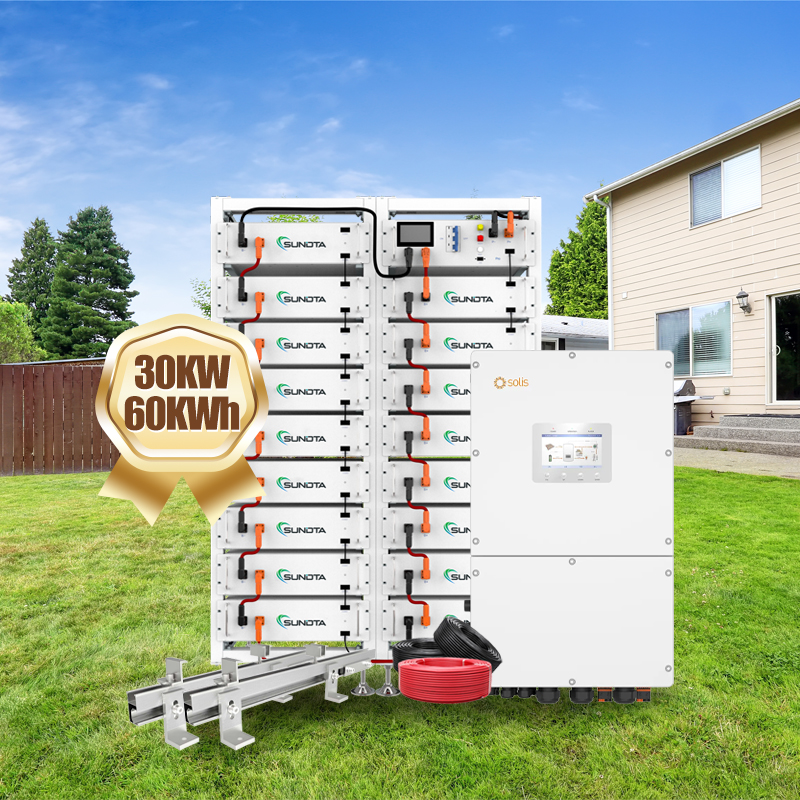
- Three-phase commercial grid synchronization
- Peak shaving & diesel genset control
- Integrated IP65 DC isolation array
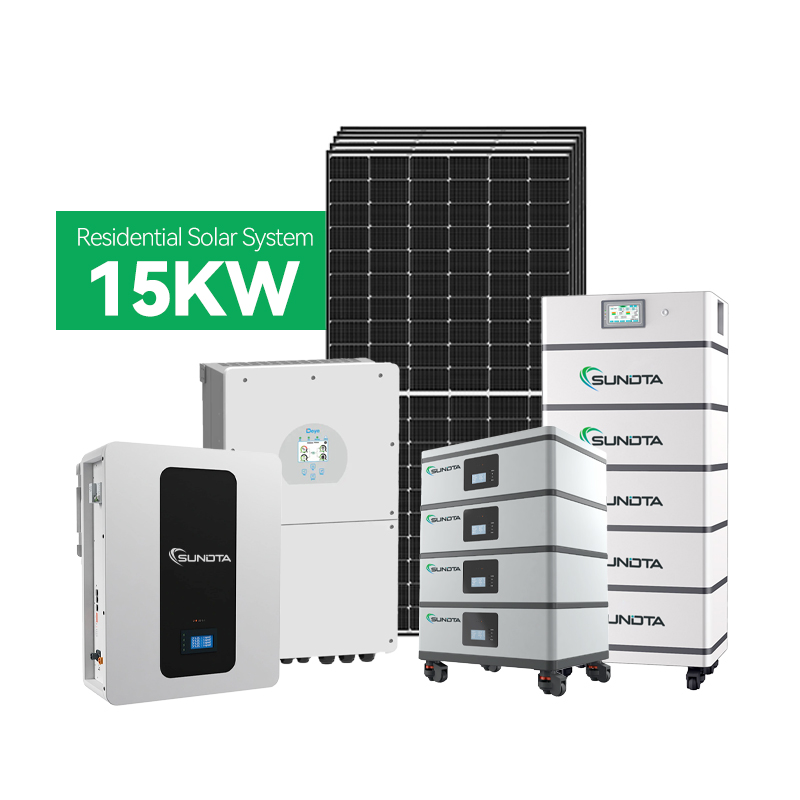
- Pre-wired distribution box & protection
- Rapid mounting system for metal/concrete
- High value-to-performance ratio
Engineering Grid-Tied PV Systems for Phuentsholing's Complex Energy Dynamics
Phuentsholing serves as the vital commercial and transit gateway of the Kingdom of Bhutan, sitting at the intersection of the subtropical lower Himalayan plains and high-demand cross-border logistics hubs. While Bhutan is historically celebrated for its seasonal hydroelectric bounty, local commercial operators, industrial logistics warehouses in Pasakha, and manufacturing estates face pronounced grid challenges. During the dry winter months, river flows through the Chukha and Tala hydro cascades decline steeply, coinciding with national demand peaks and high transmission tariff structures. Industrial operators in Chukha Dzongkhag must mitigate volatile grid voltage swings, seasonal energy shortages, and supply constraints by adopting distributed, grid-tied photovoltaic infrastructure.
1. Mitigating Subtropical Humidity, Heavy Monsoons, and Thermal Degradation
Phuentsholing experiences profound micro-climatic variance, marked by oppressive summer humidity, sustained monsoons, and extreme downpours. Conventional P-Type PERC solar modules deployed in these conditions frequently suffer from severe Potential Induced Degradation (PID) and elevated temperature coefficients. When ambient temperatures hover around 36°C with 90% humidity, standard silicon panels suffer substantial efficiency drops.
To eliminate these losses, our factory prioritizes N-Type TOPCon bifacial cells featuring passivated contact technologies and dual-glass POE (Polyolefin Elastomer) encapsulation. The dual-glass construction stops moisture vapor permeation—preventing internal cell corrosion, snail trails, and micro-cracking common in single-glass backsheet models. With a low temperature coefficient of -0.30%/°C, our N-type TOPCon modules deliver up to 5.2% higher actual power yield annually in southern Bhutan's wet, high-heat climate compared to legacy mono PERC options.
2. Solving Voltage Fluctuations & Grid Synchronization (BPC Interconnect Standard)
Industrial feeders running throughout the Phuentsholing and Pasakha industrial belt frequently register significant voltage and frequency instability caused by heavy inductive machinery, cement crushing lines, and long cross-border transmission feeds. Sourcing standard off-the-shelf on-grid inverters leads to chronic system trips, anti-islanding lockouts, and lost yields.
Our Deye and Solis hybrid inverters integrate broad MPPT voltage windows (typically 150V to 850V) along with dynamic Volt/VAR and Frequency/Watt response curves. Through programmable firmware profiles, our systems sustain grid synchronization during transient surges, while the zero-export limiter option complies strictly with local transmission code whenever bi-directional net-metering permits are undergoing review.
Localized Industrial & Commercial Application Scenarios
High-reliability implementations engineered for cross-border logistics, heavy industries, and critical infrastructure in southern Bhutan.
Pasakha Industrial Rooftops
Engineered for steel, carbide, and processing plants. Utilizing 700W+ high-wattage modules on standing seam tin roofs to offset severe daytime tariffs and relieve factory transformer loads.
Cold Chain & Logistics Hubs
Critical temperature-controlled food and pharmaceutical transit hubs along the Phuentsholing-Jaigaon corridor, operating hybrid inverters paired with 30kWh–100kWh stackable LiFePO4 packs.
Hospitality & Commercial Centers
Hotels, business establishments, and administrative offices across lower Chukha optimizing self-consumption rates and ensuring zero-flicker 10ms power transfer during routine distribution switchovers.
Microgrids & Remote Stations
Border outposts, telecom relay masts, and rural checkpoints along the steep Chukha hill roads requiring autonomous hybrid operations with remote cloud-monitoring telemetry.
Phuentsholing Energy Transition Trends & Direct Factory Economics
Bhutan’s national renewable energy policy aims to diversify beyond run-of-the-river hydroelectric power by targeting over 500 MW of solar capacity by 2030. Phuentsholing, being the Kingdom's direct customs clearance and transit epicenter, is positioned as the primary entry and deployment point for Tier-1 solar systems. EPC contractors and commercial project developers face significant price-markups and fragmented warranty liabilities when procuring through multi-tier regional brokers. Establishing a direct supply link with a certified manufacturing facility guarantees documented Bill of Materials (BOM), competitive bulk pricing, and specialized engineering coordination.
Direct factory procurement yields tangible cost and reliability advantages:
Furthermore, the rapid emergence of high-voltage (HV) residential and commercial battery architectures is superseding traditional low-voltage (48V) setups for systems exceeding 15kW. High-voltage series batteries reduce operating amperages, significantly cutting DC cable resistive heat losses—an essential advantage when engineering rooftop arrays for Phuentsholing’s prolonged high-temperature conditions.
Why Regional EPCs and Distributors Partner With Anhui RJV
Decades of manufacturing specialization, third-party verified quality management, and end-to-end BOM matching minimize technical and financial risk.
2.0 GW Automated Module Production
Operating fully automated robotic stringer and laminating lines in Hefei, Anhui, ensuring zero micro-fracturing through triple electroluminescence (EL) testing and high-accuracy IV sorting before palletizing.
TÜV Rheinland Assessed & Certified
Our complete production facility and quality assurance protocols are verified on-site by TÜV Rheinland. Modules and hybrid assemblies strictly comply with IEC 61215, IEC 61730, and CE international standards.
Complete Closed-Loop System Matching
We eliminate commissioning failures. Inverter MPPT firmware, battery BMS communication protocols (CAN/RS485), and DC safety isolation cabinets are pre-tested and validated prior to dispatch.
Full Customs Documentation Support
We supply complete, transparent export dossiers—including flash test reports, Certificate of Origin, packing lists, and test certifications—enabling friction-free border clearance into Bhutan.
24/7 Dedicated Engineering Desk
Direct contact with factory system integration engineers. Get technical layout reviews, string calculations, and electrical schematics delivered rapidly for your municipal or private bidding tenders.
Flexible OEM & Containerized ESS Supply
From custom branding on residential lithium batteries to standard 20ft/40ft MWh utility-scale containerized BESS solutions, we manufacture configurations aligned precisely to target project economics.
Frequently Asked Questions by Phuentsholing & Bhutan Sourcing Teams
Direct answers addressing grid integration, customs routing, shipping terms, and technical warranties.
How are shipping consignments delivered to Phuentsholing?
Consignments are typically shipped under CIF Kolkata (India) or directly through coordinated multimodal transit agreements to the Phuentsholing Land Customs Station (LCS). Palletized modules feature heavy-duty edge corner protections and desiccant packaging to prevent moisture ingress during regional monsoon transit.
Are your grid-tied hybrid inverters compliant with local utility rules?
Yes. Our inverters feature fully parameterizable grid-protection settings that comply with Bhutan Power Corporation (BPC) interconnect voltages (415V three-phase / 230V single-phase, 50 Hz). System units include programmable active anti-islanding, zero-export CT limitations, and adjustable over/under-voltage tripping windows.
How do LiFePO4 batteries handle winter temperatures in Chukha?
While Phuentsholing remains relatively warm, surrounding highland sites in Chukha drop during winter. Our smart BMS protects lithium iron phosphate chemistry by halting charge cycles below 0°C to prevent lithium plating, or activates integrated internal heating film modules to sustain safe charging without performance degradation.
What are the Minimum Order Quantities (MOQ) and lead times?
For standard inverters and lithium storage batteries, our MOQ is as low as 1 unit/set. Complete solar kits start at 1 set. Photovoltaic modules are supplied by the pallet (typically 31–36 panels) or full container loads (FCL). Typical manufacturing lead time is 10–15 business days following confirmed deposit and engineering sign-off.
Can we mix panels, hybrid inverters, and battery storage in one container?
Yes. RJV specializes in integrated, one-stop container loading. We verify structural weight distributions and secure battery hazardous goods (UN38.3, MSDS) alongside solar modules and inverters so your team receives a turnkey, pre-matched project bill of materials in a single import operation.
How are product warranties managed internationally?
PV modules carry a 12-year workmanship warranty and a 30-year linear performance warranty. Inverters and LiFePO4 batteries feature 5 to 10-year coverage. We provide direct factory replacement component modules, advance spares, and remote engineer diagnostic assistance to ensure uninterrupted uptime for clients.
Design & Source Your Grid-Tied PV System Today
Consult with our solar systems engineering team for detailed single-line diagrams (SLD), yield projections, and direct factory pricing for your installations in Phuentsholing and regional Bhutan.