Bolivia Clean Energy Architecture

Grid Tied System Manufacturers & Exporter Serving Cochabamba

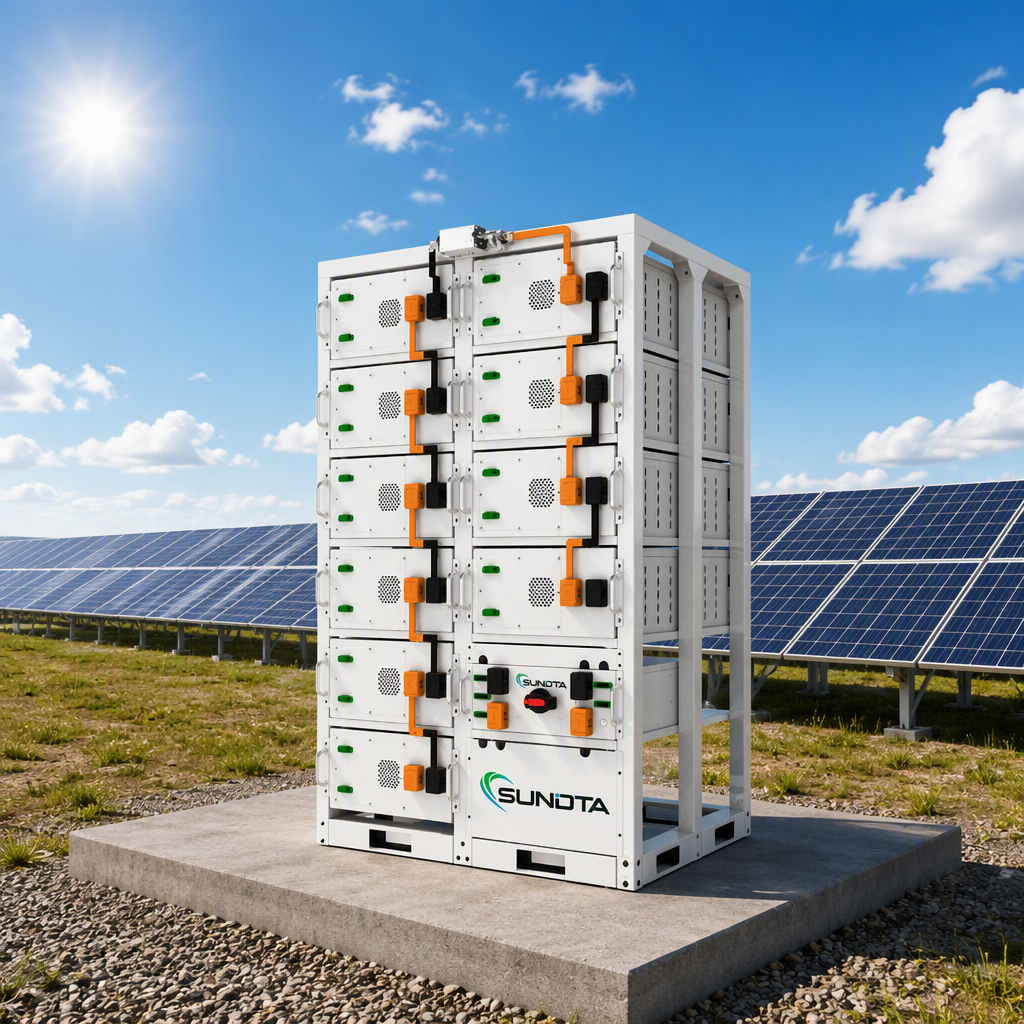
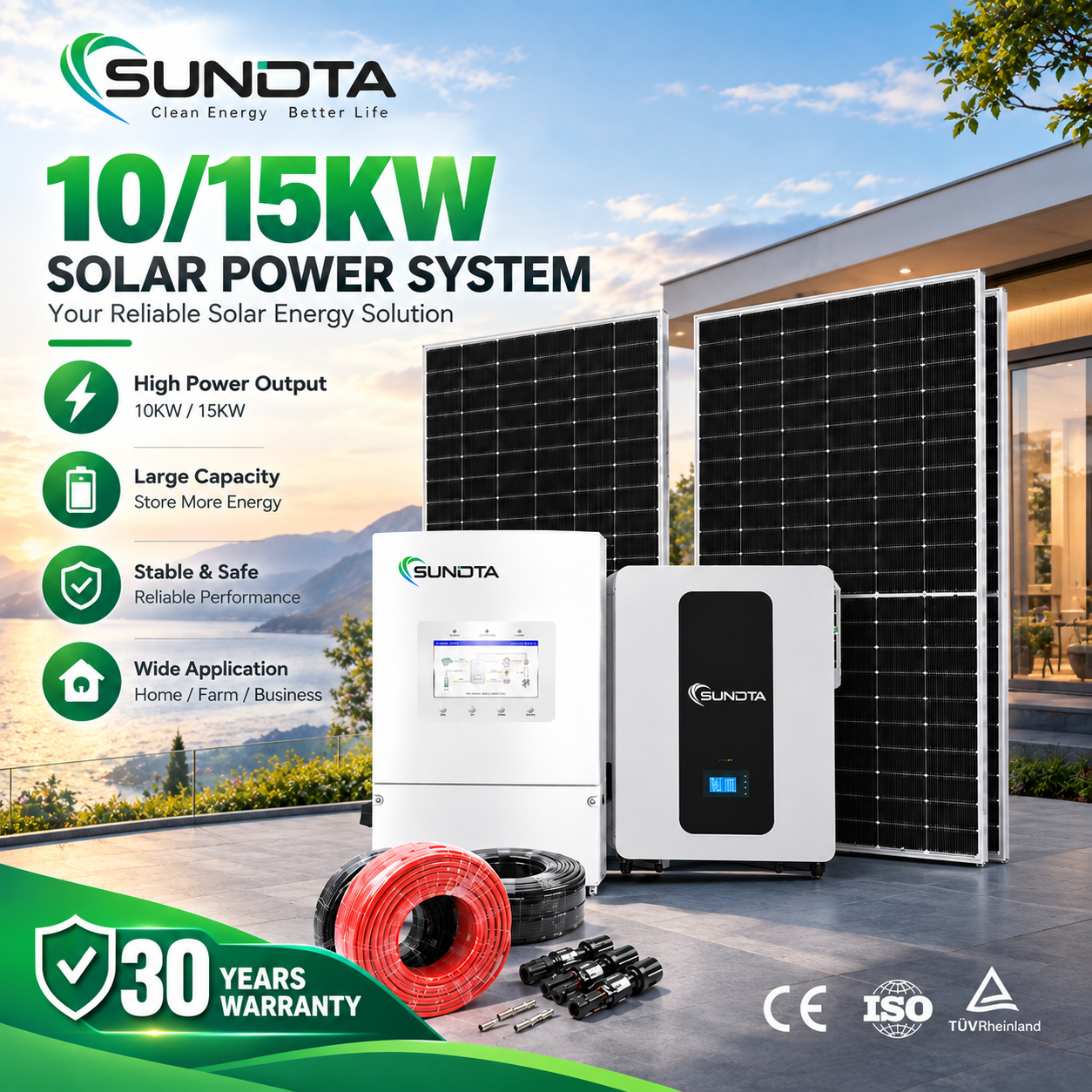
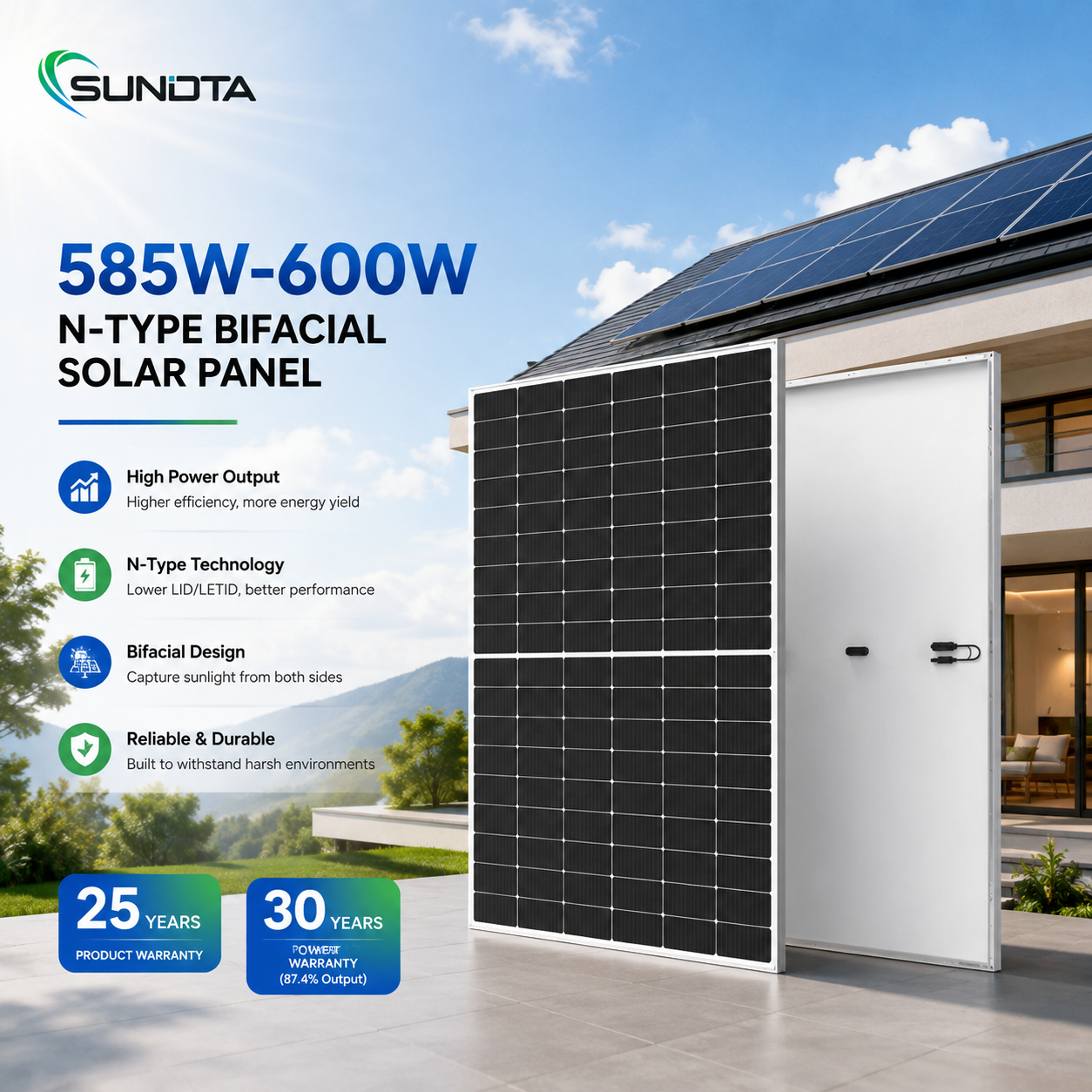
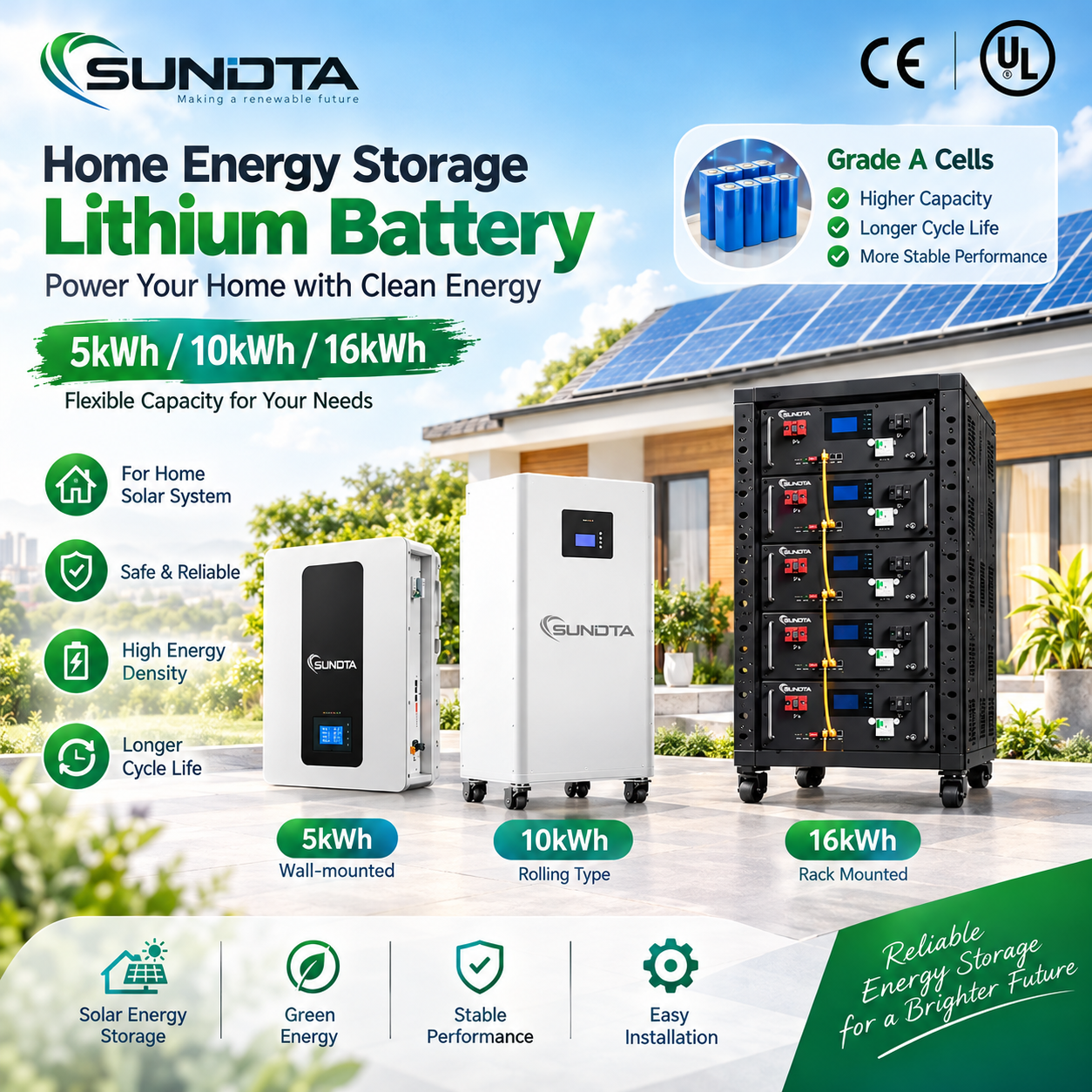
Industrial-grade N-Type TOPCon photovoltaic modules, high-frequency hybrid string inverters, and high-voltage LiFePO4 battery storage engineered for high-altitude irradiance and grid-parallel stability across Cochabamba.

2,558m
Altitude Engineering De-rating
500MW+
Turnkey PV Deployments
2GW
Annual Module Manufacturing
6,000+
Prismatic Cell Battery Cycles
Precision Tier-1 System Components

Standardized Photovoltaic Hardware Configured for Regional Resilience

Our complete component portfolio balances ultra-high conversion efficiency with thermal withstand capabilities, tailored specifically for the harsh solar spectrum and microgrid interconnectivity standards of central Bolivia.

Engineering White Paper Analysis

Overcoming High Altitude and Thermal Fluctuations in the Cochabamba Valley

Operating grid-tied photovoltaic arrays at Cochabamba's elevation (~2,558 meters) introduces severe environmental factors: elevated ultraviolet index, thinner atmospheric air cooling, and intense intra-day thermal cycling. Here is how our engineering eliminates common failure nodes.

Atmospheric De-rating & Clearance

Due to the lower breakdown voltage of thinner air at >2,000m, standard inverter clearances risk flashover and thermal shutdown. Our export models integrate uprated galvanic isolation, oversized heatsinks, and conservative IGBT thermal de-rating curves to deliver 100% rated capacity without nuisance tripping.

Enhanced UV & PID Mitigation

Cochabamba registers UV indices regularly topping 11+. RJV modules utilize POE (Polyolefin Elastomer) encapsulation instead of traditional EVA, safeguarding against yellowing, moisture ingress, and Potential Induced Degradation (PID), guaranteeing less than 0.4% annual output degradation across 30 years.

Grid Fluctuations & Active Regulation

Interfacing with the local distribution network (ELFEC) requires tight power factor tolerance and rapid response to voltage sag. Our Deye and Solis based three-phase platforms supply configurable Volt-Watt and Volt-VAr curves, insulating local operations from frequency instability.

System Metric Generic Market Standard Anhui RJV Cochabamba-Spec Solution Engineering Benefit
PV Cell Architecture P-Type PERC Monocrystalline N-Type TOPCon Dual-Glass +3.8% higher lifetime yield, negligible light-induced degradation in high UV
Operating Temperature Coeff. -0.35% / °C to -0.38% / °C -0.30% / °C Benchmark Significantly higher output during midday high-heat irradiation spikes
Inverter Thermal Altitude Rating Severe de-rating above 1,500m Full Power Rating up to 3,000m Prevents clipping during peak generation in Cochabamba's high valley
Lithium Cell Chemistry Standard Ternary / Pouch Cells Tier-1 Prismatic LiFePO4 Non-combustible, intrinsically safe across rapid thermal shifts
Targeted Field Implementations

Proven Deployment Architectures Throughout Cochabamba

From the industrial manufacturing belt of Quillacollo and Sacaba to remote agricultural irrigation, our grid-tied and hybrid configurations fulfill exact utility profiles.

Residential Grid Tied Solar Cochabamba

Residential Self-Generation

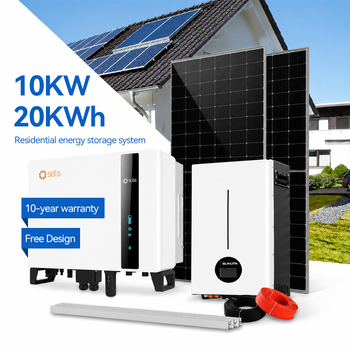
5kW to 12kW setups engineered for villas and urban developments in Cochabamba city, offsetting escalating tiered municipal tariffs while maintaining sub-10ms battery backup during unexpected network drops.

Commercial Industrial Solar Rooftop

C&I Manufacturing & Processing

30kW to 100kW parallel systems for food processing plants, plastics, and textile manufacturing in Sacaba and Quillacollo, shaving peak demand charges and stabilizing three-phase motor loads.

Agricultural Irrigation Solar Systems

Agricultural & Dairy Operations

Deep-well pumping and cold storage systems throughout the fertile Valle Alto and Valle Central, enabling daytime direct drive solar pumping synchronized with grid power or diesel genset failovers.

Microgrid and BESS Energy Storage

Microgrids & Institutional Sites

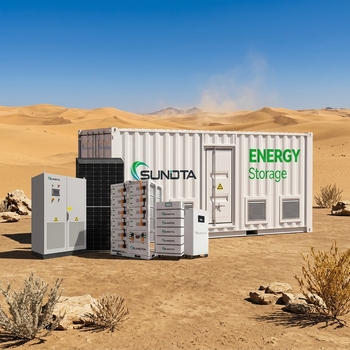
High-voltage battery cabinets and containerized ESS installations supporting educational campuses, hospitals, and municipal water purification facilities requiring clean, zero-carbon uninterrupted power.

The Manufacturer Advantage

Why South American Importers and EPCs Partner with Anhui RJV

Sourcing direct from our Hefei manufacturing headquarters guarantees uncompromised quality assurance, audited supply chain traceability, and bankable certifications.

TÜV Rheinland Assessed

Our complete factory operations undergo rigorous, independent on-site assessments by TÜV Rheinland. Every batch conforms to strict international safety and build criteria (IEC 61215, IEC 61730, CE).

2 GW Industrial Capacity

With 12+ years of dedicated photovoltaic manufacturing and 38 proprietary technology patents, RJV provides enterprise volume, stable pricing, and continuous technological enhancements.

One-Stop Coordinated BOM

Say goodbye to communication breakdowns between inverters and batteries. We cross-certify string voltages, MPPT parameters, and CAN-bus BMS protocols before container dispatch, reducing field commissioning time by 60%.

Dedicated Export Logistics

Complete customs clearance packs including factory flash test data, CE declarations, bill of lading, and certificate of origin tailored to Bolivian customs checkpoints, backed by flexible Incoterms (CIF, FOB, CFR).

Market Intelligence & Outlook

The Expanding Frontier of Distributed Generation in Cochabamba

Bolivia's commitment to energy transition and decentralized power networks offers distinct commercial advantages for distributors and project developers.

Distributed Generation Framework (Decreto Supremo 4477)

Bolivia's legal foundation allows grid-tied consumers to inject surplus solar energy back into the distribution network under net-billing models. Commercial entities in Cochabamba are moving swiftly to monetize roof footprints. Implementing RJV's smart grid-tied inverters equipped with certified anti-islanding controls ensures immediate compliance with distribution grid safety directives.

Transitioning from Pure Grid-Tied to Hybrid Storage

While standard grid-tied setups reduce monthly energy bills, regional line instability often leads to lost work hours. The local Cochabamba market is observing an exponential rise in hybrid solar conversions: pairing high-yield PV with stackable LiFePO4 batteries. This hybrid balance secures 100% self-reliance during grid failure while preserving grid-tied billing advantages.

Procurement & Technical Support

Frequently Asked Questions for Cochabamba PV System Buyers

Addressing the key engineering, logistics, and grid compliance questions raised by Bolivian electrical contractors, engineers, and distributors.

How do you guarantee that your inverters and solar panels perform without de-rating at Cochabamba's 2,558-meter altitude?
At 2,500m+ elevations, reduced atmospheric density compromises natural convective cooling and lowers dielectric withstand voltage. Standard consumer-grade inverters often experience continuous thermal throttling. RJV exports heavy-duty Deye and Solis hybrid units featuring widened internal heat sinks, smart speed-controlled fan arrays, and oversized power semiconductors (IGBTs) tested to operate without de-rating up to 3,000 meters. Furthermore, our N-Type TOPCon panels feature low temperature coefficients (-0.30%/°C), preventing the voltage drop-offs common with inferior solar cells under high-altitude sun.
Are these systems compliant with ELFEC interconnection and anti-islanding safety protocols?
Yes. Interconnection under Decreto Supremo 4477 with the local distributor (ELFEC - Empresa de Luz y Fuerza Eléctrica Cochabamba) mandates rigorous anti-islanding protection (under IEEE 1547 and UL 1741 standards), instantaneous grid disconnect upon utility outage, and adjustable reactive power limits. RJV grid-tied and hybrid inverters come factory pre-set with certified anti-islanding protection and adjustable power factor parameters, complete with bilingual test certificates to streamline your municipal engineering approvals.
What is the typical shipping lead time and customs transit path to Cochabamba?
Most ocean freight shipments depart from Ningbo or Shanghai port, transit to the Pacific port of Arica or Iquique in Chile, and are transported overland directly to custom warehouses in Cochabamba. Total transit time averages 35 to 45 days. RJV supplies complete export packing: seaworthy reinforced wooden crates, moisture barrier desiccant bags, full bill of lading, notarized origin declarations, and TÜV/CE certificates to prevent port customs delays.
Can RJV supply mixed container orders (e.g., modules, inverters, and battery storage)?
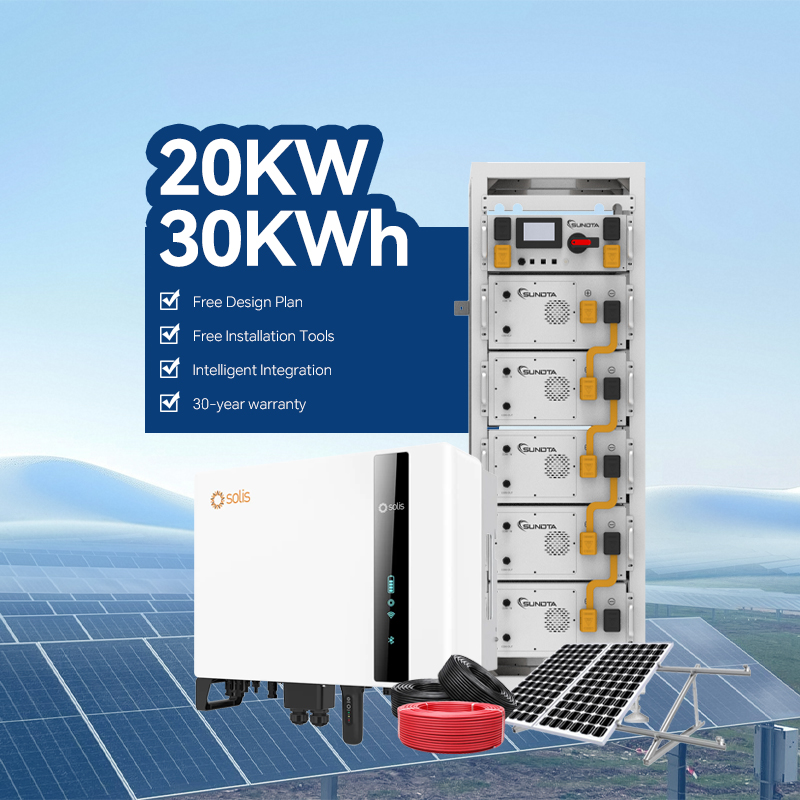
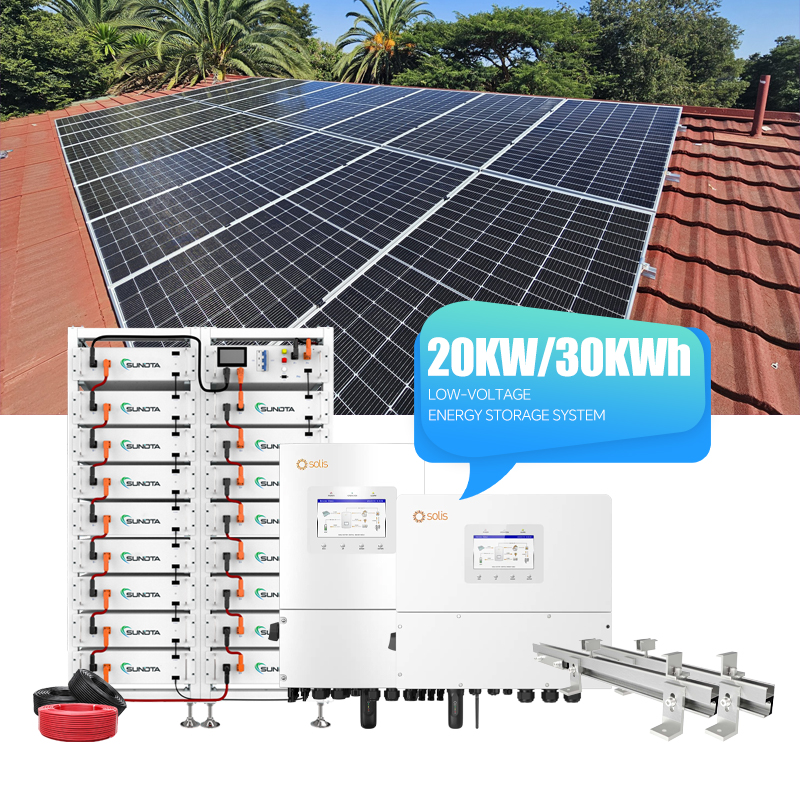
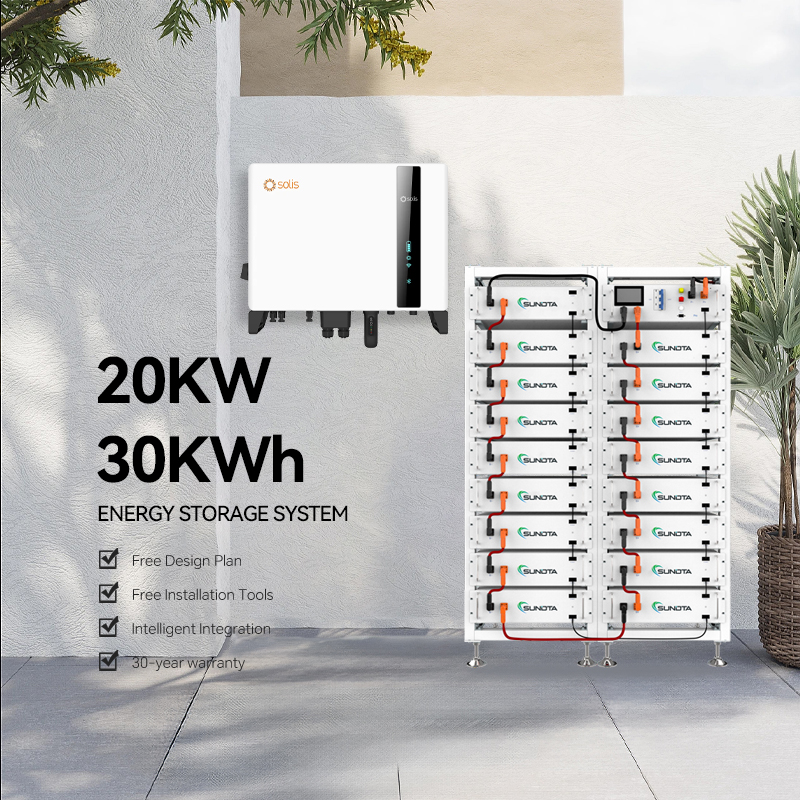
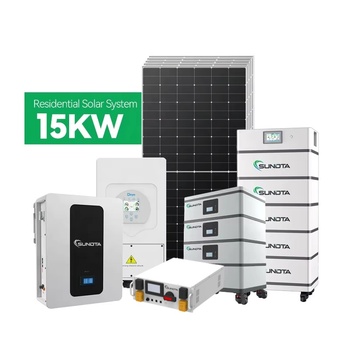
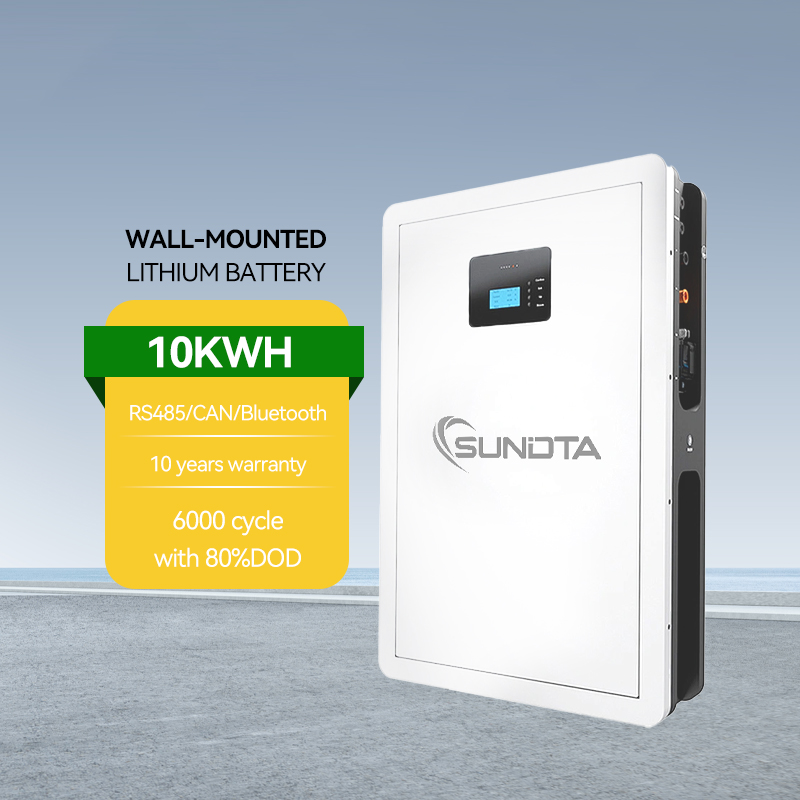
Absolutely. Consolidating full system bills of materials (BOM) is one of our primary core competencies. Rather than handling individual logistics for modules, inverters, and lithium storage with separate suppliers, you can configure unified 20ft or 40ft High Cube containers containing panels, pre-matched hybrid inverters, wall-mounted batteries, cables, and aluminum roof mounts. Every piece is matched and certified together prior to container loading.
How are warranty claims, remote diagnostics, and technical commissioning handled?
All RJV photovoltaic panels come backed by a 12-year product warranty and a 30-year linear performance warranty. Inverters and LiFePO4 batteries carry 5 to 10-year warranties. Systems feature integrated Wi-Fi / 4G data loggers connecting directly to cloud monitoring applications. In the event of a technical issue, our bilingual senior engineering support team performs live remote diagnostics, firmware updates, and component troubleshooting in real-time.

Request a Customized PV Engineering BOM & Freight Quotation

Connect directly with our senior solar system integration engineers. We will analyze your site coordinates, load profile, and altitude parameters to prepare a factory-direct proforma quote within 24 business hours.