Featured PV Modules, Inverters & Energy Storage Systems
Precision-matched balance of systems built to eliminate commissioning delays, certified under CE and TÜV Rheinland protocols for commercial, industrial, and agricultural installations across southern Azerbaijan.
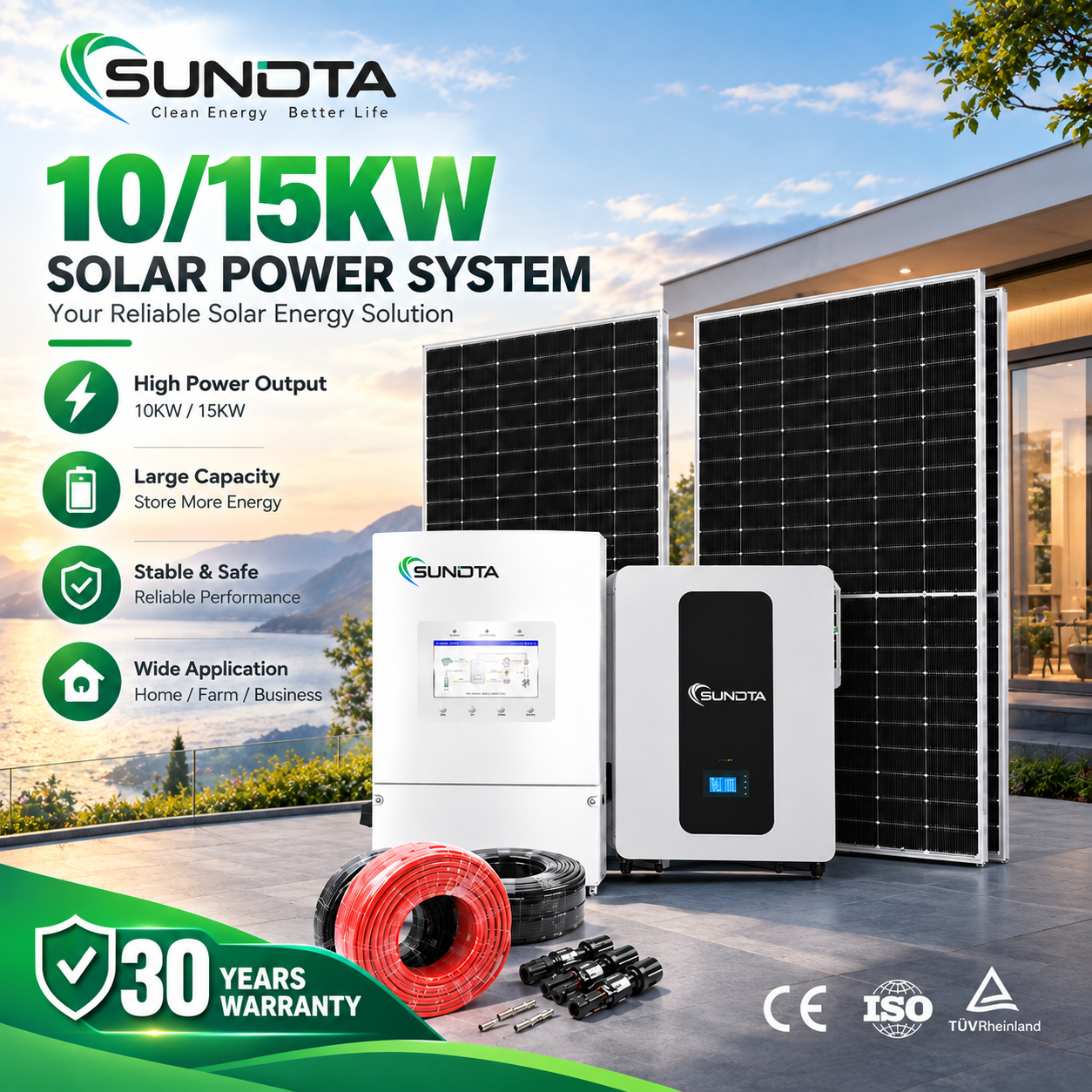
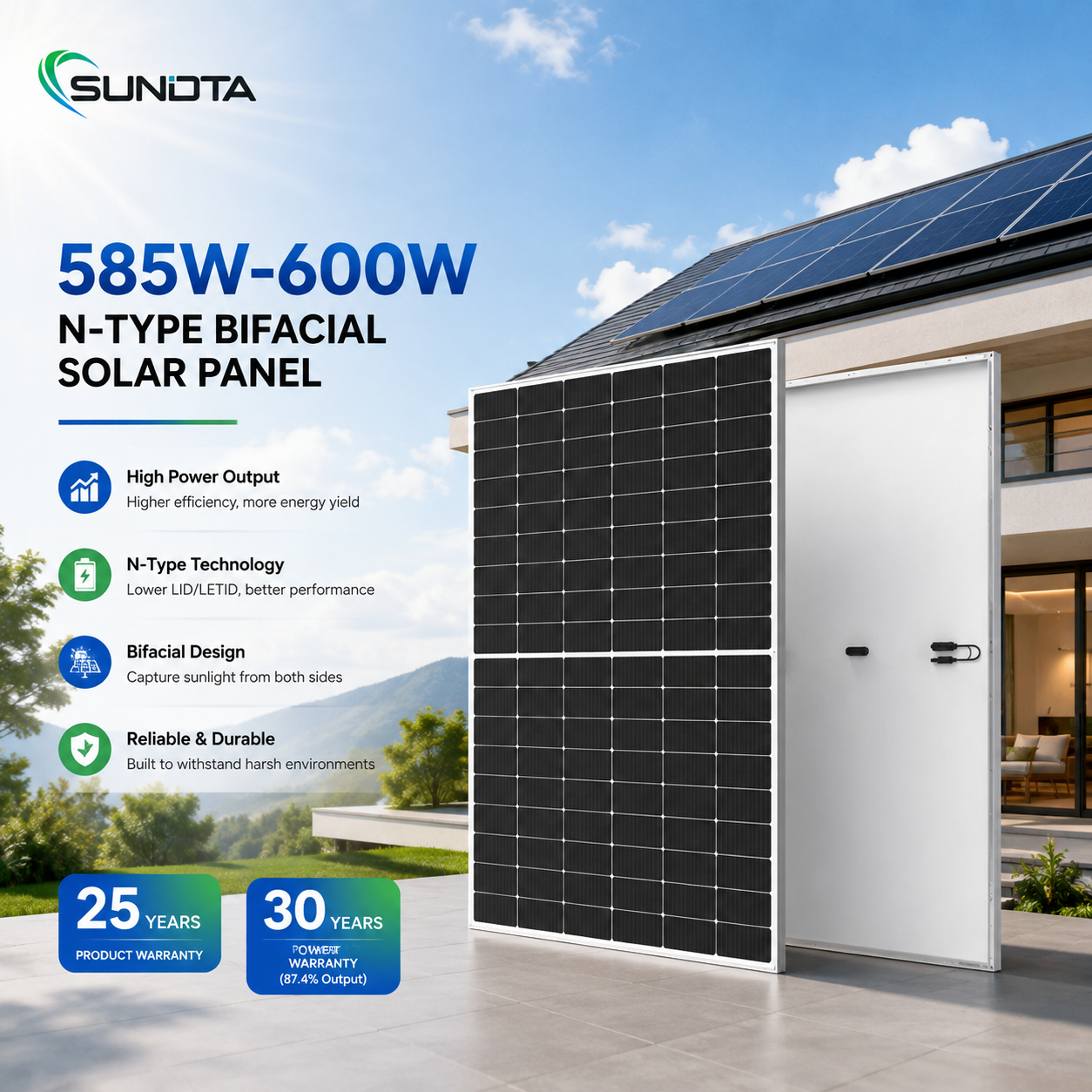
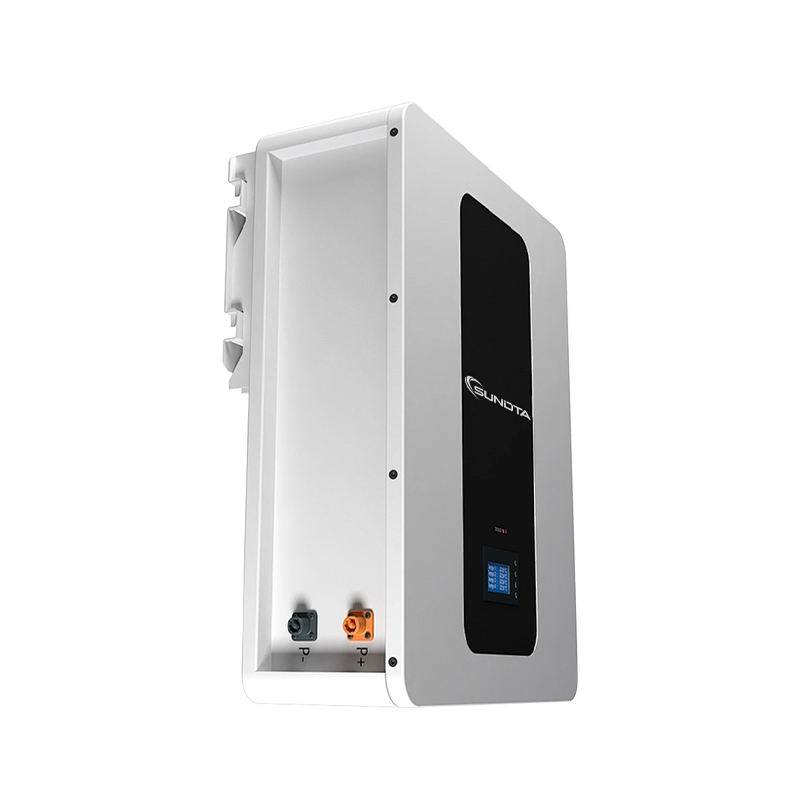
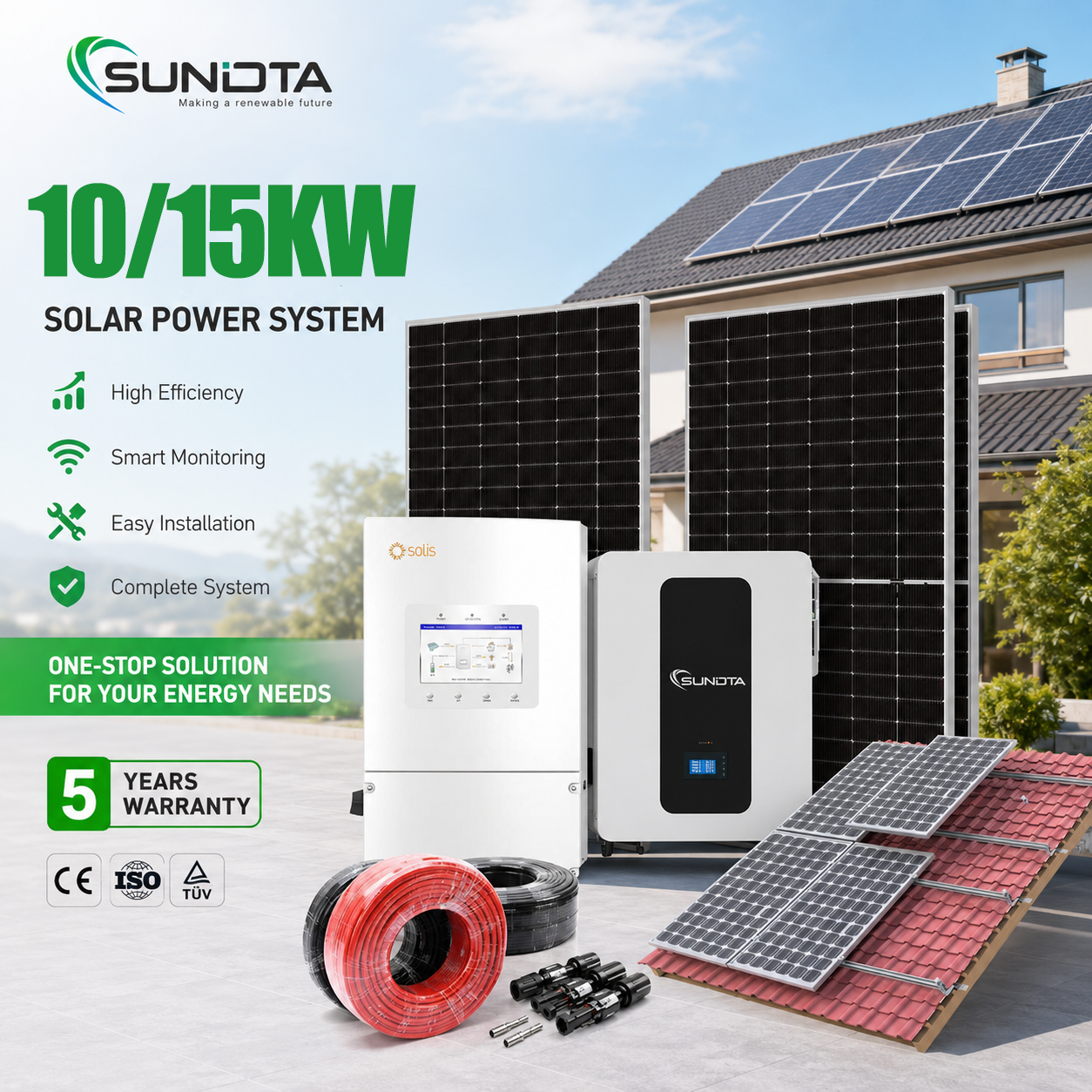
Heterojunction (HJT) Architecture: Next-Generation Photovoltaics for Lankaran
As the renewable energy transition accelerates across the South Caucasus, selecting the correct photovoltaic cell architecture is no longer merely a question of peak nominal wattage (Wp). In Lankaran—characterized by its unique humid subtropical Caspian lowland environment, high summer heat indices, persistent maritime cloudiness, and heavy seasonal precipitation—conventional p-type PERC panels suffer substantial thermal attenuation and light-induced degradation. Heterojunction Technology (HJT) represents a decisive technological leap forward, integrating an ultra-thin N-type crystalline silicon (c-Si) wafer sandwiched between nanometer-scale layers of intrinsic and doped amorphous silicon (a-Si:H), capped by transparent conductive oxide (TCO) films.
Heterojunction solar cells resolve the primary bottleneck of standard homojunction crystalline cells: carrier recombination velocity at the raw silicon surface. By introducing wide bandgap amorphous silicon passivation layers, HJT achieves an open-circuit voltage (Voc) surpassing 750 mV, significantly higher than TOPCon (~725 mV) and PERC (~690 mV). For commercial enterprises, agricultural producers, municipal operators, and private investors in Lankaran, Astara, Lerik, and Masalli, this technological distinction translates directly into higher kilowatt-hour (kWh) yield per square meter, especially under diffuse light, hazy maritime skies, and elevated operating ambient temperatures.
Thermal Coefficient Dynamics and Coastal Humidity Immunity
Solar panel ratings are calibrated in laboratory Standard Test Conditions (STC) at 25°C. In the Lankaran Lowland during summer months (June to September), ambient daytime temperatures routinely range from 32°C to 38°C, pushing real-world cell junction operating temperatures well into 60°C to 70°C. Conventional PERC panels operate with a temperature coefficient of -0.35% to -0.38%/°C, resulting in power derating of 14% to 17% during periods of maximum solar radiation. By contrast, RJV's Heterojunction HJT modules operate with an industry-leading temperature coefficient of -0.26%/°C. Under identical operational heat loads, HJT preserves up to 5% to 8% higher instantaneous electrical generation compared to older legacy technologies.
Furthermore, Lankaran borders the Caspian Sea, exposing ground-mounted and rooftop arrays to elevated ambient relative humidity (often exceeding 80%) coupled with maritime aerosol chlorides. Unlike traditional EVA (ethylene vinyl acetate) encapsulates which break down into acetic acid when penetrated by moisture—initiating Potential-Induced Degradation (PID) and silver grid corrosion—HJT dual-glass modules use dense polyolefin elastomer (POE) encapsulation and symmetrical glass-glass laminates. This prevents moisture ingress, completely eliminates PID, and mitigates cell-level mechanical stress against the humid coastal Talysh microclimate.
| Performance Metric | P-Type PERC (Legacy Standard) | N-Type TOPCon (Current Market) | N-Type HJT / HIT (Premium Architecture) |
|---|---|---|---|
| Cell Open Circuit Voltage (Voc) | 685 – 695 mV | 715 – 730 mV | 745 – 760 mV |
| Temperature Coefficient of Pmax | -0.35% to -0.39% / °C | -0.30% to -0.32% / °C | -0.26% / °C (Lowest Thermal Loss) |
| Bifaciality Factor (%) | 70% ± 5% | 80% ± 5% | 90% – 95% (Maximum Albedo Yield) |
| First Year Degradation | < 2.0% | < 1.0% | < 0.75% to 1.0% |
| Annual Degradation (Years 2-30) | 0.55% / year | 0.40% / year | 0.25% – 0.35% / year |
| LID / LeTID / PID Susceptibility | Moderate to High | Low | Zero (Inherently Immune) |
| Low-Light / Diffuse Performance | Baseline Reference | +2.5% Gain | +4.0% to +6.5% Gain |
| Lankaran Coastal Suitability | Requires Extra Anti-PID / C4 coating | Good (With Double Glass) | Optimal (POE Dual-Glass + POE Sealed) |
Localized PV & Storage Application Scenarios Across Lankaran & Southern Region
The economic landscape of the Lankaran-Astara Economic Region is distinct from the arid Absheron Peninsula or the inland Kura-Aras basin. Lankaran is Azerbaijan's prime agricultural capital for subtropical crops (tea plantations, citrus orchards, feijoa, persimmon, and kiwi), as well as an expanding ecological tourism and maritime logistics corridor. Deploying heterojunction solar arrays and intelligent lithium energy storage solves precise local infrastructure challenges:
Agri-Photovoltaics & Tea / Citrus Processing
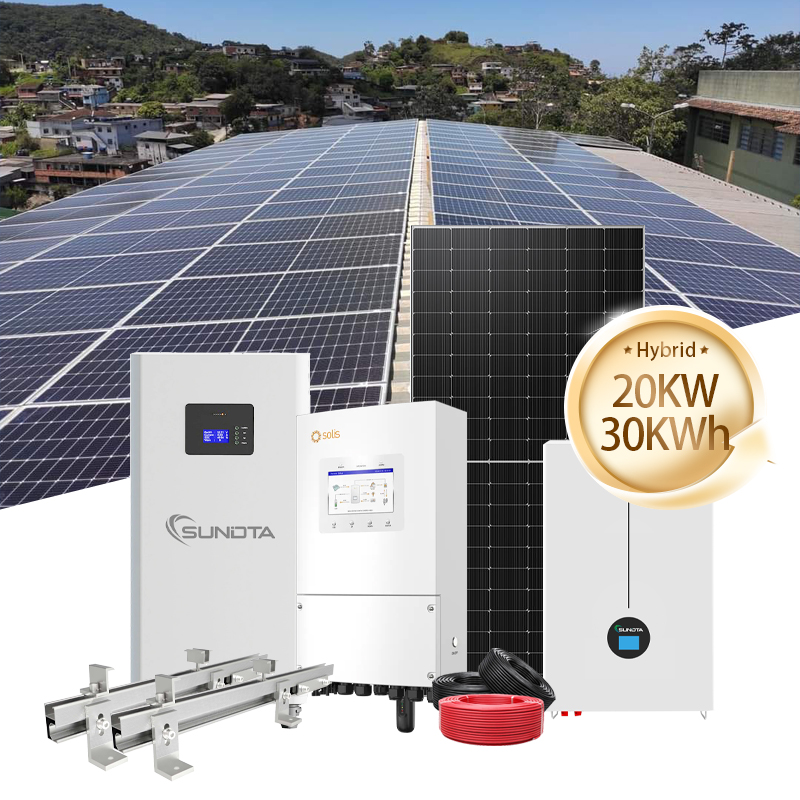
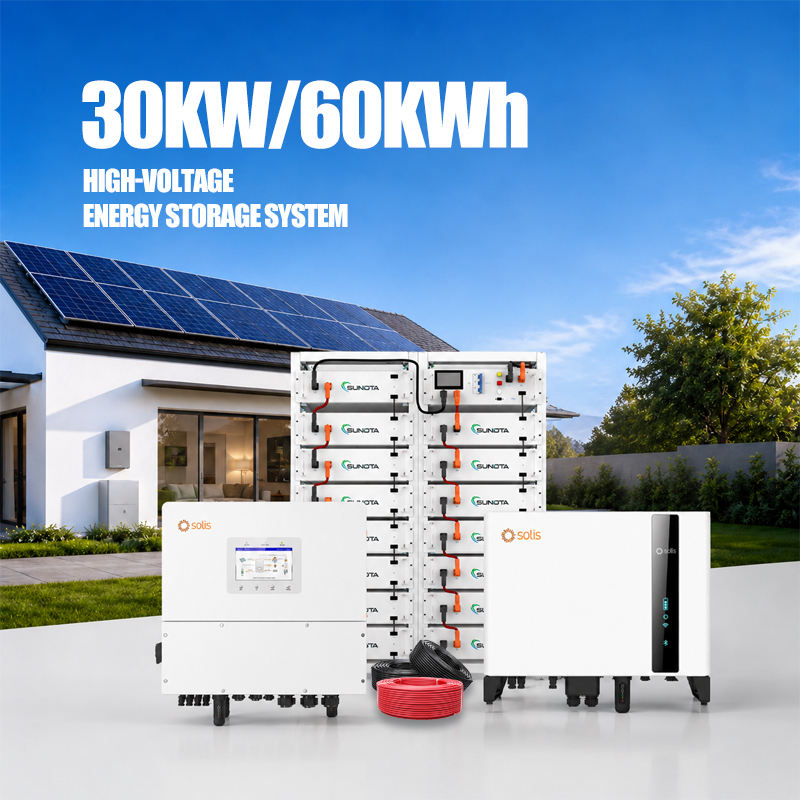
Tea drying facilities, citrus cold storages, and automated drip-irrigation networks along the Lankaran plains require heavy electrical loads precisely during peak seasonal harvest. Dual-glass bifacial HJT modules mounted with elevated agrivoltaic clearance protect delicate crops from scorching sun while utilizing ground vegetation albedo. Integrated with our 50kW Commercial Hybrid Systems and 100kWh LiFePO4 Cabinets, processors avoid costly peak-demand network penalties and preserve processing uptime during rural grid outages.
Caspian Coastal Resorts & Thermal Sanatoriums
Lankaran’s coastal tourism industry and mineral thermal resorts experience massive air-conditioning and water-heating power demands throughout the humid summer. Rooftop space is often constrained by architectural aesthetics. RJV’s high-density 585W–595W N-Type Bifacial and full-black modules deliver maximum generation per square meter. Closed-loop Deye and Solis hybrid inverters switch instantaneously (<10ms) to lithium battery banks during frequent regional voltage dips, guaranteeing silent, uninterrupted luxury hospitality operations.
Talysh Mountain Off-Grid Estates & Telecom Towers
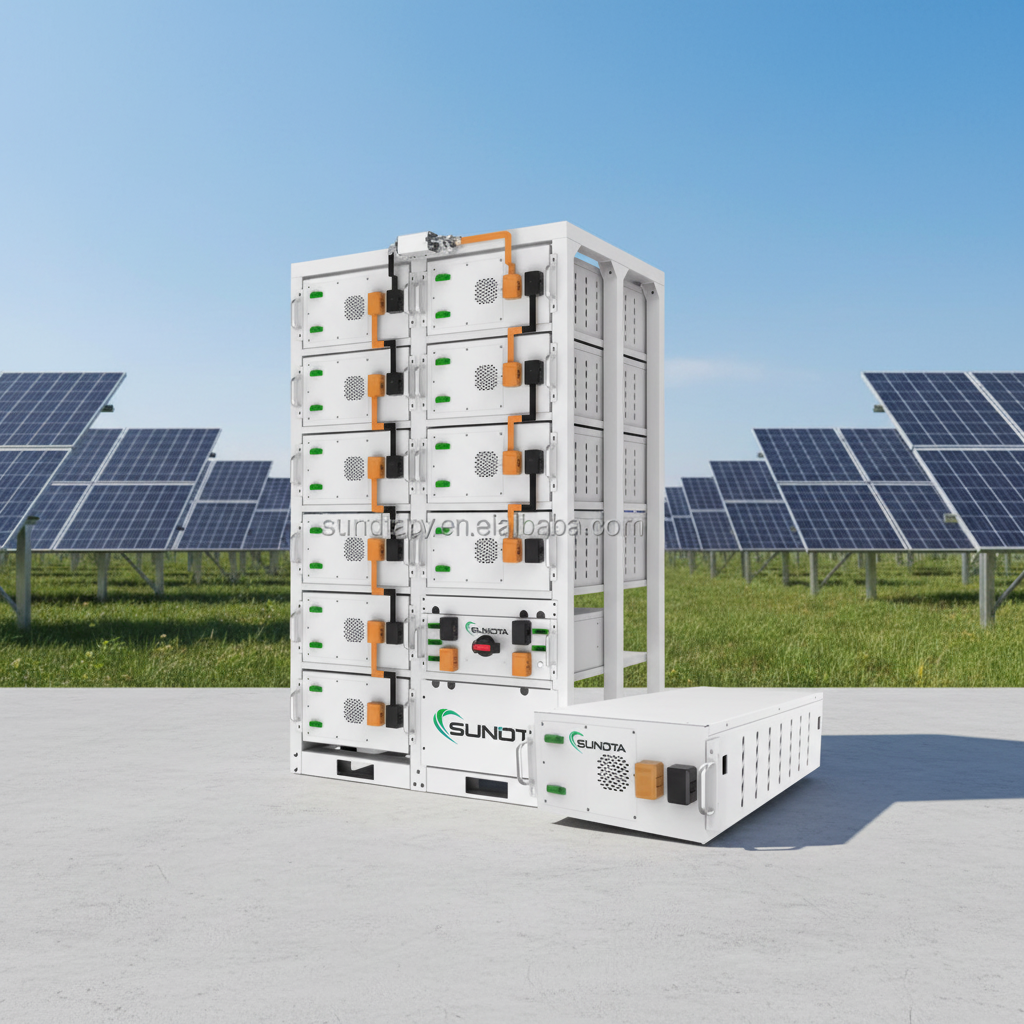
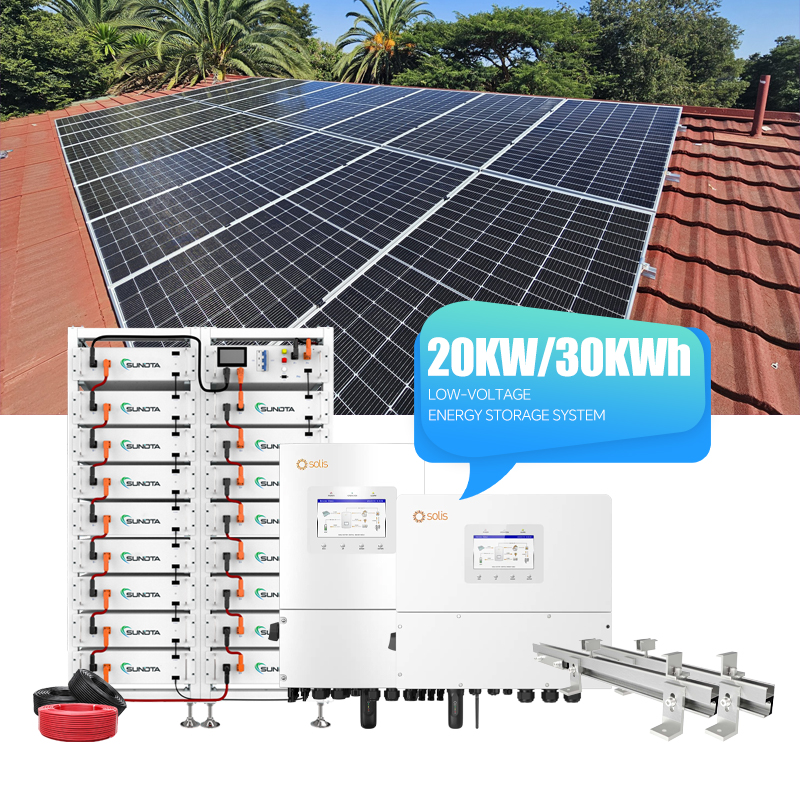
In the mountainous regions surrounding Lerik, Yardimli, and Upper Lankaran, extending national medium-voltage grid lines across steep, heavily forested terrain is economically prohibitive. Our Complete 15kW–20kW Off-Grid Systems paired with modular 51.2V 300Ah / 30kWh Wall and Rack LiFePO4 Stacks provide 100% autonomous power. Heterojunction’s superior response to diffuse mountain fog ensures high battery state-of-charge (SoC) even during cloudy winter weeks.
Solar Energy Trends in Lankaran & the Azerbaijan Decarbonization Roadmap
Following Azerbaijan's hosting of COP29 in Baku and the official government mandate targeting a 30% renewable electricity mix by 2030, the legislative and economic framework for solar installation has shifted dramatically. Under Presidential decrees establishing "Green Energy Zones" and net-metering schemes implemented through Azerishiq and the Ministry of Energy, distributed micro-generation for private and commercial entities has transitioned from an experimental niche into an institutional investment priority.
Net Metering Modernization
Azerbaijan's updated net billing mechanisms allow private and industrial distributed generators up to 150 kW to export excess generation back into the local distribution grid, dramatically shortening project payback periods across Lankaran rayon.
Tariff Restructuring Incentives
Gradual rationalization of subsidized commercial grid tariffs has raised daytime commercial energy costs, making on-site PV coupled with peak-shaving LiFePO4 battery storage financially compelling with internal rate of returns (IRR) exceeding 21%.
International Transit Corridors
Lankaran's strategic proximity to the North-South Transport Corridor (INSTC) and Astara border ensures streamlined logistics for containerized energy components, reducing freight transit time and customs dwell times at Baku and Astara ports.
Grid Resiliency Mandates
Agricultural processing plants and export packaging lines are rapidly mandating hybrid uninterruptible solar-plus-storage topologies to eliminate costly production losses caused by regional grid fluctuations and localized seasonal storms.
Frequently Asked Questions: Procuring Solar Equipment in Lankaran
Why choose Heterojunction (HJT) panels over standard TOPCon or Mono PERC for Lankaran's climate?
How are commercial shipments routed and cleared for Lankaran and the Southern Region?
Are your LiFePO4 batteries seamlessly compatible with Deye, Solis, and other hybrid inverters?
What is the minimum order quantity (MOQ) and payment structure for B2B buyers and EPCs?
How is after-sales support and warranty replacement handled for installations in Lankaran?
Why Global Developers & Azerbaijani Installers Partner with RJV
Headquartered in the national high-tech manufacturing cluster of Hefei, China, Anhui RJV New Energy Co., Ltd. is an established manufacturer and clean-energy integration enterprise. With our manufacturing backbone originating in advanced photovoltaic research and automated production since 2016, RJV combines tier-grade module fabrication with synchronized power electronics. Our facility has undergone rigorous on-site supplier evaluation by TÜV Rheinland, maintaining an AAA Credit Rating and over 38 proprietary patents across cell passivation, BMS thermal control, and high-yield module assembly.