Tier-Matched Photovoltaic Modules & Integrated Storage Systems
Seamlessly engineered for Uruguayan utility developers, industrial microgrids, and residential agricultural installers seeking verified mechanical resilience and superior bifacial yields.
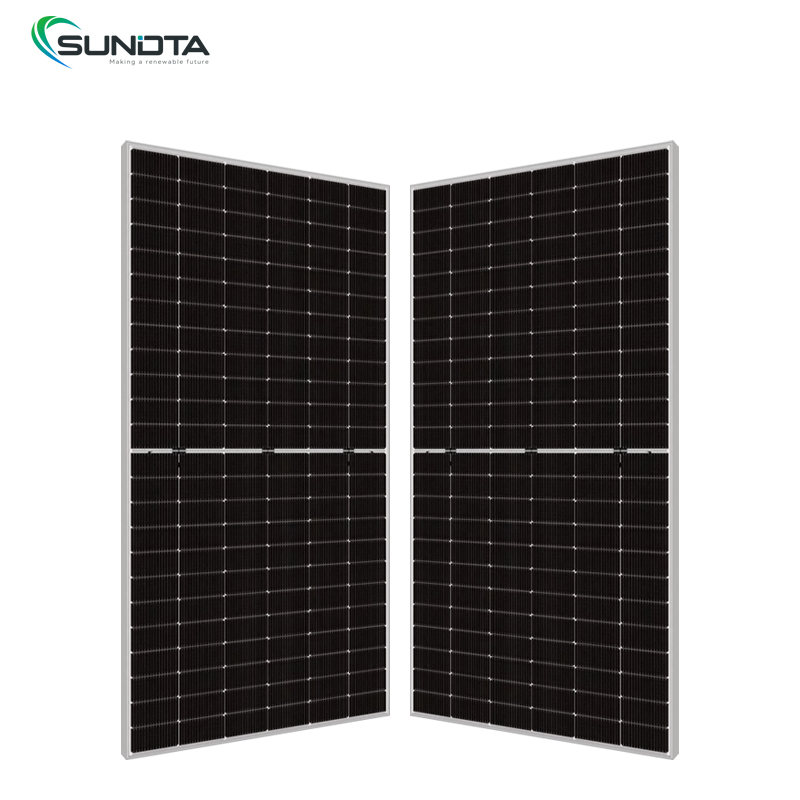
- Ultra-high power generation with SMBB architecture
- Low thermal coefficient for high irradiance zones
- Optimized for C&I and utility ground-mounted arrays
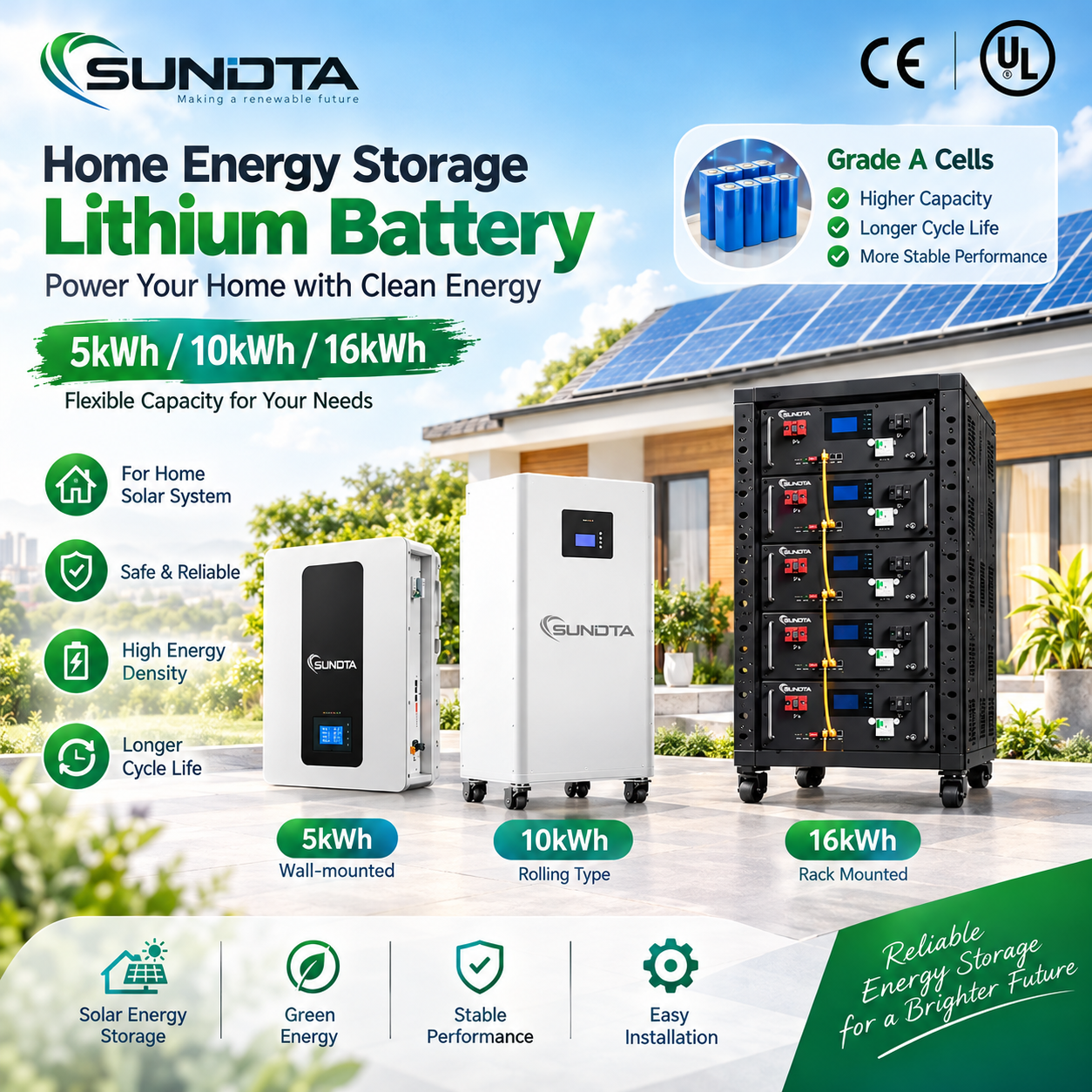
- Wall-mounted residential architecture with smart BMS
- 6000+ deep charge/discharge lifecycles
- Direct multi-inverter protocol auto-adaptation
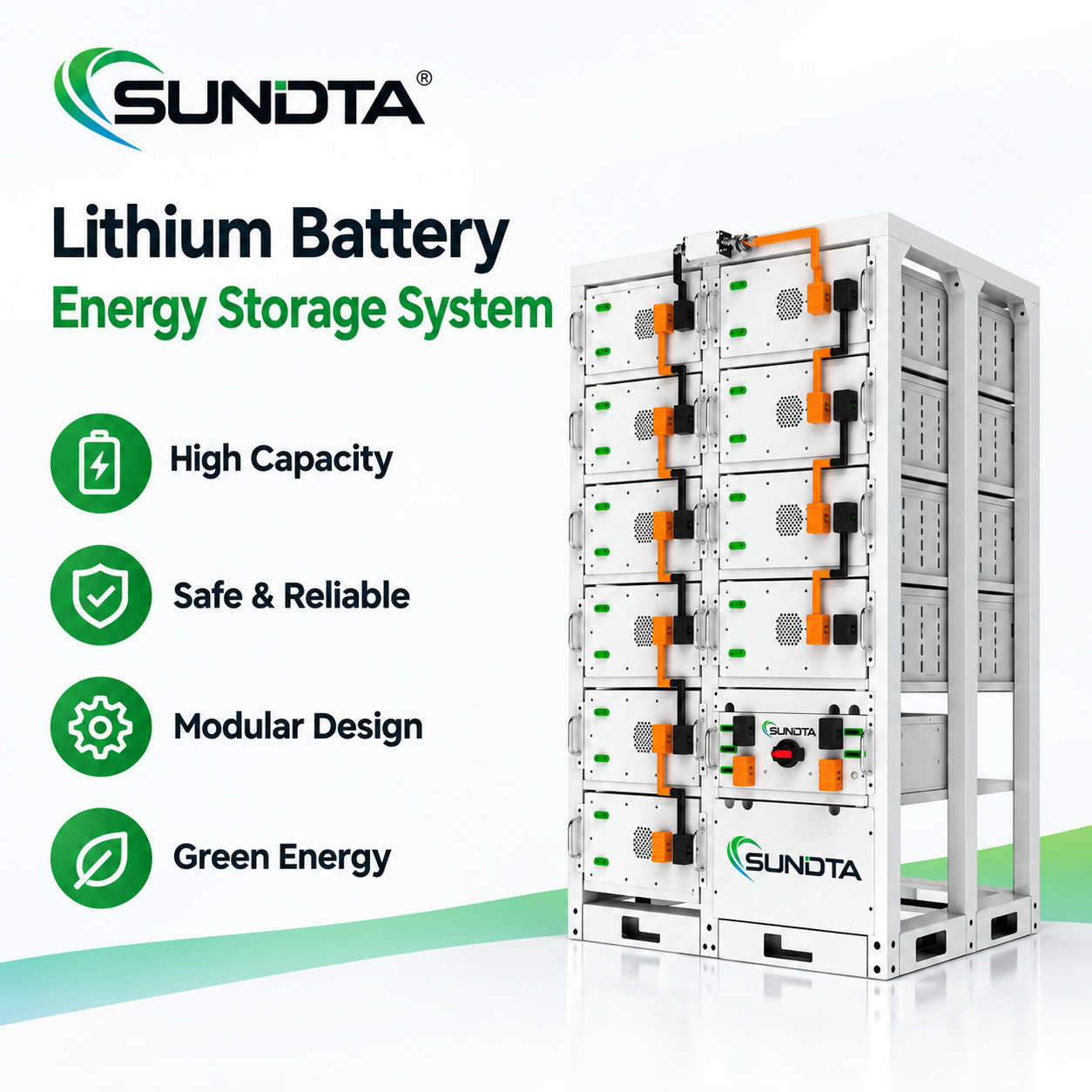
- Flexible capacity scaling without cable clutter
- Integrated CAN/RS485 industrial communication
- Monocrystalline inverter plug-and-play profile
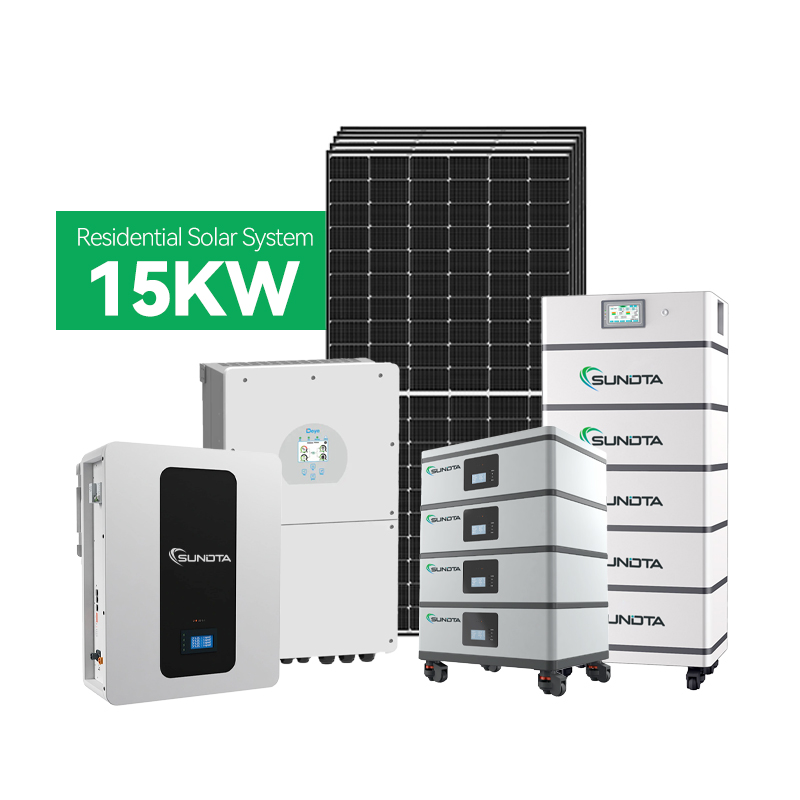
- Balanced PV-to-inverter ratio for domestic energy
- Dual MPPT tracking with integrated rapid-shutdown
- Comprehensive mounting and harness pack included
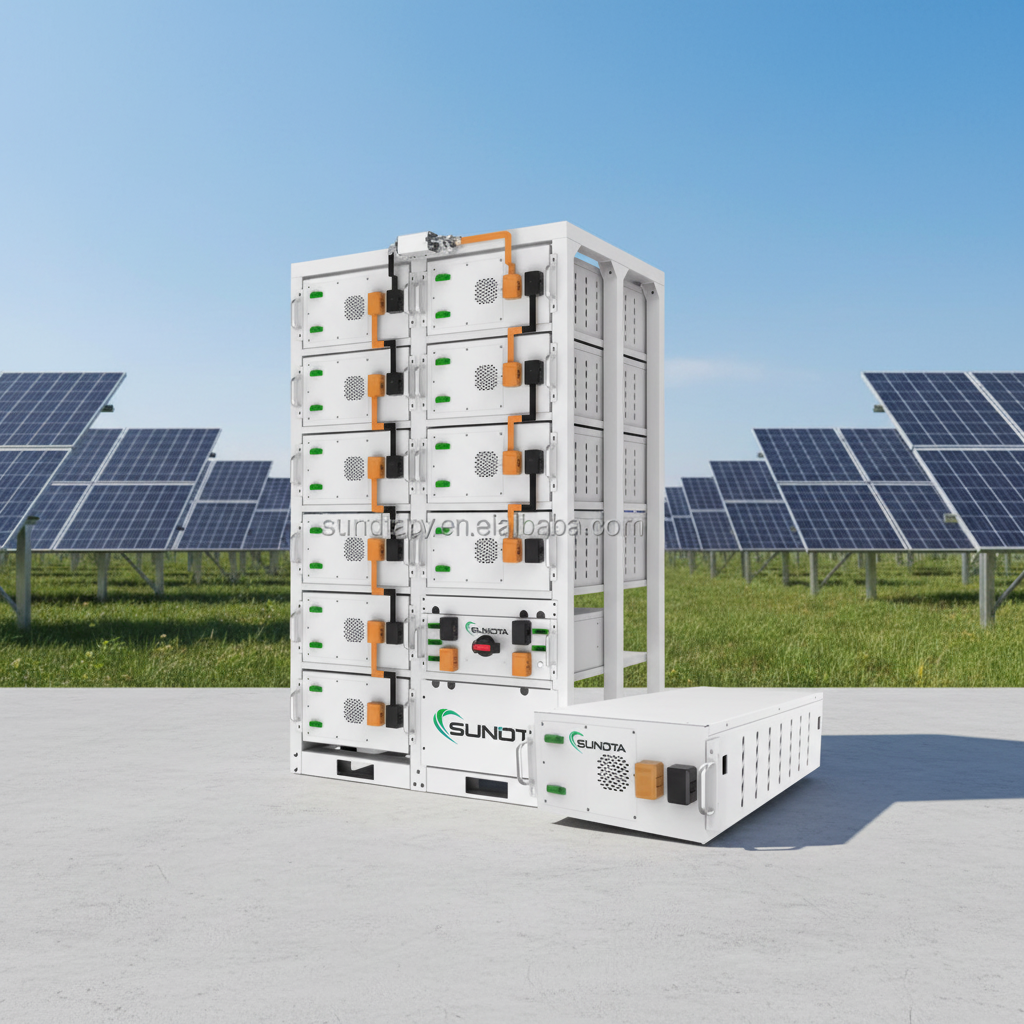
- Industrial rack cabinet with active air cooling
- High-voltage bus reducing transmission losses
- Microgrid load peak-shaving & UPS functionality
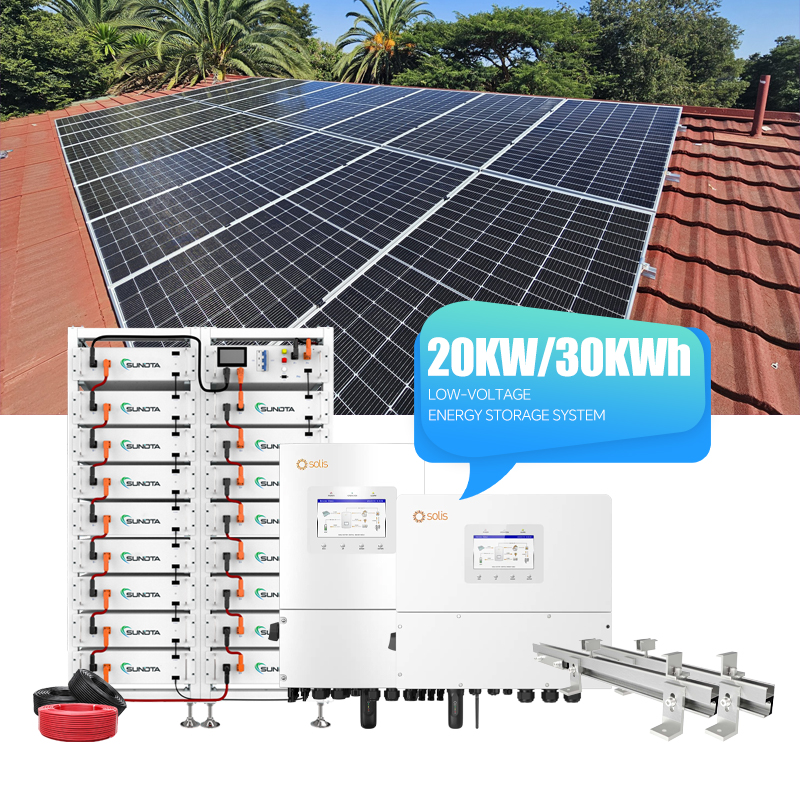
- Three-phase balanced hybrid inverter technology
- Robust surge handling for rural pumping systems
- Tier-1 high wattage PV modules included
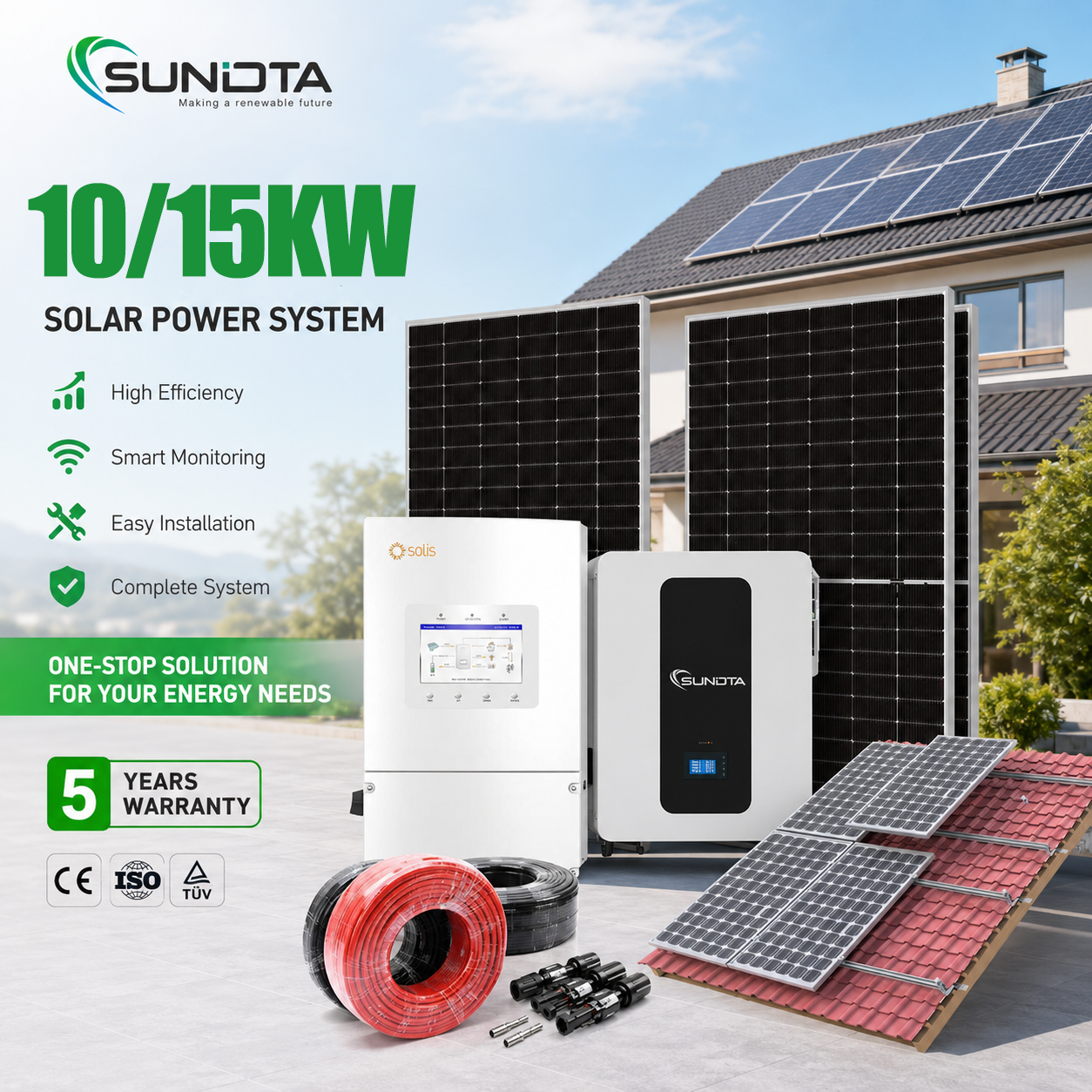
- Split stackable form factor for swift indoor commissioning
- Seamless sub-10ms auto-transfer switch backup
- Cloud-monitored telemetry with dynamic remote tuning
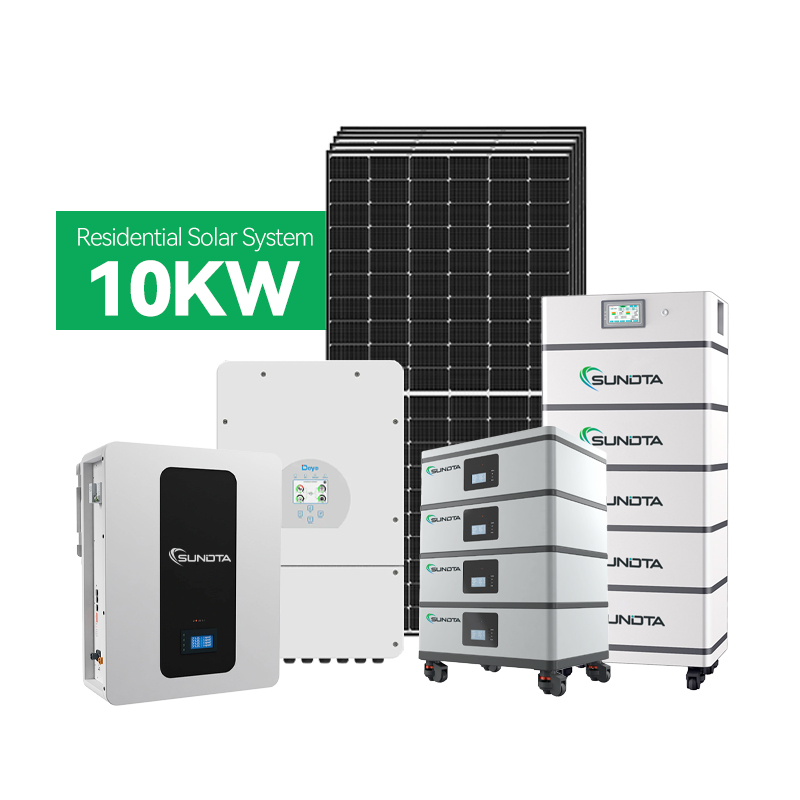
- Factory tested and pre-wired string combinations
- Industrial-grade lithium battery safety matrices
- Available for prompt ocean container shipment
Heterojunction (HJT) Physics: Overcoming Atmospheric Constraints in Uruguay
Why modern energy infrastructure across Montevideo, Salto, and Paysandú is shifting toward Heterojunction PV silicon technology to capture high diffuse irradiation and marine albedo.
Ultra-Low Temperature Coefficient (-0.26%/°C)
In regions such as the northern river basins of Uruguay where summer ambient temperatures routinely surge above 38°C, standard P-type PERC cells experience severe thermal-induced voltage loss.
HJT solar cells utilize an ultra-thin amorphous silicon passivation layer over an N-type monocrystalline silicon wafer. This structure exhibits an industry-leading temperature coefficient of -0.26%/°C, yielding 3% to 6% more electricity in midday thermal peaks compared to conventional TOPCon or PERC architectures.
True Symmetrical Bifaciality (90%–95%)
Due to the inherently symmetrical wafer architecture of Heterojunction cell fabrication, the back surface produces virtually the same photovoltaic response as the front.
Standard TOPCon achieves 80% bifaciality and PERC caps near 70%. When deploying HJT on Uruguay's agricultural light soils, gravel, or coastal sands, the module rear captures an extra 15% to 28% supplementary yield, driving project LCOE down drastically across 30-year lifecycle evaluations.
Zero LID and Superior PID Immune Architecture
With an N-type substrate devoid of boron-oxygen complexes, HJT technology completely mitigates Light Induced Degradation (LID) during the first days of field operation.
Furthermore, the transparent conductive oxide (TCO) film forms a natural electrostatic and dielectric barrier that shields the junction from potential-induced degradation (PID). This delivers long-term durability along the Rio de la Plata coastline, characterized by prolonged airborne moisture and salinity.
PV Cell Technology Benchmark for Southern Cone Projects
Data-driven engineering comparison for institutional procurement officers evaluating solar projects in Uruguay.
| Metric / Performance Vector | Heterojunction (HJT) Cells | N-Type TOPCon | P-Type Mono PERC |
|---|---|---|---|
| Average Production Efficiency (%) | 25.2% – 25.8% | 24.5% – 25.0% | 22.8% – 23.4% |
| Temperature Coefficient (Pmax) | -0.26 % / °C | -0.30 % / °C | -0.35 % / °C |
| Bifaciality Factor Rating | 90% – 95% | 80% – 85% | 70% – 72% |
| First-Year Degradation Limit | < 1.0% | < 1.0% | < 2.0% |
| Annual Degradation Rate (Yr 2-30) | 0.375% / year | 0.40% / year | 0.55% / year |
| Substrate Wafer Type | N-Type Monocrystalline | N-Type Monocrystalline | P-Type Czochralski |
| Manufacturing Process Steps | 4–5 Physical Stages | 9–12 Thermal Steps | 8–10 Chemical Steps |
Strategic Localization Scenarios in the Uruguayan Landscape
Integrating high-efficiency photovoltaic generations directly into the national economic pillars of Uruguay.
Agro-Industrial Livestock & Dairy (Tambo) Facilities
Dairy farms across Colonia, Soriano, and San José consume vast electrical loads for automated milking machines, vacuum pumps, and glycol milk chillers.
Deploying HJT high-wattage modules paired with our 40kWh–100kWh Commercial LiFePO4 Energy Storage cabinets eliminates severe diesel-generator overheads, maintains uninterrupted pasteurization stability, and balances seasonal load variations with local net-metering structures.
Green Hydrogen & Synthetic Fuel Feedstock Arrays
Uruguay's national decarbonization masterplan aims to lead Latin America in e-fuels and green hydrogen exportation centered near coastal hubs.
HJT's superior flat-profile morning-to-evening power curves supply PEM and alkaline electrolyzers with more continuous operating hours. The low thermal degradation maximizes megawatt output per square meter in high-capacity solar fields feeding direct-current busbars.
Industrial Logistics Parks along Route 1 & Route 101
Warehouse hubs around Canelones and the Free Trade Zones require rooftop installations with minimal weight burdens and zero fire-propagation risk.
Our dual-glass HJT solar panels provide Class A fire ratings, high structural load resistance up to 5400 Pa front/2400 Pa rear against Southern Atlantic pampero storms, and maximized energy density for facilities utilizing multi-inverter hybrid grids.
RJV New Energy Advantage: Engineered Consistency
Building trusted procurement bridges from Hefei manufacturing hubs to Uruguayan renewable portfolios.
TÜV Rheinland Verified Manufacturing
Our automated production facilities in Hefei, Anhui operate under stringent ISO 9001, 14001, and 45001 management systems, verified on-site by TÜV Rheinland.
Every batch of HJT cells and finished modules undergoes rigorous electroluminescence (EL) double-testing, anti-microcrack sorting, and factory flash test validation to ensure positive power tolerance before packing.
Complete Harmonized PV Bill of Materials (BOM)
Commissioning failures often stem from mismatched communication protocols between independent battery and inverter vendors.
We supply a fully matched, pre-tested ecosystem: HJT panels, Deye and Solis hybrid inverters, and Sundta LiFePO4 batteries communicate seamlessly via CAN bus and RS485 protocols out-of-the-box, supported by unified warranty documentation.
Streamlined Latin American Logistics
Extensive experience shipping to the Port of Montevideo under FOB, CFR, and CIF Incoterms. We provide full customs clearance dossiers including CE certificates, IEC 61215/61730 test reports, and factory flash reports for local approval.
Reinforced maritime packaging protects modules and high-capacity lithium storage cabinets from sea spray and mechanical vibration during Atlantic transit.
Frequently Asked Questions for Sourcing in Uruguay
Direct answers to regulatory, technical, and operational questions commonly raised by Uruguayan EPC engineers and solar importers.
Are your HJT solar panels and inverters compatible with UTE grid interconnection standards?
Yes. The state electric company of Uruguay (UTE - Administración Nacional de Usinas y Trasmisiones Eléctricas) enforces strict grid code standards for distributed micro-generation (Decreto 173/010 and related technical norms). Our grid-tie and hybrid inverters feature programmable power factor, anti-islanding protection (IEEE 1547 / IEC 62116), and low voltage ride-through capabilities fully configurable to UTE requirements.
How do HJT panels perform in Uruguay's southern coastal regions with high salinity?
HJT solar panels feature a dual-glass encapsulant design (typically 2.0mm + 2.0mm semi-tempered glass) bound by polyolefin elastomer (POE). This construction prevents moisture ingress and delivers certified resistance against salt-mist corrosion (IEC 61701 Severity 6) and ammonia exposure (IEC 62716), ideal for coastal installations near Maldonado, Rocha, or Montevideo.
What is the typical Minimum Order Quantity (MOQ) and delivery lead time to Montevideo?
For standard high-voltage batteries and hybrid inverters, our MOQ starts from 1 unit or kit. Solar panels are shipped by pallet (approx. 31 to 36 panels) or full container loads (FCL: 20GP / 40HQ) to maximize ocean freight efficiency. Production lead time ranges from 12 to 20 business days, with transit times from Shanghai/Ningbo to the Port of Montevideo averaging 35 to 45 days.
Can your engineers assist in string sizing and energy storage simulation for agricultural projects?
Yes. Our engineering department provides comprehensive pre-sales project modeling, string sizing evaluations based on local irradiation data, and inverter MPPT window matching. We deliver system single-line diagrams (SLDs) and battery autonomy calculations tailored to irrigation pumping, livestock refrigeration, and seasonal agro-industrial load curves.
Accelerate Your Solar & Storage Deployment in Uruguay
Whether you require containerized shipments of high-efficiency HJT modules, integrated hybrid storage cabinets, or engineered kits for tender procurement, our Hefei technical team is ready to deliver customized quotes and complete datasheets.