HJT Solar Cells Factories & Exporters serving Freeport
Heterojunction (HJT) Photovoltaic Technology, Commercial Energy Storage Systems (C&I ESS), and Smart Hybrid Microgrid Infrastructure Sized for Maritime and Island Operations
2 GW
Annual Module Capacity
500+ MW
Turnkey Projects Delivered
-0.26%/°C
Ultra-Low Temp Coefficient
TÜV Assessed
Factory Quality Audited
Tier-1 Export Quality PV Hardware
Featured Photovoltaic Modules & LiFePO4 Energy Storage
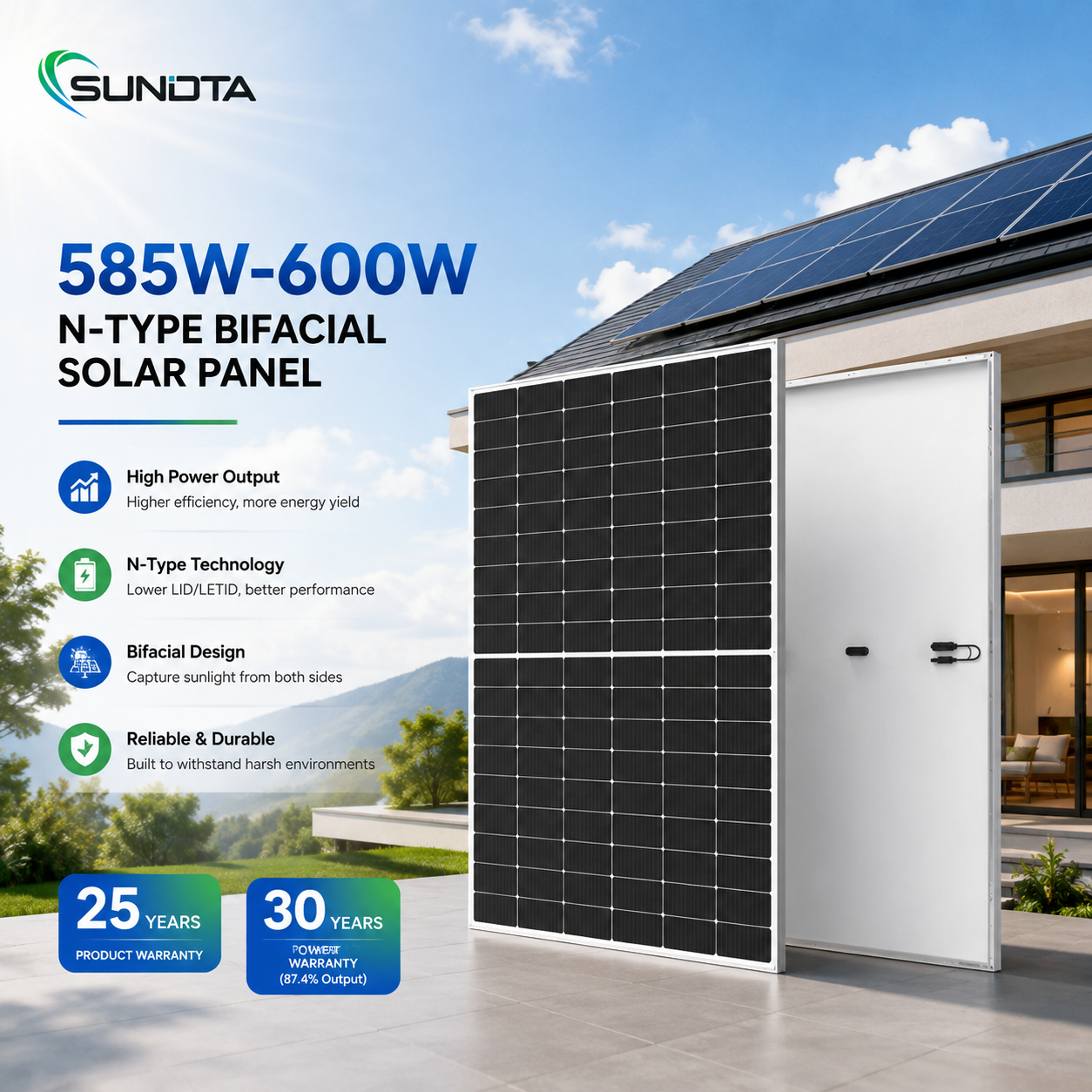
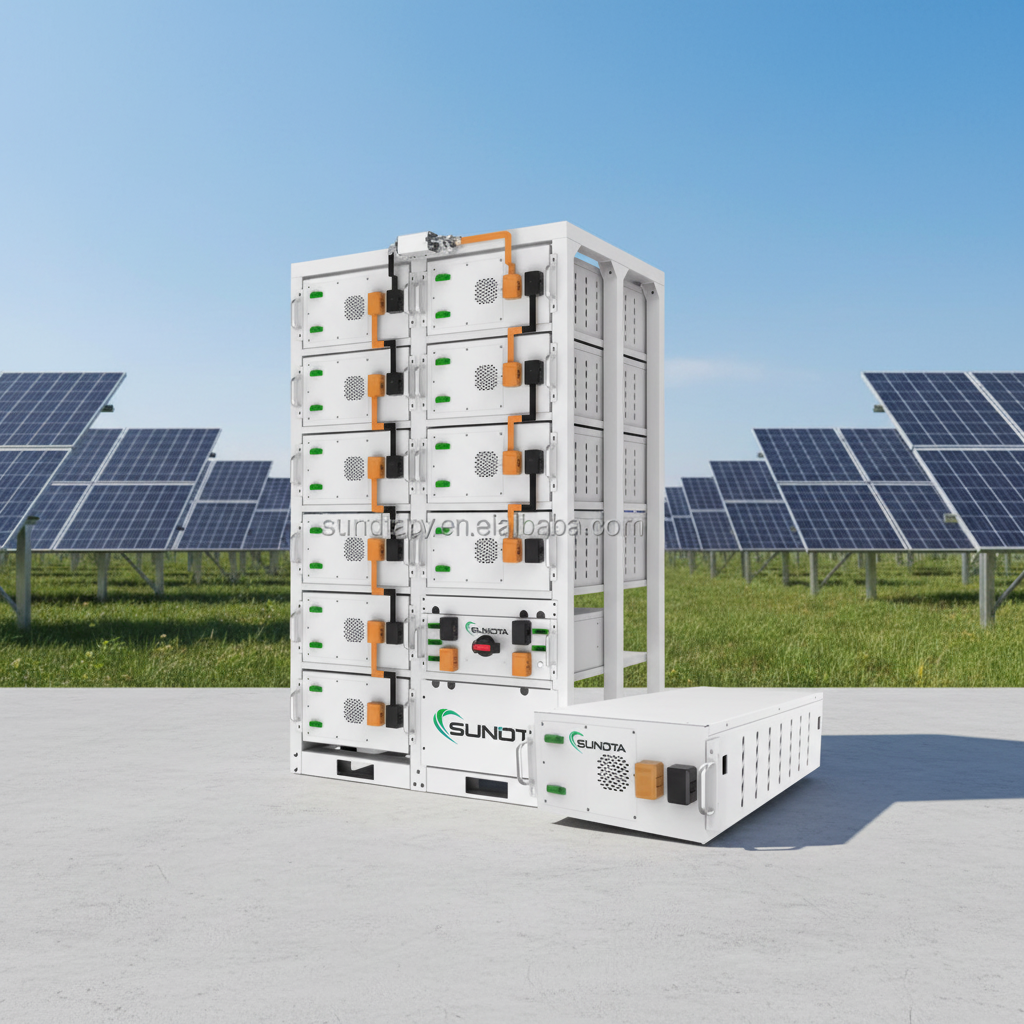
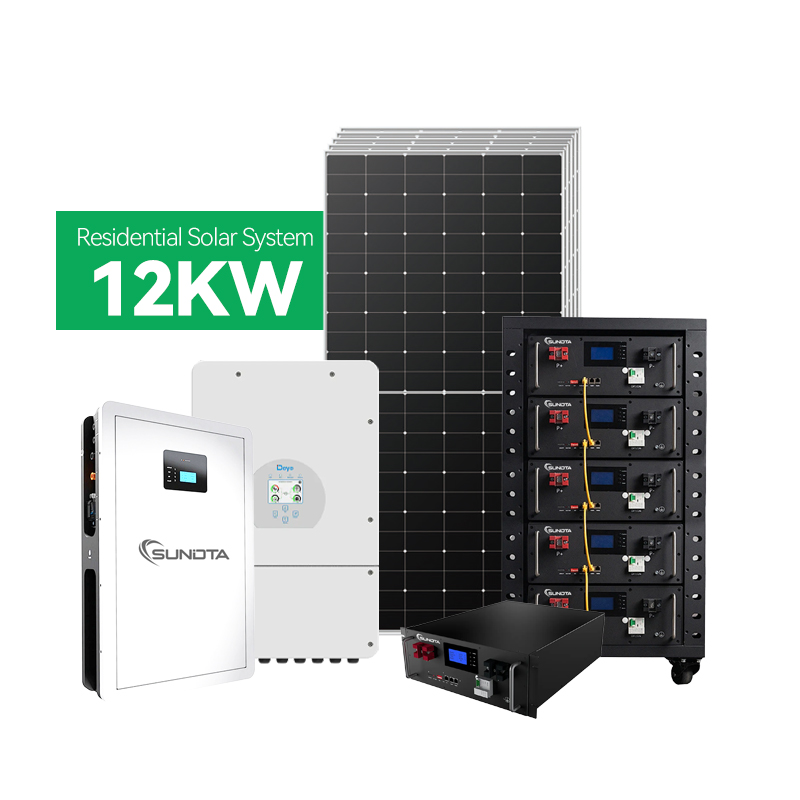
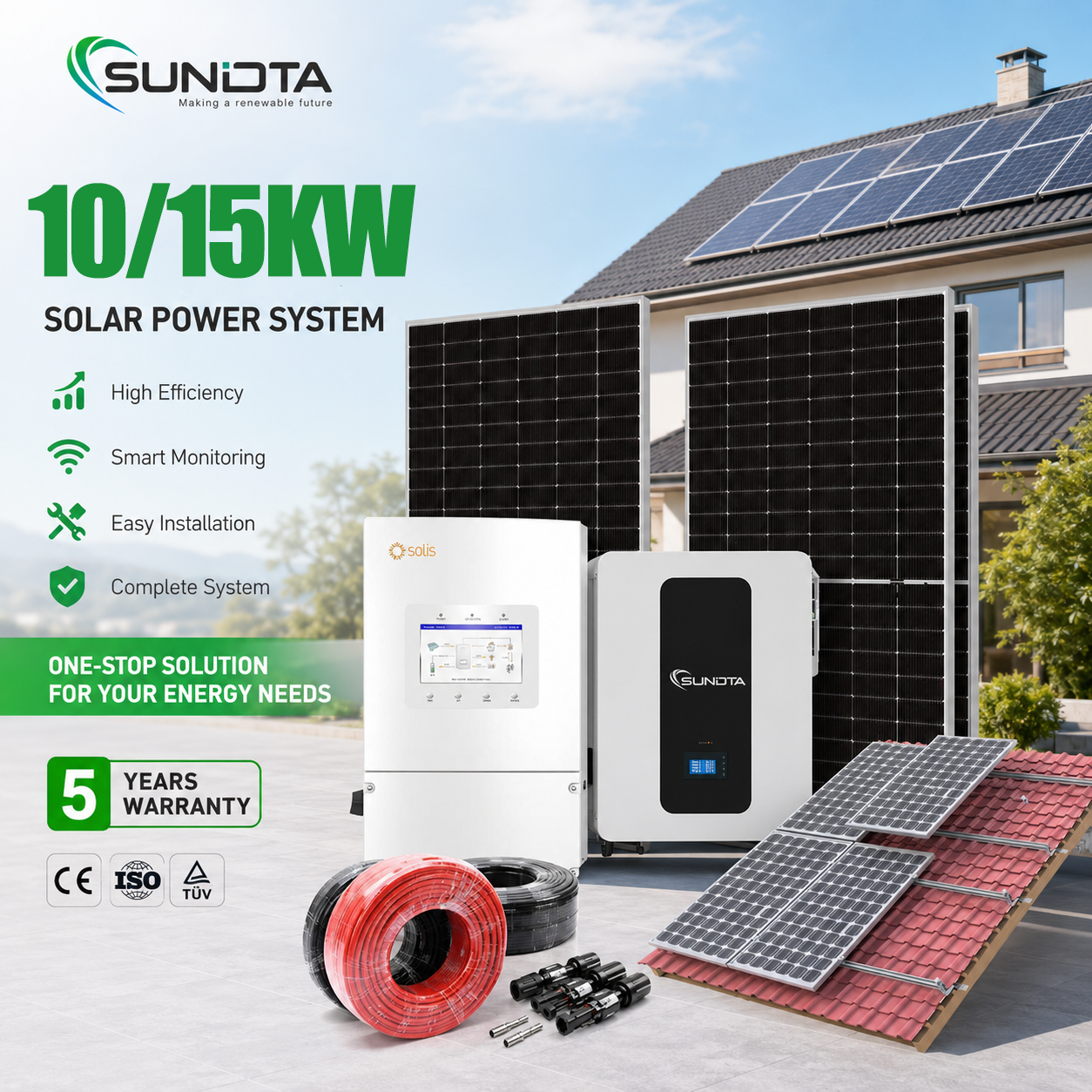
Factory-direct procurement of high-efficiency N-type solar modules, closed-loop lithium storage systems, and commercial battery arrays engineered for high-heat, high-salinity maritime environments.
Heterojunction (HJT) Solar Technology: The Ideal Photovoltaic Solution for Freeport's Maritime Environment
A deep dive into solid-state semiconductor physics, thermal degradation mechanics, and durability requirements for coastal, port-adjacent, and subtropical island microgrids.
1. Semiconductor Physics: The HJT Advantage
Heterojunction with Intrinsic Thin Layer (HJT) combines the superior carrier lifetime of crystalline N-type silicon wafers with the outstanding surface passivation qualities of amorphous silicon (a-Si:H) thin films. By depositing ultra-thin intrinsic and doped amorphous silicon layers on both sides of an N-type mono-wafer, HJT drastically lowers carrier surface recombination velocities.
The resulting open-circuit voltage (Voc) consistently surpasses 750 mV, far higher than standard TOPCon (~715 mV) or PERC (~685 mV). In Freeport, where tropical ambient temperatures regularly push operational rooftop panel temperatures above 65°C, high initial voltage provides substantial protection against voltage collapse caused by heat.
Furthermore, HJT features a completely symmetrical double-sided structure. Unlike single-sided diffused junctions, this innate architecture enables a native bifaciality coefficient of 85% to 95%, yielding extraordinary back-side kilowatt-hour generation when deployed over limestone rocks, white industrial roofs, or coastal coastal marl.
2. Extreme Maritime Resilience & Zero PID/LID
Coastal installations in Freeport face persistent airborne sodium chloride, high relative humidity (averaging 75%–85% year-round), and heavy tropical UV flux. Standard P-type panels suffer severe Light-Induced Degradation (LID) and Light and Elevated Temperature Induced Degradation (LeTID).
HJT cells utilize phosphorus-doped N-type bulk silicon, eliminating boron-oxygen complexes to deliver zero intrinsic LID. Paired with dual 2.0mm semi-tempered glass and cross-linked polyolefin (POE) encapsulant, HJT modules prevent moisture ingress and ion migration.
This build yields exceptional resistance to Potential-Induced Degradation (PID) under sustained high electrical bias in humid ocean atmospheres, certified under IEC 61701 (Severity 6 Salt Mist) and IEC 62716 (Ammonia Corrosion).
Performance Parameter
HJT (Heterojunction)
TOPCon (N-Type)
PERC (P-Type Mono)
Freeport Operational Impact
Temperature Coefficient (Pmax)
-0.26 % / °C
-0.30 % / °C
-0.35 % / °C
+4% to +8% more energy during tropical midday peaks
Bifaciality Factor
85% – 95%
75% – 80%
65% – 70%
Maximized albedo harvest from coral sand & light TPO roofs
Initial Year Degradation
< 1.0%
< 1.0%
2.0% – 2.5%
Guaranteed upfront generation for rapid capex recovery
Annual Linear Degradation
0.35% / year
0.40% / year
0.55% / year
88%+ retained capacity at year 30 vs 80% PERC
Salt Mist & Humidity Resistance
Superior (POE + Dual Glass)
High (Requires strict POE)
Moderate (EVA moisture risk)
Zero delamination or snail trail risk in ocean air
Mechanical Load / Storm Rating
5400 Pa / 2400 Pa
5400 Pa / 2400 Pa
5400 Pa / 2400 Pa
Withstands wind surges during Atlantic tropical depressions
Levelized Cost of Electricity (LCOE) Financial Takeaway
Although HJT cells have a slight capital cost premium over standard modules at initial procurement, their combined advantages—low temperature derating (-0.26%/°C), high bifacial gains, and 30-year performance retention—deliver a 9.2% to 14.6% lower lifetime LCOE in Freeport's high-irradiance, high-heat marine microclimates.
Target Engineering Scenarios
Localized Deployment Use Cases across the Freeport Region
Customized equipment sizing and system architectures aligned with local industrial trade zones, maritime infrastructure, luxury hospitality, and vulnerable island grid sectors.
Free Trade Zone Logistics & Warehousing
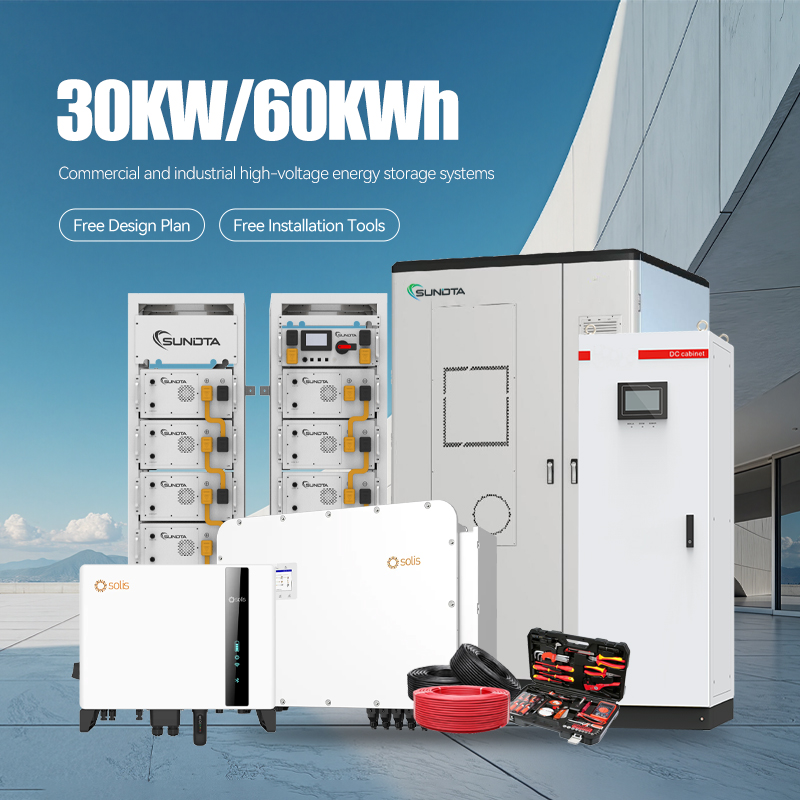
Freeport's bonded free zone contains extensive bonded warehousing, shipping hubs, and light assembly facilities. With commercial retail utility tariffs frequently exceeding $0.35/kWh, expansive metal rooftop spaces represent prime real estate for self-consumption PV arrays. Our dual-glass HJT modules paired with 50kW–100kW C&I LiFePO4 battery cabinets reduce peak kW demand surcharges while powering high-tonnage HVAC and refrigerated storage without interrupting bonded supply chains.
Maritime Terminals & Coastal Bunkering
Harbor logistics, container terminals, and dry dock ship repair facilities contend with harsh, sulfurous exhaust and sea-spray fog. RJV’s anti-corrosive HJT solar arrays feature anodized aluminum alloy frames (35μm coating) and 316 stainless-steel mounting integration. Coupled with high-voltage LiFePO4 battery banks, these setups supply shoreside power stations and security networks with reliable, resilient backup energy during severe weather.
Resort Microgrids & Luxury Eco-Villas
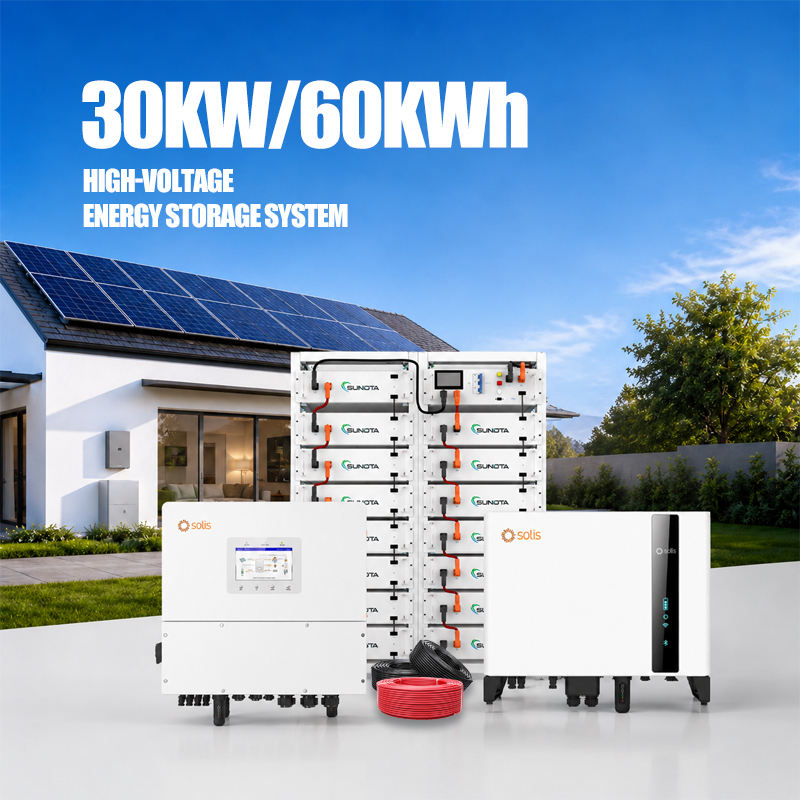
Grand Bahama's luxury hospitality properties and remote cay villas require silent, zero-emission, uninterruptible power that preserves natural guest ambiance. Our split-phase 12kW–15kW hybrid inverter kits and 15kWh–30kWh modular rack-mounted batteries integrate seamlessly with existing diesel generators. Solar generation carries daytime air conditioning loads, while stored battery energy runs quiet nighttime operations—cutting diesel consumption by up to 80%.
Market Dynamics & Growth Vectors
Regional Energy Trends Shaping Freeport & Island Microgrids
Understanding macroeconomic incentives, tariff reform, and climate resiliency mandates driving renewable asset procurement across the Northern Caribbean basin.
The hard lessons of Hurricane Dorian transformed the Grand Bahama power landscape. Centralized transmission grids proved susceptible to severe line damage and delayed restorations. Consequently, local commercial enterprises, cold storage providers, and municipal facilities have prioritized decentralized islanded microgrids.
There is a noticeable shift away from fragile grid-tied inverters toward hybrid architectures equipped with "black-start" capabilities and high-voltage battery storage. Modern commercial EPC bids in Freeport mandate equipment capable of operating in complete disconnection from the main utility grid for days or weeks without interruption.
Electricity pricing in Freeport is heavily indexed to imported Heavy Fuel Oil (HFO) and automotive diesel, leaving local companies vulnerable to international commodity price spikes and currency swings. Businesses that adopt high-yield bifacial PV systems enjoy fixed, predictable levelized energy costs below $0.07/kWh over three decades.
Concurrently, international maritime firms, Freeport container handling groups, and pharmaceutical processing centers are facing strict Scope 1 & 2 carbon reduction rules, accelerating B2B procurement of high-density solar modules and automated energy management platforms.
Tier-1 Supply Chain Assurance
Why Caribbean & Global EPC Contractors Partner with RJV New Energy
Eliminating procurement delays, electrical compatibility headaches, and warranty risks through direct, end-to-end solar bill-of-materials manufacturing and testing in Hefei, China.
2 GW Automated Manufacturing
High-precision cell soldering, automated stringing, vacuum lamination, and triple electroluminescence (EL) defect scanning backed by 12+ years of research and production expertise.
TÜV Rheinland Assessed
On-site verified manufacturing plant, strict ISO 9001/14001/45001 operating practices, CE declarations, and IEC 61215/61730 international module certifications for seamless port clearance.
Full BOM System Integration
We solve integration failures before dispatch: Inverter MPPT input windows, DC combiner breaker curves, and battery BMS communication (CAN/RS485) are pre-configured and tested together.
24/7 Dedicated Support
Direct communication with experienced solar electrical engineers for array string calculations, single-line diagrams (SLD), remote commissioning guidance, and responsive warranty handling.
Procurement Clarity
Frequently Asked Questions by Freeport Solar Buyers & EPCs
Technical, logistical, and commercial inquiries answered directly by our factory engineering and international shipping teams.
Why are HJT solar panels specifically better suited to Freeport than standard PERC or TOPCon?
Freeport experiences high ambient temperatures combined with extreme relative humidity and corrosive sea air. Standard panels suffer severe thermal degradation, losing significant output as temperatures soar. HJT maintains the industry’s lowest temperature coefficient (-0.26%/°C), meaning it loses much less power under peak midday heat than PERC (-0.35%/°C) or TOPCon (-0.30%/°C). Furthermore, HJT's standard dual-glass construction with POE encapsulation provides a completely impervious barrier against marine salt mist, virtually eliminating Potential-Induced Degradation (PID) and moisture-driven corrosion.
How do you ship full container loads (FCL) into Freeport Harbour / Grand Bahama?
We regularly ship FOB China (Shanghai, Ningbo, or Shenzhen) as well as CIF to Freeport Container Port (FCP), Grand Bahama. Our export logistics team prepares complete palletized, sea-freight reinforced packaging including corner protectors, moisture-absorbing desiccant, and seaworthy wooden crates. All documentation—commercial invoices, verified packing lists, certificates of origin, CE test declarations, and bill of lading—is issued accurately to facilitate tariff exemptions or bonded entry through the Grand Bahama Port Authority (GBPA) framework.
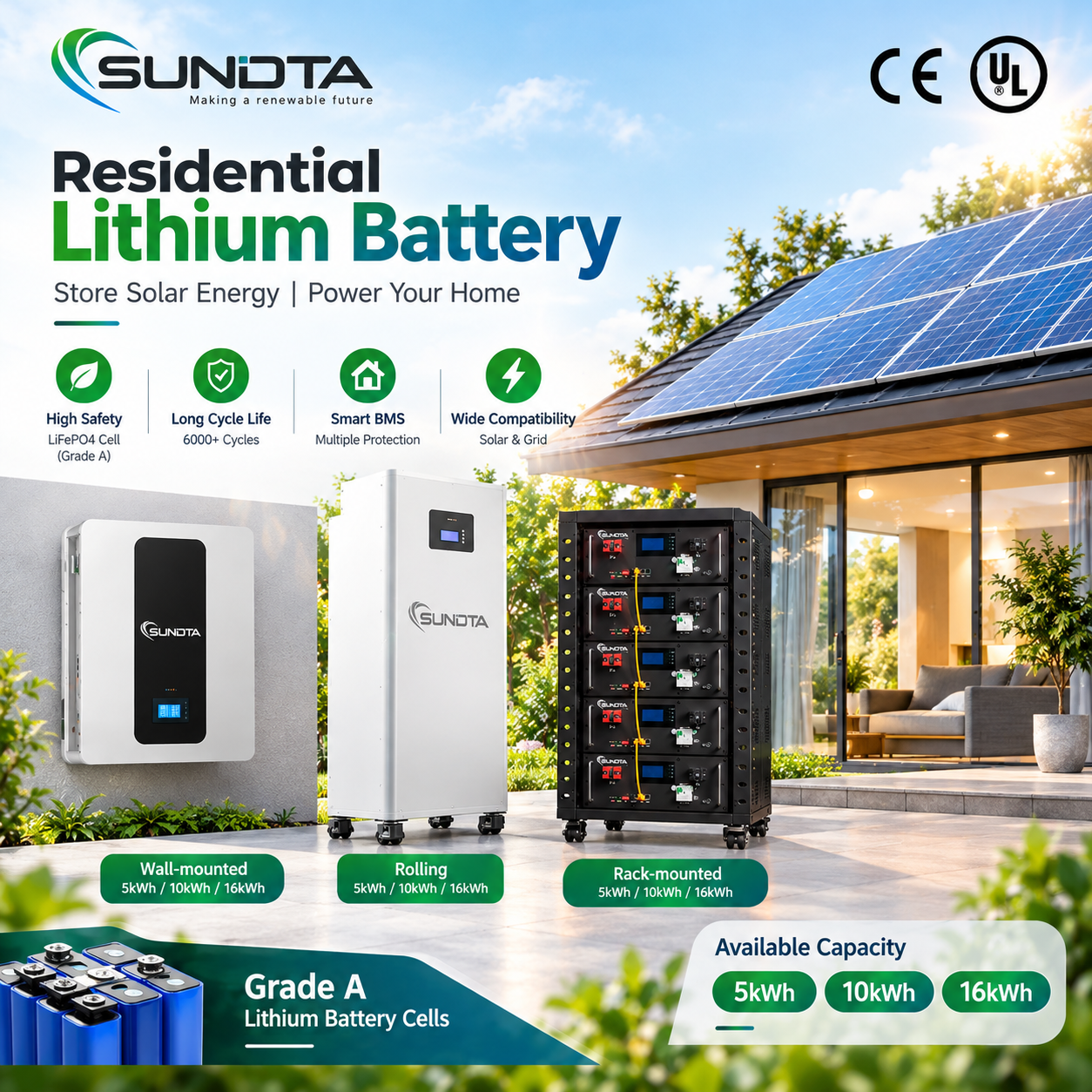
Can your Sundta LiFePO4 battery systems communicate directly with Deye and Solis inverters?
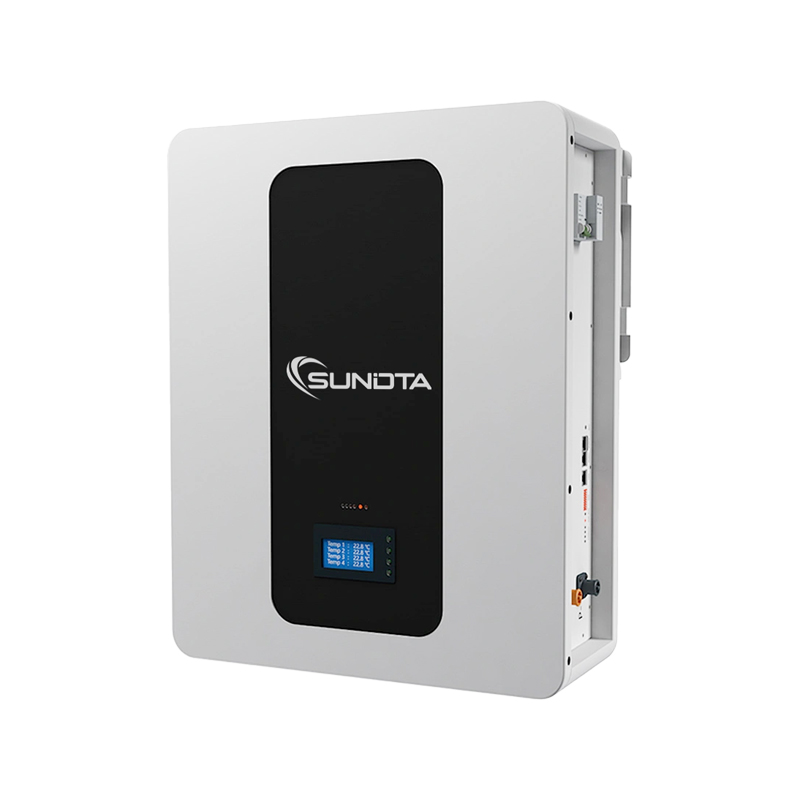
Yes. All our low-voltage (51.2V) and high-voltage stackable LiFePO4 batteries come integrated with smart battery management systems (BMS) supporting multi-protocol CAN and RS485 communication. They offer direct, closed-loop plug-and-play compatibility with mainstream hybrid inverters, including Deye, Solis, Growatt, Schneider, and Victron. This enables precise state-of-charge (SoC) management, automated charge-voltage tapering, and real-time fault reporting without requiring third-party protocol converters.
Are these solar modules and mounting arrays rated for Atlantic hurricane wind loads?
Our premium dual-glass modules are engineered and tested to withstand mechanical surface loads of up to 5400 Pa on the front side (heavy snow/wind pressure) and 2400 Pa on the rear side (severe wind uplift). When deployed with high-strength, marine-grade anodized aluminum clamping hardware and engineered rooftop ballast or ground-mount pile arrays, the system is designed to meet Category 4 and 5 hurricane wind velocity design criteria (up to 160+ mph), provided structural engineering guidelines are followed.
What is the Minimum Order Quantity (MOQ) and lead time for factory-direct orders?
For individual hybrid inverters and residential battery packs, our MOQ starts from just 1 unit or set to support pilot testing and system evaluation. For high-power PV modules, orders are typically quoted in pallet increments (approx. 31 to 36 panels per pallet, ~17kW to 21kW) or full 40-foot HQ container loads (~600 to 680 panels, depending on dimensions). Standard manufacturing lead times range from 14 to 25 business days, with transit times to Freeport via transshipment ports running between 28 and 40 days.
Do you provide OEM branding and engineering customization for regional Bahamian installers?
Yes, comprehensive OEM/ODM services are available for established contractors, project developers, and renewable wholesale distributors. We can customize solar panel backsheet branding, frame colors (silver, all-black, or dual-glass transparent), inverter and battery chassis silk-screening, custom packaging, and pre-configured internal BMS firmware profiles matched specifically to your regional battery storage requirements.
Request Factory Quotation & Engineering Bill of Materials
Planning a residential microgrid, commercial warehouse solar array, or containerized energy storage facility in Freeport? Contact our engineering team for factory pricing, comprehensive system datasheets, and custom single-line electrical layouts within one business day.