High-Yield Residential Solar & Storage Kits for Sandy Point Town
Pre-engineered photovoltaic packages featuring N-Type TOPCon cells, CAN-bus integrated LiFePO4 energy storage, and marine-grade hybrid inverters configured for Sandy Point Town residential loads.
30KWH 51.2V 314AH LiFePO4 Battery Solar Energy Home Energy Storage 48v Solar Battery ALL in ONE SOLAR POWER SYSTEM
- Capacity: 30 kWh / 314Ah Prismatic LiFePO4
- Voltage: 51.2V Low Voltage Standard
- Design: Turnkey All-in-One Integration
Fast Shipping Stock Solar Battery 48V 51.2V 100Ah 200Ah 5kWh Wall Mounted LiFePO4 Local Warehouse
- Ratings: 5kWh / 100Ah / 200Ah Modular
- Protection: Smart CAN/RS485 BMS Architecture
- Mounting: Compact Space-Saving Wall Bracket
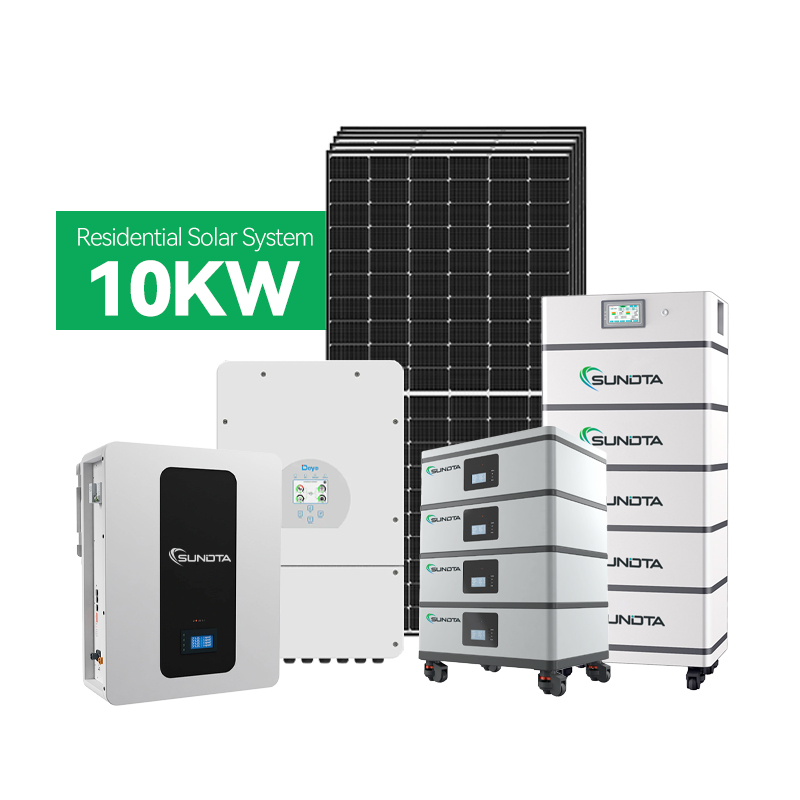
Stock Available Sundta 5KW 8KW 10KW 12KW 15KW 20KW New Innovation Complete Solar Hybrid System Kit with Lithium Battery
- Inverter: Dual MPPT Pure Sine Wave Hybrid
- Panels: High-Efficiency N-Type Monocrystalline
- Flexibility: Seamless Grid-Tied & Off-Grid Modes
Emergency Backup Whole House Hybrid Solar Power System 15kW 20kW 25kW 30kW 50kW Solar Generator with Smart MPPT Battery
- Output: 15kW to 50kW Heavy-Duty Autonomy
- UPS Function: <10ms Instant Cutover Delay
- Safety: Multilayer Temperature & Arc Detection
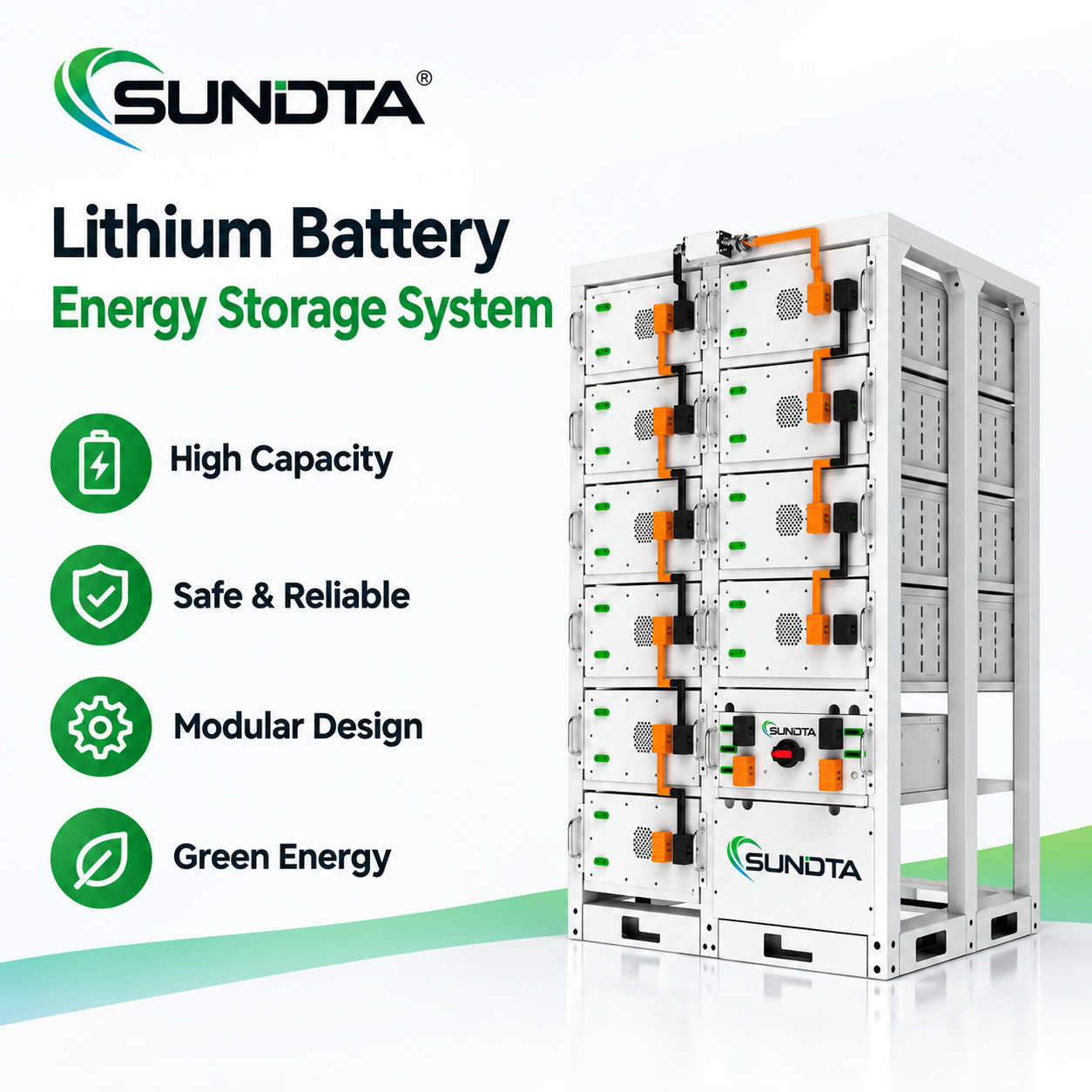
Smart BMS 51.2V Stackable LiFePO4 Solar Home Battery Storage System Monocrystalline Inverter Compatible Lithium PV Pack
- Scalability: Vertical Plug-and-Play Expansion
- Cycle Life: ≥6,000 Cycles @ 80% DoD (25°C)
- Compatibility: Deye, Solis, Victron Protocols
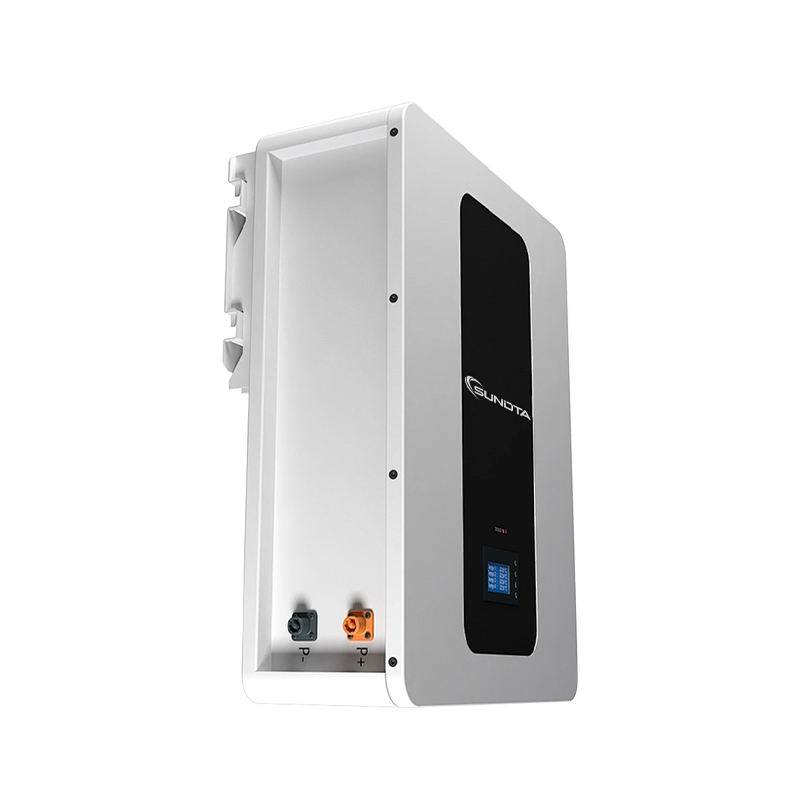
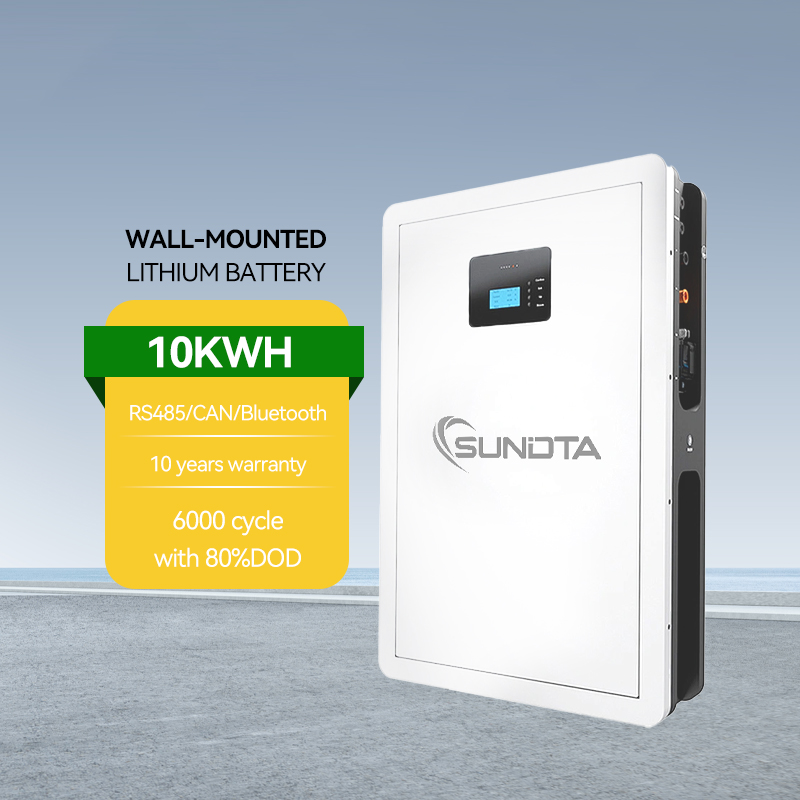
Sundta POLO-W1 LiFePO4 Lithium Battery Wall-Mounted 5kWh Home Power Storage Solar Energy System Deep-Cycle 51.2V 100Ah IP65
- Ingress: Full IP65 Moisture & Salt Protection
- Capacity: 5.12 kWh Standard Domestic Unit
- Communication: RS485, CAN, Dual Relays
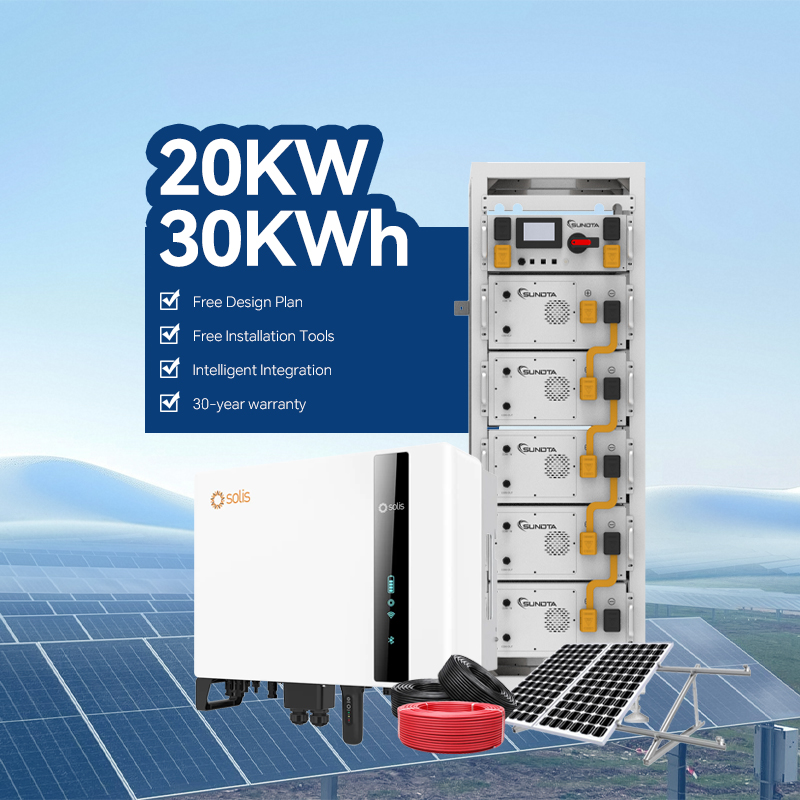
20kw Complete Set Solar Energy Power Storage System 20KW 30KW 25kw 35kw Hybrid Solar Panel Electric Power Generation Kit
- Solar Array: High-Wattage TOPCon Glass-Glass
- Inverter: Three-Phase / Split-Phase High Output
- Application: Luxury Estates, Guesthouses, Clinics
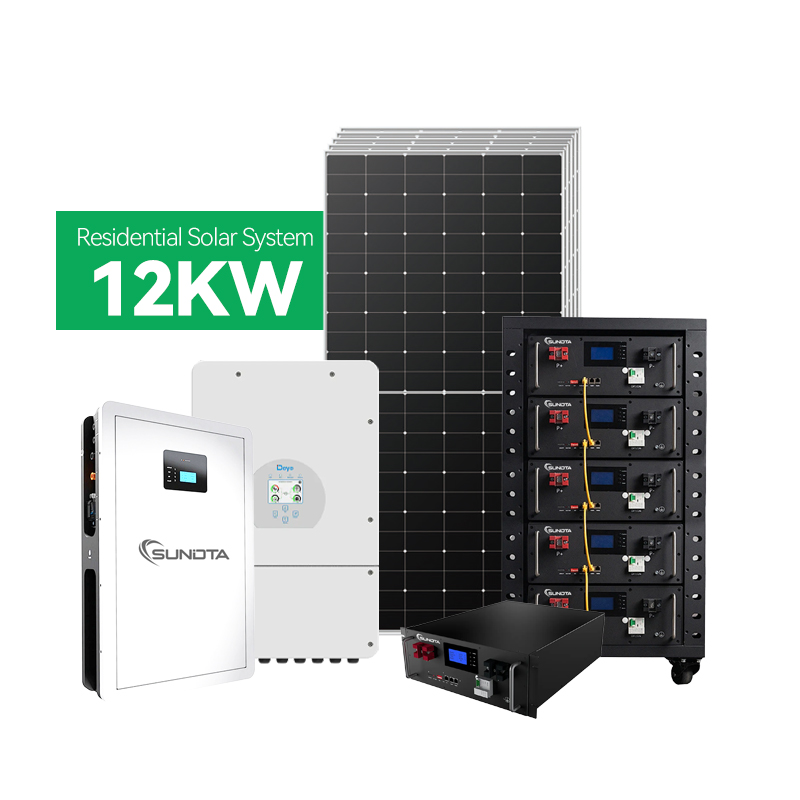
Bulk Price Sundta 12Kw Hybrid Solar Energy Storage System Monocrystalline Silicon 25Kw Residential Battery System for Home Use
- Inverter: 12kW Split-Phase / Single Phase Output
- Storage: 25kWh Deep-Cycle Lithium Battery Bank
- Procurement: Pallet & Container Export Pricing
Macro Trends Driving Solar Adoption in Sandy Point Town, Saint Kitts
A rigorous examination of electrical tariff structures, grid vulnerability, and decentralized photovoltaic investment returns across the Saint Anne Sandy Point Parish.
Situated along the northwestern coastline of Saint Kitts, below the volcanic slopes of Mount Liamuiga, Sandy Point Town represents a strategically critical node for decentralized solar energy transformation in the Caribbean basin. Like much of the Federation of Saint Kitts and Nevis, Sandy Point Town operates under an energy regime historically tied to imported heavy fuel oil (HFO) and diesel generation run by the St. Kitts Electricity Company (SKELEC). The retail electricity tariffs across Saint Kitts regularly fluctuate between $0.32 and $0.42 USD per kilowatt-hour (kWh), heavily influenced by variable fuel surcharges. For homeowners, local commercial storefronts, and coastal eco-resorts, electricity expenditures represent one of the most unpredictable overhead costs.
In response to volatility in global bunker fuel markets and extreme weather patterns fueled by Atlantic tropical depressions, the Federal Government of Saint Kitts and Nevis enacted the National Energy Policy (NEP) alongside ambitious targets under the Caribbean Community (CARICOM) Sustainable Energy Roadmap. The national directive mandates a structural transition toward 100% renewable generation capacity. Within this macroeconomic framework, decentralized residential solar kits equipped with integrated lithium iron phosphate (LiFePO4) battery energy storage systems (BESS) have emerged as the primary vehicle for private capital deployment.
From an electrical engineering standpoint, Sandy Point Town presents specific localized parameters that factory exporters must address directly. Solar irradiance within the parish consistently averages 5.5 to 6.2 kWh/m²/day, providing exceptional baseline photovoltaic yield. However, the localized grid infrastructure frequently experiences phase voltage sags and intermittent feeder trips during peak afternoon cooling hours. Complete home solar kits featuring hybrid inverters capable of dynamic load shaving and zero-export or micro-export curtailment allow Sandy Point homeowners to utilize self-generated energy while shielding sensitive domestic electronics from utility brownouts.
Overcoming Coastal Environmental Hazards in Sandy Point Town
Standard off-the-shelf residential solar packages fail when deployed in marine tropical environments. Our factory-direct OEM/ODM kits are customized for four distinct microclimate challenges.
IEC 61701 Severity 6 Salt Mist Resistance
Sandy Point Town is oriented directly toward the leeward Caribbean Sea, exposing rooftop installations to continuous saline wind shear and microscopic ocean salt deposits. We utilize dual-glass (bifacial) PV module encapsulation with anodized 35mm-40mm architectural aluminum frames (anodization thickness ≥15μm). Inverter heat sinks and exterior battery enclosures feature electrophoresis and automotive-grade fluorocarbon powder coatings to prevent electrolytic pitting and oxidation.
Category 5 Hurricane Wind Load Racking
Situated within the Atlantic hurricane belt, residential properties in Sandy Point Town must endure extreme gusting during cyclonic storms. Our pre-packaged mounting systems employ structural-grade AL6005-T5 extruded aluminum rails and 304/316 marine-grade stainless steel hardware certified for front-side mechanical snow/wind static loads up to 5400 Pa and rear-side uplift up to 3600 Pa, resisting wind speeds up to 165 mph (265 km/h) when fixed with structural lag fasteners into Caribbean timber trusses or concrete slabs.
Negative Thermal Coefficient TopCon Cells
Ambient rooftop temperatures in Saint Kitts can exceed 45°C (113°F), leading to severe photovoltaic output degradation in older P-Type PERC cells. Our solar kits integrate N-Type TOPCon modules exhibiting a low temperature coefficient of Pmax of -0.30%/°C. This guarantees that Sandy Point homes maintain superior real-world kilowatt output during maximum midday insolation, providing sufficient continuous current to drive multi-split HVAC compressors without draining battery storage prematurely.
Engineering Configuration Matrix: Residential Kits for Sandy Point Town
Comparative technical configurations engineered to match standard architectural typologies and consumption curves found throughout Saint Kitts.
| System Scale | Solar PV Array | Hybrid Inverter | LiFePO4 Storage | Target Sandy Point Application |
|---|---|---|---|---|
| 5 kW Domestic Essential | 10 × 500W TOPCon Monocrystalline (5.0 kWp) | 5kW Low-Voltage Single-Phase 230V / 60Hz (IP65) | 5.12 kWh Wall-Mounted LiFePO4 (51.2V 100Ah) | 2-3 Bedroom Homes: Refrigeration, LED Lighting, Fans, Entertainment & Starlink Router backup. |
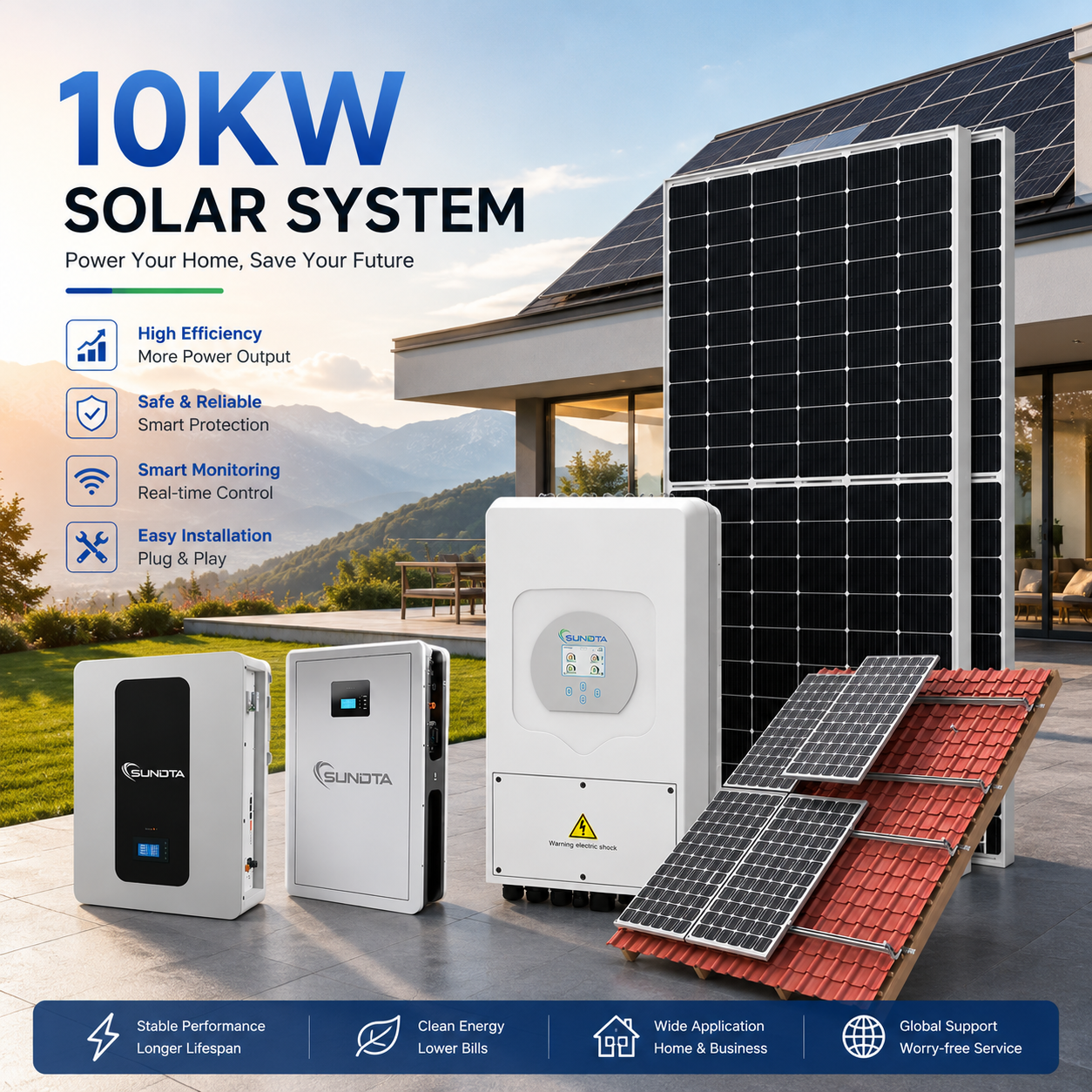
| 10 kW Whole-House Hybrid | 20 × 500W Bifacial Dual-Glass (10.0 kWp) | 8kW - 10kW Split-Phase / Single-Phase Smart Hybrid | 15 kWh to 20 kWh Stackable Modular ESS | Modern Single-Family Homes: 2 × Inverter AC Units, Deep Well Pumps, Water Heaters, Full Grid Independence. |
| 15 kW - 20 kW High-Demand | 30-40 × 500W Monocrystalline PV (15-20 kWp) | 12kW - 15kW Heavy-Duty Multi-MPPT Hybrid Unit | 25 kWh to 30 kWh Floor-Mounted Prismatic BESS | Luxury Coastal Residences & Guesthouses: Central Air Conditioning, Induction Cooking, EV Charging. |
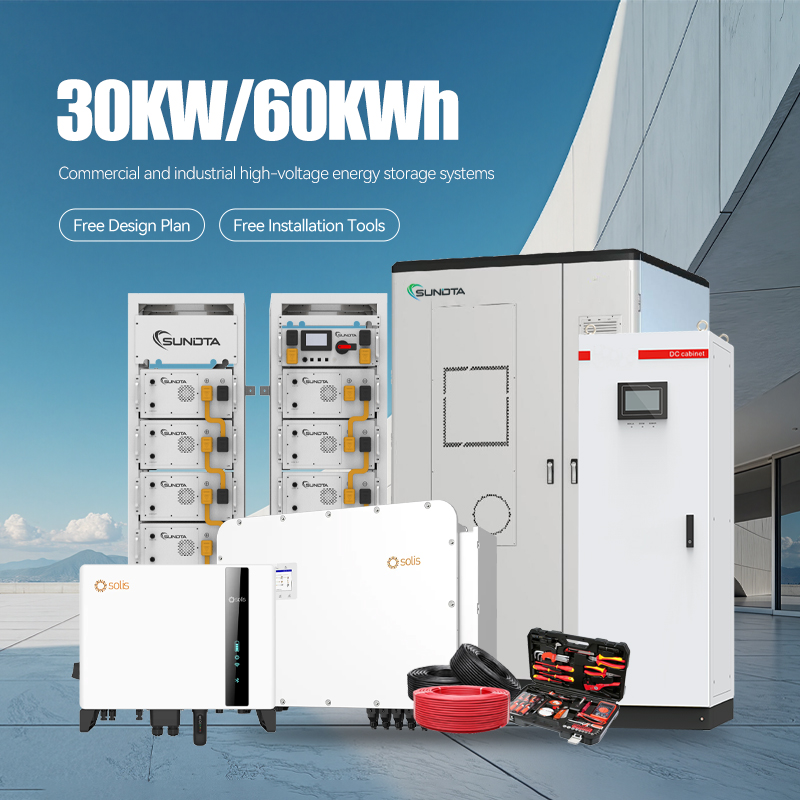
| 30 kW - 50 kW Micro-Commercial | 60-100 × 500W+ High-Yield PV Modules (30-50 kWp) | 30kW - 50kW Three-Phase 400V Grid-Tied Hybrid | 50 kWh to 100 kWh Industrial Cabinet ESS | Sandy Point Fisheries, Supermarkets, Medical Clinics, Cold Storage Warehouses & Small Resorts. |
Why Importers & Contractors in Saint Kitts Partner with RJV New Energy
Combining vertically integrated PV module automated manufacturing with Tier-1 power electronics integration, certified by international testing bodies.
2 GW Production Scale
Fully automated manufacturing facilities in Hefei, China, producing high-efficiency N-Type TOPCon and bifacial PERC modules with rigorous electroluminescence (EL) double-testing before shipping.
TÜV Rheinland Assessed
Our complete operational supply chain is audited and certified by TÜV Rheinland. Modules and systems carry valid CE, IEC 61215, IEC 61730, and UN38.3 certifications required by customs and insurers.
Tier-1 Hybrid Integration
Direct authorized strategic assembly partnerships with Solis and Deye. We ensure pre-configured BMS CAN-bus communication protocols so our LiFePO4 batteries seamlessly communicate with inverters upon arrival.
Turnkey Caribbean Freight
Experienced in full container load (FCL) and consolidated (LCL) freight shipments to Port Zante / Basseterre Deep Water Port, providing export documentation, bill of lading (B/L), commercial invoices, and marine insurance.
Sandy Point Town Solar Sourcing: Frequently Asked Questions
Clear, technical, and regulatory answers for project developers, electrical contractors, and private homeowners planning solar equipment imports.