Commercial, Industrial & Hybrid Storage Equipment
Engineered for harsh tropical climates, isolated mining microgrids, and utility interconnects. All systems feature Tier-1 LFP cells, smart multi-busbar topologies, and closed-loop BMS communication.
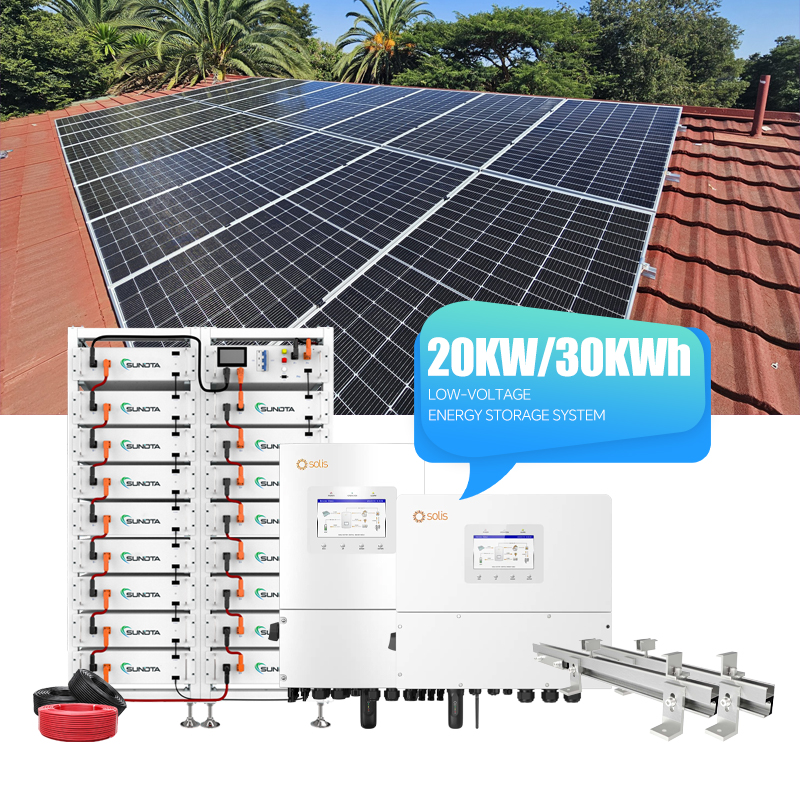
Complete Set of 20kW-35kW Solar Storage Hybrid Kits
- Configurable 20kW to 35kW Hybrid PV
- Dual MPPT tracking with EPS instant backup
- Heavy duty battery rack integration
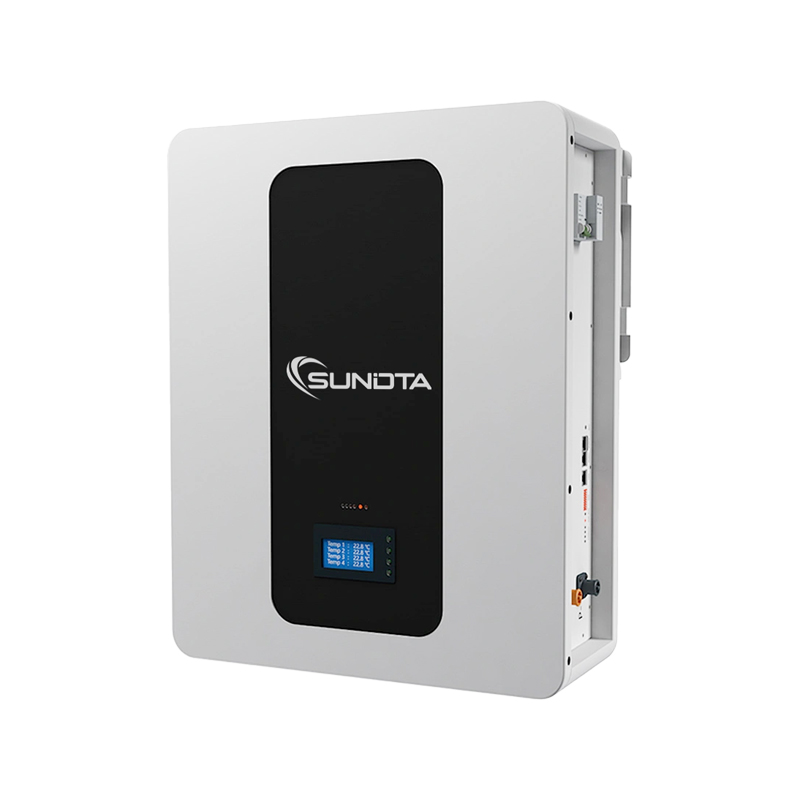
48V/51.2V LiFePO4 10kWh Wall-Mounted 200Ah Pack
- High-durability 200Ah Prismatic cells
- CAN/RS485 closed-loop inverter link
- 6,000+ deep cycles at 80% DoD
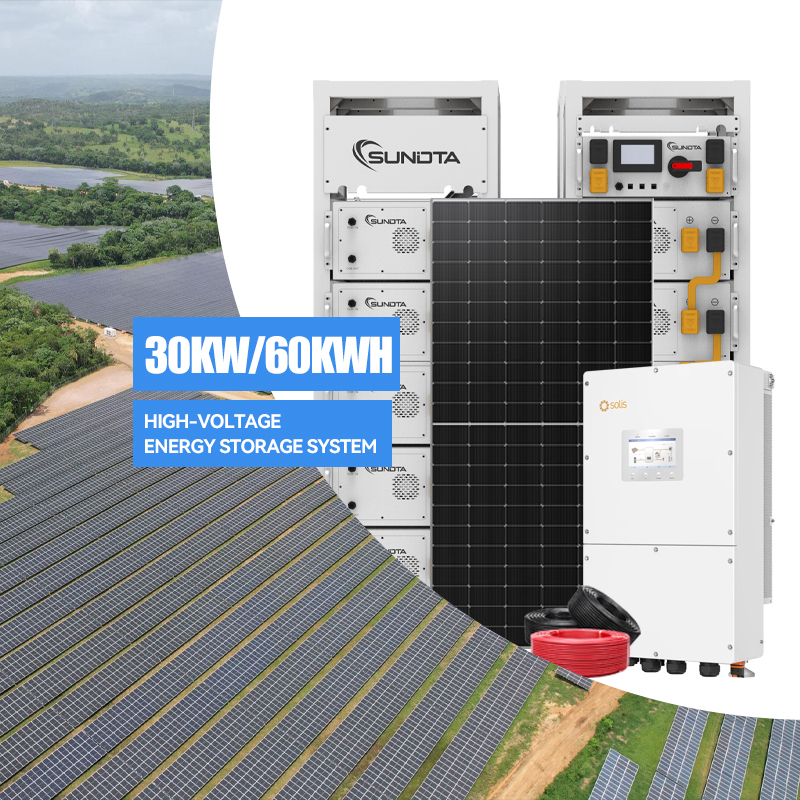
Off-Grid Hybrid Solar Storage System 20kW-40kW
- Pure sine wave power electronic core
- Diesel generator auto-start dry contacts
- EU certified surge and isolation protection
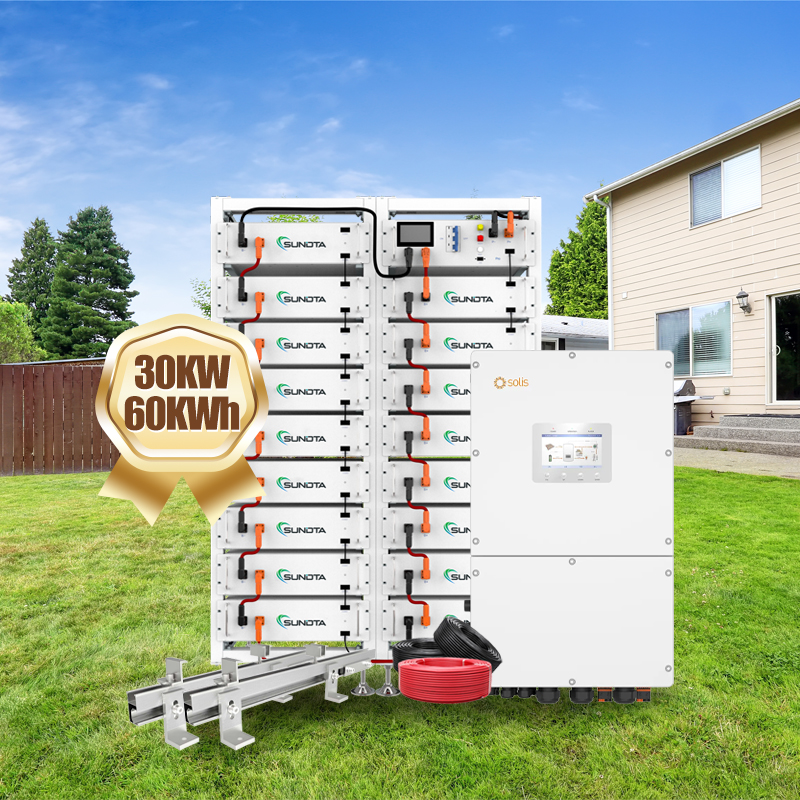
Complete 10kW to 30kW Commercial Hybrid Package
- Modular scale architecture up to 30kW
- Smart grid export regulation functionality
- Pre-wired DC combiner and rapid shutdown
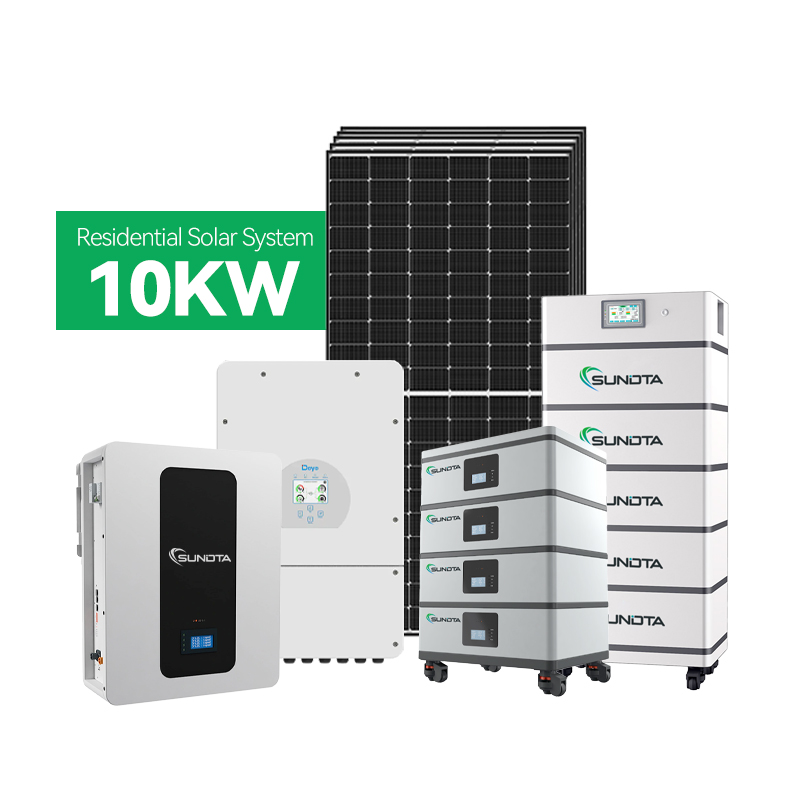
10kW-12kW Hybrid Storage System with LFP Bank
- Multi-level BMS with over-temp throttling
- Dual independent MPPT charge controllers
- Seamless on-to-off grid transfer (<10ms)
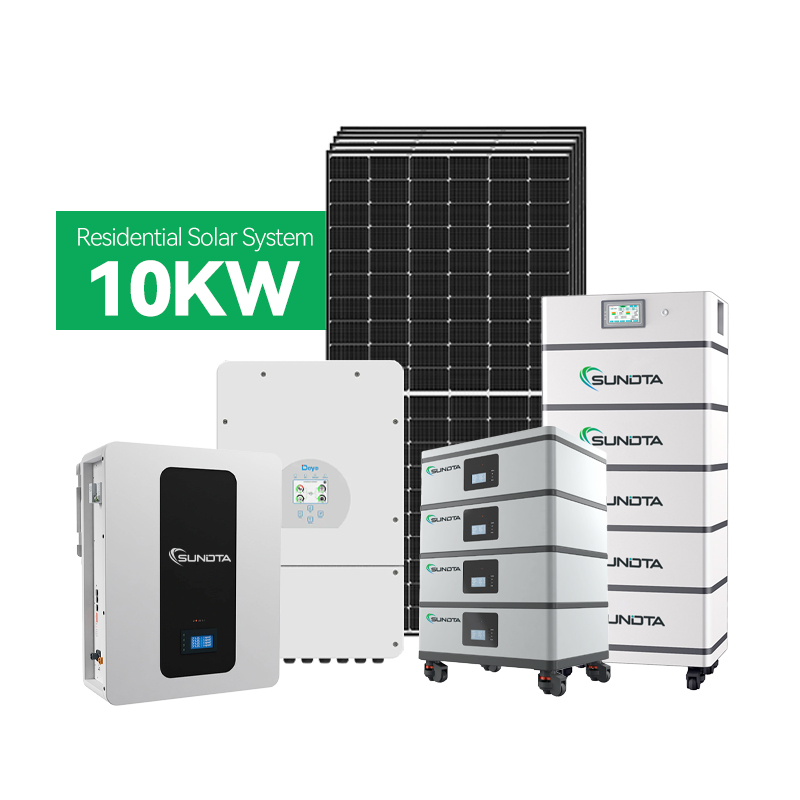
5kW-20kW New Innovation Hybrid Power Kit
- Flexible inverter sizing from 5kW to 20kW
- Rack-mounted plug-and-play lithium packs
- Tropical-rated high humidity enclosure
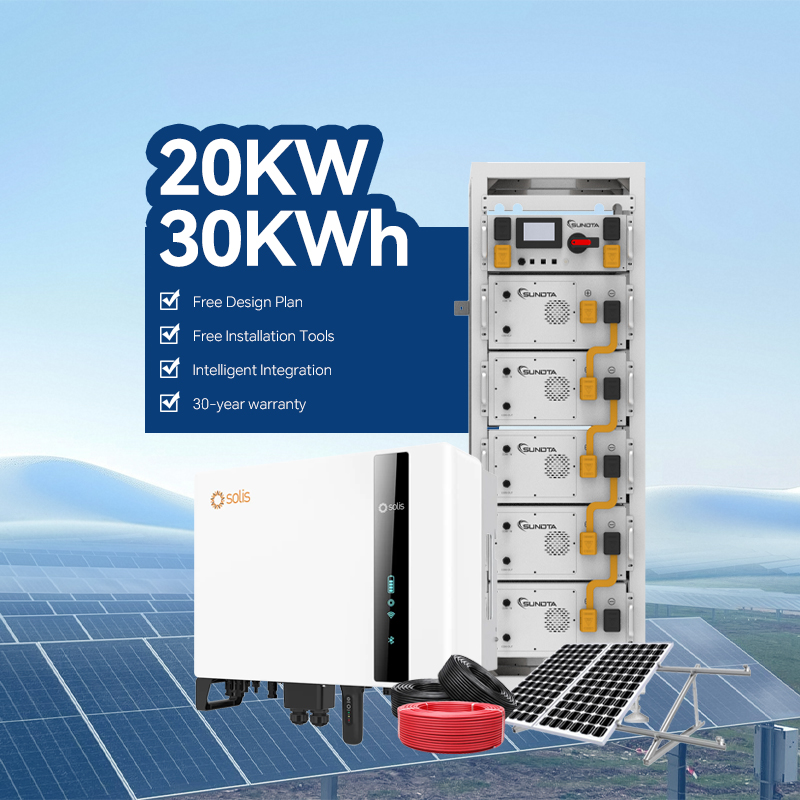
20kW-35kW Solar Generation & Storage Set
- Industrial Grade high-voltage DC bus
- Anti-PID high-temperature N-type PV arrays
- Continuous full-power inductive load handling
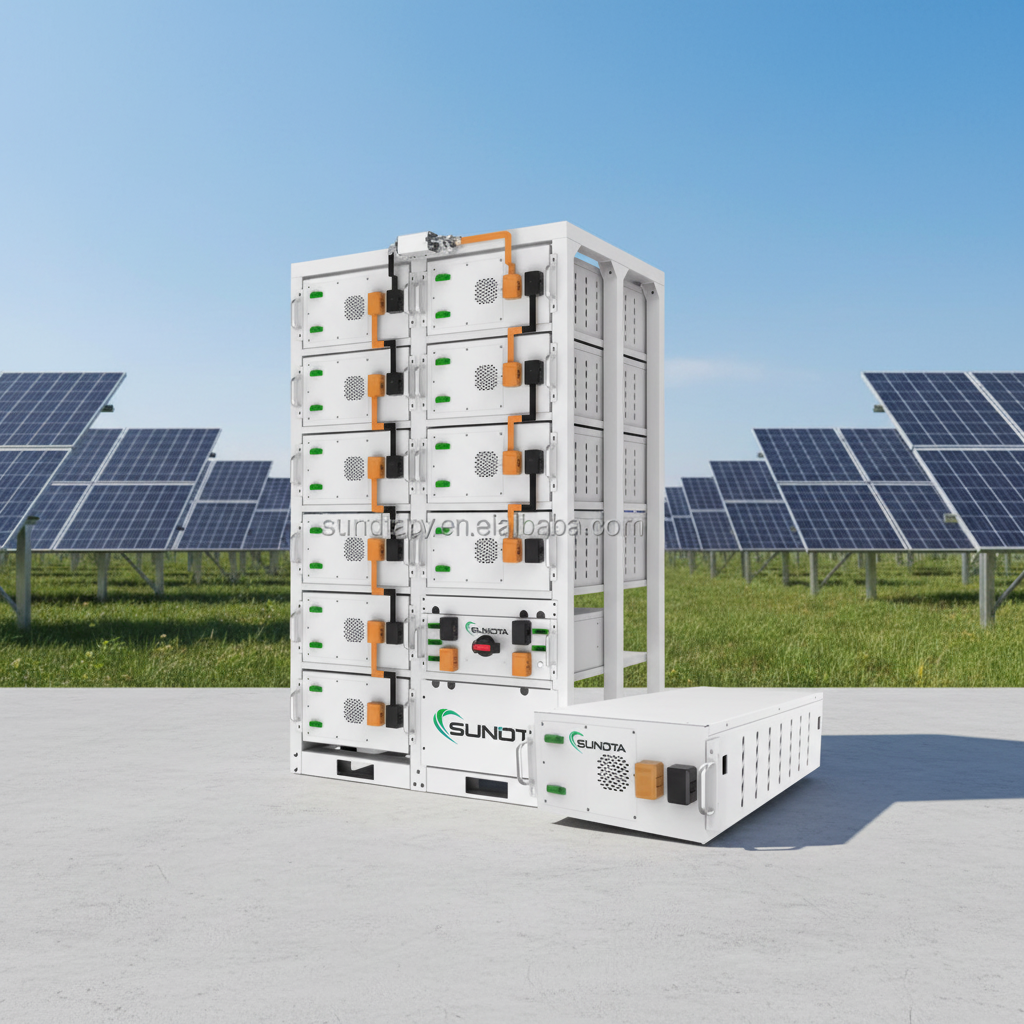
40kWh-100kWh Commercial High-Voltage ESS Cabinet
- Modular High-Voltage Rack (up to 1000V DC)
- Automated aerosol fire suppression onboard
- Dedicated PCS pairing for factory peak shaving
Industrial BESS Engineering & Megawatt Container Architectures for Suriname
As the Republic of Suriname balances economic acceleration driven by major offshore energy discoveries with its international commitments as one of the world's few carbon-negative nations, the demand for utility-scale, commercial, and industrial Battery Energy Storage Systems (BESS) has surged. The national power authority, N.V. Energiebedrijven Suriname (EBS), alongside heavy mining conglomerates in the Brokopondo and Sipaliwini districts, faces critical power quality, load volatility, and fuel supply line challenges.
Anhui RJV New Energy Co., Ltd. delivers purpose-built, containerized energy storage platforms ranging from 250kW/500kWh modular cabinets to 2MWh, 3.44MWh, and 5MWh utility containers. Engineered with Tier-1 lithium iron phosphate (LiFePO4 / LFP) chemistry, multi-stage liquid and precision HVAC thermal loops, and intelligent Power Conversion Systems (PCS), our containerized systems eliminate the operational vulnerabilities common to tropical, high-humidity, and off-grid mining microgrids.
Comparative Thermal & Chemical Topologies for Tropical Deployment
Suriname's coastal plains (including Paramaribo and Wanica) and dense interior rainforest regions exhibit ambient relative humidity levels frequently surpassing 90% alongside ambient operating temperatures between 28°C and 38°C. Conventional energy storage containers built with rudimentary air-cooling loops suffer from severe thermal gradients across battery racks, resulting in localized cell aging, capacity mismatch, and elevated risk of thermal runaway. RJV's industrial containers incorporate dual-circuit liquid cooling topologies engineered specifically for equatorial maritime and tropical rainforest environments.
| Technical Metric | Standard Commercial BESS | RJV Tropical C5-M Liquid-Cooled BESS | Operational Impact in Suriname |
|---|---|---|---|
| Battery Chemistry | Standard NCM or Generic LFP | Tier-1 Automotive-Grade LiFePO4 (Prismatic 280Ah/314Ah) | Inherent chemical stability, non-combustible under mechanical shear, zero cobalt risk. |
| Thermal Gradient (ΔT) | > 5°C to 8°C (Forced Air) | ≤ 2.5°C (Microchannel Liquid Cooling Plate) | Extends cell service life past 6,500 cycles at 80% DoD despite 35°C equatorial ambient heat. |
| Anti-Corrosion Rating | C3 Industrial Standard | ISO 12944 C5-M High Marine Anti-Corrosion | Withstands intense salt fog, coastal humidity, and riverine sulfur exposure in Paramaribo & Nickerie. |
| Enclosure Protection | IP54 Enclosure Rating | IP55 Battery Compartment / IP65 PCS Section | Total defense against tropical downpours, fine silt, humidity condensation, and insect intrusion. |
| Fire Safety Standard | Single dry-powder aerosol | NFPA 855 Compliant + Fike Aerosol + Deflagration Panels | Tri-level detection (CO, Smoke, Flammable Gas) with rack-level precise fire quenching. |
Localized Application Scenarios Across Suriname's Industrial Sectors
Suriname's unique geographical and industrial profile creates four primary grid topologies where RJV's BESS containers deliver quantified operational ROI. By decoupling peak electricity demand from constrained distribution lines and heavy diesel generation, our storage containers transform operational uptime.
Mining Microgrids & Diesel Hybridization
Interior gold, bauxite, and aggregate concessions in Brokopondo, Sipaliwini, and Marowijne depend on heavy fuel oil (HFO) and high-speed diesel generators. Operating costs escalate drastically due to river barge and unpaved interior road fuel transportation. RJV's 1MWh to 4MWh containerized systems operate in tandem with existing gensets, managing spinning reserve, black-start capabilities, and rapid load transients caused by ball mills, crushers, and heavy submersible slurry pumps, reducing overall diesel fuel consumption by 32% to 48%.
EBS Grid Support & Frequency Regulation
The Paramaribo-Wanica transmission corridor suffers from reactive power deficits and voltage sag during peak industrial afternoon hours. When transmission lines from the Afobaka hydroelectric facility experience thermal or hydrological constraints, grid instability threatens sensitive manufacturing and cold-storage infrastructure. RJV BESS containers function as grid-forming assets equipped with synthetic inertia and fast millisecond-scale frequency response to balance local transmission nodes.
Coastal Agro-Processing & Port Logistics
Nickerie's extensive rice milling plants, coastal shrimp aquaculture hatcheries, and the emerging offshore support shorebases near Paramaribo require continuous, uncompromised power reliability. RJV's commercial high-voltage storage cabinets deliver seamless peak-shaving against volatile demand charges while providing zero-transfer-time uninterruptible power during distribution feeder trips.
Suriname Energy Transition & Macro-Economic Dynamics
Suriname's electrical infrastructure is entering an unprecedented phase of transformation. The national policy landscape, shaped by the Electricity Act (Elektriciteitswet) and the Energy Transition Strategy under the Ministry of Natural Resources, actively targets the reduction of fossil fuel subsidies while expanding renewable microgrid penetration in the interior.
Key macroeconomic and technical drivers fueling BESS adoption include:
- Hydro-Generation Seasonality Mitigation: While the 189MW Afobaka Dam provides substantial baseline energy, extended dry seasons linked to climatic shifts diminish reservoir levels, forcing expensive thermal dispatch. Megawatt-scale BESS platforms allow utilities to conserve hydraulic head by smoothing solar PV feeding directly into the national 161kV and 33kV networks.
- CARICOM Sustainable Energy Roadmaps: Suriname’s regional leadership within the Caribbean Community (CARICOM) prioritizes modular, self-sustaining off-grid energy networks. Standardized containerized storage is recognized as the fastest deployable asset to achieve 24/7 electrified indigenous communities along the Marowijne, Suriname, and Tapanahony river basins without requiring multi-million dollar overhead transmission line clearing across dense rainforest canopies.
- Offshore Oil & Gas Shorebase Electrification: As deepwater development in Block 58 gathers speed, shorebase facilities and engineering yards in Paramaribo require hybrid power infrastructures to fulfill stringent multinational environmental standards, positioning BESS containers as the core stabilizing backbone for green shore-to-ship power delivery.
Procurement & Technical FAQ for Surinamese Importers & Contractors
Procuring capital-intensive battery containers for South American tropical environments requires strict adherence to technical and logistic protocols. Here are answers to the most frequent inquiries from project managers, EPCs, and mining operators in Suriname.
Q1: How are BESS containers shipped and cleared through Port of Paramaribo?
Containers are shipped as standard 20ft or 40ft High Cube ISO shipping enclosures under UN 3536 classification (Lithium batteries installed in cargo transport unit). RJV provides full documentation packs—including UN 38.3 test summaries, MSDS, packing lists, and commercial invoices stamped for customs clearance. We regularly execute CIF Paramaribo or CFR shipping terms, handling heavy lift ocean crane loading and vessel stowage away from boiler/engine bulkheads.
Q2: How does high ambient humidity affect internal electrical systems?
Humidity condensation is the primary failure mode of cheap electronic assemblies in Suriname. RJV counters this through closed internal HVAC loops with built-in active dehumidification, polyurethane conformal coating on all internal BMS PCBA boards, and hermetically sealed IP67 cable gland entries. Internal humidity is maintained strictly below 60% relative humidity, eliminating internal surface tracking or contact oxidation.
Q3: Can RJV BESS containers synchronize with our existing Caterpillar / Cummins gensets?
Yes. Our integrated microgrid controller and PCS systems feature multi-mode operational firmware supporting grid-following (voltage/current source) and grid-forming (isochronous frequency/voltage control) modes. Through standard Modbus TCP or CANbus protocols, the BESS automatically handles load ramp rates, allowing diesel generators to run continuously in their optimal fuel efficiency envelope (75%-85% load) without wet-stacking.
Q4: What are the warranty terms, and what happens if a cell fails in the interior?
RJV provides standard 5-year to 10-year linear performance warranties guaranteeing remaining capacity above 70% at the end of the term. Because our containers use modular rack designs with localized disconnects, an individual 48V or 51.2V pack module can be isolated and serviced without taking the entire containerized DC bus offline. We supply recommended 2-year on-site spare part packages (BMS boards, fuses, cooling fans, and contactors) directly with shipment.