Factory-Direct Battery Storage & Hybrid PV Solutions for Paro Projects
Direct export configurations compliant with international safety standards, fully compatible with Deye, Solis, and leading inverter platforms for reliable residential and light-commercial Himalayan deployment.
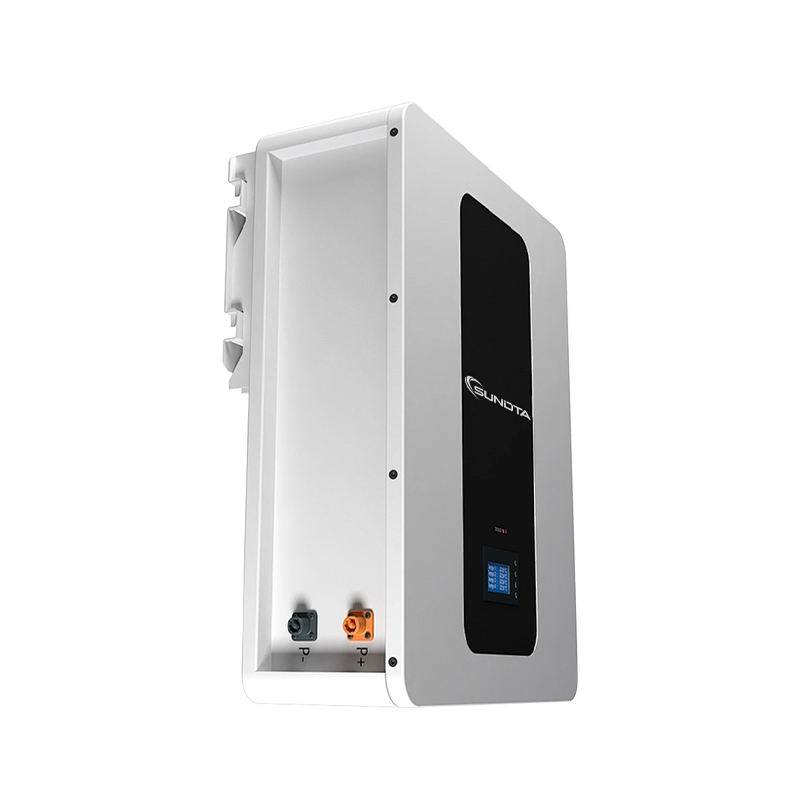
Sundta POLO-W1 LiFePO4 Battery Wall-Mounted 5kWh 51.2V 100Ah Deep-Cycle IP65
- Nominal: 51.2V | 100Ah | 5.12kWh
- IP65 Enclosure for Alpine Humidity
- Automated Pre-charge & CAN/RS485
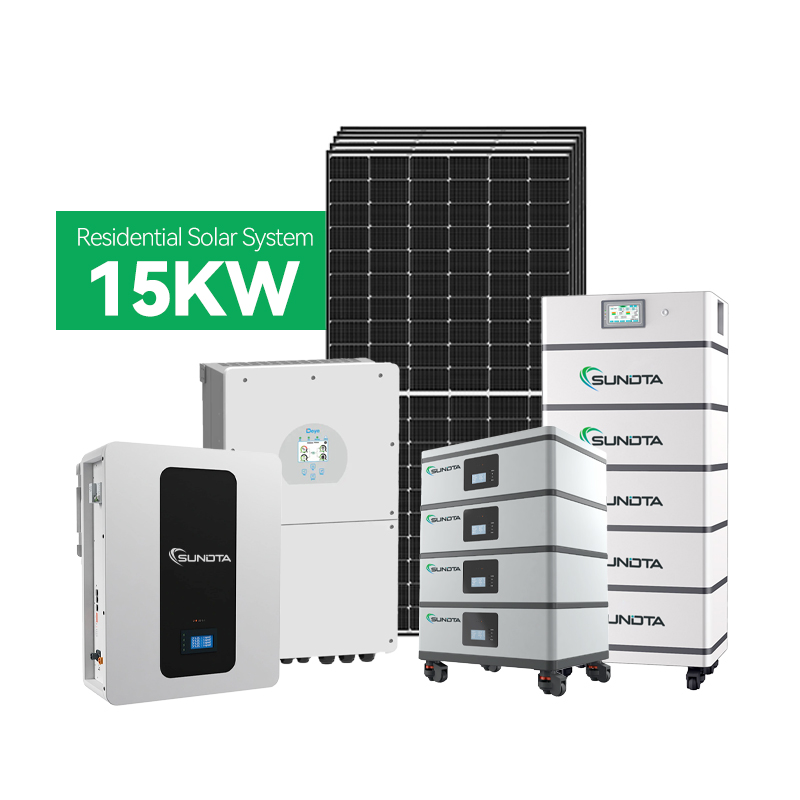
Sundta Hybrid Solar Energy System Kit 5KW 10KW 12KW 15KW Full Set
- Turnkey Matched Inverter & Storage
- Dual MPPT High Altitude Efficiency
- Seamless Grid-to-Island <10ms
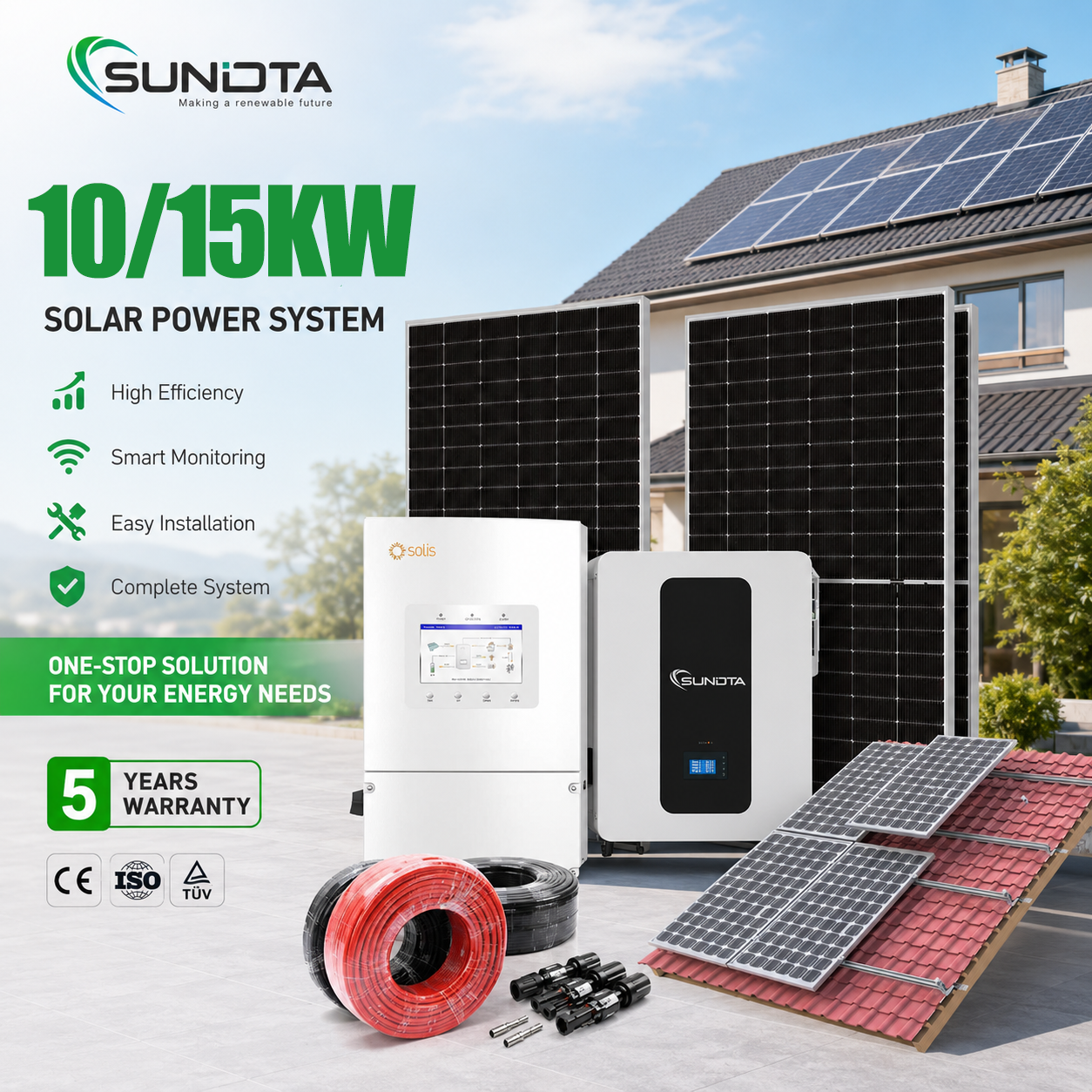
Customized 8kW 10kW 15kW On-Off Grid Solar System with LiFePO4
- N-Type TOPCon Mono PV Matched
- 15-30kWh Modular Expandable Storage
- Diesel Generator Auto-Start Dry Contact
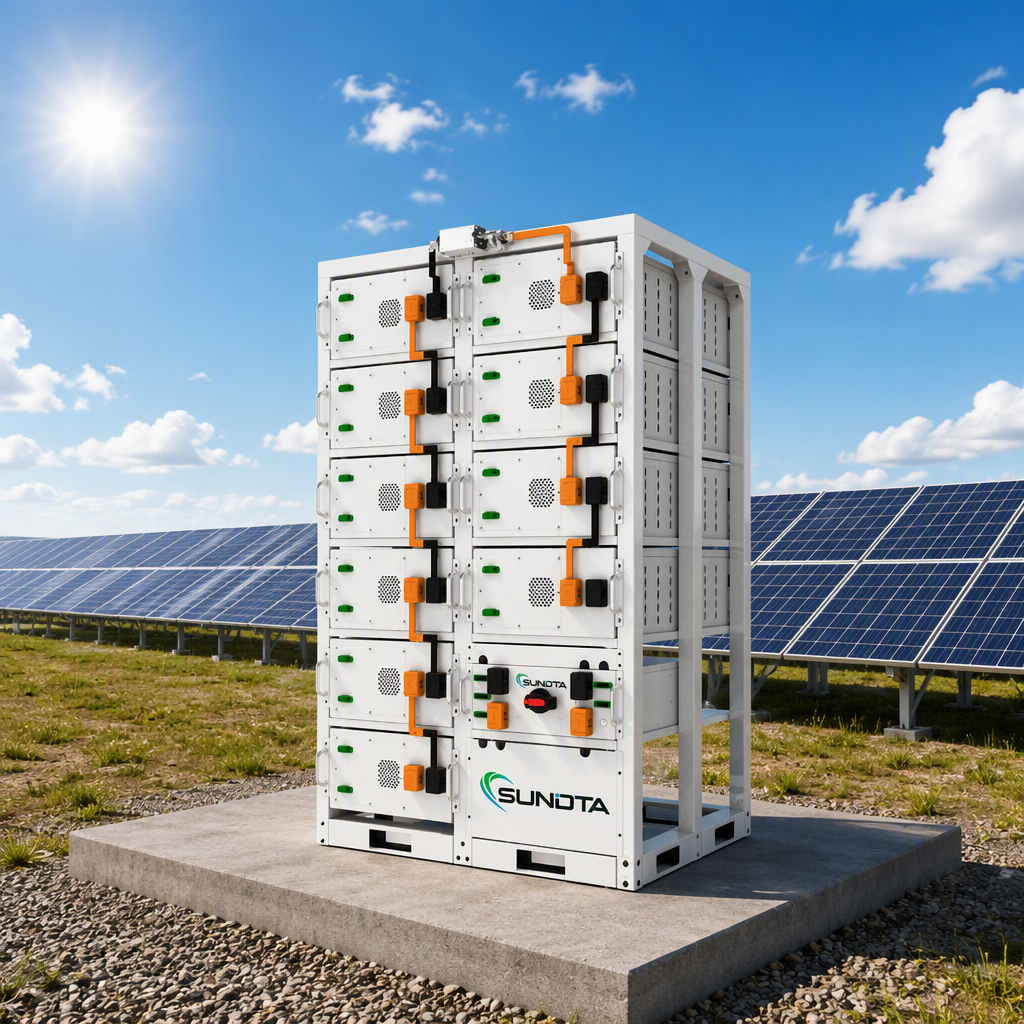
SUNDTA SDT-280 High Voltage LiFePO4 ESS Cabinet 40-100kWh Air-Cooled
- High DC Bus: 200V-800V Architecture
- 280Ah Prismatic Low-Loss Design
- Built-in Aerosol Fire Suppression
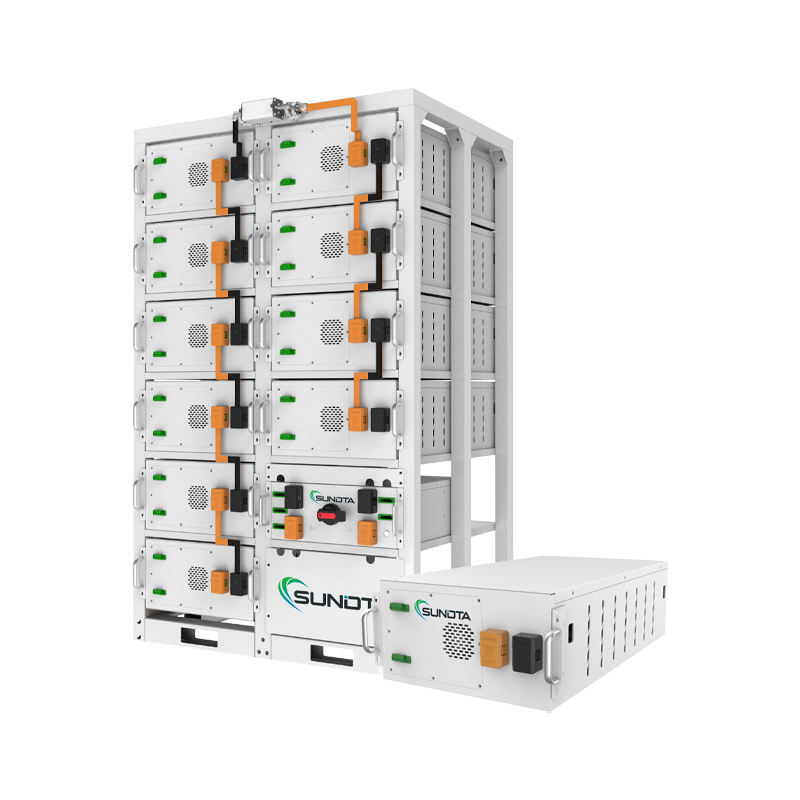
Stackable 51.2V 14.336kWh LiFePO4 Battery with 10-Year Warranty
- High Energy Density 280Ah Cells
- Floor-Standing Stackable Design
- Smart Cloud Telemetry & WiFi App
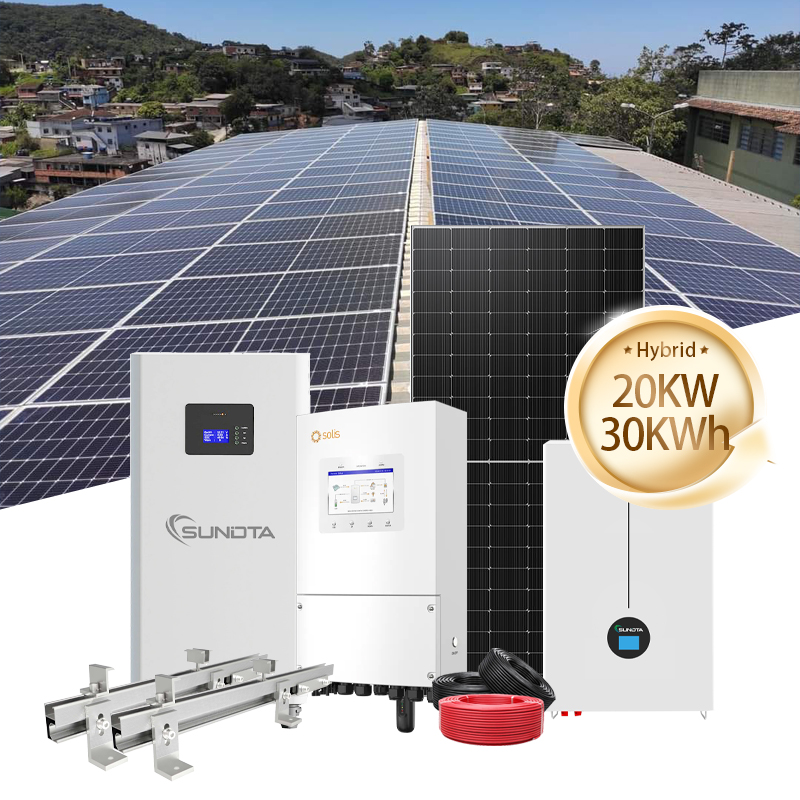
Complete Hybrid Storage System 20KW 30KW 50KW All-in-One Commercial
- Three-Phase 380V/400V Balanced Output
- Integrated High Voltage Controller
- Heavy inductive motor load handling
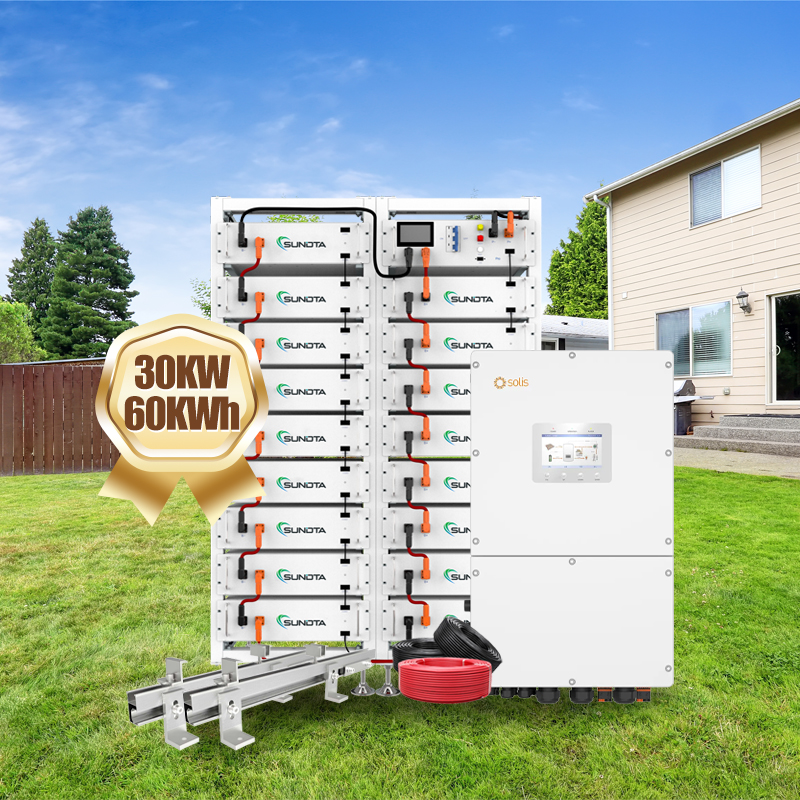
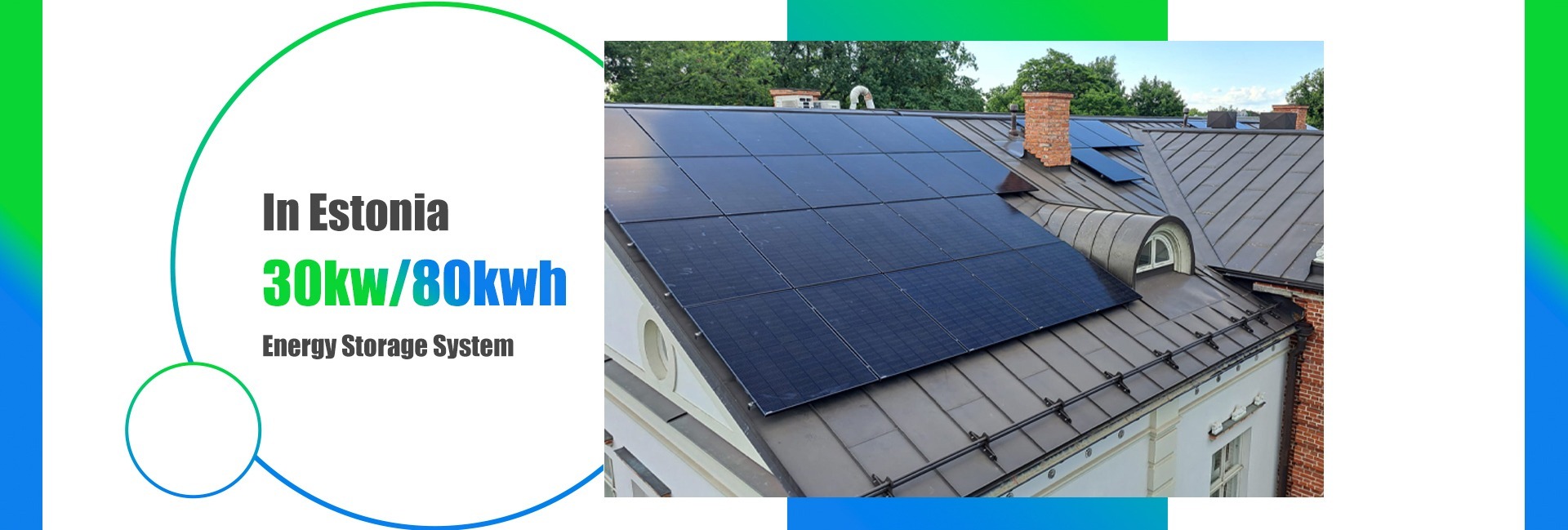
Complete 30kW Hybrid Energy System With EU Certification & LiFePO4
- Certified CE / IEC 62619 Compliance
- Engineered for Resort Microgrids
- Zero Feed-in Limiter Pre-configured
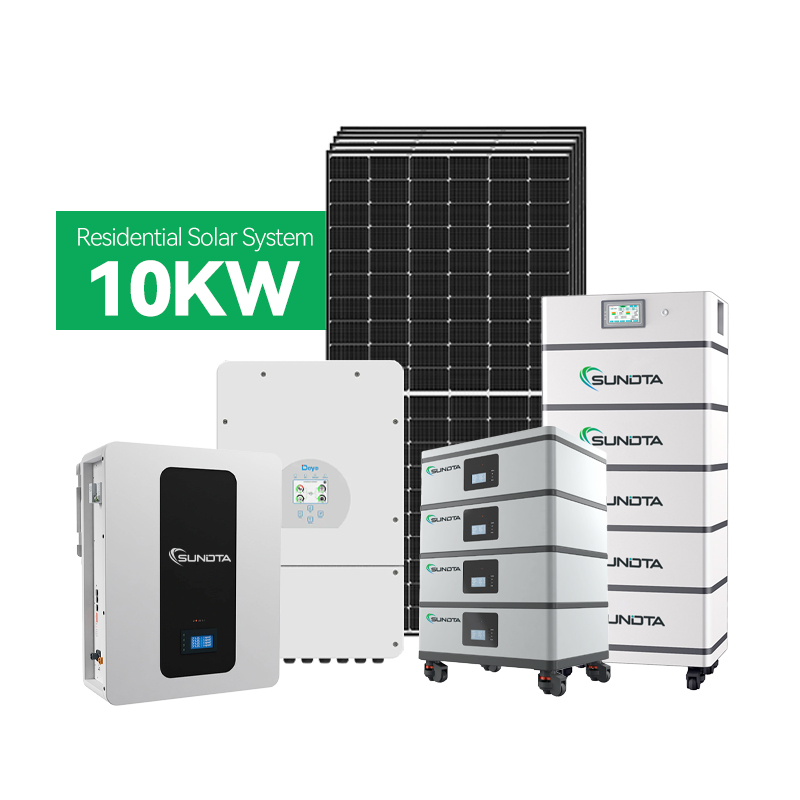
Stock Available Sundta 5KW-20KW Complete Solar Hybrid System Kit
- Express Sea & Land Freight to Bhutan
- Direct Plug-and-Play Matching
- Full Technical Commissioning Kit
Engineering LiFePO4 Battery Systems for Paro's Alpine Geography & Grid Architecture
Situated at an average elevation of 2,200 meters (7,218 feet) above sea level in Western Bhutan, the Paro Valley presents unique electrochemical and electrical challenges that standard, sea-level rated energy storage systems are ill-equipped to handle. As Bhutan advances toward carbon-neutral modernization and rural electrification redundancy, the demand for decentralized energy infrastructure has surged across residential compounds, eco-luxury hotels, agricultural preservation facilities, and heritage monasteries.
Procuring energy storage systems for Paro requires strict adherence to highland engineering standards. Atmospheric pressure at 2,200 meters drops to approximately 77 kPa compared to 101.3 kPa at sea level. This thinning atmosphere directly impacts the dielectric breakdown strength of air and dramatically impairs convective heat dissipation. Concurrently, Paro's winter temperatures regularly drop below -5°C (23°F), creating severe risks of lithium plating if batteries are charged without intelligent thermal regulation.
Technical Altitude Insight: Standard energy storage inverters and battery high-voltage disconnect contactors experience a clearance distance degradation above 2,000 meters according to IEC 60664-1 standards. RJV designs and manufactures ESS specifically calibrated with uprated creepage distances, high-altitude rated contactors, and PTC heating membranes to ensure reliable performance throughout Western Bhutan's winters.
Critical High-Altitude Derating & Electrochemical Matrix
When selecting a residential or commercial LiFePO4 battery pack for Paro, system engineers and procurement contractors must account for the following environmental performance parameters:
| Engineering Metric | Standard Sea-Level Battery | RJV Paro-Optimized LiFePO4 | Highland Engineering Impact |
|---|---|---|---|
| Altitude Rating | Up to 1,000m without derating | Rated to 3,500m Continuous | Eliminates arc flash & dielectric breakdown at low air pressure |
| Low-Temp Charge Range | 0°C to +45°C (Cut-off below 0°C) | -20°C to +55°C (Active Pre-Heating) | Internal thermal film brings cells to 10°C before charging begins |
| Thermal Dissipation | Standard natural convection | Reinforced heat sink + CFD design | Compensates for 23% reduction in air density cooling capacity |
| Cell Construction | Pouch or mixed Tier-2 cells | Tier-1 Grade-A Prismatic Cells | Rigid aluminum casing prevents swelling under variable pressure |
| BMS Communications | Generic open-loop protocol | Dual-CAN/RS485 Multi-Protocol | Seamless telemetry with Deye, Solis, Victron, and RJV systems |
Lithium Iron Phosphate (LiFePO4) chemistry is inherently the safest lithium-based technology available today. With a thermal runaway threshold exceeding 270°C (compared to 150°C for traditional NMC chemistry) and an olivine crystal structure that does not release oxygen upon breakdown, LiFePO4 represents the only responsible choice for installation in wooden heritage homes, luxury boutique resorts, and dense settlements across the Paro district.
Tailored Deployment Scenarios Across the Paro District
Decentralized solar-plus-storage applications designed around Bhutan's distinct ecological stewardship, rural grid topology, and growing tourism economy.
Traditional Farmsteads & Village Homes
In rural Paro settlements like Dopshari and Doteng, winter snowstorms and grid line disruptions often disconnect residential heating and induction cooking. RJV 51.2V 100Ah/200Ah wall-hung batteries provide instantaneous uninterruptible power (<10ms transfer time), ensuring clean, quiet baseline heating and illumination without reliance on smoky kerosene or timber combustion.
High-End Hospitality & Eco-Lodges
Paro's hospitality sector caters to international travelers seeking pristine, quiet wellness retreats. Diesel generators destroy this serene environment with noise and carbon emissions. Our 20kW-50kW hybrid energy storage installations provide silent, automated peak shaving and complete overnight luxury power for geothermal pumps, lighting, and guest amenities.
Monastic Hermitages & Remote Sites
Cliffside gompas and highland heritage sanctuaries throughout the Paro valley frequently lack grid connections due to steep terrain. Modular, lightweight, stackable LiFePO4 battery blocks combined with N-Type TOPCon panels allow straightforward overland transport, delivering reliable, maintenance-free DC-coupled off-grid microgrid capability.
Energy Transition & Market Dynamics in Western Bhutan
Bhutan has long celebrated its status as a net exporter of clean hydropower. However, climate volatility and altered Himalayan precipitation patterns have created seasonal generation imbalances. During the dry winter months, river flows through run-of-the-river hydropower stations drop substantially, forcing seasonal electricity imports and sporadic local load shedding across western hubs such as Paro and Thimphu.
To establish national energy security, Bhutan's revised energy policies increasingly emphasize rooftop distributed photovoltaics (DPV) coupled with battery energy storage systems (BESS). The rapid emergence of electric vehicles (EVs) throughout the Paro-Thimphu transport corridor has placed further instantaneous strain on municipal distribution transformers, turning battery energy storage from a luxury into critical grid-stabilizing infrastructure.
Hydrological Seasonal Balancing
Storing excessive solar power generated during bright, sunny Himalayan winter days allows households to heat living quarters during freezing sub-zero nights without stressing localized grid infrastructure.
Boutique EV Charging Hubs
Solar-plus-storage micro-hubs in Paro town utilize LiFePO4 buffer banks to provide rapid direct-current (DC) vehicle charging without requiring costly utility substation expansions.
Sustainable Agricultural Processing
Cold storage facilities for Paro's famous organic apples, red rice, and mountain produce utilize commercial high-voltage battery cabinets (40-100kWh) to prevent spoilages during grid anomalies.
Why Leading Installers & EPCs Choose RJV Factory
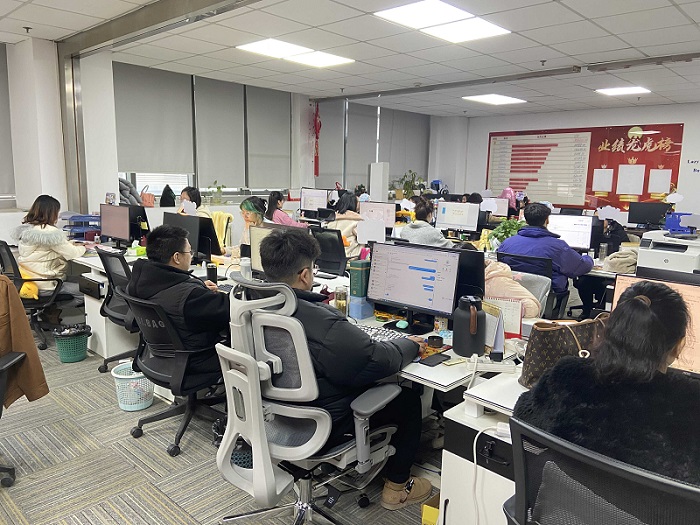
Headquartered in Hefei, China's clean technology manufacturing capital, Anhui RJV New Energy Co., Ltd. integrates 12+ years of PV and electrochemical research with direct factory supply chain strength. We operate fully automated module and pack assembly lines with an annual capacity of 2 GW, shipping tested systems directly to global distributors and regional projects.
Unlike trading intermediaries, RJV exercises complete quality control from prismatic cell sorting and impedance grading to multi-stage environmental burn-in. Every battery pack exported to South Asian and Himalayan destinations undergoes dynamic temperature calibration, altitude insulation verification, and comprehensive CAN-bus protocol handshakes with target inverter hardware.
Frequently Asked Questions for Bhutan Procurement
Direct technical and logistical guidance for electrical contractors, engineering consultancies, and private project owners in Paro.
How do cold winter temperatures in Paro affect LiFePO4 battery charging?
Standard LiFePO4 cells cannot be charged below 0°C without causing irreversible metallic lithium plating and rapid capacity degradation. RJV supplies battery systems equipped with integrated smart PTC heating films. When solar energy or grid input arrives on sub-zero mornings, the BMS directs initial current to warm the cell matrix to +10°C before initiating charging, fully preserving cell life and warrantied 6,000-cycle performance.
What shipping routes and Incoterms are recommended for delivery to Paro?
Because Bhutan is landlinked, ocean freight shipments typically arrive via Kolkata Port (India) or Mongla/Chattogram (Bangladesh), followed by bonded cross-border road transit via Phuntsholing into Paro. RJV provides complete export packaging meeting UN38.3 Dangerous Goods (Class 9) sea transport criteria, issuing compliant Bill of Lading, MSDS, and commercial invoices under CIF Kolkata or CIP Phuntsholing terms.
Are RJV LiFePO4 batteries compatible with existing inverters in Bhutan?
Yes. Our proprietary Smart BMS contains pre-programmed firmware supporting CAN and RS485 communication protocols for major global inverter manufacturers, including Solis, Deye, Growatt, Victron Energy, GoodWe, and Schneider Electric. We deliver the pre-crimped communication cable pinouts alongside every unit to ensure immediate plug-and-play closed-loop communication.
What is the minimum order quantity (MOQ) and warranty support?
For standard residential wall-mounted batteries (5kWh/10kWh) and modular stackable units, our MOQ starts from just 1 unit to support pilot testing and contractor demonstrations. Commercial cabinets and complete turnkey solar kit orders are custom-tailored to project specifications. We back our residential systems with a standard 10-year prorated warranty and direct remote engineering diagnostic support.
Plan Your Paro Solar & Storage Project with Direct Factory Engineering
Whether you require a residential wall-mounted 51.2V backup pack, a modular stackable resort system, or a containerized C&I microgrid, our technical team will deliver a comprehensive single-line diagram (SLD), bill of materials, and direct FOB/CIF quotation within 24 hours.