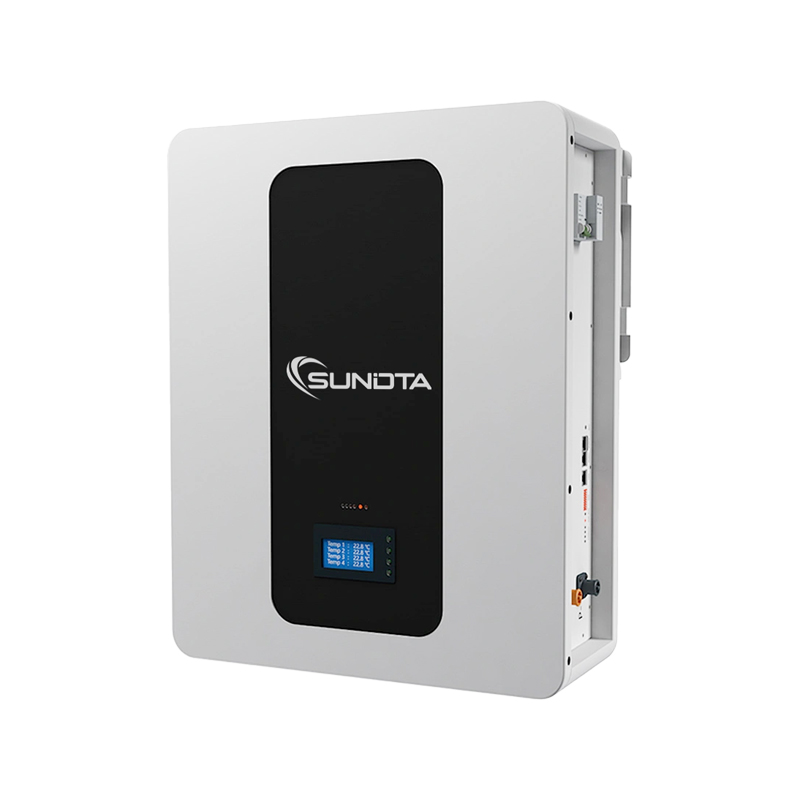
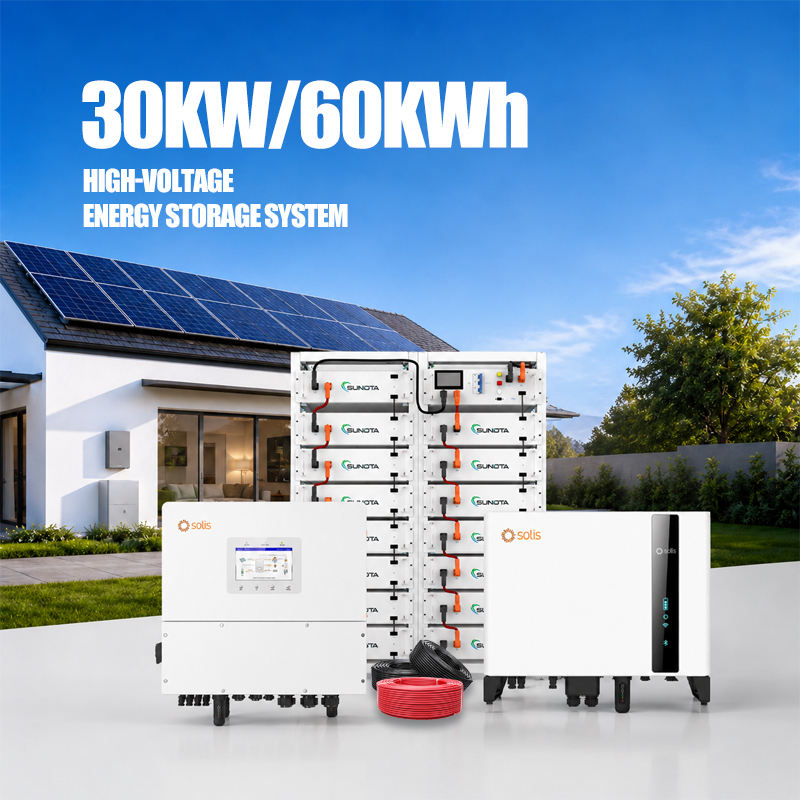
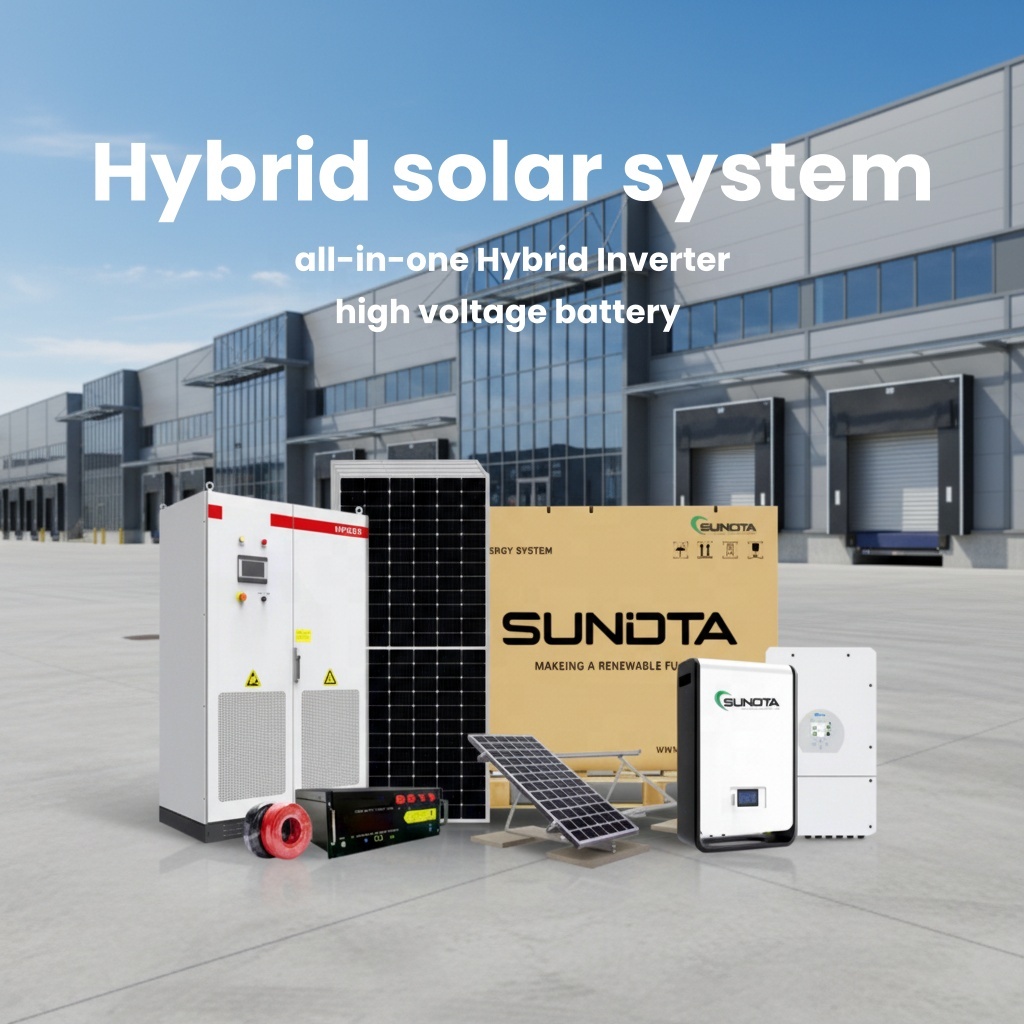
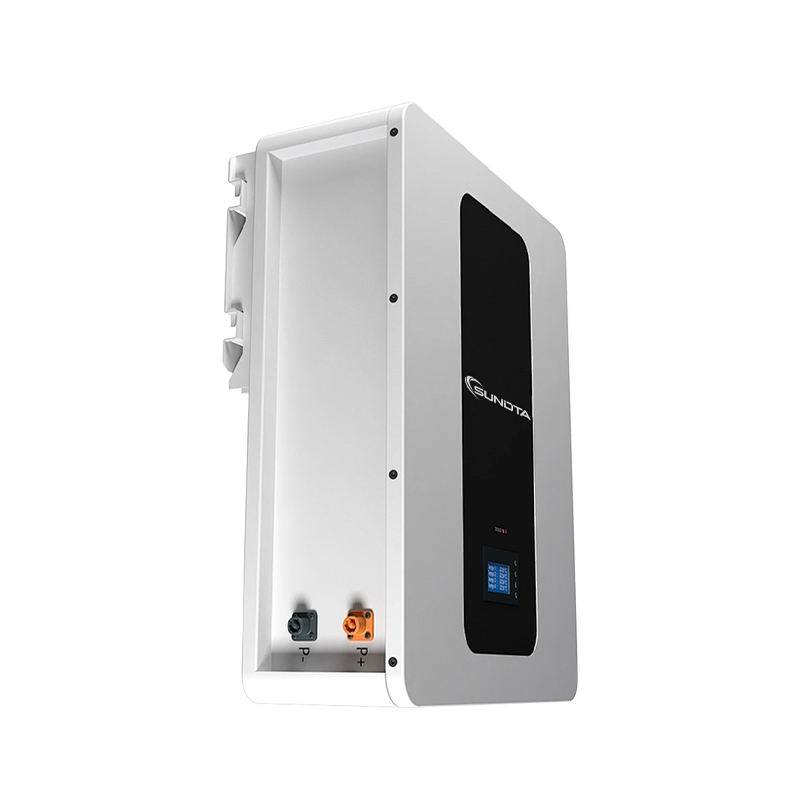
OEM/ODM Bidirectional Solar Inverter Manufacturers & Exporters Serving the Belo Horizonte Market
High-Yield Power Electronics, INMETRO & CEMIG Grid Compliance, and Industrial-Grade LiFePO4 Energy Storage Systems Engineered for Minas Gerais Solar EPCs and Importers
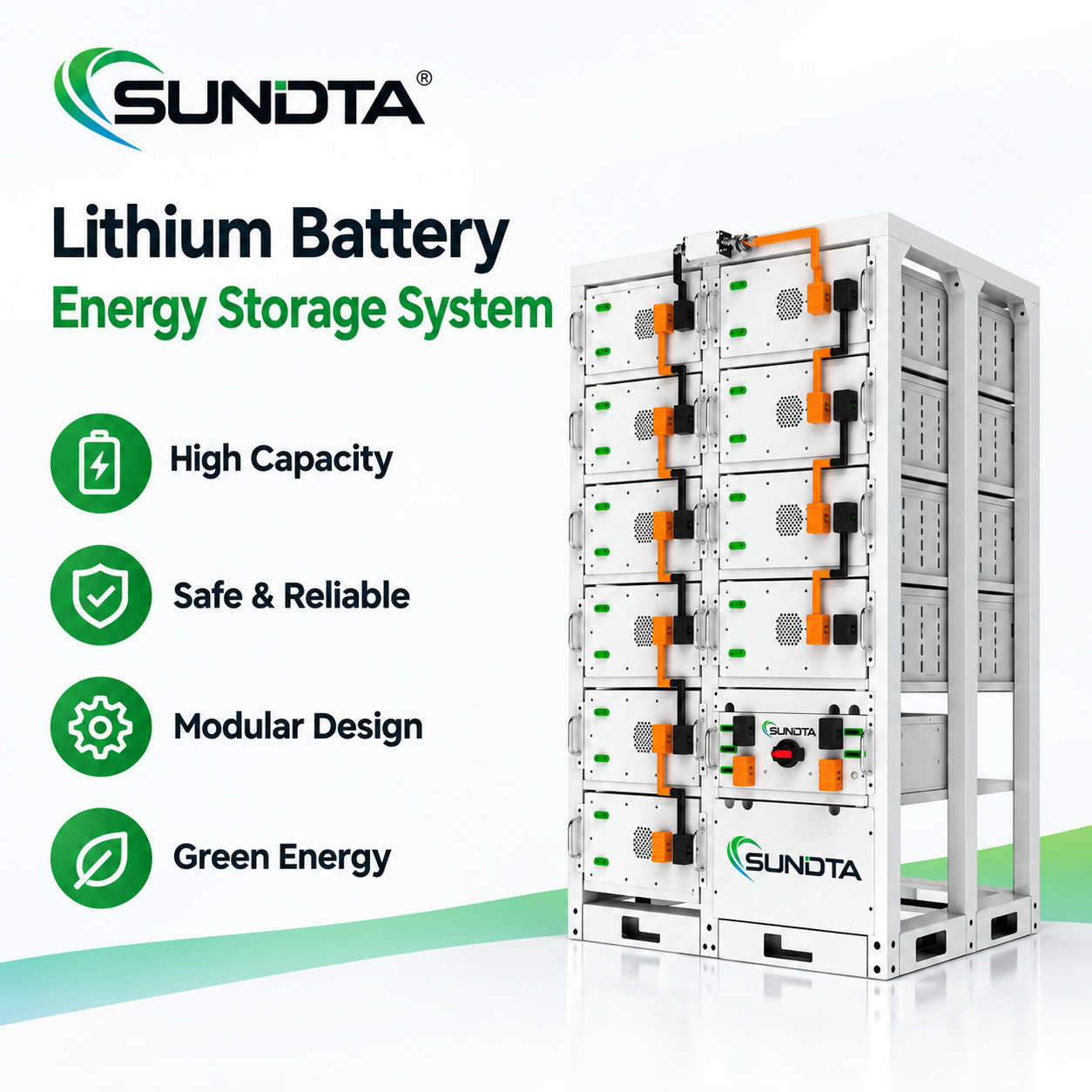
Verified compatibility with CEMIG low-voltage & medium-voltage parameters, featuring closed-loop BMS communication and ultra-fast UPS-grade transfer times.
1. The Shift to Bidirectional Solar Architectures in Belo Horizonte: Navigating Lei 14.300 and CEMIG Grid Pressures
The state of Minas Gerais, anchored by its industrial and metropolitan capital Belo Horizonte, has historically led Brazil in distributed generation (GD - Geração Distribuída). However, the transition from the legacy net-metering framework established under ANEEL Normative Resolution 482/2012 to the legal framework governed by Federal Law 14.300/2022 (Marco Legal da Micro e Minigeração Distribuída) has fundamentally transformed project economics. As the gradual phase-in of the Fio B tariff (distribution wire costs charged by Companhia Energética de Minas Gerais - CEMIG) escalates toward 100% by 2028-2029, traditional grid-tied solar systems that dump peak afternoon generation into the grid face steep financial cannibalization.
For solar EPC contractors, regional distributors, and system integrators in Belo Horizonte, Contagem, Betim, and the broader Vale do Aço and Triângulo Mineiro regions, the path to sustained project profitability lies in bidirectional power electronics and coupled LiFePO4 energy storage systems (BESS). Bidirectional solar inverters serve as the intelligent power router between the photovoltaic string, the battery bank, the captive loads, and the CEMIG distribution grid. Rather than injecting low-compensation surplus solar energy into the grid during daytime hours, a bidirectional system dynamically diverts excess PV power into local lithium battery storage, subsequently releasing it during the lucrative peak demand period (horário de ponta) under CEMIG's Tarifa Branca.
Critical Grid Insight for Minas Gerais: Under CEMIG's time-of-use tariffs, the price differential between peak hours (typically 17:30 to 20:30 on weekdays) and off-peak hours can exceed 250% to 320%. OEM/ODM bidirectional inverters configured with dynamic time-of-use (TOU) firmware allow end-users to achieve rapid amortization by performing automated daily arbitrage, all while maintaining complete galvanic and software compliance with CEMIG ND-5.30 technical requirements.
Furthermore, local distributors face rigorous regulatory compliance under INMETRO Portaria nº 140/2022 and Portaria nº 515/2023. Any bidirectional solar inverter imported through ports such as Santos, Rio de Janeiro, or dry ports like EADI Betim must possess verified factory test reports confirming anti-islanding protection (under 2 seconds), low total harmonic distortion (THD < 3% at rated power), and rigorous DC injection limits (less than 0.5% of rated output current). As an experienced OEM/ODM manufacturer, RJV New Energy engineers each bidirectional unit specifically to fulfill these stringent electrical safety protocols prior to export packaging.
Designing power electronics for Belo Horizonte demands deep engineering adaptations tailored to the city's unique geographic and climatological profile. Situated at an average altitude of 858 meters above sea level—with surrounding highland residential neighborhoods and industrial plateaus reaching well above 1,100 meters—inverters face reduced air density, which impairs convective heat dissipation and decreases dielectric air breakdown resistance.
High-Altitude Thermal Derating and Dielectric Insulation Margins
Conventional inverters mass-produced for sea-level installations frequently encounter unpredicted thermal tripping during peak Minas Gerais irradiance months (August through March), when global horizontal irradiation (GHI) reaches 5.5 to 6.2 kWh/m²/day. RJV New Energy solves this challenge by engineering generous safety margins directly into the OEM hardware:
Enhanced Creepage and Clearance Distances: All internal high-voltage PCB traces and busbars are spaced according to altitude derating multipliers specified in IEC 60664-1 for elevations up to 2,000 meters, eliminating partial discharge phenomena under dry highland conditions.
Forced-Air & Independent Heat Sink Tunnels: Utilizing dual-ball-bearing IP68 DC brushless fans and oversized extruded aluminum alloy heat sinks (anodized for tropical anti-corrosive resistance), our bidirectional inverters maintain 100% continuous nominal output up to 45°C ambient temperature without thermal throttling.
Automated Altitude De-rating Firmware: The inverter DSP microcode includes configurable altitude offsets, adjusting PWM switching frequencies from 16 kHz to 12 kHz dynamically if internal junction temperatures approach 85°C, ensuring uninterrupted operation without sudden shutdown.
Dual Bidirectional Conversion Topology (AC-to-DC and DC-to-AC)
At the heart of our bidirectional platform is a high-frequency, transformerless 4-quadrant topology that facilitates seamless symmetrical power conversion. Operating in charging mode, the inverter functions as an active PFC (Power Factor Correction) rectifier, taking erratic grid power from CEMIG or on-site diesel generators and converting it into stable DC voltage to charge 51.2V low-voltage or 400V high-voltage LiFePO4 batteries. In discharge mode, the same power bridge instantly reverses to deliver pure sine wave AC power with a total voltage harmonic distortion (THDv) of less than 1.5% for sensitive linear loads.
Electrical Parameter
Residential Single/Split-Phase (5kW–12kW)
Commercial Three-Phase (20kW–50kW)
Agro-Industrial ESS (100kW–500kW)
Nominal Grid Voltage
127V / 220V Split-Phase (CEMIG standard)
220V / 380V or 127V / 220V 3P4W
380V / 440V Three-Phase 3-Wire or 4-Wire
Grid Frequency Range
60 Hz (57.5 Hz – 62.0 Hz adjustable)
60 Hz (CEMIG standard compliant)
60 Hz (Microgrid droop control capable)
Battery Voltage Compatibility
40V – 60V (51.2V Nominal LiFePO4)
160V – 800V High-Voltage Lithium Stack
600V – 1000V Containerized BESS
Transfer Time (On-to-Off Grid)
< 10 ms (UPS grade continuous)
< 12 ms (Integrated STS static switch)
< 20 ms (External breaker / microgrid STS)
MPPT Voltage Range
125V – 500V DC (Dual MPPT)
200V – 850V DC (Up to 4 MPPTs)
Dual MPPT or modular central bus
BMS Handshake Communication
CAN 2.0B, RS485 (Pylontech, RJV, Solis)
Dual CAN bus + Modbus RTU / TCP
Ethernet, Modbus TCP, IEC 61850 ready
Universal BMS Protocol Handshaking and Firmware Customization
One of the most persistent bottlenecks faced by Belo Horizonte solar integrators is protocol incompatibility between third-party lithium batteries and foreign inverters. RJV New Energy’s dedicated firmware engineering department eliminates this friction by offering pre-flashed, field-selectable communication libraries supporting leading brands (including Pylontech, Deye, Solis, Growatt, Victron, and BYD protocols). Our closed-loop CAN bus architecture transmits critical cell-level parameters—including State of Charge (SOC), State of Health (SOH), Maximum Cell Voltage, Minimum Cell Voltage, and Dynamic Charge/Discharge Current Limits (CCL/DCL)—at 100ms intervals, protecting battery integrity and preventing inadvertent high-voltage cutoff.
Localized Application Matrix
3. Tailored Application Scenarios Across the Belo Horizonte Metropolitan Axis
The geographic layout and economic landscape of the Região Metropolitana de Belo Horizonte (RMBH) create distinctly diverse operational demands for bidirectional solar storage. Our OEM/ODM configurations are engineered directly around these specific use-cases:
High-End Residential: Alphaville & Nova Lima
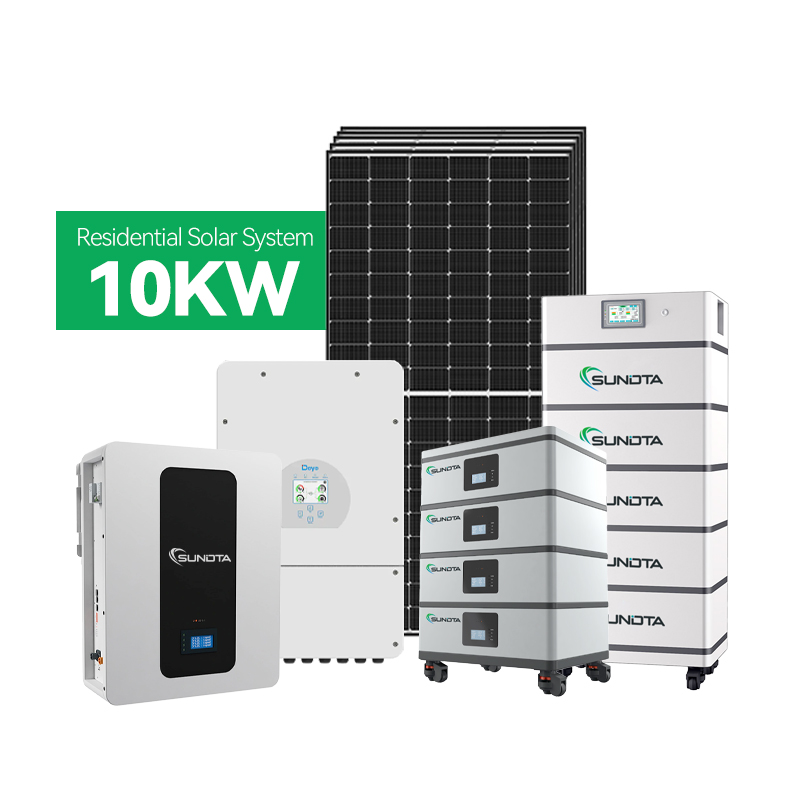
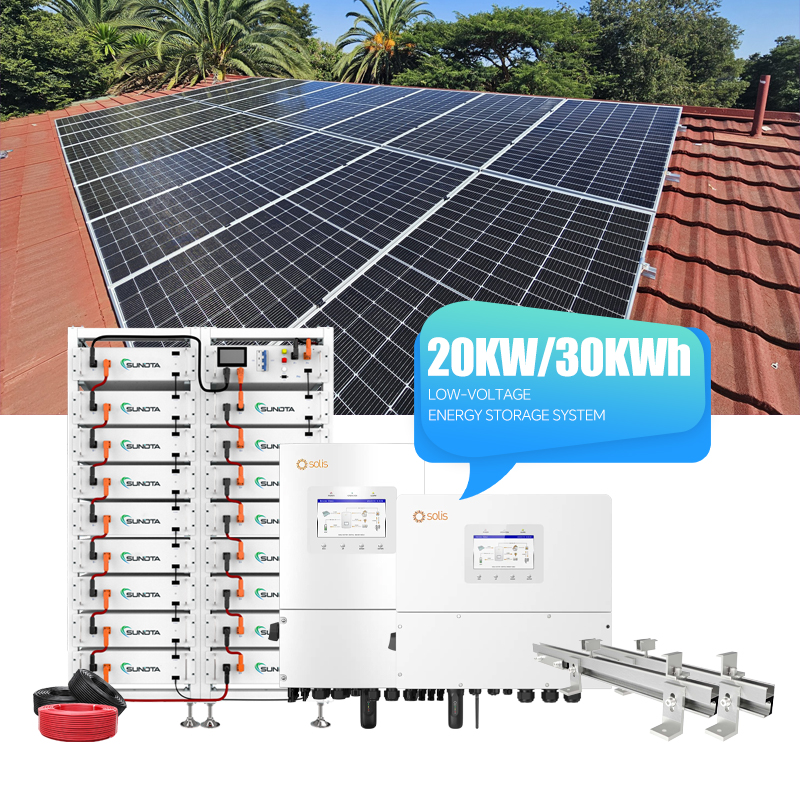
Luxury residential condominiums in Nova Lima and surrounding hills feature high instantaneous loads (HVAC, heated swimming pools, EV chargers). Our 10kW to 15kW split-phase bidirectional inverters coupled with 20kWh to 30kWh LiFePO4 packs guarantee zero light flicker during utility dropouts and maximize self-consumption under Lei 14.300 tariffs.
Industrial Corridors: Contagem & Betim
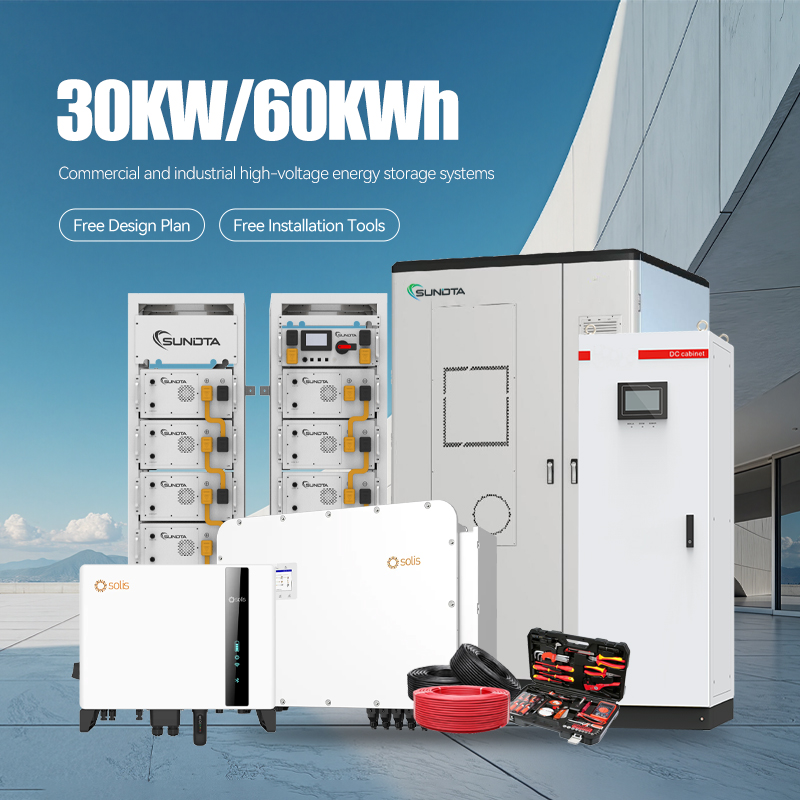
Heavy manufacturing, metallurgy, and logistics hubs suffer substantial financial losses when momentary voltage dips or transients disrupt CNC machinery and automation lines. Our three-phase 30kW–100kW bidirectional hybrid cabinets provide sub-10ms clean backup, voltage stabilization, and automated peak-demand shaving during CEMIG peak billing hours.
Mineira Agro-Industry & Solar-Diesel Microgrids
Agricultural processing plants, dairy hubs, and coffee drying farms in the interior of Minas Gerais frequently rely on unstable rural radial CEMIG feeders. Our inverters feature integrated dry contacts for intelligent diesel generator auto-start, bidirectional AC coupling to existing string inverters, and full off-grid microgrid black-start capability.
Case Study Highlight: A 100kW / 215kWh commercial retrofit at a distribution logistics warehouse in Contagem utilizing RJV New Energy bidirectional hybrid inverters reduced peak tariff demand by 64%, avoided R$ 145,000 in annual grid penalty surcharges, and secured critical server room continuity during summer storm-induced grid collapses.
As the Brazilian distributed energy market matures, business-as-usual module-only imports are rapidly yielding diminishing margins for Belo Horizonte distributors. Five core vectors are driving long-term investment into OEM/ODM bidirectional hardware:
1. Aggressive Enforcement of Fio B Escalation Curves
Under Lei 14.300, projects connecting to the grid after January 2023 pay an increasing share of the Fio B component of the distribution tariff. In Minas Gerais, CEMIG's Fio B cost structure is among the highest in Brazil. Systems equipped with bidirectional inverters achieve payback periods up to 35% faster than grid-tied setups by keeping power behind-the-meter, triggering immense demand for hybrid retrofit kits.
2. Transition toward Three-Phase 220V/380V Hybrid Systems
While historic residential installations in Belo Horizonte utilized 127V/220V split-phase wiring, modern commercial establishments and newly built estates across Minas Gerais are transitioning directly to three-phase 220V/380V networks. Importers must secure manufacturing partners capable of delivering verified multi-voltage units with independent unbalance control across all three phases (up to 100% phase-load imbalance handling).
3. Rapid Adoption of Smart ESS in Agriculture (AgroSolar Mineiro)
Minas Gerais accounts for a dominant share of Brazil's high-value coffee, grain, and dairy production. Farmers face substantial utility penalties for running heavy irrigation motors during evening peak windows. Bidirectional inverters capable of parallel operation (up to 16 units) are replacing expensive diesel generation with solar-charged LiFePO4 microgrids, slashing fuel consumption by up to 75%.
4. Stringent INMETRO Labeling and Import Inspection
Federal customs (Receita Federal) and INMETRO have intensified physical and documental inspections at border clearance terminals. Non-compliant inverters lacking Portuguese user documentation, proper warning labels, anti-islanding compliance test certificates (NBR 16149 / NBR 16150), and Brazilian conformity declaration numbers are routinely impounded. RJV New Energy provides full turnkey OEM certification compliance packs with all technical documentation localized in Brazilian Portuguese.
Enterprise Manufacturing Strength
Why Tier-1 Brazilian Importers Partner with Anhui RJV New Energy
Combining world-class manufacturing depth in Hefei, China, with specialized engineering understanding of the Brazilian electrical market.
2 GW Annual Capacity
Fully automated SMT and module manufacturing lines with rigorous 72-hour burn-in testing under full load and thermal cycling.
TÜV Rheinland Audited
On-site verified manufacturing facilities. Comprehensive ISO 9001, ISO 14001, and ISO 45001 certified quality control systems.
Expert handling of CIF Santos, Rio de Janeiro, and Betim Dry Port (EADI). Pre-shipment flash test reports and INMETRO compliance portfolios.
The RJV Quality Pledge: Every bidirectional inverter and lithium energy storage system undergoes automated ICT testing, optical AOI inspection, high-pot dielectric withstand tests, and dynamic burn-in chamber profiling before bill of lading issuance. We provide dedicated engineers on standby for remote commissioning support across Brazil’s Brasília time zone (BRT / UTC-3).
Procurement & Technical FAQ
6. Frequently Asked Questions: Sourcing Bidirectional Inverters for Belo Horizonte
Direct technical and commercial answers to the questions most commonly raised by purchasing managers, distributors, and EPC lead engineers across Minas Gerais.
How do RJV bidirectional inverters comply with CEMIG ND-5.30 technical norms?
CEMIG standard ND-5.30 (Requisitos para a Conexão de Micro e Minigeração Distribuída ao Sistema Elétrico de Distribuição da CEMIG) mandates strict grid-protection mechanisms. Our bidirectional inverters come pre-loaded with Brazilian grid-code profiles, including under/over-voltage disconnection thresholds (0.85 Un to 1.10 Un), under/over-frequency protection (57.5 Hz to 62.0 Hz), automatic anti-islanding trip times under 2.0 seconds, and zero-export smart meter (CT) integration. CEMIG homologation documents and test curves are supplied with OEM procurement orders.
What is the procedure for obtaining INMETRO registration for OEM-branded inverters?
Under INMETRO Portaria 140/2022, foreign manufacturing plants must possess accredited ILAC-certified laboratory test reports according to ABNT NBR 16149, NBR 16150, and IEC 62109-1/-2 standards. As an OEM manufacturer, RJV New Energy collaborates directly with Brazilian Designated Certification Bodies (OCP). We supply complete CB test certificates, factory audit documentation, electrical schematics, and bilingual datasheets, allowing your company to rapidly register its own proprietary brand under INMETRO without redundant laboratory testing costs.
Can your bidirectional inverters handle split-phase 127V / 220V and three-phase 220V systems?
Yes. The electrical distribution across Minas Gerais features regional variations. Belo Horizonte residential feeds are predominantly 127V phase-to-neutral and 220V phase-to-phase (split-phase), whereas commercial sites often operate on 220V/380V or three-phase delta 220V configurations. Our product range offers configurable software-selectable grid modes and hardware split-phase transformerless topologies engineered specifically to balance phase voltage variations without triggering nuisance fault codes.
What are the recommended Incoterms, transit times, and logistics corridors to Betim / BH?
Most B2B importers order under FOB Shanghai/Ningbo or CIF Santos / CIF Rio de Janeiro. For large distributors in Minas Gerais, ocean freight from China to Santos typically takes 32 to 40 days, followed by bonded bonded road transport directly to the EADI Betim Dry Port (Estação Aduaneira do Interior) for internal customs clearance. This route frequently leverages state-level ICMS tax deferral incentives available for imports cleared inside Minas Gerais.
How does the system perform dynamic peak shaving under Minas Gerais Tarifa Branca?
The bidirectional inverter features programmable real-time clock (RTC) registers. Installers can program up to 6 custom daily charging and discharging time slots. During low-cost daytime or valley hours (horário fora de ponta), the battery is charged via solar or economical grid power. When CEMIG's peak tariff activates between 17:30 and 20:30, the bidirectional inverter switches to forced-discharge mode, powering building loads entirely from the LiFePO4 battery bank and eliminating costly grid peak consumption.
What is the MOQ for customized OEM housing, firmware, and Portuguese packaging?
For standard off-the-shelf inverters and lithium storage batteries, our minimum order quantity starts from just 1 unit/set for sample verification. Full OEM customization—including custom silkscreen logo, bespoke color chassis, custom software boot logo, branded app monitoring, and Portuguese instruction manuals—generally begins at 20 units or mixed 20ft container orders.
Scale Your Solar Business in Minas Gerais with RJV OEM Engineering
Request an export quotation, complete technical specifications, INMETRO compliance dossiers, or arrange an online engineering consultation with our Hefei R&D team.